
25 Oct 2025
my spec-kit driven #AI dev workflow gets ~ 15 weeks of work done / day / editor (project) - running 2 projects in parallel. I'm using 25% of my opus budget on the max 200 subscription per day 😅 - only for planning tasks.
My planner experiences:
Planners: /speckit.plan / task / clarify
claude-code - opus 4.1 : Awesome, relative quick, ~7% budget
claude-code - sonnet 4.5: Quick, good for smaller plans. Not as good as opus
opencode - chat gpt-5 pro: Super slow ~ 6h for a large project. ~ 30$. A bit better then opus 4.1. Use it for very large, very complex projects for initial planning.
opencode - grok 4: half garbage
Implementers: /speckit.implement
claude-code - sonnet 4.5: rust, nix, testdriven: senior dev, very little errors, very few interventions
claude-code - sonnet 4.5: python: annoying. static types are much better
claude-code - opus 4.1: gets hard debugging problems fixed
opencode - gemini 2.5 pro: At least, he gives up. Can't even implement test cases
opencode - grok 4: Read he writes good tests, but not for me he doesn't. Always <x:ai> garbage in the output, seems to dumb for MCP
Spec driven ai development #specdev >>>>>> #vibecoding
In a few weeks, I will unleash the most advanced AI toolkit ever created on the world.
Not another company, that steals your work - but a protocol on #sui to share your agents and skills and experiences. The more people use your skill, the more you earn from the protocol.
If you think #claude skills are good, they are only 1/5th of what is required for a real skill. I don't want my agents to write good code, I want perfect code. This can only be archived if everything is in place, MCP, tools, data, permissions, context, isolation...
AI worms are coming, and they come fast. #glasworm should make you at least a bit scared.
The full isolation workflow and multi a step pipeline, ensures, no escape from the sandbox and every change is checked by a vigorous check step and agent will check the results for malicious code.
2
214

Get back to me when you learn fluid dynamics. I'm tired of microbiologists & MDs out of their lane on the mask issue. Engineers solve 100 issues a month while scientists study 1 for a decade. SpecDev, Design, Mfg, QA/QC, FA all engineering functions. You can't even read the spec.
2
3

28 Jun 2022
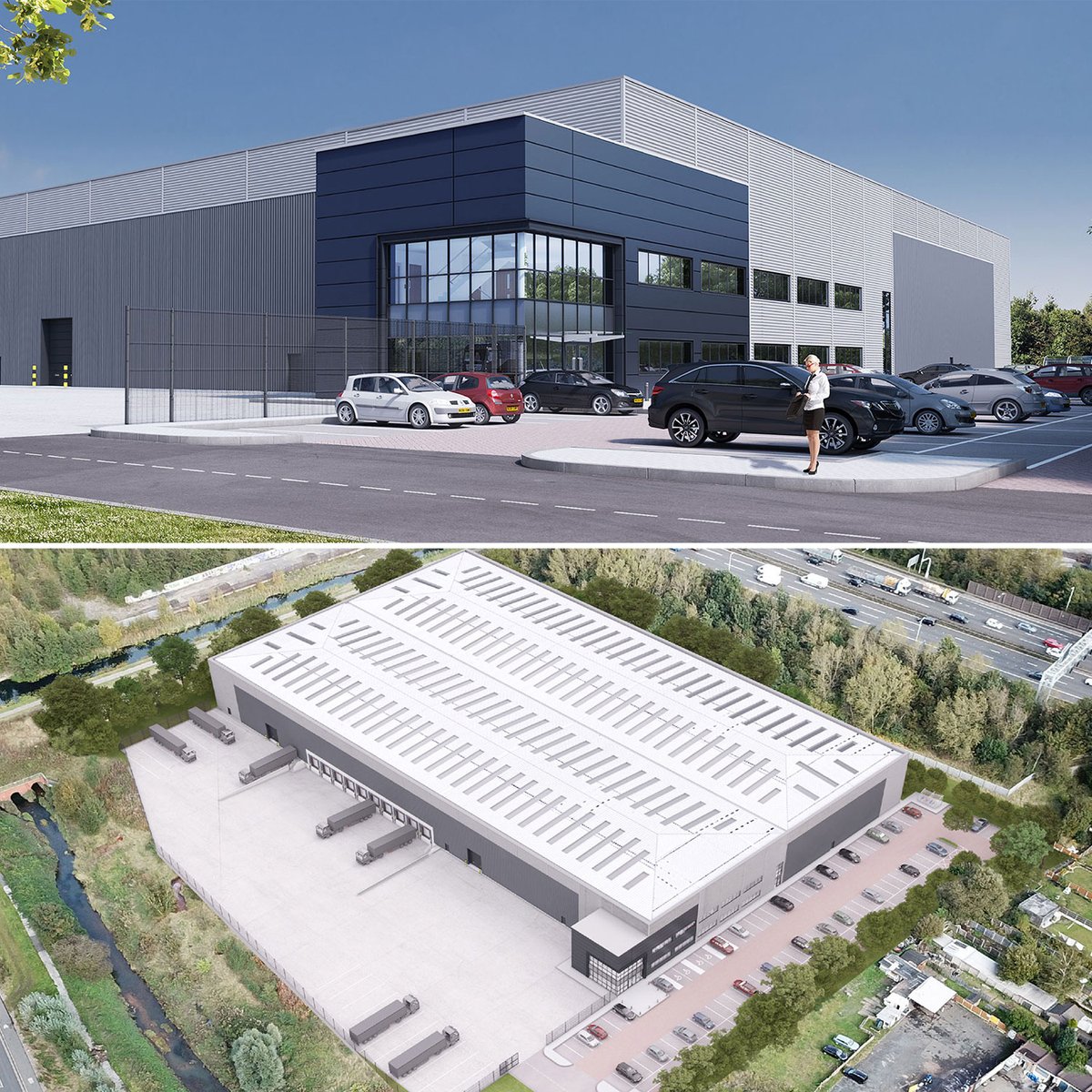
Earthworks started on our latest development – 113,000 sq ft industrial/warehouse. parallel113.co.uk #logistics #industrial #warehousetolet #specdev #m6 #midlandsengine #darlaston #intelligentlocation #parallel113 #stfrancisgroup
1
3
7
Already proven. You have no idea what you're talking about because you're not an engineer who does SpecDev, Design, Mftg, QA/QC, FA. NIOSH has all specs on all types. OSHA has all specs on procedure & trng. CDC has nothing but idiocy. Doctors know as much as janitors about masks
1
3

And yet no MD has a clue about mask efficacy because it’s a fluid dynamics problem. Engineers and materials scientists specdev, design (CAD), mfg process dev, QA/QC test fixture dev, FA on masks. MDs just put them on their faces. #MasksDontWork MDs should stop PRETENDING to know
1
2
I’m livid at arrogant ignorant MDs who purport masks prevent aerosol spread.
Engineers do:
SpecDev
Design in CAD
Mfg process dev
QA/QC test fixture dev
FA
on masks from a basis of education in fluid dynamics and materials science.
MDs put masks on their faces.
STOP pretending.
1
2/ Masks - SpecDev, product design, mfg process dev, QA/QC test fixture dev of masks are done by engineers. MDs just use them. Yet MDs weigh in w/opinions on efficacy. Why? MDs know as much about mask efficacy as carpenters. Does a surgeon know the tensile strength of a scalpel?
3
2


16 May 2016



1