
Índices Filtrados: Corte o Excesso ✂️
Por que desperdiçar recursos indexando milhões de linhas que suas consultas nunca acessam?
youtu.be/dd5Oml3tOX4
#SQLServer #PerformanceTuning #SQLPerformance #DatabaseOptimization #DBA #TSQL #sql #SQLTips #DataManagement #FilteredIndexes
7

Jun 11
"🗄️ DB Tip of the Day: Leverage prepared statements and parameterized queries to improve query performance, reduce SQL injection risks, and optimize application code 🚀 #SQLPerformance"
5

Supercharge your SQL Server performance with efficient CPU management! Watch our video on the CPU by Hour by Day Report for expert tips and strategies. Link: youtu.be/nReK15yLMDE #SQLPerformance #PerformanceOptimization youtu.be/nReK15yLMDE
9

SQL Server 2025 adds AI‑assisted tuning and automatic plan correction—but you still need to know why queries slow down. @GFritchey dives deep into statistics, parameter sniffing & execution plans to stay in control. #DataPlatform #TSQL #SQLPerformance
🔗 ow.ly/zRaa50YVAPK
1
95

Jun 10
Supercharge your SQL Server performance with efficient CPU management! Watch our video on the CPU by Hour by Day Report for expert tips and strategies. Link: youtu.be/nReK15yLMDE #SQLPerformance #PerformanceOptimization youtu.be/nReK15yLMDE
60
SQL Server 2025 adds AI‑assisted tuning and automatic plan correction—but you still need to know why queries slow down. @GFritchey dives deep into statistics, parameter sniffing & execution plans to stay in control. #DataPlatform #TSQL #SQLPerformance
🔗 ow.ly/zRaa50YVAPK
1
59
SQL Server 2025 adds AI‑assisted tuning and automatic plan correction—but you still need to know why queries slow down. @GFritchey dives deep into statistics, parameter sniffing & execution plans to stay in control. #DataPlatform #TSQL #SQLPerformance
🔗 ow.ly/zRaa50YVAPK
2
63

May 30
🚀 4 Window Functions Jo Har Backend Developer Ko Pata Hone Chahiye!
Pehle purane tareeke se struggle karte the — self joins, multiple queries, temp tables…
Ab ye 4 functions seekh lo toh life set hai:
1️⃣ ROW_NUMBER(), RANK(), DENSE_RANK()
2️⃣ LAG() & LEAD() — pichla/next value compare karne ke liye
3️⃣ Running Total with SUM() OVER()
4️⃣ PARTITION BY — group-wise magic
Ek baar samajh aa gaya toh bahut saare complex queries ek line mein ho jayenge! 💯
Kaunsa function pe detailed video chahiye? Comment mein batao 👇
Follow @DevNotes_io for more real SQL & Backend tips!
#SQL #WindowFunctions #BackendDeveloper #SQL #WindowFunctions #SQLTips #PostgreSQL #MySQL #BackendDeveloper #Database #TechHindi #CodingTips #DeveloperLife #SQLPerformance #DataEngineering #DevNotesIO
1
2
89

May 28
Most SQL problems that analysts solve with subqueries can be solved in one line.
Window functions do that. Here is how they work.
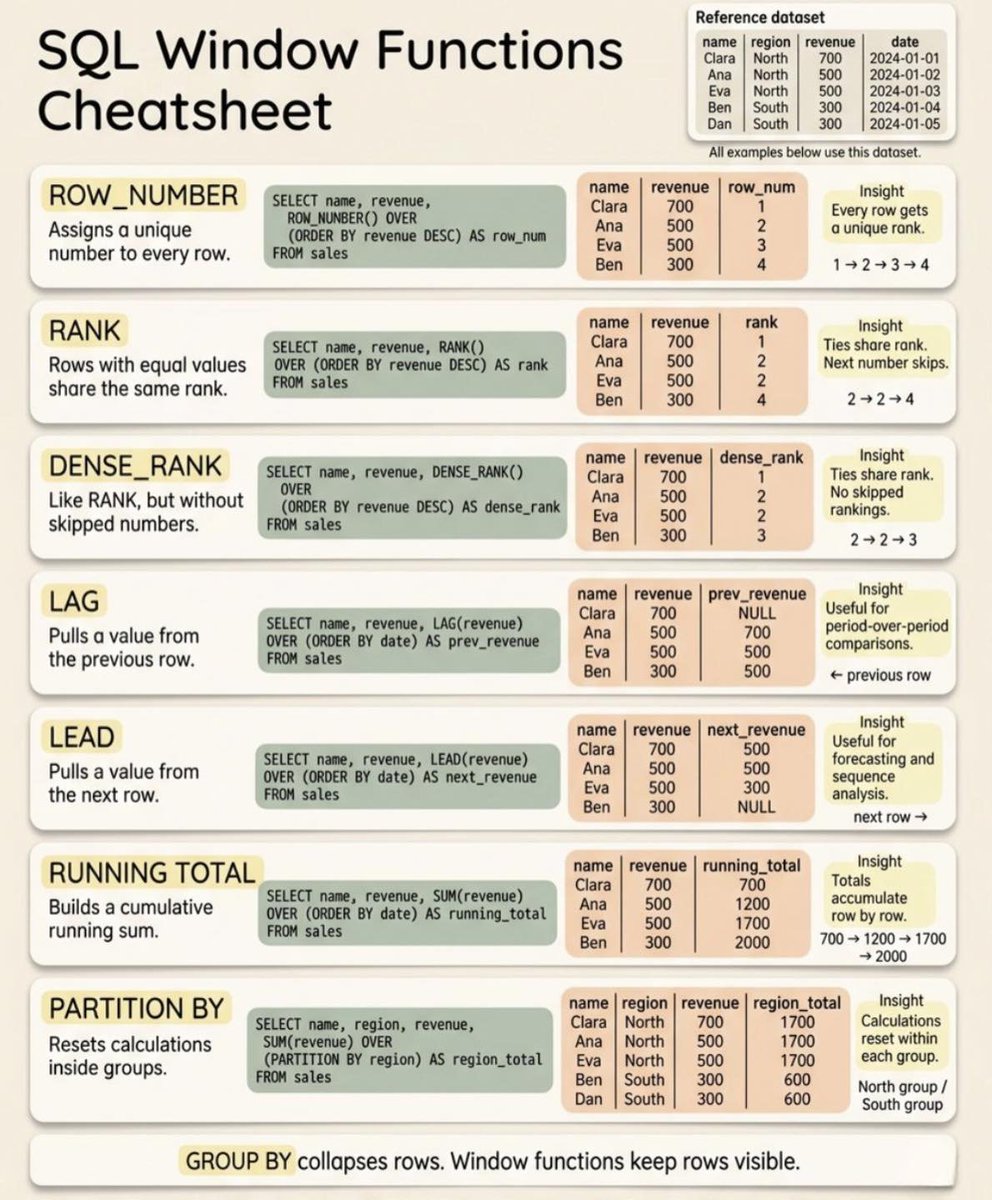
A window function performs a calculation across a set of rows without collapsing them into a single result the way GROUP BY does.
You keep every row. You just add a new column with the calculated value alongside it.
The syntax is always the same:
function() OVER (PARTITION BY ... ORDER BY ...)
PARTITION BY splits the data into groups.
ORDER BY sets the sequence within each group. Not every window function needs both — but that is the full structure.
Here are the 7 you will actually use:
𝗥𝗢𝗪_𝗡𝗨𝗠𝗕𝗘𝗥 Assigns a unique number to each row. No ties, ever.
𝗥𝗔𝗡𝗞 Ranks rows by value. Tied rows get the same rank and the next number is skipped.
𝗗𝗘𝗡𝗦𝗘_𝗥𝗔𝗡𝗞 Like RANK, but no numbers are skipped after a tie. The sequence stays continuous.
𝗟𝗔𝗚 Pulls the value from the previous row. Use it to compare this period to the last.
𝗟𝗘𝗔𝗗 Pulls the value from the next row. Use it to see what comes after the current row.
𝗥𝗨𝗡𝗡𝗜𝗡𝗚 𝗧𝗢𝗧𝗔𝗟 Adds values cumulatively as it moves through rows in order.
𝗣𝗔𝗥𝗧𝗜𝗧𝗜𝗢𝗡 𝗕𝗬 Resets the calculation for each group. Same idea as GROUP BY, but every individual row stays visible.
The cheatsheet below has the code and output for each one, using the same reference dataset throughout so you can see exactly what changes.
#SQLPerformance #SQL #Database
2
38
159
5,270
May 28
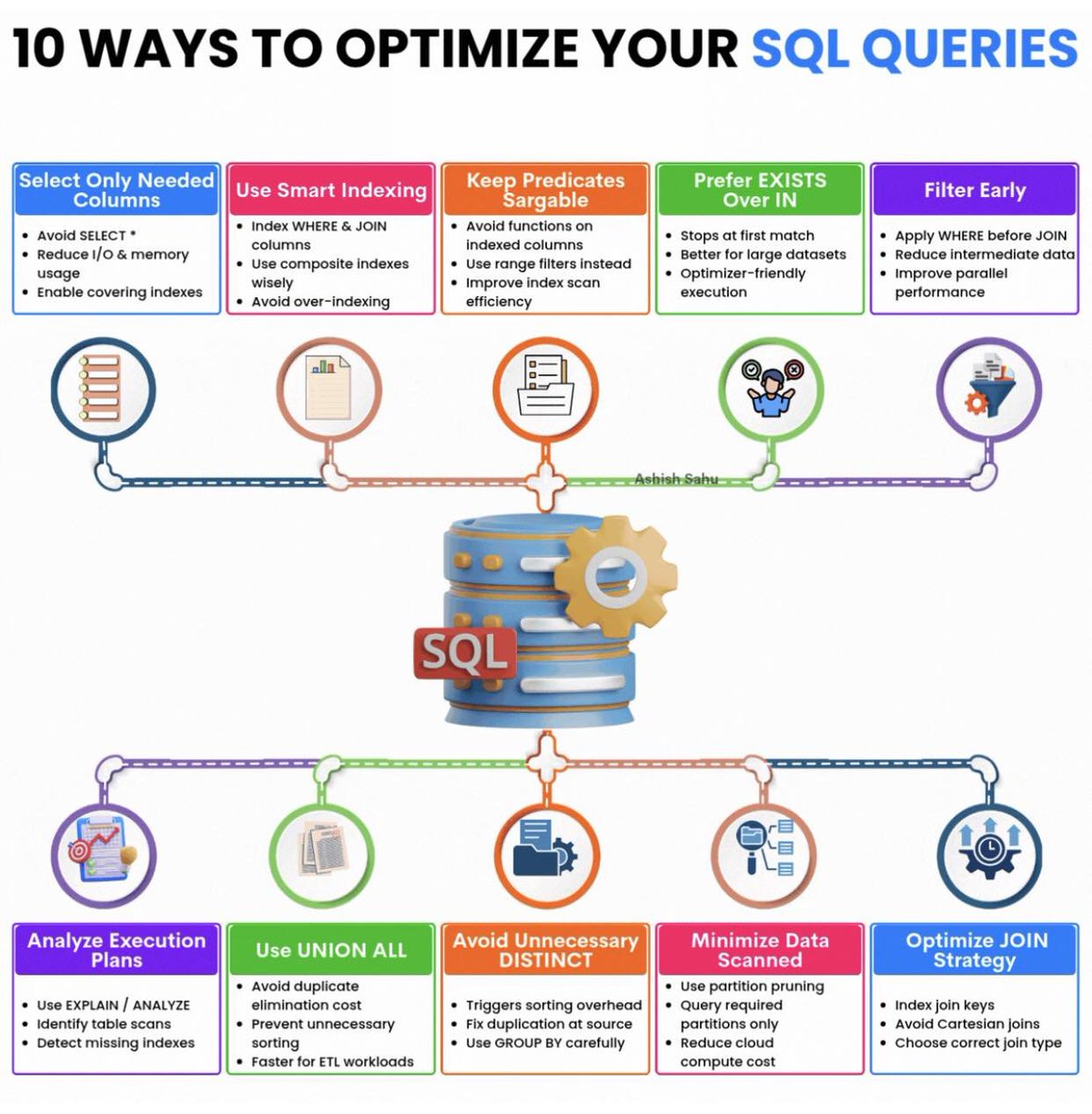
→ 𝐒𝐐𝐋 𝐏𝐞𝐫𝐟𝐨𝐫𝐦𝐚𝐧𝐜𝐞 𝐈𝐬 𝐍𝐨𝐭 𝐀𝐛𝐨𝐮𝐭 𝐖𝐫𝐢𝐭𝐢𝐧𝐠 𝐐𝐮𝐞𝐫𝐢𝐞𝐬. 𝐈𝐭 𝐈𝐬 𝐀𝐛𝐨𝐮𝐭 𝐂𝐨𝐧𝐭𝐫𝐨𝐥𝐥𝐢𝐧𝐠 𝐂𝐨𝐬𝐭
Most systems are slow not because SQL is wrong, but because execution strategy is ignored.
𝐇𝐞𝐫𝐞 𝐢𝐬 𝐰𝐡𝐚𝐭 𝐡𝐢𝐠𝐡-𝐩𝐞𝐫𝐟𝐨𝐫𝐦𝐢𝐧𝐠 𝐝𝐚𝐭𝐚 𝐭𝐞𝐚𝐦𝐬 𝐜𝐨𝐧𝐬𝐢𝐬𝐭𝐞𝐧𝐭𝐥𝐲 𝐨𝐩𝐭𝐢𝐦𝐢𝐳𝐞:
• 𝐄𝐱𝐞𝐜𝐮𝐭𝐢𝐨𝐧 𝐕𝐢𝐬𝐢𝐛𝐢𝐥𝐢𝐭𝐲
✓ Use EXPLAIN / ANALYZE to expose real query behavior
✓ Identify full table scans early
✓ Detect missing or unused indexes before scale breaks
• 𝐃𝐚𝐭𝐚 𝐑𝐞𝐝𝐮𝐜𝐭𝐢𝐨𝐧 𝐒𝐭𝐫𝐚𝐭𝐞𝐠𝐲
✓ Apply filters before joins
✓ Reduce intermediate result sets aggressively
✓ Select only required columns to minimize I/O
• 𝐉𝐨𝐢𝐧 & 𝐒𝐜𝐚𝐧 𝐂𝐨𝐧𝐭𝐫𝐨𝐥
✓ Index join and filter keys intentionally
✓ Choose correct join type based on data shape
✓ Avoid Cartesian joins and unnecessary row multiplication
• 𝐈𝐧𝐝𝐞𝐱 𝐈𝐧𝐭𝐞𝐥𝐥𝐢𝐠𝐞𝐧𝐜𝐞
✓ Use composite indexes where query patterns justify it
✓ Enable covering indexes for read-heavy workloads
✓ Avoid over-indexing that slows writes and increases maintenance cost
• 𝐄𝐱𝐞𝐜𝐮𝐭𝐢𝐨𝐧 𝐏𝐚𝐭𝐡 𝐎𝐩𝐭𝐢𝐦𝐢𝐳𝐚𝐭𝐢𝐨𝐧
✓ Use partition pruning to limit scanned data
✓ Replace functions on indexed columns with range filters
✓ Prevent unnecessary sorting and duplication overhead
• 𝐐𝐮𝐞𝐫𝐲 𝐃𝐢𝐬𝐜𝐢𝐩𝐥𝐢𝐧𝐞
✓ Prefer EXISTS over IN for large datasets
✓ Use UNION ALL instead of UNION where deduplication is not needed
✓ Keep predicates sargable for optimizer efficiency
→ The real shift is simple.
You are not optimizing SQL. You are optimizing how the engine thinks.
Small improvements at query level compound into major cost and latency savings at scale.
P.S. How often are execution plans reviewed in your environment before performance issues reach production?
#SQLPerformance #SQL #Database
5
10
76
3,582
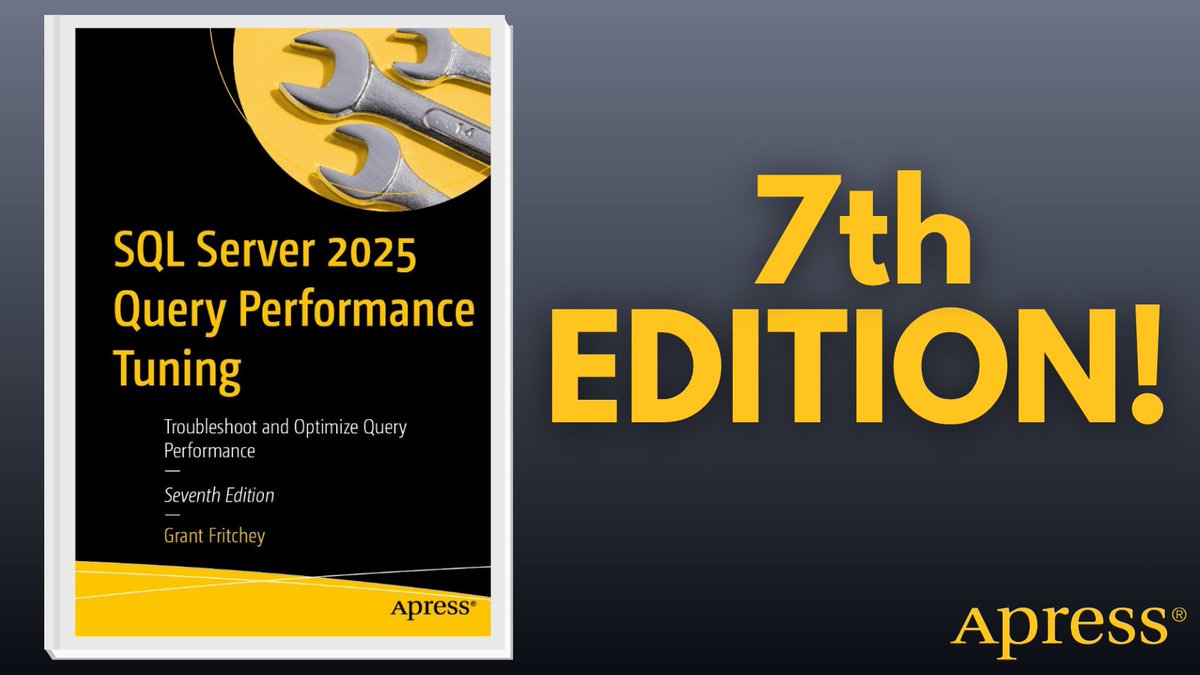
SQL Server 2025 adds AI‑assisted tuning and automatic plan correction—but you still need to know why queries slow down. @GFritchey dives deep into statistics, parameter sniffing & execution plans to stay in control. #DataPlatform #TSQL #SQLPerformance
🔗 ow.ly/zRaa50YVAPK
1
3
246
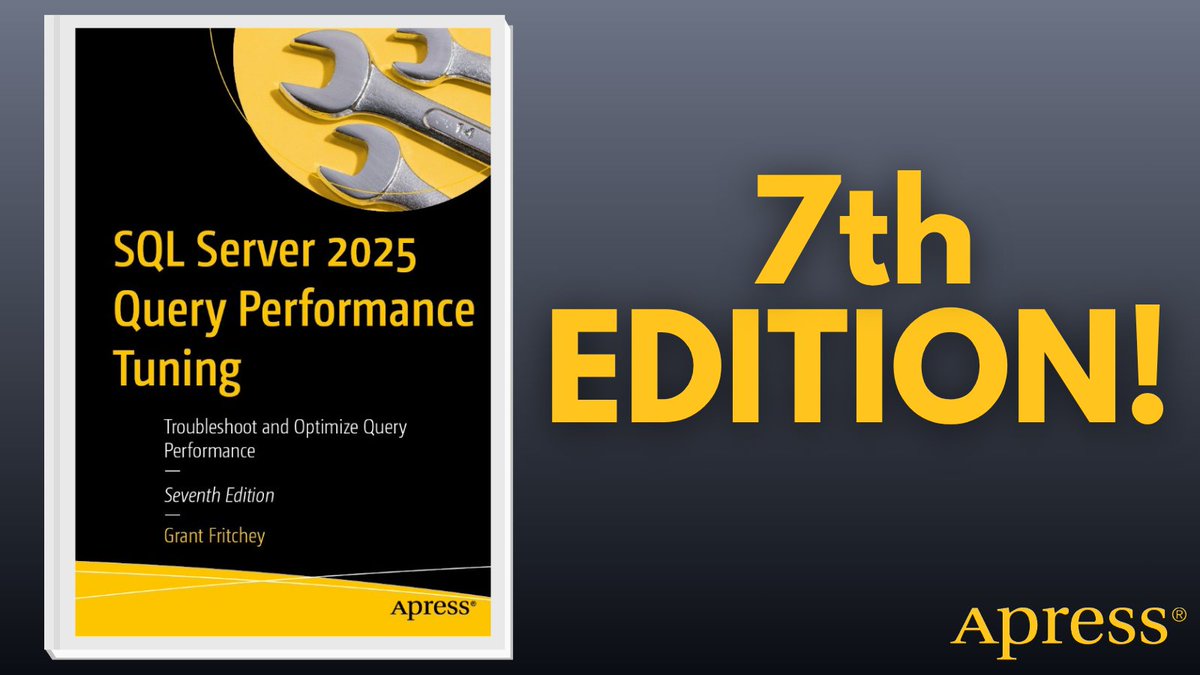
SQL Server 2025 adds AI‑assisted tuning and automatic plan correction—but you still need to know why queries slow down. @GFritchey dives deep into statistics, parameter sniffing & execution plans to stay in control. #DataPlatform #TSQL #SQLPerformance
🔗 ow.ly/zRaa50YVAPK
1
2
94
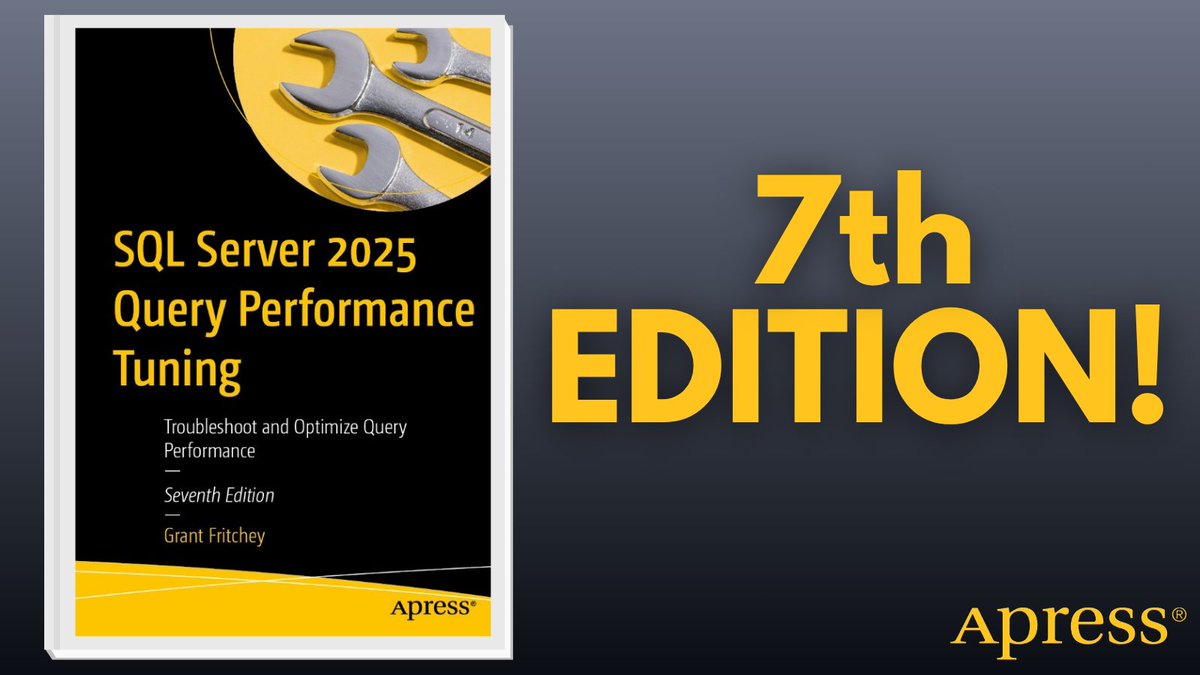
SQL Server 2025 adds AI‑assisted tuning and automatic plan correction—but you still need to know why queries slow down. @GFritchey dives deep into statistics, parameter sniffing & execution plans to stay in control. #DataPlatform #TSQL #SQLPerformance
🔗 ow.ly/zRaa50YVAPK
1
2
105

هل يستغرق استعلام SQL الخاص بك ساعات بدلاً من ثوانٍ؟
يعتقد الكثيرون أن البطء سببه ضخامة البيانات أو ضعف السيرفر، لكن الحقيقة الصادمة: كود SQL غير المحسن هو القاتل الصامت للأداء
إليك كيف ترفع كفاءة استعلاماتك من "مبتدئ" إلى "خبير":
1️⃣ فخ الـ Full Table Scan
بدلاً من البحث الذكي، يجبر الكود السيئ المحرك على مسح كل سطر في الجدول. الحل؟ استخدام الفهارس (Indexes) بحكمة، وتجنب العمليات التي تعطّل الـ Index في شرط الـ WHERE.
2️⃣ معضلة الـ JOINs والقيم المعدومة
الفرق بين INNER JOIN و LEFT JOIN ليس مجرد نتائج مختلفة، بل طريقة تعامل المحرك مع الـ NULLs. الربط الخاطئ يضاعف زمن المعالجة بشكل أسي مع زيادة البيانات.
3️⃣ ترتيب العمليات المنطقية (Logical Processing)
هل تضع الفلتر في HAVING أم WHERE؟
• الـ WHERE: تصفية البيانات قبل التجميع (أداء أسرع).
• الـ HAVING: تصفية النتائج بعد التجميع (أداء أبطأ).
التحكم في GROUP BY هو مهارة جوهرية لضمان سرعة التقارير المباشرة.
#مسار_تحليل_البيانات_المتكامل مع #أكاديمية_اتصالاتي، ننتقل بك من الأساسيات إلى احتراف إدارة بيئة SQL Server وتصميم القواعد العلائقية بكفاءة عالية.
📩 سؤال للمحترفين: برأيك، ما هو الخطأ الأكثر شيوعاً الذي يقتل أداء الاستعلامات عند دمج الجداول الضخمة؟ شاركنا تجربتك في الردود
#SQLPerformance #DataAnalysis #DatabaseOptimization #SQL #BigData #MyCommunicationAcademy
14
1,106

Feb 26
Composite Index vs Separate Indexes in MySQL
Query: WHERE user_id = 10 AND status = 'paid'
❌ Two separate indexes → optimizer picks ONE, filters the other in memory
✅ INDEX(user_id, status) → B-Tree traversal hits exact rows, zero residual filtering
Why? MySQL's leftmost prefix rule — composite index works left-to-right. engine narrows down user_id first, then status within that subset.
Result: fewer I/O operations, smaller row reads, faster execution.
Always check EXPLAIN — look for key_len to confirm both columns are being used.
#MySQL #DatabaseOptimization #SQLPerformance #BackendEngineering
1
1
2
48
Feb 11
Want to master SQL Server CPU load management? Watch our video on the CPU by Hour by Day Report to unlock performance optimization strategies. Link: youtu.be/nReK15yLMDE #DatabaseManagement #SQLPerformance youtu.be/nReK15yLMDE
2
74

27 Oct 2025
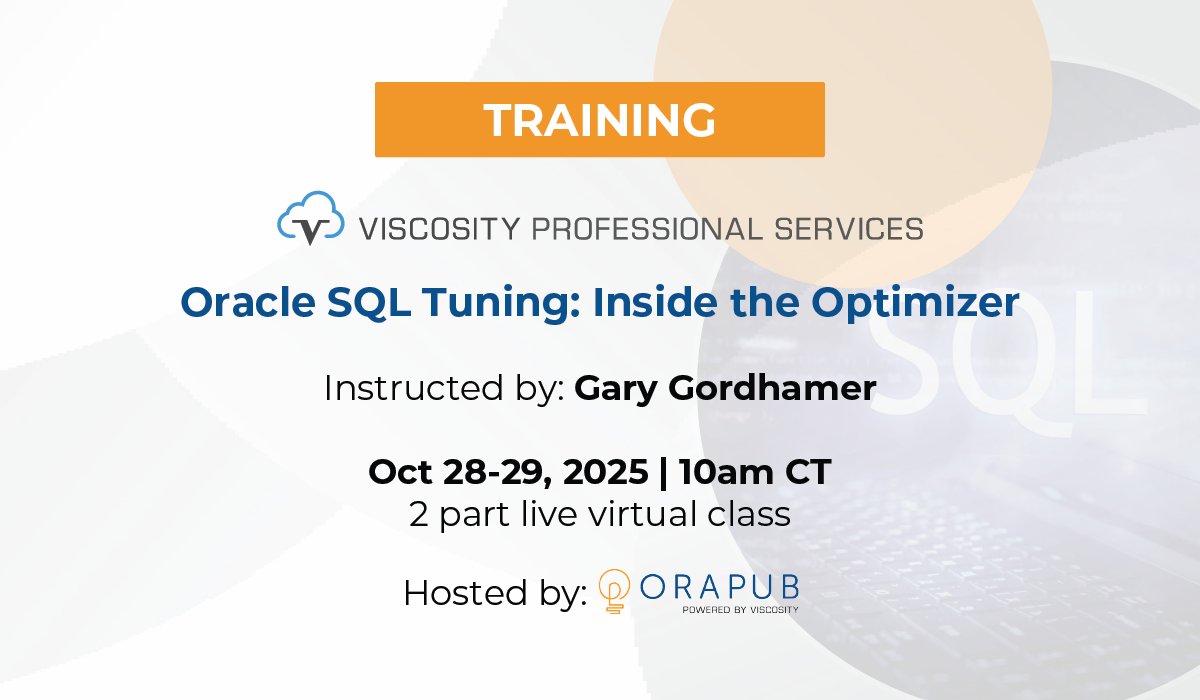
⏳ Last chance to join! “Oracle #SQLTuning: Inside the Optimizer” instructed by Oracle #ACED, Gary Gordhamer. Gain the skills to understand execution plans, object stats, & adaptive features, & control #SQLPerformance.
Oct 28–29 | 10 AM CT
🔗 bit.ly/3WsbKhj
2
2
53

26 Aug 2025
[Blog] SQL Server 2025 Backup Compression and Restore Review
Check out my blog post reviewing each compression level and restore size and timing in SQL Server 2025
jefftaylor.io/post/sql-serve…
#SQLServer #Azure #ZSTD #SZtandard #Facebook #SQLServer2025 #SQLBackups #DatabaseCompression #SQLPerformance

4
3
128
13 Aug 2025
[Blog] SQL Server 2025 Backups - New ZSTD Compression
Check out the new built-in compression ZStandard in SQL Server 2025!
jefftaylor.io/post/sql-serve…
#SQLServer #Azure #ZSTD #SZtandard #Facebook #SQLServer2025 #SQLBackups #DatabaseCompression #SQLPerformance


2
3
113

19 Jun 2025
🚀 Optimizing SQL in #DolphinDB Just Got Easier – Introducing the SQL Execution Plan Feature
📘 Learn how it works and get real optimization examples: medium.com/@DolphinDB_Inc/sq…
DolphinDB supports [HINT_EXPLAIN], a powerful way to visualize and analyze #SQL execution plans — making it easier to tune query performance in complex, distributed environments.
🔍 What You Can Do with SQL Execution Plans:
- See which partitions a query touches
- Measure execution cost and rows processed per step
- Diagnose slow performance using map, merge, reduce phase insights
- Detect missed partition pruning opportunities
- Understand resource usage of JOINs, GROUP BY, context by, interval, and more
✅ Execution plan output is structured in JSON and provides full visibility into every stage of query processing — from from to reduce.
💡 Whether you're dealing with TSDB, IOT data, or multi-partition joins, this tool helps ensure you're squeezing every drop of performance from your cluster.
📢 Ready to try ➡ dolphindb.com/
📧 Book a demo with us: info@dolphindb.com
#SQLPerformance #BigData #DatabaseOptimization #ExecutionPlan #TimeSeries #QueryTuning #DataEngineering
1
6
50