
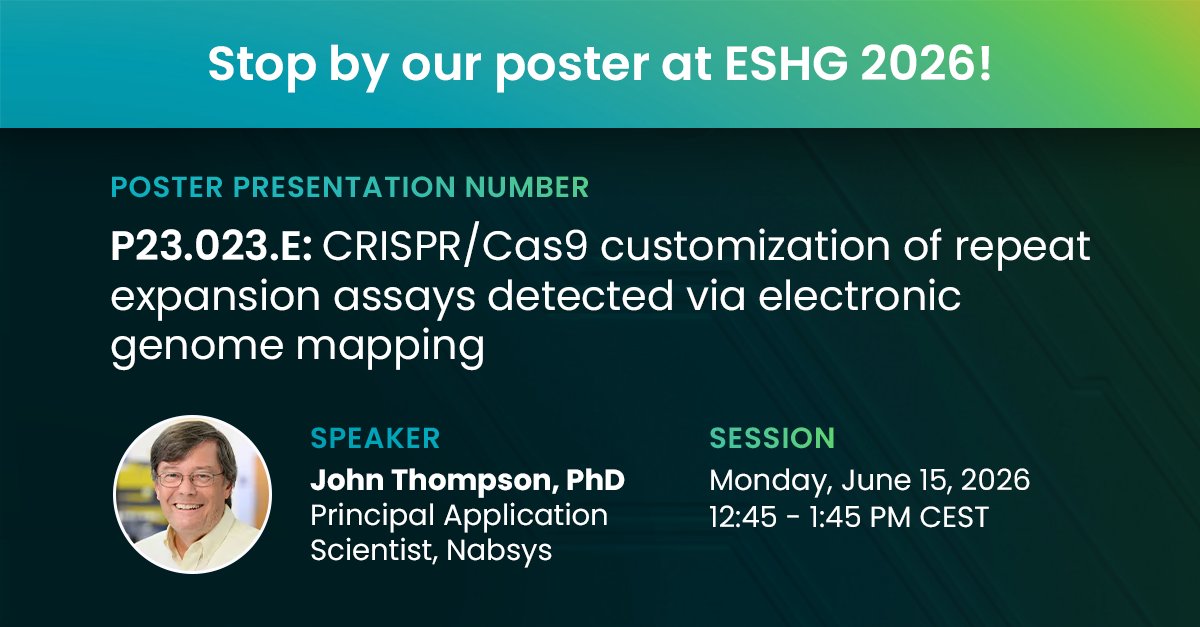
We’re excited to present our poster at #ESHG2026! 🧬
Join the Nabsys team as we share how Electronic Genome Mapping (EGM) can be paired with CRISPR/Cas9 customization to enable targeted repeat expansion analysis.
📍 Poster http://P23.023.E: CRISPR/Cas9 customization of repeat expansion assays detected via electronic genome mapping by John F. Thompson, PhD, Principal Application Scientist at Nabsys
📅 Monday, June 15, 2026 | 12:45 - 1:45 PM CEST
Stop by to learn more about our latest findings and connect with the team during the session.
#ESHG2026 #HumanGenetics #Genomics #StructuralVariants #Cytogenomics
ALT Nabsys Poster at ESHG
72

May 31
🧬 New Study: OGM Reveals Hidden Structural Variants in iPSCs — Strong Justification for QC in Cell & Gene Therapy 🧬
A new peer-reviewed preprint on bioRxiv (May 2026) titled “Optical genome mapping identifies source-associated structural variant differences across early-passage human iPSCs” provides powerful new evidence supporting the use of Optical Genome Mapping (OGM) for quality control in cell and gene therapy.
Key Findings from the Study
Researchers analyzed 73 early-passage iPSC clones generated from 25 parental cell lines using Bionano’s OGM technology.
Major results:
• Fibroblast-derived iPSCs showed a significantly higher structural variant (SV) burden compared to peripheral blood mononuclear cell (PBMC)-derived iPSCs.
• Large duplications ≥100 kbp were especially enriched in fibroblast-derived clones.
• Many of these SVs overlapped with protein-coding genes, fragile sites, and recurrent chromosomal hotspot regions — raising potential safety concerns for therapeutic use.
• OGM detected these clone-specific SVs at high resolution (≥2 kbp), events that traditional cytogenetic methods and even many sequencing-based approaches often miss.
The authors conclude that source cell type and clone-level genomic assessment are critical factors when generating iPSCs for downstream clinical applications, particularly in cell therapy and regenerative medicine.
Why This Matters for Bionano ($BNGO)
This paper adds strong scientific validation for OGM as a quality control tool in cell and gene therapy:
• It demonstrates OGM’s ability to detect clinically relevant structural variants that standard methods overlook.
• It highlights the need for high-resolution, genome-wide SV analysis during iPSC manufacturing — exactly where Bionano’s technology excels.
• This aligns directly with the FDA and ISSCR recognition of OGM for genome integrity QC in stem cell and gene-edited therapies.
As the cell and gene therapy field moves toward larger-scale clinical trials and commercialization, the demand for robust, high-resolution genomic QC tools like OGM is expected to grow significantly.
Full paper (open access):
biorxiv.org/content/10.1101/…
This is yet another piece of evidence showing that OGM isn’t just a research tool — it’s becoming an essential part of the quality control infrastructure for the next generation of cell and gene therapies.
The flywheel continues to tighten.
🧬🚀 #BNGO #OGM #iPSC #CellGeneTherapy #Genomics #QC #Biotech #StructuralVariants
5
140

May 25
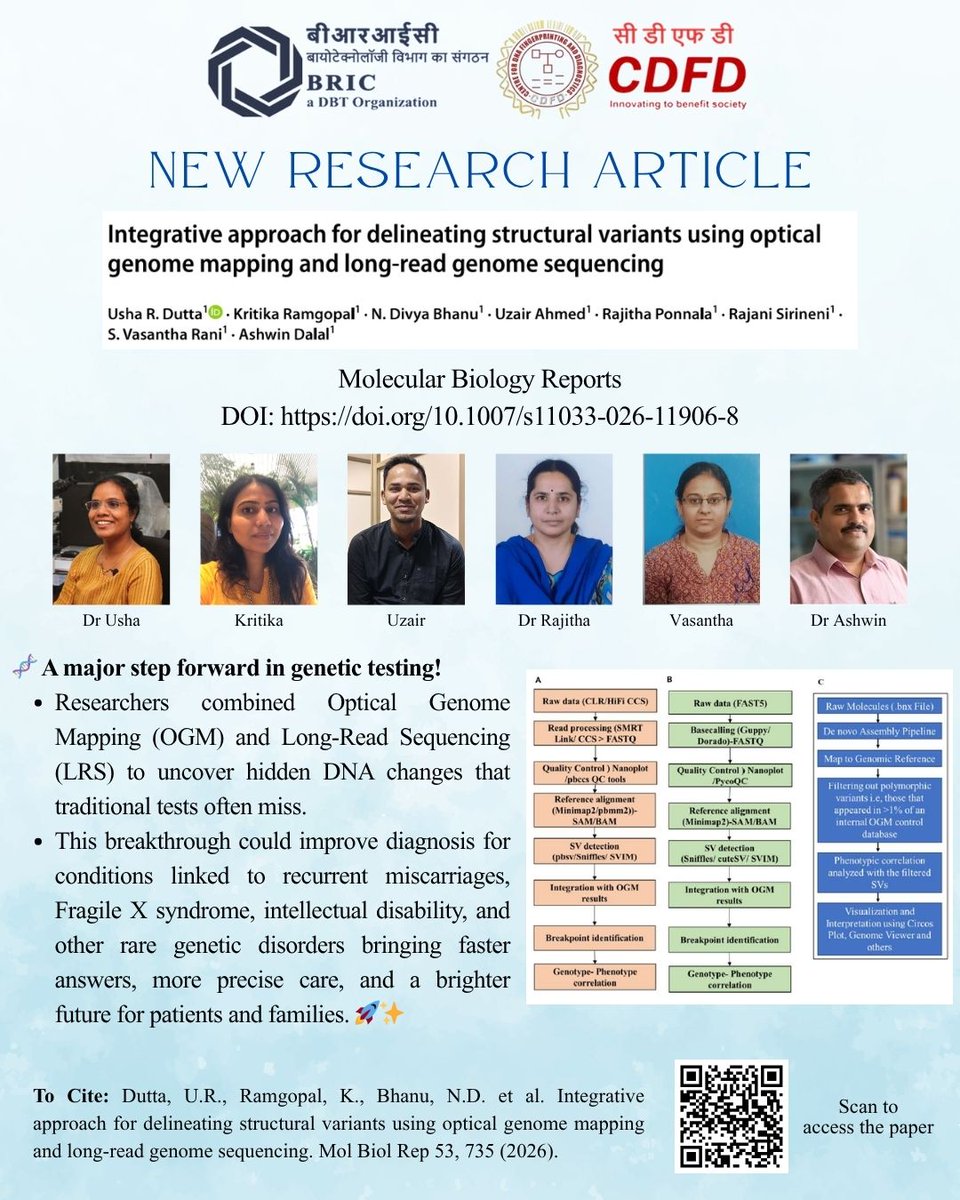
🧬 New study from CDFD combines #OpticalGenomeMapping and #LongReadSequencing to detect complex structural DNA variants often missed by conventional tests.
@BricDbt @IndiaDST @DBTIndia
#CDFD #Genomics #GeneticTesting #PrecisionMedicine #RareDiseases #StructuralVariants
1
11
788

🧬 What happens when classic VHL disease is suspected, but standard germline testing is negative?
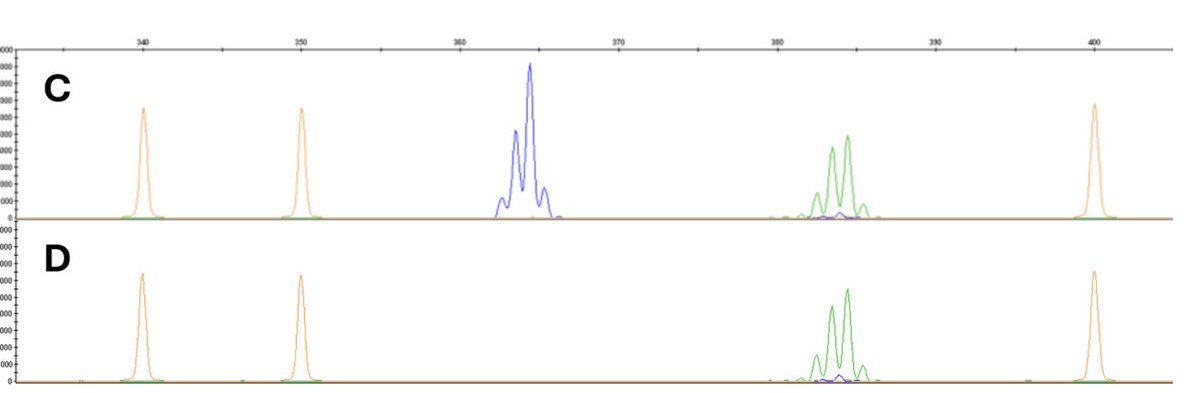
▶️ Baugher et al. developed and CLIA-validated a PCR fragment analysis assay to detect a pathogenic 291 kb VHL inversion mediated by Alu repeats and missed by conventional sequencing approaches.
🔍 The fragment analysis plots show a patient heterozygous for the TTLL3-VHL inversion compared with a homozygous wild-type VHL sample (Figure C&D).
➡️ The assay identified asymptomatic carriers within affected families, enabling earlier surveillance and detection of VHL-associated lesions.
💡 Why this matters:
Complex structural variants can evade routine testing, reinforcing the need for bespoke clinical assays for hereditary cancer syndromes.
🔗 Full study:jmg.bmj.com/content/early/20…
#CancerGenomics #GenomicMedicine #StructuralVariants #JMG
2
126

Decoding hidden genome variation just got easier 🧬
NanoVar simplifies structural variant detection from long-read sequencing—fast, reliable, and accessible even for beginners.
🔗pubmed.ncbi.nlm.nih.gov/4103…
#Genomics #Bioinformatics #Sequencing #StructuralVariants
1
7
9
477
Apr 14
Some analysts are still sleeping on Optical Genome Mapping (OGM). Yahoo Finance is calling for the market to grow from just $230M in 2025 → $290M in 2026 → a modest $740M by 2030.
But the bulls are seeing something much bigger: Market Research Future is projecting $4.06 BILLION by 2035 (28.6% CAGR), while OMR Global has it hitting $1.5 BILLION by 2035 (23.9% CAGR).
I’m with the bulls — this market is heading straight into the billions, and @BionanoGenomics is positioned to take the lion’s share.
Why? They’re the undisputed leader with 387 OGM systems already installed and growing fast. Their new Stratys high-throughput platform is rolling out commercially right now. Category I CPT reimbursement kicked in January 2026, opening the floodgates for hospital labs and pharma trials. Fresh clinical momentum is pouring in too: doubled ACMG studies this year plus major multiple myeloma data from Johns Hopkins and MD Anderson showing OGM crushes traditional cytogenetics NGS at spotting large structural variants that actually matter in oncology, rare disease, and precision medicine.
No one else is even close on installed base, validation volume, or real-world adoption. When reimbursement, guidelines, and payer traction fully flip, Bionano’s installed-base consumables flywheel will dominate 70-80% of this exploding TAM.
This is the hockey-stick moment genomics has seen before. $BNGO to the moon. Who else is loading up on OGM? 🚀
Links:
MRFR full report → marketresearchfuture.com/rep…
OMR Global → omrglobal.com/industry-repor…
#BNGO #OGM #Genomics #PrecisionMedicine #StructuralVariants
1
3
146
Mar 29
🚨 Fresh off the press (March 26, npj Genomic Medicine): New study proves Optical Genome Mapping (OGM) is the real hero in cracking complex structural variants that keep stumping standard exome sequencing.
They took 30 rare-disease patients whose exomes had flagged copy-number variants (CNVs) but couldn’t fully explain symptoms. Then: ultra-high molecular weight DNA Bionano OGM for genome-wide SV discovery, followed by targeted Oxford Nanopore long-read sequencing with adaptive sampling.
The standout results:
- OGM uncovered additional or far more complex SVs in 46.7% (14/30) of cases that short-read exome had missed or only partially characterized.
- The hybrid workflow delivered nucleotide-level breakpoint resolution, revealing gene disruptions or precise copy-number changes that directly explained clinical symptoms in 23.3% (7/30) of patients.
Here’s the key takeaway: OGM shone as the hero for initial discovery — spotting those tricky deletions, inversions, and multi-breakpoint rearrangements that short-read methods routinely blind-spot. Nanopore simply dotted the i’s with base-pair precision. It’s the perfect one-two punch: OGM does the heavy lifting on SV detection, Nanopore finishes the job cleanly.
This isn’t hype — it’s a practical, real-world reflex workflow (exome → OGM → targeted long-read) that labs can actually adopt today. And it’s bullish for OGM and Bionano (BNGO):
- Independent validation in a Nature-portfolio journal (zero company sponsorship).
- Lands amid strong 2026 momentum: doubled OGM abstracts at ACMG, 20% pathogenic yield in rare-disease cohorts, and growing use in constitutional genetics, autism, and prenatal testing.
- Gives labs and payers fresh evidence that adding OGM to NGS pipelines can end diagnostic odysseys and move precision medicine forward.
Rare disease genomics is brutal — too many patients stay undiagnosed after standard testing. Papers like this show OGM is finally hitting its stride as the smart complementary tool that fills the biggest gap.
Full open-access paper: doi.org/10.1038/s41525-026-0…
#OGM #Bionano #BNGO #RareDisease #Genomics #PrecisionMedicine #StructuralVariants
(If you’re in genomics, diagnostics, or watching BNGO — this is the kind of incremental win that compounds fast. OGM prime time? Feels like it.)
1
2
142

📢 New publication alert
Pleased to share our recent case report in the American Journal of Medical Genetics Part A #AJMG on nucleotide-level breakpoint resolution of a genomically balanced complex chromosomal rearrangement (#CCR).
What makes this case special is the scale and mechanism: the CCR is balanced yet highly complex, involving 8 chromosomes (1, 4, 5, 6, 7, 15, 16 and X) and multiple breakpoint junctions—the largest reported to date, with a pattern likely driven by #chromoplexy.
🔬 Our combinatorial “orthogonal” workflow
To solve this, we used a sequential, layered approach:
1. Conventional karyotyping to detect a CCR initially involving 5 chromosomes
2. Multicolor/spectral FISH toolbox (e.g., whole chromosome painting multicolor banding) to map derivative chromosomes and refine the structure
3. Chromosomal microarray
4. Long-read #WGS on the PacBio Revio platform, followed by a custom SV-calling/curation workflow developed at #FRIGEskunkworks together with Yale Centre for Genome Analysis, to resolve breakpoints at high resolution
Long-read sequencing expanded the event to 8 chromosomes with 14 breakpoints, including rearrangements that were missed by karyotype due to resolution limits.
💡 Why this matters?
Even when a CCR is “balanced” by copy-number testing, it can be functionally disruptive—in our case, breakpoint mapping implicated disruption of genes including NLGN4X, LAMA4 and ALG6, strengthening genotype–phenotype correlation and informing counseling.
📂 Link to the publication: onlinelibrary.wiley.com/doi/…
#LongReadSequencing #PacBioRevio #StructuralVariants #Cytogenetics #FISH #Chromoplexy #Chromoanagenesis #RareDiseaseGenomics #GenomicMedicine #FRIGE #AJMG #raredisease @Yale @YaleMed @jshethad1
1
1
5
446

Jan 2
“January 1, 2026: the day OGM stops being ‘future tech’ and becomes standard of care. BNGO’s moment starts now.” #bngo #ogm #bionano #structuralvariants
1
2
4
257
12 Dec 2025
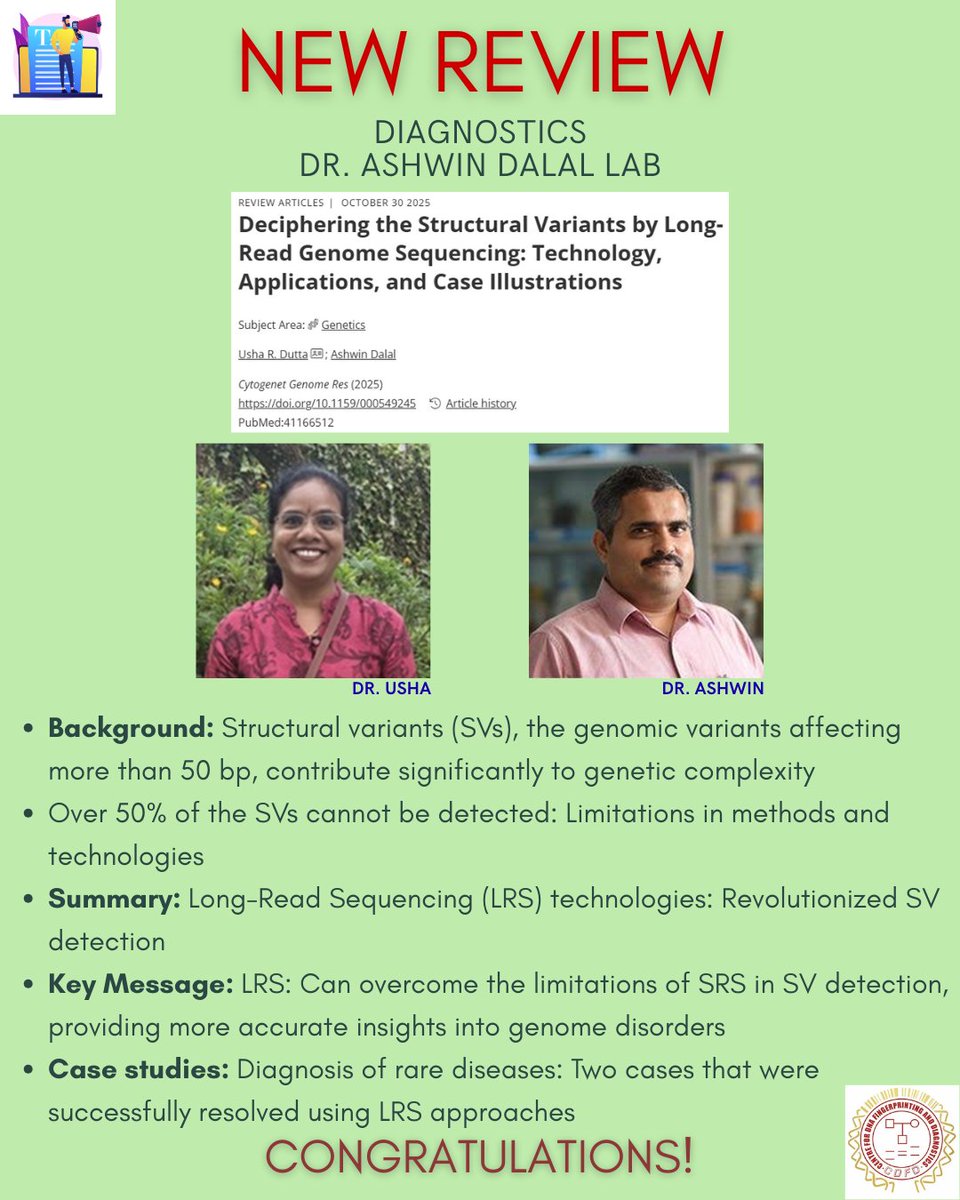
New Review published from Diagnostics division headed by Dr. Ashwin Dalal, on the utility of Long-Read Genome Sequencing technology in Health and Disease.
Read the review here: karger.com/cgr/article-abstr…
@DBTIndia @BricDbt
#structuralvariants #raregeneticdisorders
5
168

15 Nov 2025
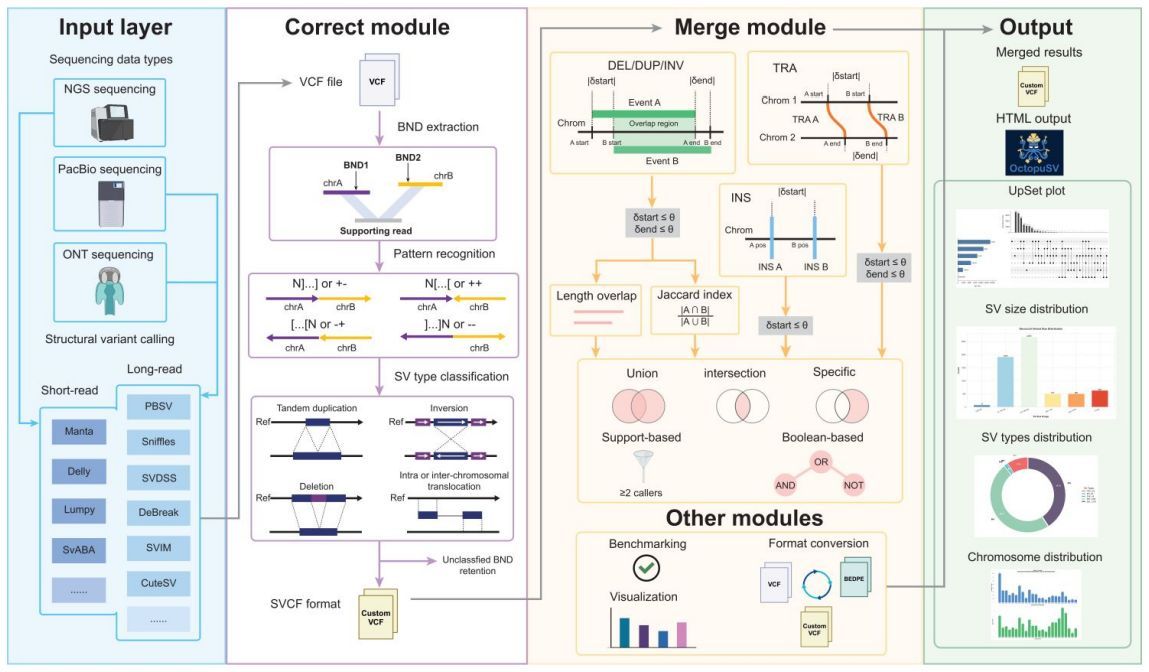
OctopuSV and TentacleSV: a one-stop toolkit for multi-sample, cross-platform structural variant comparison and analysis. #StructuralVariants #SVs #SVcomparison #SVidentification #Bioinformatics
academic.oup.com/bioinformat…
1
10
26
1,653
8 Nov 2025
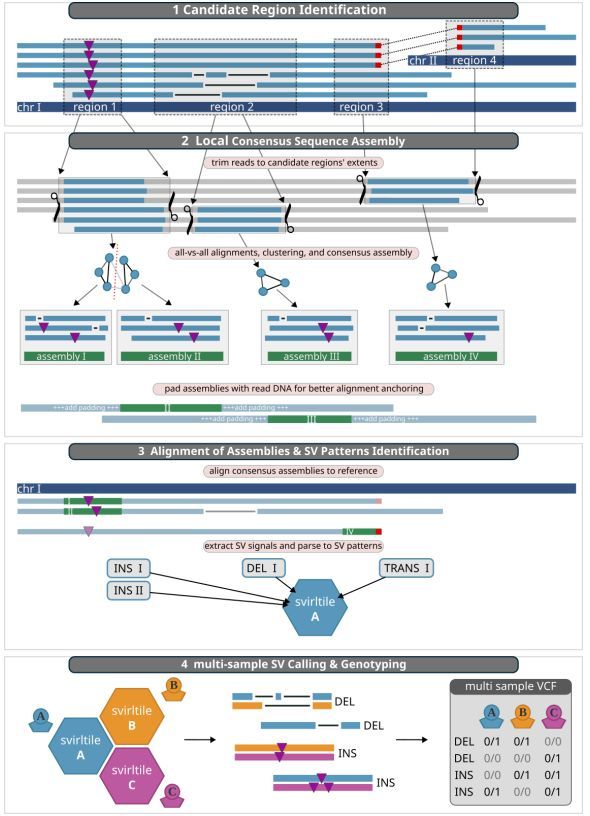
Svirlpool: structural variant detection from long read sequencing by local assembly. #LongRead #Sequencing #LRS #StructuralVariants #SVs @biorxivpreprint
biorxiv.org/content/10.1101/…
1
7
45
1,883
4 Nov 2025
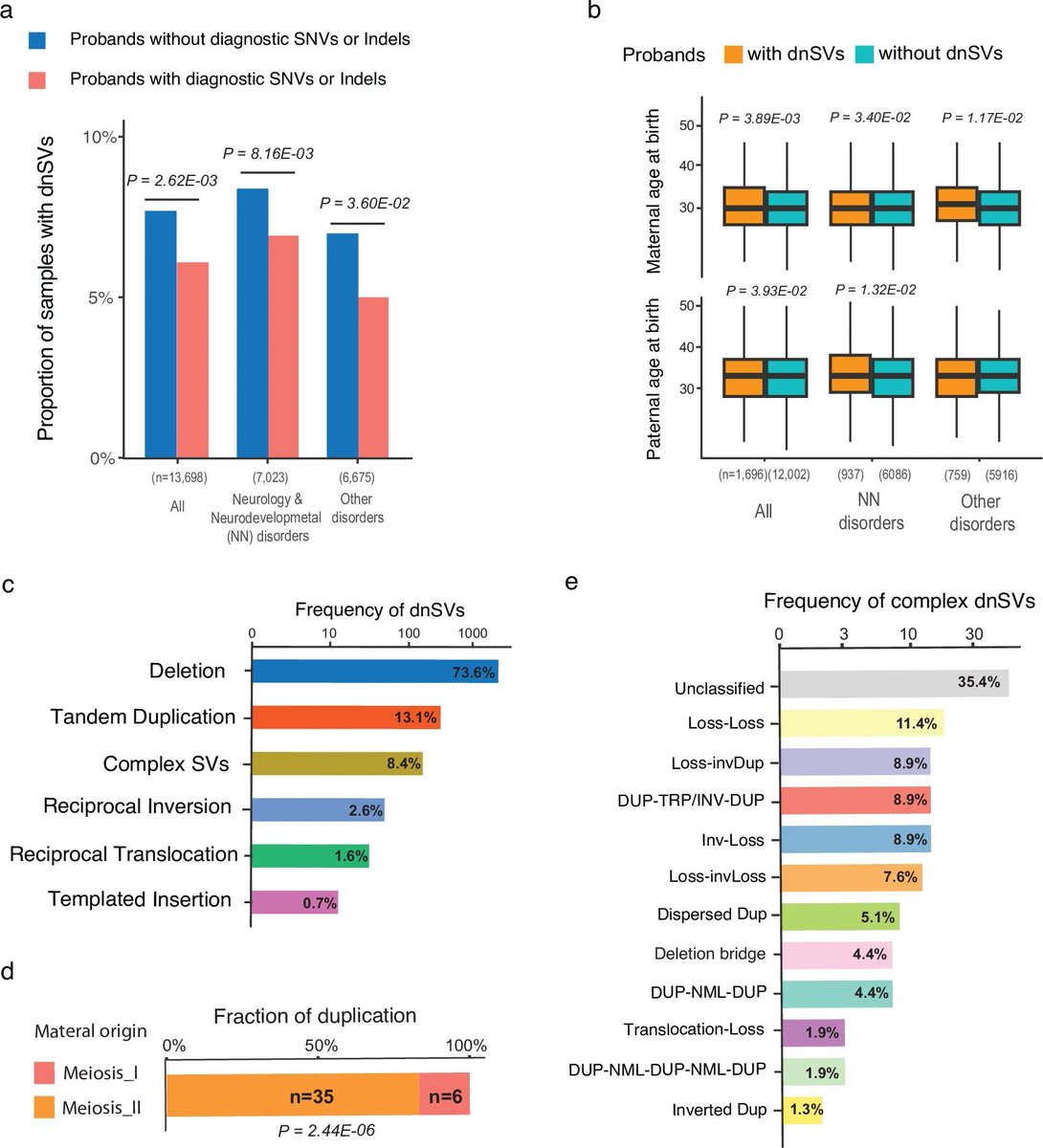
Complex de novo structural variants are an underestimated cause of rare disorders. #StructuralVariants #DeNovoSVs #RareDiseases #VariantsUnderstimation #Genomics #Bioinformatics @NatureComms
nature.com/articles/s41467-0…
13
43
2,578
25 Oct 2025
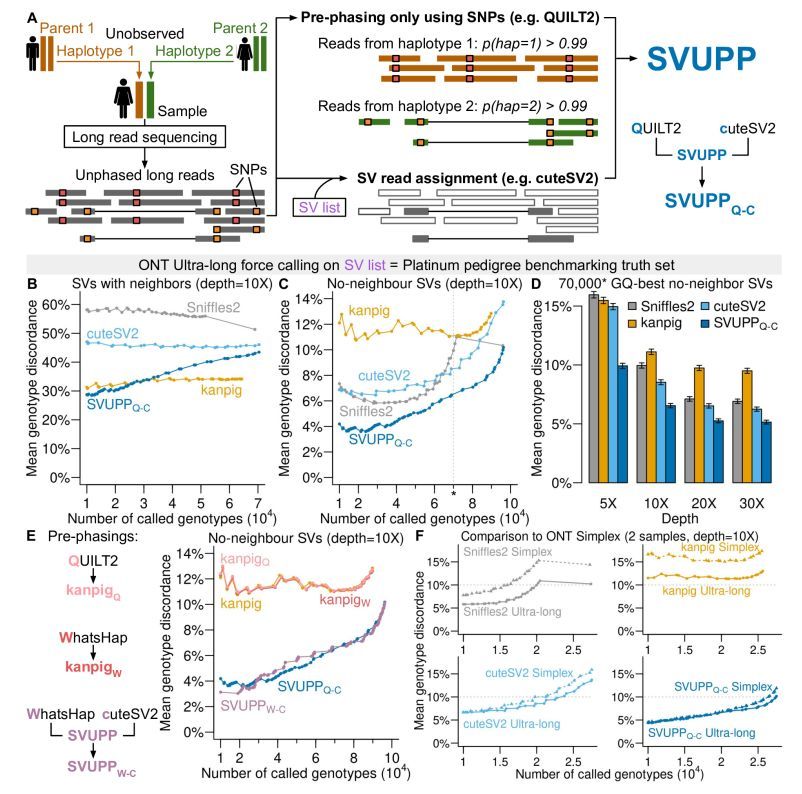
Pre-phasing long reads improves structural variant genotyping. #LongReads #Sequencing #ReadsPhasing #StructuralVariants #Genotyping #Genomics #Bioinformatics
academic.oup.com/bioinformat…
1
9
26
1,380
19 Oct 2025
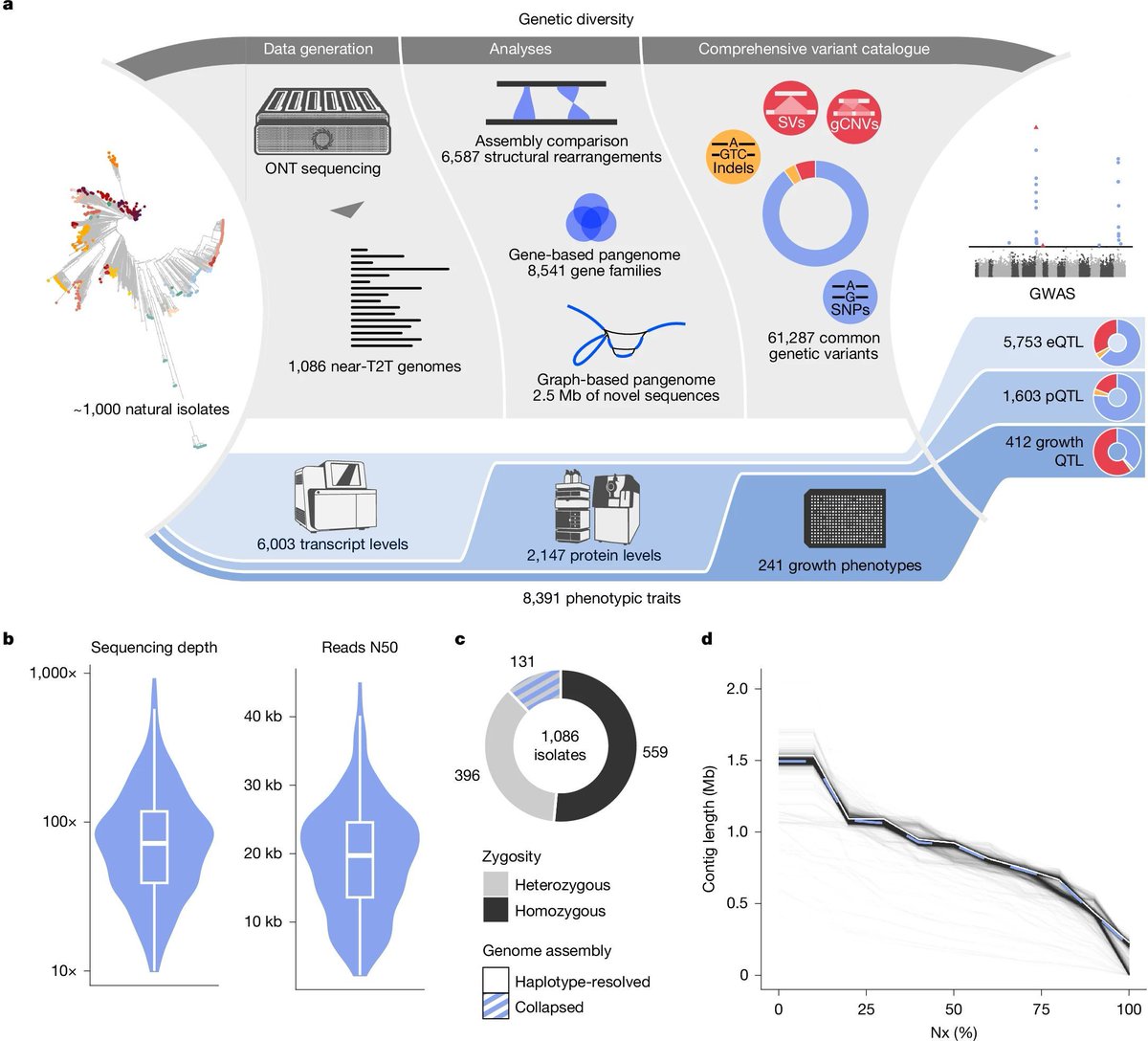
From genotype to phenotype with 1,086 near telomere-to-telomere yeast genomes. #YeastGenomes #Pangenomes #GeneticVariation #StructuralVariants #LongRead #Sequencing @Nature
nature.com/articles/s41586-0…
11
29
2,056
12 Oct 2025
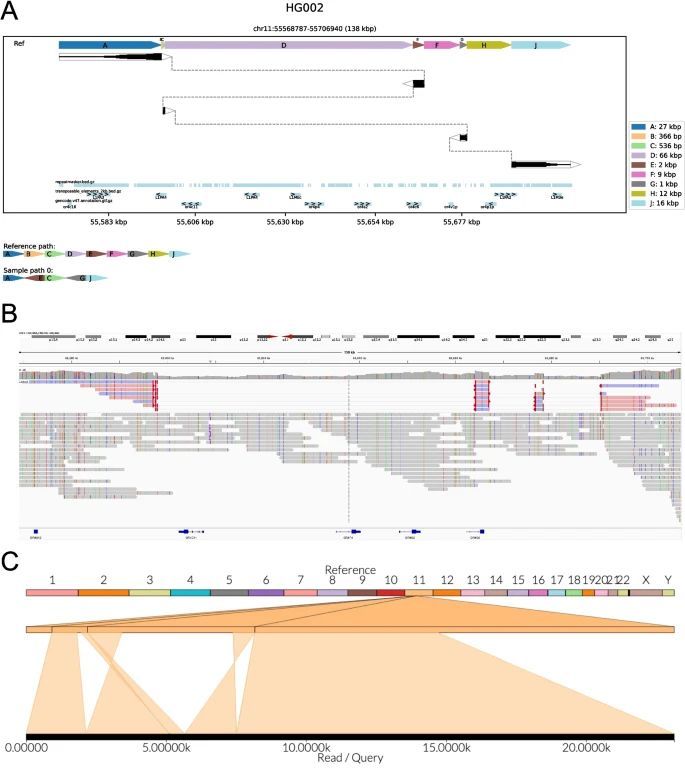
Complex structural variant visualization with SVTopo. #GeneticVariants #StructuralVariants #VariantsVisualization #BMCgenomics
bmcgenomics.biomedcentral.co…
1
32
105
4,850

In a landmark #PopulationGenomics study, All of Us researchers used #HiFisequencing of 1,027 participants to identify hundreds of #StructuralVariants-disease associations, with over half missed by short reads. What’s missing in your research?
Details.👇 bit.ly/4ocq49K
2
11
1,139
6 Oct 2025
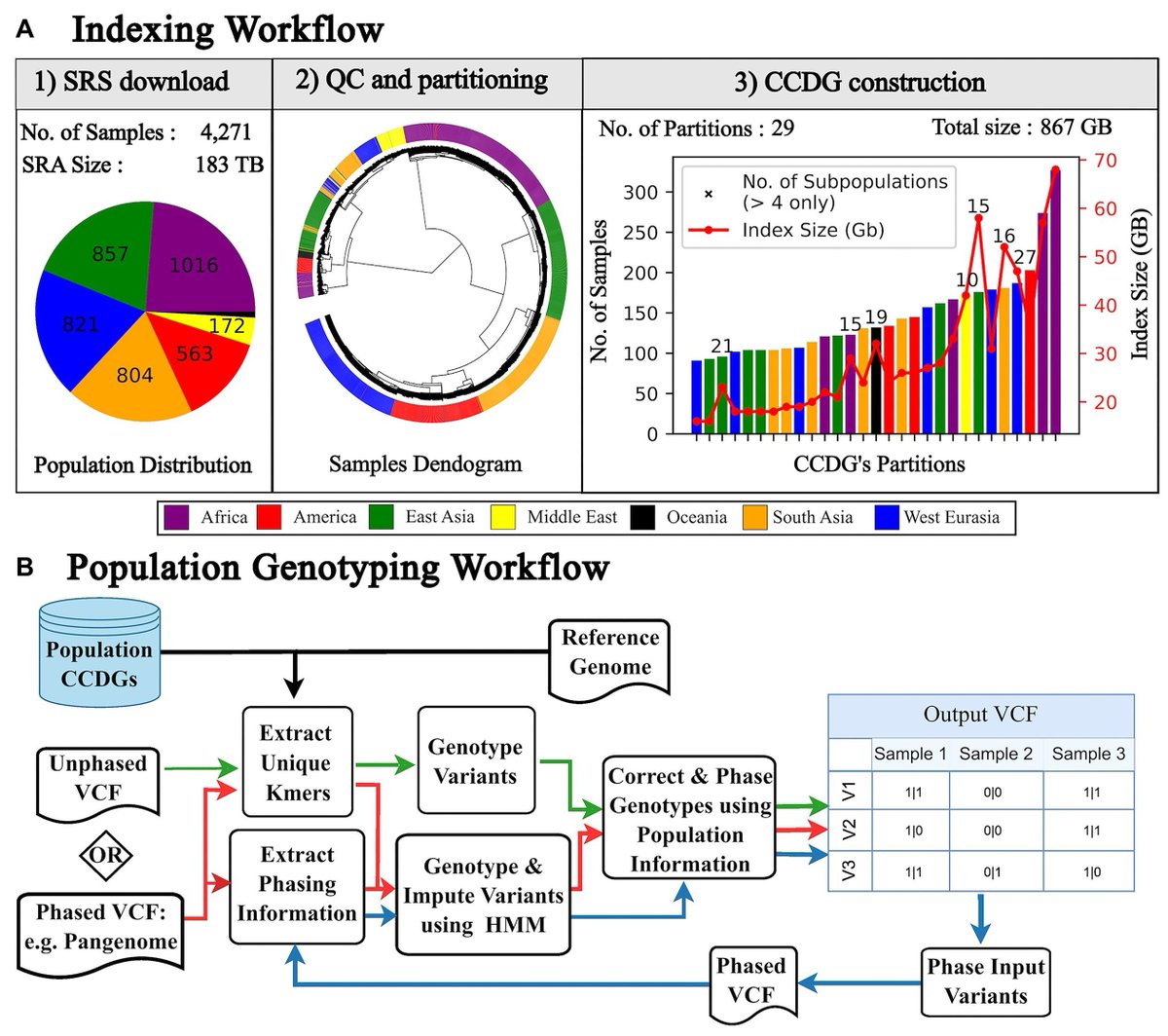
The Great Genotyper: a graph-based method for population genotyping of small and structural variants. #GeneticVariants #StructuralVariants #GenomeGraphs #PopulationGenomics #Genotyping @gigascience
academic.oup.com/gigascience…
7
28
1,668
2 Oct 2025
How structural variation shapes the cancer epigenome. #CancerEpigenome #StructuralVariants @trendscancer
cell.com/trends/cancer/fullt…
7
31
1,792
1 Sep 2025
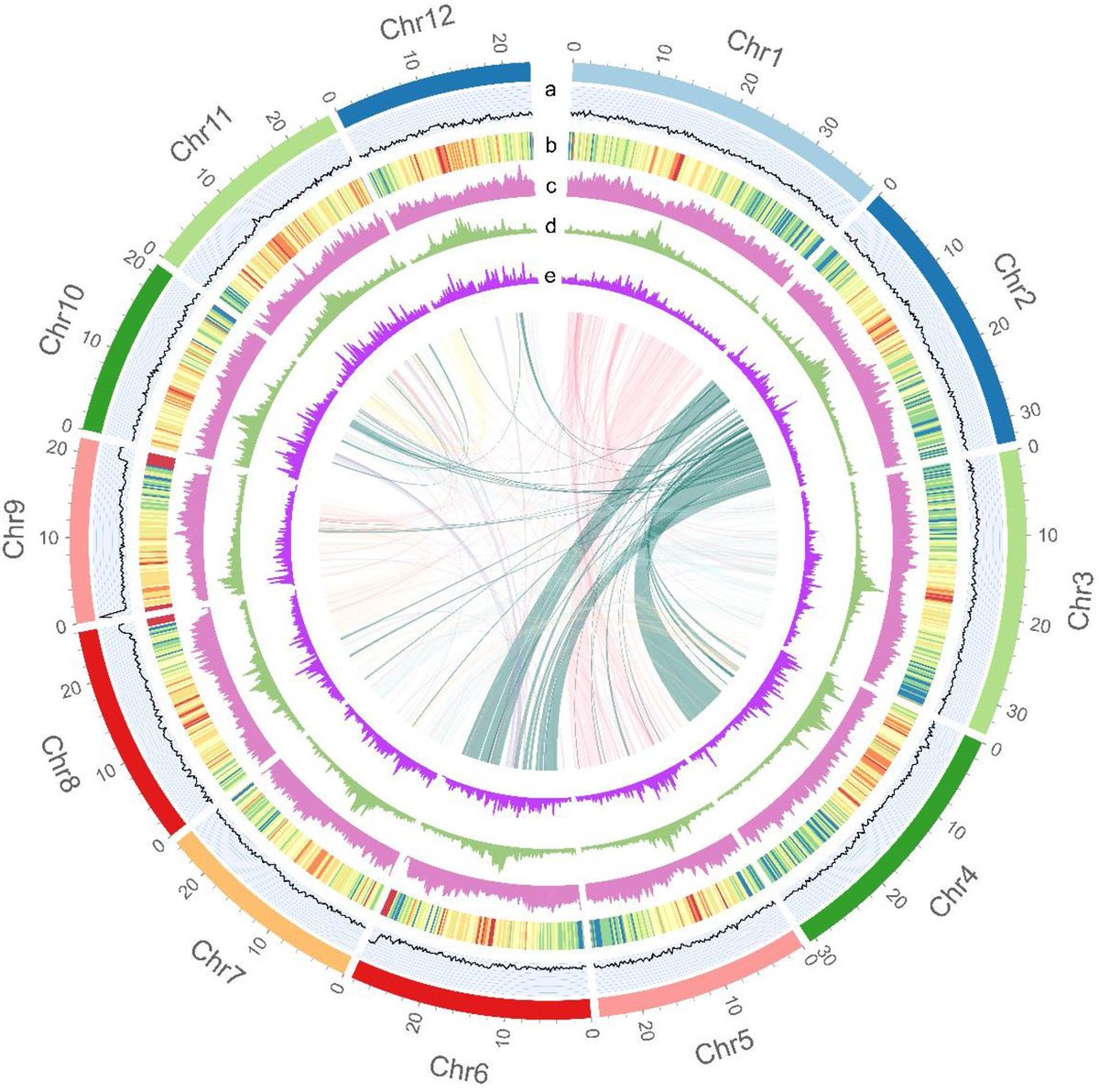
Telomere-to-telomere African wild rice (Oryza longistaminata) reference genome reveals segmental and structural variation. #T2T #WildRiceGenome #ReferenceGenome #StructuralVariants @GigaScience
academic.oup.com/gigascience…
5
7
503