
Mar 6
QGPU: Parallel logic in quantum LDPC codes
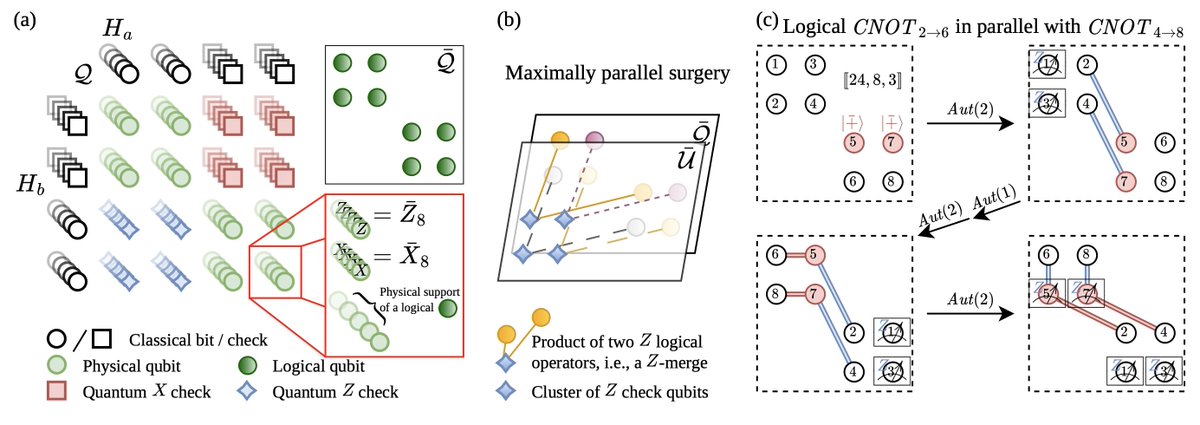
We introduce #clusteredcycliccodes and show how to pursue highly parallelized surface-code style quantum logic with quantum low density parity check codes featuring simple logicals.
lnkd.in/dgnkNTXm
In detail, #quantumerrorcorrection is critical in the design and manufacture of scalable quantum computing systems. In recent years, there has been growing interest in quantum low-density parity-check codes as a resource-efficient alternative to the traditional #surfacecode approach. However, their widespread adoption has been limited by the difficulty of compiling #faulttolerant logical operations. A key challenge is that logical qubits in quantum low-density parity-check codes do not necessarily correspond to distinct groups of physical qubits, which limits the number of logical operations that can be performed in parallel compared with the surface code.
In this work, we introduce clustered-cyclic codes, a family of quantum low-density parity-check codes with finite-size instances such as [[136,8,14]] and [[198,18,10]] that are competitive with current state-of-the-art constructions. These codes are designed to support a directly addressable #logicalbasis and therefore enable highly parallel logical measurement layers.
To exploit this structure, we introduce parallel product surgery for quantum product codes. The protocol uses an additional copy of the data code patch as an auxiliary patch together with an engineered product connection structure to implement many logical Pauli-product measurements within a single surgery round at small and fixed overhead, enabling surface-code-style maximal parallelism for clustered-cyclic codes: up to k/2 disjoint Pauli-product measurements can be scheduled in a single round under explicit algebraic conditions.
To establish fault tolerance, we prove that parallel product surgery preserves the code distance when applied to #hypergraph product codes and numerically verify that it preserves the distance for all listed clustered-cyclic code instances with logical dimension k = 8. Finally, we give an explicit example using the [[24,8,3]] clustered-cyclic code: by treating half of the logical qubits as auxiliaries, parallel product surgery enables arbitrary logical CNOT gates on disjoint pairs of qubits to be executed in parallel, and together with symmetry-derived operations, we show that these gates generate the full Clifford group fault-tolerantly.
Warm thanks to Boren Gu - for which this is the first arXiv paper - Andy Liu, @armanda_oq, Qian Xu, and Joschka Roffe for this wonderful collaboration.
2
14
57
2,901

Feb 18
🌎【公開2日前】#IEICE_English_Webinar
量子コンピュータは、なぜ「エラー訂正」がなければ動かないのか?
「Introduction of Error Correction Techniques for Quantum Computers」
講師:Jun Heo 先生(Korea University)
📅 2026年2月20日(金)18:00~
🔗 視聴はこちら:youtu.be/DTC3j18uoIo
📘 詳細:ieice.org/eng_r/activities/w…
物理量子ビットの誤り率 10⁻²~10⁻³ を、
実用水準 10⁻¹⁴~10⁻¹⁵ へ。
表面コード、耐故障量子計算(FTQC)、量子LDPC符号など、
量子エラー訂正の理論と最新動向を網羅的に解説いただきます。
⏳ 期間限定公開(約2週間~1か月予定)
見逃しのないよう、ぜひお早めにご視聴ください。
#QuantumComputing #QuantumErrorCorrection #SurfaceCode #Qubits #FTQC #FaultTolerant
6
360

8 Sep 2025
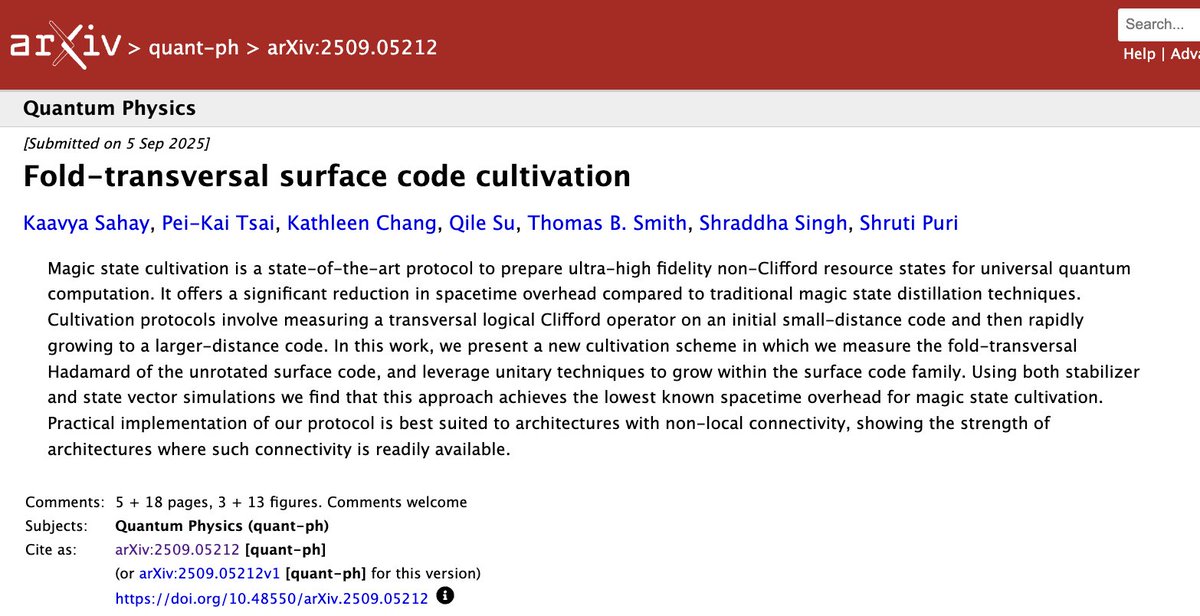
⚛️ New record in magic state cultivation!
Fold-transversal surface code scheme cuts spacetime overhead to the lowest yet. 🚀
✅ Fold-transversal Hadamard on unrotated codes
✅ Unitary growth within surface code family
✅ Optimized for non-local connectivity
🔗Read the full paper: arXiv:2509.05212
#QubitScript #QuantumComputing #SurfaceCode #MagicState #QuantumErrorCorrection
2
199
22 May 2025
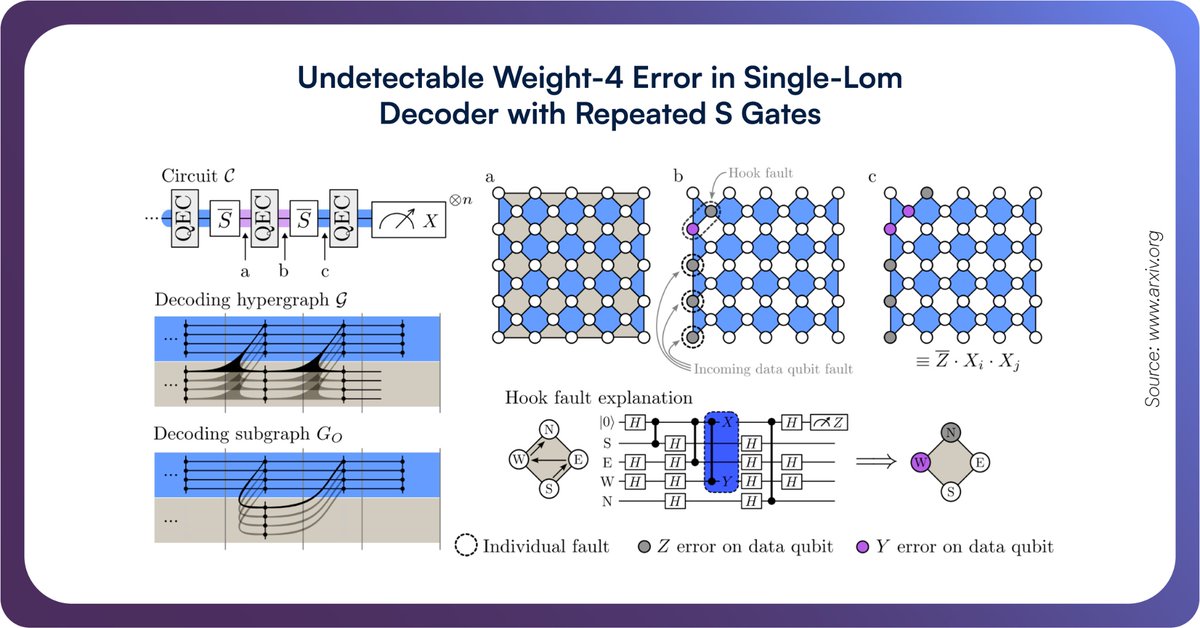
🚀 Breakthrough in decoding fast logic in the surface code!
A new strategy using windowed minimum-weight-perfect-matching decoders boosts fault-tolerant performance for transversal gates.
📉 Sublinear error scaling
⚙️ Improved decoding speed
📊 Fig 22: Shows a weight-4 error slipping through!
🔗 Paper: lnkd.in/dEBgjVe2
#QubitScript #SurfaceCode #ErrorCorrection #FastLogic #QEC
2
162
15 Feb 2025
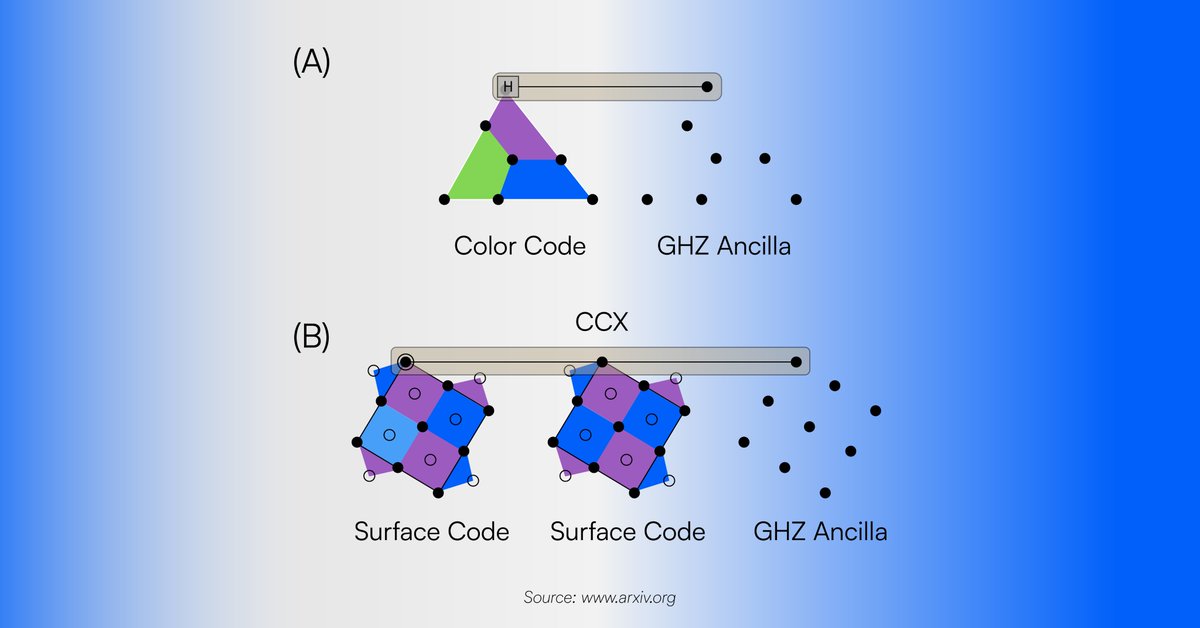
🚀 Magic State Cultivation on the Surface Code 🔮
Exploring CX cultivation for magic state generation, leveraging transversal CX gates to enhance fault-tolerant quantum computing.
🔹 CX Cultivation: Generates |CX⟩ magic states using surface codes, avoiding grafting. 🔗
🔹 Toffoli Gate Advantage: Ideal for Rydberg atoms with native CCX gates. 🧩
🔹 Erasure Qubits & Error Reduction: Enhances logical error rates. ⚡
🔹 H Cultivation Comparison: Simpler & flexible, with room for optimization. 🔍
📖 Read more: arxiv.org/pdf/2502.01743
#QubitScript #QuantumComputing #ErrorCorrection #MagicStateCultivation #SurfaceCode #QML
2
3
355

1 Jan 2025
#Willow
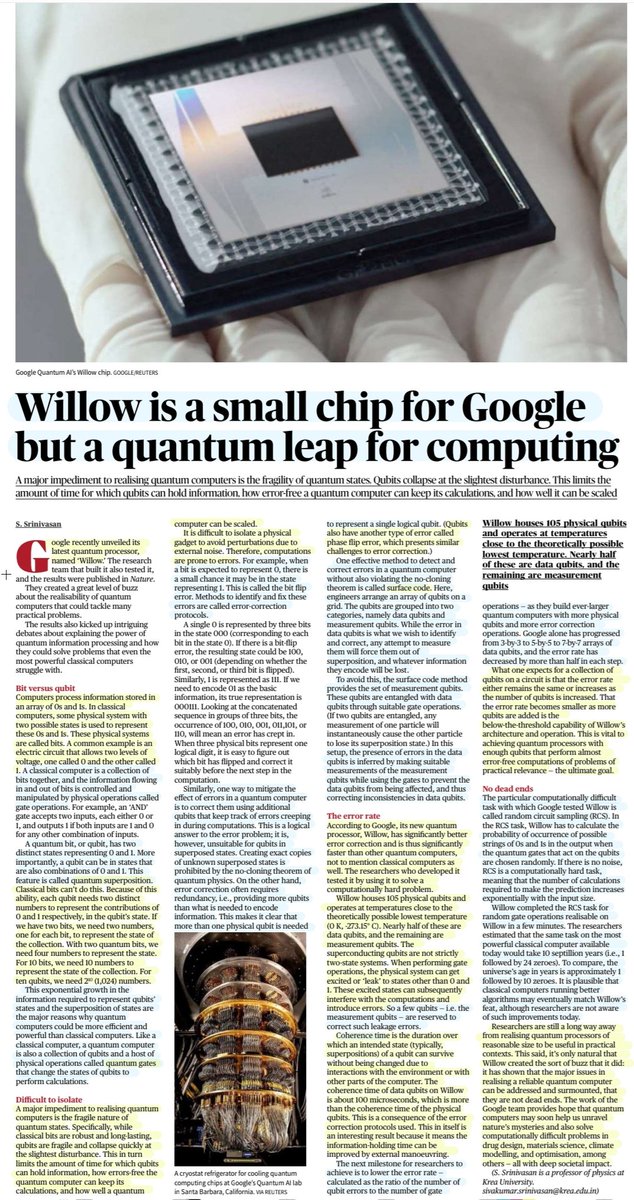
'Willow is a small Chip for Google but a QuantumLeap for computing'
:An Insightful article by Sh S Srinivasan
#GoogleWillow #Chip #Google
#quantum #quantumtech #Computing #QuantumComputers
#Bits #Qubits
#Superimposition #QuantumGates #SurfaceCode
#Technology
#UPSC
1
16
59
2,170

11 Jan 2023
Quantum Error Correction
youtu.be/WhZmS-vQImE
#QuantumErrorCorrection #Shor #CSS #Steane #Toric
#SurfaceCode #ColorCode
2
2
42

6 Dec 2022
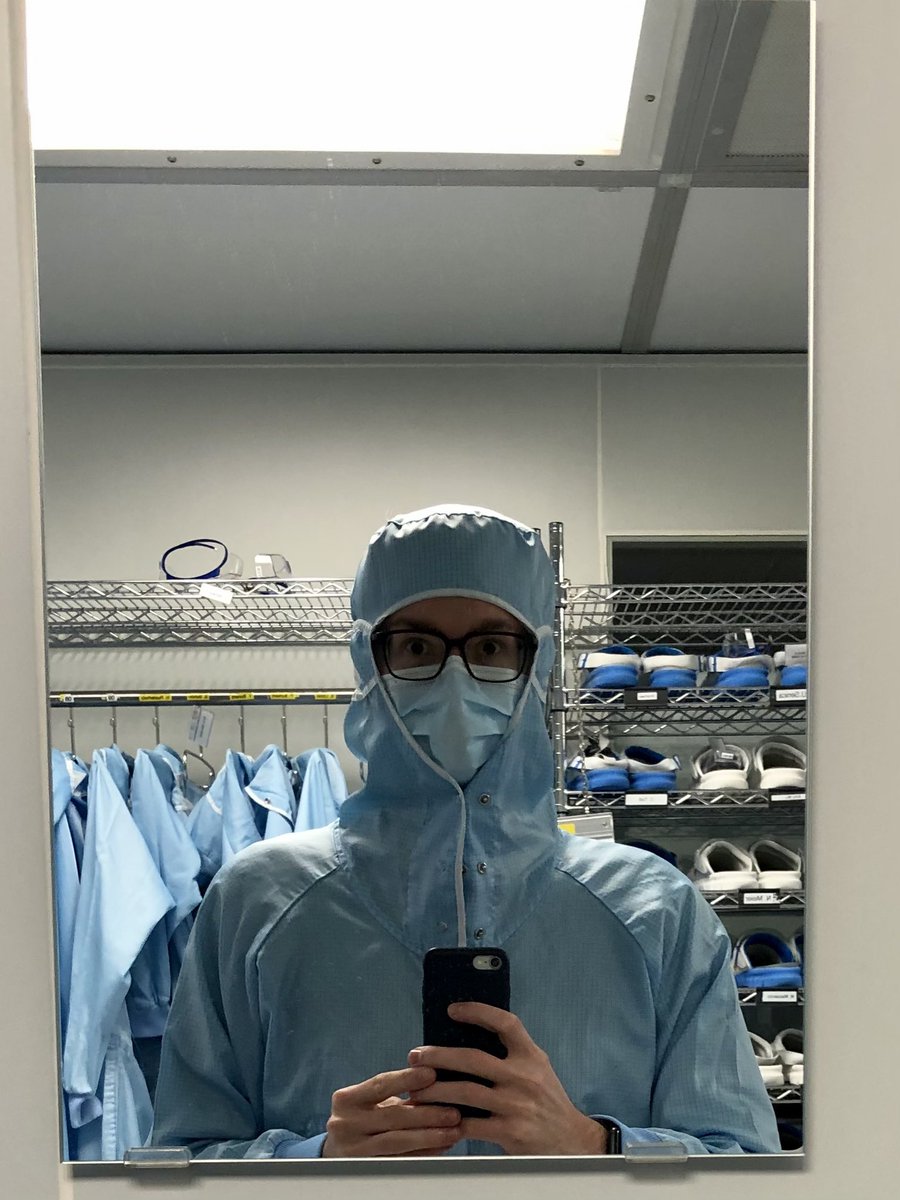
Preparing a 17 qubit #surfacecode device. @ETHZ_FIRSTLab is much more quite at this time of the day. To be installed at @psich_en tomorrow.
2
28
4 Aug 2022
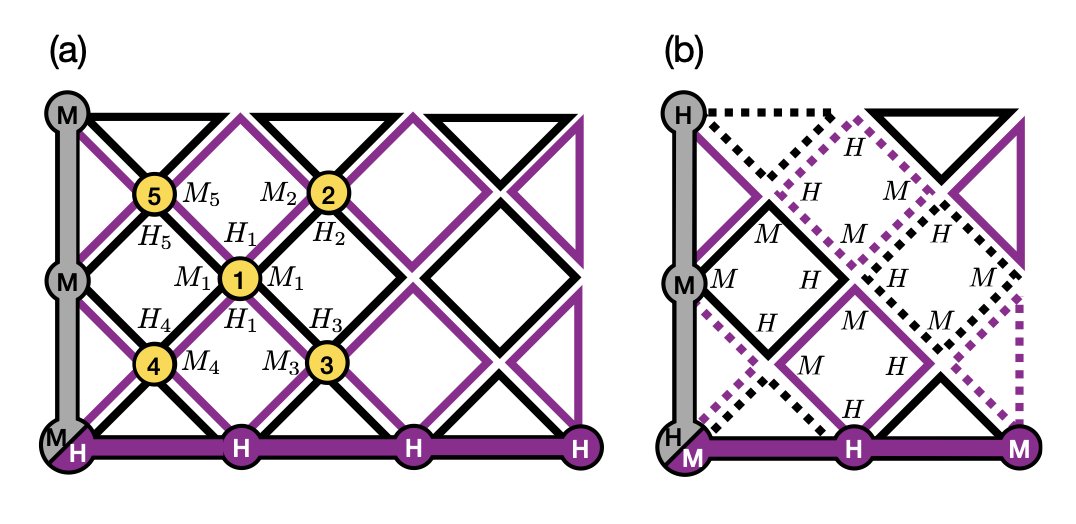
#Quantumerrorcorrection allows to correct for arbitrary quantum noise. But common codes such as the #surfacecode are best suited to iid unbiased noise. In this work, we tailor the surface code to non-independent and non-identically distributed errors.
scirate.com/arxiv/2208.02191
2
3
55


8 Jun 2020
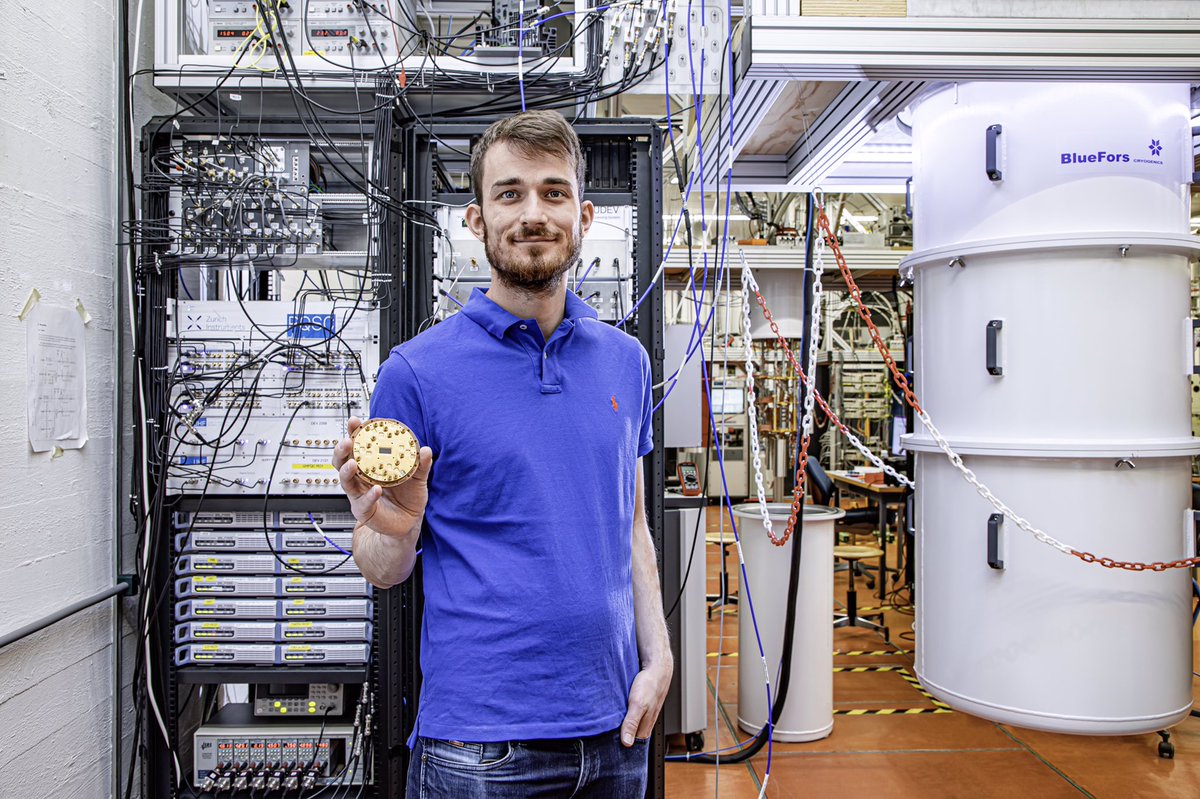
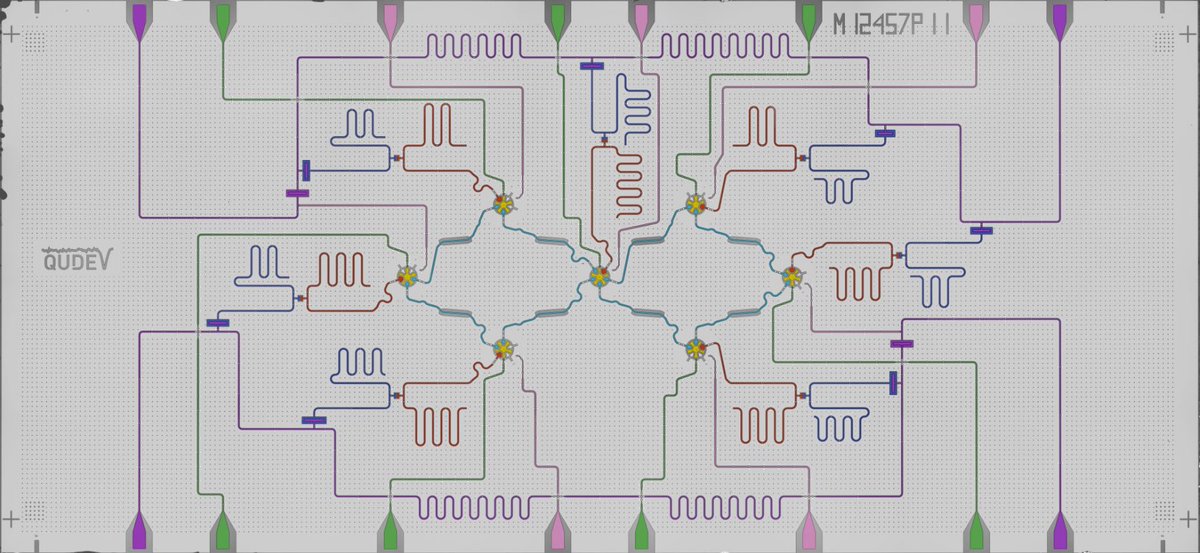
Our paper on Repeated #Quantum #ErrorDetection in a #SurfaceCode is out in @NaturePhysics today. Check out the proud @ETH_physics @ETH_en first author presenting the setup, sample mount and chip in the photographs below.
nature.com/articles/s41567-0…
2
10
50