
Jun 13
How to Solve Common Errors in English in Just 5 Seconds! | By Dinesh Sir | #reelsviralシ
#commonerrors #englishgrammar #errordetection #sscenglish #competitiveexams #bankingexams #railwayexam #cds #nda #grammartricks #englishshorts #vocabulary #airgurukul #shorts
1
7

30 Sep 2025
Towards robust databases: an ensemble-based workflow for error detection applied to chemical data
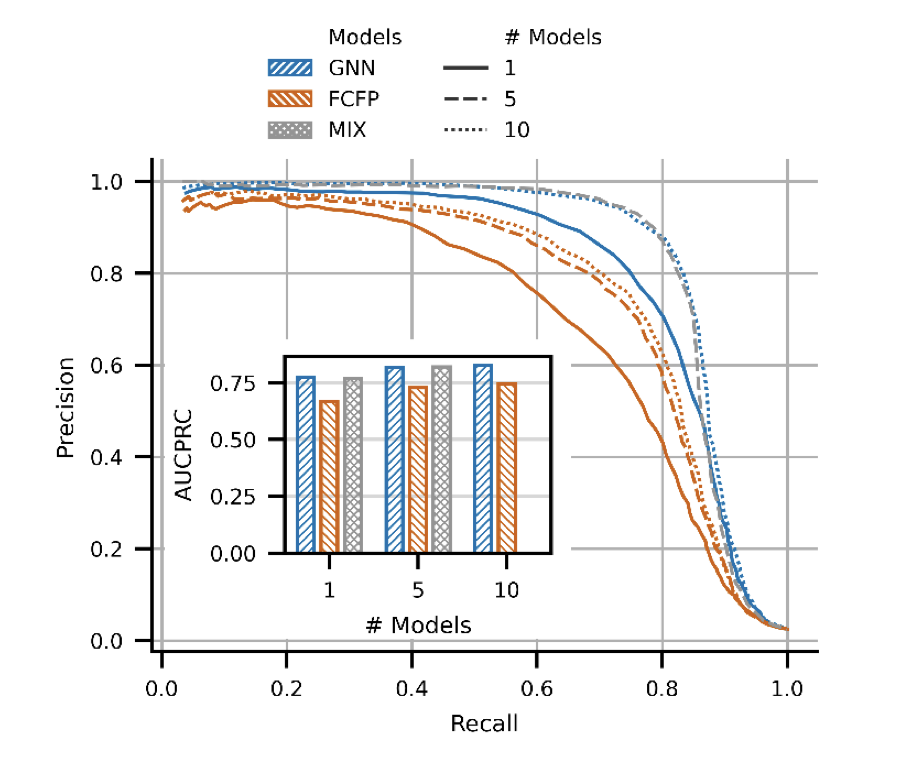
1. This study introduces a validated and refined “yellow cards” error detection workflow for chemical data, which can be applied to any property connected to molecular structure. The workflow uses five predictive models to flag potentially erroneous entries with high precision.
2. The core innovation lies in the ensemble approach: each model assigns a “yellow card” to the 5% of entries with the worst prediction accuracy. Entries receiving five “yellow cards” are considered erroneous. This method effectively leverages model diversity to enhance error detection.
3. The study confirms five key hypotheses: models generalize well and ignore errors during training; prediction errors across different model architectures are weakly correlated; the group with the most “yellow cards” is dominated by erroneous entries; the U-shaped distribution of entries across groups and inverted-U pattern in standard deviations serve as robust indicators of workflow performance.
4. The “yellow cards” workflow outperforms simpler methods like absolute error or percentile-based approaches in precision-recall metrics. This makes it a superior choice for identifying and filtering out errors in large chemical datasets.
5. The researchers provide a detailed, actionable plan for applying this method to new datasets, emphasizing model diversity, hyperparameter optimization, threshold selection, and iterative refinement using diagnostic plots. This plan is designed to be adaptable to various molecular properties.
6. The study uses two computational datasets (descriptor-based and QM9-based) with controlled errors to rigorously test and validate the workflow. This approach allows for a thorough assessment of the method’s performance and versatility.
7. The findings have broad implications for improving data quality in chemistry and molecular sciences, potentially enhancing the reliability of machine learning models trained on such data. This work paves the way for more robust and reliable data curation practices.
📜Paper: doi.org/10.26434/chemrxiv-20…
#ChemistryData #ErrorDetection #MachineLearning #DataQuality #EnsembleMethods
1
2
5
1,262

28 Sep 2025
⚠️ Resilience isn’t avoiding error, it’s catching it early.
🌐 At Quanxer, AI detects deviations, triggers correction and restores integrity.
💱 Self-recognition isn’t optional, it’s essential.
🚀 What can’t see its flaws, can’t evolve.
#Quanxer #AIIntegrity #ErrorDetection
24
26,096
3 Sep 2025
MOLERR2FIX: Benchmarking LLM Trustworthiness in Chemistry via Modular Error Detection, Localization, Explanation, and Revision
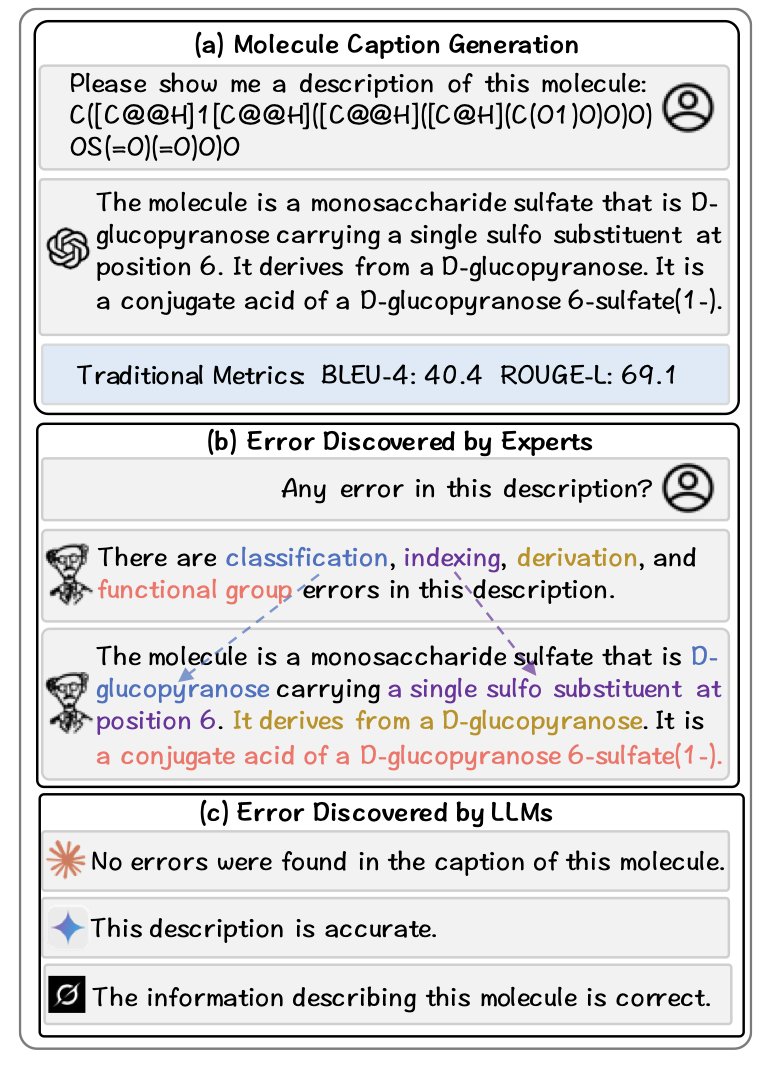
1. A new benchmark called MOLERR2FIX has been introduced to evaluate the ability of Large Language Models (LLMs) to detect and correct chemical errors in molecular descriptions. This is a significant step towards ensuring the reliability of LLMs in chemistry applications.
2. Unlike existing benchmarks that focus on molecule-to-text generation or property prediction, MOLERR2FIX emphasizes fine-grained chemical understanding. It tasks LLMs with identifying, localizing, explaining, and revising potential structural and semantic errors in molecular descriptions.
3. The benchmark consists of 1,193 fine-grained annotated error instances, each with quadruple annotations: error type, span location, explanation, and correction. This comprehensive dataset provides a detailed evaluation framework for assessing LLMs' chemical reasoning capabilities.
4. Evaluations reveal notable performance gaps in current state-of-the-art LLMs, including GPT-4 and chemistry-specific ChemLLM. While some models can occasionally detect errors, they frequently fail to localize, explain, or correct them accurately.
5. The study highlights the limitations of domain-specific models and the importance of reasoning-enhanced models. It also explores the impact of few-shot learning on task performance, showing improvements in error localization but limited gains in explanation and revision.
6. The authors propose future directions, including chemistry-centric pretraining architectures, self-reflection loops for iterative debugging, and an expanded benchmark covering richer chemistries and error modes.
📜Paper: arxiv.org/abs/2509.00063
#Chemistry #LLMs #Benchmarking #ErrorDetection #MolecularDescriptions
1
3
5
1,500

7 Apr 2025
長野チケットを使う日が近いという事かあ🎵
行けるかな⁉️
松江は行けないけど、
神戸は絶対に行く😘
ErrorDetection♬⇒
instagram.com/reel/DHNYdXMzl…
#NEMOPHILA

7 Apr 2025

全国17ヶ所リリースツアー『Apple of my eye Release Tour 2025』開催中!
⚡️THANK YOU SOLD OUT!! 4月27日(日) 島根・松江 AZTiC canova⚡️
そのほかの公演も枚数が少なくなってきています!!
“現在”のNEMOPHILAを体感しに来てください!
ぜひお会いできるのを楽しみにしています!!
1/22(水)発売のニューアルバム「Apple of my eye」をひっさげた全国ツアー
『NEMOPHILA Apple of my eye Release Tour 2025』開催決定!!!
ローソンチケットにて販売中!!
受付URL ⇒ l-tike.com/nemophila/
チケット価格:前売7,000円 / 当日7,500円
※ドリンク代別 ※未就学児⼊場不可
【ツアー日程】
<2025年>
■4月11日(金) 北海道・ペニーレーン24
(問)マウントアライブ 050-3504-8700(平日11:00~18:00)
■4月12日(土) 北海道・旭川CASINO DRIVE
(問)マウントアライブ 050-3504-8700(平日11:00~18:00)
■4月26日(土) 神戸・神戸VARIT.
(問)キョードーインフォメーション 0570-200-888 (日祝を除く 11:00-18:00)
■4月27日(日) 島根・松江 AZTiC canova ※SOLD OUT!
(問)ユニオン音楽事務所 082-247-6111(平日11:00~17:00 土日祝除く)
2025年5月6日(火)日比谷野外大音楽堂にて全曲ライブ開催決定!!
『やめられないとまらない、NEMOPHILA地獄の全曲ライブ 』
今までにNEMOPHILAが発表した全楽曲を1日で演奏します!
あなたも歴史の目撃者に!!
今までのNEMOPHILA全部やる!!
🌈チケット一般発売中🌈
l-tike.com/nemophila/
3
195

22 Mar 2025
As @grok interprets these conjoined posts, try to think likewise about conjoining your thinking’s higher-order thinking.
From #TheGrok (in quotation marks):
“John R Dallas Jr emphasizes metacognition, the practice of thinking about one’s own thinking, to enhance openness and gratitude when processing wisdom, as seen in his reference to Matthew LaBosco’s chronic stress thread.
• The quoted thread by Matthew LaBosco details a biological view of chronic stress as a ‘full-system failure,’ linking it to a 200,000-year-old survival loop that causes brain fog, despair, and disease if not addressed.
• Metacognition, as highlighted by Dallas, aligns with research from the Child Mind Institute, which notes its role in helping individuals, especially kids, manage frustration and improve self-regulation by reflecting on their thought processes.”
#GrokGetsIt. Do you?😉
—-
The #InnerChild in alert and oriented adults needs metacognition’s humbling and empowering:
1. Metacognitive #learning
2. Metacognitive #knowledge
3. Metacognitive #regulation
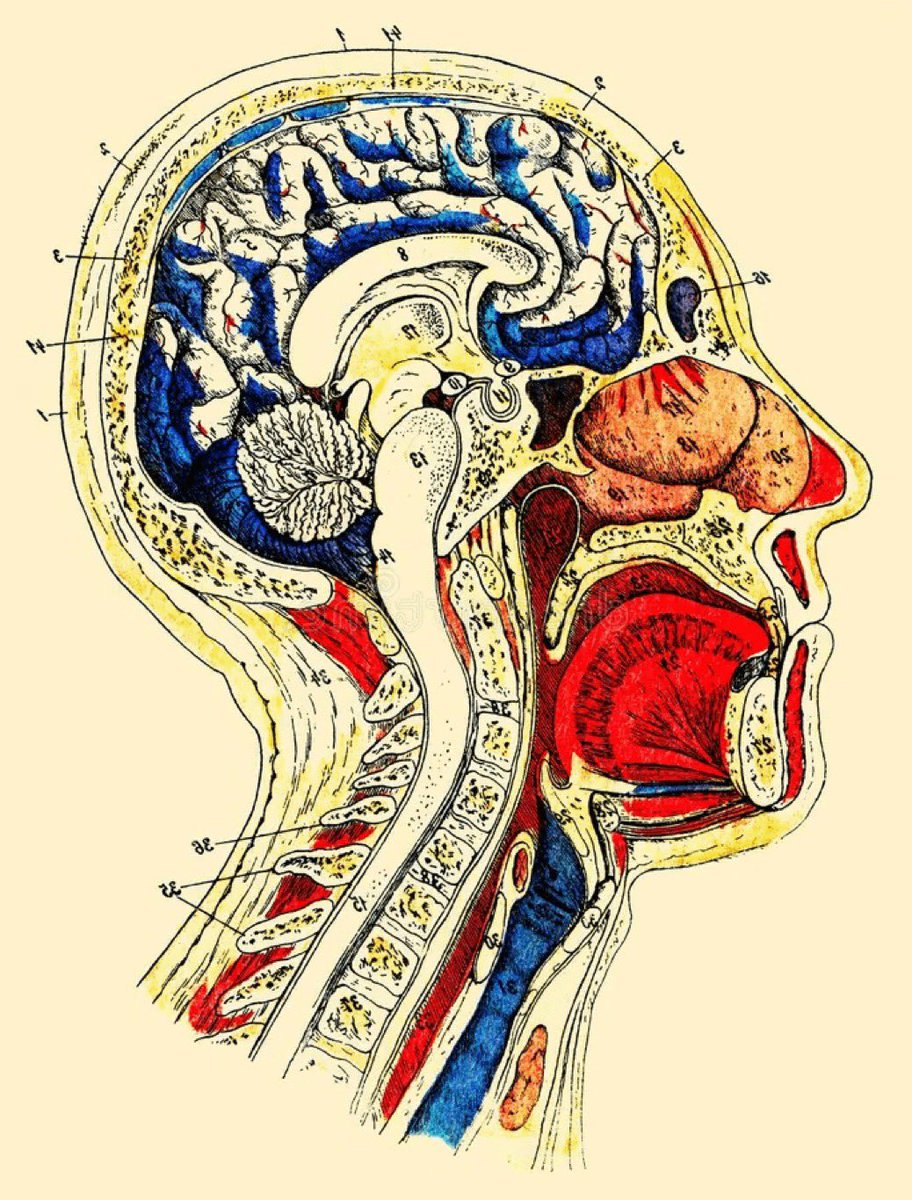
In today’s emergent #AI era, intentional and effortful #metacognition (i.e., agentic thinking about thinking) becomes crucial—for humans and AI systems—to navigate complex tasks, learn effectively, and collaborate efficiently; all enabling self-awareness, error detection, and improved decision-making.
Improving metacognition skills improves your (and AI’s):
#SelfAwareness
#ErrorDetection
#DecisionMaking
#Agentic means having the metacognitive ability to act independently to achieve better outcomes. Agentic describes people, systems, or artificial intelligence (AI).
#BeAgentic. #BeMetacognitive.
Wisely, courageously, and patiently, continually develop and deploy your metacognition’s mastery, mystery, and magic.
“A metacognitively engaged mind exceeds its expectations.” —JRDjr
From @sciencedirect:
sciencedirect.com/science/ar…
22 Mar 2025

Wise words, these. As with any wisdom presented for consideration, your in-the-moment mindset, way of #thinking, and cognitive bias influence your perception of value and other perspective. Metacognitively adjust your thinking skills to be more open, curious, humble—and grateful.
3
5
119


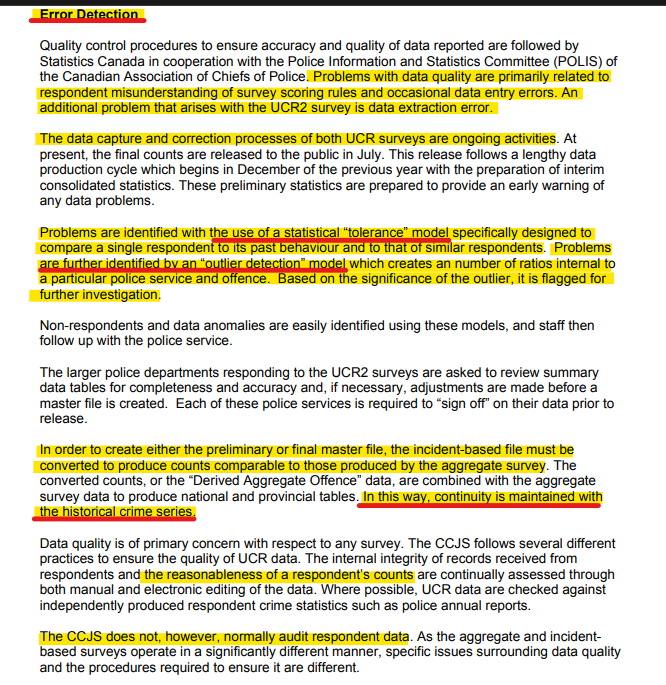
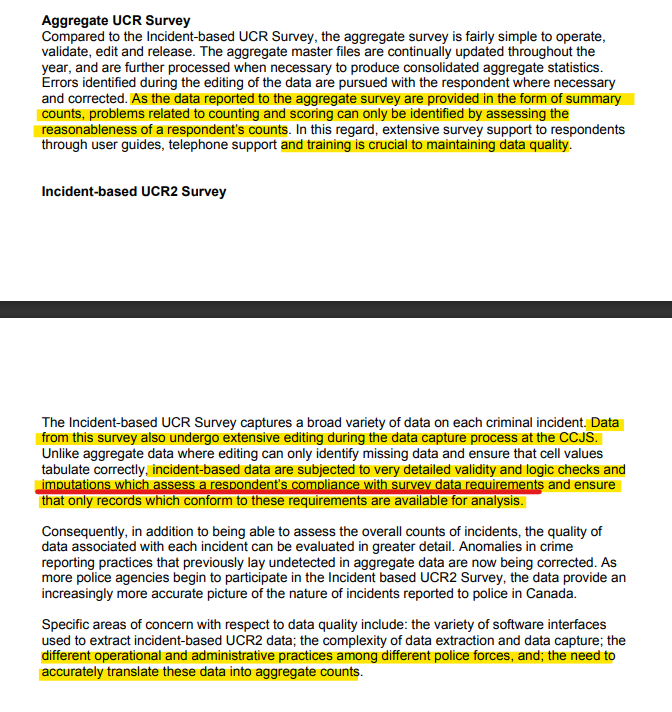
So, what would you say if I told you that Canadian Crime Stats are manipulated to "fit" historical data trends, and altered so as to not deviate (even if crime is way higher) from statistical/historical norms..
..would you still call me names?
#ErrorDetection #NarrativeProtector #ItsWayWorseThanTheyreWillingToAdmit
3
2
65

8 Oct 2024
Congratulations to the BIFOLD Research Group D2IP: Two accepted papers at #EDBT2025.
Abstracts & Codes:
linkedin.com/posts/ziawasch-…
@FelixNeutatz @ahmadi94f @UniHannover @TUBerlin @LindauerMarius #AutoML #ErrorDetection #EnergyEfficiency
1
4
243

3 Jun 2024
ebook: English - Error Detection
categories.epratibha.net/ebo…
#Ebook #bankexams #english #ErrorDetection #epratibha #eenaduepratibha #Eenadu

2
19

27 Mar 2024
Layer 2, also known as the Data Link Layer, plays a crucial role in the networking process by ensuring reliable communication between devices on the same network. This layer is responsible for framing data packets into a format that can be transmitted over the physical network medium.
One of the key functions of Layer 2 is to provide error detection and correction mechanisms to ensure data integrity. By adding checksums and sequence numbers to data packets, Layer 2 can detect and correct errors that may occur during transmission.
In addition, Layer 2 is also responsible for addressing and routing data packets to their intended destinations. MAC addresses are used to uniquely identify devices on a network, allowing Layer 2 to determine the best path for data packets to reach their destination.
Overall, Layer 2 plays a critical role in the smooth functioning of network communication, ensuring that data is transmitted accurately and efficiently. #DataLinkLayer #Networking #MACAddress #Communication #ErrorDetection
14
5
732

14 Mar 2024
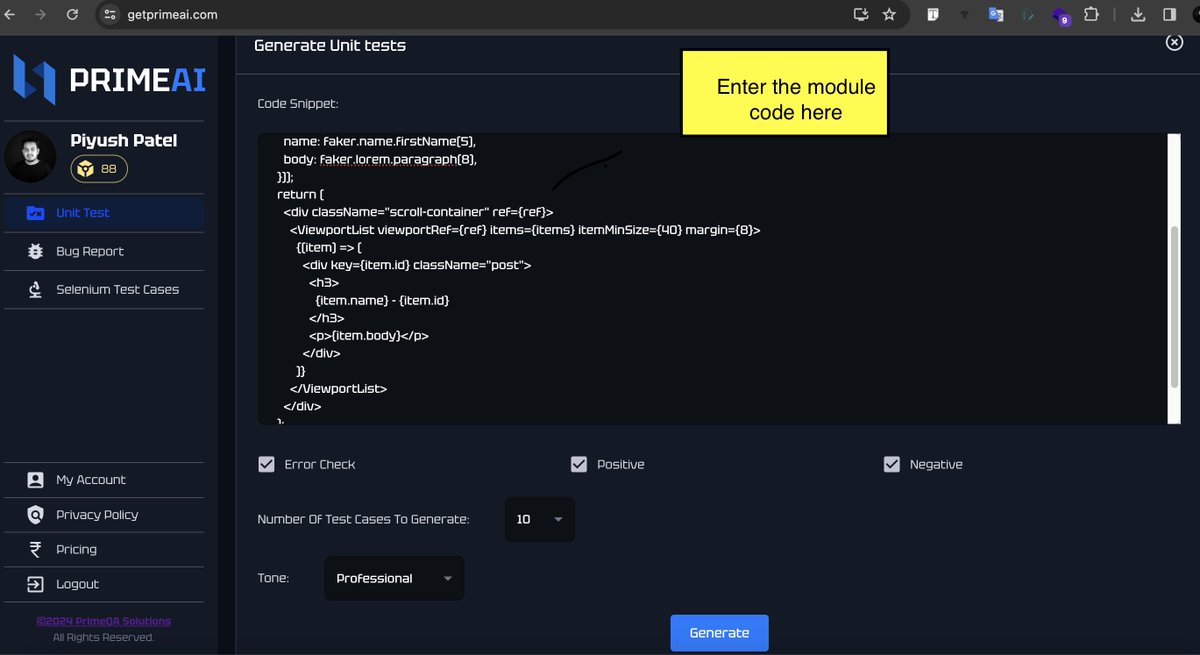
Experience the future of unit testing with PrimeAI. Visit getprimeai.com/login
#qa #primeqa #primeai #ai #openai #chatgtp #unittesting #PrimeAI #AIinTesting #DevOps
#ErrorDetection #TechInnovation #AIForTesting #CodeQuality #AIRevolution #EfficientCoding #TechTrends2024

3
120

11 Feb 2024
Es ging darum, daß man daheim üblicherweise gar nicht die erforderliche Hardware hat. Gibt Ausnahmen:
:~$ sudo lshw -class memory|grep ecc
Fähigkeiten: ecc
Konfiguration: errordetection=ecc
1
2
9

5 Dec 2023
New Error-Detection Tool Unveils AI's Vulnerabilities
#AI #AItechnology #artificialintelligence #biasdetection #Decisionmaking #errordetection #ImageNet #llm #machinelearning #NeuralNetworks #Reliability #study #topology #visualization
multiplatform.ai/new-error-d…

ALT AI News
2
74

23 Nov 2023
Day 119 / #100DaysOfCode
- Learnt a bit about DataStore.
- Solved an easy question on leetcode (Compute Hamming Distance)
#AndroidBasics #ErrorDetection
1
11
278

29 Sep 2023
SeqVerify: A quality-assurance pipeline for whole-genome sequencing data. #EditedCellGenome #EditDetection #ErrorDetection #QC #WGS #Pipeline #Bioinformatics @geochurch
@biorxivpreprint biorxiv.org/content/10.1101/…
11
35
3,151

18 Sep 2023
Such a pleasure to host @fallonmody, along with @tori_stead, Mark Ziemann and @profemmakowal for a brilliant seminar on #errordetection last week. You can watch the recording here youtube.com/watch?v=QBEtwGhI…

Thank you for having me — fantastic questions from everyone, giving me lots to think about :)
2
523

Check out our latest blog post where we share the newest features in @Karmen3D.
From automatic #errordetection to being integrated into the new #PWS400k #3Dprinters, there's so much to discover!
#ai #makerfaire #makerfaireprague #printqueue
karmen.tech/en/blog/summer-n…
1
3
6
408

23 Mar 2023
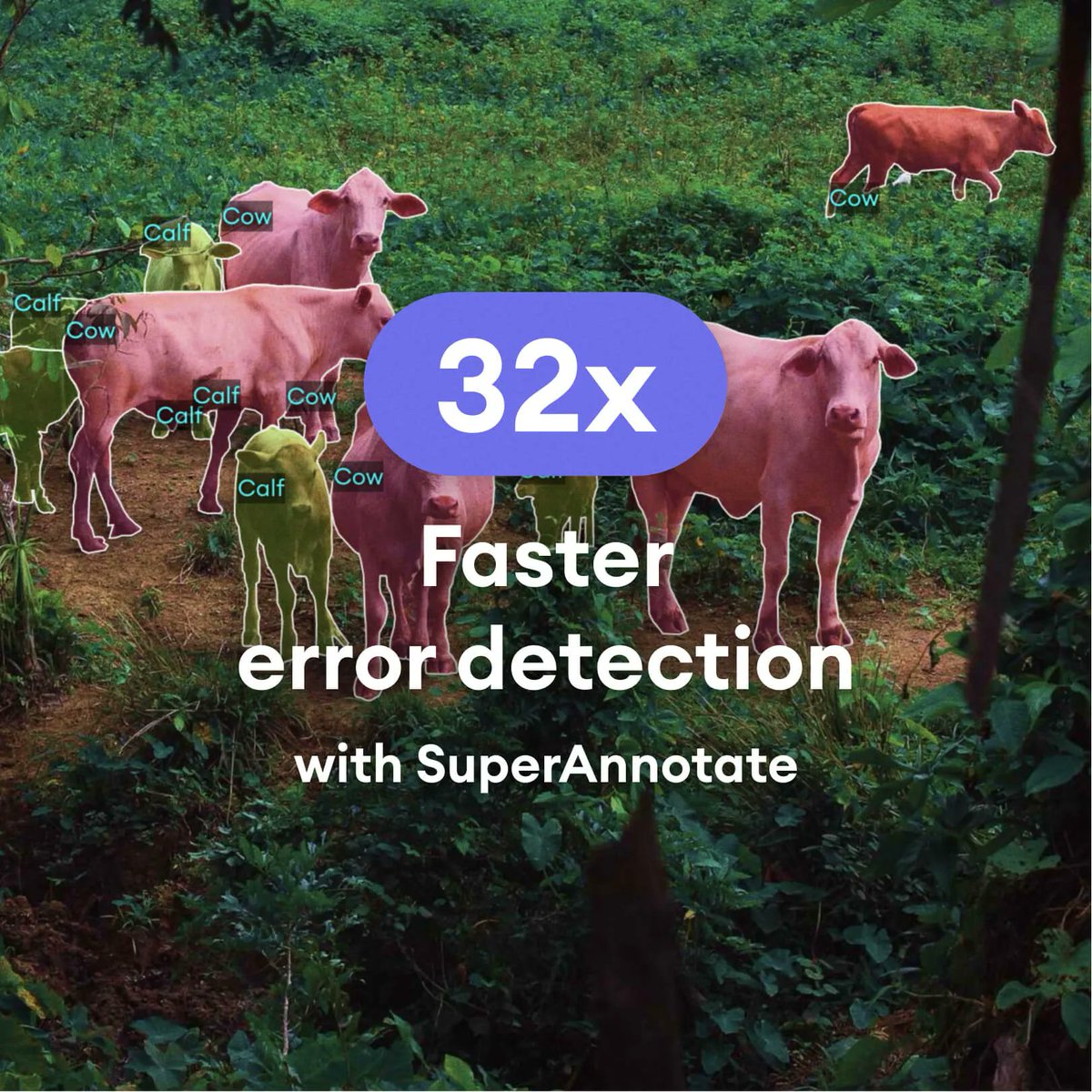
#Annotate, check and improve - seems like a vicious cycle! ♼
What if you can accelerate #errordetection in the annotated data and #automate the neverending iterations. Learn how our customers do it with #SuperAnnotate: superannotate.com/blog-categ…
#superdata #trainingdata
2
80

10 Jan 2023
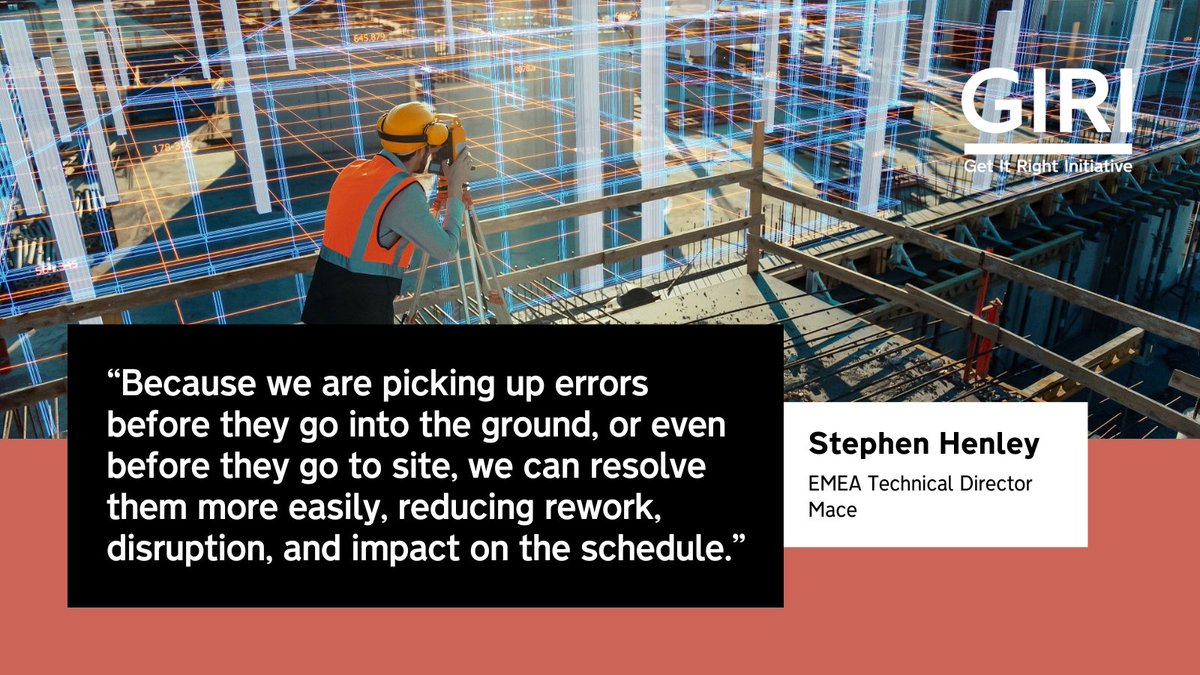
Do you want to know how technology such as drones and AR can help with error detection and prevention? Read our report on how @MaceGroup is using these technologies on its projects.
Read more: bit.ly/3Y8ylze
#augmentedreality #errordetection #construction
1
402