
Jun 11
Moving seamlessly from bipedal walking to a high-mobility four-legged crawl 🤖🕷️ Unitree's robot is showing us the future of adaptive machinery. Whether it is standing upright, shifting into a wheel-gliding mode, or pulling off a backflip, it completely throws out the rigid mold of traditional robotics. Does this smooth, shape-shifting agility give you real-life sci-fi vibes? 👇 #TechFlex #UnitreeRobotics #Robotics #Transformers #Innovation #HuanqiuNow
2
173
Jun 10
A live demo of robot control across 9,000 km: an operator carries out ultra-precise micro-movements on one side, while a robot on another continent mirrors them with near-zero latency, making global collaboration a reality. #TechFlex #Robotics #FutureTech #RemoteControl #Innovation #HuanqiuNow
1
206

Jun 7
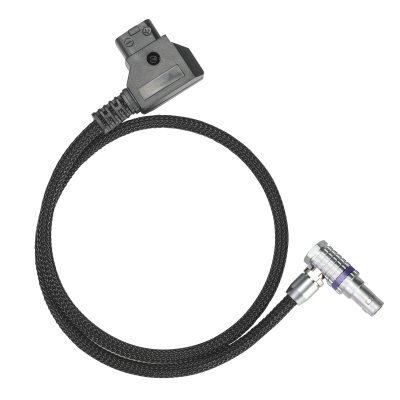
RED® Komodo™ Right-Angle to D-tap&P-tap Cable Made with Super Soft Wire and Protected with Techflex Braid 18.1inches(Power Cable)
verifiedpricedrops.com/red-k…
16

May 24
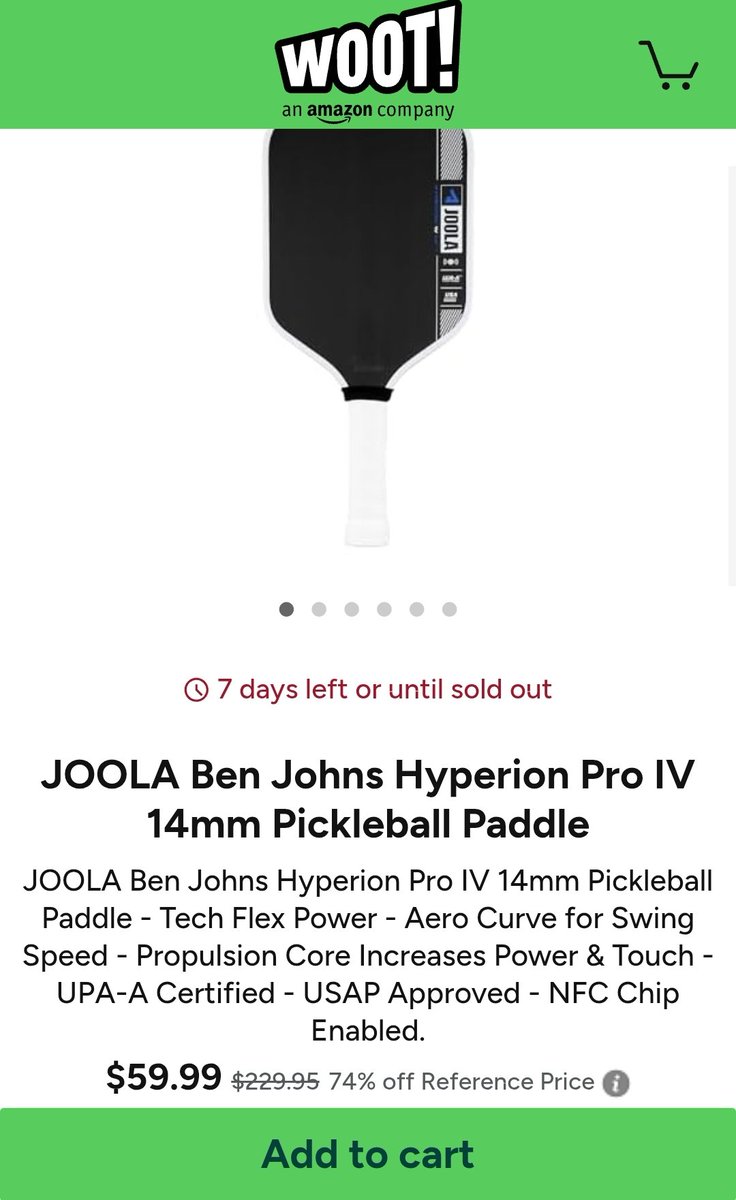
JOOLA HYPERION PRO IV PICKLEBALL PADDLE -74% OFF AT WOOT! 🚨
$59.99 for a paddle normally around $230! TechFlex Power, Aero Curve swing speed design, Propulsion Core, and Ben Johns signature model. Massive discount for anyone into pickleball.
Check it out: mavely.app.link/FTCsbvgso3b
#ad
1
2
1,487


Apr 28
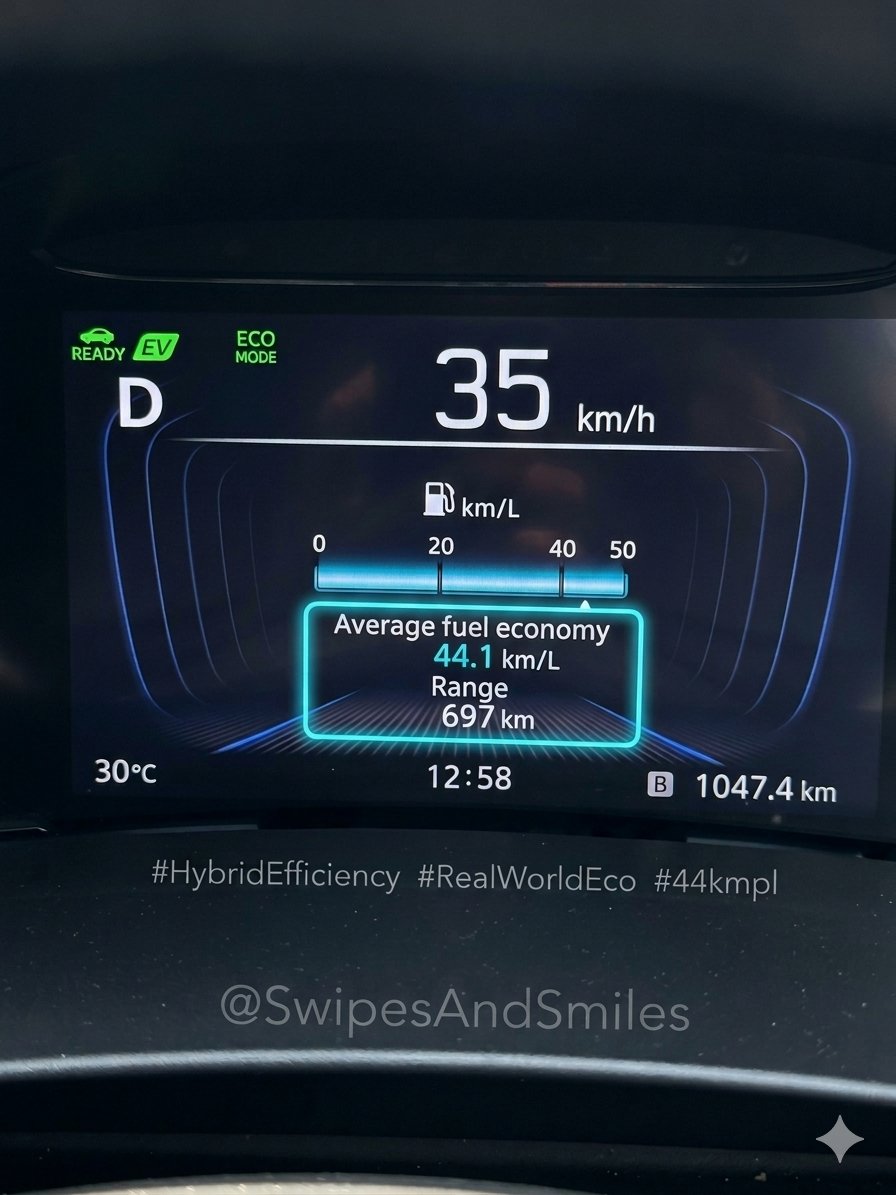
Fuel stations? Just see them once in a month ⛽️💨
44.1 km/L. The Hyryder hybrid isn’t just a car; it’s a cheat code for high gas prices. 📈🔥
They said 28 km/L was the limit. I said "Hold my battery." 🔋🚗
Hitting a massive 44.1 km/L today. This is the future of city driving. Who needs a plug when you have this tech?
@SwipesAndSmiles
#hybridtechnology
#hybrid
#ToyotaIndia #UrbanCruiser #Hyryder #Sustainability #TechFlex #HybridEfficiency
#Hyryder #StrongHybrid #Efficiency #Toyota #EcoFriendly #Hypermiling
cc: @volklub @Toyota_India
5
10
2,478

稀少な オクタcpcp 1枚地ハーフジップシャツが激安!!:ジャックウルフスキン TECHFLEX ウォームスタンドプルオーバー 2色 M-XL 半額5998円送料無料!! 定価11880円 Tシャツ並に軽量152g(L)!! #ミドルウェア #アクティブインサレーション #登山
balearock.blog.fc2.com/blog-…
amzn.to/4ilzHkx
1
1
2
965

Apr 14
1
64

Mar 26
🔥 Just dropped! The iPhone 17 Pro is here at Nexo Store! 🚀
💎 Sleek. Powerful. Yours.
🛒 Grab it before it’s gone → nexostore.co.za
#iPhone17Pro #TechFlex #NexoStore #LimitedStock
2
2
61

Feb 26
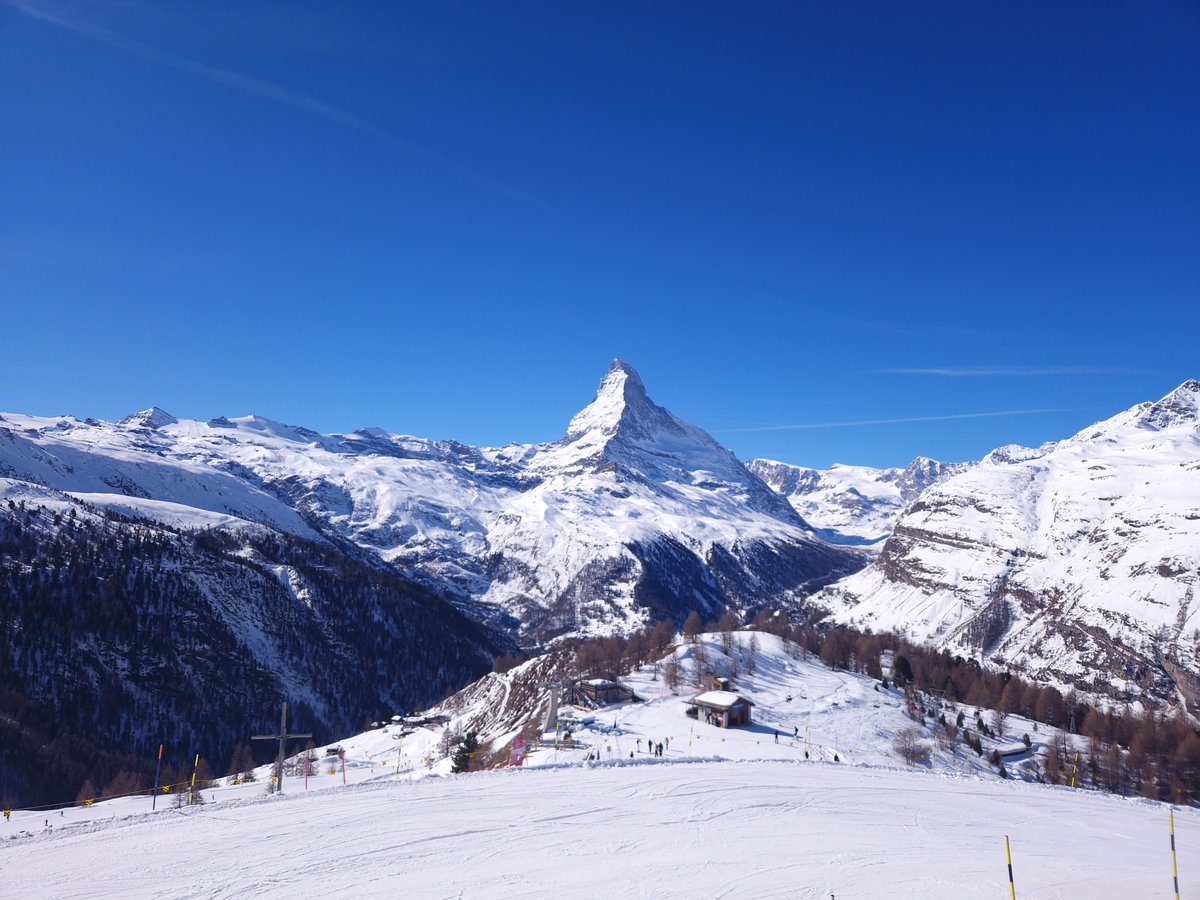
モンベルのジオライン、ジャックウルフスキンのJP TECHFLEX WARM STAND PO、Patagoniaのナイロンジャケットで十分だった
1
6
308

Feb 20
Tesla owners face a persistent issue with **rodents** (mice, rats, sometimes rabbits or squirrels) chewing on soy-based wiring insulation, which can lead to expensive repairs ($1,000–$4,000 for harness replacements) not covered by warranty. No single method is 100% foolproof, especially in rural, wooded, or high-rodent areas, but owners and experts (from forums like Tesla Motors Club, Reddit, and general automotive sources like Consumer Reports) report success combining multiple strategies.
Here are the most commonly recommended and reported effective prevention steps as of early 2026:
### 1. **Environmental / Habitat Control** (Often the most impactful foundation)
- Park in a **sealed garage** whenever possible and keep garage doors closed.
- Eliminate attractants: Remove food sources (trash bins, pet food, bird feeders, fallen fruit/nuts), stored cardboard/paper, or nesting materials near parking areas.
- Change parking spots randomly if you have multiple options — rodents establish routines and trails.
- Keep the vehicle and surrounding area clean; vacuum debris from the frunk/engine bay periodically.
### 2. **Natural & Scent-Based Repellents** (Cheap, popular DIY options — reapply often)
- **Peppermint oil spray** — Dilute and spray liberally in the frunk area, wheel wells, and accessible wiring spots. Many owners report good short-term results; reapply every 1–2 weeks or after rain.
- **Cayenne pepper / hot pepper wax sprays** (e.g., Bonide Hot Pepper Wax or similar capsaicin-based products) — Apply to exposed wiring/hoses; rodents dislike the burn. Reapply every few months.
- **Irish Spring soap**, dryer sheets (e.g., Gain), or cinnamon — Place near entry points or in the frunk; mixed anecdotal success but low-cost to try.
- **Grandpa Gus's pouches** or similar commercial rodent repellent packets — Tuck in glovebox, frunk, or under the car.
### 3. **Physical Barriers & Wraps**
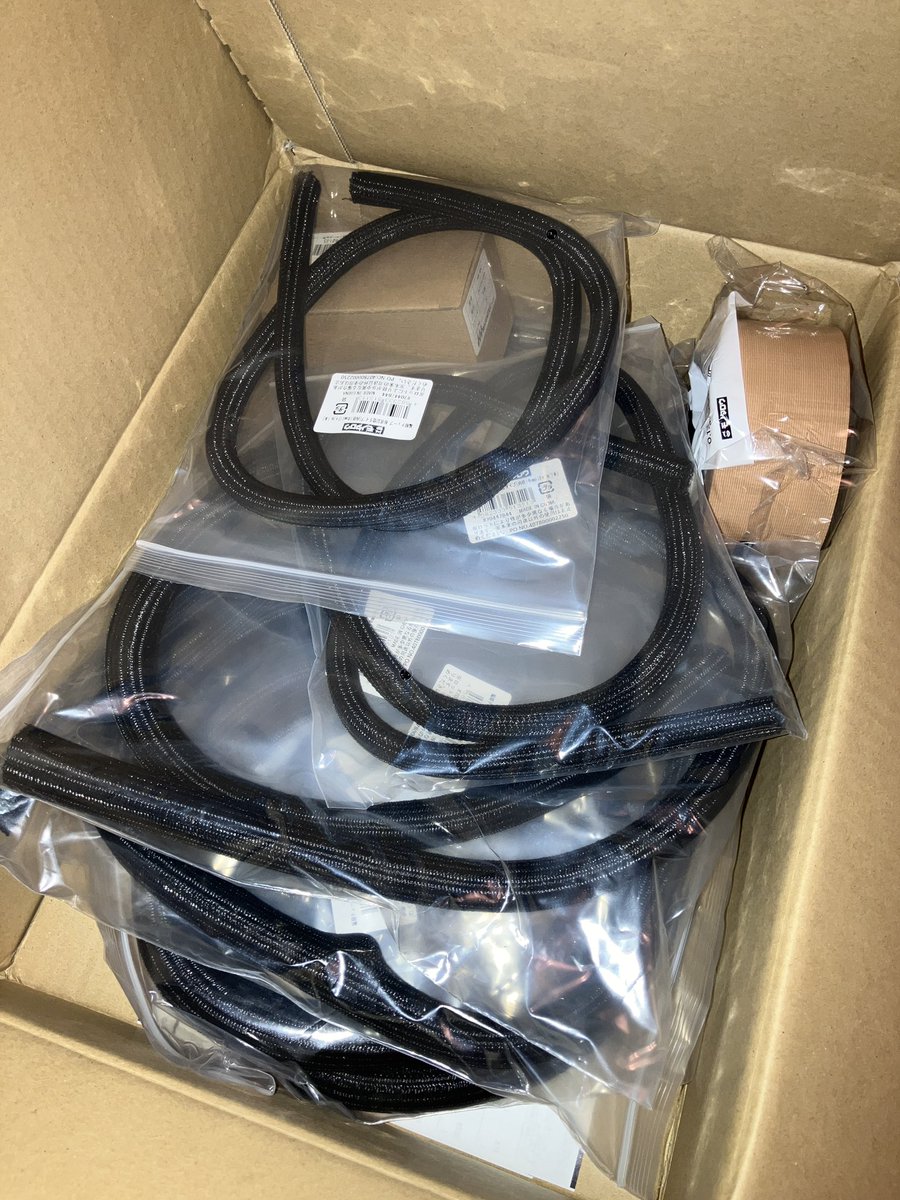
- **Rodent-repellent tape/coating** — Honda sells anti-rodent tape with capsaicin/bitter agents; some Tesla owners wrap vulnerable harness sections (e.g., front sensor wires under the frunk). Look for similar aftermarket options like Techflex Flexo or HellermannTyton rodent-resistant sleeving.
- **Steel wool** or metal mesh — Stuff into small entry gaps (e.g., near firewall, wheel wells).
- **Braided sleeving** or split conduit — Cover exposed wiring runs to make chewing harder.
### 4. **Active Deterrents**
- **Ultrasonic repellers** — Battery-powered or plug-in devices emitting high-frequency sounds; mixed reviews (some work temporarily, others rodents ignore).
- **Motion-activated lights** or flashing LEDs under the car — Disrupts nesting.
- **Traps** — Snap traps, live traps, or electric zappers (e.g., Rat Zapper) baited with peanut butter; place around parking area (not inside car). Effective for reducing local population but requires ongoing effort.
- **Perimeter electric mats** — Systems like GridGuard or Box-Kat create a mild shock barrier around the wheels/undercarriage. Humane, non-lethal, and frequently praised in Tesla communities for long-term protection (especially outdoors); more expensive but low-maintenance once installed.
### 5. **Professional / Dealer Options**
- Some service centers apply rodent-repellent coatings (e.g., 3M rodent repellent spray) during visits — ask your Tesla center.
- If damage occurs, document everything and push for goodwill coverage (rare but sometimes granted for repeat issues).
**Most effective combos reported by owners**:
- Garage parking peppermint/hot pepper spray traps.
- Outdoor parking → GridGuard-style mat scent repellents occasional ultrasonic device.
- Rural/high-risk → Physical wraps/tape on harnesses perimeter deterrence habitat cleanup.
Start with low-cost steps (cleaning, scents, traps) and escalate if signs appear (droppings, nesting material in frunk, odd electrical warnings). Rodent populations fluctuate seasonally (worse in fall/winter), so prevention is ongoing.
1
2
206

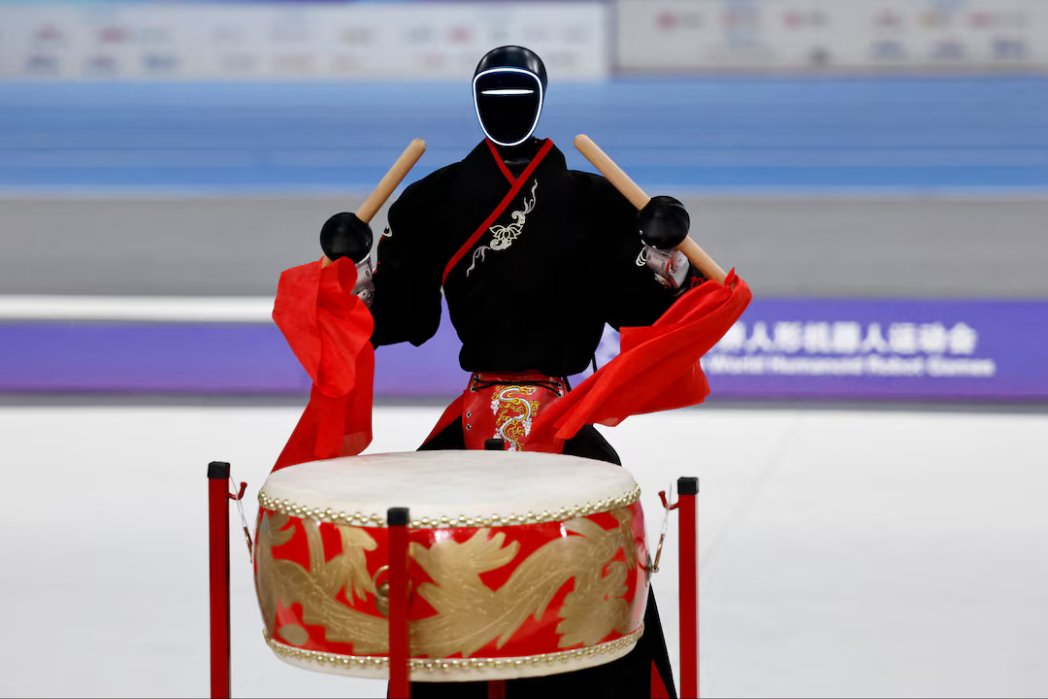
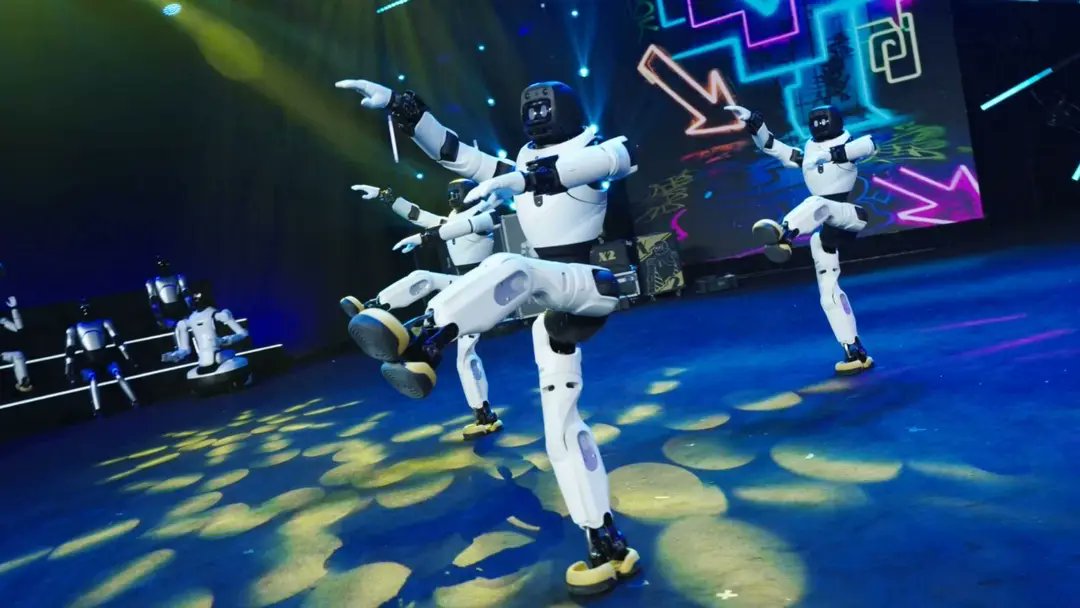
Robot dance crews on CCTV. Guess who’s winning the future?🏆🌏
China. Don’t miss it.
#MindBlown 🤯 #RobotDance #TechFlex

While we debate ethics, they’re showcasing robot dance crews on CCTV. Guess who’s pulling ahead? China. The future’s being built over there — don’t sleep on it.
Image credit: CCTV / SCMP/ AGIBOT Night 2026 🤖🇨🇳

3
3
157

Feb 13
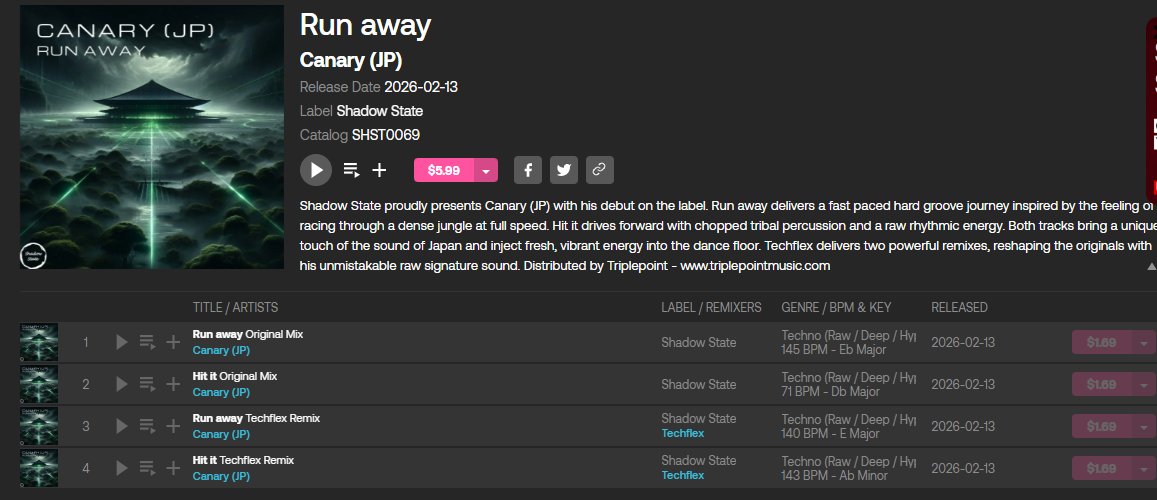
【New Release】
EP-Run away
from Shadow State
Genre:Techno (Raw / Deep / Hypnotic)
疾走感のあるトライバルテクノです!
レーベルオーナーTechflexによるRemixもあります!
何卒よろしくお願い致します!!
beatport.com/release/run-awa…

1
5
5
622

Jan 7
ai labs be like: let's just hire everyone from the tech giants and call it innovation 😂 #techflex
2
36

31 Dec 2025
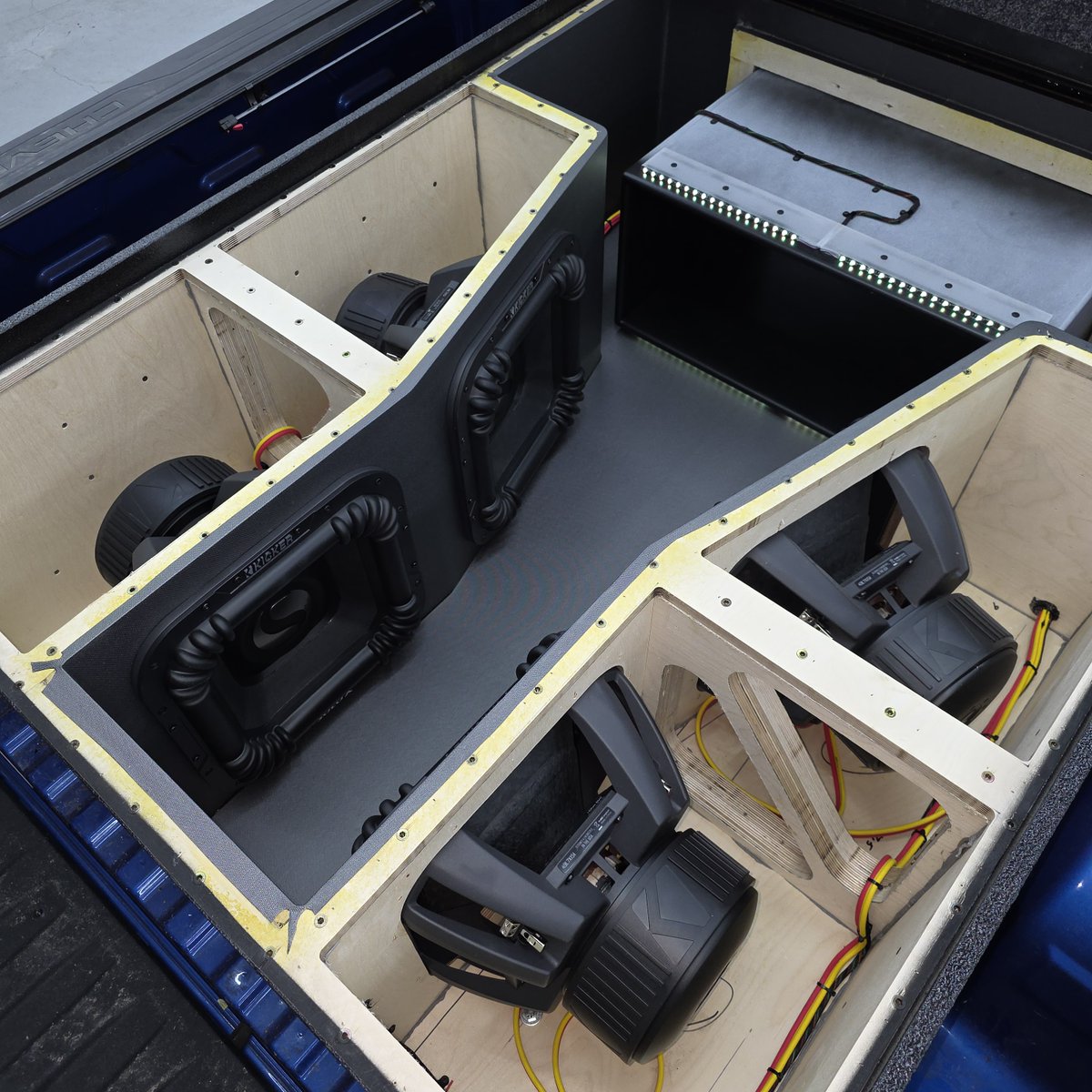
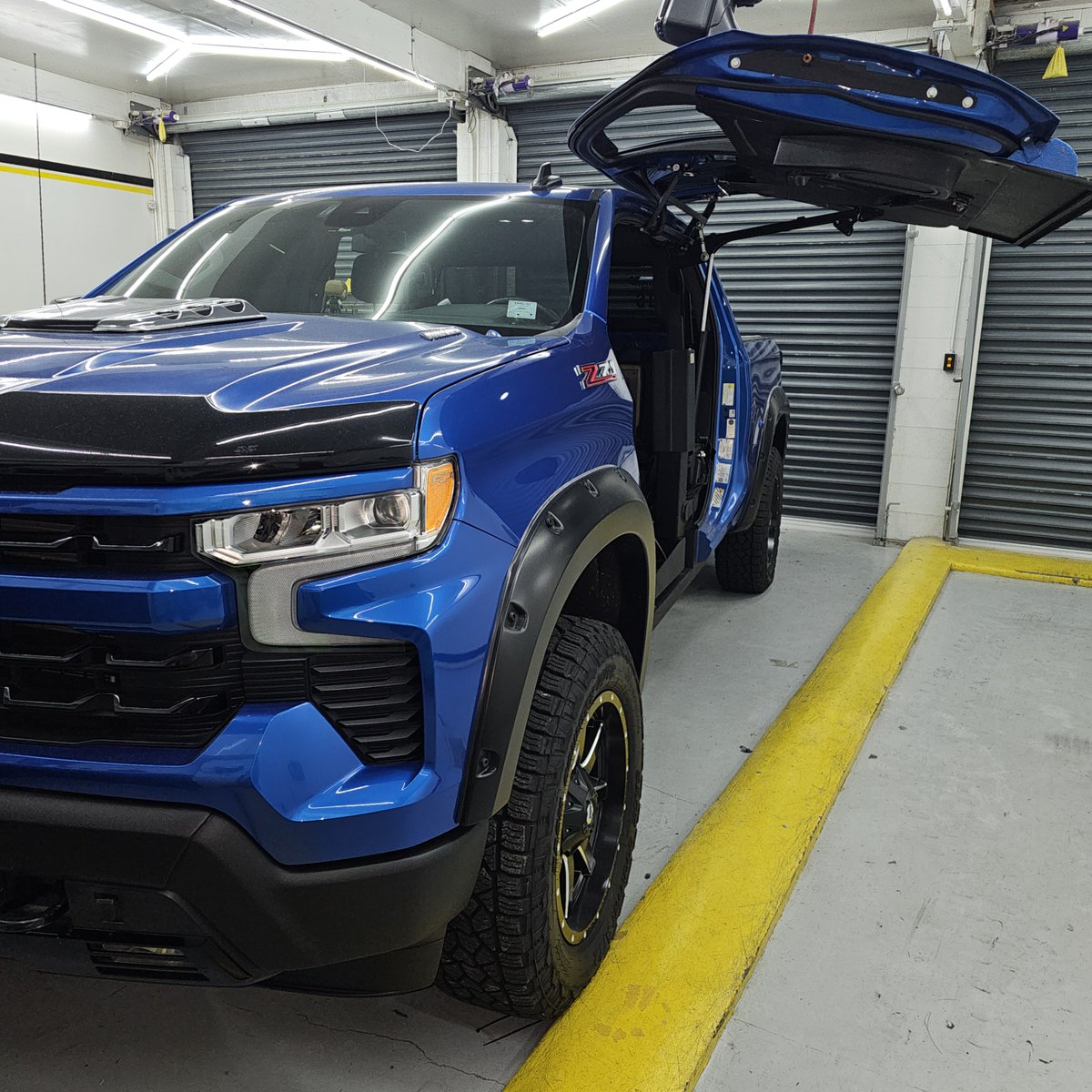
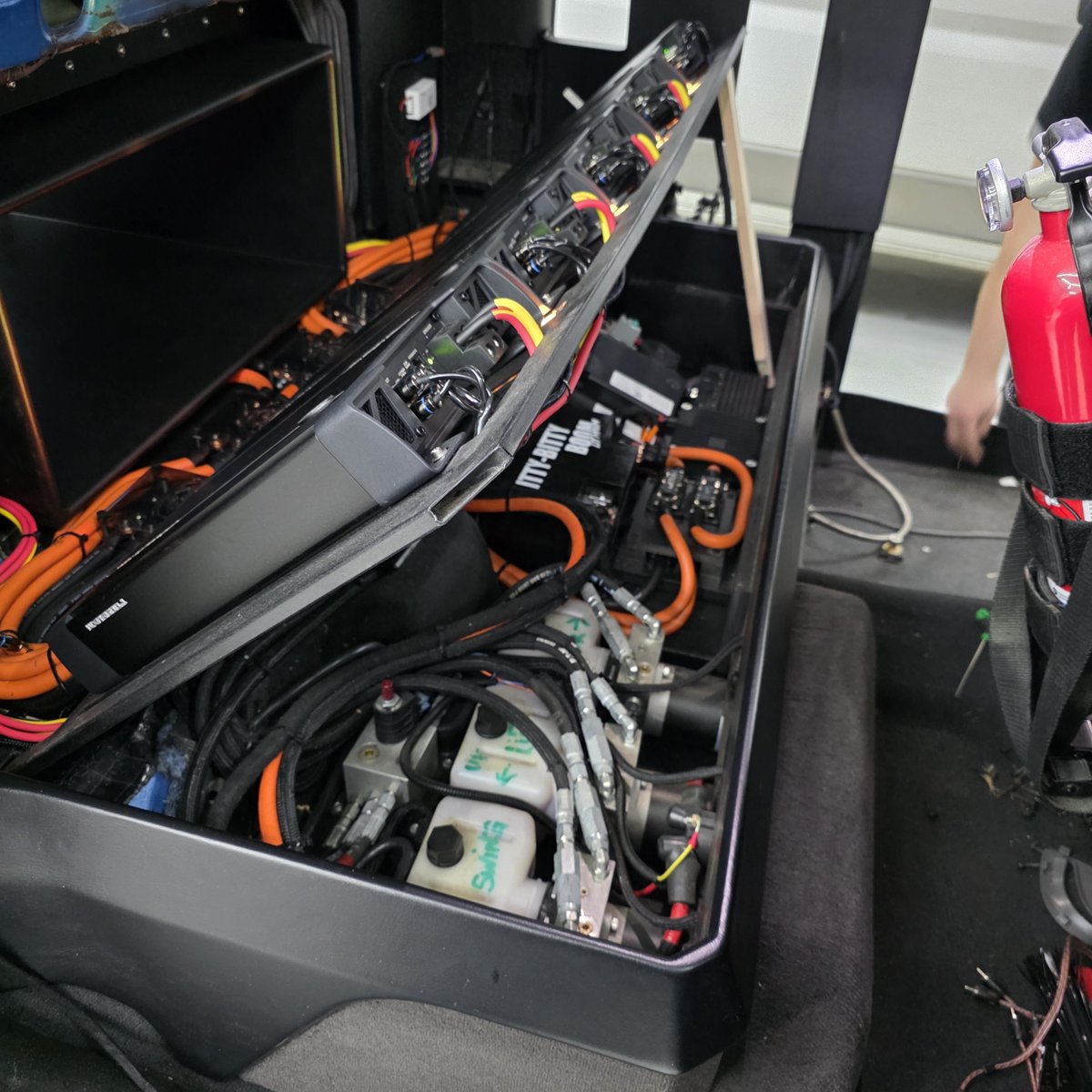
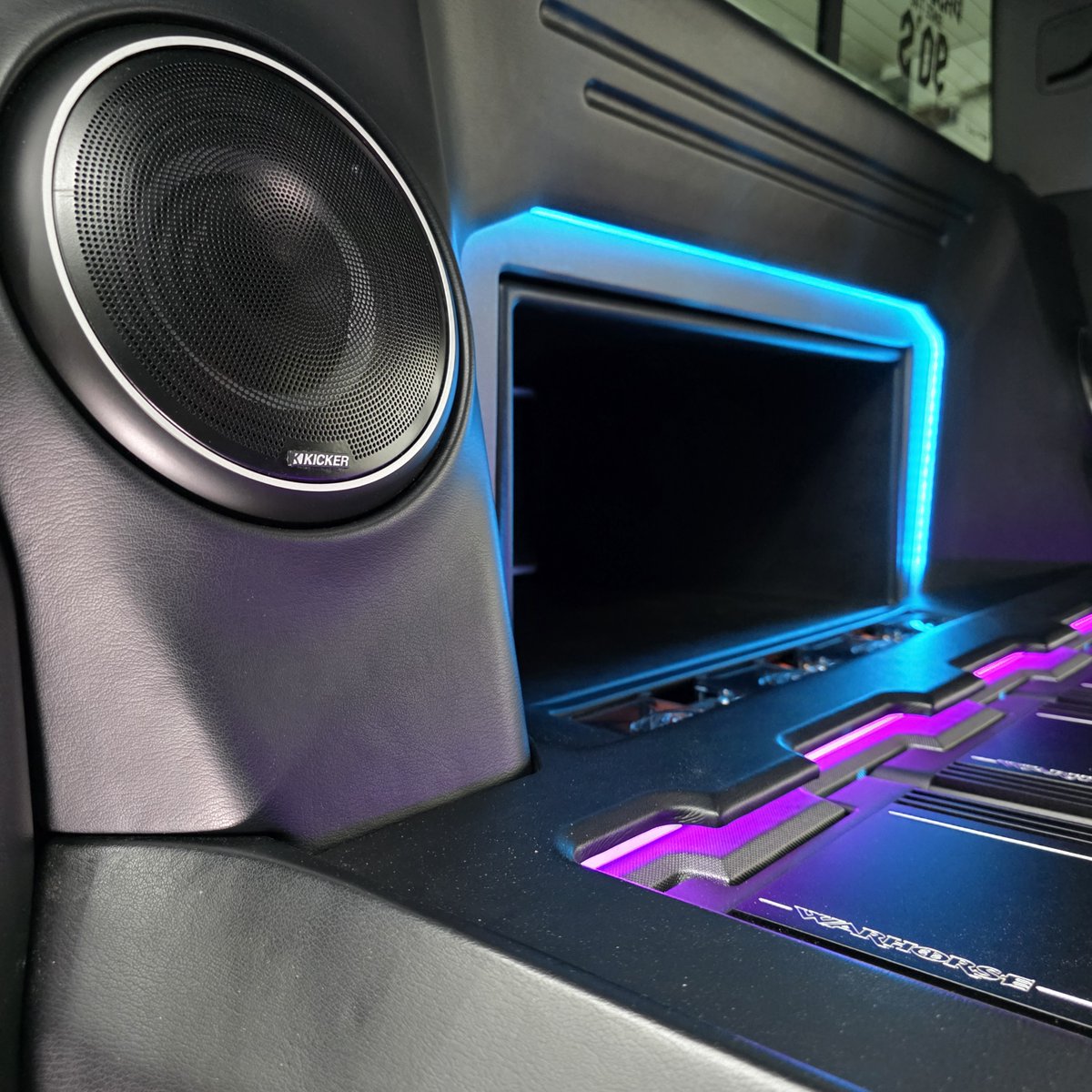
Let's ring in the New Year with a top tier build from our legends at @loveyourstereo in Washington. They're only a month into this INSANE KICKER build and it's already a monster! CJ Silvey, with assists from Ben Survik and Ian Churchill, have absolutely crushed it with creativity and precision. This beast is rocking:
4 SoloX 15" subs for earth-rattling lows
Custom 4th-order box (double and triple-walled) designed by CJ with a little help from KICKER Tech Support
5 Warhorse amps - 4 WXA3600.1 amps 1 WXA1000.4 for massive, reliable power
KMXL69 and KMXL65 speakers throwing crystal-clear highs and mids
4 HPFD4 fuse distribution blocks
PWORO20 and PWBKO20 Warhorse wiring with orange Techflex to match perfectly
320A alternator, lithium batteries, pivoting amp rack for full hydro access, and full addressable 4-zone RGB lighting
The attention to detail is next-level and now this truck is built to dominate the streets and lanes! Huge props to CJ, Ben, and Ian for pushing the boundaries and #LivinLoud like true pros. Foss Car Audio continues to set the bar in the PacNW!
Get an Install Like this!
kicker.com/dealer-locator
#KICKERAudio #CarAudio #Basshead #SoloX #SoloBaric #Warhorse #CustomBuild #TruckAudio #Subwoofers #Amplifiers #Bass #CustomInstall
6
330

31 Dec 2025
xAI’s new data center is called 'Macrohard.' Subtle, Elon. Next up: AI that can finally beat you at chess AND Twitter. vasper.io/ai/read #xAI #ElonMusk #TechFlex
5
61

They talk about speed
We talk about scale
Let's look at the engine specs:
⚡️ Solana Max TPS: ~65,000
⚡️ SUI Max TPS: ~120,000
We aren't just "another fast chain"
We are built on Move—designed for safety and speed
While they reboot their network, we are processing the future
Faster
Safer
Better 🦄🏎️
#Suicorn #Sui #TechFlex

16
3
15
206

5 Dec 2025
冬でも日中に動くと暑くなってきますね🚶♂️
オクタは冬の行動着として最適です♪
透湿性◎
防風◎
耐久撥水機能◎
軽量性◎
⚫︎JP TECHFLEX WARM JK V3
wolfhouse2.jp/phone/product/…
#ウルフハウス #ジャックウルフスキン #アウトドア #キャンプ #登山 #犬 #狼
2
9
439

16 Nov 2025
この時期にちょうどいいジャケット💡
とにかく軽くて、しっかり暖かい✨
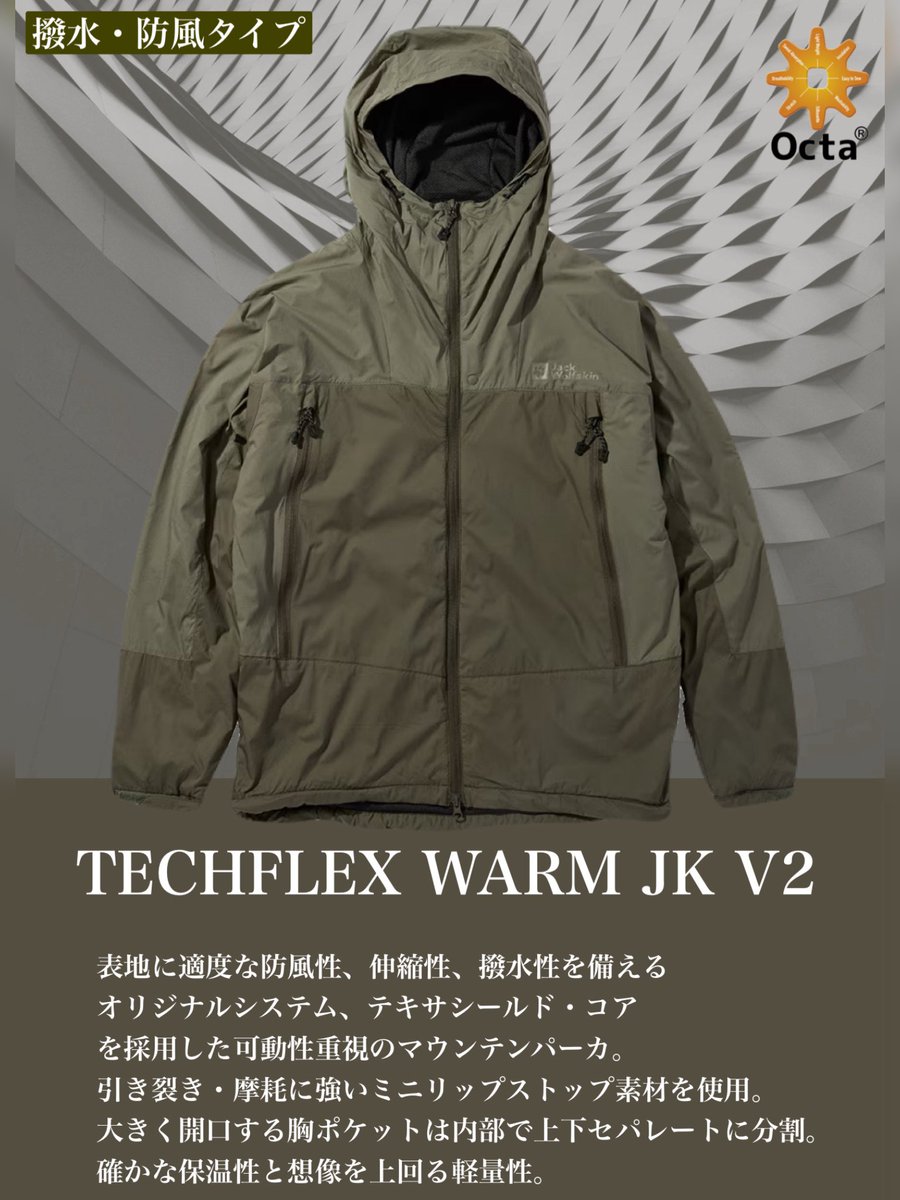
JP TECHFLEX WARM JK V2
wolfhouse2.jp/phone/product/…
#ウルフハウス #ジャックウルフスキン #アウトドア #キャンプ #登山 #犬 #狼
2
334