
22m
TECHNOPHOBIA SPA 乱エクハ(再)
安定の147 2536 or 2356パターン(※2635だと右手が爆散する)
パラリラの歯抜け部分1回目が繋がって一瞬夢見たけど直後死にかけてて危なかった
1
83

本日の寺動画
SPHフルコン記念
【beatmania IIDX】TECHNOPHOBIA / BEMANI Sound Team "HuΣeR" youtu.be/8FTa5HvzyPY?si=HUnl… @YouTubeより
83
本日の寺
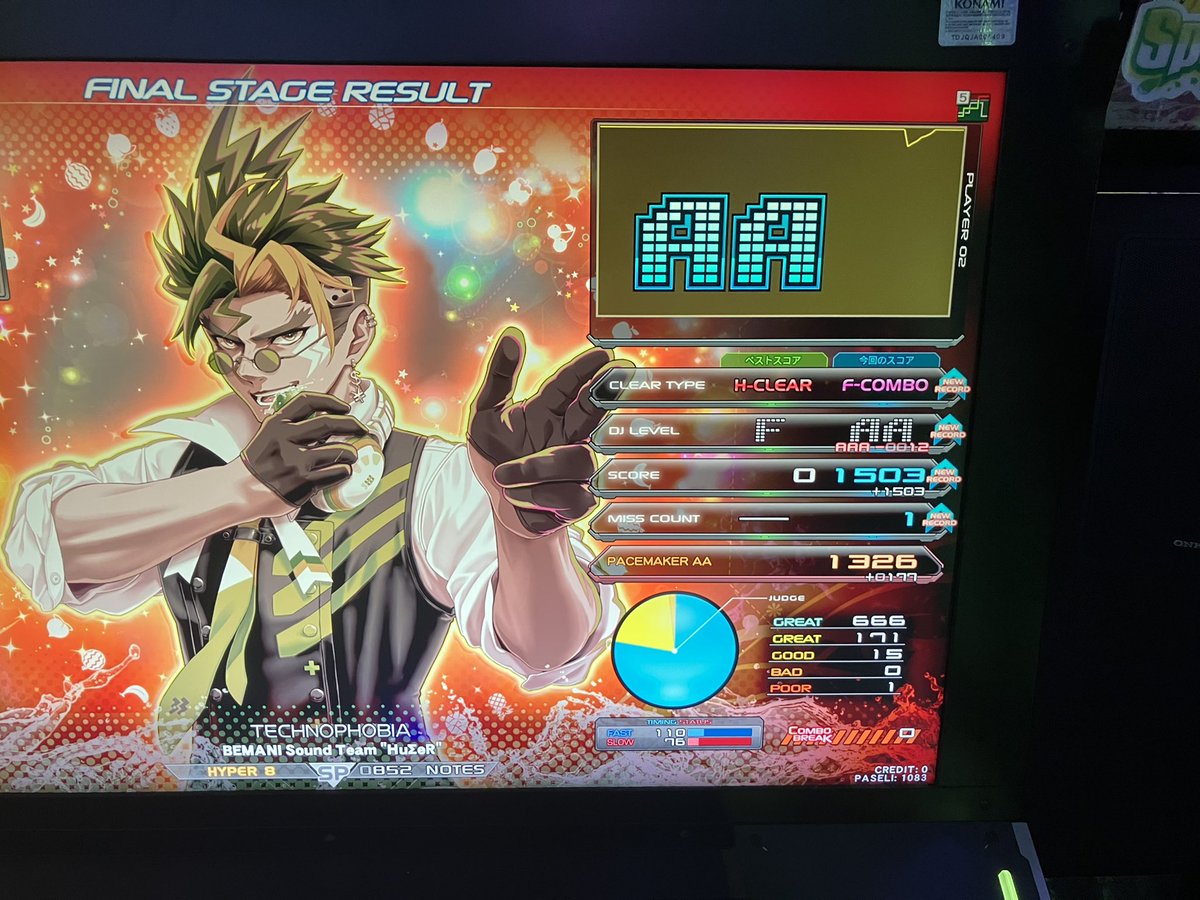
TECHNOPHOBIA SPHフルコン。
今日のおすすめより選曲。SPAは無理なのでSPH。難易度関係なく寺のフルコンは嬉しいぜ…
49


Jayanta Bhaumik retweeted

POEM 344: "technophobia/" by Beth Gordon
"This one looks like / my maternal grandmother: her mouth hinged: a squeezebox of monotone syllables & unlikely words: / a doppelganger of wrinkles."
⬇️LINK BELOW⬇️
#Poem #Poetry #NewPoem #PoetryCommunity

1
8
16
723

I stared at my neighbour's 'smart home' setup with a certain amusement.
Alexa controlling his lights, his heating, his music.
'You should get one,' he urged. 'Makes everything effortless.'
I didn't tell him I've been deliberately making things harder lately. Brewing tea with loose leaves instead of bags. Writing letters longhand. Walking to shops I could drive to.
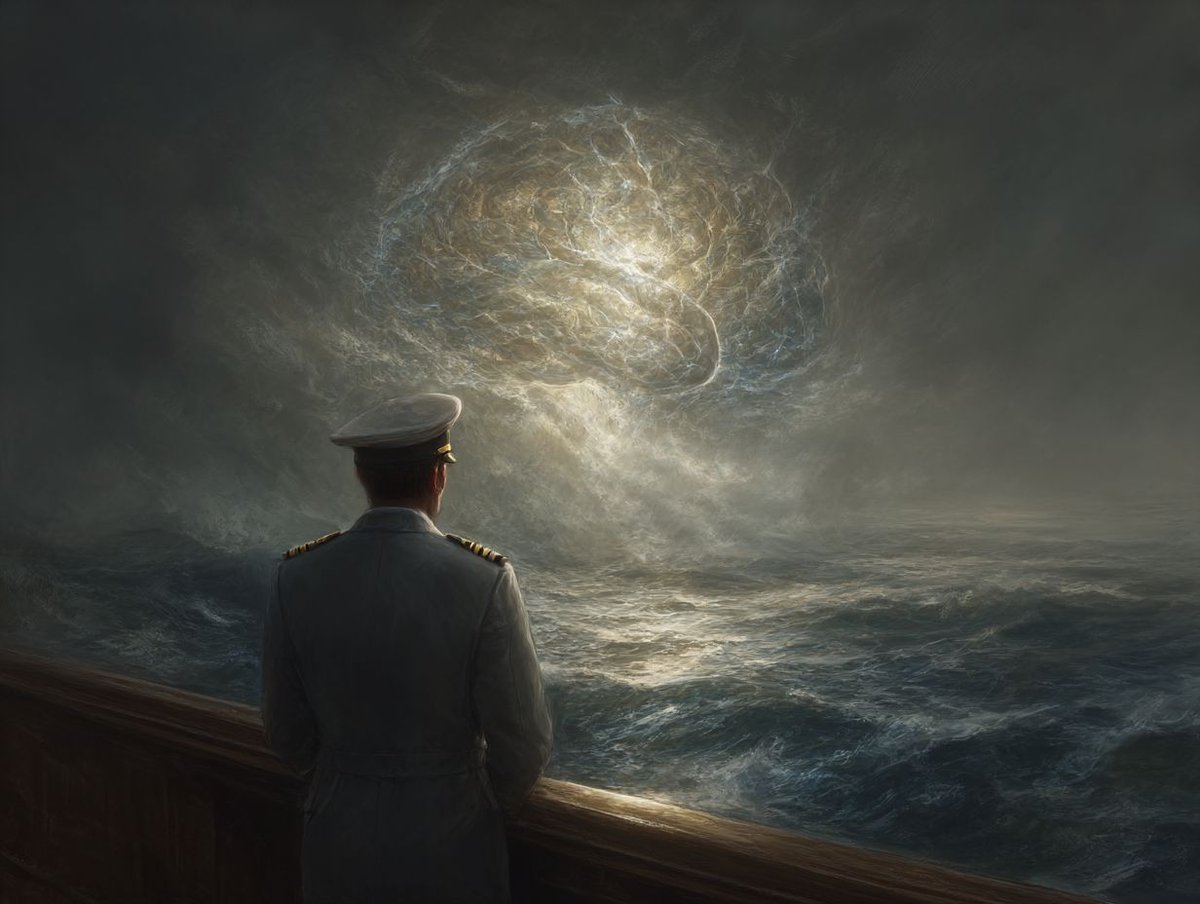
At 67, I've developed a theory: our brains don't need more efficiency.
They need resistance.
Neurologists call it 'desirable difficulty' — the principle that cognitive friction strengthens neural pathways. Like weight training for your mind.
So while my neighbour automates his existence into frictionless convenience, I'm creating micro-challenges that keep my brain building new connections.
It's not technophobia. It's neural cross-training.
Perhaps the most revolutionary act in our efficiency-obsessed world isn't adopting new technologies—it's deliberately preserving productive difficulty.
6

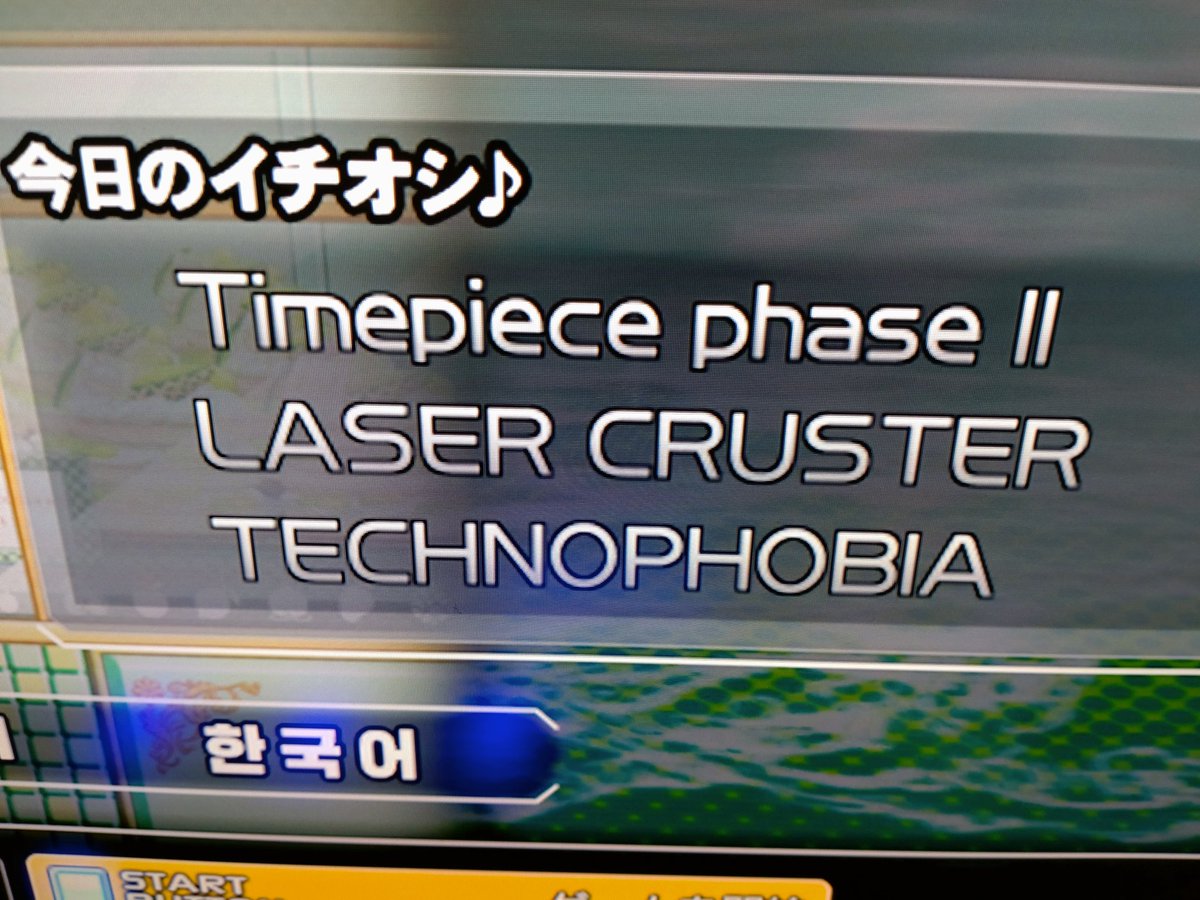
スパシャ今日のイチオシ!!(272日目)
Timepiece phase II
LASER CRUSTER
TECHNOPHOBIA
#IIDX33
#Sparkle_Shower
#スパシャ
#今日のイチオシ!!
29
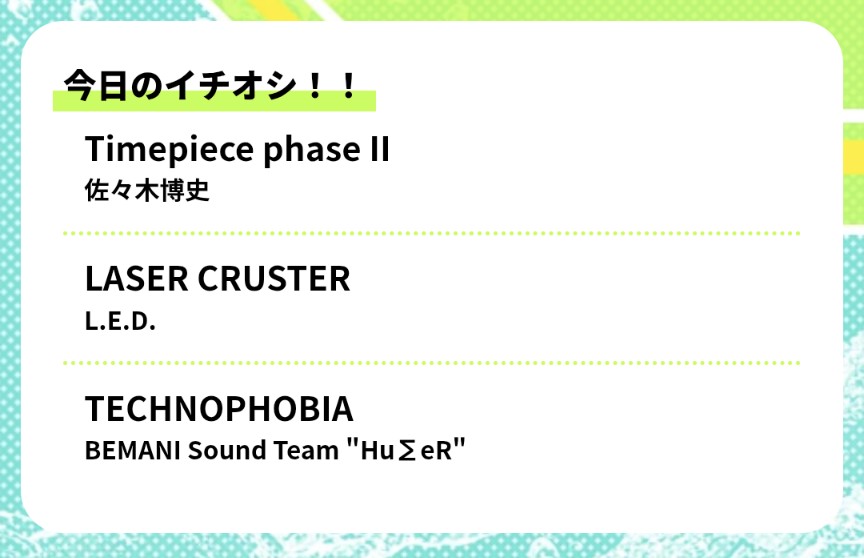
スパシャ今日のイチオシ!!(272日目)
Timepiece phase II
LASER CRUSTER
TECHNOPHOBIA
#IIDX33
#Sparkle_Shower
#スパシャ
#今日のイチオシ!!
1
37

Great @WSJ piece by @laurenweberWSJ on the super forward-planning efforts on #AI by @PIIE. And yes, @Rep_Whitesides is right to raise concerns about gov dysfunction & technophobia in #Congress. Important to remember that #bipartisan bills aided the rise of the #internet #economy in the 1990s
wsj.com/tech/ai/inside-the-r…
1
2
50

Technophobia cause people to treat progress and nature like enemies.
3
52

Jun 13
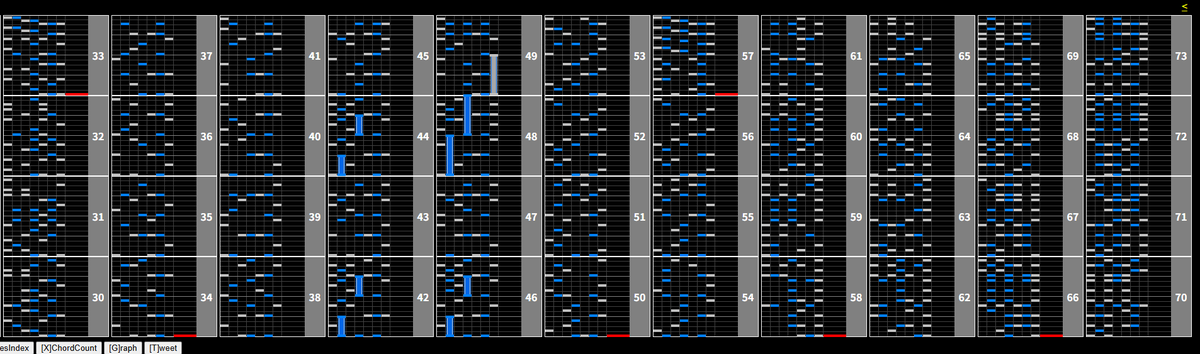
TECHNOPHOBIAとかカンタータとかrageで当たりになる所謂147寄り配置
Rise'nなら24分地帯が奇麗な階段みたいになる配置がある
反対側の2356次第では微妙にハズレになることはある(14 23配置)けど誤魔化し方自体は変わらない
35

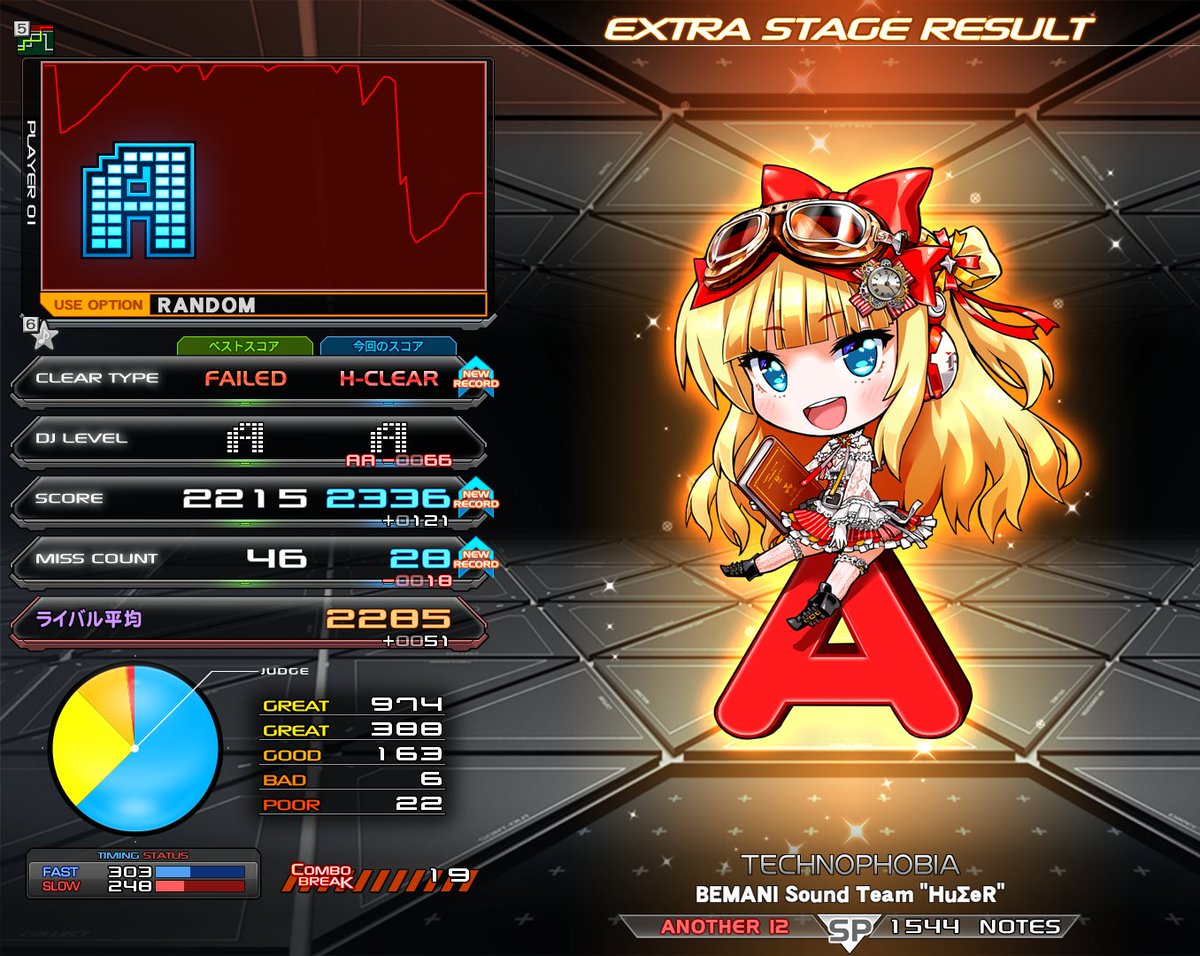
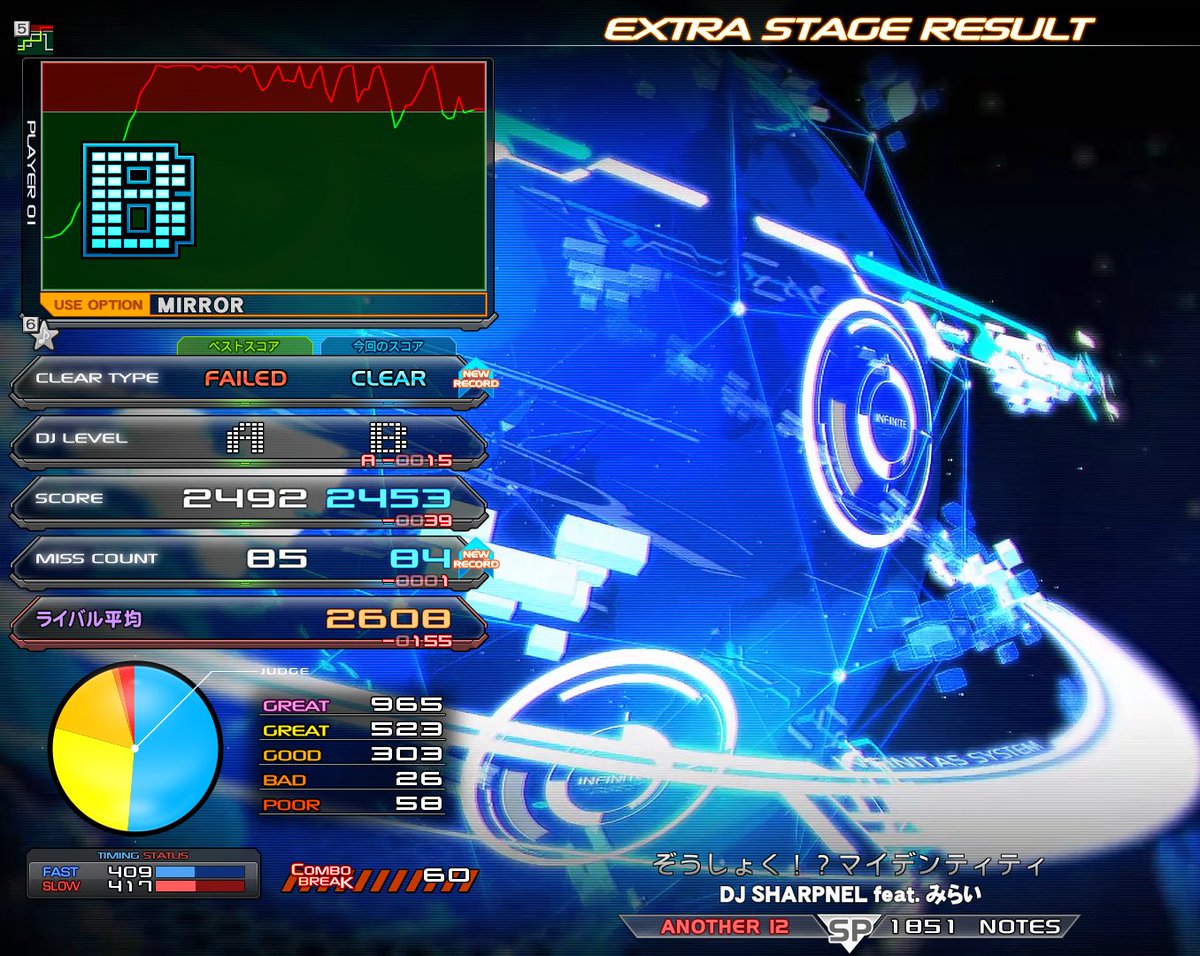
昼まで寝てた&ぐったりしてたら打鍵始めるのが夕方になっちゃったけど調子は良かったかも
今日もINFINITASお疲れさまでした♪
SP Lv.12 Hard :
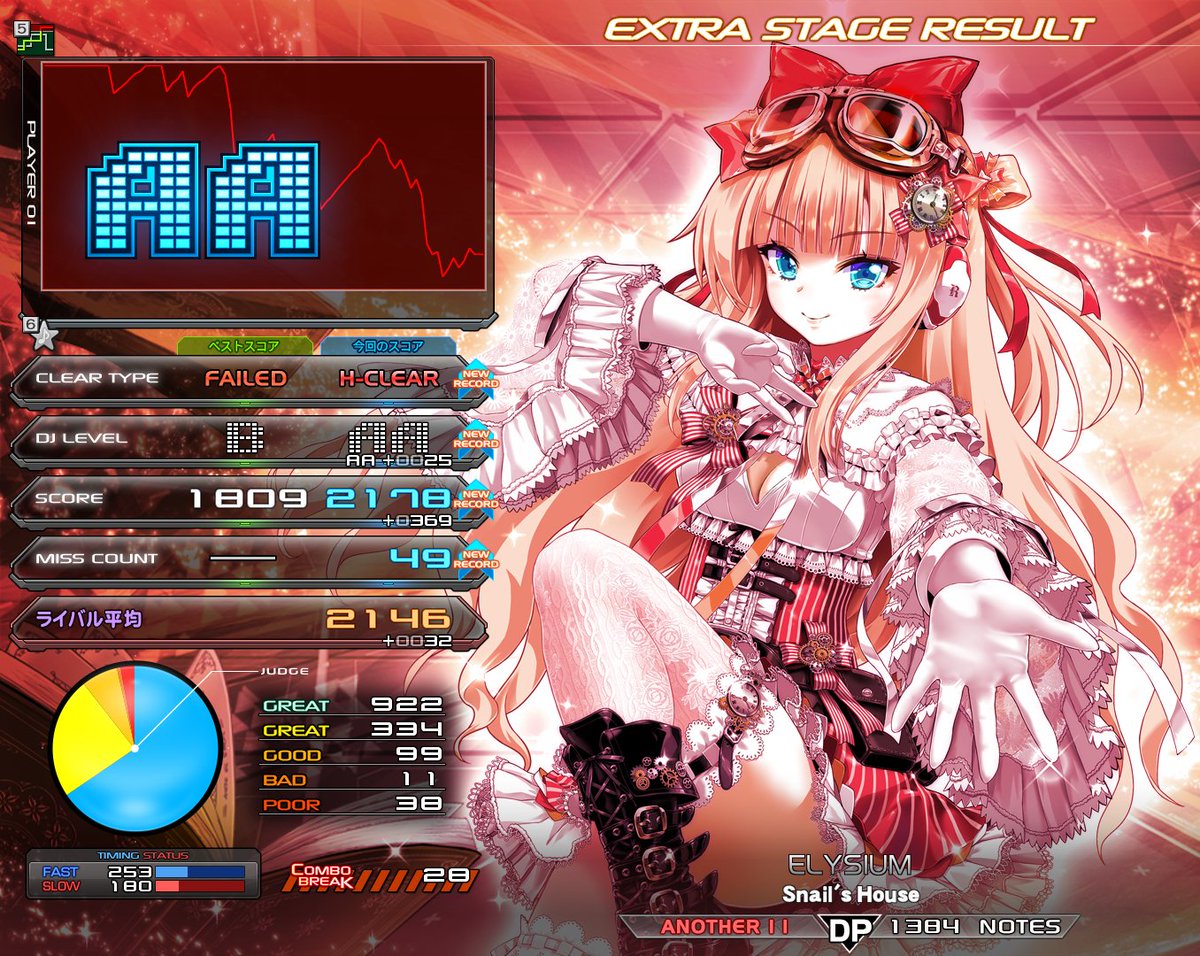
地A TECHNOPHOBIA *RAN
SP Lv.12 Normal :
地B ぞうしょく!?マイデンティティ
#IIDX #INFINITAS #INFINITAS573
1
111