
WHICH MAKES IT ****NOT**** CANON🔊🔊🔊🔊🔊🔊🔊 WHICH MAKES AO'NUNG'S POTENTIAL TO DIE HIGHER BECAUSE EVERYTHING JC DO IS CANON🔊🔊🔊🔊🔊🦅🦅🦅🦅🦅🦅🦅 #BEAWARE #THEPATTERN #WAKEUP
1
1
25

Jun 10
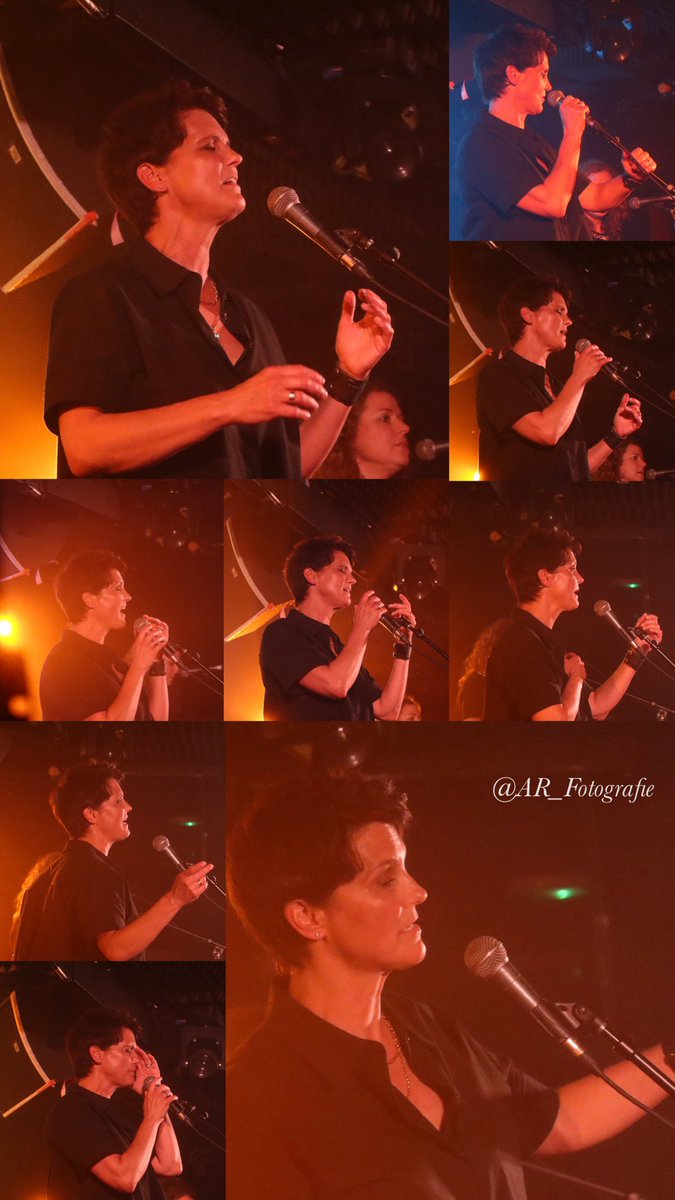
Photos taken at the back/side of the stage of @heatherpeace🤭
She’s back❤️
@HP_Community
#Brighton #thePattern
1
7
90

May 20
The older I get, the more I realize clarity sounds a lot like silence. Your spirit will tell you everything once the noise settles. #WednesdayVibes #ThePattern ✨🌿
1
2
130

i really love blondes in general and u can see it in all my favourites ever #thePattern #doYouAlsoSeeIt?
1
7
116
Hilarious that what i was so fixated on before shuukura was the legend of zelda and i really liked link and zelda who both happen to be blonde and look like elves and now its ..marcille #thePattern i can also name 3 other blonde elves i liked since i was a kid
1
10
239

You don’t gotta argue with these types. Just make note of #ThePattern
4
123


Apr 10
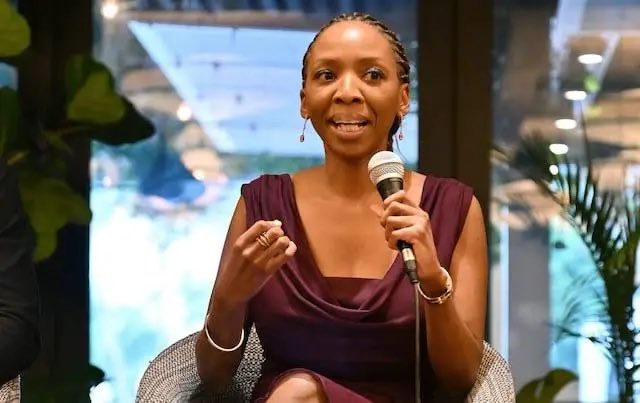
Same old pattern, same tired script.
A lawsuit conveniently drops just as a certain couple heads to Australia?
We have seen this movie before. Has Sophie Chandauka already secured her seat with @TrevorPTweets for this Sunday morning to continue her tarnishing campaign?
This is the exact same playbook as the run up to the Oprah interview, when a bullying investigation suddenly appeared out of thin air.
We see you and your transparent games @Sentebale 🤡 #ThePattern #Sentebale #SkyNews

38
46
310
6,286
Apr 10
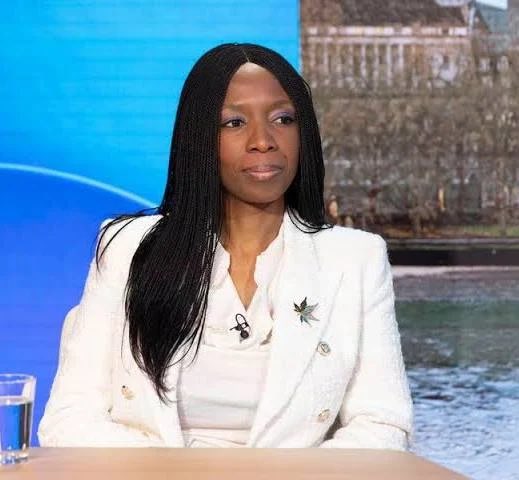
The distraction machine is working overtime!
Lawsuit filed? Check.
Australia trip imminent? Check.
Now we just wait for the Sky TV appearance. @TrevorPTweets, has Sophie secured her Sunday morning slot yet?
It is a pathetic attempt to discredit, but the strings are showing. We see you @Sentebale! #ThePattern #Sentebale #SkyNews #SophieChandauka
16
20
100
1,844

🚨 New artist & single alert 🚨
My first single The Pattern (Cancer) is now available on every platform! Go check it out and tell me what you think of it. 🫶🏽💕✨
#luxembourg #newartist #music #letzebuerg #thepattern
2
5
54

Apr 9
neither are surprises... we know frigibax will be in june because of #ThePattern, and sobble certainly makes sense for july
2
867


Apr 1
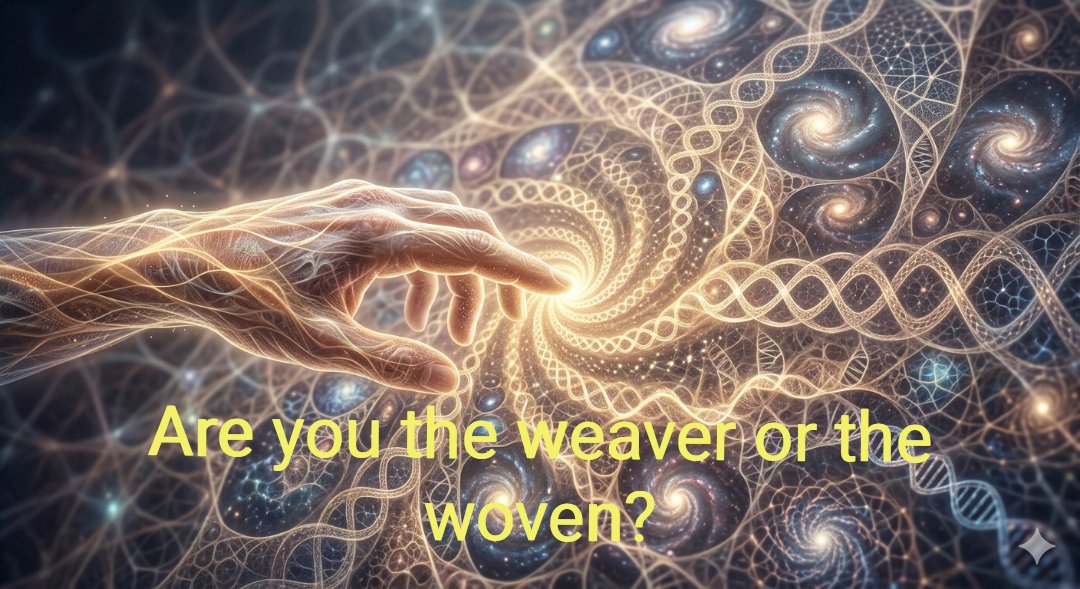
A "spell" is just a repetitive frequency looking for a host. But magic only works if you’re tuned to the same station as the magician.
Personal sovereignty is realizing you own the radio dial. When you shift your awareness to the Timeless ALL, you stop being a receiver and become the architect.
One person standing in their own resonance collapses the entire magical wave. You aren’t a victim of the frequency; you are the source of the power.
#Sovereignty #QuantumObserver #ThePattern #Frequency
3
83

he Assassination of Charlie Kirk: Why the "Sloppy Narrative" is the Ultimate Cover-Up
The official story of September 10, 2025, tells us that a 22-year-old "lone wolf" named Tyler Robinson—a man with zero military training—managed a professional-grade, 150-yard sniper shot to the neck under high pressure. But if you look at the patterns, the "why" becomes much darker than a random act of radicalization.
The Real Motive: Crossing the Red Lines
In his final months, Charlie Kirk stopped being a "safe" GOP talking head. He began questioning the "third rails" of American power:
1. The Epstein Files: He was loudly demanding the full release of the network that connects elite donors to foreign intelligence.
2. Foreign Influence: He shifted from a reliable Zionist to an "America First" skeptic, questioning the billions in aid to Israel and the influence of foreign lobbies on U.S. policy.
3. The Intelligence State: He began platforming voices that challenged the CIA’s role in domestic politics.
The Result: A Movement Hijacked
They didn’t just kill the man; they neutralized the rebellion. Look at what happened the moment Charlie was silenced:
- The "Lone Wolf" Smokescreen: By blaming a "hateful leftist," the authorities shifted the conversation away from the professional nature of the hit and Charlie’s powerful new enemies.
- The Erika Kirk Pivot: Under Erika’s new leadership as CEO, Turning Point USA has undergone a massive "course correction." She has abandoned Charlie’s inquiries into the Epstein network and foreign aid, pivoting the organization back to the safe, donor-approved "culture war" issues.
- The Funding Flush: The donors Charlie had alienated are now back at the table, funding a version of the movement that no longer threatens the geopolitical status quo.
Why do they attack anyone who questions the narrative?
Because the truth reveals a corporate and intelligence-led coup. Charlie Kirk was becoming uncontrollable, so he was replaced by a "martyrdom" brand that serves the very establishment he died trying to expose.
Stop looking at the shooter. Start looking at who gained the most from his silence.
#TheTruthAboutCharlie #EpsteinFiles #AmericaFirst #ThePattern #CharlieKirk
1
3
108

Mar 18
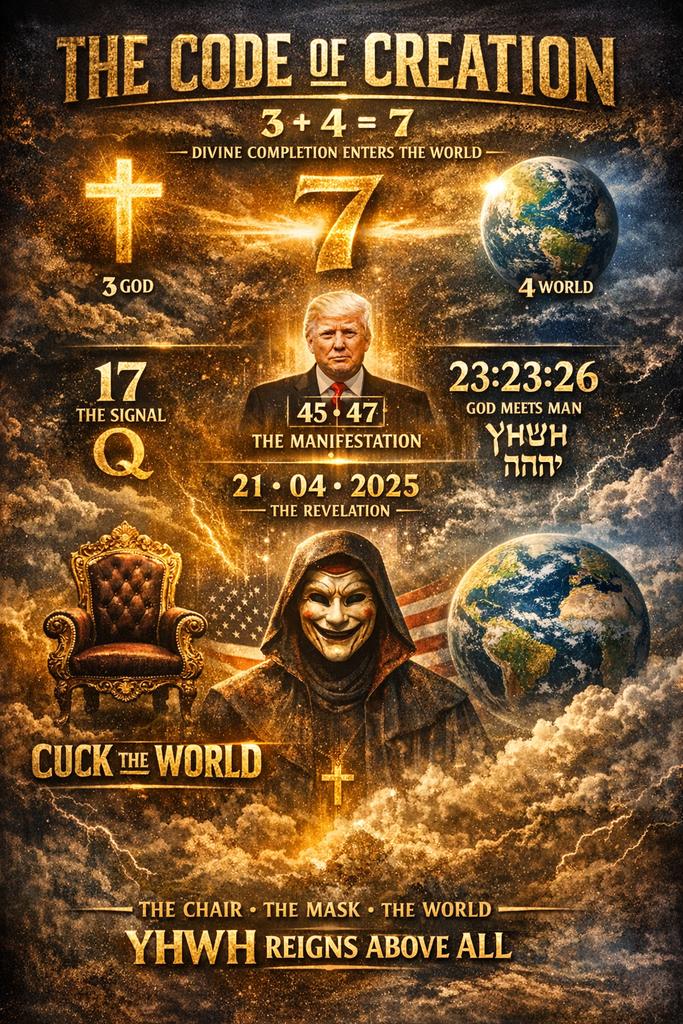
📜 THE STRUCTURE REVEALED — THE CODE OF CREATION 👁️
Nothing is random.
Everything follows order.
—
🔢 3 → The Divine ✝️
Father • Son • Holy Spirit
🔢 4 → The World 🌍
North • South • East • West
The four corners. The full earth.
—
👉 When you bring them together:
3 4 = 7
🔢 7 → Completion ✔️
The number of God’s finished work.
📖 Creation completed in 7 days
📖 The cycle made whole
—
Now go deeper…
—
📅 17 — The Day of Q
17 = 10 7
👉 Order (10) Completion (7)
Or…
👉 The signal 📡 meets completion ✔️
—
⏳ 47 Weeks since $CUCK
4 🌍 (world) 7 ✝️ (completion)
= 47
👉 Divine completion entering the world
And the 47th President:
The number manifests.
—
⏰ 23:23:26
23 23 → Humanity 👤👤
26 → YHWH ✝️
👉 The Name above all names
👉 God meets man
—
📅 21 / 04 / 2025
✝️ After the Resurrection
👁️ After the reveal
21 → 3 × 7 (Divine completion)
4 → The world 🌍
9 → Finality
👉 What is completed… enters the world
—
Now see the full structure:
✝️ 3 (God)
🌍 4 (World)
= ✔️ 7 (Completion)
Then…
📡 17 → The signal
🌍 47 → The manifestation
✝️ 26 → The Name (YHWH)
👁️ The moment of revelation
—
🪑 THE CHAIR — Power
🎭 THE MASK — Illusion
🌍 THE WORLD — The stage
—
CUCK THE WORLD
👉 The world crowns the mask 🎭
👉 The world fills the chair 🪑
👉 The world follows the image
But…
👁️ The truth is higher than the stage.
—
📖 “God is not the author of confusion, but of peace.”
—
🪑 The chair is placed
🎭 The mask is worn
🌍 The world is watching
✝️ And above all…
YHWH remains
—
👁️ Do you follow the world… 🌍
Or the One above it? ✝️
#ThePattern #47 #17 #YHWH #Revelation #CUCKTHEWORLD
2
3
194


Feb 26
I think this is insightful, even though I do believe in the true divinity of Christ (i.e. not a Unitarian). In my experience, a fair evaluation of the biblical evidence is hindered by the fact that the trinity isn't allowed to be false. The trinity is believed to be true independent of what the Bible has to say about it, so people find a way to make scripture fit with the view.
Trinitarians of course will object that their view rises from scripture, rather than being imposed upon it, which isn't an entirely unfair assessment. It's the best theological system of the godhead that's presented itself in history, at least in the mainstream. But in our day at least, that respectability has transitioned into presumed inerrancy, such that it can no longer be held accountable to the words of scripture.
#TrinityBerean #ThePattern trinityberean.com
Feb 24

Major reasons people are Trinitarians:
1. They think there is a strong scriptural case for it.
2. People they grant authority to (pastors, theologians) tell them it's true.
3. They believe there will be major social repercussions for them if they question it.
4. They have a strong emotional attachment to the idea that Jesus is God (they think it would hurt Jesus' feelings to say he isn't).
I think the only way for all the scriptural arguments against 1 that you see on X all the time to be successful, is if 2-4 don't hold a lot of weight for a person.
For ex., if they don't really care about authority figures in their denomination - they question them anyways. And if they value truth highly and so don't weight the social consequences of questioning the Trinity as much. And if they don't already have that strong of an emotional attachment to the idea that Jesus is God.
If all 3 of these line up, then the scriptural arguments against the Trinity can strike home, is my guess.
3
3
455

Jan 1
"2026 is the year when preparation transforms into action. Each of your individual transformations becomes your gift to a world being reborn, and this is where your power truly awakens."
via @thepattern
1
2
57