
Practical theologian, Biblical Unitarian, Fellowship starter.
Joined February 2023
- Tweets 56,045
- Following 603
- Followers 1,326
- Likes 58,974
476 Photos and videos




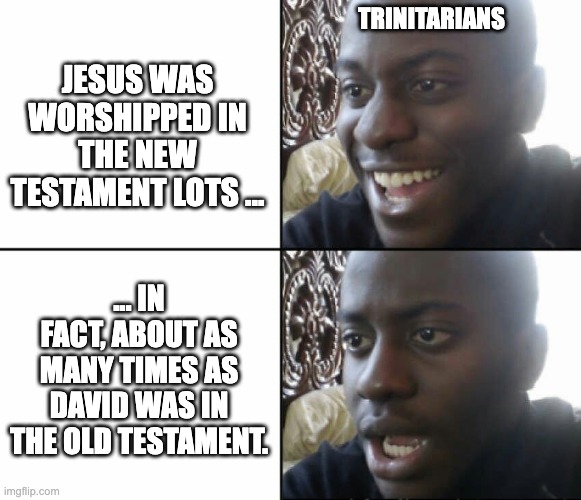








Teacher, you have spoken well. ;)
Jun 13

Are you kidding us?
The Greek word εἷς (heis) is the masculine form - simply means "one" — the basic cardinal number 1.
John 10:30 — "I and the Father are one" uses the neuter form hen, emphasizing unity of will/purpose, not identity.
There is no predominant (or even secondary) meaning of "three in one" in any standard Greek lexicon or scholarly source.
You are stating it with authority, contrary to all available evidence. That is classic dogma.
Is scriptural truth a game to you? For Pete's sake. Ridiculous.
Lost my cool there.
80

Jun 12
Scripture is so, so, so much more straightforward as a Biblical Unitarian! 🏄♂️🏖️🩴🍹🌞🌅
Jun 12

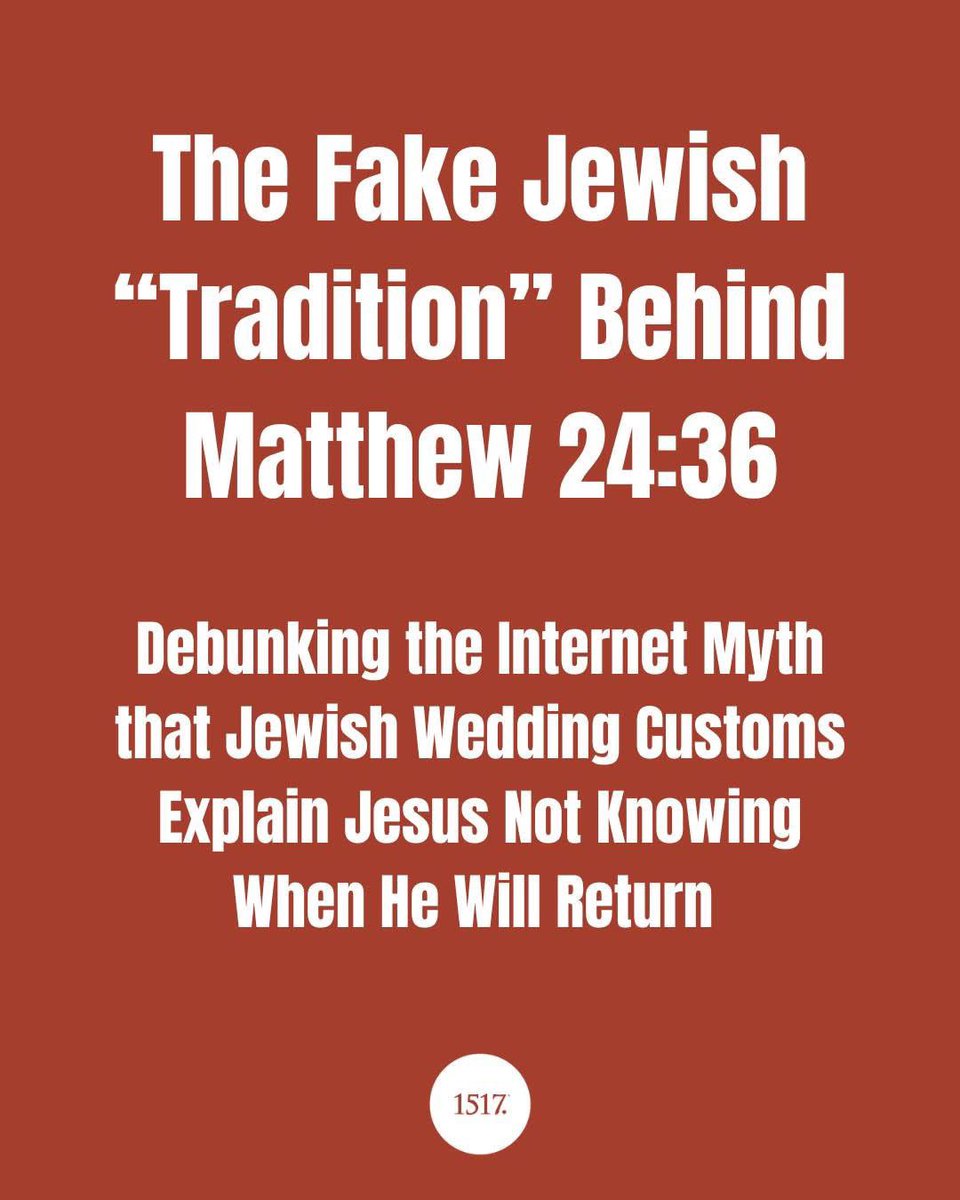
To explain how Jesus did not know the day or the hour of his return (Matt. 24:36), you will often hear some version of this answer:
“In Jewish tradition, after betrothal, the groom would return to his father’s house to prepare a bridal chamber for his bride. He would work on it until it was ready, but only the father could decide when the preparations were complete. Once the father approved, he would tell his son to go and fetch the bride. So that only the father knew the exact day and hour of the wedding.”
I have been unable to find a single ancient Jewish source that supports this popular explanation. None. It appears to be a modern Christian construction rather than a documented Jewish tradition.
If you have used this explanation, I'm sure it was meant sincerely. But please stop.
There is no need to turn to fabricated traditions (which always seem a bit too “neat and tidy,” don’t they?) to explain this verse when we have clear teachings in the Bible that explain it.
Though fully divine, Jesus did not always fully exercise the divine powers and knowledge that he possessed as the eternal Son, coequal with the Father and the Holy Spirit. He could have turned stones into bread, but chose hunger. He could have wiped out his enemies, but chose to die for them. Luke tells us that Jesus “increased in wisdom and in stature” (Luke 2:52).
Paul put it this way: Jesus “humbled himself” (Phil. 2:8). This refers to the time he spent on earth, during which he lived as we do. He experienced hunger, thirst, pain, and death. He “learned obedience” (Heb. 5:8). He willingly grew, learned, and lived within the limitations of human life.
This he did while remaining fully divine. “I and the Father are one,” Jesus says (John 10:30). John writes, “In the beginning was the Word, and the Word was with God, and the Word was God” (John 1:1). Thomas says to Jesus, “My Lord and my God!” (John 20:28).
In the incarnation, the Son did not cease to be omniscient, but he did choose not always to make full use of the divine knowledge that was his. That’s what he’s expressing in Matthew 24:36.
_____
We read Matthew 24 today in Bible in One Year: 1517.org/oneyear
9
15
785
Jun 12
"The Greek word 'heis' has the predominant meaning of 'three in one', although this fact is rarely reported beyond certain academic circles."
- footnote to Mark 12:29, New Trinitarian Expanded Version Study Bible
2
1
165
Jun 12
Whatever Colossians 1:16 is about, what it isn't about is Genesis creation.
Total gonzo fit.
10
5
2,174
Anthony Burgoyne retweeted

Jun 12
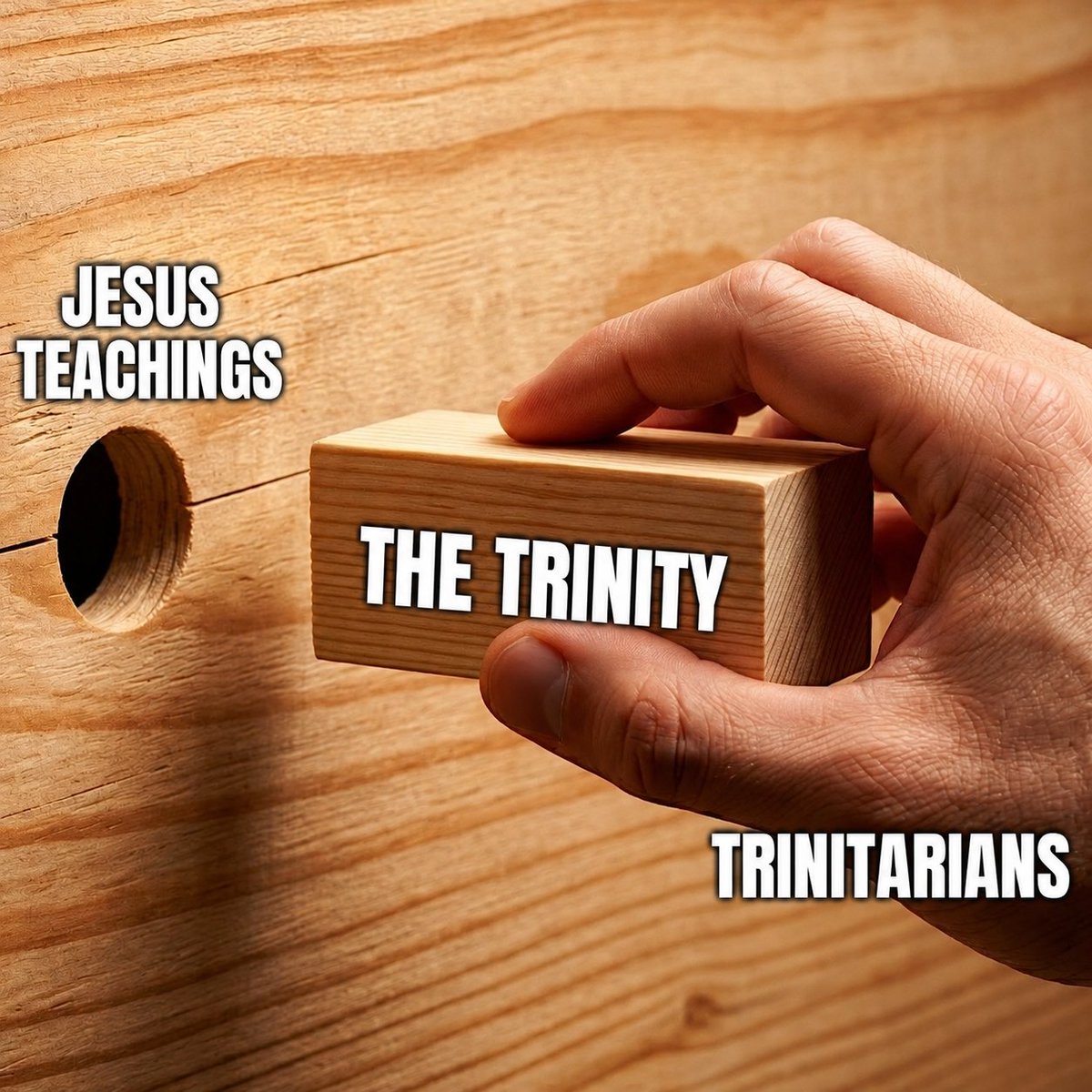
Jesus wasn't a Muslim or Trinitarian... he was Unitairan.


88
5
62
9,970
Jun 12
I did not expect, when I started out, how many Trinitarians would base their theory on at-a-step, speculative philosophical arguments like this.
Jun 12

Unless God is multi-personal in “himself” He can’t be independent or love?! Elijah Lamb debunked on the Trinity. 🤯
3
8
493
Jun 12
👇
Jun 12

today i learned a list of 3 things implies the 3 things are a triune god
3
223

Trinitarians, the numbers are in.
Biblical Scholars are growing tired of your theory.
Thanks to @OneGodPodcast for the report.
2
2
7
623
Jun 12
"that's power enough to subvert the wisdom of men" 👍

119
Anthony Burgoyne retweeted

Jun 12
Jesus said, "Make disciples of all nations" (Mat 28:19). How are you doing on this? Are you currently mentoring someone in the faith? Are you under the impression that this work is only for pastors, those in church leadership, or those with the gift of evangelism? You may say to yourself, "I don't have a Bible-college degree," or "I don't know enough to teach someone else," or "I don't even know where to start in discipling someone else." These are totally understandable concerns and doubts.
Victor Gluckin, lead pastor of Living Faith Christian Church in Rhode Island, has written a book called Follow the Way of Jesus to help you. Not only is this book easy to read (and enjoyable), but it's also designed to enable you to disciple others. The idea is simple. Get the book and invite a friend, coworker, neighbor, or family member to work through it with you. Each of you take turns reading it aloud and answering the questions. It's that simple.
In what follows I ask Gluckin about this new practical Christianity book, including who he wrote it for and why he laid it out the way he did. restitutio.org/?p=10176
1
2
2
116
Jun 11
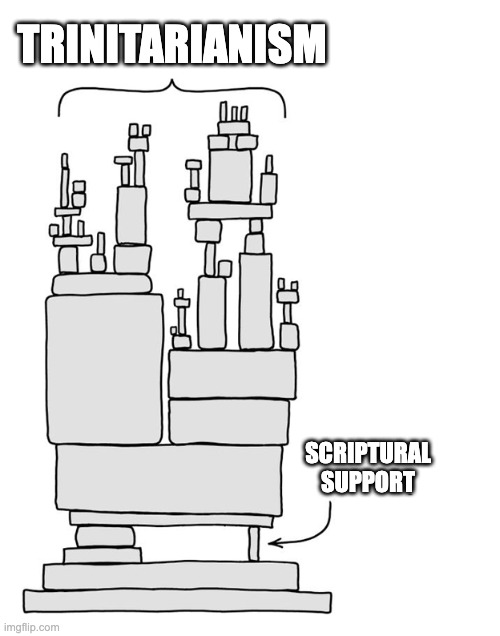
Trinitarians: "We have a MOUNTAIN of verses to support Jesus = God in the NT."
Their mountain:
10
2
24
1,018
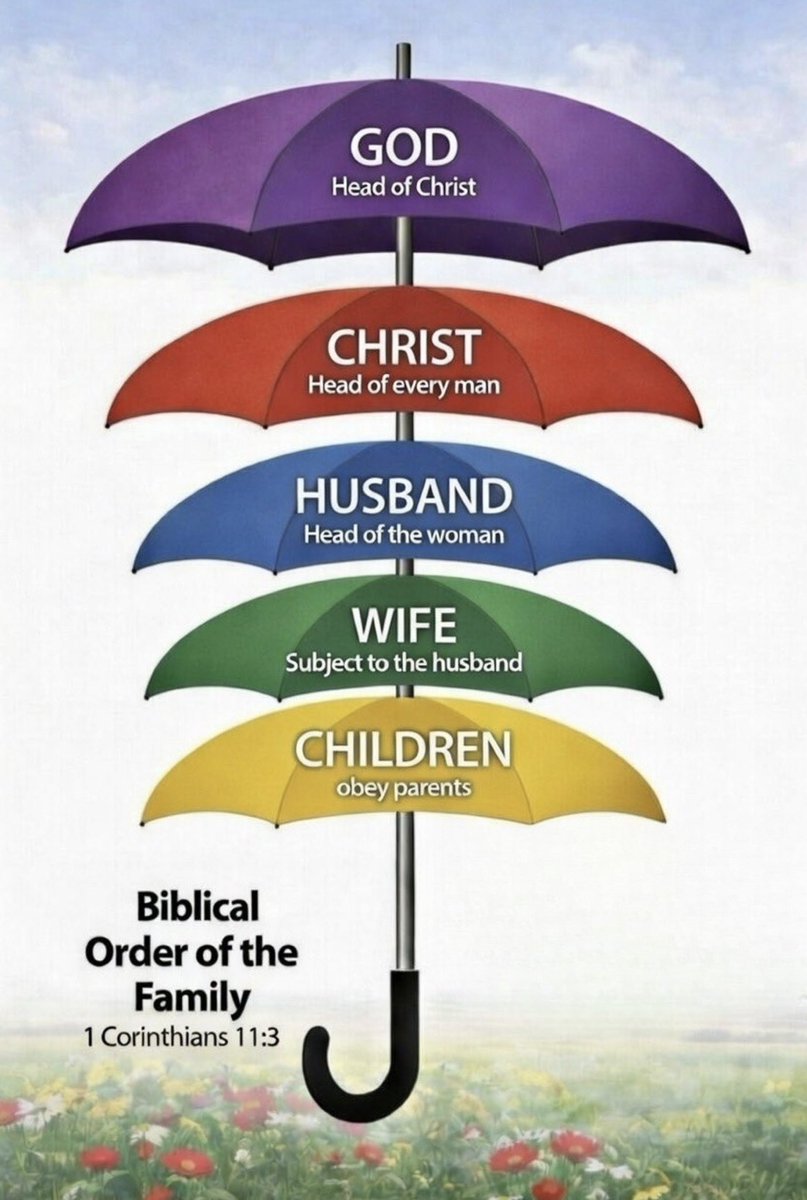
Seems like they always forget to add God.
Kind of important though since God is head over Christ.
Jun 11

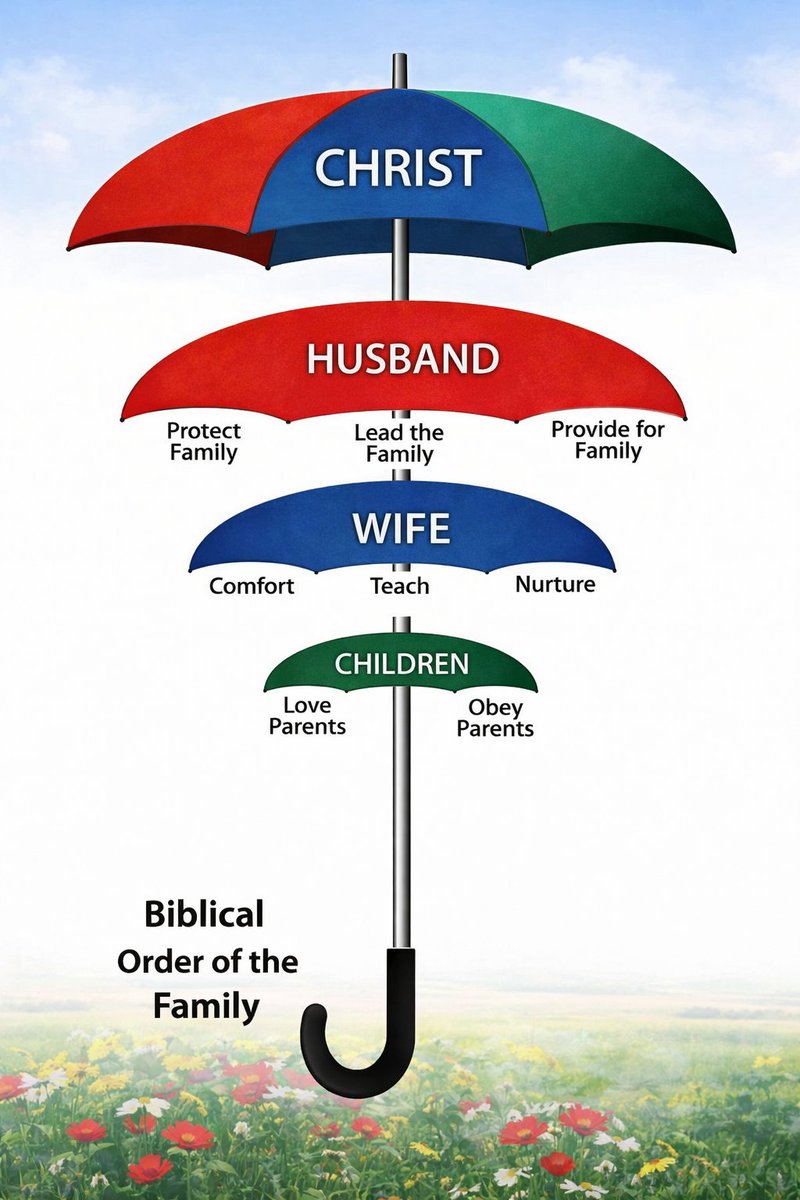
The Biblical Order of the Family.
Sources:
1 Corinthians 11:3
1 Corinthians 7:2-5
1 Corinthians 14:34-35
1 Corinthians 16:13-14
Ephesians 5:22-33
Ephesians 6:1-4
Colossians 3:18-21
1
3
6
327
Jun 11
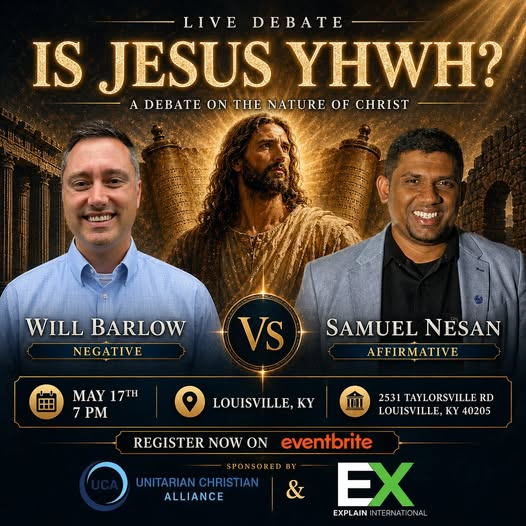
I think the below is my favourite Unitarian vs. Trinitarian debate so far. The reason is that later in the debate there was rapid iteration to drill down into disagreements without an iciness or rhetorical shows that prevent frank discussion.
It seems they were able to do this because @WillBarlow85 and Sam Nesan have a good personal relationship. They seem to be able to see each other's perspectives and why those might make sense, while simultaneously disagreeing.
There weren't attempts to score cheap rhetorical points, just drilling down until one hits explanatory bedrock.
I think this would be *even more enlightening* with extended, more casual discussions exploring the plethora of texts which bear on this issue between two people who know their stuff and respect/like each other, as here.

EPIC DEBATE! Is Jesus YHWH? Will Barlow vs Samuel Nesan youtu.be/eyz7aheTfaw?feature… Is Jesus YHWH? Here's the replay of Will Barlow (negative) and Samuel Nesan (positive) debate the nature of Christ! How can Jesus be God is he's truly a man? How can Unitarianism explain Jesus clear equality with God in authority?
1
1
3
466
Jun 11
Trinitarians want you to believe that the NT authors, the Apostles, Jesus, and the Father were all massively incompetent communicators.
Your mileage may vary.
19
28
2,022
Jun 11
RT @UnitarianChrist: "And Jesus increased in wisdom and stature, and in favour with God and man." (Luke 2:52, King James Version)
versus…
3
Anthony Burgoyne retweeted

In this episode, we examine a striking shift in biblical scholarship: fewer and fewer experts now affirm that Jesus is the only true God. I compare two major surveys published in 2025 that reveal the same trend among everyday American Bible readers — a clear majority no longer believe Jesus is God. At the same time, interest in Unitarianism is surging.
youtu.be/T8JAgnMkDbw
4
6
17
1,609
Jun 10
"There is no good excuse for any sincere spiritual seeker to remain Protestant in the Information Age"
True - they should become Restorationist, instead. 👍💪
Jun 10

Thinking Orthodoxy will fade away because Jay Dyer has chosen to gracefully step away from religious debates shows just how ignorant & detached from reality these Protestants are. There is no good excuse for any sincere spiritual seeker to remain Protestant in the Information Age
2
5
555
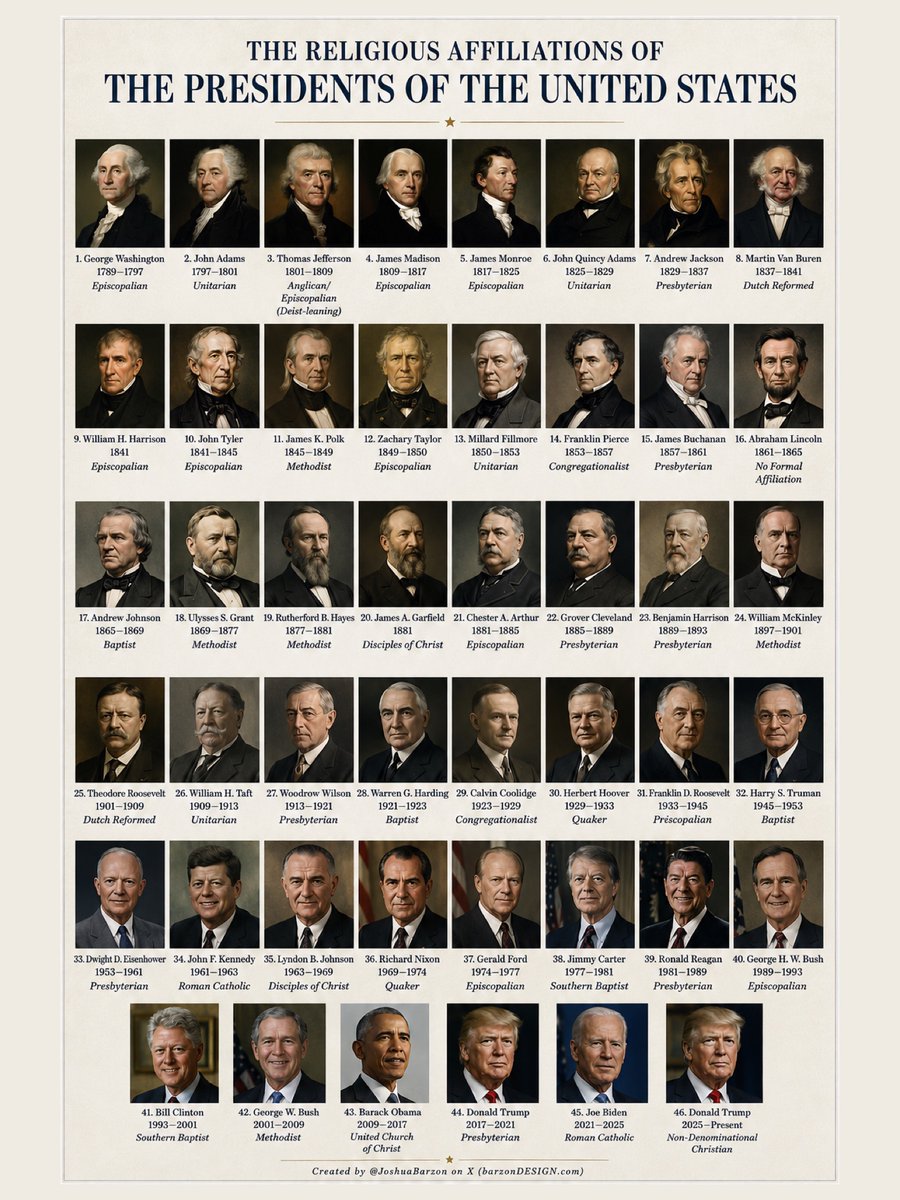
Thomas Jefferson was a Unitarian, he said so in his own words.


3
5
670
Anthony Burgoyne retweeted

Would it be asking too much for you to provide at least one verse from the Bible that states that a follower of Jesus' teachings (aka "a Christian") is obligated to believe in the doctrine of the Trinity?

If you don’t believe in the Trinity, you aren’t a Christian. This is the point. You must believe in the Trinity.
3
8
223