
20 Sep 2025
Bible paper isn’t like normal book paper. It has to do 3 things at once:
• be ultra thin so 1,500 pages fit in your hand
• be opaque so words don’t ghost through
• last decades without yellowing.
Only a few paper mills in the world make stock that can do this. The big ones are:
•Bolloré Thin Papers (France) → Indopaque, Primapage
•Delfort Group (Austria) → Thincoat Plus, Thinopaque
•Asian mills (China, etc.) → mass production and many budget lines
In practice that means:
•Indopaque = creamy, thin, strong (lots of premium heirloom Bibles)
•Primapage / Thincoat Plus = a little thicker, smoother, better for study or notes
•Budget lines = bulk-friendly, but not always “heirloom”
The paper mill makes the sheet, but the printer/binder (like Royal Jongbloed in the Netherlands) decides how it feels in your hand. That’s why the same paper can feel different in two Bibles.
If you want a Bible that lasts, don’t just look at the leather. Pay attention to the paper. It’s a big factor in what makes a Bible age well instead of crumbling in 10 years.
I can always help identify a Bible that would suit you well. Comment below if you’d like to see a master list of my favorite Bibles in print.
27
30
356
14,959


1 Oct 2022
White primer for yellow. Use a good quality 1" flat brush and a decent enamel (Humbrol too gritty). Apply it, one thincoat at a time and give each a day to harden. Long process but worth the patience and effort.
2

10 Sep 2021
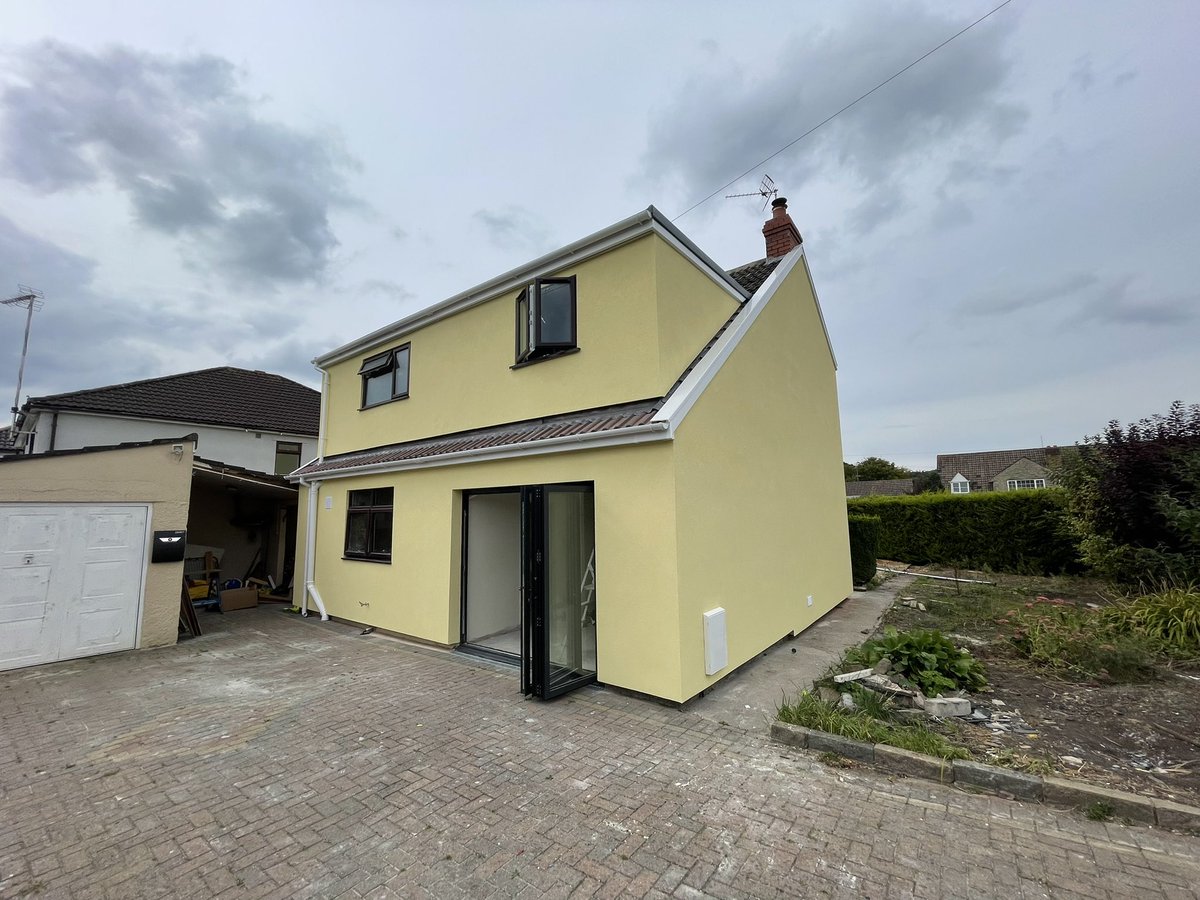
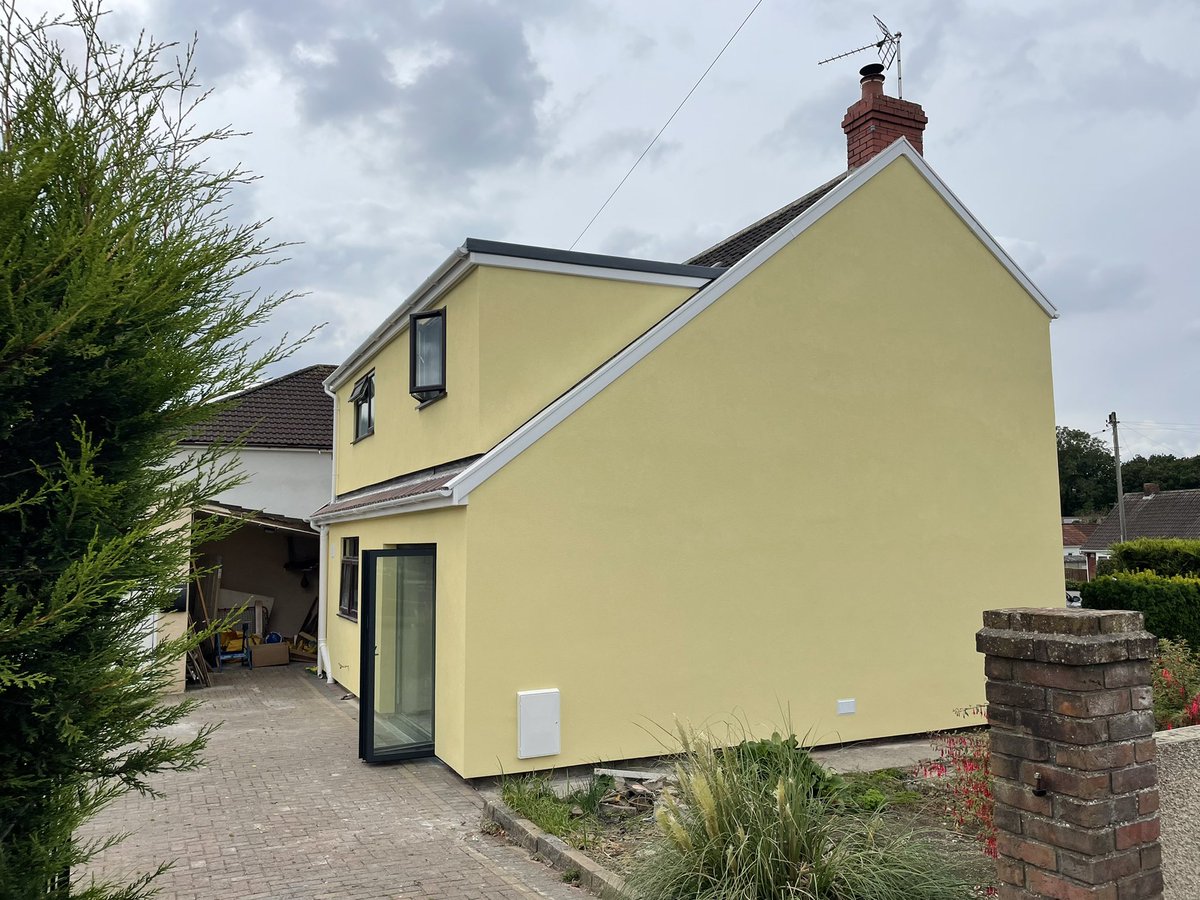
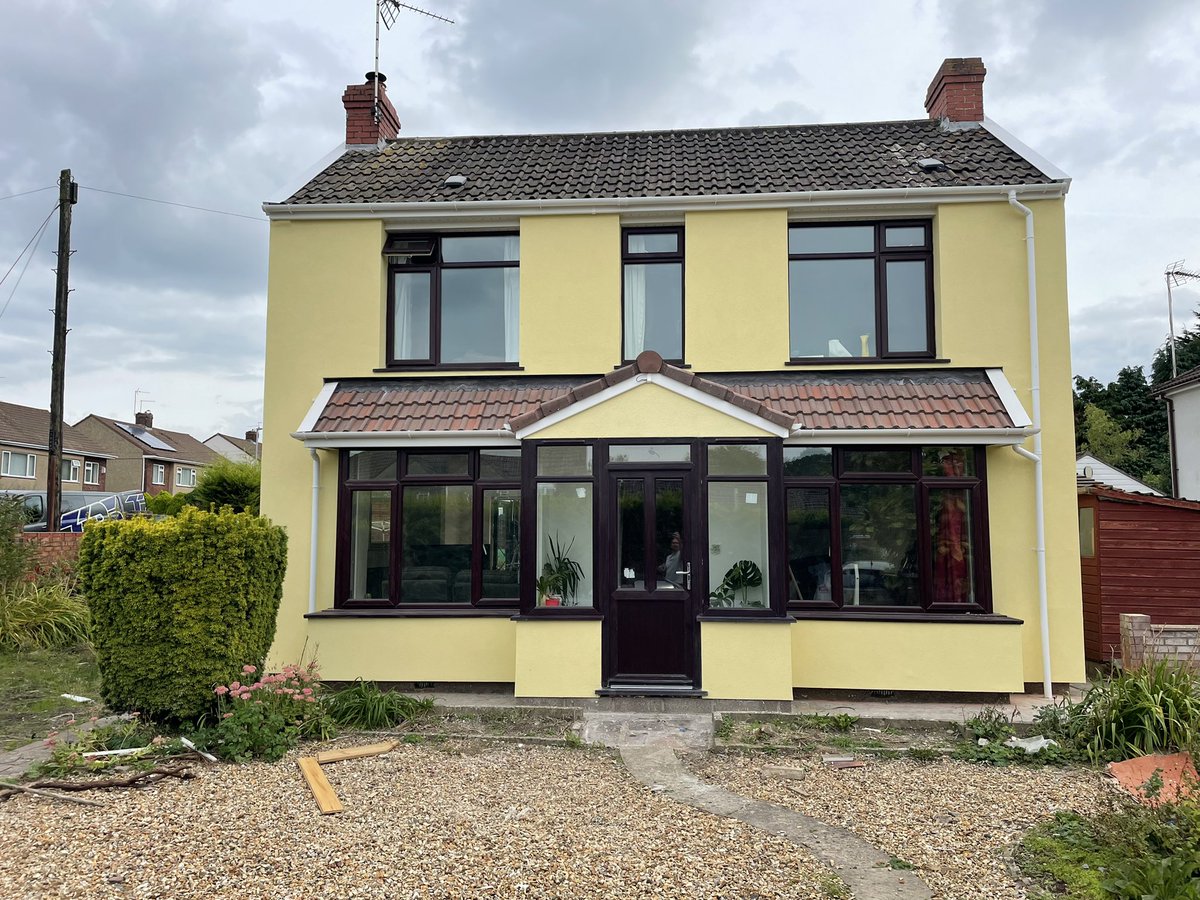
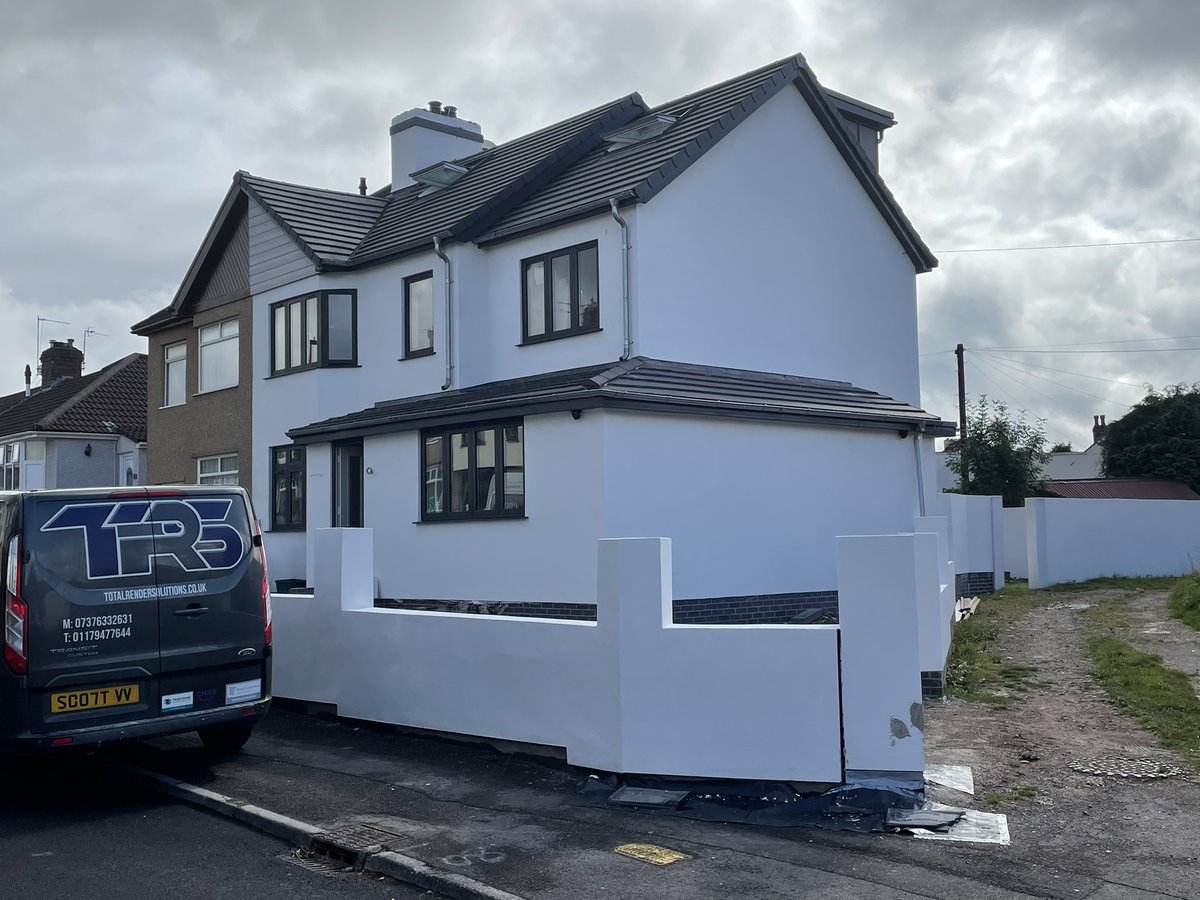
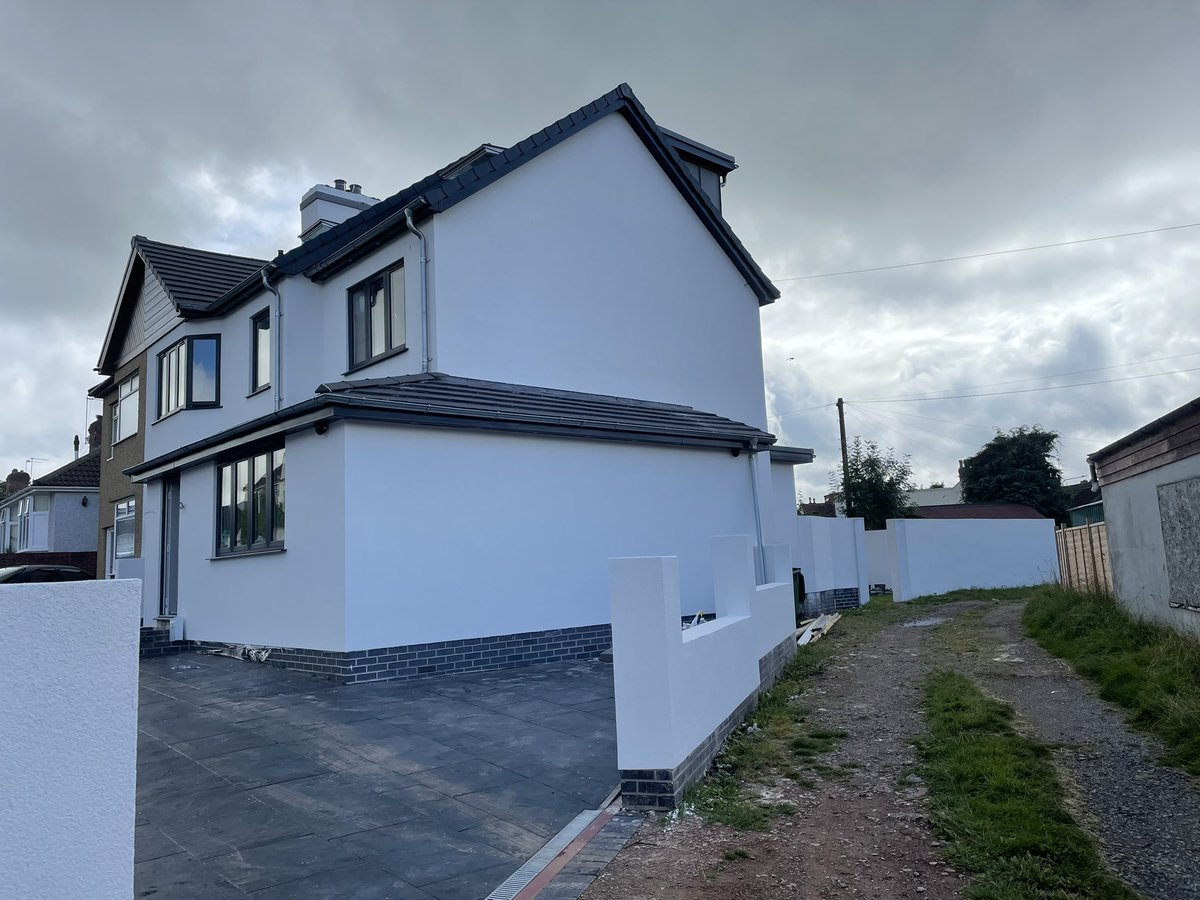
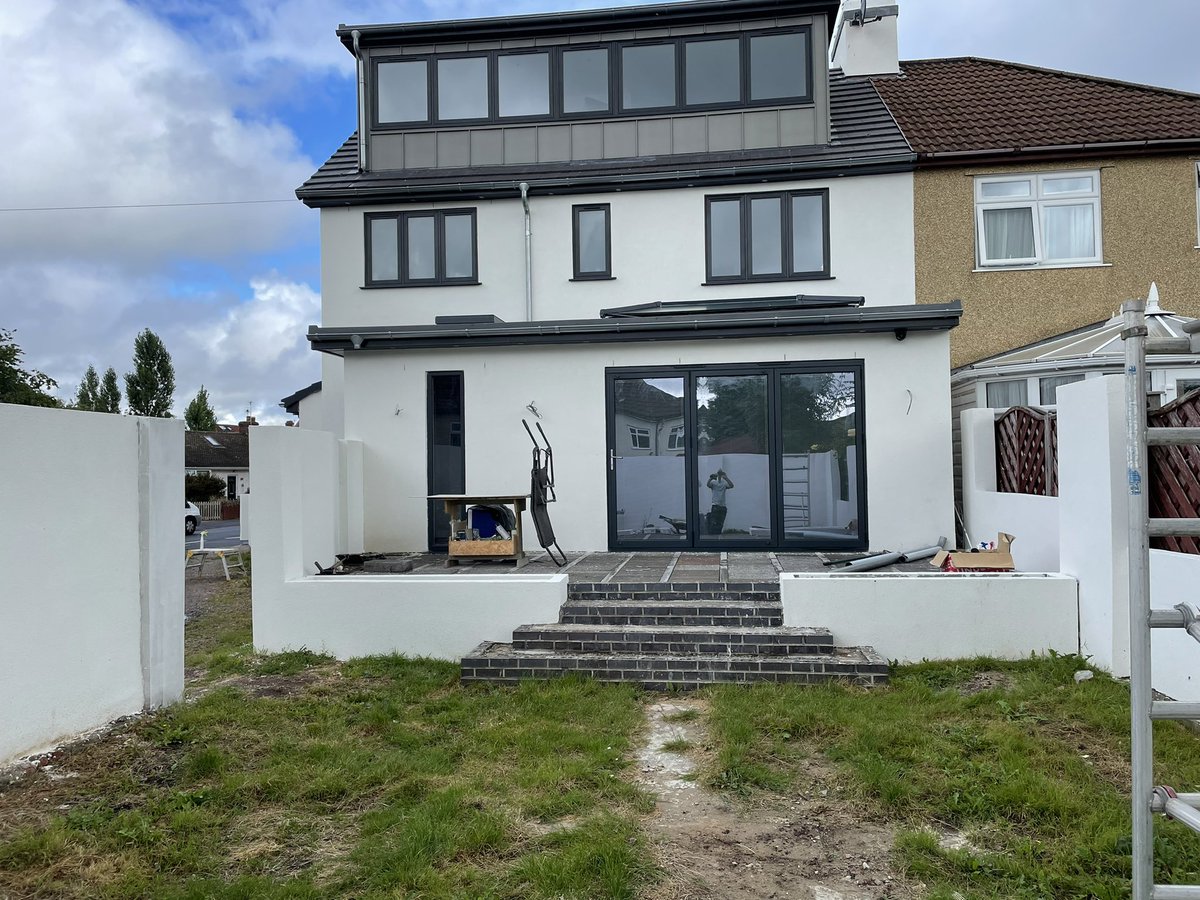
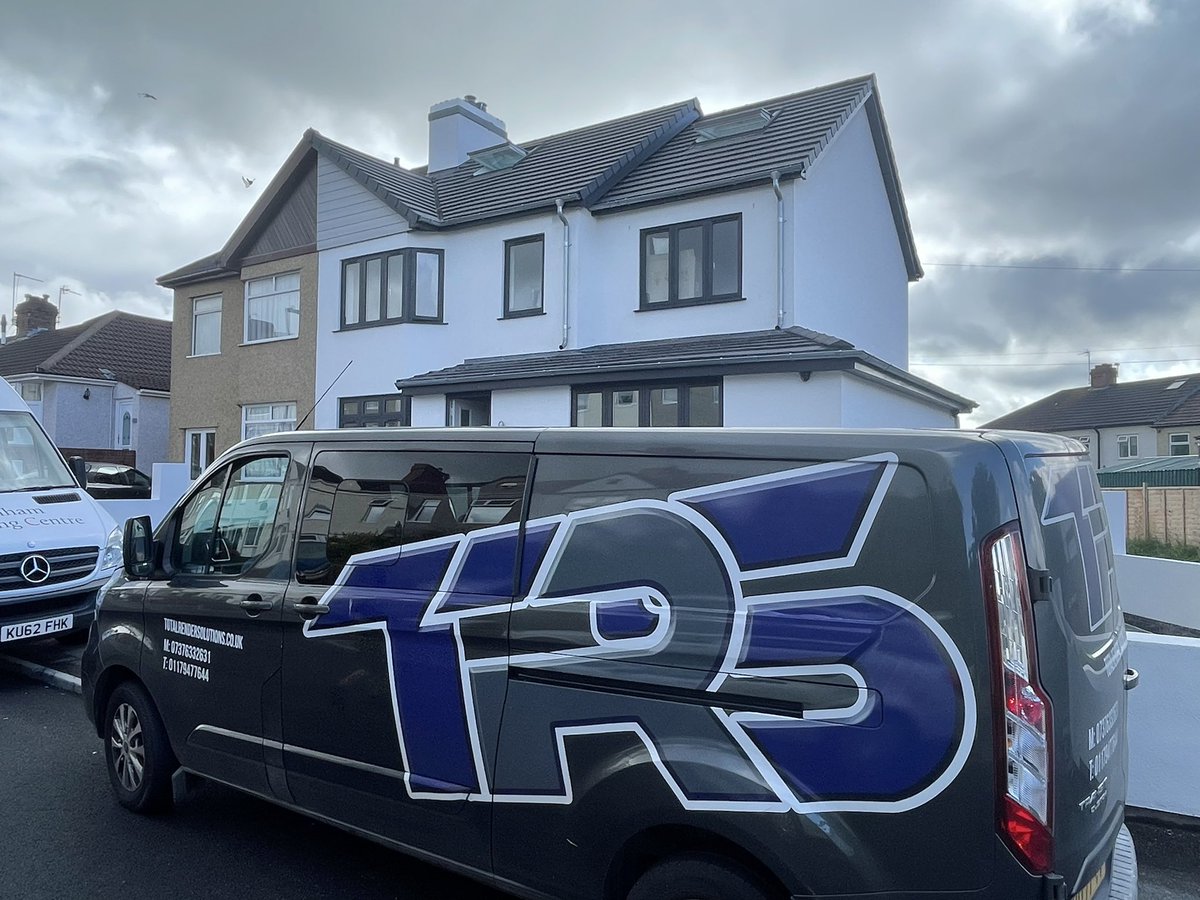
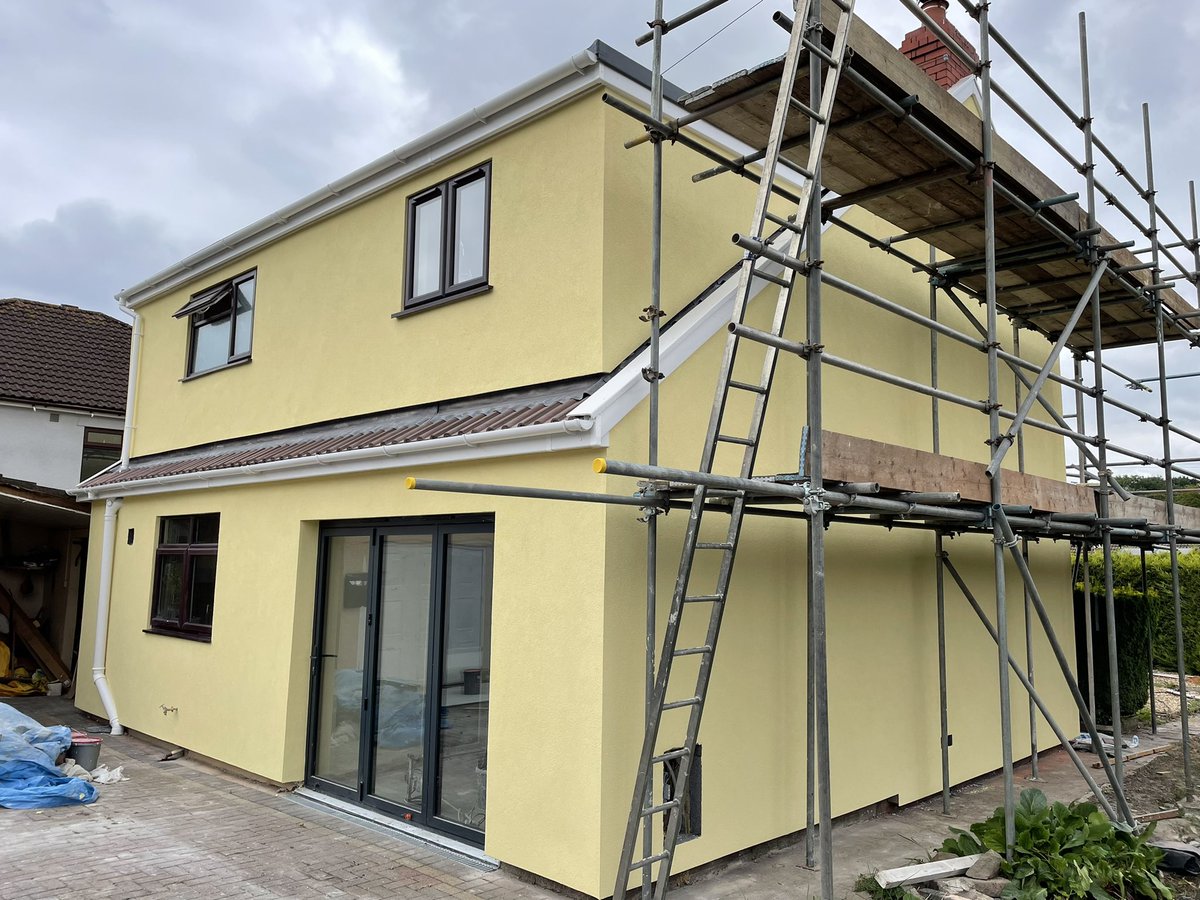
TRS just completing the last few touch ups on this project in Bristol, materials - lightweight Basecoat and Premium Basecoat with a 1.5mm Silicone finish all supplied by @matt.hall81 & @ewipro 💪👏#externalwallinsulation #ewi #thincoat #render #sprayrender
1
2
4
15 May 2021
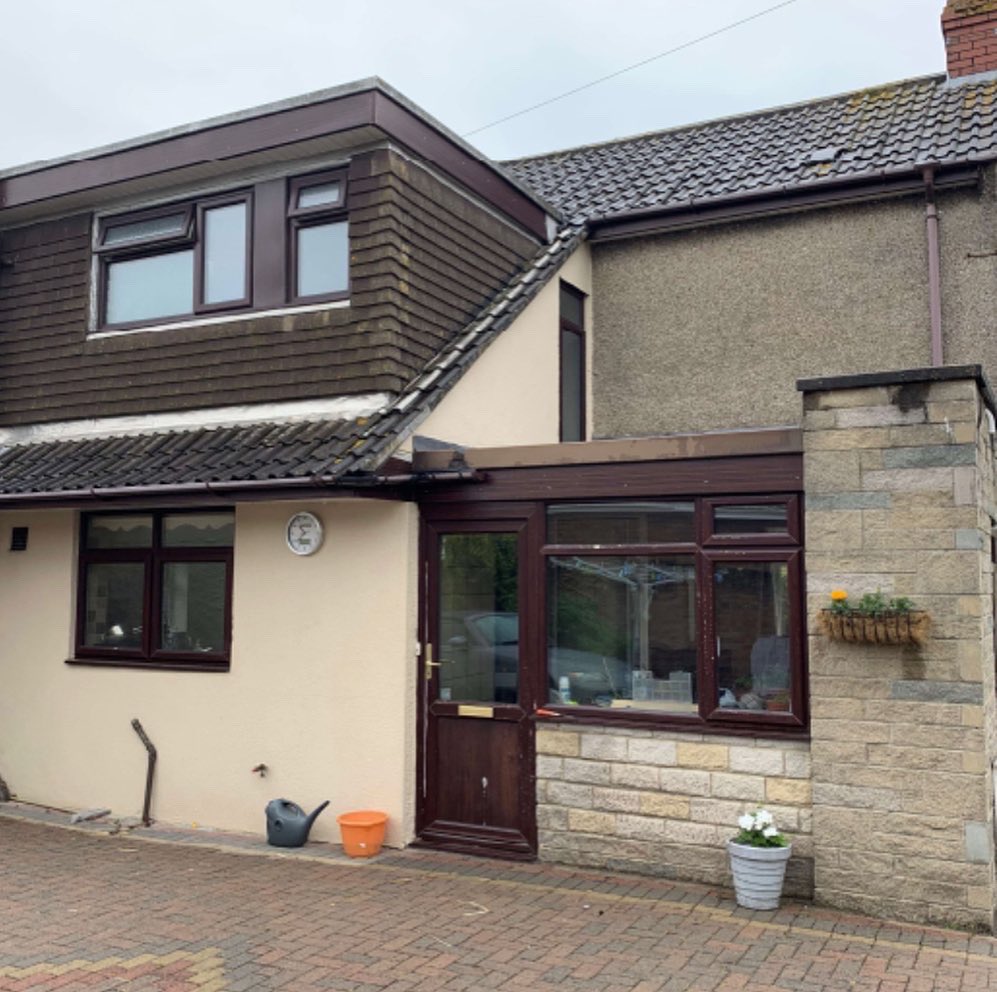
Another job completed by the TRS team for MD group at Gloucester Road medical centre. #TRS #externalrender #thincoat #render TRS - The Render Specialists instagram.com/p/CO41X9xBcTe/…
1
2

4 Feb 2020
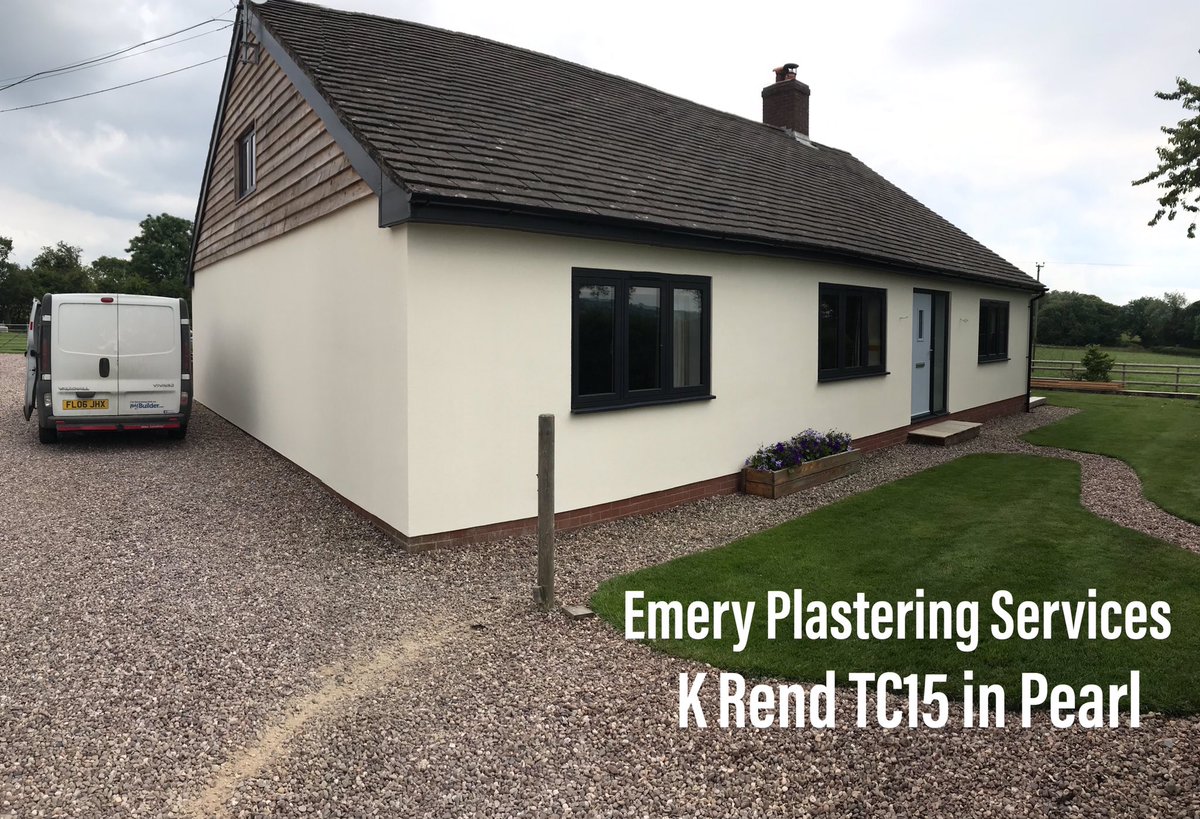
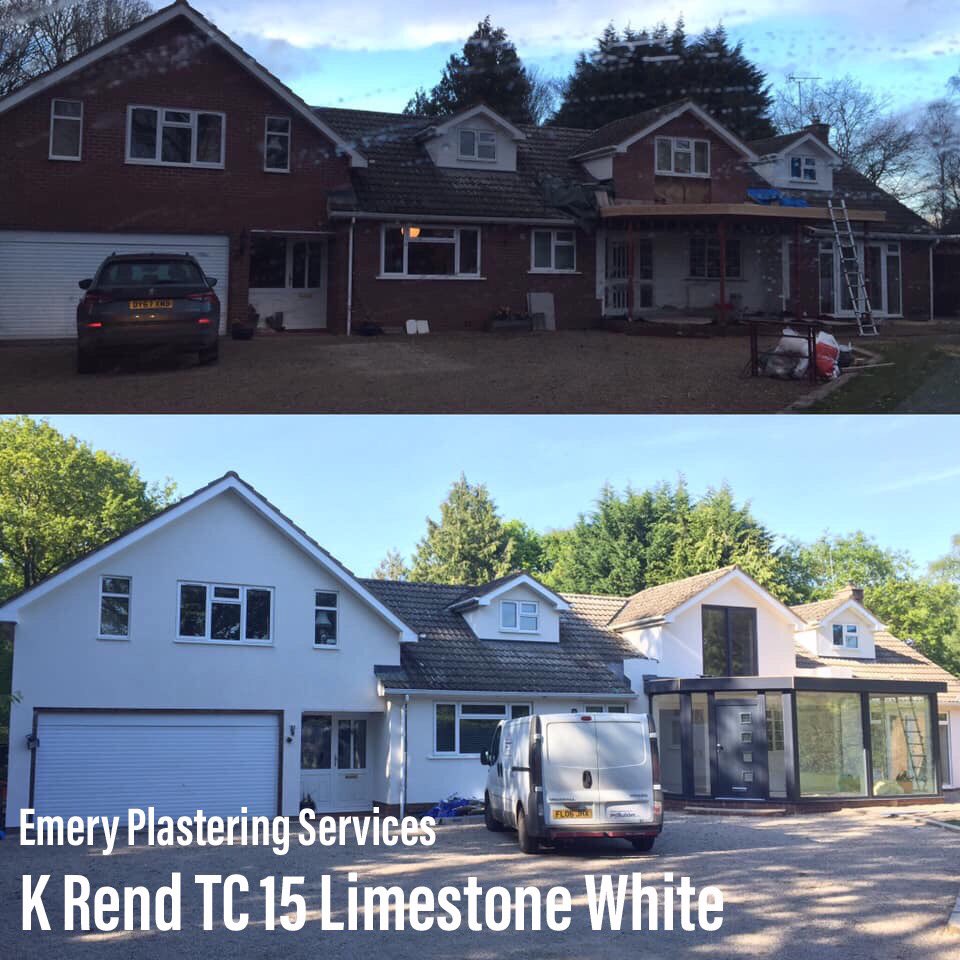
A few of @KRendRenders #thincoat I’ve completed. #love #thincoat #rendering 👌Plenty more booked in this year too!


2

11 Dec 2019
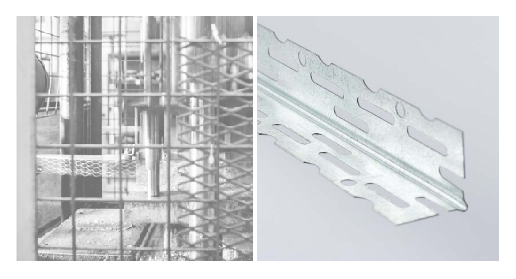
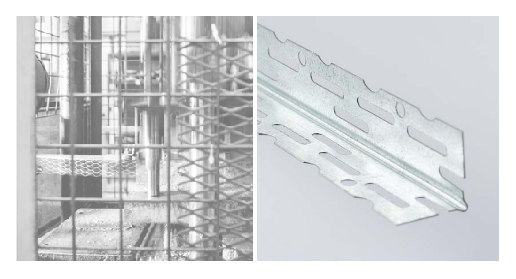
Why not try our Thincoat Angle Beads? Widely regarded as the best on the market! Call 01562 823267 or email enquiries@truelineproducts.co.uk #ewi #insulation #beads #galvanisedsteel #fabrication #WorcestershireHour #construction #builder #cornerbeads #bestonthemarket #thincoat
2
26 Nov 2019
Why not try our Thincoat Angle Beads? Widely regarded as the best on the market! Call 01562 823267 or email enquiries@truelineproducts.co.uk #ewi #insulation #beads #galvanisedsteel #fabrication #WorcestershireHour #construction #builder #cornerbeads #bestonthemarket #thincoat
1
2

21 Oct 2019
Stock up and save when you collect 10 or more 2400mm Thincoat Angle Beads.

2

3 Oct 2019
2
2
6 Aug 2019
2
8 Jul 2019
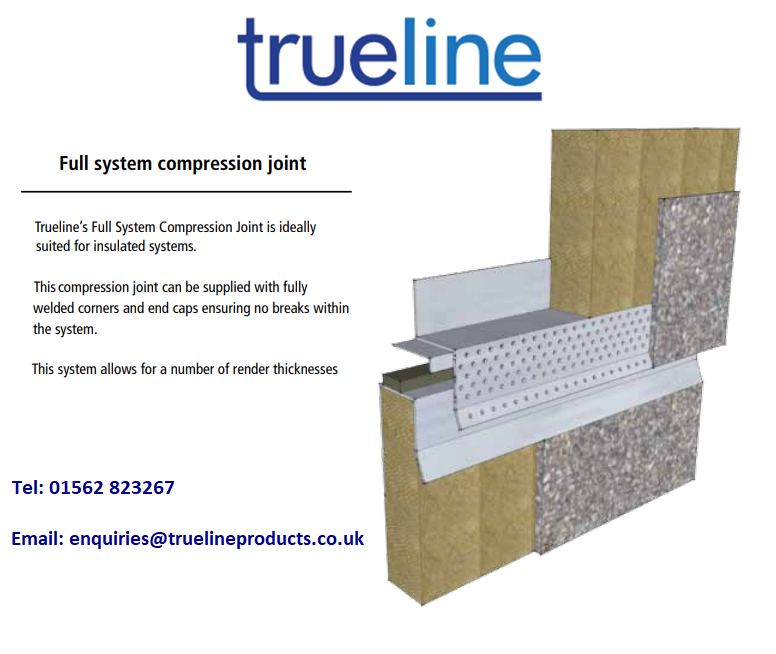
Full System Compression Joints. Corner Beads. Edge Beads. Thincoat Beads. Bellcast Beads. Stop Beads. Starter Tracks. Powder coating. Bespoke Fabrication. #ewi #insulation #fabrication #steel #beads #drywall #construction #aluminium #PVC #ConstructionUK #WorcestershireHour
1
2
8 Jul 2019
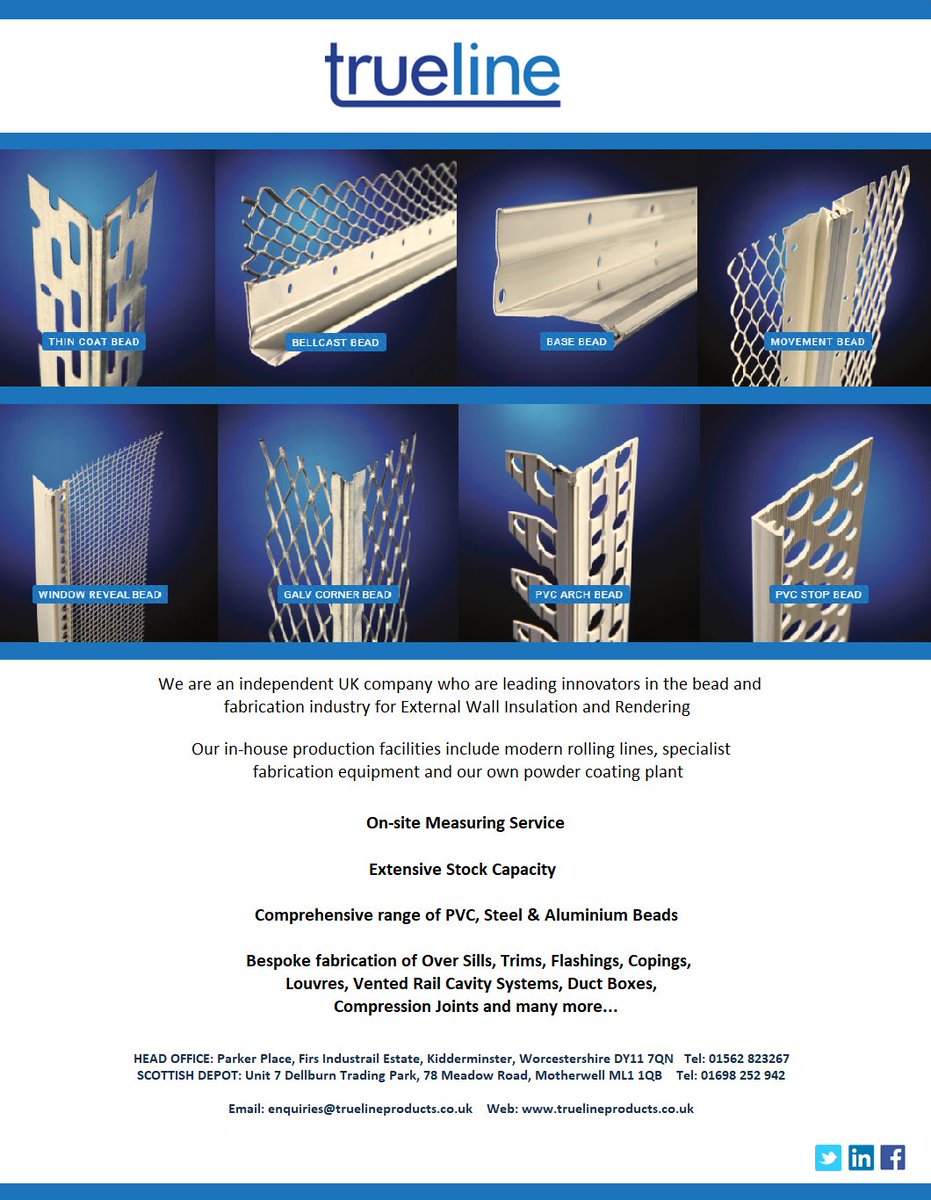
Next day delivery for all stock items! Aluminium, PVC & Steel Corner Beads. Edge Beads. Thincoat Beads. Bellcast Beads. Stop Beads. Starter Tracks. Powder coating. Bespoke. #ewi #insulation #steel #beads #drywall #construction #aluminium #PVC #ConstructionUK #WorcestershireHour

3
4
2 Jul 2019
Next day delivery for all stock items! Aluminium, PVC & Steel Corner Beads. Edge Beads. Thincoat Beads. Bellcast Beads. Stop Beads. Starter Tracks. Powder coating. Bespoke. #ewi #insulation #steel #beads #drywall #construction #aluminium #PVC #ConstructionUK #WorcestershireHour
1
2
1 Jul 2019
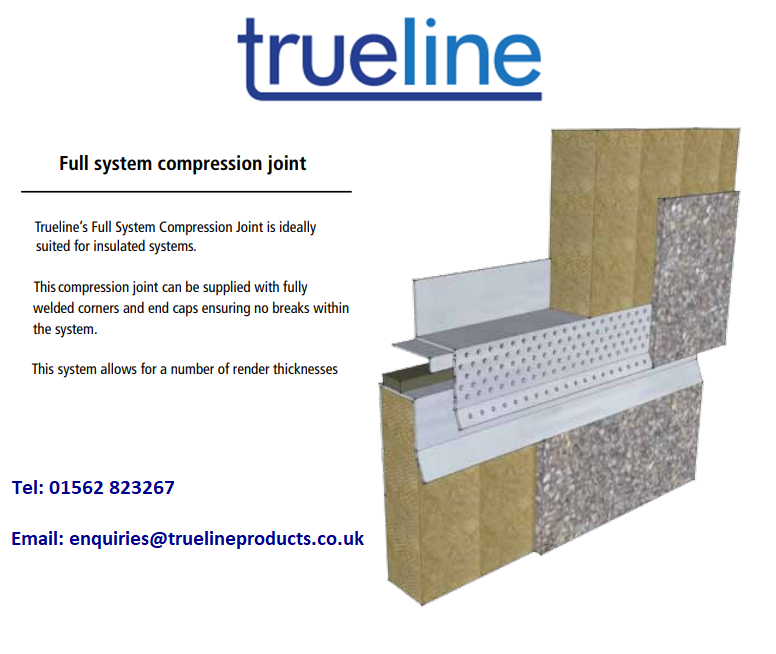
Full System Compression Joints. Corner Beads. Edge Beads. Thincoat Beads. Bellcast Beads. Stop Beads. Starter Tracks. Powder coating. Bespoke Fabrication. #ewi #insulation #fabrication #steel #beads #drywall #construction #aluminium #PVC #ConstructionUK #WorcestershireHour
1
3
26 Jun 2019
2
19 Jun 2019
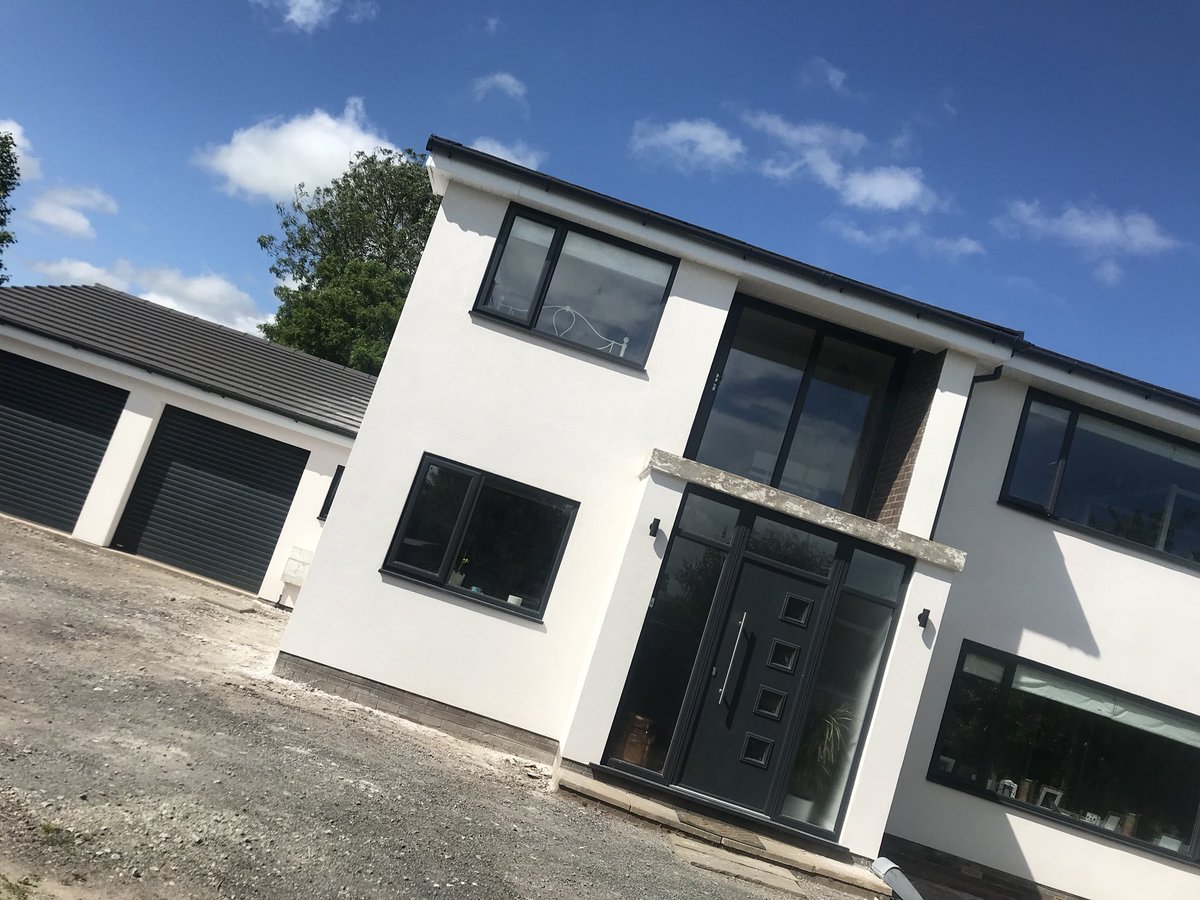
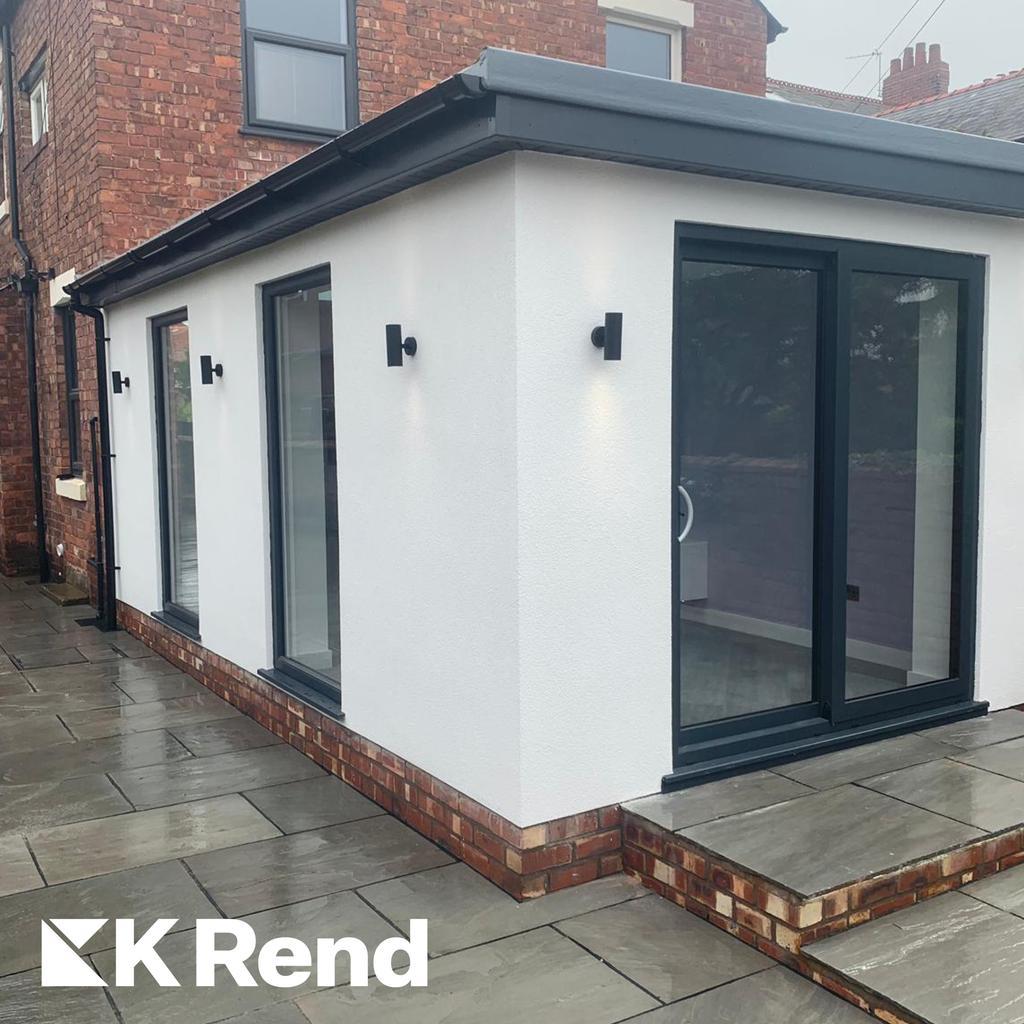
HP12 & Silicone TC 15 Pure White 👌 by Home Life Renovations #KRend #ThinCoat #BaseCoat #BringOnTheWall @HomeLifeService
19 Jun 2019
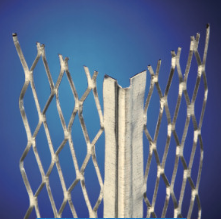
Next day delivery for all stock items! Aluminium, PVC & Steel Corner Beads. Edge Beads. Thincoat Beads. Bellcast Beads. Stop Beads. Starter Tracks. Powder coating. Bespoke. #ewi #insulation #steel #beads #drywall #construction #aluminium #PVC #ConstructionUK #WorcestershireHour
2
6