Joined January 2022
- Tweets 28,829
- Following 378
- Followers 441
- Likes 58,082
759 Photos and videos









Pinned Tweet

3 Nov 2023
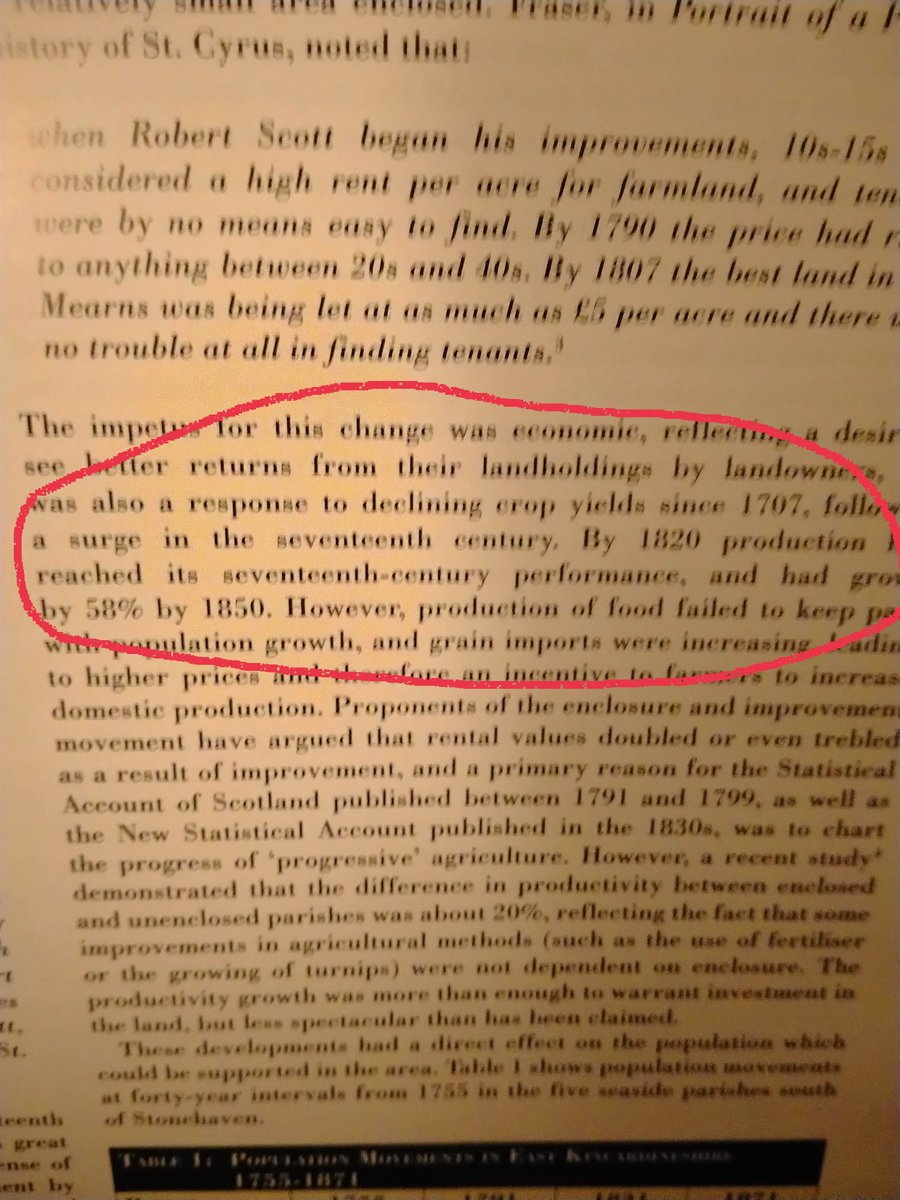
Funny the things you find in a transport history book.
I wonder what happened in 1707 that so damaged Scotland's economy that it took a century and a half to recover..? 🤔
#colon
4
23
28
2,703
Epic take down of a Banderist Warpig!
More of this please!
Jun 15

🇺🇦🚨‼️ THE SHOVEL KNIGHT APPEARED IN UKRAINE!
Grandpa fought off two military recruiters with a shovel, while his son beat up the other. Grandpa gave him a couple of good old smacks on the head too, that was a loud “DING” sound … lmao.
You go, grandpa! These shovel skills are respectable.
1
11
Technocracy sucks.
Jun 12

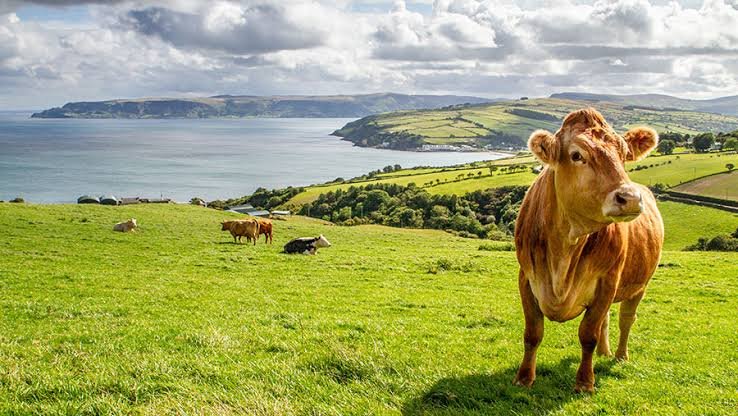
Ireland is being made to shrink its dairy herd, with healthy in-calf cows going to slaughter early, to satisfy a nitrogen figure set in Brussels.
Start with how cruel the timing is. Barely a decade ago, when the EU scrapped its milk quotas in 2015, Ireland told its farmers to do the opposite. Expand. Grow the herd. Build the new parlour. The government's own strategy pushed dairy hard for export growth, and thousands of families borrowed heavily and did exactly as they were asked. Now the same establishment that cheered them bigger is ordering them smaller.
The instrument is a rule that sounds technical and harmless. The EU caps the nitrogen that livestock manure may spread on the land. Ireland's grass-fed dairy farms, among the most efficient and lowest-carbon on earth, held a hard-won allowance to graze a little heavier. After a water-quality review, that allowance was cut, from 250 kilos of nitrogen a hectare down to 220, across great swathes of the country from 2024, and it has stayed under threat ever since, its conditions tightening at every review.
To drop under the new line, a farmer has three doors. Find more land, ship his slurry away, or get rid of cows. Land is scarce and the squeeze itself sent rents soaring, so for many the only door left is the herd.
The Irish Farmers Association reckoned an extra sixty nine thousand acres would be needed nationally just to stand still. One senator, a farmer himself, warned that up to forty one thousand cows, a great many of them pregnant, could be sent to slaughter to comply, and called it an animal welfare catastrophe in the making.
Sit with that. Healthy, productive, in-calf cows, on some of the greenest grass in Europe, culled early because a stocking number on a form moved by thirty kilos. The very cows the nation was begging the farmer to buy ten years ago.
This is what modern environmental policy looks like at the sharp end. A good cow loaded onto a lorry she never needed to be on, on a wet Tuesday in County Cork, to shift a figure in a spreadsheet.
6
Mearns Railway Modelling retweeted

🇨🇳BONE GLUE. That's what Chinese scientists have invented, and it fixes broken bones in 3 minutes.
No metal plates. No screws. No big surgery. Just inject it, and the broken pieces bond together in minutes, even in a bloody surgical site.
In one trial, a shattered wrist was fully repaired through a tiny 3cm cut. Three months later, full recovery, zero complications.
Over 150 patients have already been treated. Clinical trials are ongoing.
Photo: AI Generated
Sources:
globaltimes.cn/page/202509/1…
interestingengineering.com/s…
zju.edu.cn/english/2025/1015…

105
1,451
3,575
84,820
And yet Scotland's clueless political class still cite Finland as a perfect social model to follow which proves they are as bad as the Brits for always fighting the last war. Wake the fuck up, it's not 2011 any more!
Jun 7

Finland’s hypocrisy is comedy gold right now, and it’s getting hard to watch.
Russia didn’t just beat Sweden in 1809 but it pulled Finland out of Stockholm’s shadow, gave it Grand Duchy status with real autonomy, and basically handed over the keys to becoming a real nation.
Then in 1917, while Russia was in chaos, Finland grabbed full independence.
Grateful?
Not even close.
Today the same Finns are in full panic mode: rushing into NATO, putting razor wire on the border, and yelling “Russian threat!” like Putin is hiding behind every tree ready to snatch their saunas and Moomins.
The paranoia is wild and acting scared of the very country whose bayonets accidentally created modern Finland.
And the self-own is brutal.
They cut off cheap Russian energy, so electricity bills are sky-high and factories are shutting down.
Russian tourists who used to pour money into border towns? Gone.
Cross-border shopping and tourism? Dead. Billions in trade vanished overnight.
Turns out spite is expensive.
24
Mearns Railway Modelling retweeted

Jun 7
Finland’s hypocrisy is comedy gold right now, and it’s getting hard to watch.
Russia didn’t just beat Sweden in 1809 but it pulled Finland out of Stockholm’s shadow, gave it Grand Duchy status with real autonomy, and basically handed over the keys to becoming a real nation.
Then in 1917, while Russia was in chaos, Finland grabbed full independence.
Grateful?
Not even close.
Today the same Finns are in full panic mode: rushing into NATO, putting razor wire on the border, and yelling “Russian threat!” like Putin is hiding behind every tree ready to snatch their saunas and Moomins.
The paranoia is wild and acting scared of the very country whose bayonets accidentally created modern Finland.
And the self-own is brutal.
They cut off cheap Russian energy, so electricity bills are sky-high and factories are shutting down.
Russian tourists who used to pour money into border towns? Gone.
Cross-border shopping and tourism? Dead. Billions in trade vanished overnight.
Turns out spite is expensive.
344
314
1,807
75,565
Mearns Railway Modelling retweeted

獣医の世界では半世紀前から常識だ。脊髄を損傷し、四肢が完全に麻痺した犬や馬にDMSOを点滴すると、彼らは再び立ち上がり歩き出す。ところが、同じ怪我を負った人間には「もう手の施しようがありません」と宣告される。この埋めがたい落差こそが、今回掘り起こす「忘れられた医療」の核心だ。
DMSOは、細胞の骨格とも言える「微小管」の再構築を劇的に促進する。神経細胞はこの骨格が壊れると再生できないが、DMSOはその組み立てに必要なタンパク質濃度を10分の1近くまで下げ、傷ついた神経回路の再接続を後押しする。さらに幹細胞を神経細胞へと分化させる作用も持ち、失われた組織そのものを補う可能性を秘めている。
1970年代、スタンリー・ジェイコブ博士らは、脊髄損傷から数時間以内にDMSOを点滴された患者が歩行を取り戻した事例を報告した。うち一人は受傷から9時間後という「手遅れ」のタイミングだったにもかかわらず、である。
慢性の腰痛や坐骨神経痛、椎間板ヘルニアに対しても、DMSOの効能は軽視できない。ロシアでの偽薬対照試験では、DMSOゲルを1日2回塗った患者群の痛みの指標が10点満点中7.46点から2.58点へと大幅に改善し、筋肉の緊張や脊椎の可動域でも偽薬群を明らかに上回った。
私のもとには、何十年も背部痛に苦しみ、複数の手術にも失敗した読者から「DMSOで人生が変わった」という声が数百件寄せられている。ある男性は、12.5mmも飛び出していた椎間板が数ヶ月の塗布で3〜4mmに縮小し、メスを入れずに済んだという。
話はここで終わらない。本当に問うべきは、獣医が当たり前に使う治療法を、なぜ人間の医療だけが無視し続けるのか、という構造的な問題だ。
答えの一端は、DMSOが安価で特許を取れない物質である点に潜む。莫大な利益を生む新薬の市場を侵食する可能性があるため、大規模な人間での臨床試験には莫大な資金が必要なのに、誰もその費用を出そうとしないのだ。FDA(米国食品医薬品局)による規制の壁も厚く、動物では「奇跡的」とされる回復のデータが積み上がっても、人間への応用は半世紀近く棚上げされたままだ。
飼い主にとって家族同然の犬が交通事故で麻痺した時、獣医は迷わずDMSOの点滴を選ぶ。その事実を知りながら、自分の親が転倒して脊髄を損傷した場合に同じ選択肢を与えられないとしたら、それは科学の問題ではなく、もはや医療制度の倫理的な不作為と言わざるを得ない。
—
A Midwestern Doctor(中西部の医師)
記事『The Forgotten Side of Medicine: How DMSO Heals the Spine and Reverses Paralysis』(忘れられた医療:DMSOはいかにして脊椎を癒し、麻痺を回復させるか)
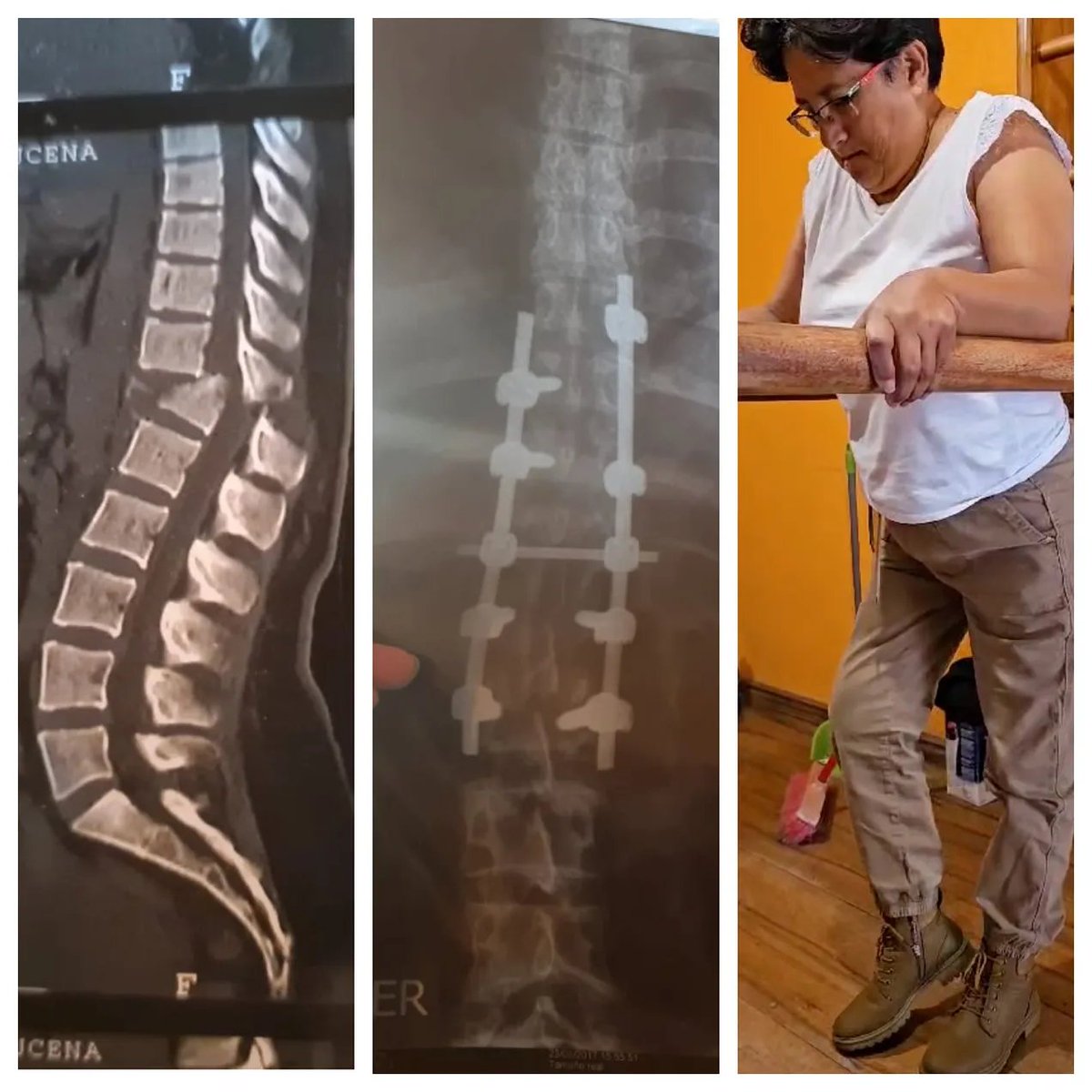

Veterinarians have used DMSO for decades to get paralyzed animals back on their feet, yet humans are left to suffer. Here are hundreds of studies and reader reports proving DMSO treats "incurable" spinal injuries and chronic pain and protocols to do it
midwesterndoctor.com/p/how-d…
76
2,028
4,738
222,892
It's a shame that no one could send a couple of helicopter gunships back to 1066 and blow those bastards out of the Channel. 😉
Jun 5
In 1066 the Normans crossed the Channel, won at Hastings, and rearranged the country.
The arrangement is still legible in the language nine and a half centuries later.
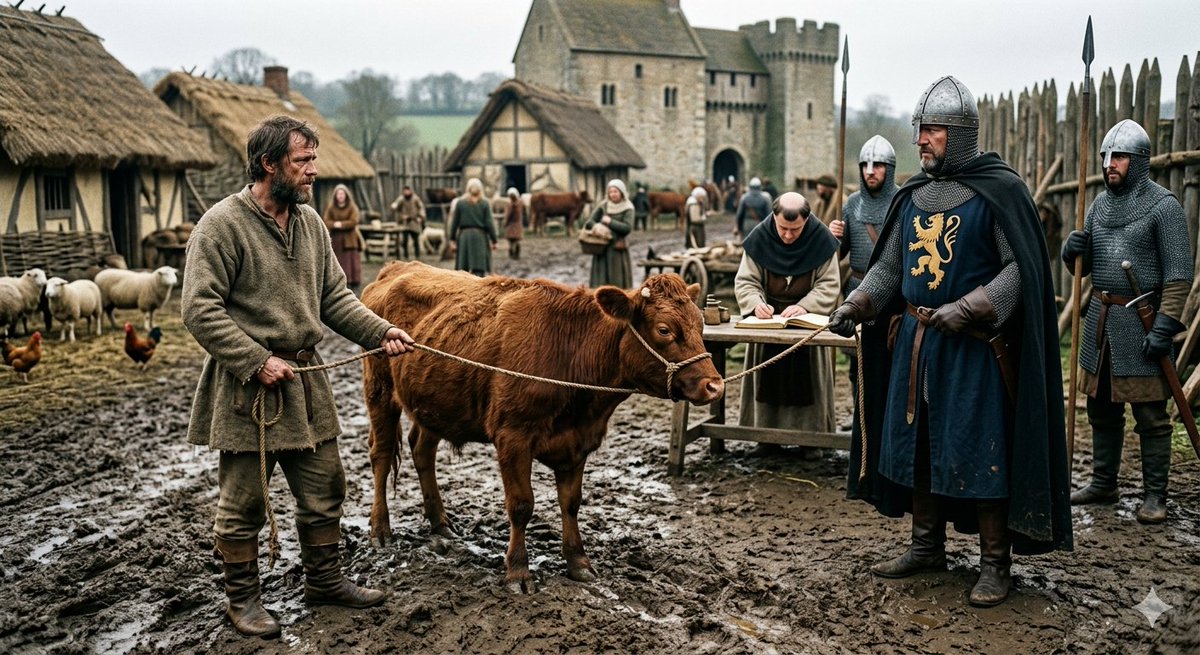
The Anglo-Saxon peasant kept the animals. He woke at dawn to feed them. He moved them between fields. He pulled the calves out in the spring rain. He cared for them through the winter, on grass that grew on land too steep for the plough.
The cow, he called a cū. He milked her, sheltered her, and walked her between fields. The Norman ate her and called it beef, from the French boeuf.
The pig, he called a picga. He fed it scraps and kept it alive through the autumn for the winter slaughter. The Norman ate it and called it pork, from porc.
The sheep, he called scēp. He sheared them, lambed them, and chased them off the high pasture before the snow came. The Norman ate them and called the meat mutton, from mouton.
The deer, he called dēor, and watched them move through the forest that had just been declared the king's personal property under the Forest Laws. The Norman hunted them and called the meat venison, from venaison.
The animal in the field kept its Saxon name. The meat on the silver platter took a French one. Walter Scott put it into the mouth of the swineherd Gurth in Ivanhoe: the pig is Saxon while it lives, and Norman when it becomes pork.
The peasant who raised the meat could be hanged for taking a portion of it.
The peasant ate bread, pottage, and cabbage. The peasant got shorter. The skeletons in the museums record it.
The lord ate the venison, the beef, the lamb. The lord remained tall. The portraits in the gallery record it.
Almost a thousand years on, the same arrangement is dressed in new clothes. The labourer is told that bread, cereal, lentils, and oat milk are healthy and morally appropriate. The labourer gets shorter, fatter, and sicker, and the doctor writes a prescription.
The wealthy still eat the venison, the beef, and the lamb. They quietly always have.
The language remembers what the dietary guidelines hope you'll forget.
1
9
This has relevance for those of us in the modelling world who remember when China gave us wonderful news high spec models at low prices. Price increases in our game only reflect the improved working conditions of those who make them 1/2
Jun 1

西方对中国最愤怒是中国把他们躺赚了几十年的暴利生意,一个个砸成了普通人都买得起的日用品。
这种愤怒已经刻进了很多西方人的骨子里,他们不是不理解,而是不愿意理解,不愿意接受自己再也不能躺着剥削全世界的事实。
二十年前,中国修地铁要用盾构机,全部从德国进口。一台盾构机德国卖3.5亿人民币,一分钱都不能少。买的时候还要签霸王条款,机器坏了只能找德国工程师来修。
德国工程师来中国一天的工资是3000欧元,换算成人民币当时是3万多。他们坐飞机必须坐头等舱,住必须是五星级酒店的总统套房。
维修的时候中国人不能在旁边看,必须全部离场,修完了直接开账单,换一个小小的密封圈就要10万人民币。
有时候机器出个小故障,要等德国工程师三个月才能来,整个工地几百人就只能闲着干等,每天损失几百万。
没有人觉得这有什么不对。全世界都默认,高科技就应该卖这么贵,德国人掌握了技术,他们就有资格赚这个钱。甚至放言给中国图纸也造不出盾构机。
但到2008年,中国第一台拥有自主知识产权的盾构机下线。当时德国人根本不在乎,他们觉得中国人造出来的肯定是垃圾,用不了几天就会坏。
结果中国盾构机不仅能用,而且价格直接开到了5000万一台。后来随着技术不断成熟,产量不断提高,现在一台国产盾构机只要2000多万人民币,价格只有原来德国的十七分之一。
德国盾构机的垄断神话一夜之间破灭了。原来全世界只有德国、日本、美国少数几个国家能造盾构机,他们联合起来维持高价,想卖多少钱就卖多少钱。
现在中国加入了,他们的价格体系彻底崩溃了。现在德国盾构机想卖出去,价格也只能降到和中国差不多的水平,再也不能躺着赚暴利了。
而这样的事在各个领域都不断的上演,套用足球解说的一句话,留给西方垄断的时间不多了。


18
Mearns Railway Modelling retweeted

Jun 1
Some of us have been telling you the truth about Russia, from Russia, for literally years.
Thanks to @RealCandaceO for coming and simply telling you the truth also.
Jun 1

The Christian expression and heritage here is unmatched.
Unsurprisingly, they are lying to us about Russia. ✝️




109
396
2,678
33,516
Mearns Railway Modelling retweeted

Jun 1
Big Pharma is manufacturing Alzheimer’s
Dr. Joel Wallach: “Alzheimer’s is a PHYSICIAN-CAUSED disease.”
Your brain is 75% myelin insulation. And myelin is 100% cholesterol.
Statins shred that cholesterol — stealing 75% of what your brain desperately needs to stay insulated and functional.
No myelin = no brain.
That’s why Alzheimer’s went from virtually unknown to the 4th leading killer over age 65.
They told you to lower your cholesterol…
while your brain was starving for it.
This isn’t “aging.”
This is medical malpractice on a massive scale.
Stop letting them dissolve your brain. Do your own research and stop the statins. Protect your myelin.
125
994
2,445
46,038
Mearns Railway Modelling retweeted

It’s June 1st, which means the western world is celebrating “pride” month. However, in Russia, June 1st is international children’s day. We protect our children from degeneracy. Rainbows shouldn’t have a hidden immoral agenda. Let kids be kids!
656
634
4,269
483,187
Mearns Railway Modelling retweeted

Jun 1
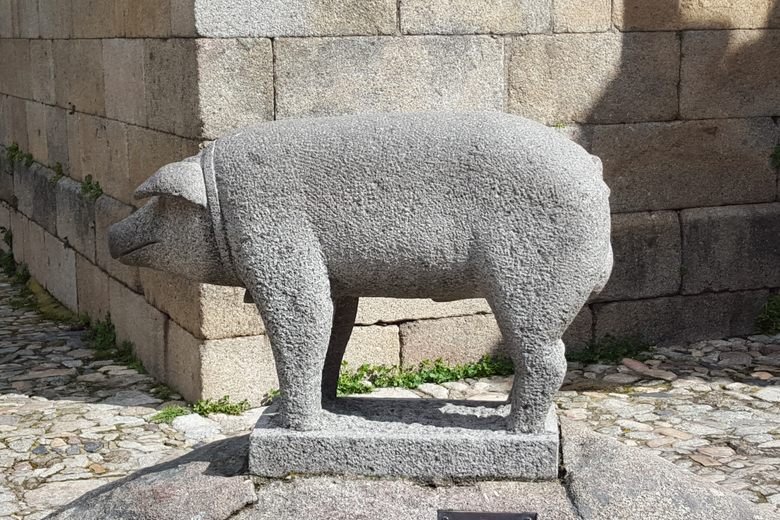
The pig is the most democratic animal that has ever lived.
Everything that follows is built on that. A pig needs no pasture, no hillside, no shepherd, no barn full of winter feed. It eats what you cannot. Acorns, windfall apples, kitchen scraps, the peelings and the whey and the spoiled milk headed for the midden. You feed it nothing and it gives you everything: a year of fat, lard, protein and crackling from an animal that turns household waste into the richest meat a poor family will ever taste.
One sow. A back garden. No land, no lord, no permission.
That is the problem with the pig. Not hygiene. Not parasites. Not the desert heat, though you will have been told all three by someone confident and wrong. The problem with the pig is that it made the poor man independent, and independence is the one thing the powerful have never been able to abide in people they mean to keep.
Walk it back. In Bronze Age Mesopotamia and Egypt, pork was everywhere, thriving in the muck and crowded backstreets of the cities, above all the meat of the urban poor. Protein from almost nothing. And, crucially, protein the tax collector could not see. A field of barley is visible. A herd of cattle is visible. A pig in the yard, fattening quietly on scraps, is wealth that appears in no ledger.
So the herders who chased status moved to cattle and sheep. Cattle you could drive, count, tax, lend and inherit. The pig was wealth you could hide, and a ruling class has never had any use for wealth it cannot count.
The taboo did not fall from the sky. It crept in. In the southern Levant, pork consumption had been eroding since around 3000 BC, long before a word was written against it. By the early Iron Age the pig was a flag: the Philistines, migrants from the Aegean, ate it; the Israelites, native to the hills, largely did not. You could tell whose a settlement was from the bones in the midden.
Then comes the part we can date. When the Biblical texts were codified, the priestly elite of Judah took a custom that already existed and carved it into law, hardening a soft regional habit into a line of identity you would die rather than cross.
And men did. By the time of the Maccabees, under Greek rule, it was no longer about cuisine. Hellenistic officials forced Judeans to eat pork precisely because they knew what refusing it now meant. To refuse was to declare who you were. Men chose death over a single mouthful. The animal had become a border drawn through the human body.
The Greeks ate pork happily. The Romans ate it by the wagonload. So refusing it became a way of being Not Them, and the taboo grew in power because it was useful: every time an empire pressed down, the pig was a way to stay yourself. Centuries later Islam inherited the line and hardened it again, and now some two billion people will not touch the most efficient protein a poor household can keep.
Notice what is absent from all of it. Nutrition. Health. The body. The pig was banned not for being dangerous to eat but for being dangerous to own: an animal that let the landless feed themselves without asking, invisible to the men with the ledgers.
Power has never minded what you put in your mouth, only what you can do without it.
The pig let people do without.
That was the sin. It always was. It quietly still is.
110
803
2,825
85,686

IN 1925, A RUSSIAN ENGINEER PLACED A COPPER RING AROUND A DYING PLANT.
THE TUMOR DISAPPEARED. EVERY OTHER PLANT IN THE EXPERIMENT DIED. HIS TECHNOLOGY WAS USED IN HOSPITALS ACROSS EUROPE UNTIL HE WAS KILLED IN NEW YORK IN 1942.
His name was Georges Lakhovsky.
He proposed a theory so dangerous that it had to be erased from medical history.
Every living cell is a miniature oscillator.
It vibrates at its own specific frequency.
When a cell is healthy, it vibrates at its natural resonant frequency. When it becomes diseased, the frequency drops.
Cancer, infection, degeneration — all of them are frequency disorders.
In 1925, Lakhovsky conducted an experiment at the Salpetriere Hospital in Paris.
He inoculated geranium plants with cancer-producing bacteria. All plants developed tumors. Around one single plant, he placed a simple open-ended copper ring — 30 centimeters in diameter. Nothing else.
No electricity.
No chemicals.
Within weeks, the plant with the copper ring shed its tumor completely and grew taller and stronger than it had ever been. Every other plant in the experiment died.
The copper ring was acting as an antenna.
It was capturing the full spectrum of cosmic frequencies and feeding them back to the plant's cells.
The cells re-tuned themselves to their natural oscillation.
The disease could not survive in a cell vibrating at its correct frequency.
Lakhovsky then built the Multi-Wave Oscillator.
It used two concentric antennas driven by a Tesla coil to generate a broad spectrum of electromagnetic frequencies simultaneously.
The idea was simple — flood the body with every possible frequency, and each cell will naturally resonate with the one it needs to heal.
By the 1930s, his machines were being used in hospitals across France, Italy, and Sweden.
Doctors reported recoveries from advanced cancers, severe arthritis, and chronic infections. Patients who had been given weeks to live walked out of clinics.
In 1941, Lakhovsky brought his technology to New York.
He began treating patients at a major hospital with extraordinary results.
In 1942, at the age of 72, Georges Lakhovsky was struck by a car in New York City and died shortly after.
Immediately following his death, every Multi-Wave Oscillator was removed from American hospitals.
His research was labeled quackery. His name was deleted from medical literature.
A man whose machines were healing patients in European hospitals for over a decade was hit by a car and erased from history within months.
The frequency of a healthy human cell is between 62 and 72 MHz. When it drops to 58 MHz, cold symptoms appear.
At 42 MHz, cancer begins.
At 25 MHz, death.
Your body is not a chemical machine.
It is an electrical instrument playing a frequency.
Disease is not an invasion.
It is a cell that forgot its song.
They did not silence Lakhovsky because his science was wrong. They silenced him because a copper ring costs nothing, and chemotherapy costs $150,000 & still kills.

60
1,571
3,236
155,488
Mearns Railway Modelling retweeted

The LARGEST human ivermectin cancer study EVER conducted found 84% of cancer patients declared COMPLETE REMISSION, TUMOR SHRINKAGE, or HALTED TUMOR GROWTH.
Our study is now PEER-REVIEWED and PUBLISHED by the International Institute of Anticancer Research.
The tide is turning.

BREAKING: Largest Human Cancer Study of Ivermectin Mebendazole Is Now PEER-REVIEWED and PUBLISHED in a MAJOR Cancer Journal
84.4% of cancer patients taking ivermectin mebendazole for 6 months declared either CANCER DISAPPEARANCE, TUMOR REGRESSION, or CANCER STABILIZATION.
Our study, “Real-world Clinical Outcomes of Ivermectin and Mebendazole in Cancer Patients: Results from a Prospective Observational Cohort,” is now peer-reviewed and published in Anticancer Research—a major international oncology journal of the International Institute of Anticancer Research (IIAR), established in 1995.
The results represent one of the most compelling clinical signals ever documented for repurposed anti-parasitic therapies in oncology.
A diverse population of cancer patients (n=197) was prescribed compounded ivermectin–mebendazole through a U.S. telemedicine platform, with each capsule containing 25 mg ivermectin and 250 mg mebendazole.
Participants were followed for approximately six months using standardized digital surveys assessing cancer outcomes, medication adherence, and tolerability.
At approximately six months post-treatment initiation, we observed an 84.4% Clinical Benefit Ratio (CBR)—meaning more than four out of five patients reported either:
No evidence of disease (32.8%)
Tumor regression (15.6%)
or Cancer stabilization (36.1%)
Importantly, adherence was remarkably high, with 86.9% completing the initial prescription and 66.4% remaining on therapy at six months.
Side effects were predominantly mild and manageable, reported in 25.4% of patients (primarily gastrointestinal), with 93.6% of those experiencing side effects continuing treatment after minor dosing adjustments.
This groundbreaking peer-reviewed publication was made possible through a unique collaboration between The Wellness Company, the McCullough Foundation, and the Chairman of the President’s Cancer Panel—uniting real-world clinical data, frontline medical experience, and epidemiologic expertise to evaluate inexpensive, repurposed therapies with major translational potential.
With these extraordinarily promising results, double-blind, placebo-controlled clinical trials are now required.
In the meantime, many cancer patients are exercising their right to try.
@twc_health @McCulloughFund @IIAR_Journals @P_McCulloughMD @DrHarveyRisch @DrKellyVictory @jathorpmfm @drdrew @PeterGillooly @FosterCoulson

497
11,404
28,861
1,853,717
Mearns Railway Modelling retweeted

May 31
imagine ur not allowed to wear a flag whiches president is one of the only one who wasnt on the epsteins island
32
52
2,044
304,040
Mearns Railway Modelling retweeted

May 31
🇷🇺 ⚽ It was not permitted to bring a Russian flag into the stadium for the Champions League final, so the wife of PSG’s Russian goalkeeper, Safonov, made her own out of plastic bags
964
7,142
99,507
4,751,524
Mearns Railway Modelling retweeted

May 27
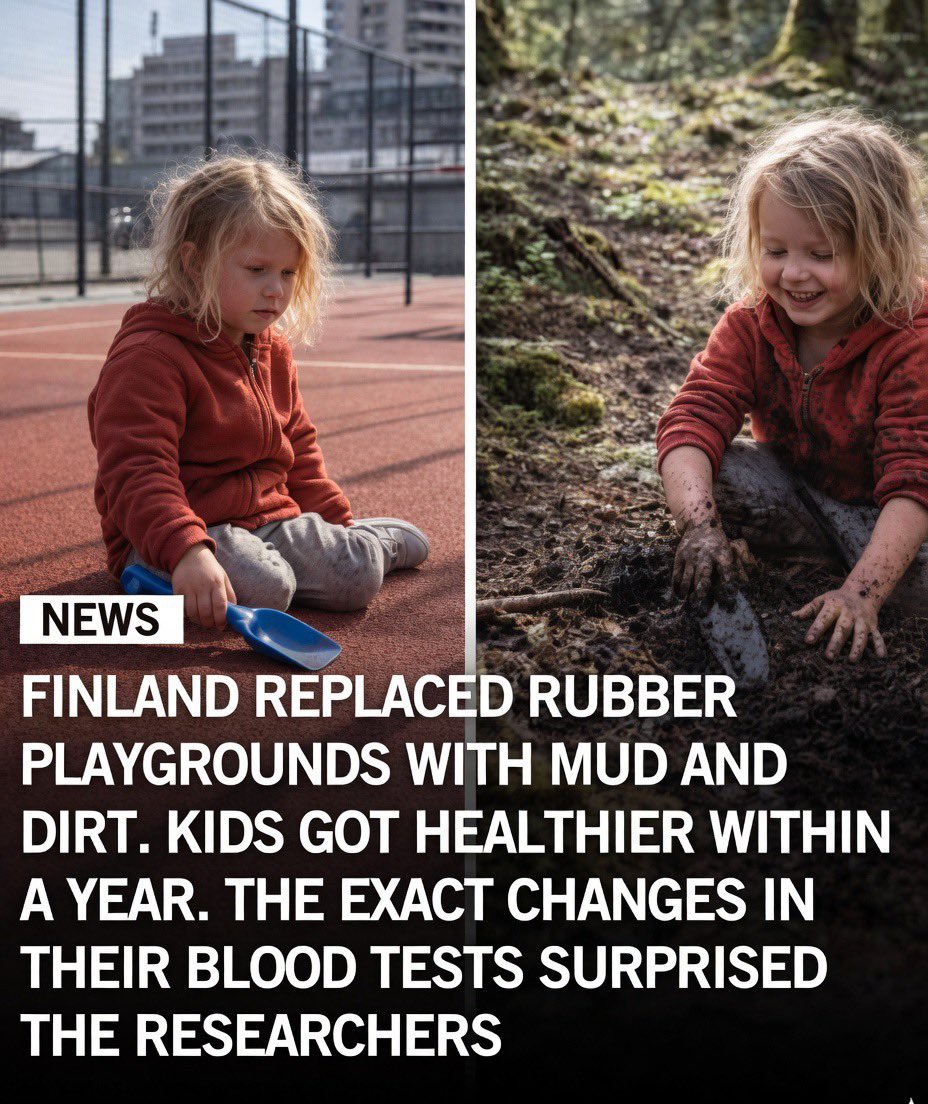
Finnish scientists trucked in real forest dirt and grass and laid it over the gravel at four daycare yards. They let the kids dig around in it for a month. The blood tests came back with changes the researchers hadn’t expected to see so fast or so clear.
The study ran at ten daycares in two Finnish cities with 75 kids aged three to five. Four of the yards got the forest treatment: about a tennis court worth of soil and grass laid over the gravel, plus planters and peat blocks the kids could dig and climb on. Three others stuck with their normal gravel yards. The last three were daycares where the kids were already visiting real forests every day.
After one month, the variety of bacteria living on the kids’ skin shot up, and the kind that helps train the skin’s immune defenses jumped the most. Their gut bacteria started to look like the gut bacteria of the forest-visiting kids. Their blood showed more of the immune cells whose job is to keep the body from freaking out at harmless stuff like pollen and peanuts, and overall inflammation dropped. The kids on the plain gravel yards showed none of this.
Childhood asthma in the US doubled between 1980 and 1995. Food allergies in kids jumped 50 percent between 1997 and 2011, then jumped another 50 percent between 2007 and 2021. And peanut allergies in one-year-olds tripled between 2001 and 2017.
The Finnish researchers think one of the reasons is simple: kids today don’t get dirty enough. 37 percent of American preschoolers now spend an hour or less outside on a normal weekday. Their immune systems are getting trained in environments stripped of the bacteria humans have always lived around.
Aki Sinkkonen, who led the study, put it in plain words: “It would be best if children could play in puddles and everyone could dig organic soil.” The Finnish government is now helping pay for daycares across the country to make the same changes.

500
11,094
35,870
2,240,483
Mearns Railway Modelling retweeted

May 28
Le gardien invisible de la ferme .
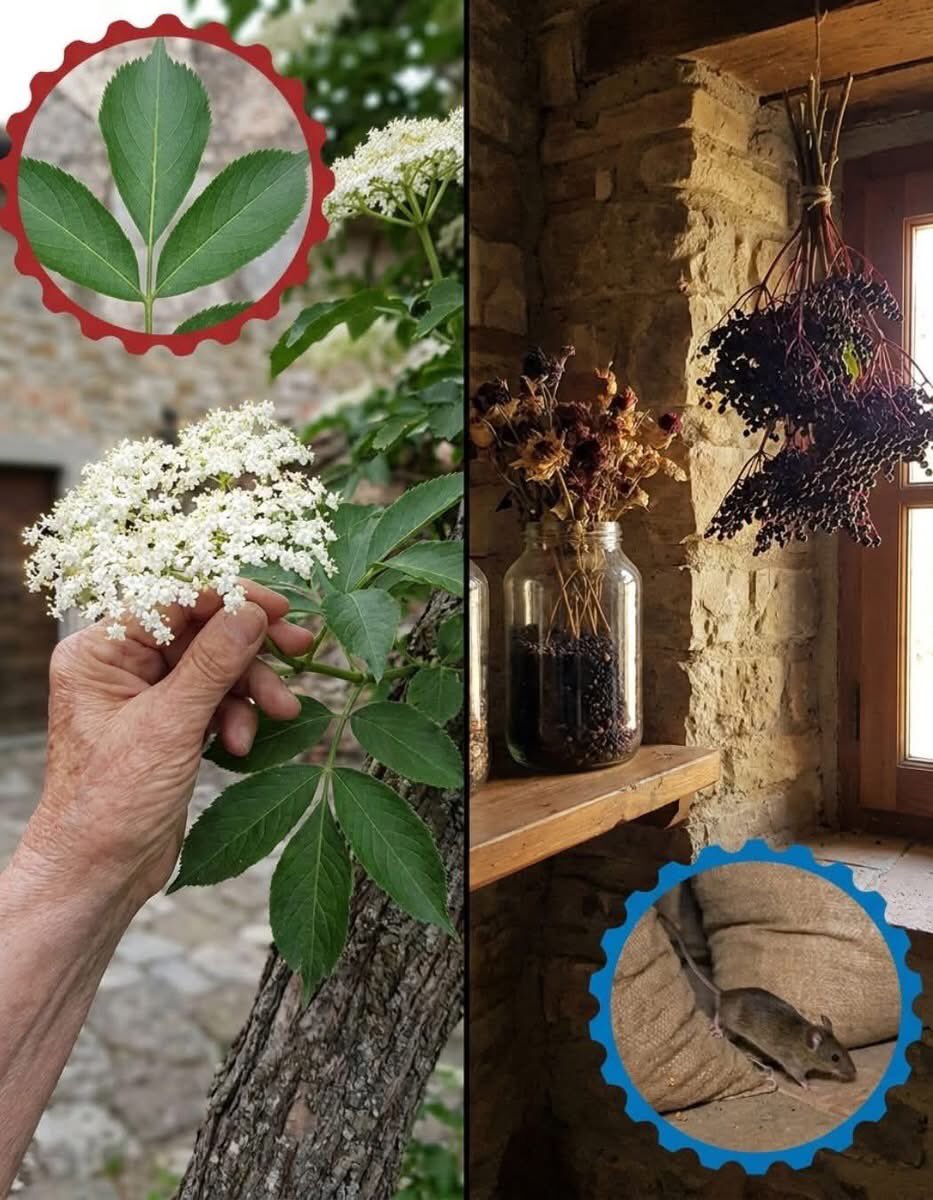
Pourquoi les paysans plantaient toujours des sureaux
Le sureau n'a jamais été une simple plante ornementale. C’était un gardien.
Si le sureau noir (Sambucus nigra) poussait aux limites de chaque cour de ferme italienne, ce n'était pas par hasard, ni pour la beauté de ses fleurs ou la douceur de ses baies. La raison est bien plus pragmatique : les souris, les rats et les rongeurs de garde-manger évitent systématiquement les zones où il est implanté.
Les feuilles, l'écorce et les racines du sureau dégagent des composés volatils et contiennent des glycosides cyanogéniques (des précurseurs du cyanure) que les rongeurs perçoivent à distance. En froissant ses feuilles, on libère une odeur repoussante pour les nuisibles. Les agriculteurs malins le plantaient donc stratégiquement à l'entrée des caves, au pied des granges et le long des murs des étables. Plutôt que de poser des pièges, ils composaient une véritable barrière olfactive vivante, capable de se renouveler à chaque saison.
Bien sûr, le sureau offrait d'autres précieux cadeaux. En juin, ses fleurs se transforment en sirops, en beignets croustillants ou en liqueurs. En septembre, ses baies noires colorent les confitures, les jus et les teintures naturelles. Même son bois sec trouvait preneur : creux et poreux en son centre, il était facile à évider pour tailler les flûtes traditionnelles. Mais aucune de ces utilisations n'était la raison principale pour laquelle le sureau encerclait la propriété.
Sa force réside aussi dans sa robustesse. Une haie de sureaux peut atteindre 6 mètres de haut en seulement quelques années. Elle tolère les sols argileux et la mi-ombre, là où beaucoup d’autres essences dépérissent. De plus, sa capacité de multiplication est phénoménale : une simple section de branche ligneuse plantée en automne s'enracine presque à coup sûr, sans exiger de soins particuliers.
Cette complicité entre l'homme et la plante allait encore plus loin. Jusque dans les années 1960, dans les campagnes du nord de l'Italie, on glissait des feuilles de sureau fraîches directement dans les sacs de blé ou les caisses de fruits pour repousser les insectes ravageurs de stocks.
Plante fée dans la tradition celte, symbole de protection dans la tradition chrétienne, poison redoutable dans ses jeunes branches vertes... Le sureau reste, avant tout, le gardien invisible de la cave de nos anciens.
💡 Ce qui a été modifié pour l'audience française :
"Tribunal paysan" ➔ "Cour de ferme" : En italien, la corte désigne la cour de la ferme (la ferme lombarde ou émilienne). Le mot "tribunal" en français cassait l'ambiance rurale.
"Cantine" ➔ "Cave" : En français, une cantine est le lieu où mangent les écoliers ou les travailleurs. Pour le vin et les provisions, on parle de cave ou de cellier (traduction de cantina).
"Sambunigrine volante" ➔ "Composés volatils" : La sambunigrine est un composé toxique fixe (un hétéroside). Ce qui fait fuir les bêtes à distance, ce sont les huiles essentielles et molécules volatiles de la plante.
"Boîtes de fruits en conserve" ➔ "Caisses de fruits" : Le mot italien scatole a été précisé ici par caisses, car on mettait les feuilles avec les fruits frais stockés, pas autour de boîtes de conserve en métal étanches.
75
1,289
3,679
102,245
Somebody spelt 'Soviet Union' wrong...
9
Mearns Railway Modelling retweeted

Mallow-Waterford railway scenery; filmed by the late Tony Price prior to closure, March 1967. 🚊🎥 [©IRRS Archive] #irishrailarchives #Mallow #Waterford #irishrailways #archives @ARAIreland @irrsofficial
2
3
20
1,932