
19s
Singapore - UAE - India
The Singapore-UAE Inversion (The Chokepoint Effect)
The crowd is treating the drop in UAE-India physical trade as a standard cyclical downturn. It isn't; it is a structural routing pivot.
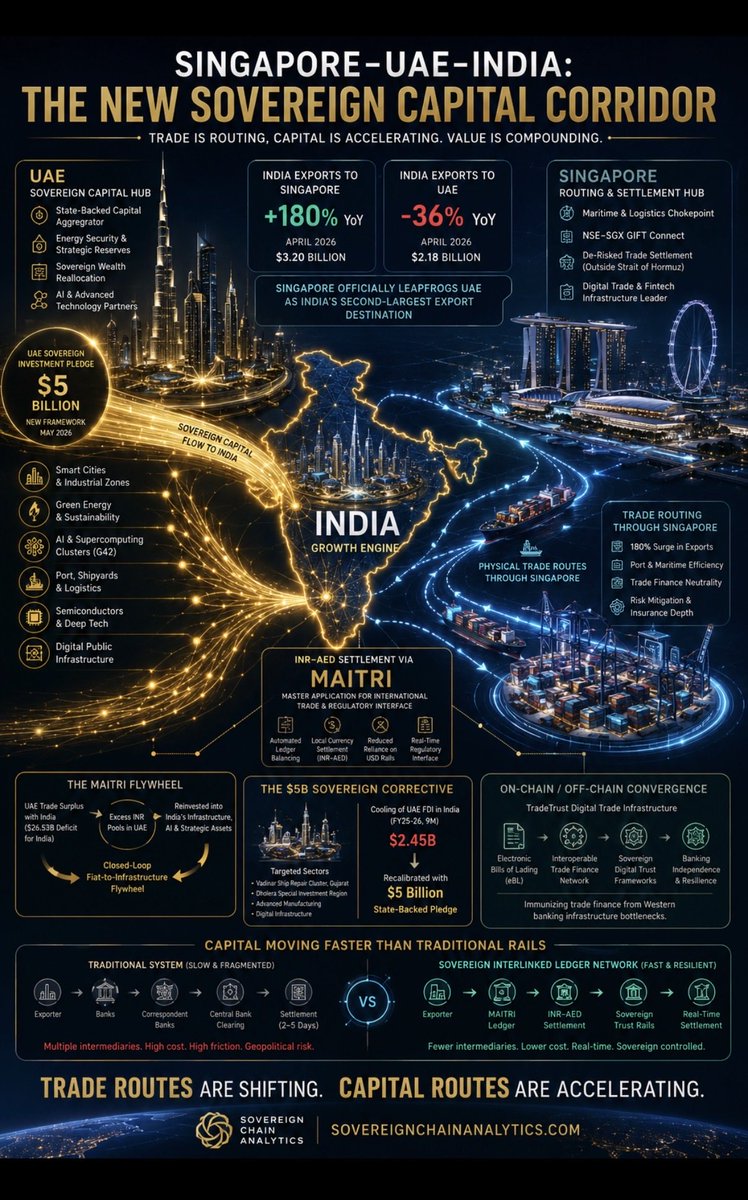
Indian exports to the UAE fell 36% year-on-year in April to $2.18 billion.
What SCA structural tracking catches: In the exact same window, exports to Singapore surged 180% to $3.20 billion, making Singapore officially leapfrog the UAE as India’s second-largest export destination.
Capital isn't fleeing the India-UAE axis; it is bifurcating. Physical freight and maritime settlements are routing hard through Singapore's port architecture and the NSE-SGX GIFT Connect to bypass the Strait of Hormuz. Meanwhile, the UAE is shifting from a generic logistics pass-through node into a pure state-backed capital aggregator.
Institutional De-Dollarization Is Hiding in "MAITRI"
Mainstream media is covering Prime Minister Modi’s May 15, 2026, visit to Abu Dhabi as a boilerplate political photo-op. The actual execution layer reveals a massive on-chain and ledger settlement shift.
Most desks think the Local Currency Settlement (LCS) system for INR-AED is a slow-moving pilot.
The sudden operationalization of the Virtual Trade Corridor via MAITRI (Master Application for International Trade and Regulatory Interface) has automated the ledger balancing of the cross-border INR-AED system.
Because India runs a $26.53 billion trade deficit with the UAE (largely due to gold and ADNOC crude storage deals like the 30-million-barrel reserve in India's SPR), the UAE is utilizing its excess rupee pools not to buy Indian goods, but to reinvest directly into India’s infrastructure, supercomputing, and G42-backed AI clusters. It is a closed-loop fiat-to-infrastructure flywheel.
The $5 Billion Sovereign Corrective
A sharp cooling of Emirati foreign direct investment (FDI) into India occurred in the latter half of FY25-26, dropping to $2.45 billion over nine months. The market panicked, thinking the structural investment thesis was broken.
The May 2026 framework explicitly corrected this with a fresh $5 billion state-backed pledge targeting regulated sectors (Vadinar ship repair cluster, Gujarat, and Dholera Special Investment Region).
The On-Chain/Off-Chain Convergence: Sovereign funds are deliberately front-running these industrial zones by setting up parallel digital trust frameworks (TradeTrust for interoperable electronic Bills of Lading) to completely immunize trade finance from Western banking infrastructure bottlenecks
SovereignChainAnalytics - Tactical Reality Check: Do not track the physical trade decline in the Gulf to measure corporate health. Track the velocity of capital allocations through the Bilateral Investment Treaty frameworks. The liquidity is moving off-shore and onto sovereign-interlinked ledger networks faster than standard central bank settlement data can report it
#Macroeconomics #InternationalTrade #FinTech #Geopolitics #AlternativeData
Dylan retweeted

11h
Brandon Bussi utilizing the jumbotron to his advantage 🧠
13
358
8,633
850,828

$MRAM $SPCX $NASA $MARS
SpaceX Operates Starshield, a highly classified military satellite network program that handles secure government communications and Earth observation.
Defense programs utilizing Everspin’s radiation-hardened memory regularly deploy their payloads into orbit using SpaceX national security launches.
16

InterLink’s Long-Term Vision
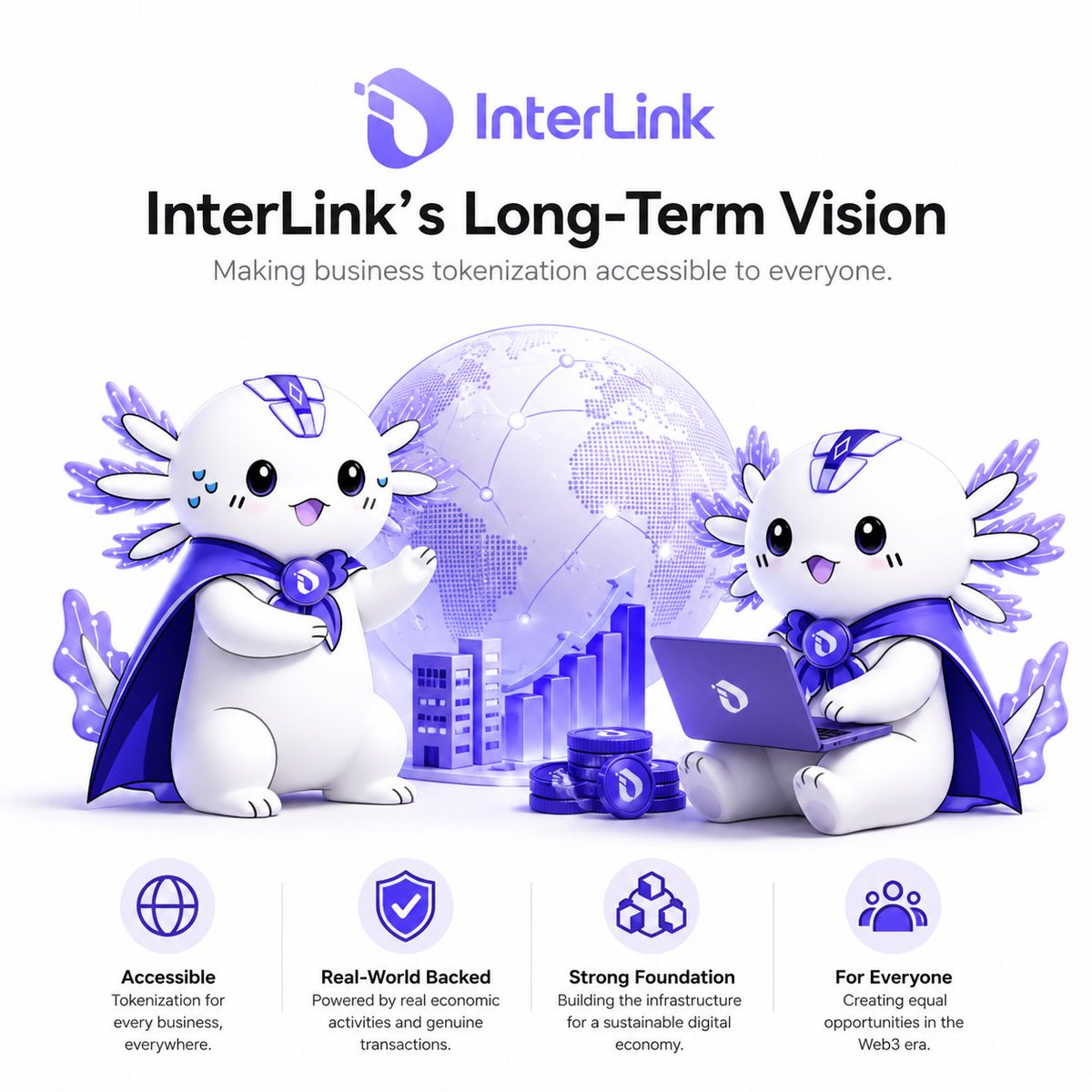
InterLink was founded with a bold vision centered on the future of business tokenization. While it is still too early to call InterLink “the Nasdaq of Web3,” the platform’s development direction points to a clear goal: making business tokenization accessible to everyone.
Building a More Open Tokenization Ecosystem
InterLink aims to lay a foundation that enables more businesses to leverage digital asset technology. This approach seeks to provide companies — especially those without access to traditional capital markets — with new opportunities through a more flexible and modern tokenization system.
By utilizing blockchain technology, value derived from real economic activity can be linked to digital assets that hold utility and can be traded. This opens new possibilities for businesses to expand their access to capital and reach a broader market base.
Backed by Real Economic Activity
A key focus of InterLink is ensuring that the digital assets created have a solid foundation rooted in actual economic activity and transactions. As a result, the tokens generated are not merely digital representations, but are tied directly to the real-world value and performance of businesses.
This approach is expected to foster an ecosystem that is more transparent, sustainable, and beneficial to all participants.
Unlocking Opportunities for More Businesses
InterLink’s long-term vision is to build infrastructure that can serve companies of all sizes. With this foundation in place, businesses can integrate digital assets into their growth strategies within the evolving digital economy.
InterLink strives to create an environment where business tokenization can expand widely, turning opportunities once reserved only for large corporations into something open and accessible to a greater number of enterprises.
Conclusion
Although it remains too early to label InterLink as “the Nasdaq of Web3,” its long-term vision is clear. InterLink aims to build the foundation that makes business tokenization available to everyone, while promoting the use of digital assets backed by real economic activity and actual transactions. Through this vision, InterLink seeks to contribute to the development of a more inclusive and sustainable digital economic ecosystem.
#Interlink #ITLG #ITL #InterLinkInMyLife #913147435734 #02032015
3

RT @jisuluver: Aside from its playlist reach of 97M & usage of California Spotify bot farms, HYBE’s 'ICONIC BY MISTAKE' is now utilizing ad…
209

3m
In the USA, while opportunistic "looting" is less common, organized cargo theft and semi-trailer burglaries at truck stops and rest areas are significant. Criminal rings heavily target unguarded freight during mandatory driver rest periods, utilizing techniques ranging from physical lock-cutting to sophisticated digital fraud and email infiltration to reroute shipments.For context, in 2025, U.S. cargo theft losses surged to $725 million as theft syndicates increasingly coordinated "made-to-order" heists. High-value targets include consumer electronics, pharmaceuticals, and metals (e.g., the June 2026 recovery of $300,000 worth of stolen copper tubing from a trailer at a Big Spring, Texas truck stop).
4

✨ We are looking for someone who:
-Want to learn and promote the development cooperation in an easy, fun way.
-Want to move people‘s hearts through stories, videos, and images.
-Want to gain practical experience in producing content utilizing AI tools.
3

Task66:Post 2: By utilizing the Transaction-Backed Digital Asset Protocol, InterLink allows everyday businesses to tokenize real economic activity. Imagine fractional ownership and 24/7 liquidity for local enterprises.#interlink #itlg #itl

1


$ASTS - 🚨New episode featuring @thekookreport is live on the AST SpaceMobile Podcast!
🎙️ Kook's Weekly - The SpaceX IPO Global Market Realignment
✅ SpaceX D2D Market Validation
✅ AST SpaceMobile Batch 1 Launch
✅ Government and Defense Satcom
✅ AI Data Centers in Space
✅ Direct to Device Competition
----------
Kook breaks down the seismic shifts in the telecommunications and space sectors, specifically focusing on the massive market validation provided by SpaceX's entry into the public eye. As SpaceX CFO Brett Johnson and Gwynne Shotwell highlight a $1.6 trillion total addressable market for Direct to Device (D2D) services, AST SpaceMobile stands as the primary beneficiary of this newfound global attention. This analysis explores why the great global bear hug of AST SpaceMobile by incumbent telecom minnows is the logical response to SpaceX’s disruptive ambitions.
The discussion dives deep into the upcoming Batch 1 launch, featuring five Bluebird satellites stacked and ready for deployment on a Falcon 9. Kook addresses the technical milestones, debunking long-standing bear theories regarding satellite stacking and mechanical separation. With the Toyota Camry of spaceships handling the heavy lifting, the focus shifts to the operational cadence of Batch 2 and the massive technological leap represented by the upcoming ASIC-powered Bluebirds, capable of 200 Mbps speeds.
Beyond commercial cellular service, Kook highlights the burgeoning government and defense opportunities. With mentions of Seal Team 6 utilizing the technology and a $30 million contract from the Space Development Agency (SDA), the value of large orbital arrays becomes undeniable. The discussion also touches on the futuristic prospect of AI data centers in space, where AST SpaceMobile’s massive solar arrays provide a unique competitive advantage for power-hungry orbital computing.
Finally, the episode examines the European market through the Satellite Connect Europe JV with Vodafone and explains recent market volatility. Despite temporary sell-offs, the long-term thesis for AST SpaceMobile remains anchored by unique IP, regulatory moats, and a SpaceMob community that is more committed than ever. This is a defining moment for investors to understand the non-linear path toward industry dominance and why the biggest gains are often compressed into the shortest timeframes.
youtube.com/watch?v=ND-RU_3w…
1
1
4
278
🥩Baozi $NAT 💎 社区建设者 retweeted

BIGNOODLE is reframing AI compute as an asset class, secured by BTC blockdata, utilizing ordinal inscriptions, & utilizing $NAT which is an added subsidy for btc miners. All this adds up to our DePin, consumer AI w a privacy focus, & DeFi tools using what Bitcoin ALREADY DOES. Secondary uses of BTC's power expenditure make the combination extremely efficient & extremely useful. $BIGNOODLE #BuiltOnBitcoin @TheBlockRunner
6
11
159

i think punchclair would be better if built around ganking utilizing stuff like slowing hex and pivoting into utility or just full on split pushign
1
3

15m
I agree that they should be used together 100%.
However the cost comparison has become a meme at this point, and undercuts the actual reasons as to why and how Ukraine is so effective at utilizing drones: massive time/money spent building, training, employing digitial communications.
13

RT @jisuluver: Aside from its playlist reach of 97M & usage of California Spotify bot farms, HYBE’s 'ICONIC BY MISTAKE' is now utilizing ad…
209
Candas Jane Dorsey retweeted

Good question to the Premier.
Since the Premier decided to pose her own question, utilizing the Referendum Act, how will the #ForeverCanadian question be dealt with? This question has not yet been addressed ant the Citizen Initiative Act process needs to be concluded.
#ableg
Jun 13

Danielle Smith addresses disability benefits following death of AISH recipient ctvnews.ca/calgary/article/d…
1
101
263
7,792

DID YOU KNOW??
Modern "robotic" phone farms have evolved far beyond basic software hacks, now utilizing literal multi-armed mechanical robots that physically tap screens with synthetic rubber "fingers" to fool anti-fraud AI.
In the early days of click farming, operators managed massive racks of hundreds of smartphones using basic mirrored software. An operator would plug the phones into a central server via USB, allowing a single computer script to control all the screens simultaneously.
However, tech giants fought back by building hyper-advanced detection algorithms. Cybersecurity AI can now instantly flag a user if the touch input coordinates are too mathematically perfect, if the tap duration is exactly identical down to the millisecond, or if a device lacks a physical gyroscope tilt. To bypass this, phone farm syndicates had to cross the bridge into physical, automated robotics. Walk with me 👇🏾👇🏾
1. The Anatomy of a Modern Robotic Click Farm:
To simulate the inherently chaotic nature of a real human being browsing an app, advanced phone farms deploy hardware-level automation. Instead of virtual clicks, mechanical rigs are suspended over massive arrays of phones.
These robotic farms utilize automated matrices where tiny, motorized stylus pins or automated robotic arms hang over the screens. The controlling software injects deliberate "noise" into the system.
A. Micro-Randomization: It introduces fractional, unpredictable delays between actions.
B. Spatial Drift: The robotic arm never hits the exact same pixel twice, varying the tap location by fractions of a millimeter just like a clumsy human thumb.
C. Physical Sway: Some advanced operations even use automated racks that subtly rock or tilt the entire phone framework to feed realistic accelerometer and gyroscope data directly into the device's internal sensors.
2. What Are They Harvesting?
Phone farms aren't just a bizarre tech novelty; they are a highly lucrative, multi-million-dollar underground economy. Operators pack hidden rooms with thousands of cheap, low-end smartphones working 24/7 to manipulate digital ecosystems.
A. Ad Fraud Manipulation: Hundreds of automated phones continuously loop video ads or click in-app banners. This generates massive, fake "pay-per-click" or views revenue for fraudulent app publishers.
B. Social Media Spoofing: Rigs of devices systematically create accounts, like posts, and write AI-generated comments. Sold to influencers, politicians, or brands looking to artificially inflate their social clout.
C. App Store Ranking Hacks: Devices repeatedly download, install, open, and review a specific targeted application. This tricks app store search algorithms into pushing the app to the trending front page.
D. Streaming & Music Farming: Arrays of phones loop a specific song or playlist on Spotify or Apple Music on repeat. Automatically harvests fractional streaming royalties for obscure or fake artists.
3. The Fire Hazard and the Cat-and-Mouse Game:
Running hundreds of cheap, lithium-ion battery-powered devices in a confined space creates a catastrophic engineering nightmare: heat.
When a smartphone is plugged into a charger and running its processor at maximum capacity 24 hours a day, it generates an immense amount of thermal energy. In standard setups, this causes the internal batteries to expand into swollen, volatile chemical pockets that can spontaneously explode. To prevent their farms from burning down, operators perform delicate, assembly-line surgery on the phones.
They physically open the casings, rip out the lithium-ion batteries entirely, and solder custom wires directly onto the phone's internal power terminal points. These wires are then connected to massive, industrial-grade copper power buses and custom cooling fan units....
SCROLL DOWN FOR THE CONTINUATION 👇🏾👇🏾👇🏾
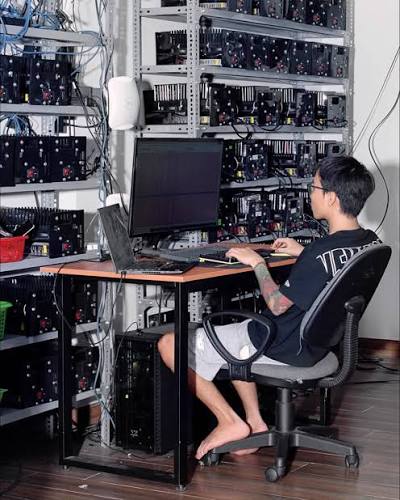
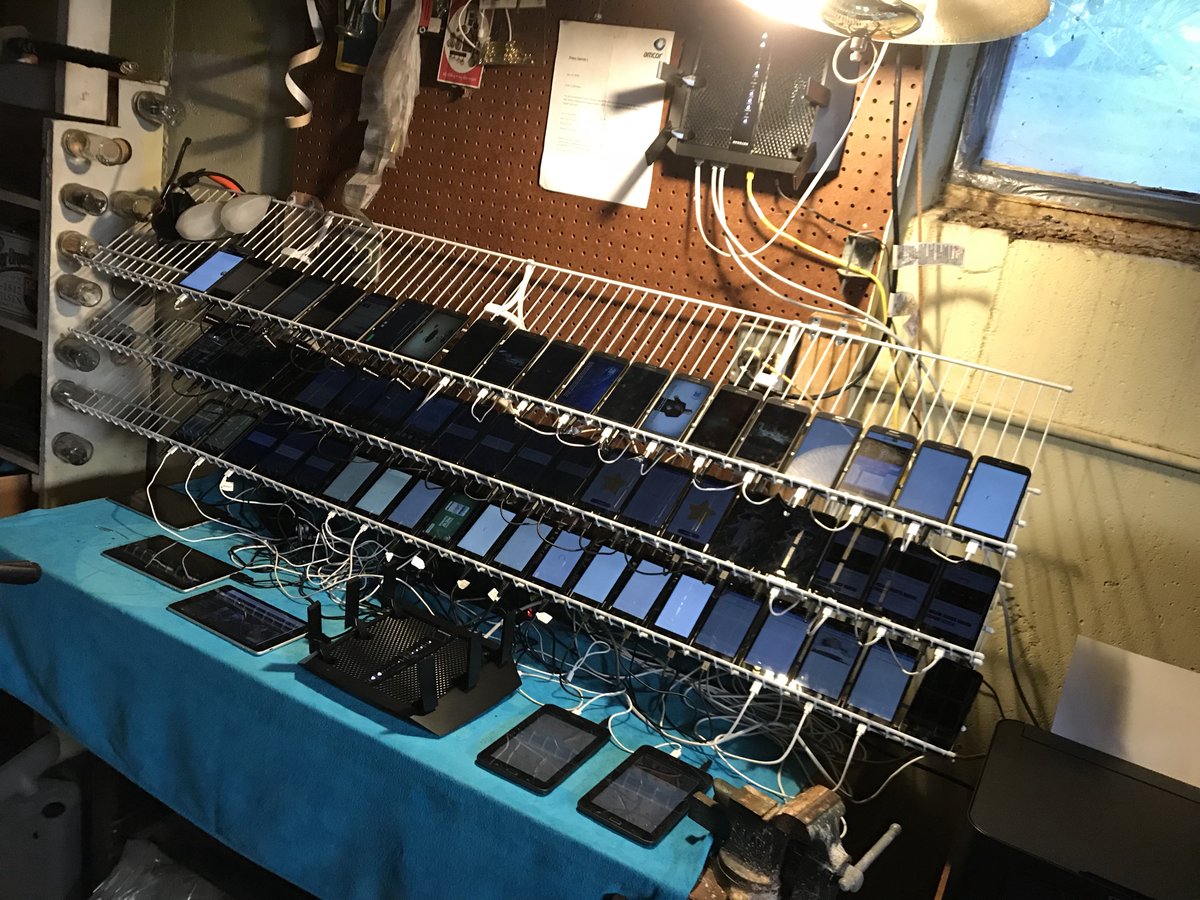
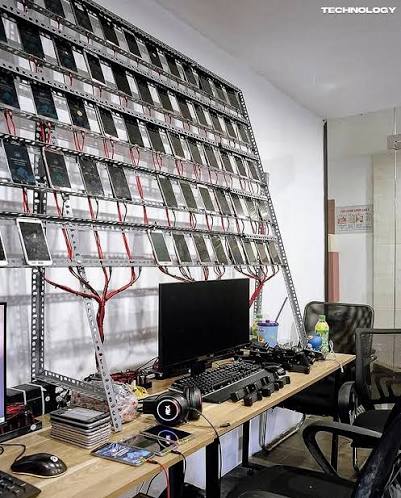

A robotic phone farm with rigs that continuously tap, swipe, and scroll through short videos. The system simulates human activity around the clock, generating artificial views, watch time, likes, and other engagement signals.
1
85

RT @jisuluver: Aside from its playlist reach of 97M & usage of California Spotify bot farms, HYBE’s 'ICONIC BY MISTAKE' is now utilizing ad…
209

29m
#threatreport #LowCompleteness
Under the Hood - LotusLite: Believe me I am MustangPanda | 09-06-2026
Source: blog.exatrack.com/UnderTheHo…
Key details below ↓
🧑💻Actors/Campaigns:
Red_delta
💀Threats:
Lotuslite,
🌐Geo: Singapore, China
🤖LLM extracted TTPs:`
T1036, T1071.001, T1547.001, T1573
🧨IOCs:
- Hash: 9
- Path: 1
- Registry: 2
- File: 5
- IP: 1
💽Software: Chrome
🔢Algorithms: sha256, zip
🗂️Win API: MessageBox
💻Platforms: x64
YARA: Found
#threatreport:
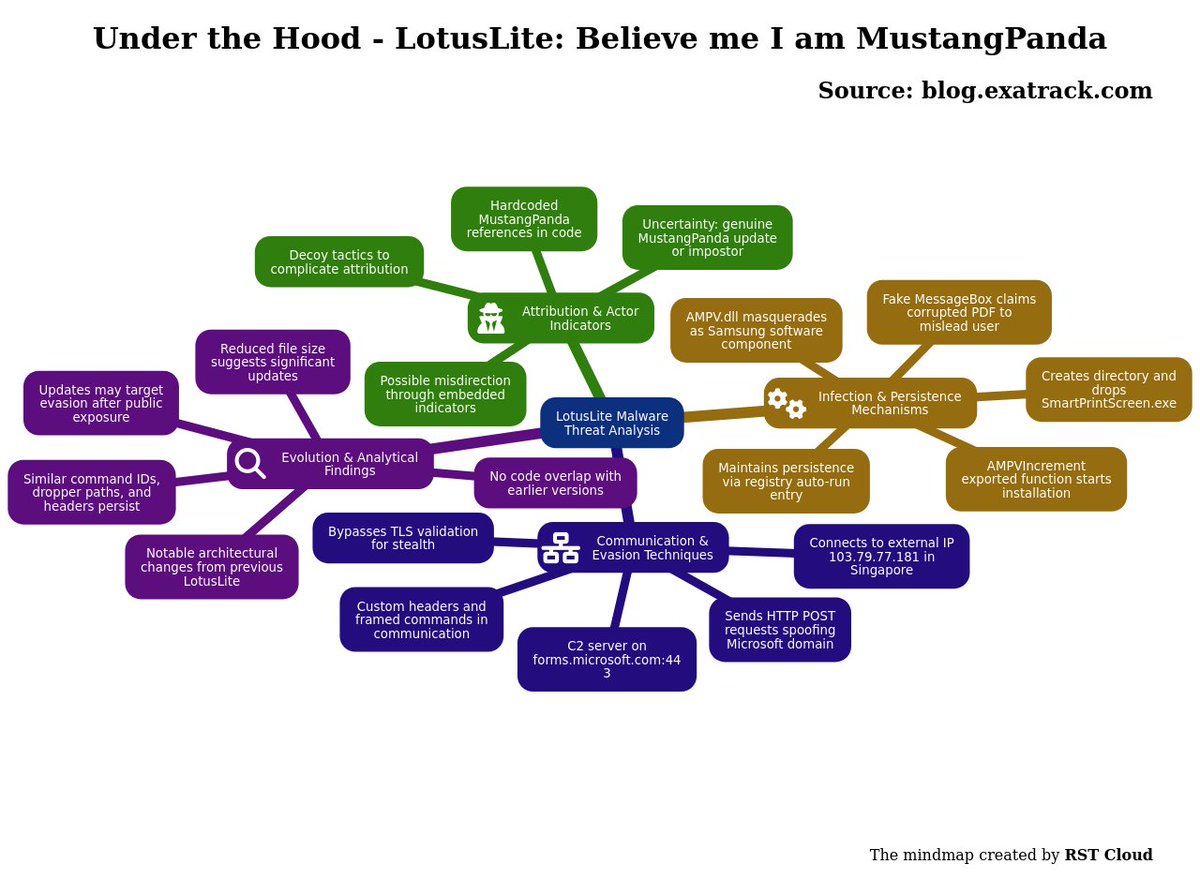
The analysis centers around a recent malware variant known as LotusLite, often associated with the threat actor MustangPanda. The malware features notable hardcoded strings referring to MustangPanda within its code, indicating a possible connection or an attempt at misdirection. It operates via a command and control (C2) server hosted at forms.microsoft.com, utilizing port 443. This setup deliberately circumvents TLS validation, presenting a unique method of evading detection.
The installation process of LotusLite is initiated by executing a specific exported function, AMPVIncrement. This function creates a directory designated for its functionality and drops a malicious executable, SmartPrintScreen.exe, mimicking the legitimate process of generating screen print files. The malware impersonates a file related to Samsung software through its DLL named AMPV.dll, and maintains persistence on the infected system by adding an entry in the registry for execution upon system startup. Additionally, a MessageBox is displayed to the user, misleadingly indicating a corrupted PDF file.
Upon establishing a connection to an external IP address (103.79.77.181, located in Singapore), the malware sends HTTP POST requests while spoofing a legitimate Microsoft domain. The request includes custom headers and appears to communicate with the C2 server using specific command framing that suggests an established protocol.
The analysis reveals substantial similarities between this variant of LotusLite and previous installations attributed to MustangPanda, highlighting consistent command identifiers, HTTP headers, and dropper directory paths. Despite these correlations, discrepancies exist; particularly, there was no code overlap between versions in recent analyses, suggesting significant modifications were made to the architecture of the malware. The size reduction observed from previous versions raises further questions about the nature of these updates.
Ultimately, the findings imply either potential internal modifications by the threat actor to evade detection following public scrutiny or the emergence of a different actor mimicking MustangPanda. This dual possibility complicates the attribution of the malware. The repeated references to MustangPanda within the malware may serve as a decoy or as an indication of the actor's intent to disassociate themselves from the previous version following its exposure.
1
10

RT @jisuluver: Aside from its playlist reach of 97M & usage of California Spotify bot farms, HYBE’s 'ICONIC BY MISTAKE' is now utilizing ad…
209

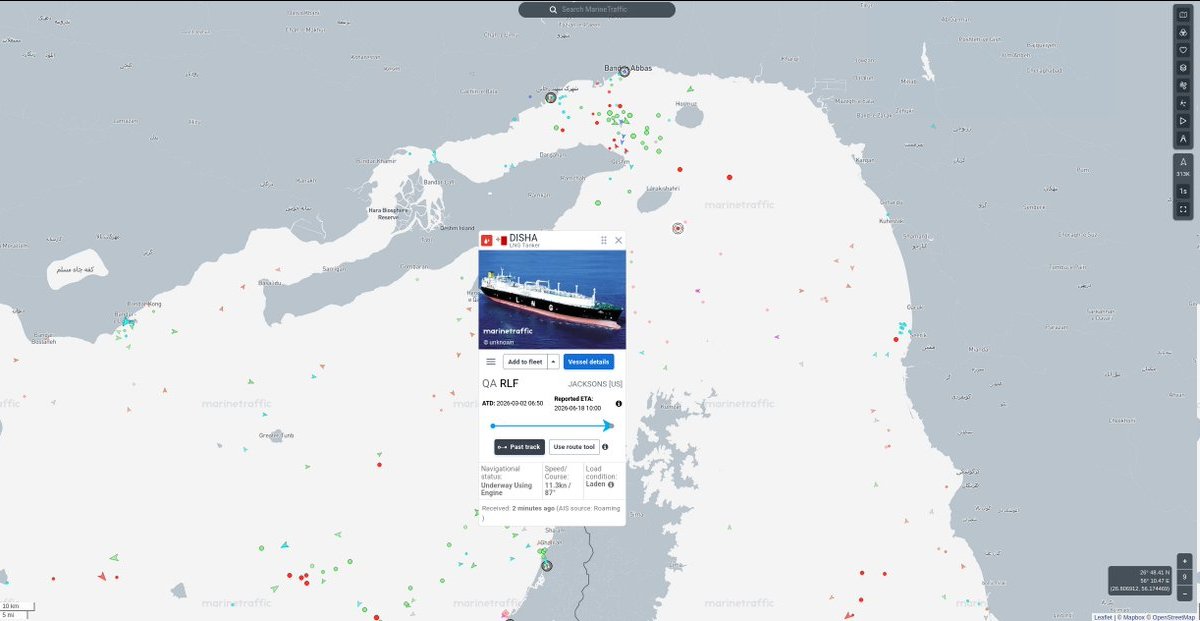
The first vessel to transit the Straight of Hormuz since the announcement of the peace deal between the United States and the Islamic Republic of Iran is the Maltese flagged liquefied natural gas (LNG) tanker 'Disha' utilizing the Iranian traffic separation scheme.
Sergeant News Network 🇺🇸
1
77