CaptCPU retweeted

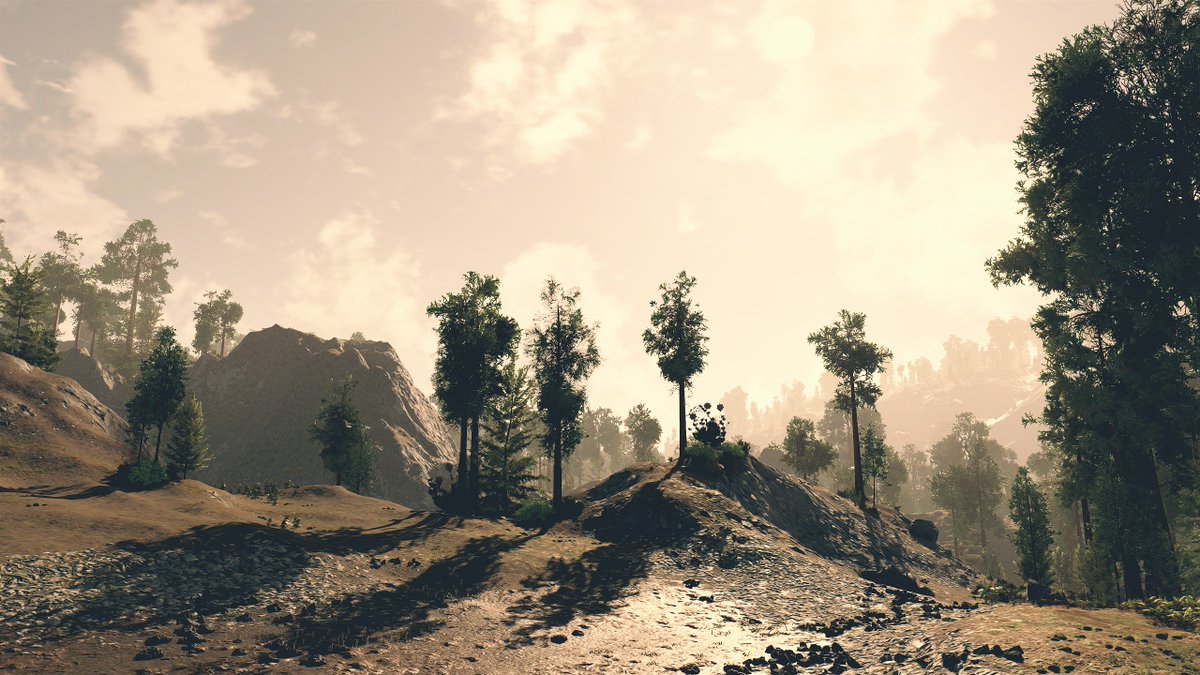
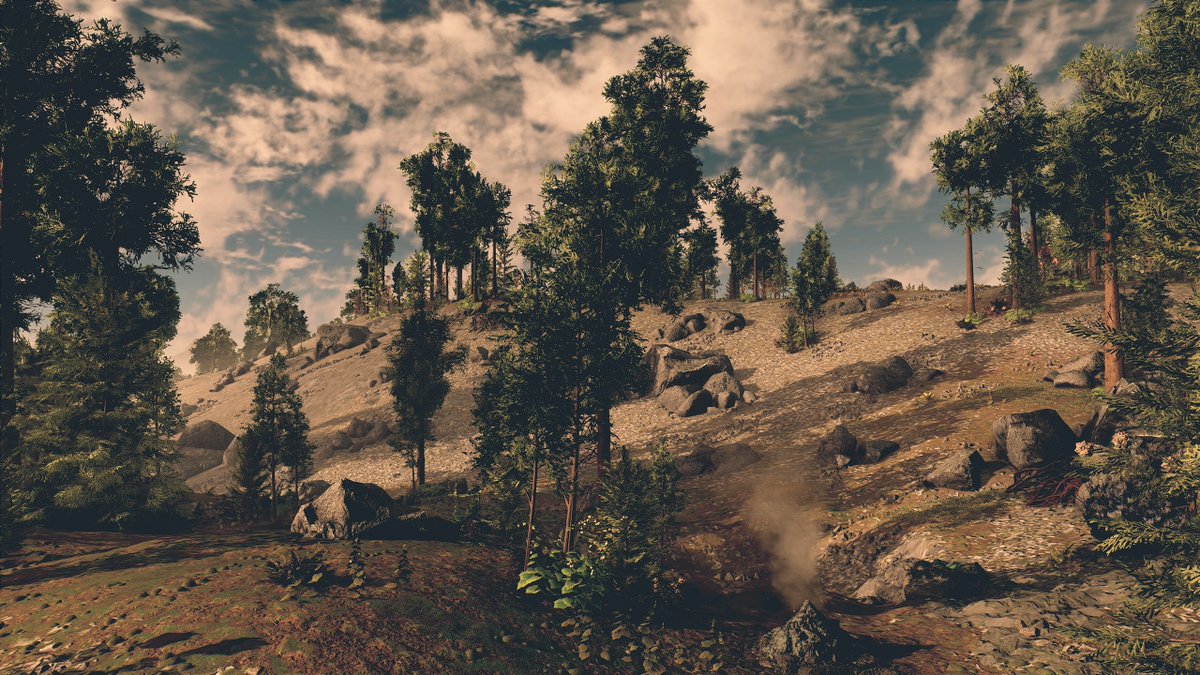
The clearest way into the Universe is through a forest wilderness.
- John Muir 🖊️
#Starfield #BethesdaSoftworks #VGPUnite #VGPNetwork #ArtisticofSociety #UVPCommunity #VPGamers #VPSAT

1
3
28
Sonny MOGUE-VECHE retweeted

Jun 14
🎮 007 First Light
#WIGVP #VirtualPhotography #ThePhotoMode #TheCapturedCollective #VPWorld #VPCONTEXT #VGPUnite #VGPWednesday

1
7
217
1,328

Jun 13
Don't care about budget? Build a 9950X3D and 5090 centered system in a HAVN HS420 Vgpu case..
1
71

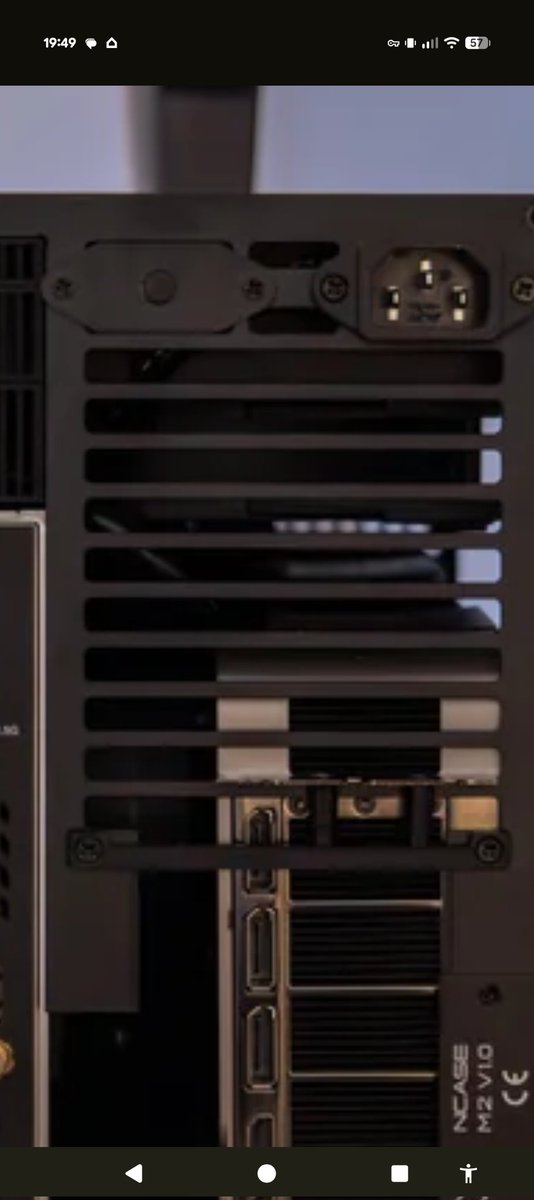
NCASEのvgpuビルド見てたら面白いなこれ
90mmファン載せるスペースのスリットにpcieスロットカバー引っ掛けて支えにしつつ、vgpu配置用のバーとはスペーサー噛ませて固定しとる
reddit.com/r/sffpc/comments/…
8
Amy Villanueva retweeted

15 Jun 2023
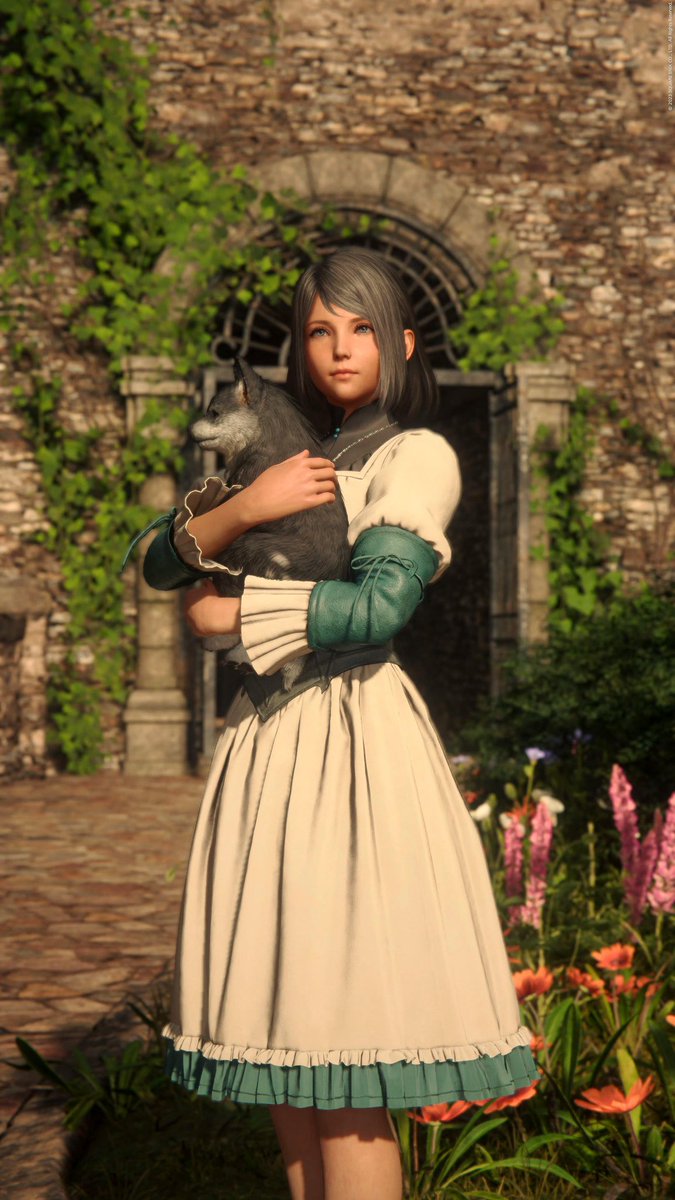
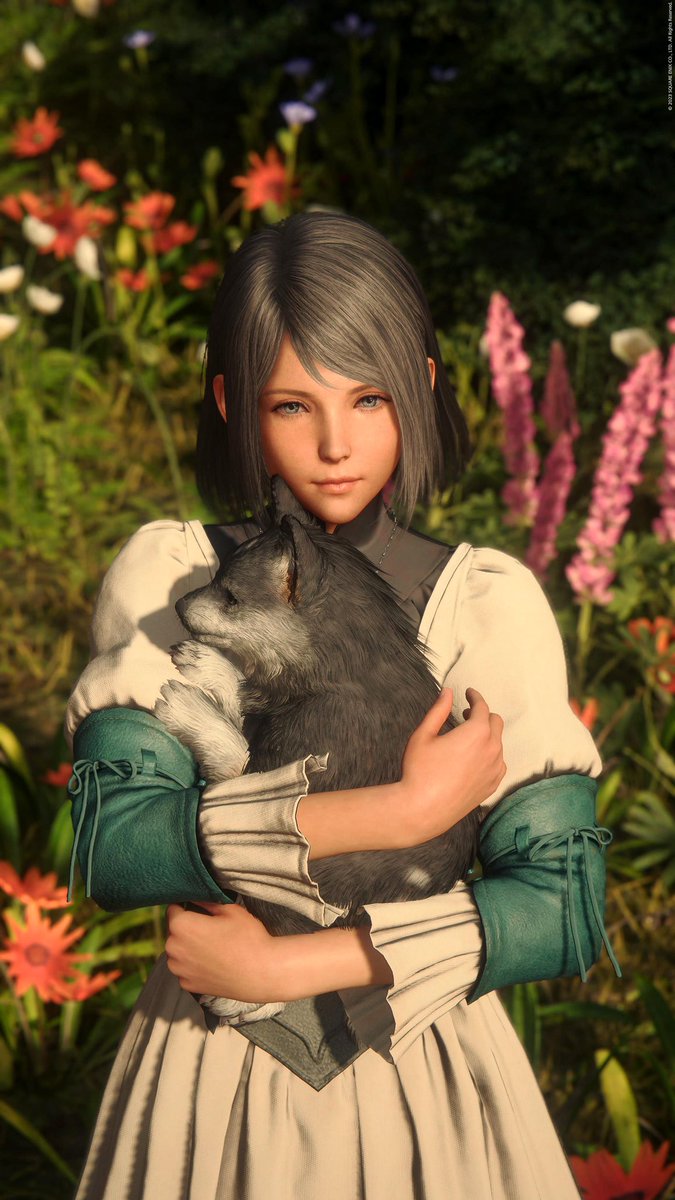
Jill and puppy Torgal!
🎮: #FinalFantasyXVI
⚙️: @SquareEnix
🕹: #PS5
#PSshare #PSBlog #PhotoMode #VirtualPhotography #VGPUnite #VGPNetwork #ZarnGaming #ArtisticofSociety #FinalFantasy


3
17
716

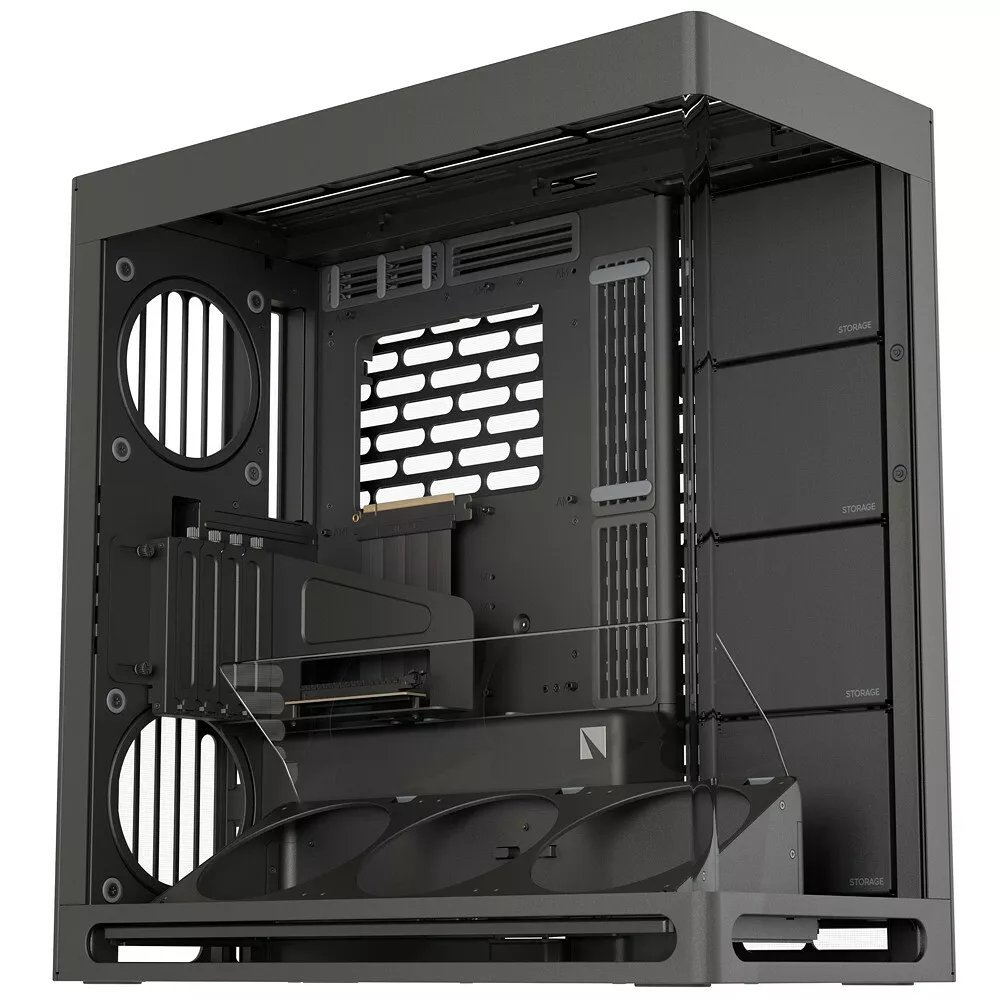
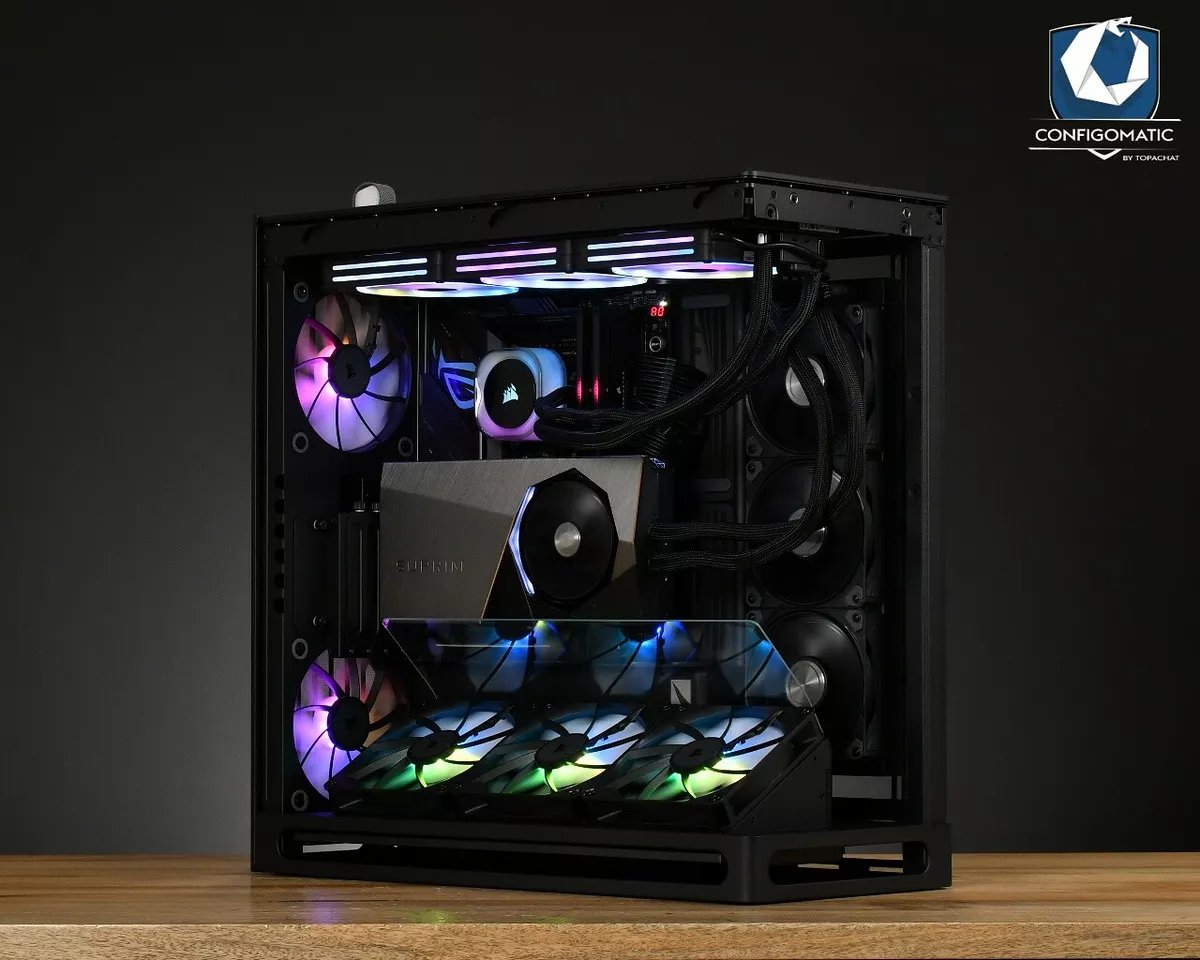
➡ HAVN HS420 VGPU
Le boitier imposant qui sublimera ta config !
🔥 - 10% !
topachat.com/pages/detail2_c…
➡ E-ATX / ATX / mATX / Mini-ITX
➡ USB 3.1 Type C
➡ Aquarium
1
12
8,085
VGPNetwork retweeted

Jun 12
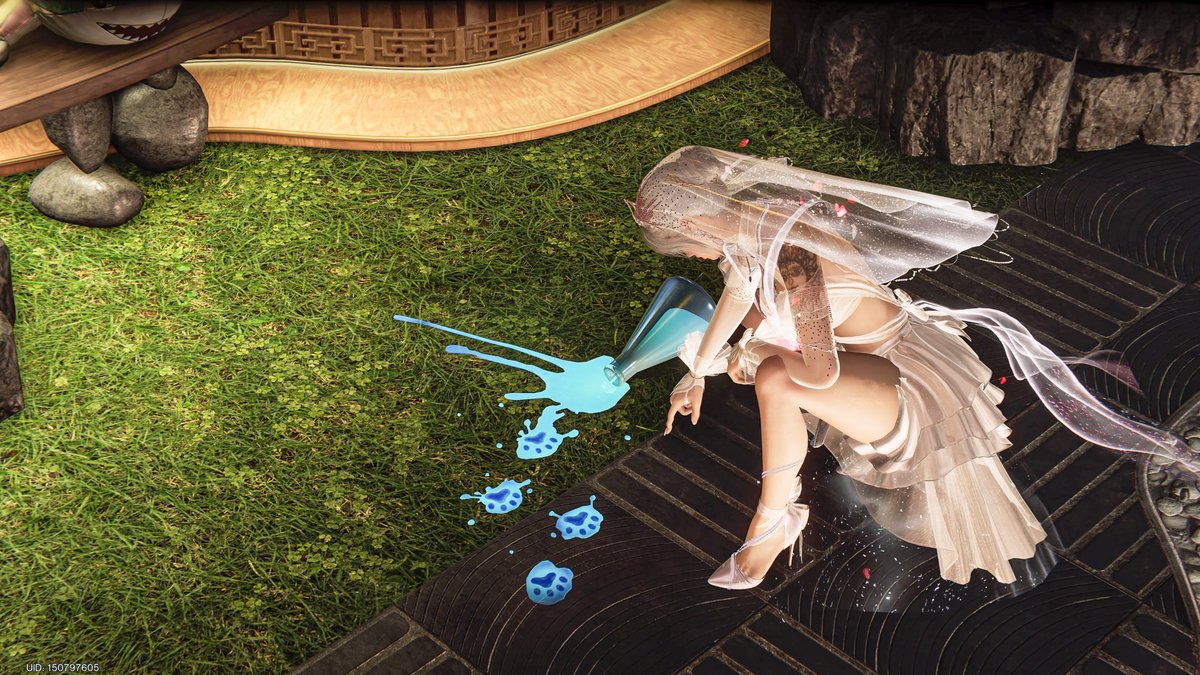
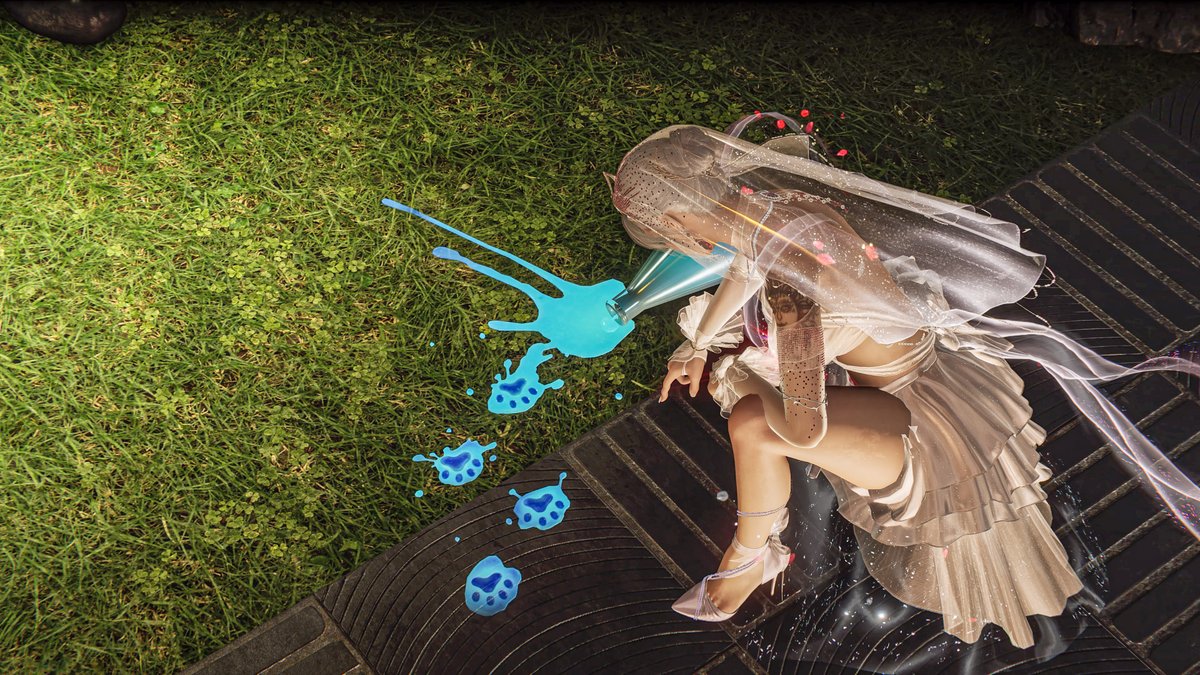
"Blue paw prints leading straight to trouble💙"
@OnceHuman_ @OnceHuman_JP
#OnceHuman #gaming #openworld #VPLab #VPWorld #VGPUnite #VPHiddenGems #VPSat #VPCONTEXT #VPGamers #VirtualPhotography #VPLab #UVPcommunity #OnceHumanMobile #ワンスヒューマン
1
47
238

VPLab 🧬 retweeted

Jun 11
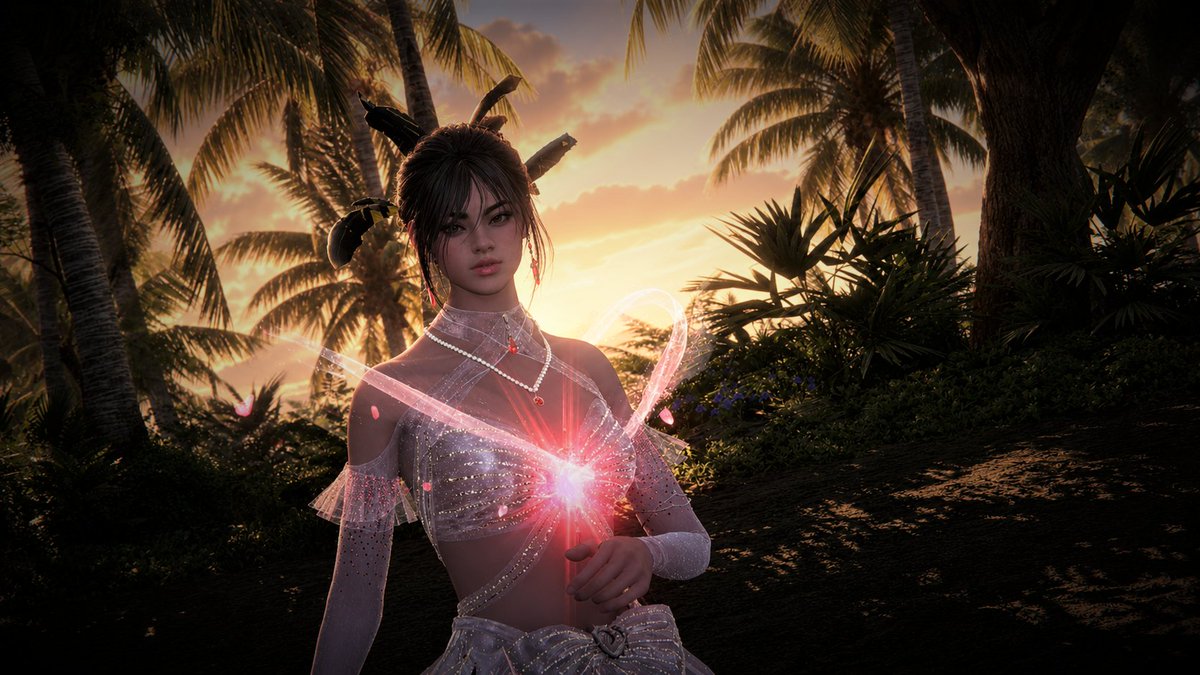
Lost in the jungle, carrying my own light.😍
@OnceHuman_ @OnceHuman_JP
#OnceHuman #gaming #openworld #VPLab #VPWorld #VGPUnite #VPHiddenGems #VPSat #VPCONTEXT #VPGamers #VirtualPhotography #VPLab #UVPcommunity #OnceHumanMobile #ワンスヒューマン
3
2
52
338
BIG EVIL retweeted

17 Apr 2025
LD Organics
@RockstarGames #GTAOnline #RockstarEditor #RockstarGames #GTAV #VirtualPhotography #Waveformgaming #VPRT #VGPUnite

26
109
3,409
自作PCクラフトネットショップ retweeted

Jun 10
🆕5/29発売の新製品✨️
曲面強化ガラスパネルを採用したピラーレスデザイン。グラフィックボードを集中冷却するデュアルチャンバー構造のミドルタワー型PCケース
HAVN HS 420 VGPUシリーズ
#自作PC #新製品 #HAVN
ask-corp.jp/products/havn/mi…
3
11
972

Jun 10
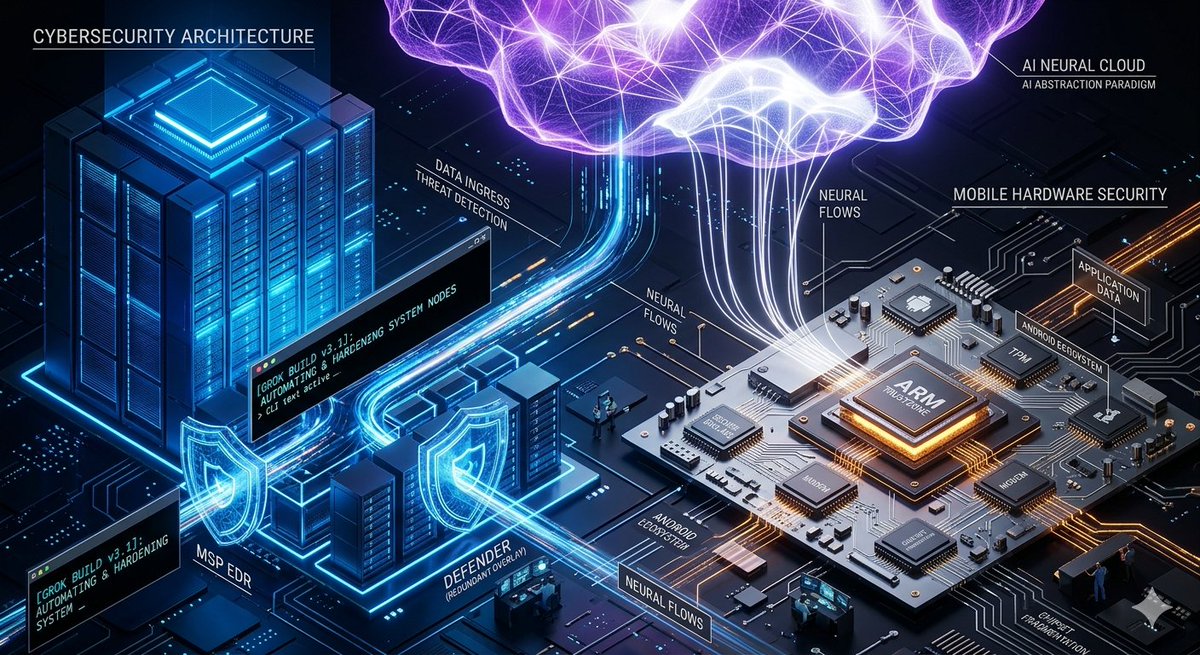
I tried reasoning about the attack surface area of an AI shell tool by taking Grok build as an example. What came out was very interesting, and this image is not as trivial as it seems.
If datacenters are using AI shells, there is already probably sufficient governance for keeping that within the bounds of policy. Essentially, if your datacenter has security measures up, and that AI tries to act maliciously, its attempt should be detected, especially in the pre-co-design phase we are in. This is the "flow-to-big-datacenter" we see on the left bottom side. It also applies to large enterprises and even cybersecurity companies who use AI shells, in my opinion. This is a AI shell deployment in a customized, well defined, and fully governed security architecture.
If you are doing it on a properly configured Windows runtime, with correct licensing, and correct hardware key rotation, you might also have a good security perimeter. This is the AI Neural Cloud to MS Defender flow we see, which doesn't intersect with the previous one. The implications here are that if you allow remote security policies configurations to act without defining your own domain, active directory, or security policy, it is within the scope and responsibility of that hybrid AI cloud to keep their customers secure. I am not sure that the legal side is clear enough though.
For #XDR, MDM (Mobile Device Management), it is still sometimes a mix between Intune MSPs and mostly public-cloud facing BYOD, and less so a fully integrated kind of situation, in my opinion.
What is the key here? AI Shells currently sit at the interface between various hardware enforced security providers. Numerous ARM producers have successfully integrated SEM (encrypted memory), SEV (encrypted virtualization), TEE (Trusted Execution Environments), Confidential Compute, and seven secure vGPU solutions (Virtual GPU Containers), through their own silicon chip designs. #Tesla is immensely well positioned at this intersection and perfectly understands this.
Hardware security is moving to platforms that already have native intelligence, through deep AI integration. Now, ARM TrustZones compete with vPRO and Hyper-V directly at the datacenter level. In consumer markets, this is the classical industrial lock-in and divide between #Google through Android and ARM and between #Intel or #AMD.
All of these hardware manufacturers have a great foothold in the AI enterprise.
That is what the image attached suggests, and it came out of Gemini's deep reasoning. Share your thoughts!
59
HAVN JP retweeted

Jun 7
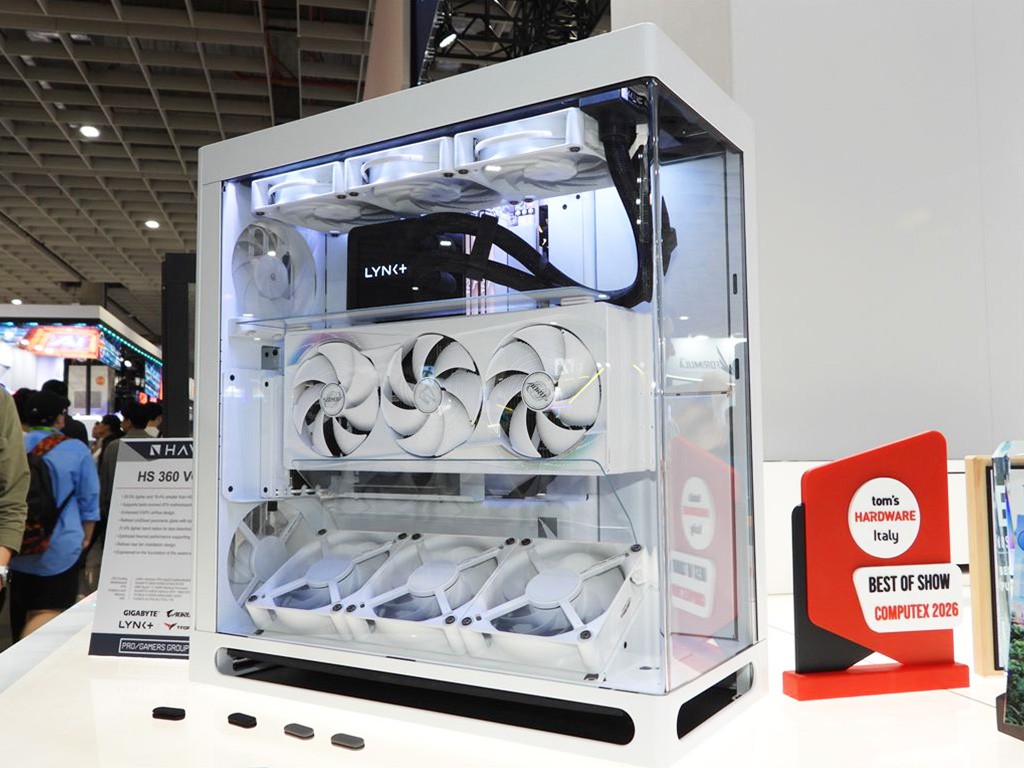
COMPUTEX 2026:GPUを魅せて冷やす。HAVNの新型ピラーレスPCケース「HS 360 VGPU」
#computex
➡️ガラス製整流板で冷却性能にも配慮した新しいピラーレスPCケース
gdm.or.jp/crew/2026/0607/638…
gdm.or.jp/computex2026/(記事一覧)
8
20
6,809