
The Global Structure Network Limited is redefining how consumers build capability, establishing the architecture through which their everyday decisions translate directly into long‑term economic value.
theglobalstructurenetwork.co…
#healthconsumers #retailhealth #selfcare #nutrition #homecare #InvestInPeople #digitalhealth #AIhealth #Healthcare #PatientPriority #ValueBasedCare #Innovation #HealthSystems #HealthcareTransformation #Spatialtranscriptomics #Education #MBARankings #CareerDevelopment #investmentbanking #finance
#Hospitality #Travel #financialeducation #financialknowhow
#foodtrends #discovernewfood #NOFF24 #public #health #resilience #EU4Health #CGFSummit #MensHealthWeek #WorldFoodSafetyDay #EUFoodSafety #PTSDAwarenessMonth @BBSRC #healthfinancing #NationalMinorityHealthMonth
2

CMS is tightening oversight of accrediting organizations, signaling a major shift in how healthcare quality and compliance may be evaluated in the future.
The message is clear: accreditation alone may no longer be enough. Continuous readiness, measurable outcomes, and demonstrable patient safety will matter more than ever.
For healthcare leaders, this raises an important question:
Are we building systems that are truly safe and high performing, or systems that are simply survey ready?
From a digestive health perspective, I see implications for endoscope reprocessing, sedation safety, credentialing, adverse event monitoring, and quality dashboards that move beyond regulatory compliance toward real performance improvement.
The best quality programs should not become visible only when surveyors arrive. They should be visible every day.
What is your reaction to @CMSGov increasing oversight of accrediting bodies?
✅ A necessary step to improve accountability
✅ An additional administrative burden
✅ Both
@AmCollegeGastro @ASGEendoscopy @CostasHKefalas
@umfoodoc @IBD_Afzali @peyoungmd @AmerMedicalAssn
@ohaconnect
#HealthcareLeadership #QualityImprovement #PatientSafety #HealthcareQuality #ValueBasedCare #MedicalLeadership #Gastroenterology #HealthcareAdministration
cms.gov/newsroom/press-relea…
3
189

In 2011, a small Bay Area nonprofit served about 500 people with developmental disabilities. Fifteen years later, it's Catalight, one of the largest nonprofit behavioral health networks in the country, supporting more than 24,000 families a year across a roughly 16,000-practitioner network. Susan Armiger led that transformation, on a contrarian bet about how the field measures success.
Most of autism care is still paid and organized around volume, the number of ABA hours delivered. Armiger built Catalight around the opposite premise: value-based care, where a provider is rewarded for outcomes and wellbeing rather than billable hours. The model is still rare in behavioral health, and Catalight is among the few organizations operating under a value-based contract.
She has pushed that logic into the clinical core. In 2024, Catalight released practice guidelines challenging the "dosage effect," the long-held assumption that more hours of ABA necessarily produce better outcomes, and elevated parent-mediated intervention, where caregivers are trained to deliver strategies themselves. The review committee deliberately included autistic self-advocates and parents, not only clinicians.
The access numbers are what she points to. Against autism-evaluation waits that run a year or more in much of the country, Catalight says it delivers a diagnostic assessment and a path to treatment within 10 days of referral in 93% of cases, partly by training its own postdoctoral evaluators rather than competing for the existing pool.
Her latest move reaches past Catalight's own network. In May, the organization helped launch the National Society of Autism Professionals, led by psychologist Robin McLeod, PhD, LP, a cross-disciplinary association meant to unify a fragmented field around shared standards and outcome measures, the scaffolding a value-based model needs and no single provider can build alone. Whether the rest of the industry follows is the open question. Armiger has spent 15 years betting it will.
breakingnewsaba.com/industry…
#ABA #BCBA #BreakingNewsABA #ValueBasedCare #AutismCare #BehavioralHealth
49
The Global Structure Network Limited is redefining how consumers build capability, establishing the architecture through which their everyday decisions translate directly into long‑term economic value.
theglobalstructurenetwork.co…
#BrainHealth #ResearchInnovation #InternationalSelfCareDay #research #PositiveResearchCulture #lab #seaweed #mushroomcoffee #exoticdriedfruit #ceremonialcacao #sustainablefoodswap #ScalingUp2PhaseDown #ReThinkingEnergy #healthyeating #financialwellness #healthconsumers #retailhealth #selfcare #nutrition #homecare #InvestInPeople #digitalhealth #AIhealth #Healthcare #PatientPriority #ValueBasedCare #Innovation #HealthSystems #HealthcareTransformation #Spatialtranscriptomics #Education #MBARankings #CareerDevelopment #investmentbanking #finance
#Hospitality #Travel #financialeducation
3

Jun 12
Our mission to transform specialty care just got a major boost. Welcome to our incredible May new hires! 🚀
From data science to frontline care, we're building the future of health tech.
Come grow with us: buff.ly/LSW1Tu1
#HealthTech #DataScience #ValueBasedCare

16

At @incuvio, we help MSOs and healthcare organizations move from fragmented reporting to operational action.
#Incuvio #MSO #ValueBasedCare #HealthcareData #HealthcareAnalytics #RiskAdjustment
1
32
David Schull retweeted

Jun 10
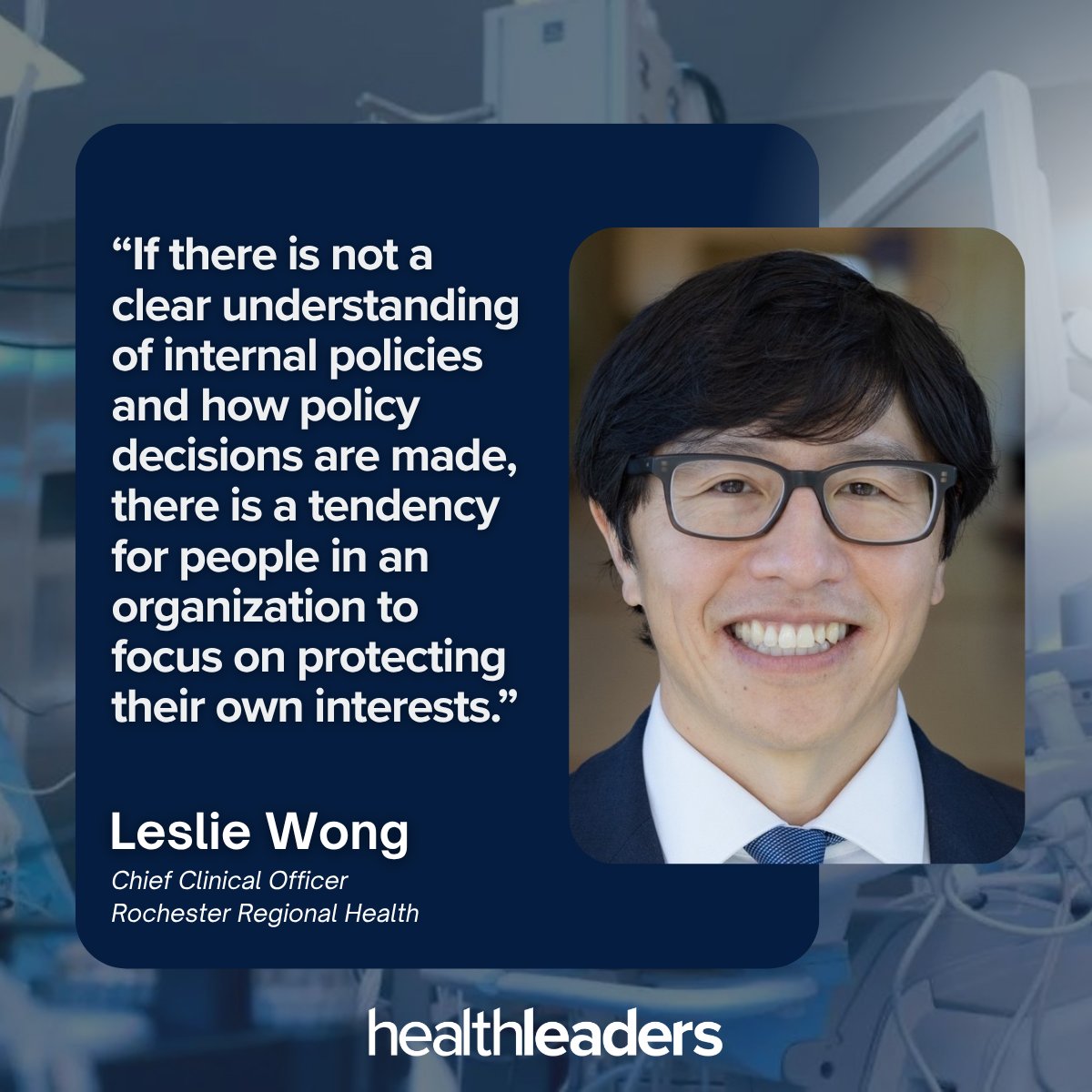
Harnessing #data and providing data that is credible for #clinicians is critical in delivering #ValueBasedCare, according to Leslie Wong, the new chief clinical officer of Rochester Regional Health: healthleadersmedia.com/cmo/e…
1
1
2
140

Jun 11
The shift to value-based care is real, but billing for it is a whole different skill set.
#ValueBasedCare #MedicalBilling #RevenueСycleManagement #RCM #HealthcareReform #MedCurers #HealthcareBilling #PracticeManagement #BillingAndCoding #HealthcareFinance
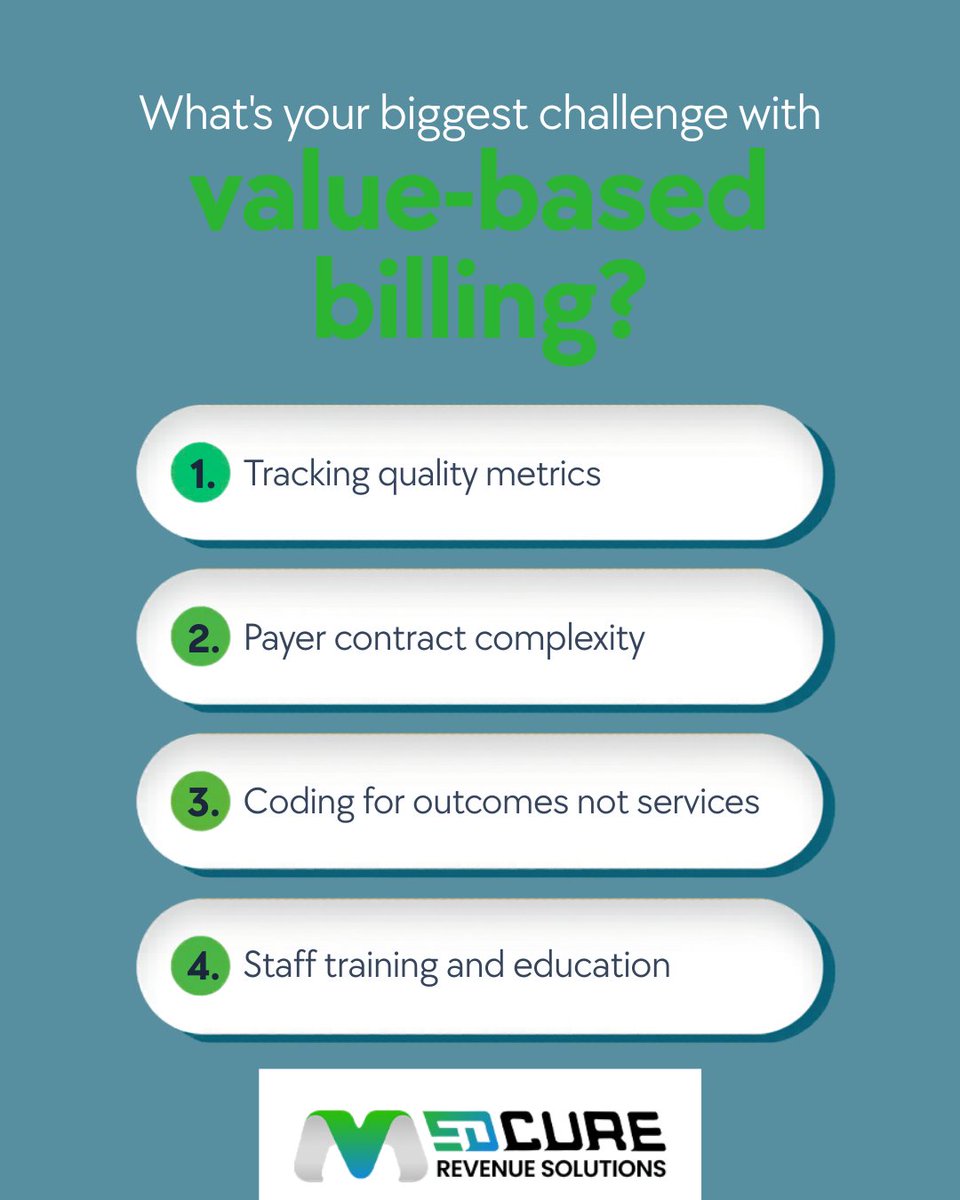
ALT The shift to value-based care is real, but billing for it is a whole different skill set. We want to hear from you 👇 What's your biggest challenge with value-based billing? 🔵 Tracking quality metrics 🟡 Payer contract complexity 🟢 Coding for outcomes, not services ⚪ Staff training & education Drop your answer in the comments, we'll share a full breakdown of results solutions next week. #ValueBasedCare #MedicalBilling #RevenueСycleManagement #RCM #HealthcareReform #MedCurers #HealthcareBilling #PracticeManagement #BillingAndCoding #HealthcareFinance
8

Jun 11
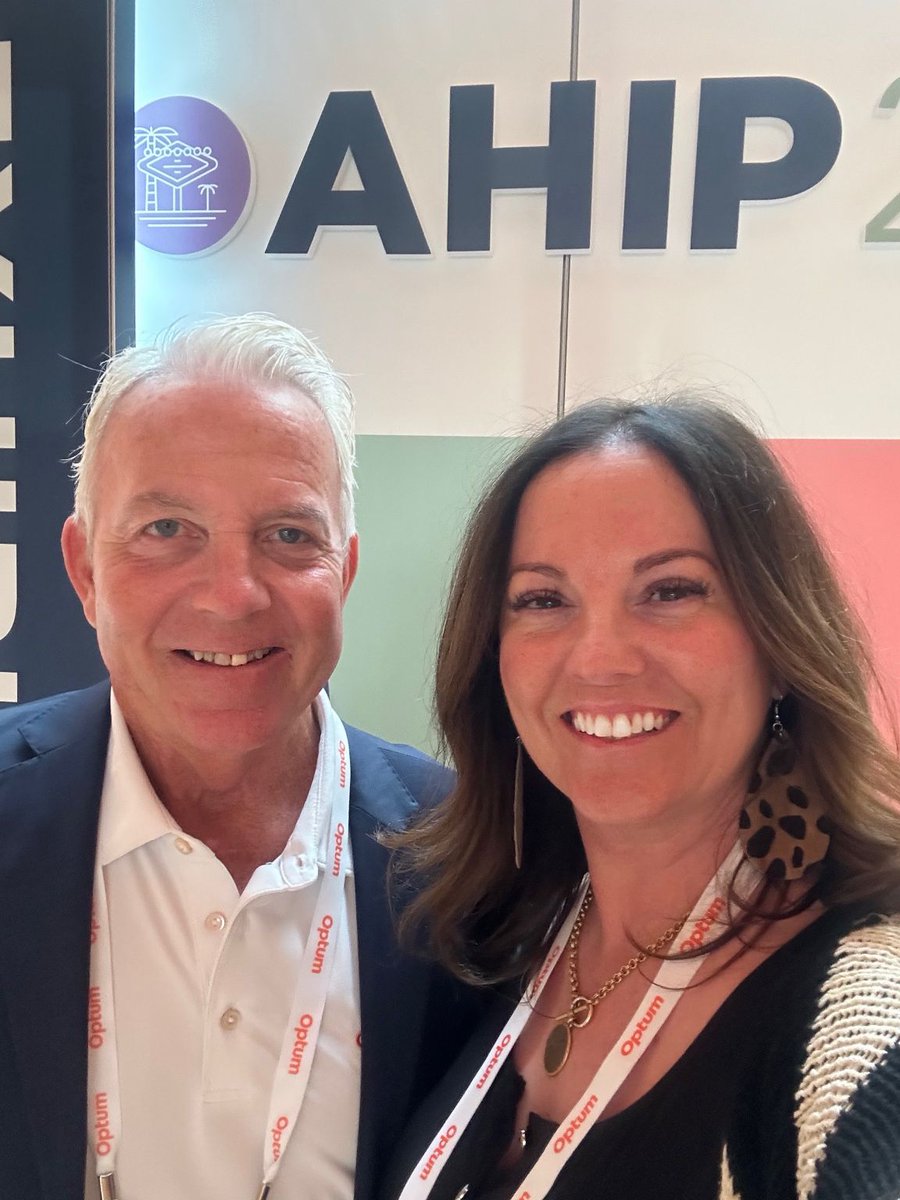
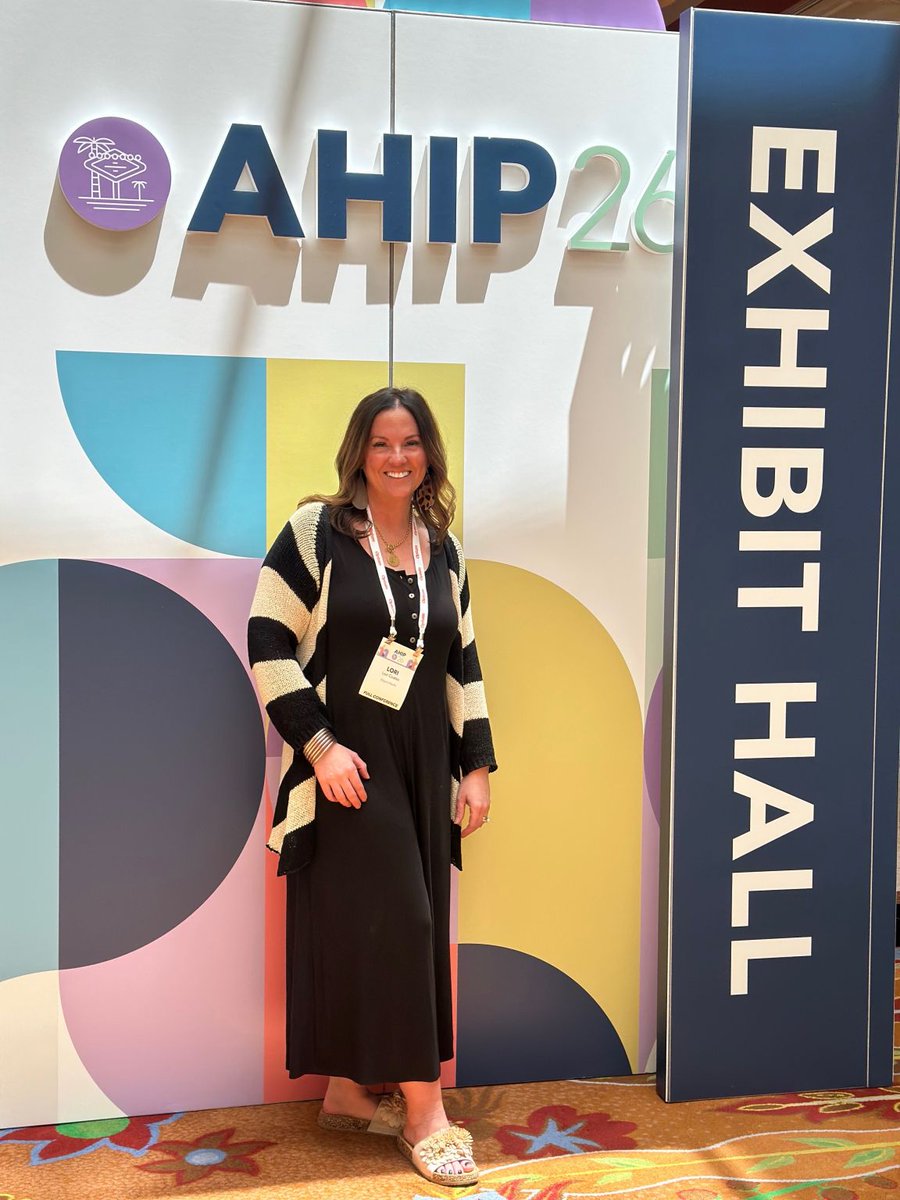
2026 recap of @AHIPCoverage !
It was a great week connecting with clients, partners, health plans, and healthcare leaders from across the industry.
From AI and interoperability to member engagement, population health, and value-based care, one theme was clear: organizations are focused on finding smarter ways to connect data, workflows, and people to improve outcomes and drive operational efficiency.
Thank you to everyone who took the time to meet with our team. We enjoyed the conversations, insights, and opportunities to collaborate — and look forward to continuing them in the months ahead.
#AHIP2026 #HealthcareInnovation #HealthTech #CareManagement #Interoperability #ValueBasedCare
8

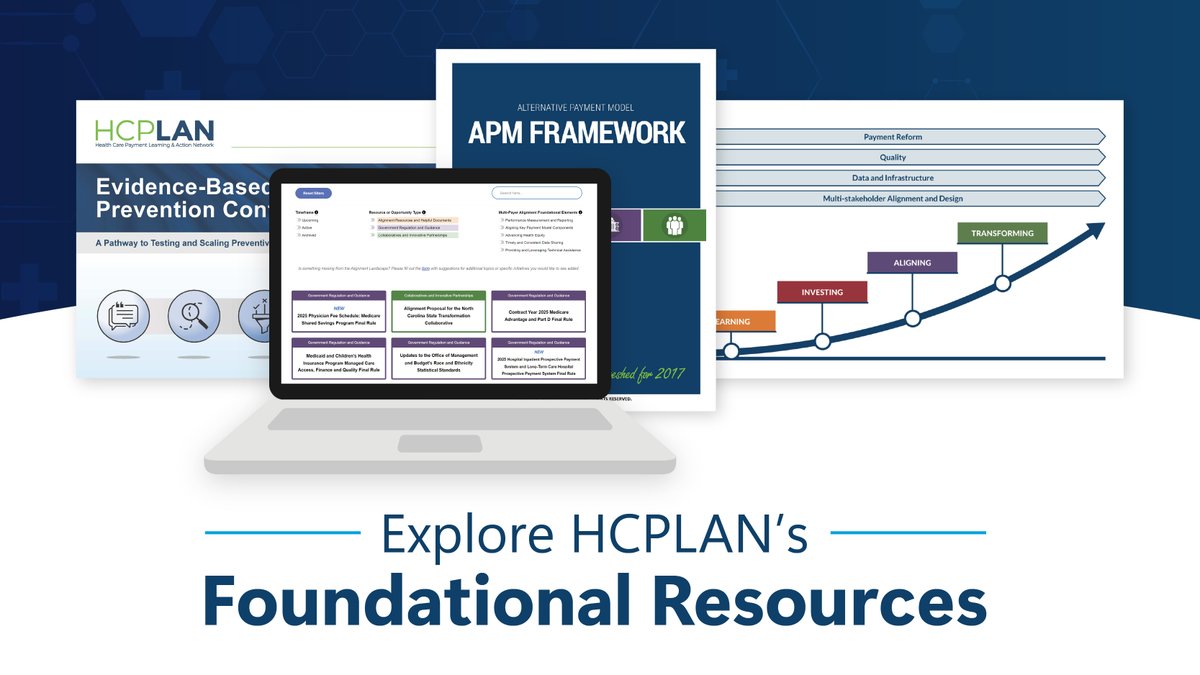
Looking for resources, tools, and insights related to #ValueBasedCare? The HCPLAN resource library brings together publications, frameworks, and tools to support learning and progress across the health care system. Explore the HCPLAN resource library: bit.ly/4nqmTMh
17

“I can’t get no satisfaction” after treatment success?
This #JHS qualitative study explores why some #hand and #wrist pts remain dissatisfied despite achieving outcomes they believed would satisfy them.
jhandsurg.org/article/S0363-…
#HandSurgery #PatientCenteredCare #ValueBasedCare
2
160
Jun 10
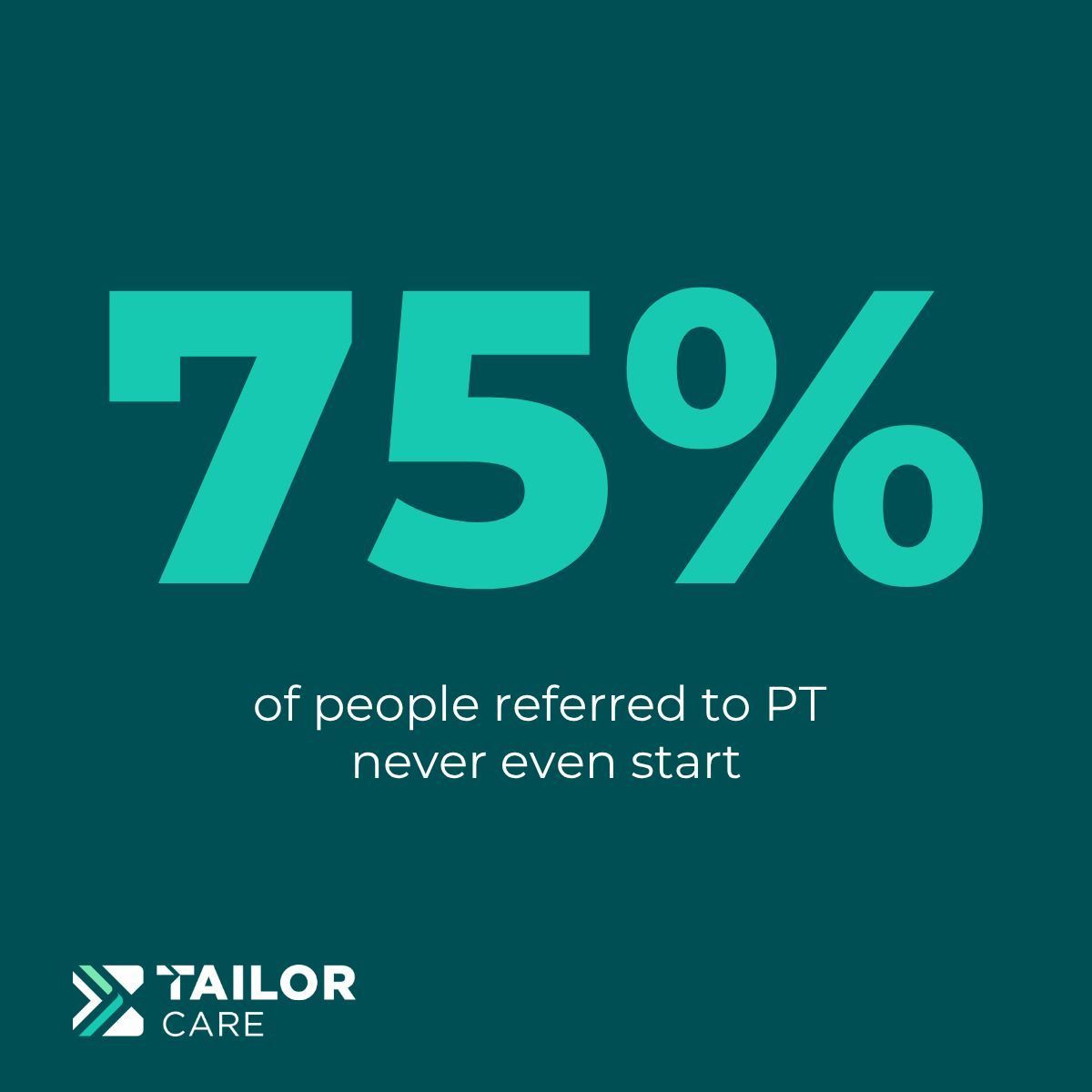
The biggest cost in MSK care? Unnecessary surgeries—driven by a massive care gap.
According to Dr. Chad Cook on FutureProofPT:
🛑 75% never start PT
📉 30% drop out after visit 1
How to fix it: buff.ly/SNTpvAs
#ValueBasedCare #MSK #HealthcareSpend #PhysicalTherapy
4
The Global Structure Network Limited opens a new chapter in the economic architecture of consumer capability
theglobalstructurenetwork.co…
#withpatientsinmind #socialprotection #SDGs #retailhealth #CEOs
#impactinvesting #responsibleinvesting #sustainableinvestment #investmentweek #HaveAPlan #money #cleanenergy #senior #pophealth #ClimateAndDevelopment #Criticalminerals #demand #data #investment #tech #everydaycare #internationalselfcareday #GlobalTrade #culture #purpose #service #ActNow #valuebasedcare #SDoH #economicrecovery #GlobalGoals #spiritofinnovation #economy #markets #fx #econtwitter #economy #wages #employment #inflation #SustainableInclusiveGrowth
#FoodTransformation #HealthcareJourney #FoodisHealth #FoodisMedicine #WorldHeartDay
#HumanCapitalProject,
#healthsystem
2
The Global Structure Network Limited opens a new chapter in the economic architecture of consumer capability
theglobalstructurenetwork.co…
#PositiveResearchCulture #lab #seaweed #mushroomcoffee #exoticdriedfruit #ceremonialcacao #sustainablefoodswap #ScalingUp2PhaseDown #ReThinkingEnergy #healthyeating #financialwellness #healthconsumers #retailhealth #selfcare #nutrition #homecare #InvestInPeople #digitalhealth #AIhealth #Healthcare #PatientPriority #ValueBasedCare #Innovation #HealthSystems #HealthcareTransformation #Spatialtranscriptomics #Education #MBARankings #CareerDevelopment #investmentbanking #finance
#Hospitality #Travel #financialeducation #financialknowhow
#foodtrends #discovernewfood #NOFF24 #public #health #resilience #EU4Health #CGFSummit #MensHealthWeek #WorldFoodSafetyDay #EUFoodSafety #PTSDAwarenessMonth @BBSRC
8

Jun 10
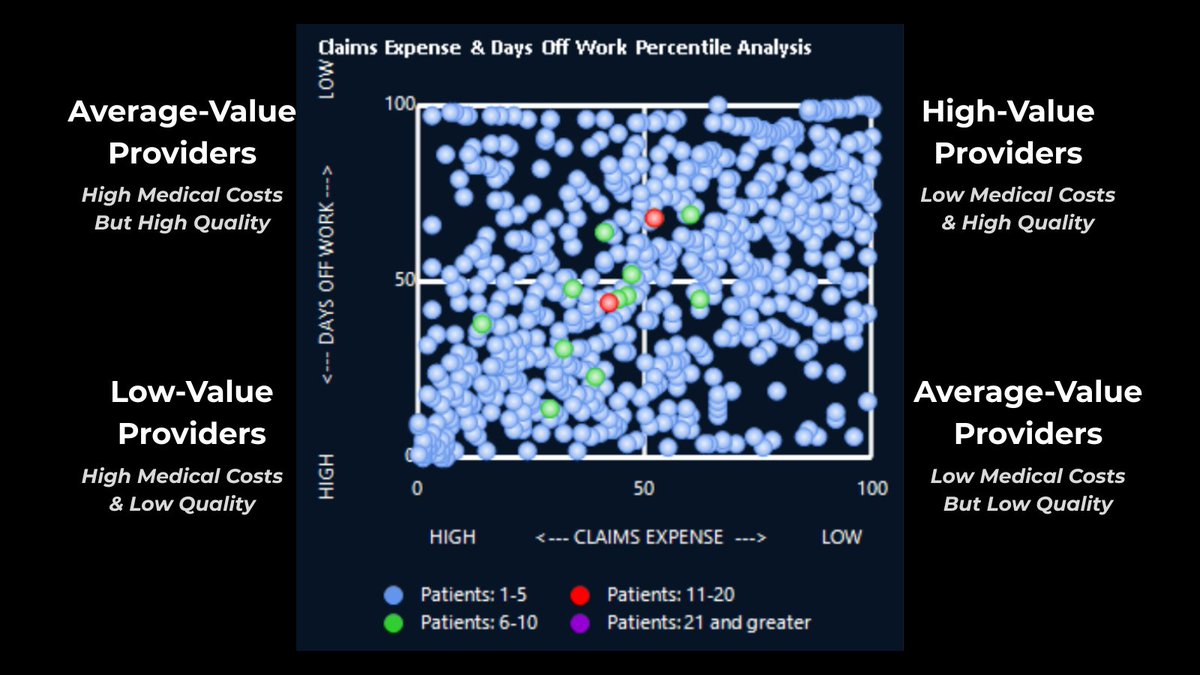
Health insurers make enormous network and reimbursement decisions every year.
Almost none of those decisions are anchored to whether care actually worked.
🩺Two physicians on the same fee schedule, both with good quality scores and following the same clinical guidelines ‒ can produce materially different patient outcomes.
Conventional metrics cannot tell them apart.
Which means insurers may be rewarding low-value care ‒ and steering members toward it.
That is not a small inefficiency.
💲20-30% of all healthcare spending goes to care that does not produce better outcomes.
#HealthInsurance #NetworkStrategy #ValueBasedCare #HealthTech #OutcomesMeasurement #ProviderQuality
4
Jun 10
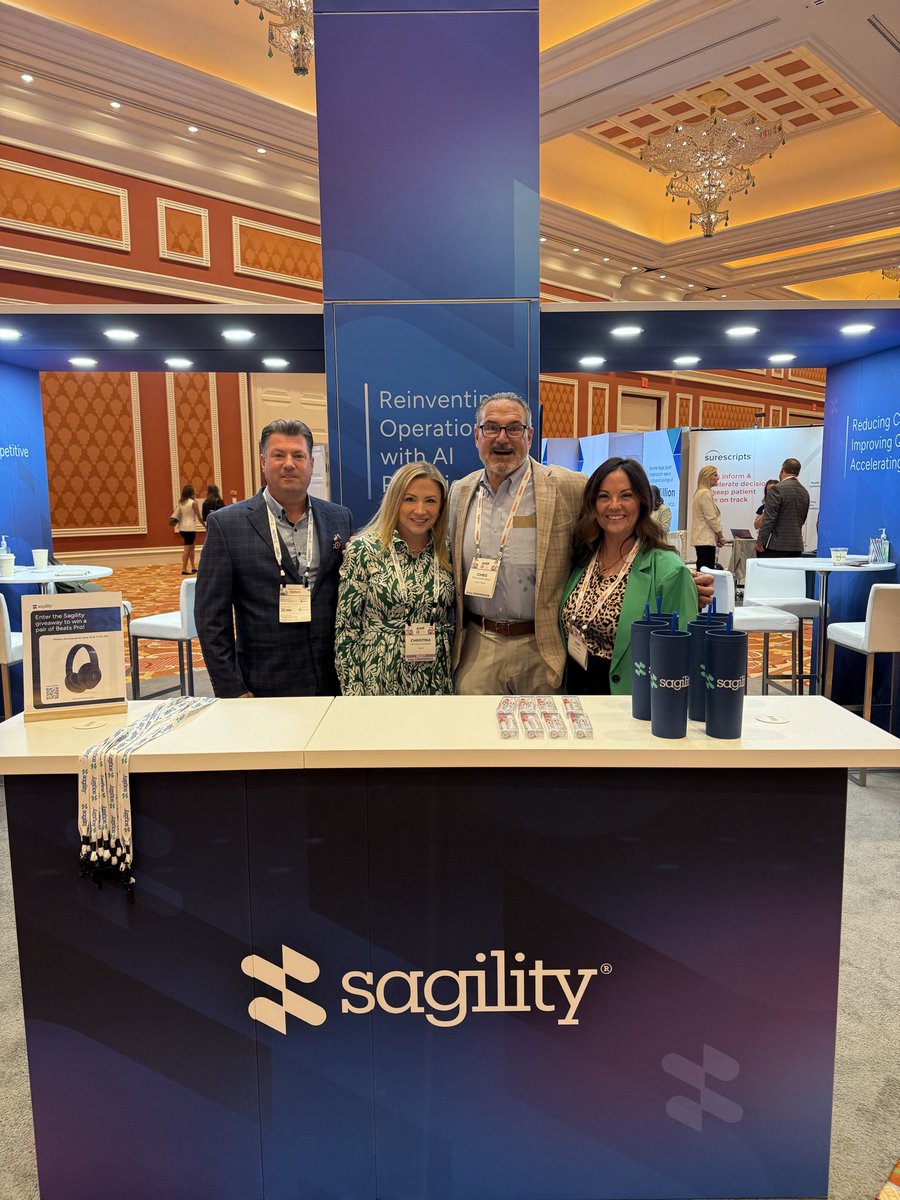
@AHIPCoverage 2026 Day 1 ✔️
It was a great day connecting with health plan leaders, industry peers, and partners to discuss the future of care management, interoperability, AI, and operational transformation.
We're especially grateful for the opportunity to spend time with our partners at @SagilityHealth, @MRIoA_LLC, INTERLINK COE Networks & Programs, and @ItilitiH. Strong partnerships play an important role in helping organizations create more connected, efficient healthcare experiences.
Looking forward to more great conversations and connections throughout the week.
There's still time to meet with us while we’re in Vegas: lnkd.in/eyy6AciB
#AHIP2026 #HealthTech #CareManagement #Interoperability #HealthcareInnovation #ValueBasedCare
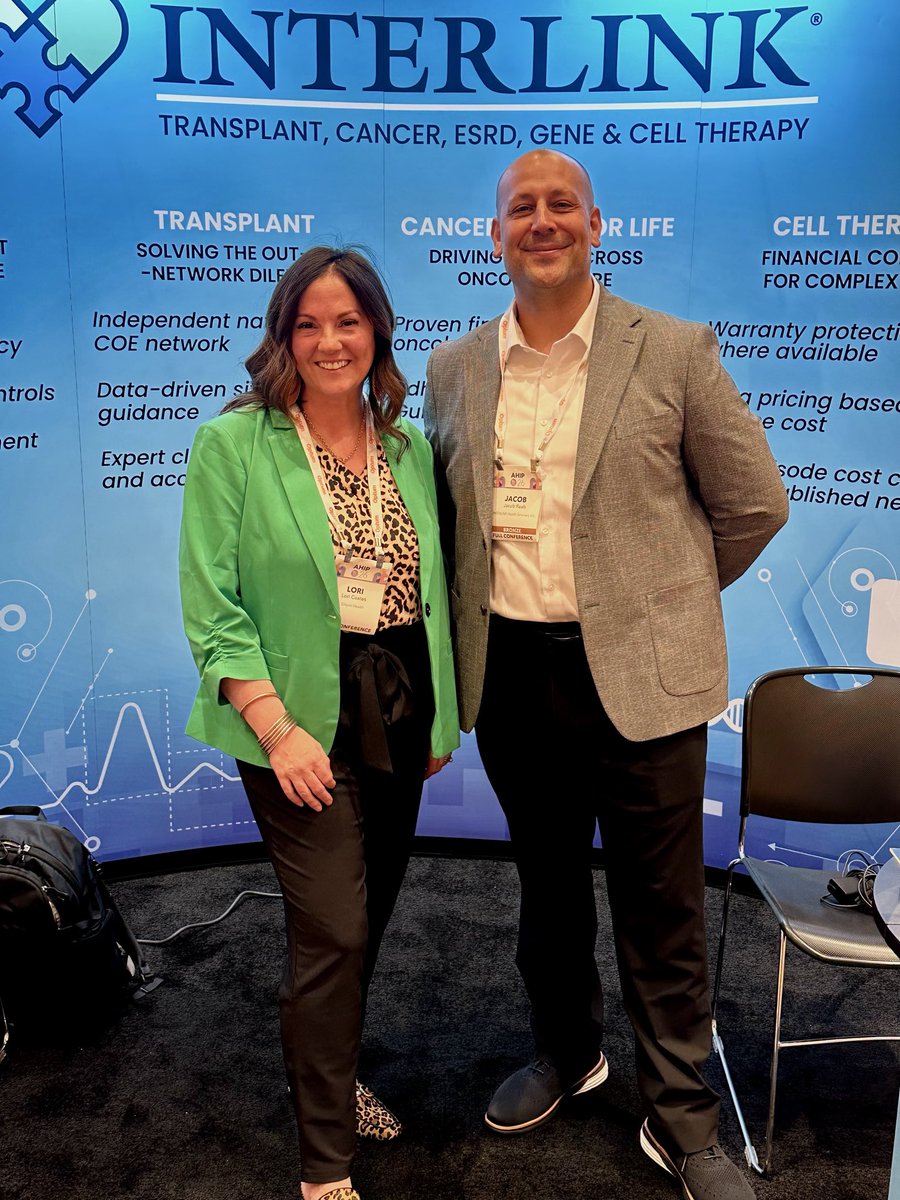
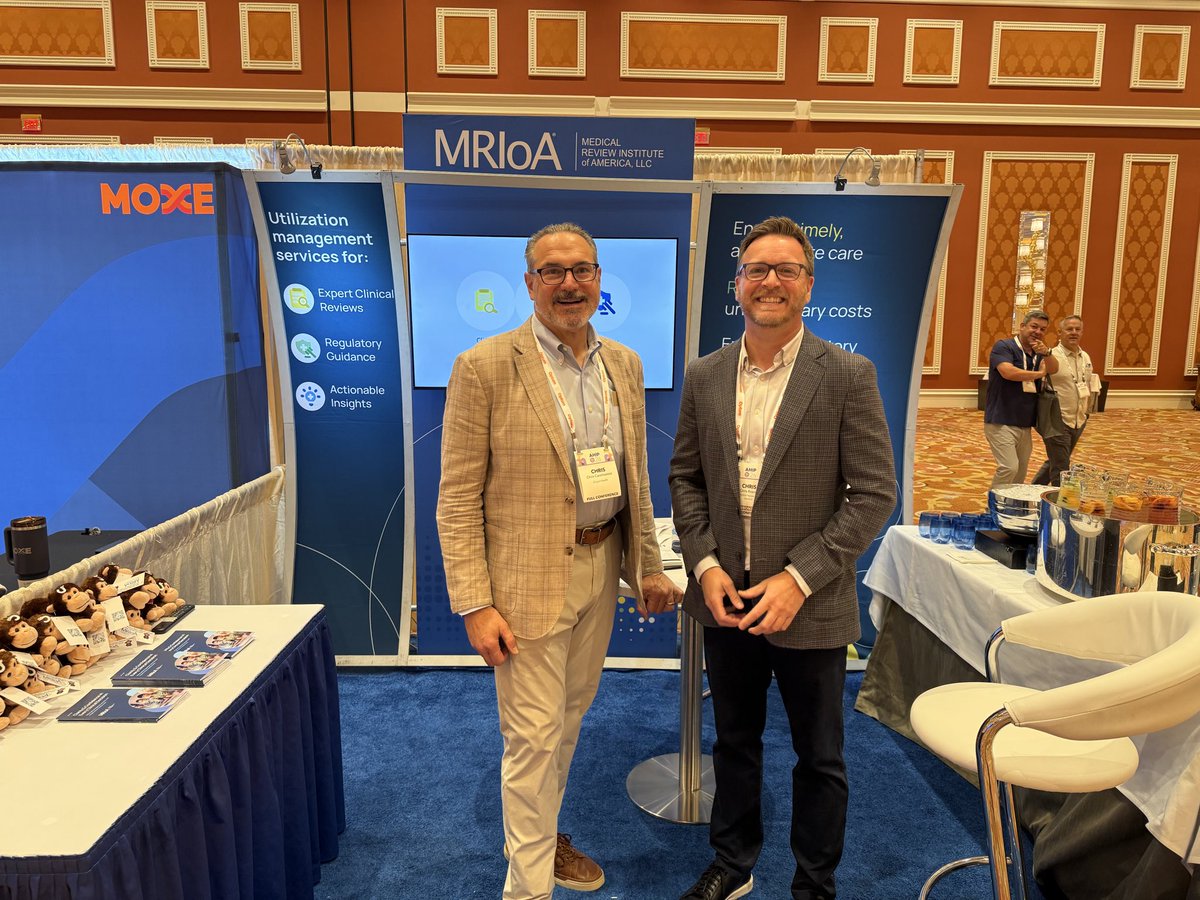
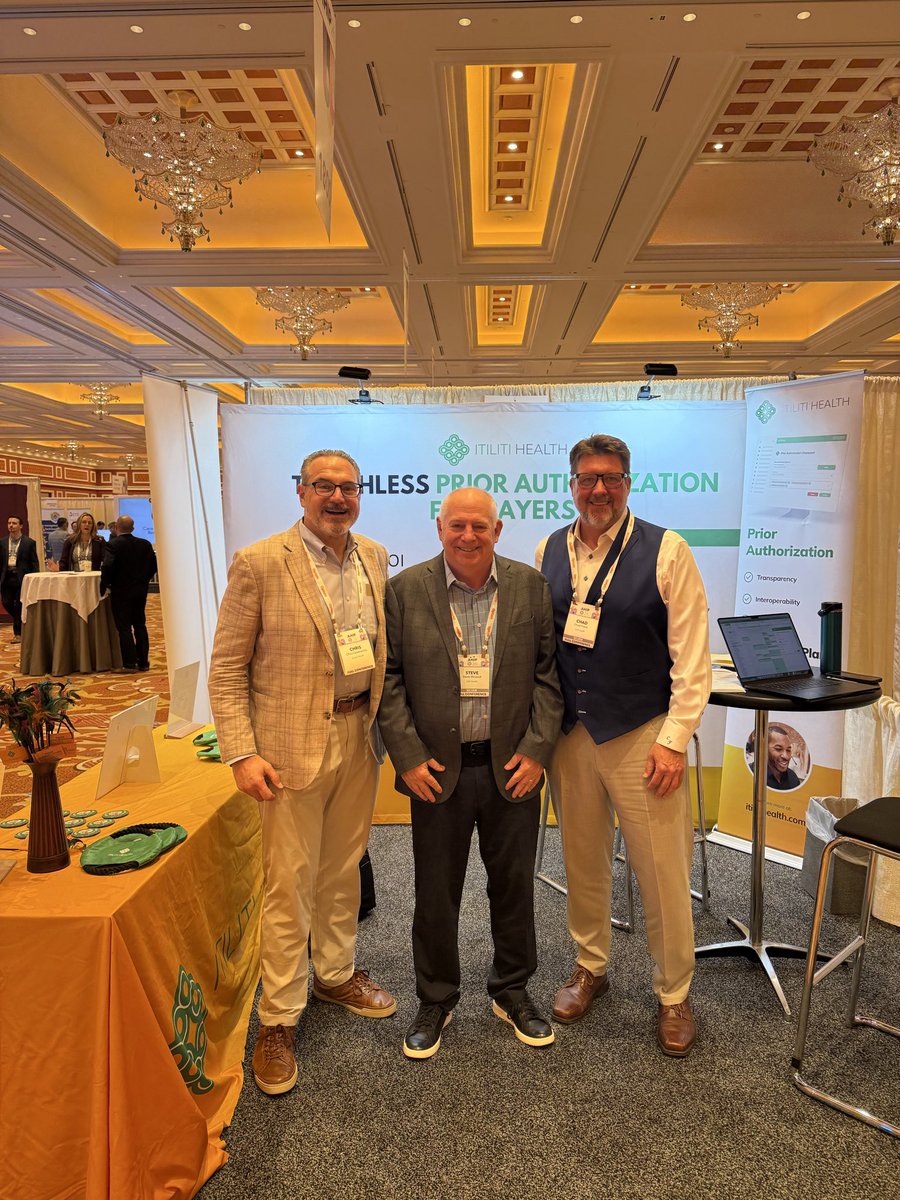
1
23

Jun 10
Promising findings. Hospital-at-home programs continue to demonstrate the potential to reduce emergency department utilization while improving patient outcomes, including lower in-hospital mortality. #HealthcareInnovation #HospitalAtHome #ValueBasedCare #DigitalHealth
Jun 10

Hospital at home linked to lower ED visits, in-hospital mortality: study monkeylink.co/77d194 via @healthcaredive #healthcare
2
1
19

Jun 10
🎉 Big news: Ilant Health just raised $15M Series A led by Cornucopian Capital!
NYC’s AI-powered value-based obesity & cardiometabolic care leader now has $22M total funding. Early results: 15% avg weight loss ⚖️, better biometrics & mental health 🧠, while cutting costs 📉.
Huge congrats to Elina Onitskansky, Mark Rickabaugh, Emelia Altschul, Casey Langwith, David Weiskittel & the whole team! 🙌
#HealthTech #AIinHealthcare #ValueBasedCare #ObesityCare #SeriesA

1
15

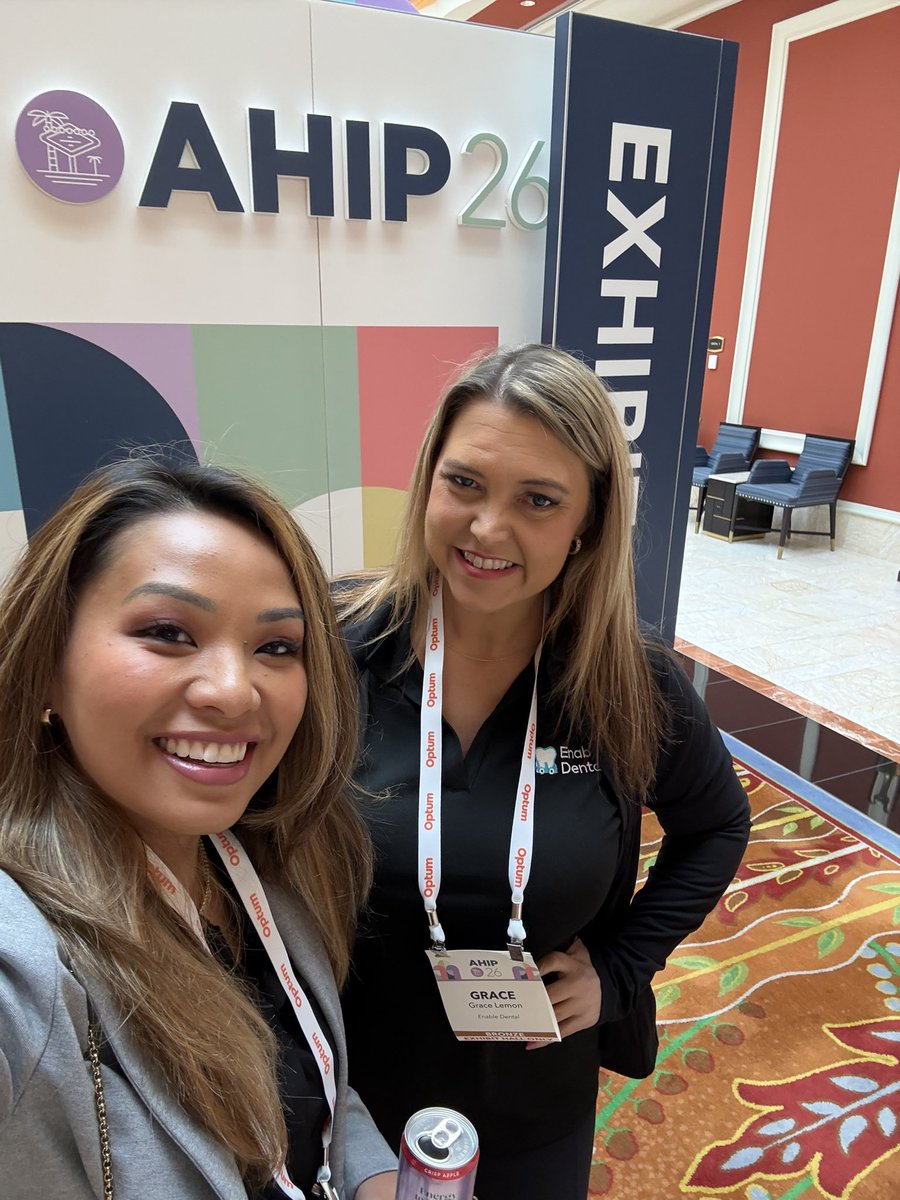
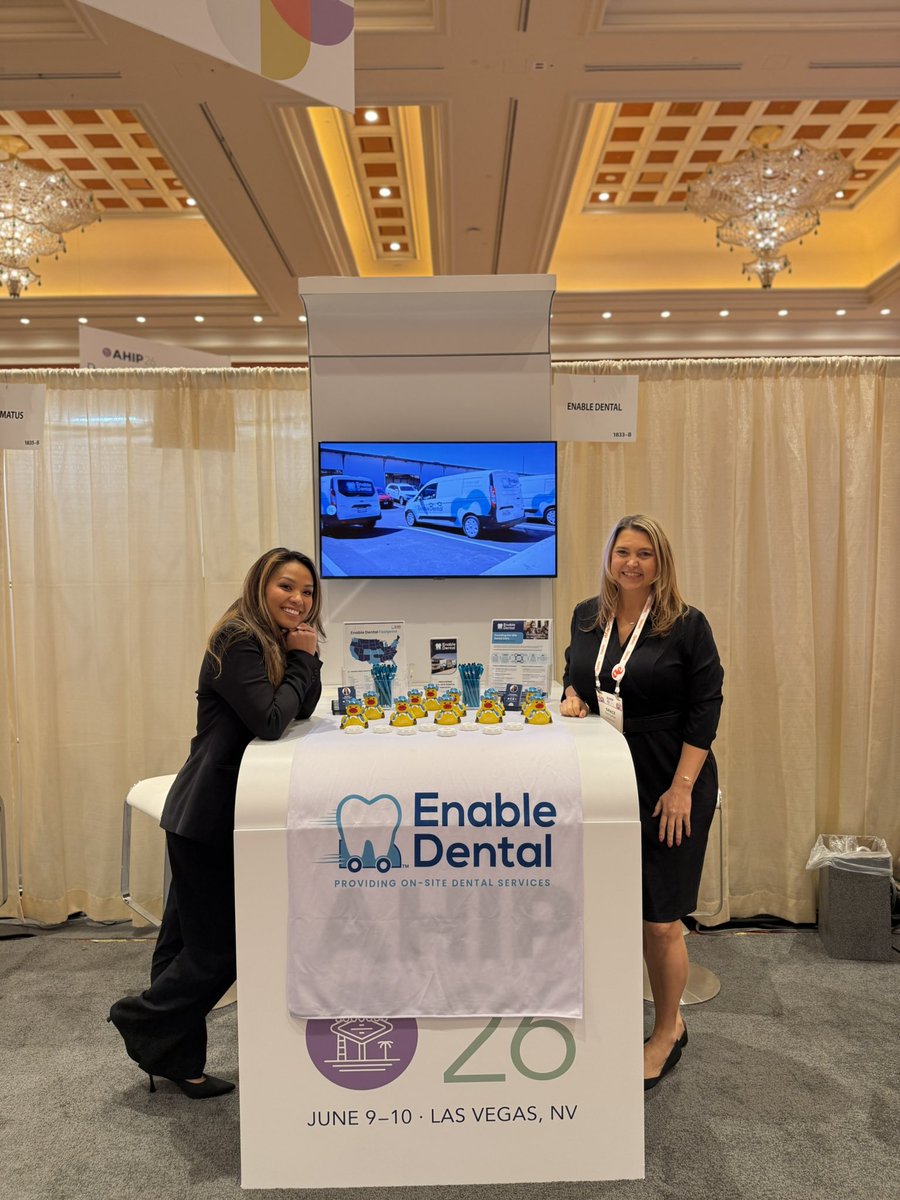
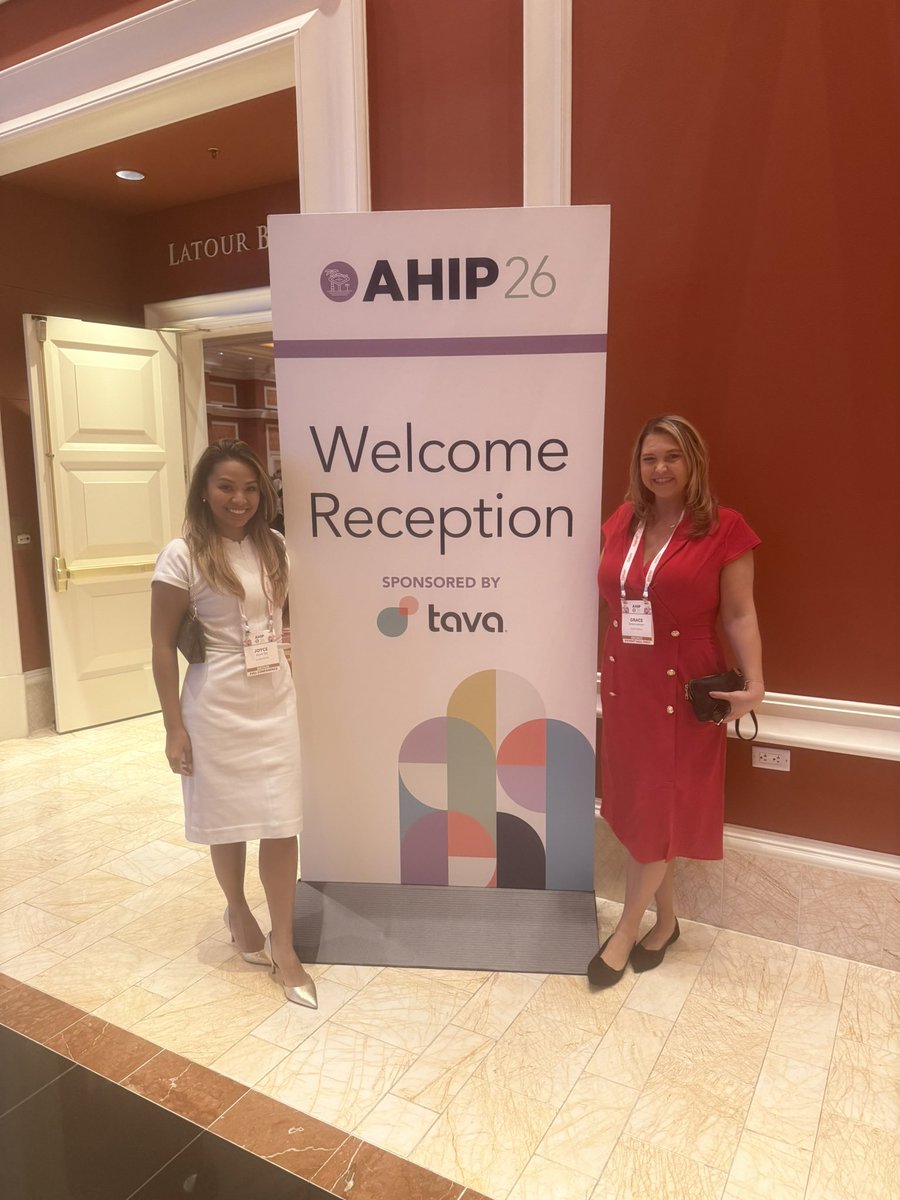
AHIP 2026 conversations are clear: achieving long-term sustainability and better outcomes starts with removing barriers to care. 🌐💡
Stop by Kiosk #1833-B to connect with Joyce Go, MS, MBA and Grace Lemon!
#Equity #ValueBasedCare #EnableDental #PortableDentistry

16