
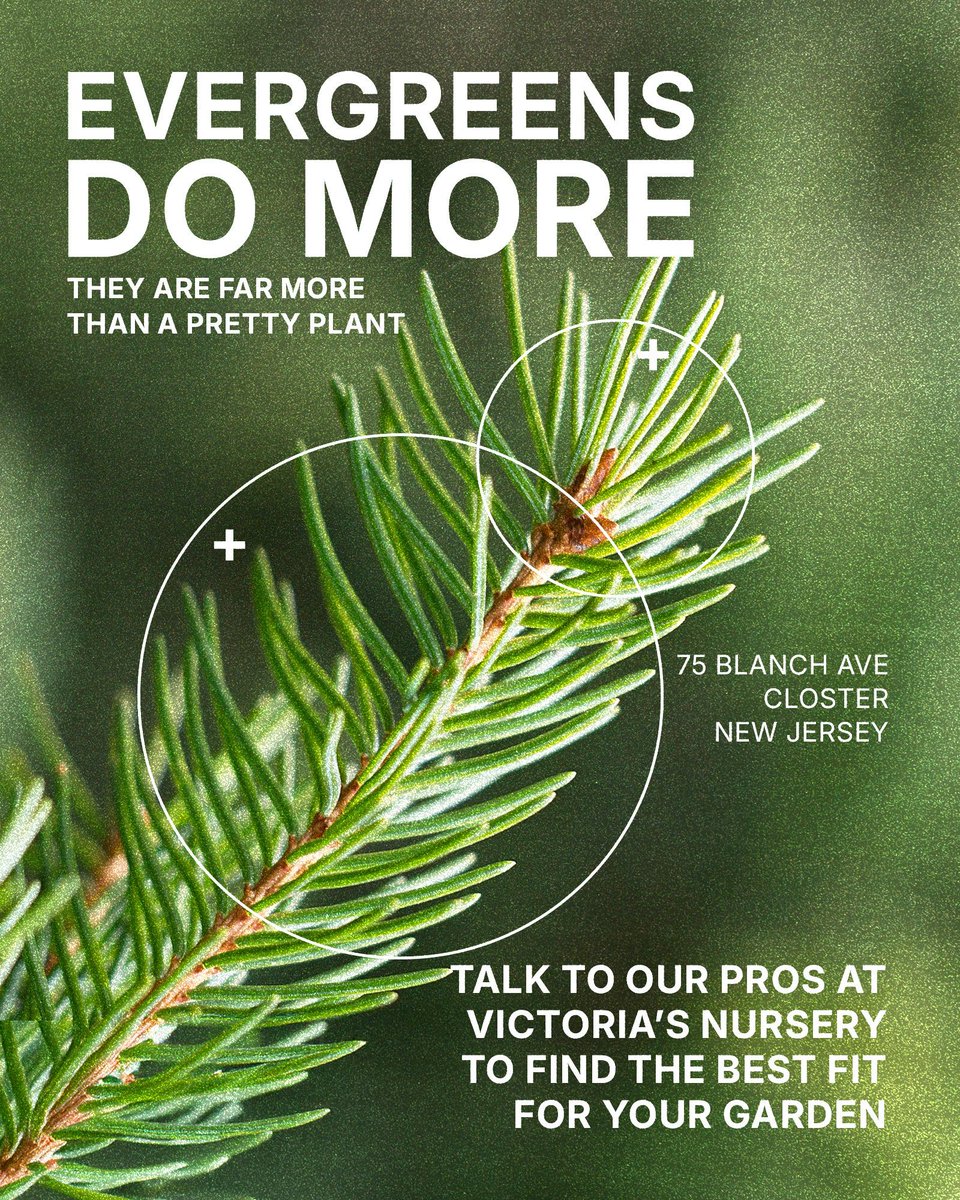
Evergreens do more than look great year-round
They:
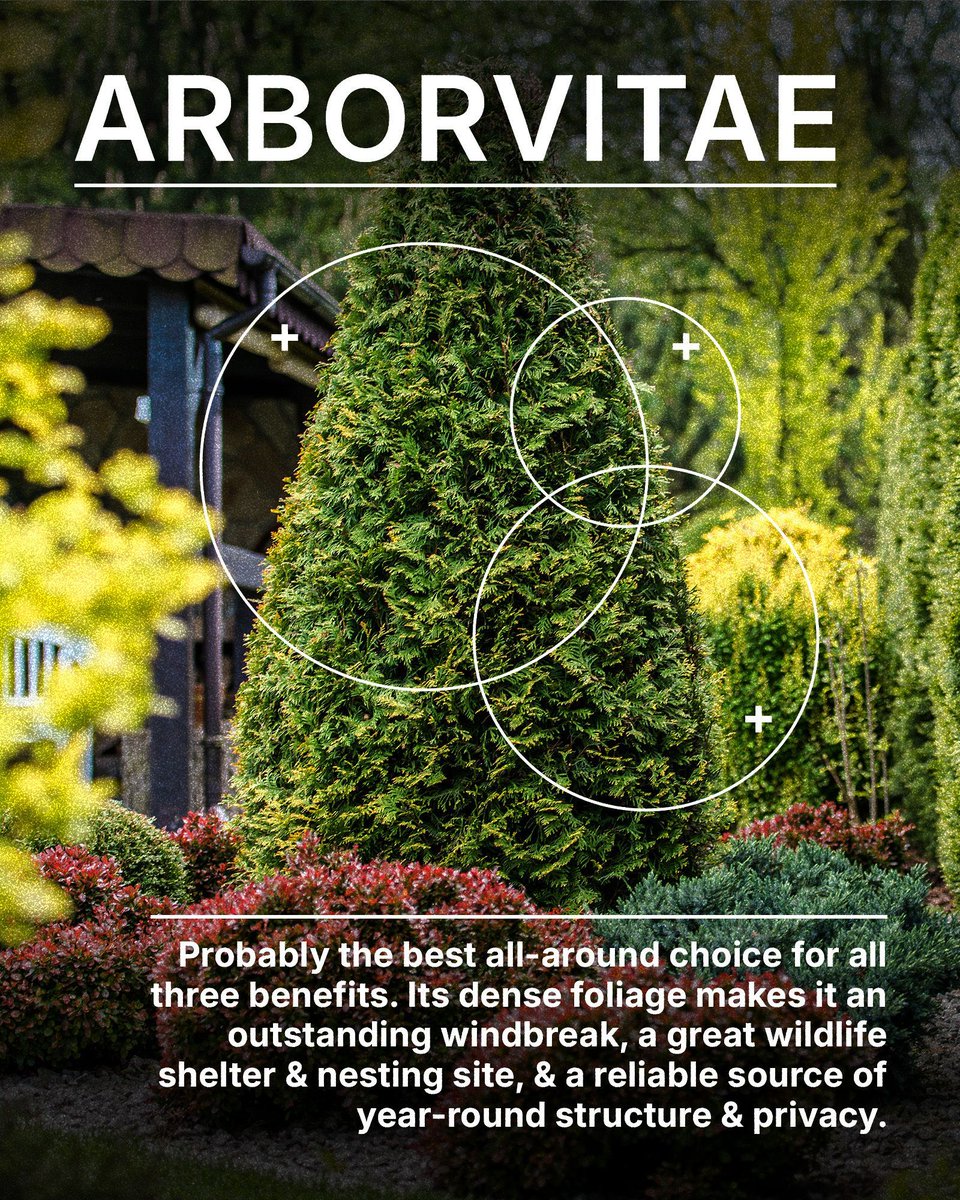
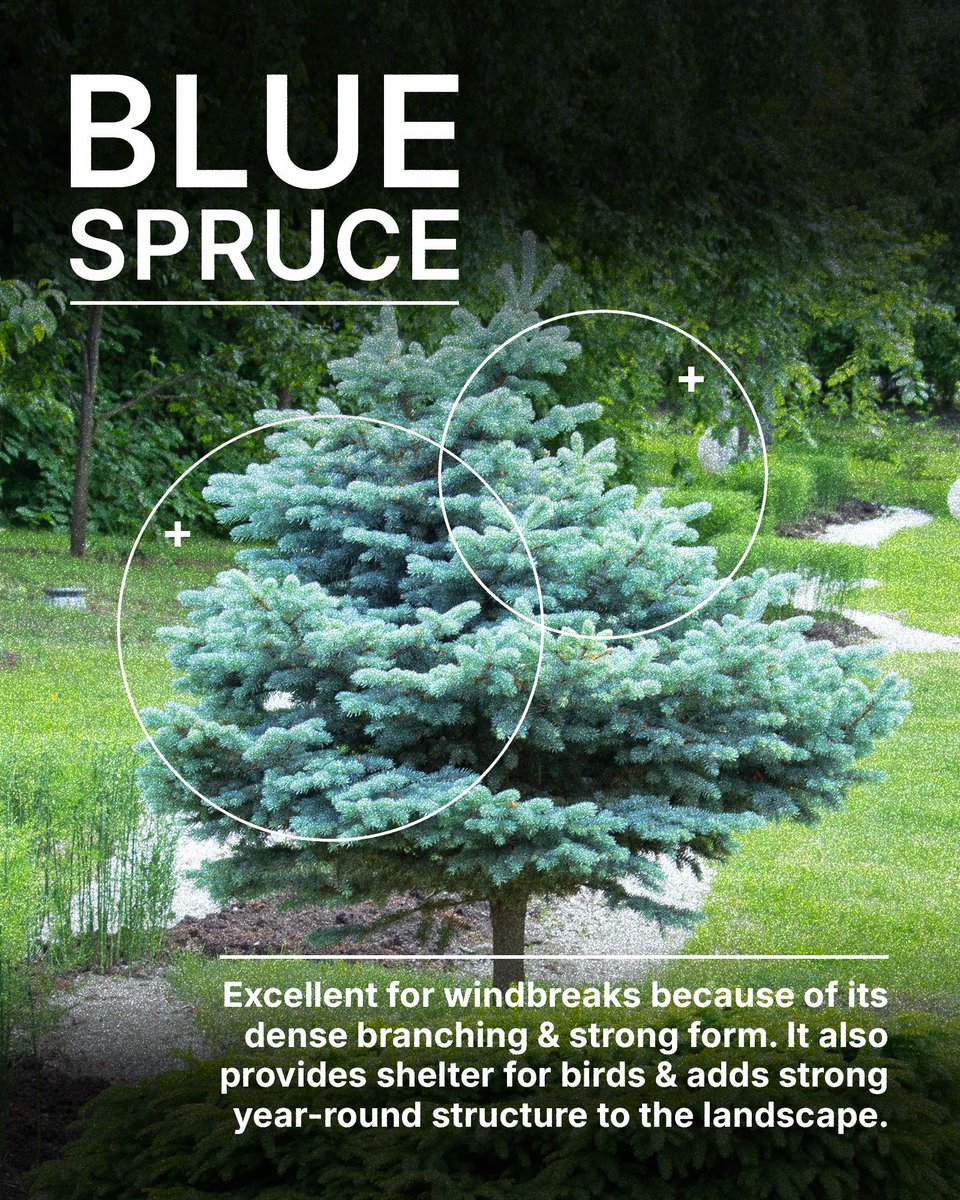
🛑Act as windbreaks in winter,
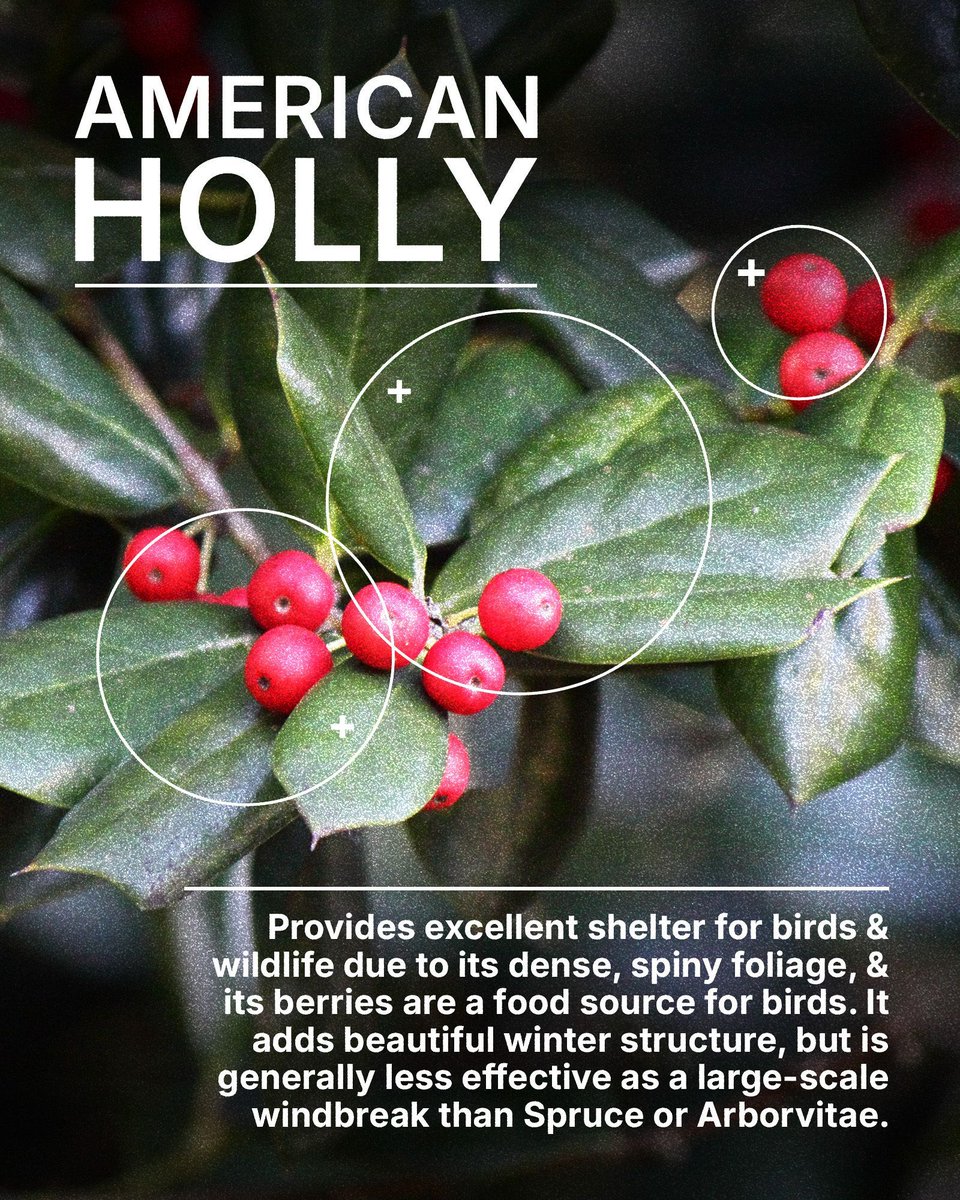
🪺Provide critical shelter for birds and wildlife
🌲Give your landscape structure
Top performers in #Zone7a include Blue Spruce, Arborvitae, and American Holly.
📍Closter, NJ
#VictoriasNursery
1

The project's still going—planting windbreaks along the desert. Hotan now sees 50 fewer dusty days a year. In Makit County, sandstorms dropped from 150 a year before 2010 to under 50 now.
2
25
The project's still going—planting windbreaks along the desert. Hotan now sees 50 fewer dusty days a year. In Makit County, sandstorms dropped from 150 a year before 2010 to under 50 now.
26

20

Jun 15
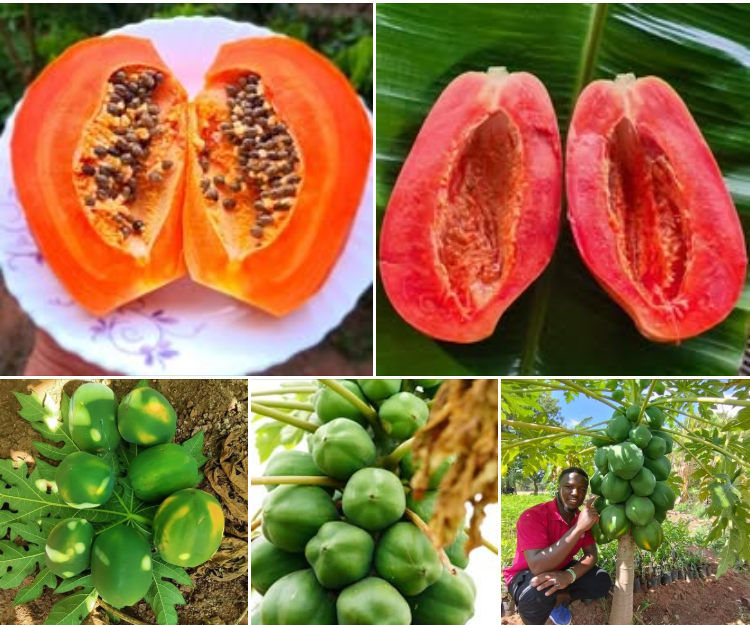
🥭 MASTERING PAWPAW FARMING: The Goldmine Guide
If you are looking for a crop that turns into liquid cash quickly, you’ve found it. Pawpaw (Papaya) is one of the most profitable fruits in Kenya, provided you get the environment and spacing right from day one!
Here is the professional breakdown to ensure your orchard hits peak performance.
☀️ 1. The Perfect Environment
Pawpaws are tropical divas—they love comfort!
Climate: They thrive in warm, humid conditions. Consistent, long hours of sunlight are non-negotiable for sweet, juicy fruits.
Wind Protection: Strong winds are the enemy; they can snap the trunks or damage the delicate fruit. If your farm is in an open, windy area, planting windbreaks (like hedges) is a smart business move.
Soil Requirements: The soil must be well-draining. Pawpaws hate "wet feet"—if water logs around the roots, the tree will rot in days. Aim for rich, loamy soil with plenty of organic matter (compost or well-decomposed manure) and a pH level between 6.0 and 7.0.
📏 2. Spacing & Population: Maximize Your Acre
How you space your trees determines your long-term yield. Here is how to pack them in for maximum profit:
Standard Spacing (Common Varieties):
Spacing: 2m x 2m.
Population: Approx. 1,100 trees per acre.
Dwarf Varieties (Calina Papaya IPB9, Red Lady, Red Royale):
Since these grow shorter, you can get tighter. Use 1.5m (plant-to-plant) x 2m (between lines).
Population: Approx. 1,345 trees per acre.
💡 3. Pro-Tips for Success
The "Macho" Problem: Remember, pawpaws can be male, female, or bisexual. Never rely on random seeds—always use our high-quality, certified seedlings to ensure your population is mostly productive (bisexual).
Management: Keep your orchard weed-free and mulch around the base of the trees to retain moisture during dry spells, but keep the mulch away from the trunk to prevent fungal rot.
🚛 Ready to Start Your Orchard?
Don't gamble with your genetic stock. We provide the most resilient, high-yielding grafted and hybrid seedlings designed to dominate the market.
📍 Nursery Location: Murang'a 📦 Logistics: Don't worry about the distance—we arrange fast, safe delivery straight to your farm across all 47 counties!
📞 Secure your seedlings today!
Call/WhatsApp: 254 790509684
Email: info@farmerstrend.co.ke
Get the right start. Build your legacy in the dirt! 🌳💰
#PawpawFarming #FarmersTrend #SmartFarming #Horticulture #GraftedSeedlings #KilimoBiashara
56

Grevillea provides multiple benefits. Farmers can harvest timber for construction, furniture, and sale, creating an additional source of income. The trees also serve as windbreaks and reduce soil erosion.
1
8

Most people think windbreaks are about trees🌲.
They're wrong.
The best windbreaks are actually infrastructure.🍃💨
Why that matters.
Every year, billions of tons of topsoil are lost to wind erosion.
Farmers lose moisture. This Is How We Grow Paulownia: bioeconomy-solutions.kit.com…
8

Jun 13
Better a growing windbreak then, in case. for temp windbreaks, I loved that soft green stuff - local garden place sold it in rolls, has slightly toughened edges with like buttonholes along them for tying it to stakes or wires.
premiernetting.co.uk/product…
7

Jun 13
It's extremely unlikely. The buildings prevent air from flowing together in the necessary way that is required for a funnel to fully form. You basically have a shitton of man made windbreaks.
1
131

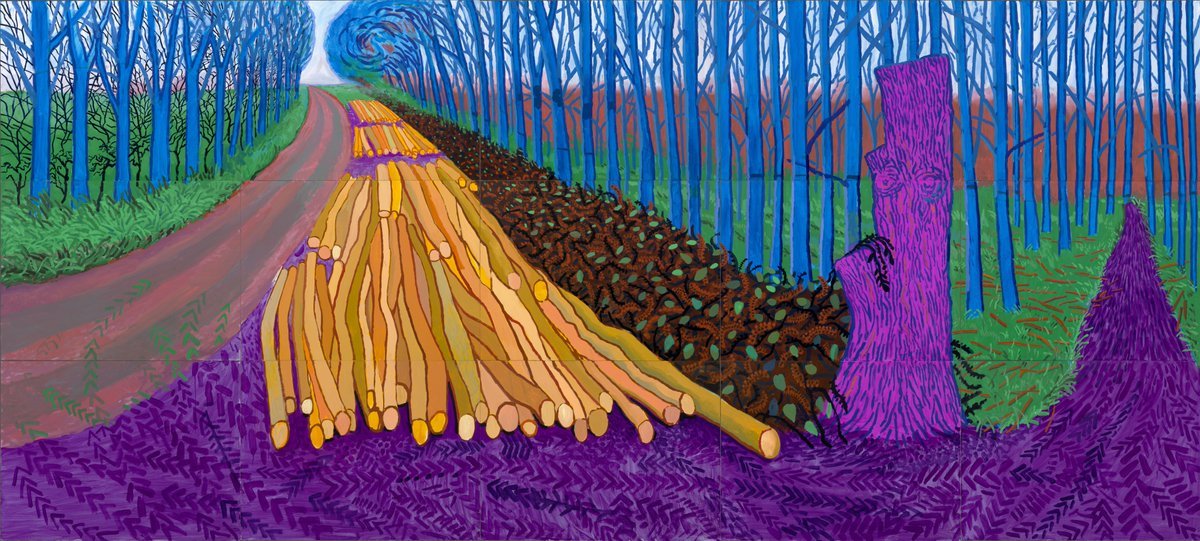
I relate Hockney to the pool paintings, so I appreciate seeing these landscapes. I really love the third one. Stands of trees to act as windbreaks are very reminiscent of childhood to me. There were a lot locally and I didn't really understand why.




1
49

Jun 12
A loud good fart is honourable.
A medium one is tolerable.
Softer windbreaks are terrible.
And silent ones unbearable. Goodnight all.
1
42

Jun 12
I use windbreaks extensively on north and west sides and it makes a significant difference in the winter
2
46

Jun 12
Footage from the Wheatland, Wyoming Off- Range Corral yesterday.
As of May 2026, BLM reported 58,025 wild horses and burros in off-range facilities: 20,350 in corrals and 36,459 in off-range pastures, plus 1,216 in public off-range pastures. BLM’s total off-range capacity was listed as 78,751 animals.
In 2024, BLM reported $101 million in off-range holding costs.
This facility was built to hold up to 3,500 wild horses and burros on more than 200 acres. It began receiving animals in January 2021 and was completed later that year.
In 2022, there was a strangles outbreak.
After the 2024 North Lander gather, BLM said Wheatland received about 2,555 horses from that gather alone.
How long are they kept there?
It can be weeks, months, or longer, depending on age, health, processing status, demand from adopters, whether mares have foals, and whether the animal is selected for transfer to another facility or pasture. BLM’s own 2024 FAQ notes that some mares and foals were being allowed “as much time as needed to settle,” especially because some mares gave birth after arrival.
They are sorted, monitored, fed hay, watered, medically processed, identified, and then moved into adoption, sale, transfer, or long-term pasture pathways.
BLM says horses at Wheatland receive daily observation by BLM staff, contracted facility staff, and a contracted veterinarian, with farrier care as needed. They are fed alfalfa hay and have unlimited water, with supplementation as needed.
A 2024 BLM Comprehensive Animal Welfare Program assessment rated Wheatland 97% compliant, but still found non-compliances: some animals needing supplemental feed had not been separated from the general population, some intact 2–3-year-old stallions had remained intact for months, and some animals who met BLM euthanasia criteria had not been euthanized.
During a 2022 assessment, Wheatland met 83% of applicable standards and was rated “Complies,” but the report noted insufficient staffing, limited small pens for sick/injured/special-care animals, no shade or windbreaks for compromised pens, drainage concerns, sharp edges, a high number of horses in body condition score 3, spoiled/moldy hay observed in several pens, inadequate simultaneous access to hay, and delayed freeze marking/Coggins testing after intake.
9
36
66
1,850

Jun 12
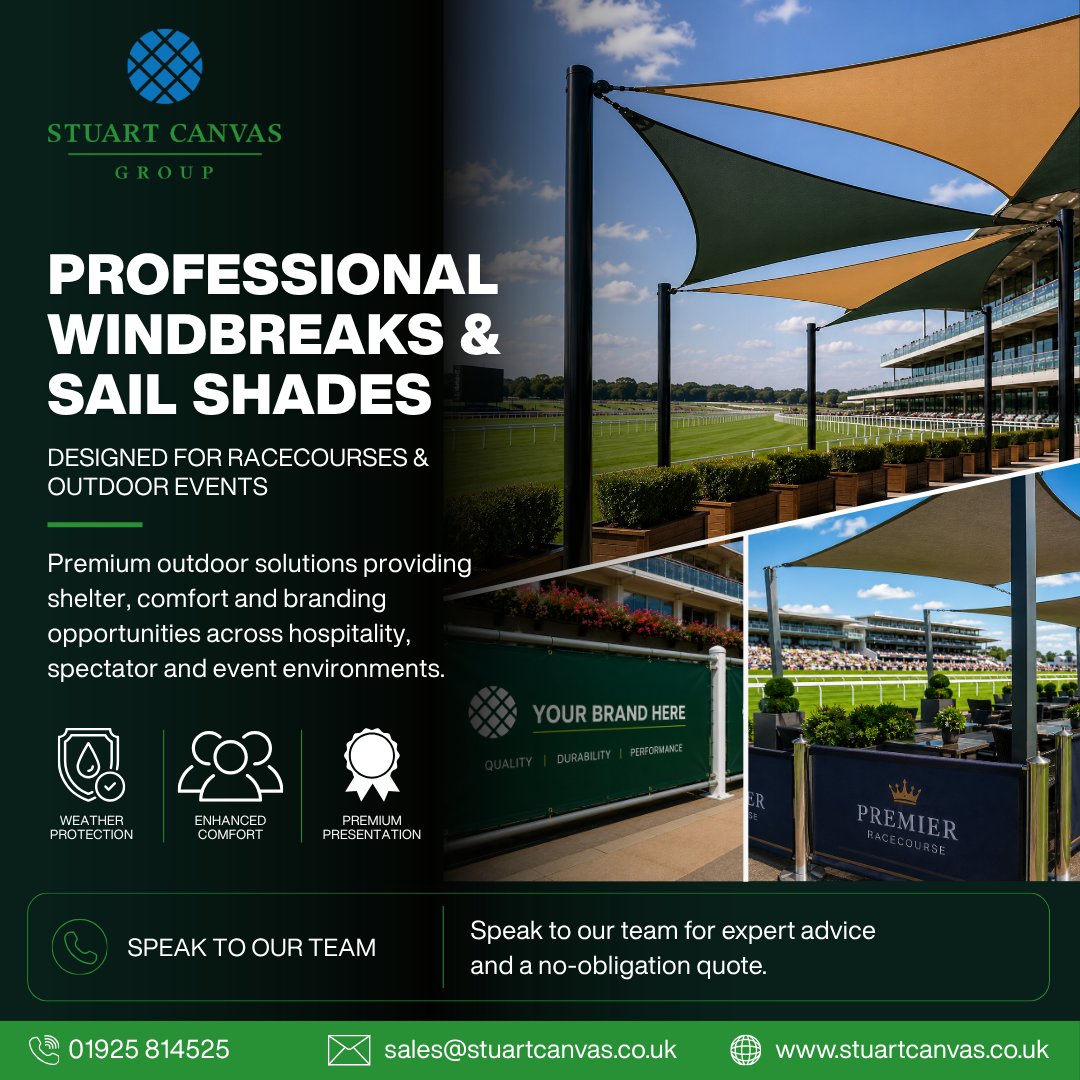
Create standout outdoor spaces with bespoke windbreaks & sail shades 🌤️🏇
Designed for racecourses, hospitality venues, and outdoor events, Stuart Canvas manufactures high-quality windbreaks and sail shade systems that combine practical shelter with professional presentation.
✔️ Bespoke Windbreaks
✔️ Sail Shades & Sun Protection
✔️ Branding & Printed Options
✔️ Durable Weather-Resistant Materials
✔️ Tailored for Events & Hospitality Spaces
✔️ Made in Britain 🇬🇧
From improving guest comfort and defining outdoor areas to creating premium branded spaces, our solutions are built to perform in busy outdoor environments while delivering a smart, professional finish.
Whether it’s race day hospitality, outdoor seating areas, festivals, or sporting events, Stuart Canvas helps transform outdoor spaces into functional, welcoming environments designed around your venue’s needs.
Discover more here: stuartcanvas.co.uk/industria…
#StuartCanvas #Windbreaks #SailShades #RacecourseEvents #OutdoorHospitality #EventSolutions #OutdoorSpaces #BritishManufacturing #BespokeSolutions #MadeInBritain
43

Jun 12
Alas, we only utilized Cannabis as garden wind breaks. 🤷🏻♀️
Also miss GMa’s sleepy poppy seed rolls from her gorgeous red poppy ‘old country’ seeds. Both rolls & windbreaks were never to be duplicated again, after the RCMP came through and made homesteaders burn both. 😘
1
24

Jun 12
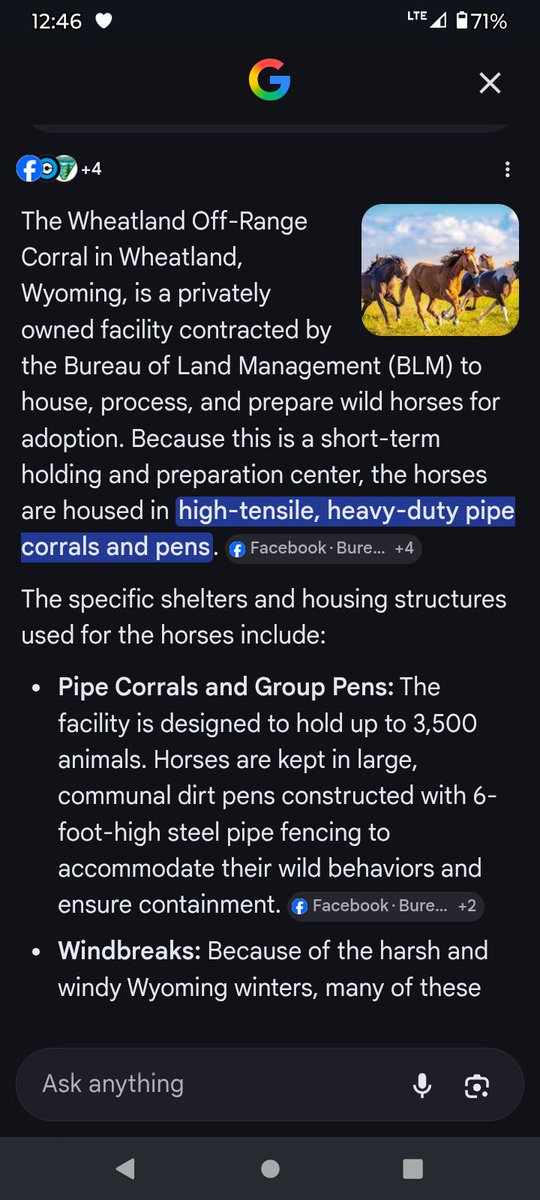
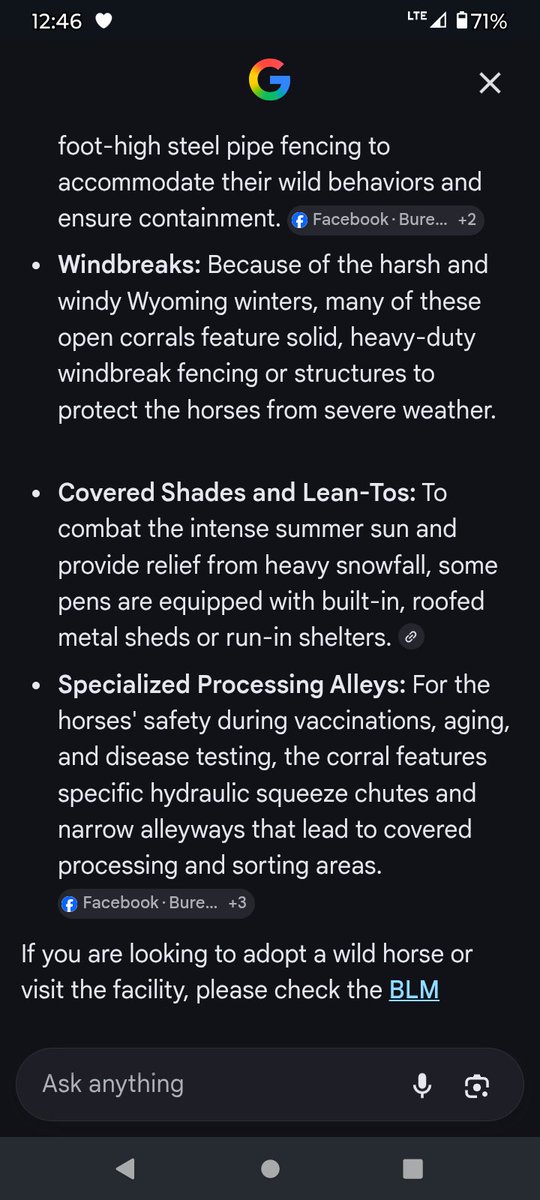
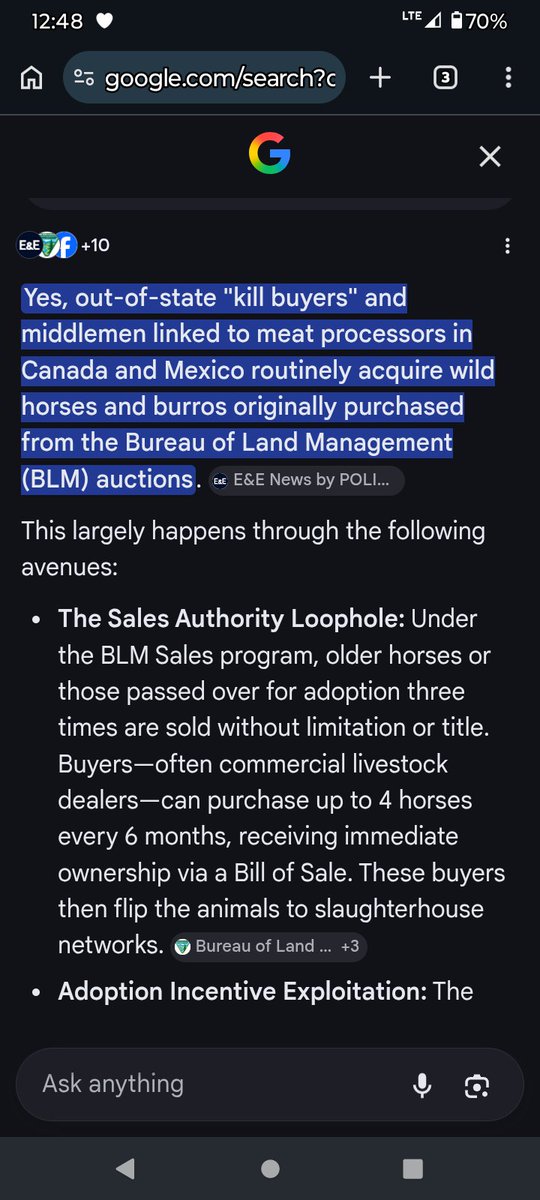
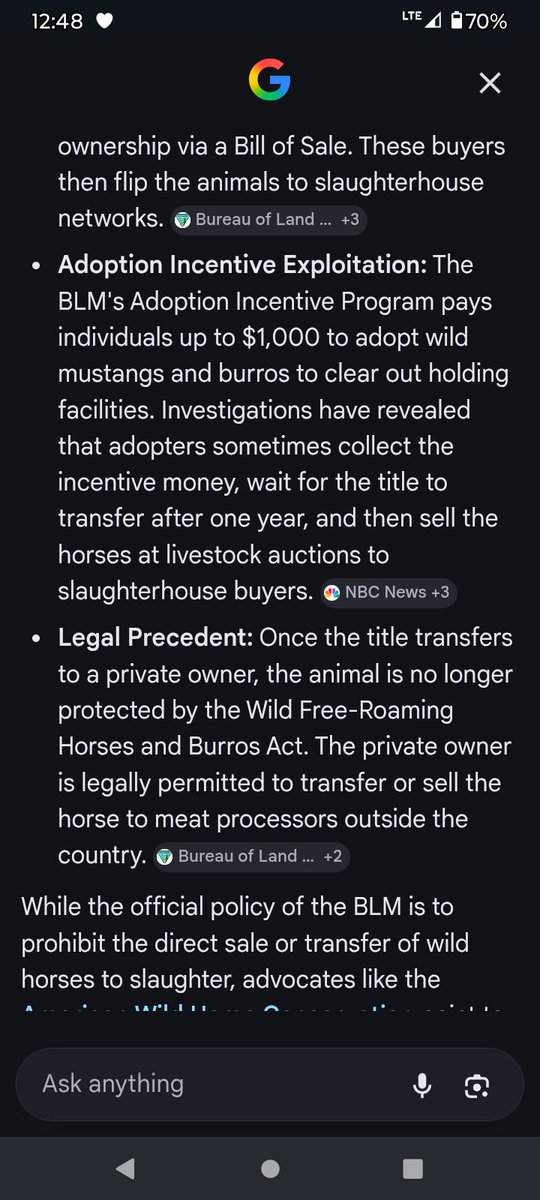
Short term. Windbreaks & covered shelters are available. Primary purpose is for auction & adoption but a couple of legal loopholes make it possible for kill buyers to acquire horses. 1/2
1
16

Jun 11
Small details can lead to significant impacts. In summer, tall forest trees act as windbreaks, stabilizing the internal environment of mountain forests. This stable atmosphere promotes the consistent growth of the forest's undergrowth.

10

Jun 11
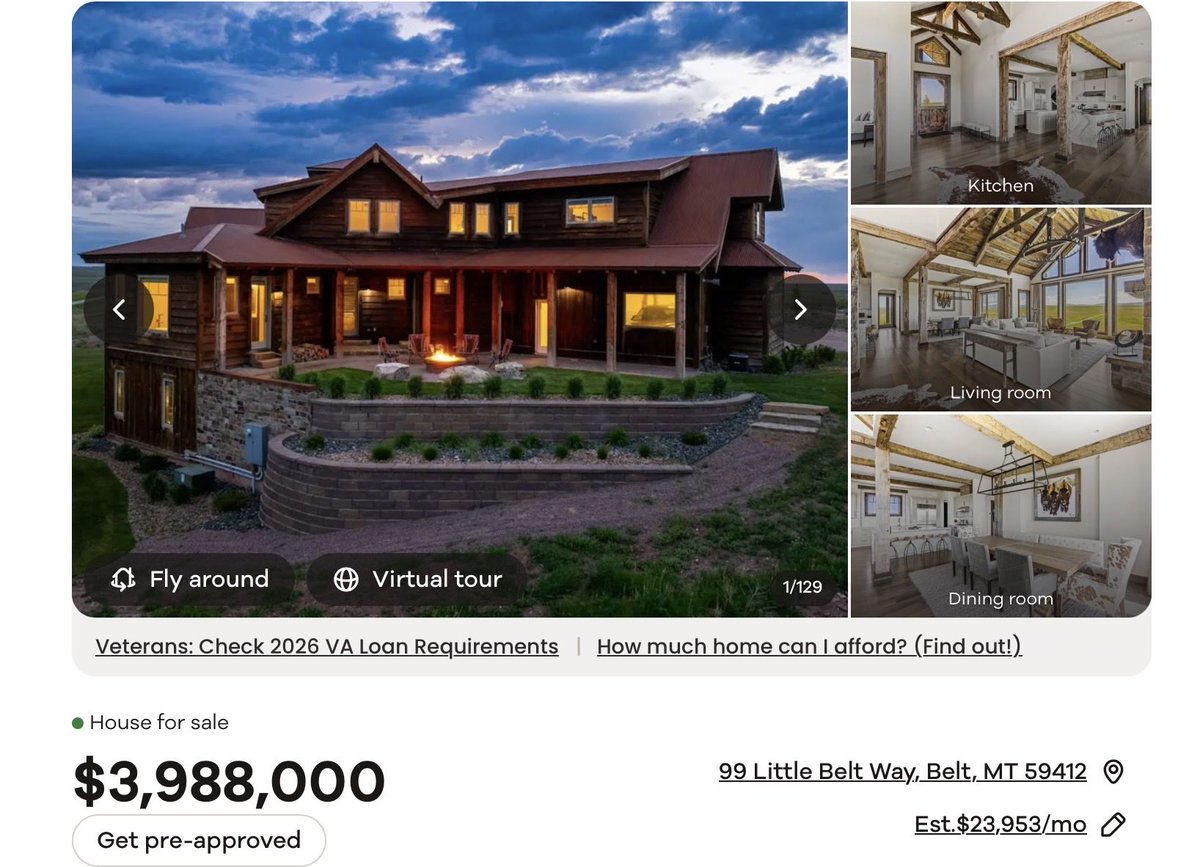
There is a development nearby doing that. 5 acre parcels with a nice view but the wind almost always blows here and those are the only houses built outside the coulees without big windbreaks. Mostly second and third homes that aren’t occupied most of the year.
2
82

i mean lots of them did, they just didnt survive. the dugouts with the sod walls kept people alive much better. wyoming pbs has some good docs about this iirc. hope whoever built them also planted lots of trees for shade and windbreaks
1
524

Jun 10
3 Things to consider when choosing a place to pitch a tent under a rock
1. Terrain
Flat Surface: Choose a flat, even area to prevent rolling during sleep and avoid pooling water in case of rain.
Avoid Depressions: Low spots can collect water during rainfall.
2. Safety
Avoid Hazards: Steer clear of cliffs, unstable ground, and areas prone to falling rocks or branches.
Animal Activity: Avoid pitching near animal trails or food sources to reduce encounters with wildlife.
Distance from Water: Stay at least 200 feet (60 meters) from rivers, lakes, or streams to avoid flooding risks and respect wildlife corridors.
3. Weather Protection
Wind Exposure: Find a spot with natural
windbreaks, like trees or rocks, but avoid areas where branches might fall.
Sunlight: If camping in hot weather, choose a shaded spot.
1
14
80
9,820