
Jun 4
Ending pro forma sessions allows the Senate to officially enter a formal "recess", unlocking the President's constitutional power to bypass congressional gridlock and enact stalled legislation.If pro forma sessions are ended, the specific procedural path to pass the SAVE Act (Safeguard American Voter Eligibility Act) requires the following steps:1. Adjourn the ChamberForce a formal recess: The Senate must agree to adjourn for more than three days rather than holding brief, consecutive pro forma sessions.Leverage presidential authority: If the House and Senate disagree on an adjournment date, the President can use constitutional powers to force an official recess.2. Trigger a Recess Appointment WindowOpen the confirmation bypass: An official Senate recess allows the President to execute recess appointments without needing the standard 60-vote threshold or facing a filibuster.Install key decision-makers: The President can immediately place supportive officials into vacant administration roles or independent agencies relevant to federal election oversight.3. Issue Executive Directives and Agency GuidanceDraft Emergency Rules: Once installed via recess appointments, executive leadership can bypass the legislative filibuster by enacting the core mechanics of the SAVE Act through administrative rule-making.Mandate citizenship verification: Executive agencies can issue updated federal guidance requiring strict proof of citizenship—such as passports or birth certificates—for federal voter databases and integration systems within their jurisdiction.4. Leverage Federal Agency BudgetsTie agency enforcement to compliance: The administration can condition federal funding or administrative support to states based on their willingness to clear voter registries of non-citizens.Withhold non-compliant resources: Federal assistance to local election centers can be restricted if they fail to implement stricter in-person identification protocols.
1
2
57

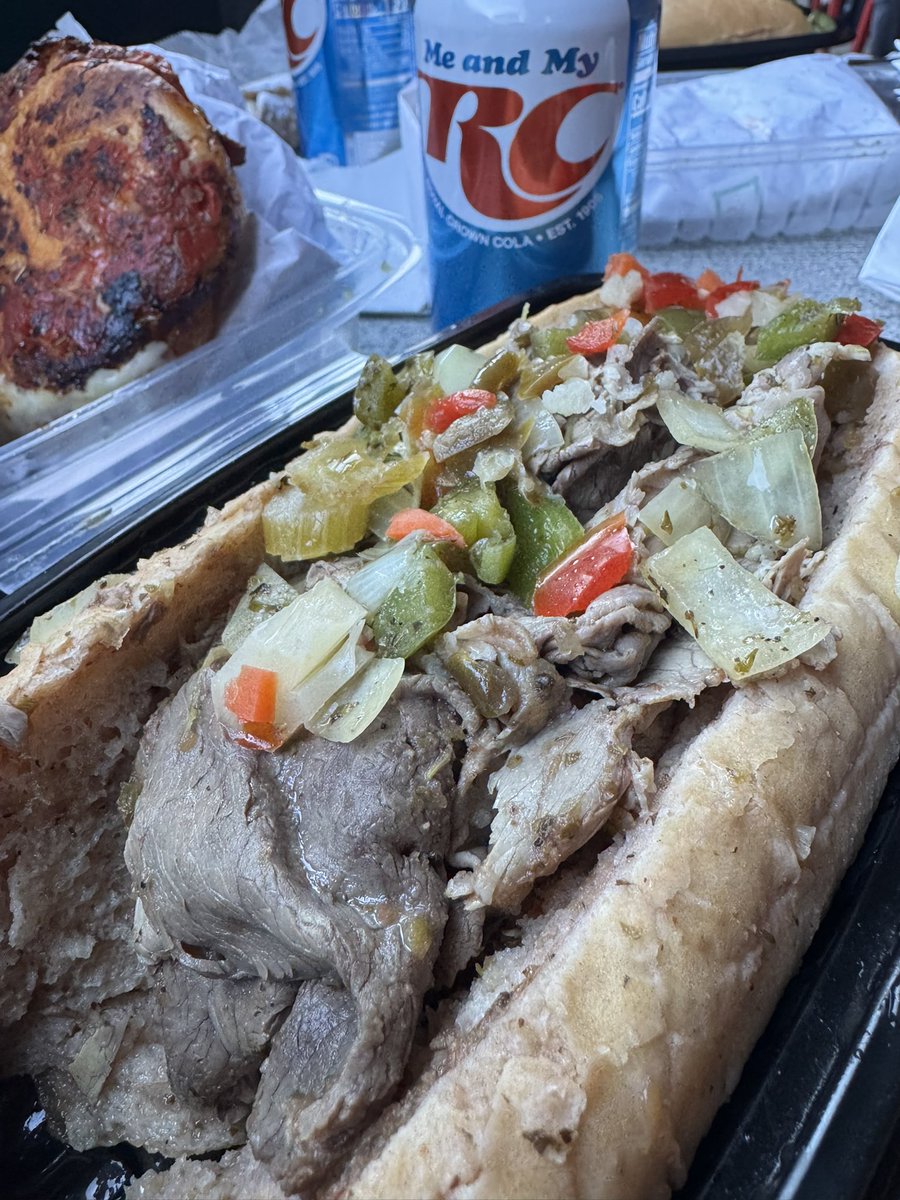

#DoNOT #sleep with your #windowopen unless you want to get #zero sleep, I swear!!!!! This #train would not stop #blowingitshorn for FIVE MINUTES!!!!!! I AM #TIRED!!!!

3
91


31 Aug 2025
تدرون انكم تقدرون تلغون الاعلانات من سفاري
الطريقه تروح الاعدادات>سفاري > متقدم> اعلام الميزات > وتفعلو
verify windowopen user gesture
1
226

1 Jun 2025
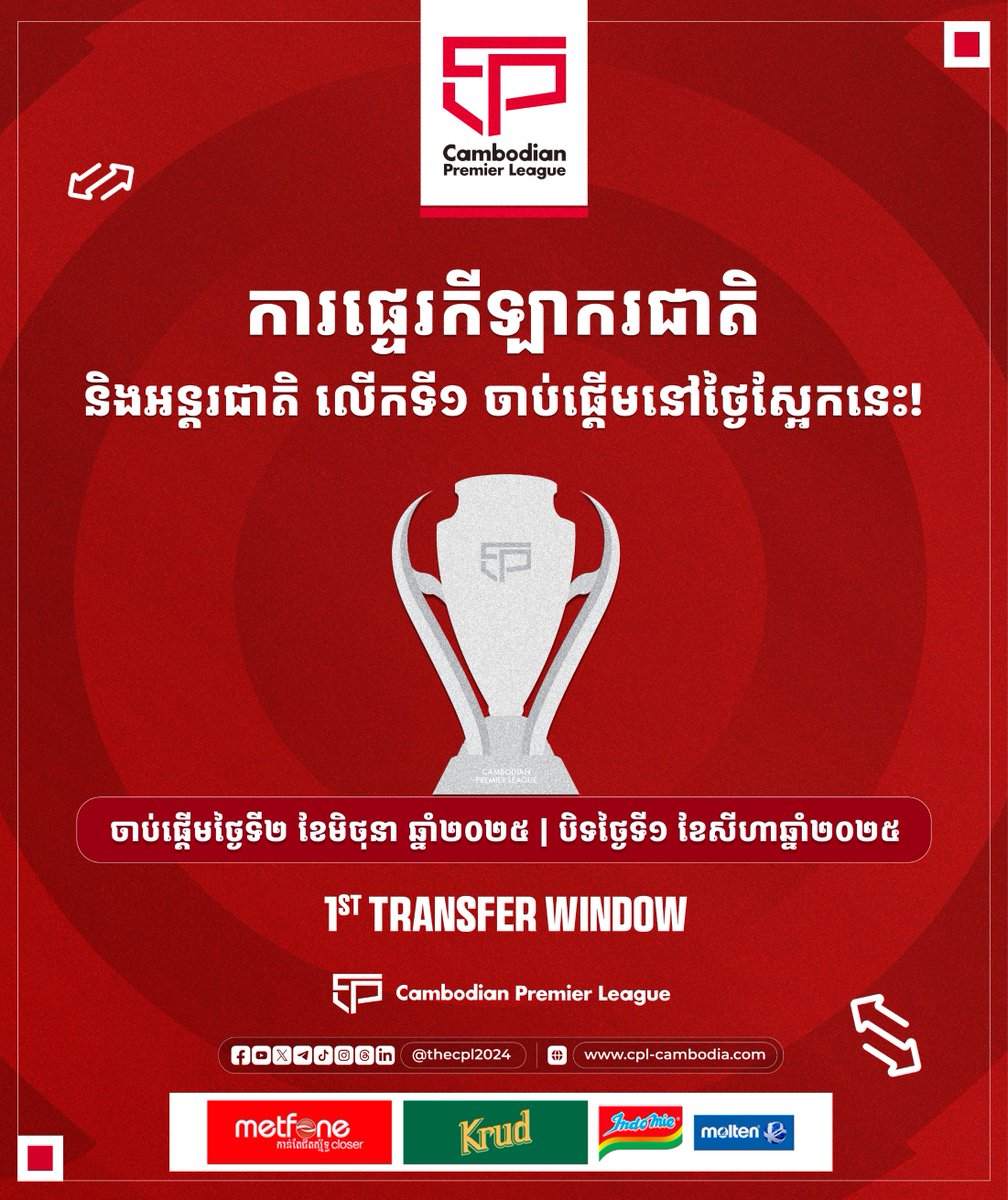
Cambodian Premier League 2025/26 🔴🏆
1st Transfer Window will be open from tomorrow! ⚽️
Tuesday, 2nd June 2025 📅
"Strong League, Strong National Team"
CPL Telegram: t.me/officialcpl2022 ✅
#CPL #CambodianPremierLeague #First1st #transfers #WindowOpen #Date #CPL2526 #FFC
1
5
221

11 Mar 2025
woah sga better wake up. if okc wins with him closing it out he'll almost certainly win mvp. if nuggets win #windowopen
1
7
1,790

30 Jan 2025
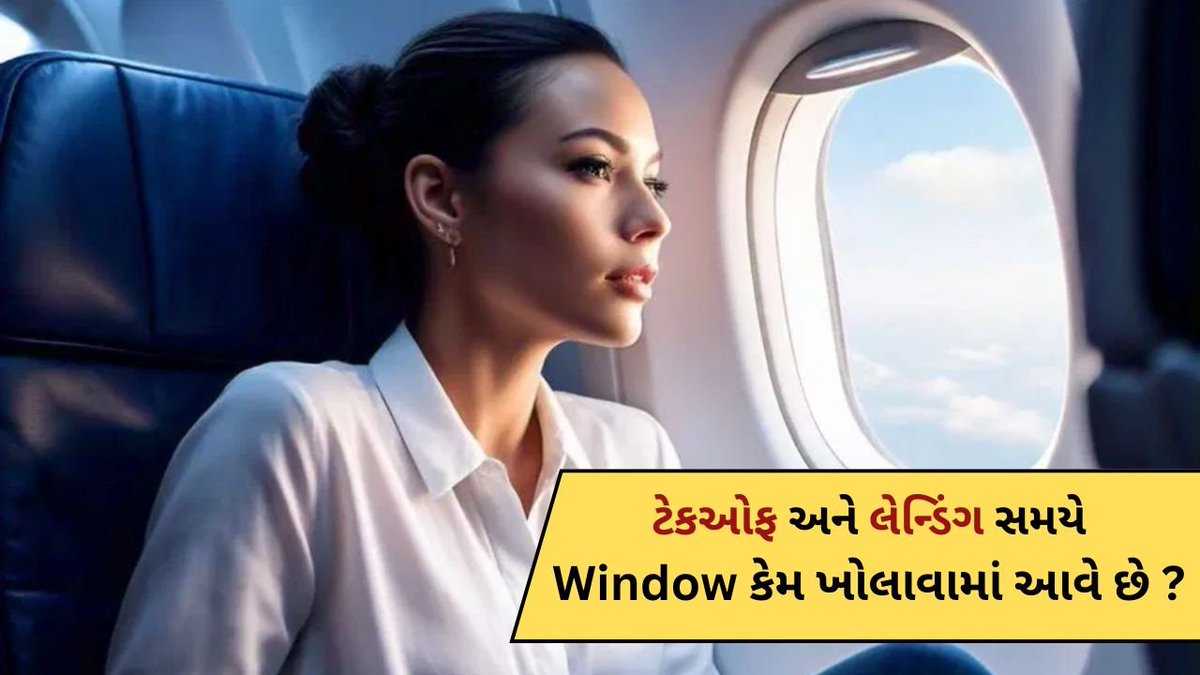
Flight Safety : ફલાઈટના ટેકઓફ અને લેન્ડિંગ સમયે Window કેમ ખોલાવામાં આવે છે ? જાણો સાચું કારણ
#FlightSafety #SituationalAwareness #OxygenPressure #EmergencyPreparedness #WindowOpen #FlightTakeoff #FlightLanding #PassengerSafety #FlightTips
tv9gujarati.com/photo-galler…
178
28 Jan 2025
Flight Safety : ફલાઈટના ટેકઓફ અને લેન્ડિંગ સમયે Window કેમ ખોલાવામાં આવે છે ? જાણો સાચું કારણ
#FlightSafety #SituationalAwareness #OxygenPressure #EmergencyPreparedness #WindowOpen #FlightTakeoff #FlightLanding #PassengerSafety #FlightTips #TravelSafety #AirlineSafety
tv9gujarati.com/photo-galler…
1
258


20 Jul 2024
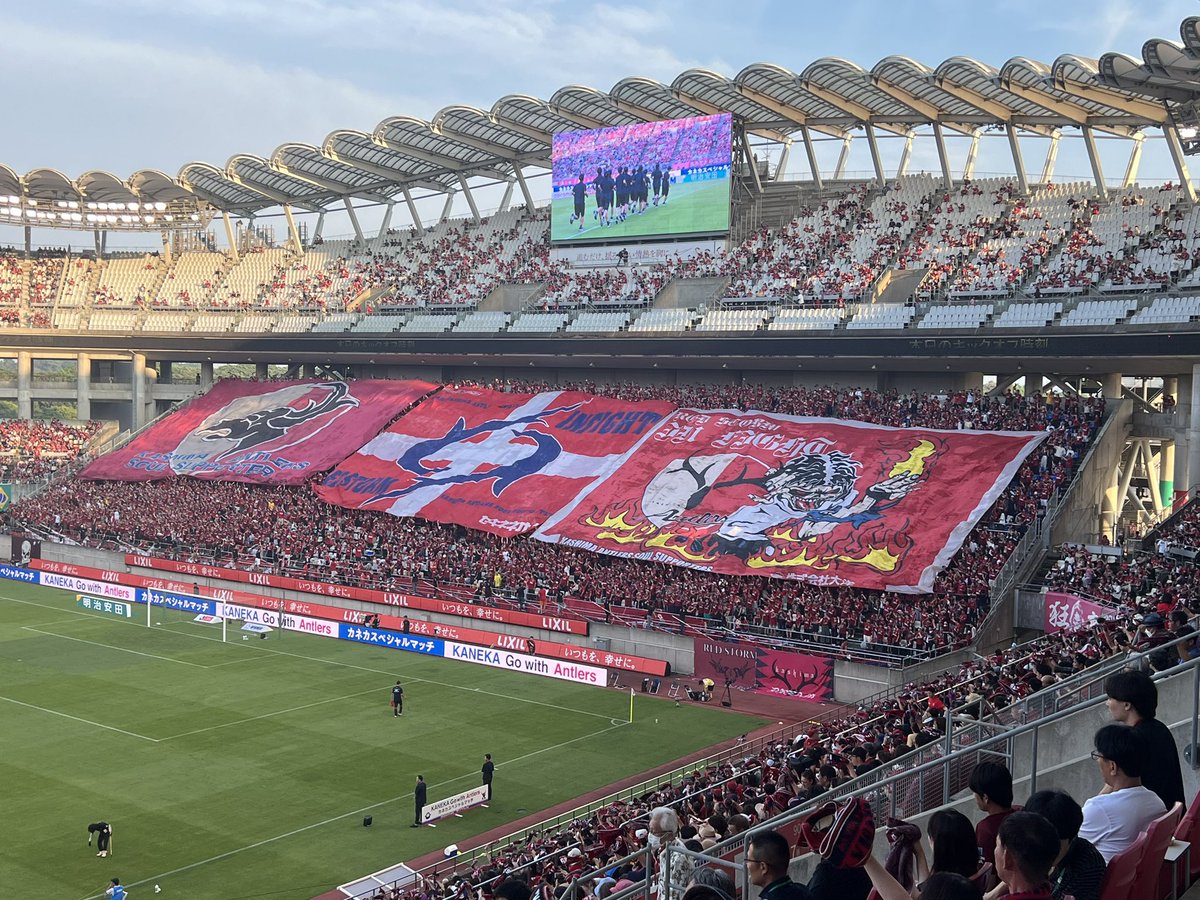
三竿以外の補強のニュースが聞こえて来ません。
開幕前から問題点だったCB始め、WindowOpenと同時に発表されても良いPositionもあるはず。
#鹿島アントラーズ は会社として仕事してますか?
グッズ販売会社じゃないですよ。
人に見せるサッカーをする会社ですよ。解ってます?
#antlers #jleague
20 Jul 2024

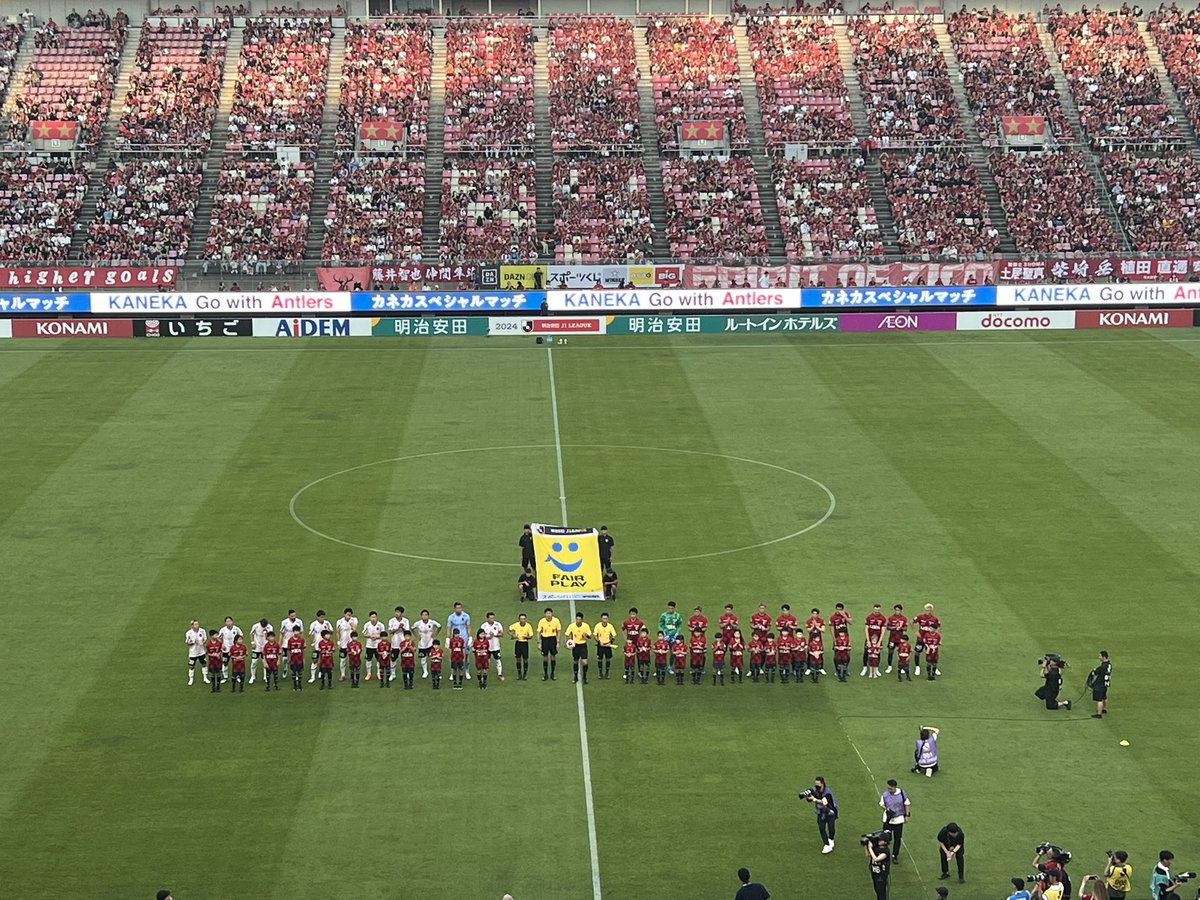
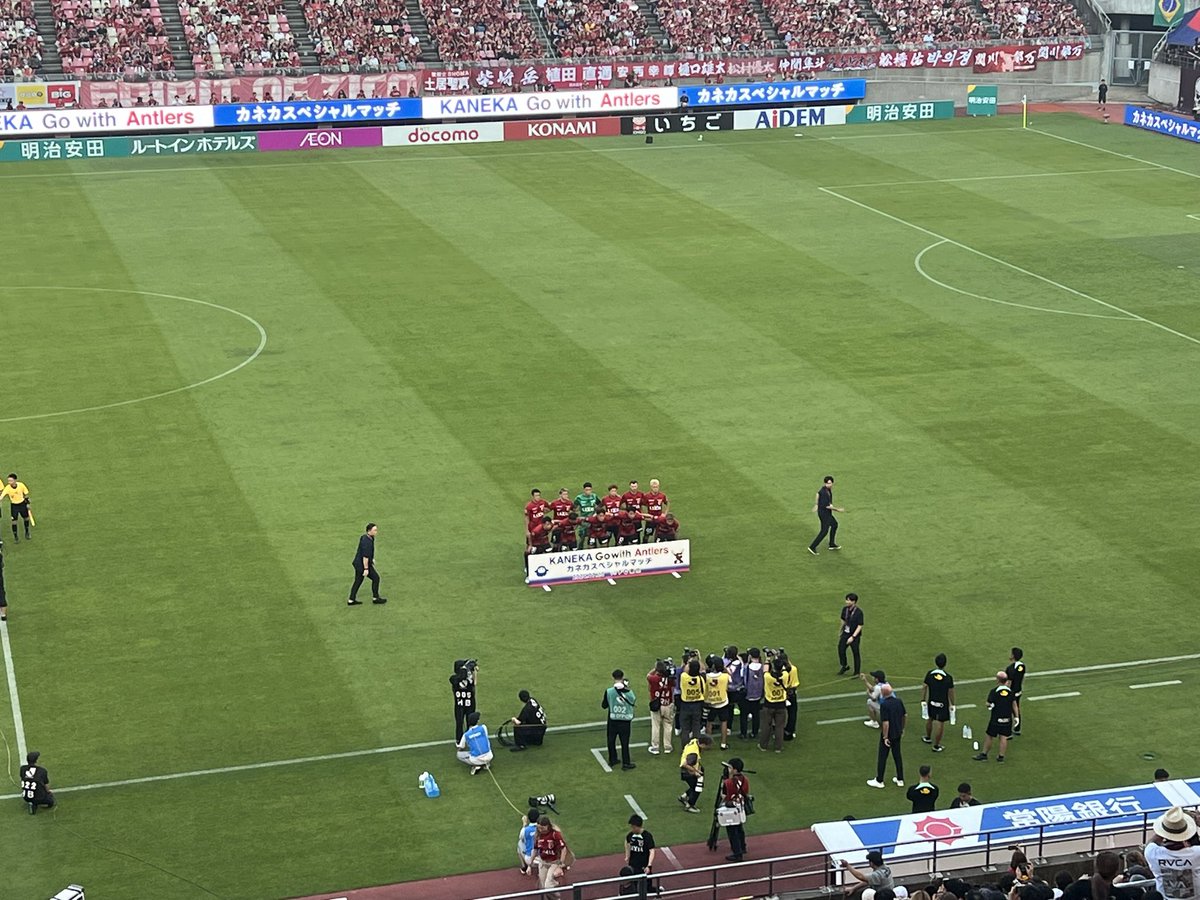
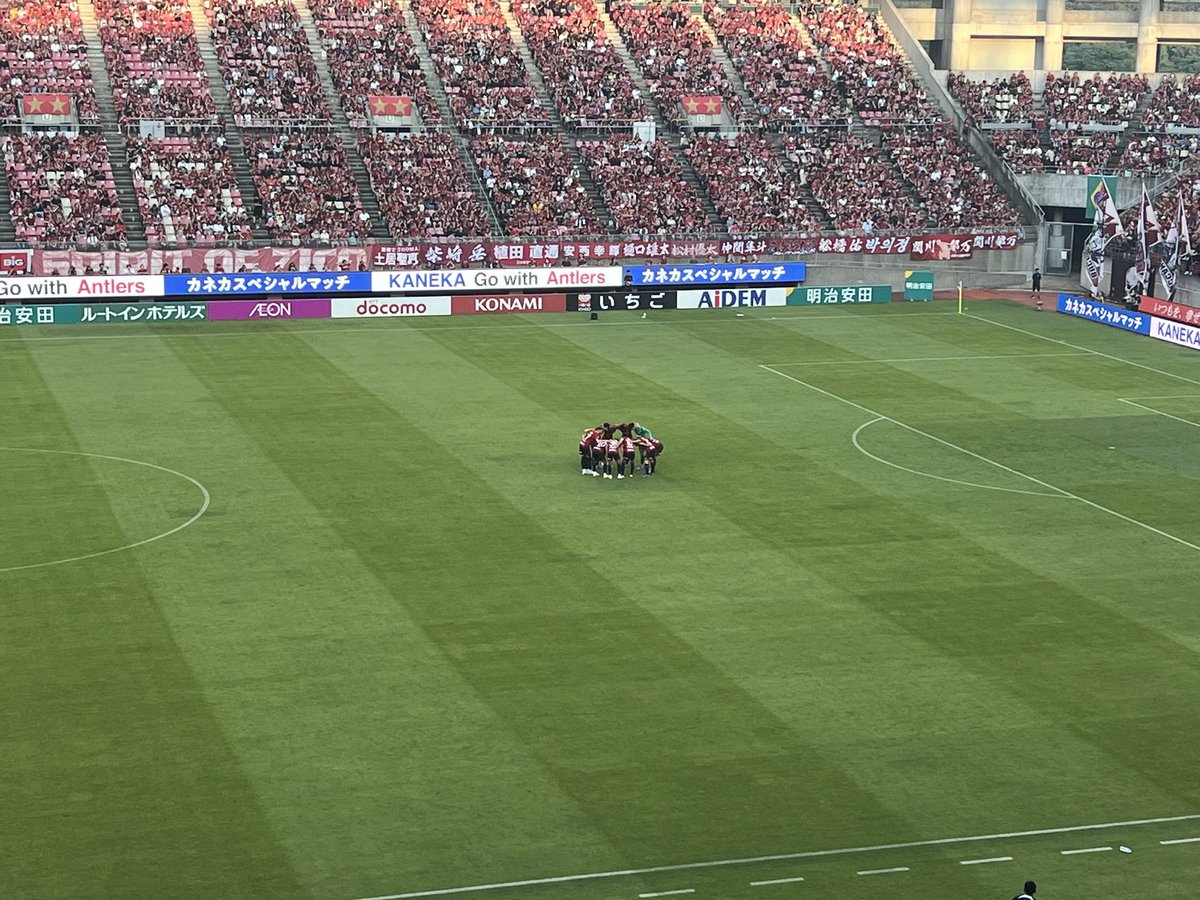
今日のホームFC東京戦、2-1で勝利しました!名古選手と濃野選手ともにファインゴールで難しい試合を勝ち切ってくれました!公式戦は少しブレイク期間に入りますが、上位陣と差が縮まったこの期間を大事にトレーニングに励みます。
応援ありがとうございました!
2
1,318


5 Dec 2023
枠を追加しました。モノクロ3階調ではイマイチだったので、グラフィックを併用して4階調にしました。枠を付けたら内側のウィンドウの枠が不要になったので、WindowOpen→WindowSimpleOpenに変更しました。こんな使い方があったとは!!
2
11
217
13 Nov 2023
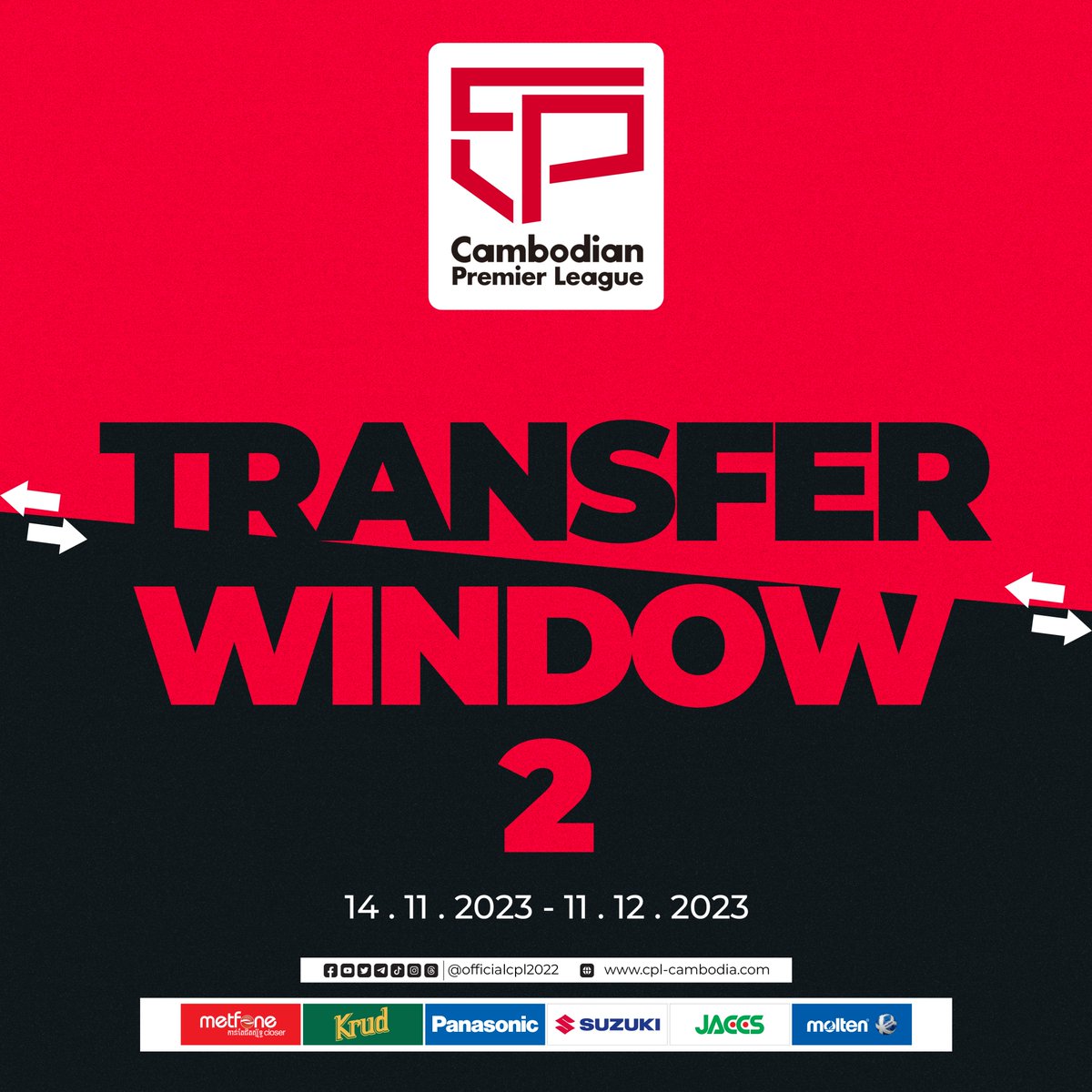
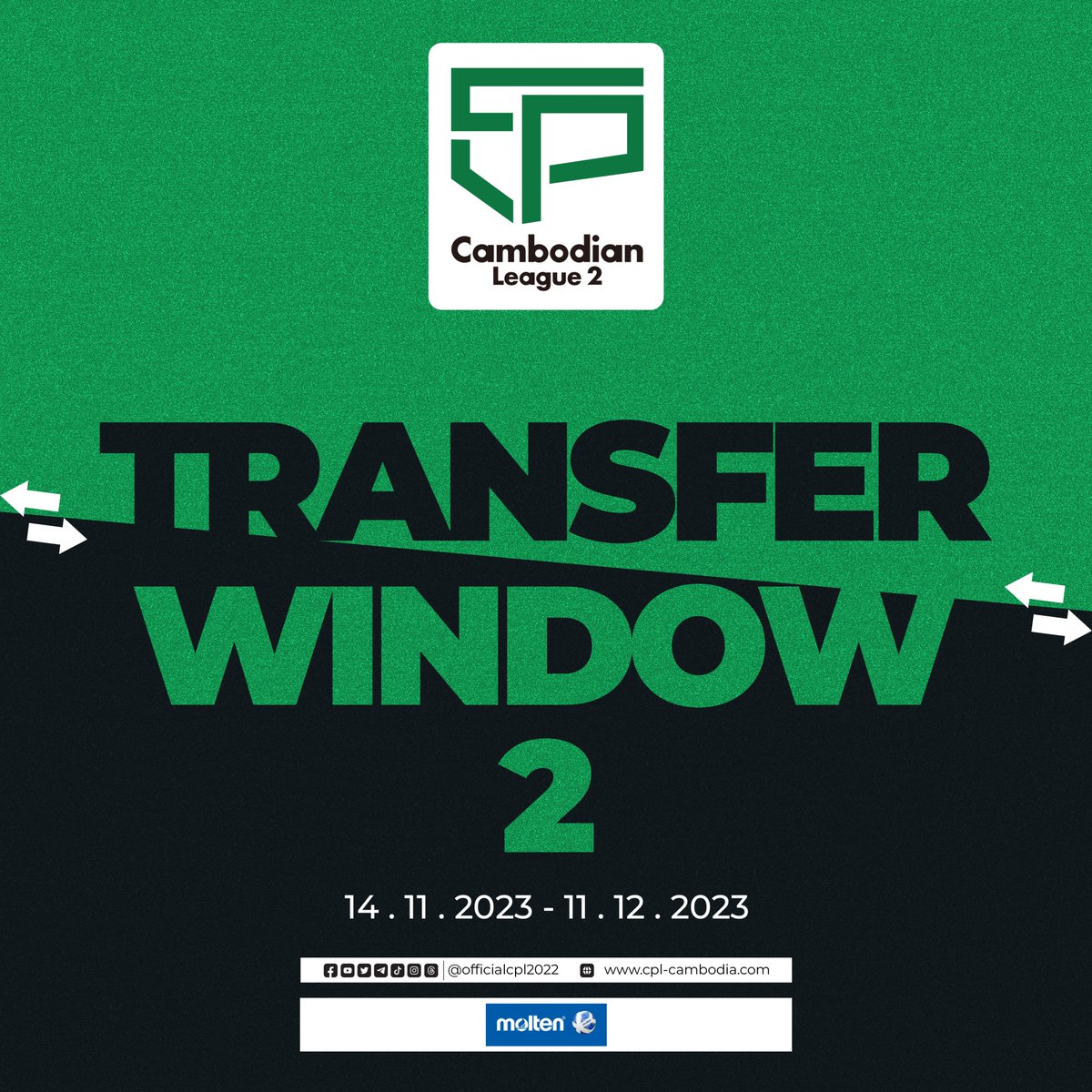
The 2nd round of the Cambodian Premier League 2023/24 season will officially window open on Tuesday, November 14th, 2023 tomorrow 🇰🇭🇰🇭🇰🇭
✨ 14. 11. 2023 - 11. 12. 2023 ✨
CPL Telegram: t.me/officialcpl2022 ✅
#CPL2324 #CPL #FFC #TransferWindow #WindowOpen #Win2
2
158

5 Aug 2023
@drj40 @stuartm46548765 didn’t Jeff say he was going up in the Nissan stu ? Picking up Lee evans and rose on the way , you could always ask him mate 🤷 #windowopen
2
106

21 Jun 2023
FYI- If I’m ever a passenger next to you and you shut the window shade… I’ll have to swing my 👛 😂 #windowOpen
Thank you :)
21 Jun 2023

One of the most therapeutic things for me is a flight over the Sierra Mountains. Amazing to see so much snow! Also, left side is Lake Tahoe. Huge peaks by the horizon is associated with Yosemite Ntnl Park

6
14
1,595


10 May 2023
●Webデザイン講座シーズン1(1-19-26)
●学習23日目
●時間:6時間30分
Buttonタグを使う時のリンクは、<button onclick”location.href=‘●●’”>
別ウィンドウの場合は、windowopen
こういう細かい部分もストックして、効率化に繋げようと思います。
#エーアイテックスクール #積み上げ
3
61
