
It's hard to hide the black Florsheim wingtips when you're wandering around Yasgur's farm naked, suffering from a contact high.
2
13

In fairness, Mr. Hoover sent Gomez to Woodstock to infiltrate the hippie movement. His black Florsheim wingtips outed the op.
1
32
Mayank Lakhandar retweeted

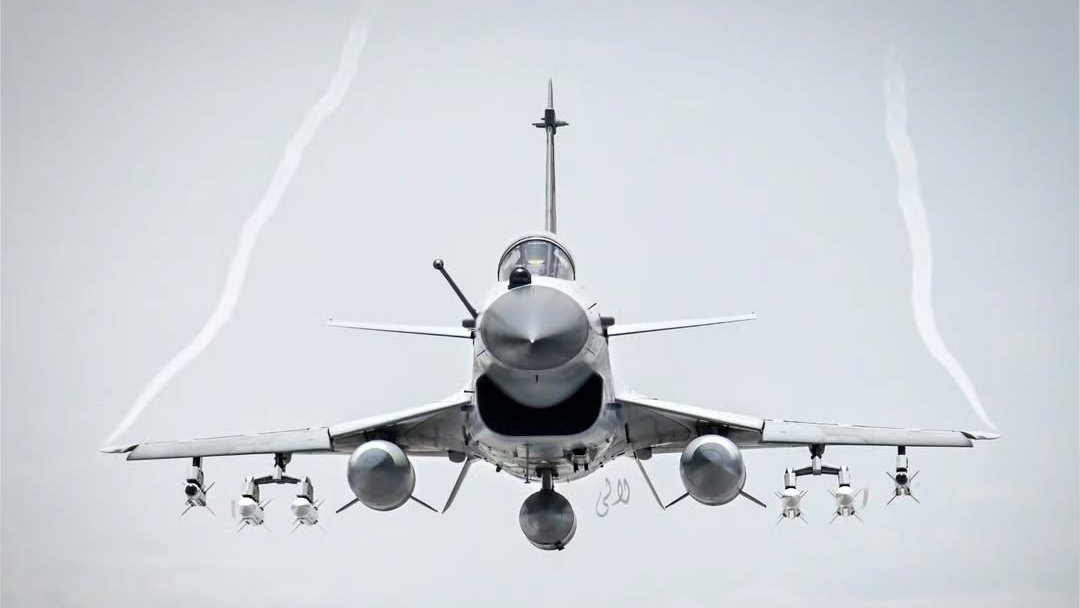
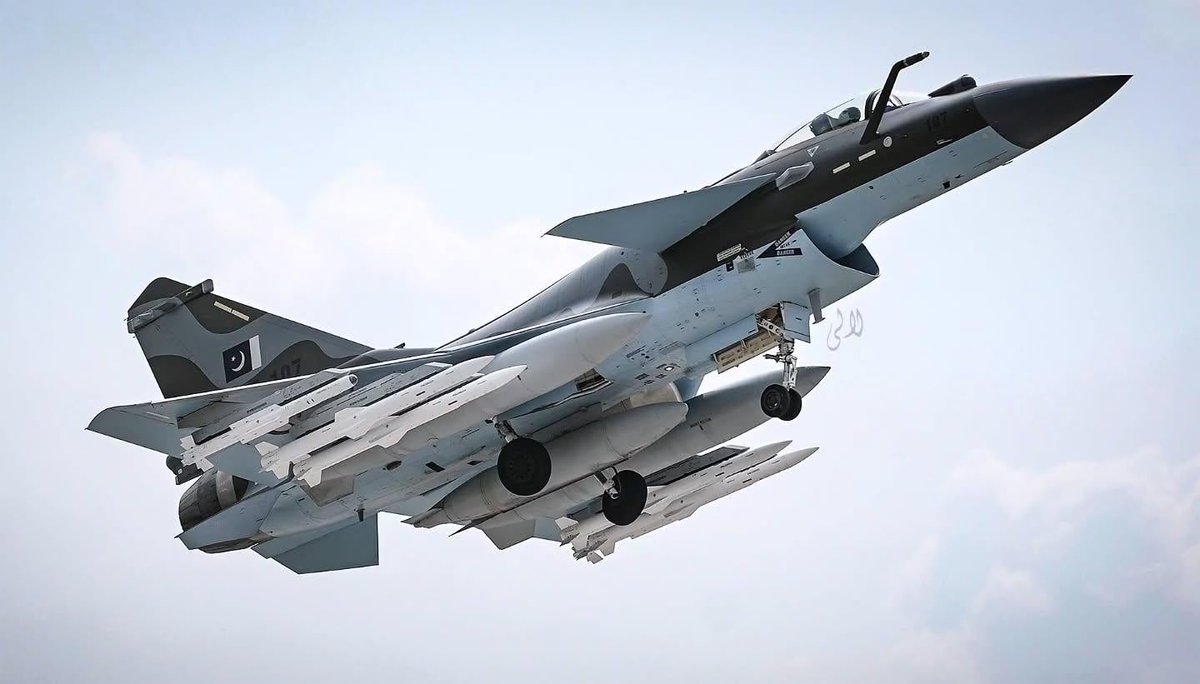
J-10C has a hard point problem, they could have put 2 at wingtips but they didn't.
It has a large nose conse hosting a big radar that's its biggest plus point.

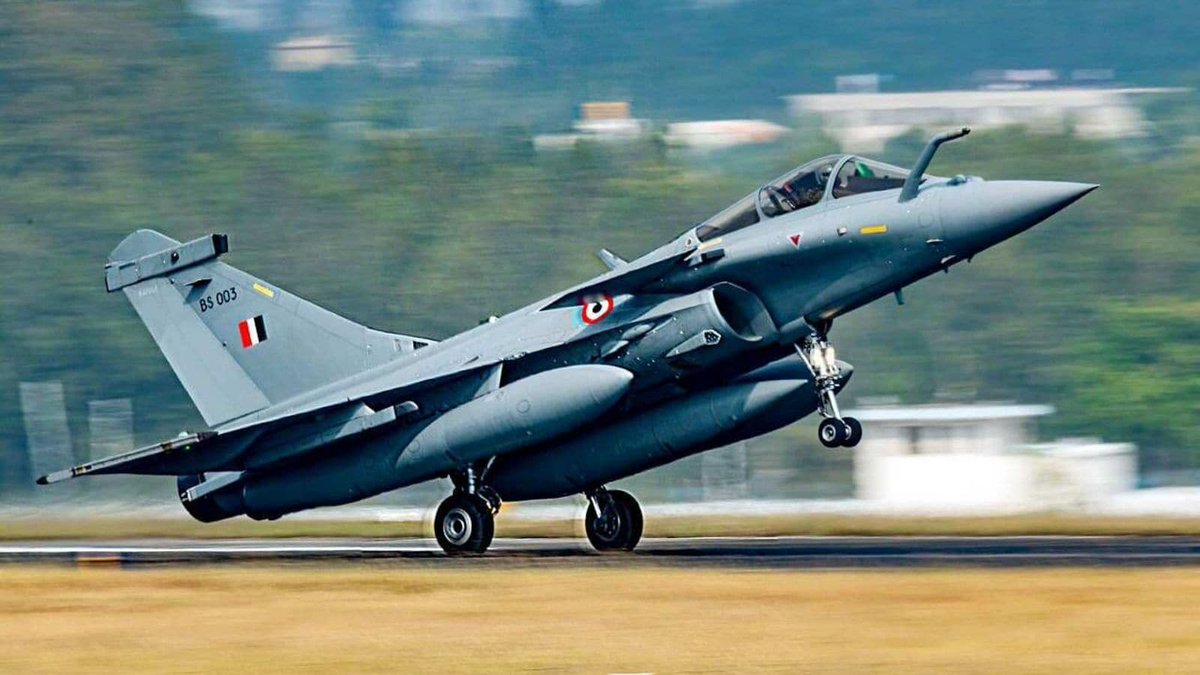
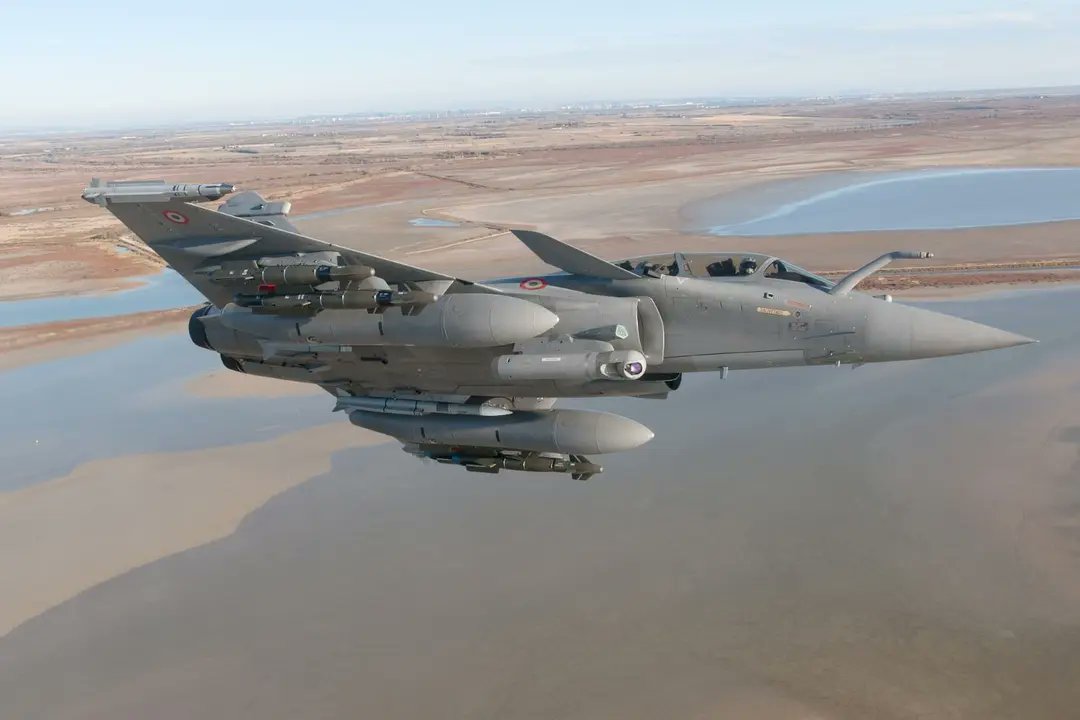
Indians are always boasting about future upgraded versions of Rafale F4, F5 ETC.
What makes them think J-10C will stay same.
J-10C Airframe still has massive upgrade potential even more than Rafale.
In future:
Even Better radar, better Engine,EW PL-17 Capability ETC.
6
44
3,457

Right, let's add drtail to my cryptic post.
The box or 'Prandtl' wing aims to reduce induced drag by fencing the wingtips and preventing vortex roll-over, while simultaneously strengthening the wing structure in a giant torsion box. On paper you'd expect double digit efficiency improvements, but in most multi-disciplinary studies it falls short of the conventional reference aircraft. Why?
Evolutionary or iterative methods have to fix something, and often limit max takeoff weight, or wing loading, or span. This works well with less unusual designs, but the optimal condition for a box wing aircraft is so far removed from a conventional one that you end up at a poorly compromised local optimum: For example, fix wingspan and wing loading and the box wing gets so slender that it's aeroelastically hazardous and needs high rigidity, adding weight and reducing performance. You are cursed by the restraints of the existing conventional optimum (e.g an Airbus A320neo).
But allow the mission description to vary and the box can hold some promise: For example, constrain span at the 36m of a medium haul aircraft but allow the range and passenger complement to expand to a long haul mission and suddenly it starts to make sense.
The box has plenty of other compromises, but the tyranny of the local optimum means that it and other platforms require mission change and novel thinking to be worthwhile: Unlikely in a passenger aircraft.
13
1,863

100% the case. While there are still good incremental improvements to be made (materials, fan gearing, semi-aeroelastic wingtips etc), the smart thing to do is follow that optimization path all the way to the end.
7
1,188

They have an advantage at induced drag but they're usually compared to a regular wing. Winglets, sharklets and all these types of fences (even having the rudders at the wingtips, like a LongEZ) can reduce the induced drag without the complexity of the wing box. It's a compromise
1
2
26

Please look into the B52 crash. There are 8 KIA out of 6. Cockpit should seat only 6, except it was maybe a sperimental one. No crater, no tail fins, engine parts, undercarriages or wingtips. Again, some glitches in the MATRIX.
156

I love them the perfect earbuds that I can have without wingtips unlike other earbuds slipping out my ears.
23
Hell ☭🇵🇸 retweeted

New Version Announcement
Here, hummingbirds and butterflies hover,
Their wingtips damp and stained.
Downward, they drown in the sea of memories,
Following their inner selves to return.
#Reverse1999Ver3ꓸ5 #TheTurquoiseSerpentClub

18
1,094
4,506
154,846

Open? They bought him a bus ticket and a pair of B&W wingtips and dropped him into the LUBE chute.
464


The B-52 can carry a whole lot of fuel, including some in the wing, and external pods on the wingtips, not at all a surprise that not much remained after it all ignited, and it also depends on it's attitude on impact

74

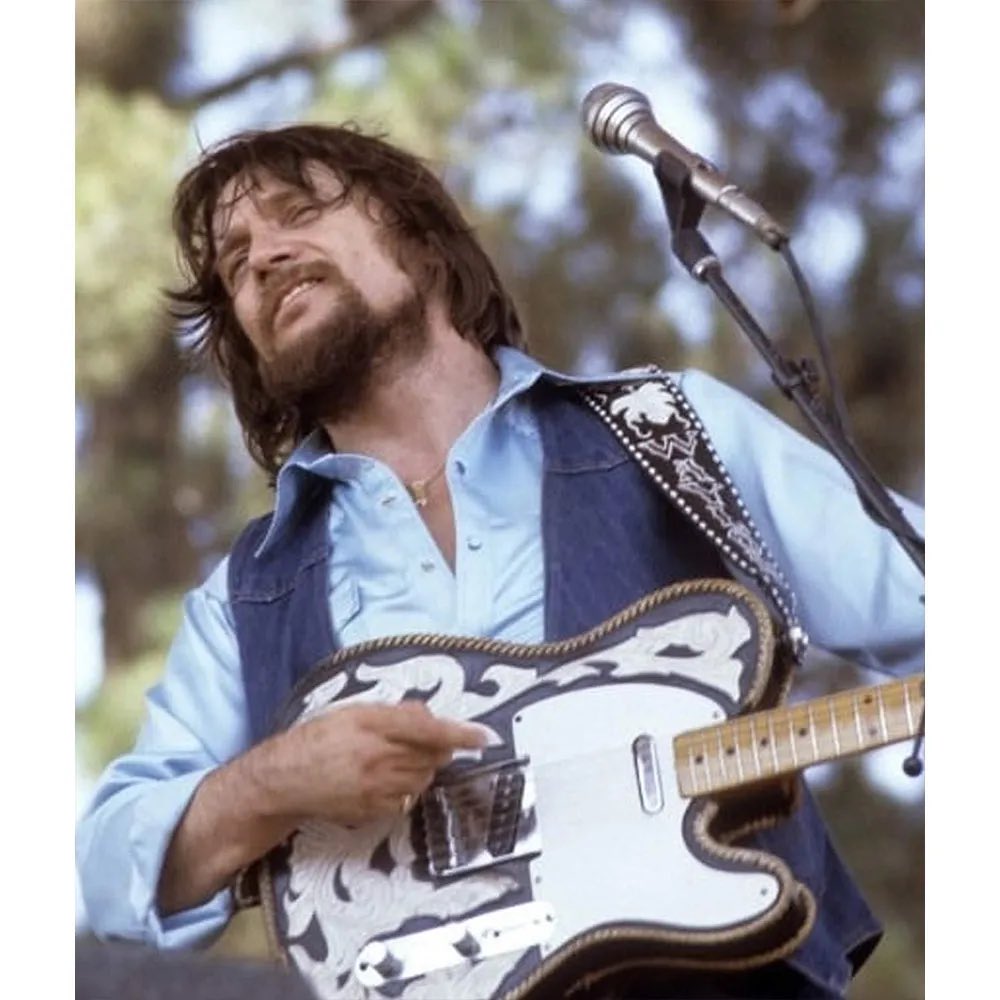
Nashville: Want to celebrate our town while mogging the C-suite? Ditch the sport coat/wingtips for your leather vest/boots like the Big Hoss Waylon Jennings (born on 6/15). Your CEO asks who’s leading the new ad campaign, let ‘em know you’re the Only Daddy That’ll Walk the Line.

1
43

I see they've taken the trainer wheels off the wingtips. That's progress at least.
7
114
Dexter Dan Mowery retweeted

Jun 7
Known today as compression lift, the idea of the XB-70's folding wingtips, was to use the shock waves generated by its own supersonic flight to generate lift.
This clip shows what the Valkyrie could have been.
38
354
3,304
300,358


Why doesn't the plane behind produce a vortex at its wingtips?
1
46

And that is even the smaller/older version which is based on the A300.
Currently Airbus uses the "Beluga XL" whoch is based on the A330 frame. Easily recognizeable on the wingtips.
2
127