
Jun 11
Watch the 60-second taste test 🌱
→ youtube.com/shorts/OqbvlPCLO…
#Vermicompost #Composting #WormBin #BackyardGardening #SustainableFarming
1
3
155

May 28
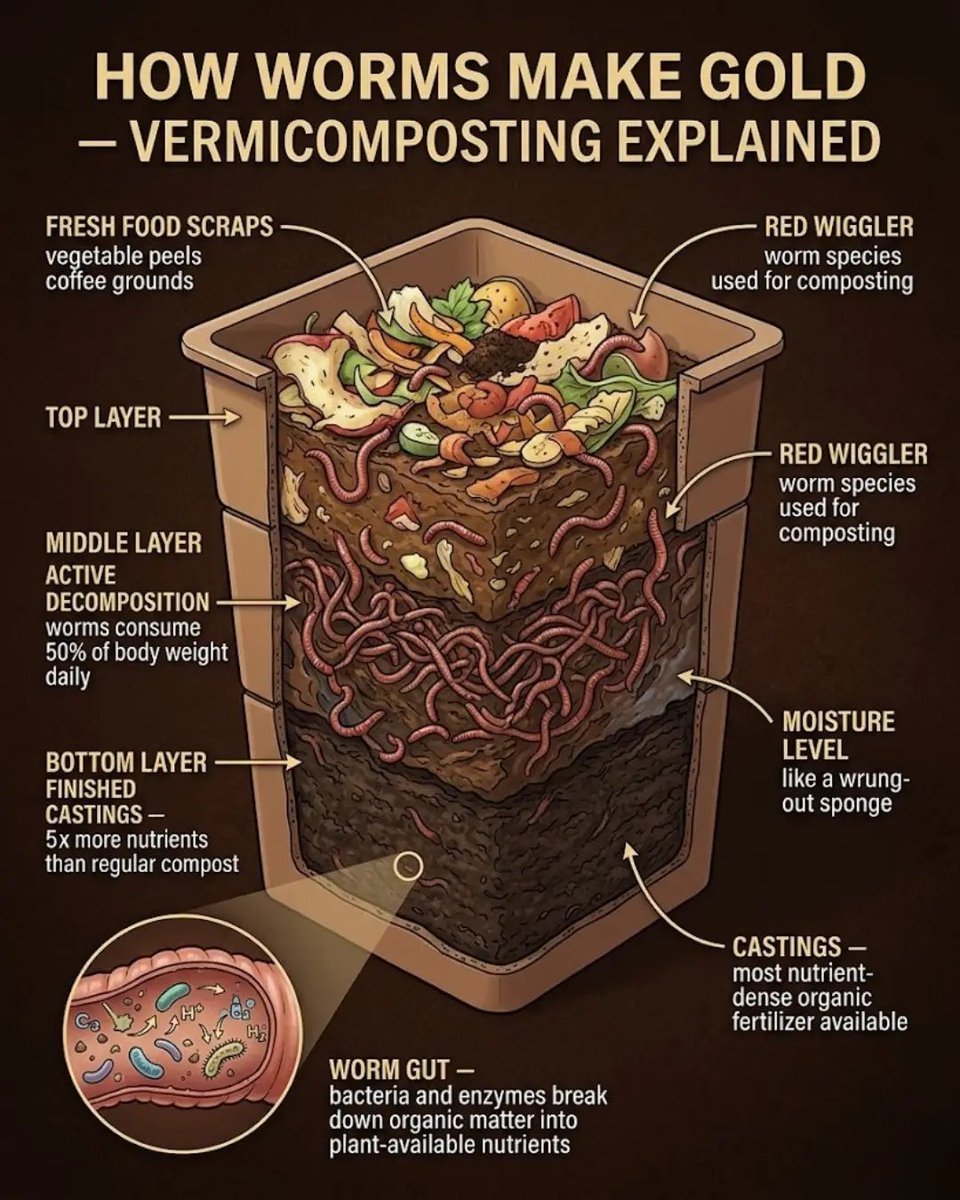
Vermicomposting — using worms to convert kitchen scraps into compost — is one of the most biologically efficient recycling processes available to a home gardener, and it produces a final product that standard compost cannot match in nutrient density.
Here is the science of what actually happens inside a worm bin:
🪱 The worm — Red wigglers (Eisenia fetida) are the species used in vermicomposting, not standard garden earthworms. They are surface dwellers that thrive in decomposing organic matter. A healthy pound of red wigglers — approximately 1,000 worms — can process half a pound of food scraps per day.
🪱 What happens in the gut — As food scraps pass through the worm's digestive tract, they are ground by a muscular gizzard, mixed with digestive enzymes, and colonized by specialized gut bacteria. This process breaks complex organic compounds into simpler forms that plant roots can absorb directly, far more efficiently than standard composting.
🪱 Castings — The finished output of worm digestion is called casting or vermicast. It contains 5 times more nitrogen, 7 times more phosphorus, and 11 times more potassium than average garden soil. It also contains concentrated populations of beneficial bacteria and fungal spores that inoculate the soil around plant roots.
🪱 Worm tea — The liquid that drains from a worm bin is called leachate or worm tea. Diluted 10:1 with water, it functions as a liquid fertilizer and soil inoculant that feeds plants and improves microbial diversity simultaneously.
🪱 What to feed them — Vegetable and fruit scraps, coffee grounds with filters, crushed eggshells, cardboard, and plain paper. What to avoid: citrus, onion, meat, dairy, and oily foods.
A standard worm bin fits under a kitchen sink, produces no significant odor when managed correctly, and processes the average household's vegetable scraps entirely within a few months.
#Vermicomposting #WormBin #SustainableGarden
6
22
531

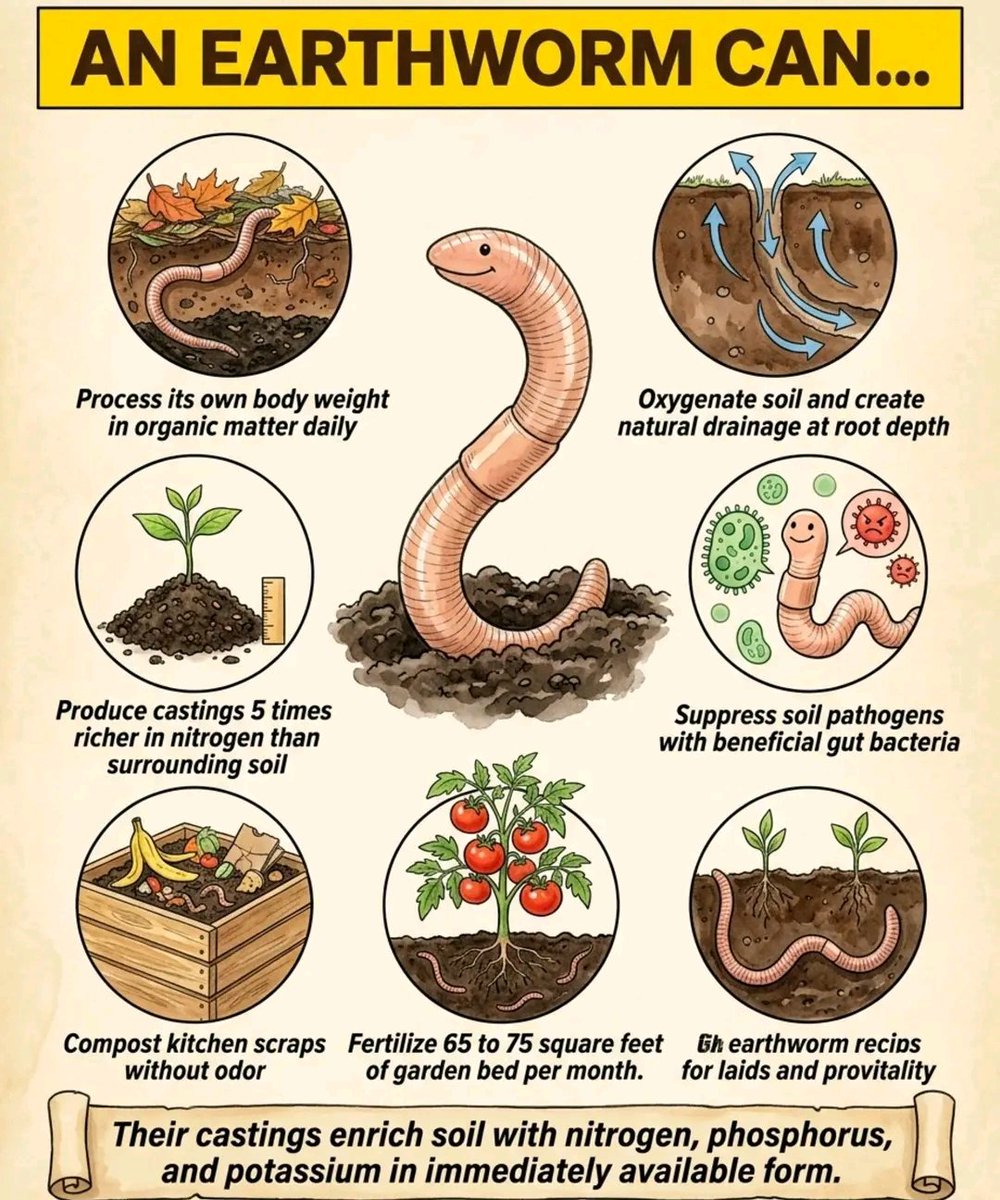
An earthworm has no eyes, no lungs, and no teeth — and it improves your soil faster than anything you can buy. 🌿
Six things a single earthworm does in your garden:
Processes its own body weight in organic matter daily — the castings it produces are significantly richer in available nitrogen, phosphorus, and potassium than the surrounding soil. Every worm in your garden is a continuous fertilizer factory running at no cost.
Oxygenates soil at root depth — worm tunnels carry air down to where roots actually need it. A healthy worm population creates aeration channels that stay open long after the worm has moved on.
Creates natural drainage — the same tunnels that carry air also channel water downward. Beds with active worm populations drain faster after heavy rain and hold more moisture during dry periods because of the improved soil structure.
Suppresses soil pathogens — as worms move through decomposing organic matter, they inoculate the soil with beneficial bacteria through their gut lining. The bacterial community in worm castings actively competes with and suppresses harmful soil fungi.
Composts kitchen scraps without odor — red wigglers (Eisenia fetida) process food scraps in a contained worm bin with no smell when managed correctly. No meat, citrus, or onion. Everything else breaks down into dense, dark castings.
Produces castings that work immediately because the nutrients are already in plant-available form, unlike raw compost that still needs time to break down. 🌱
To start a worm bin: a wooden or plastic bin, moist shredded cardboard as bedding, food scraps from the kitchen, and a starter population of red wigglers. Two months to first usable castings. No purchased inputs required after setup. 🪴
Their castings enrich soil with nitrogen, phosphorus, and potassium in immediately available form.
#WormBin #Vermicompost #SoilHealth #GardenEcology #OrganicGardening
1
18
43
994

Apr 22
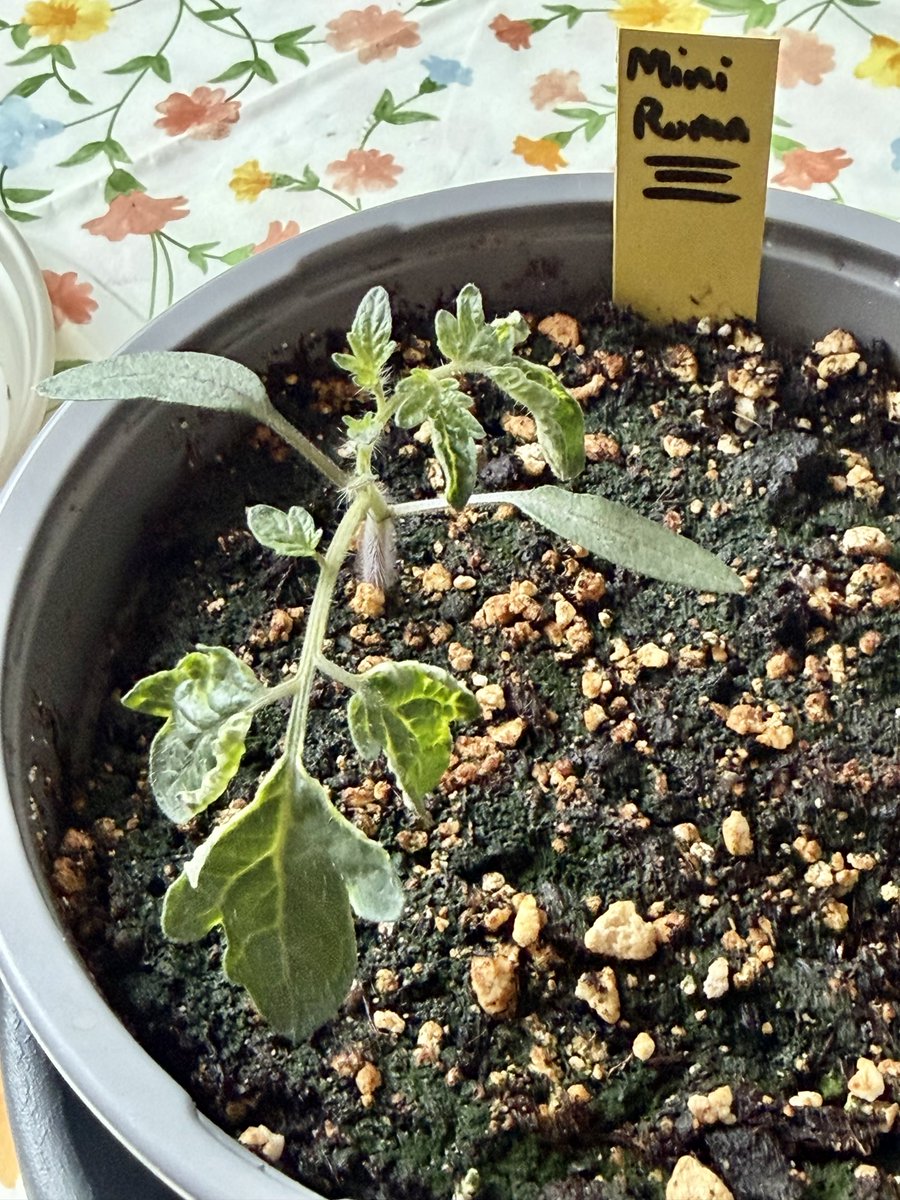
Tomato Torture
Day 24
Nope. Putting the tortured plant nearer to the light did not help. ‚Pushing‘ these mini tomato plants like one can push canna plants, did not work 😅
Threw it in the wormbin 😎
From here on in, no torture anymore. Hopefully just mini tomatoes in a few weeks!
Apr 18

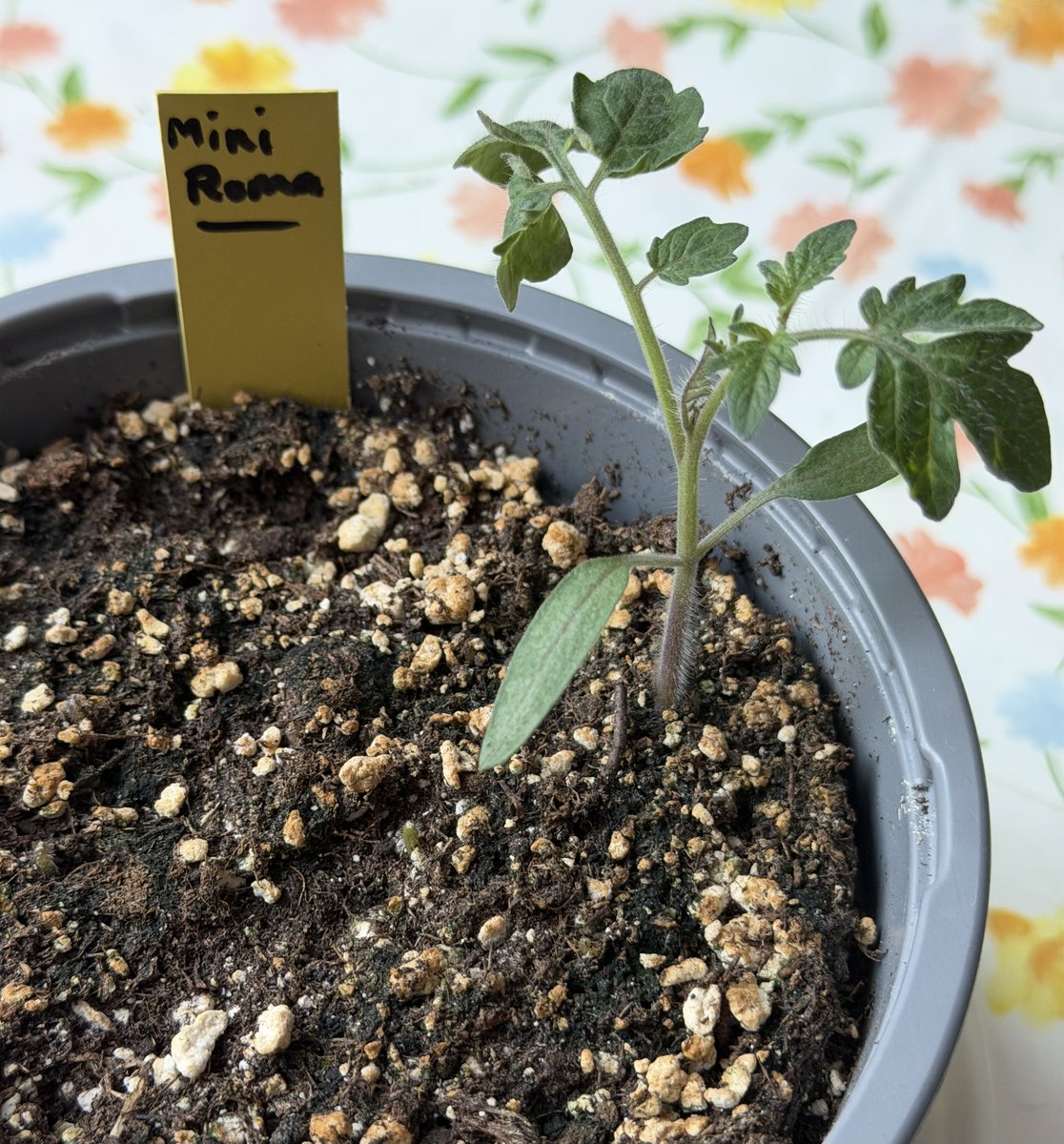
Tomato torture
Day 20
The two chosen ones.
The difference is clear now 😅😂
I’ll raise the tortured one another 5cm closer to the light and see if that makes her metabolize quicker.. or however you call that with plants 🤷♂️💚💨
2
7
162


Apr 13
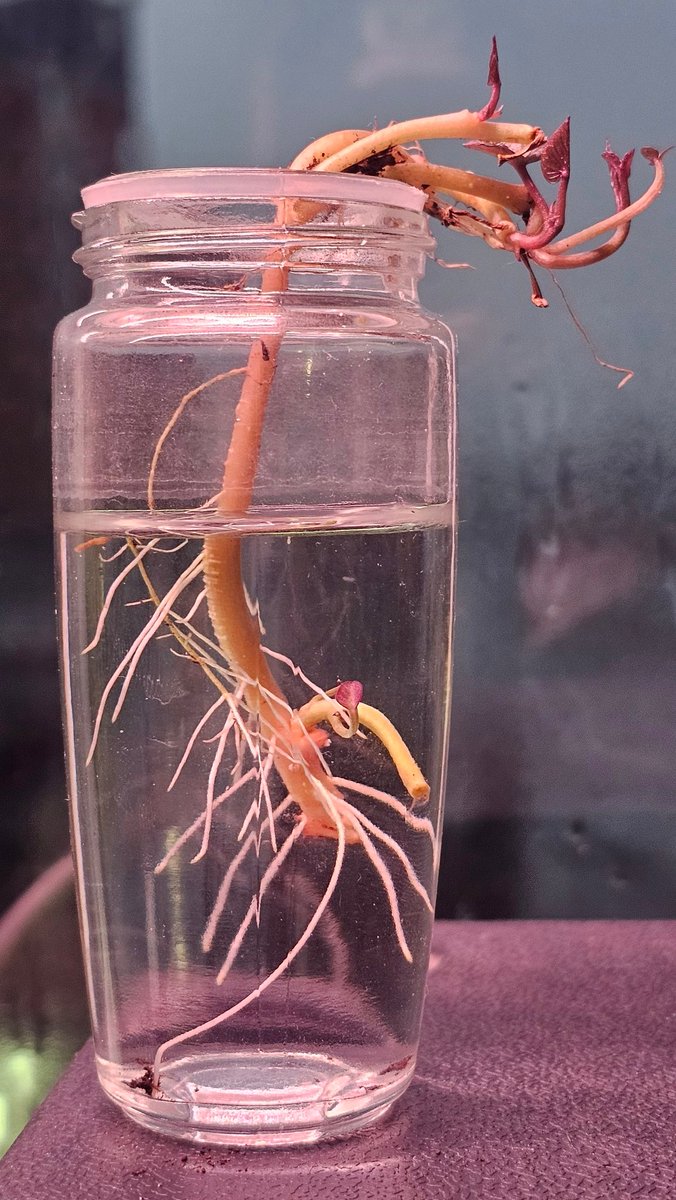
We got roots!
The wormbin sweet potato slip!
Facinating!
Apr 6

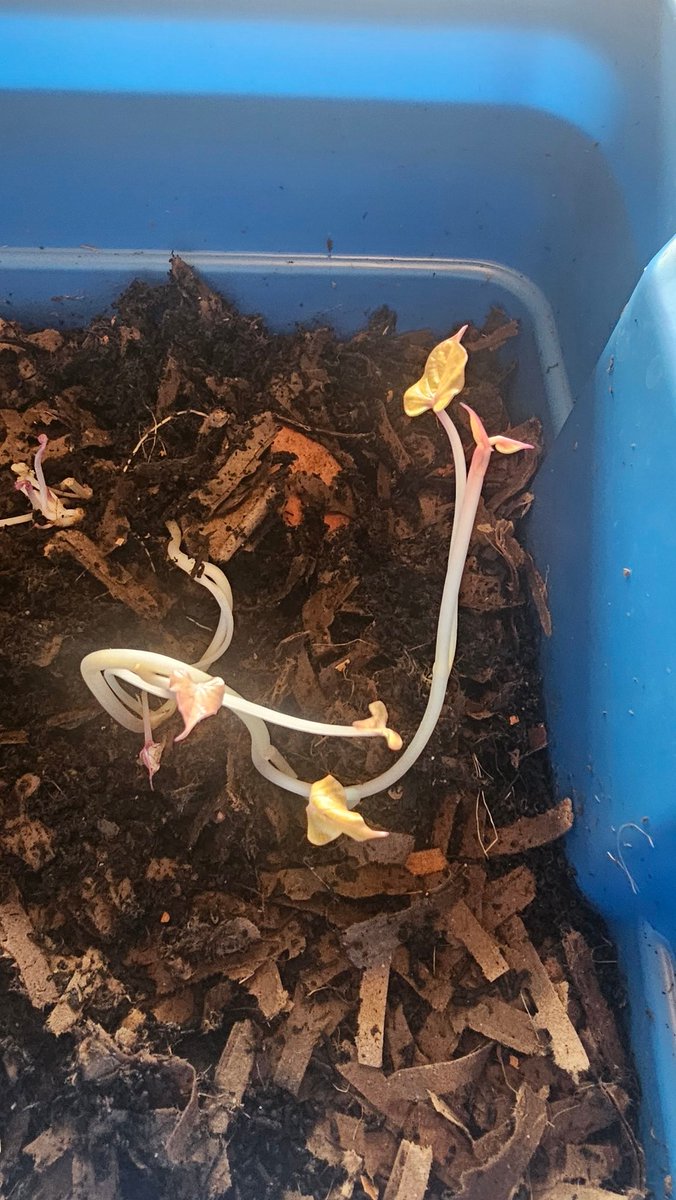
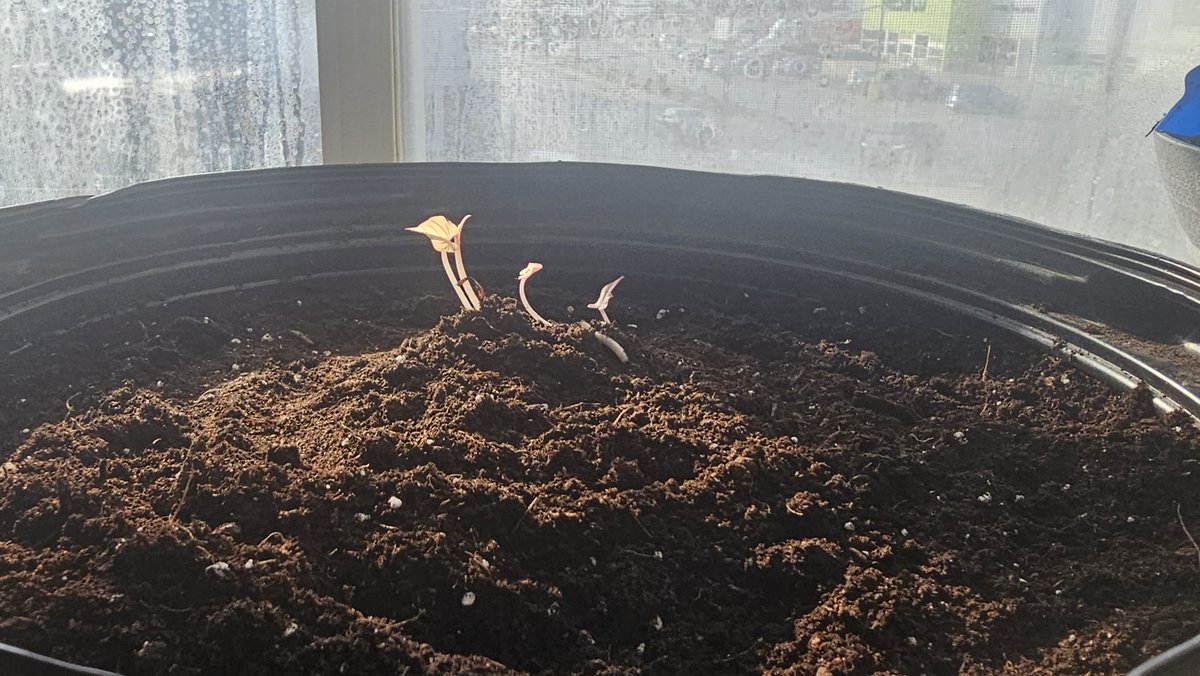
This sweet potato has been in the worm bin since February 20th.
The worms have been slowly eating it from the outside in.
It kept pushing anyway.
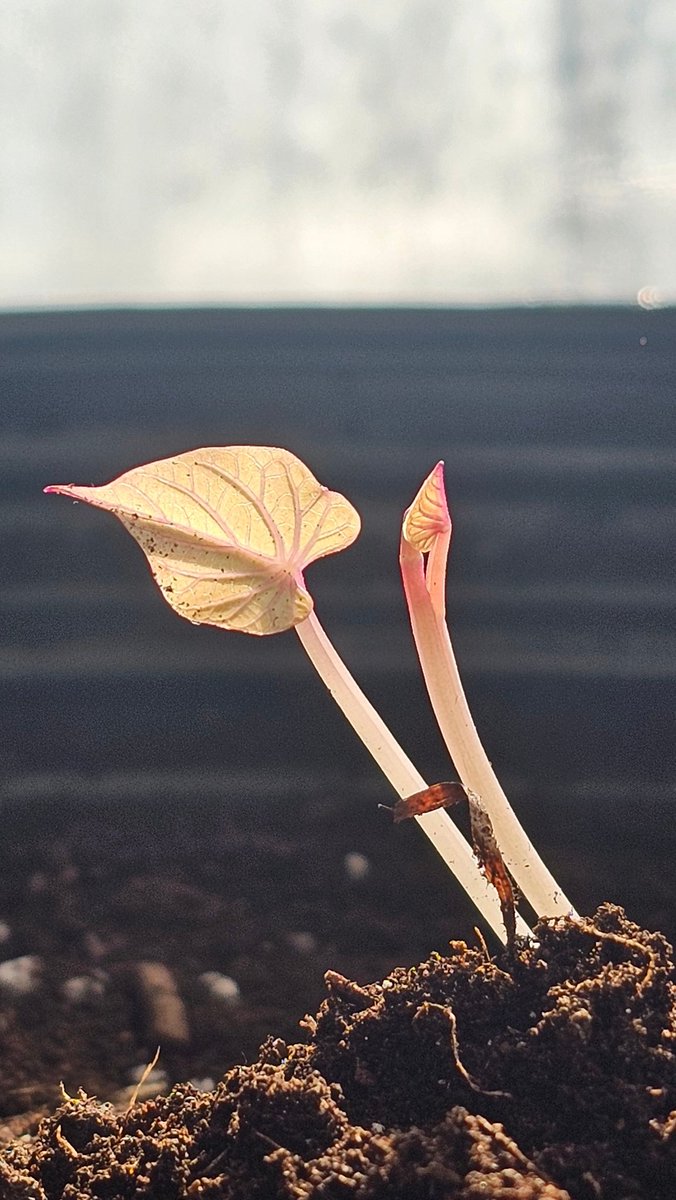
No light. Just stored energy. It pushed the burlap up. Sent out slips. Reached for a light it couldn't see.
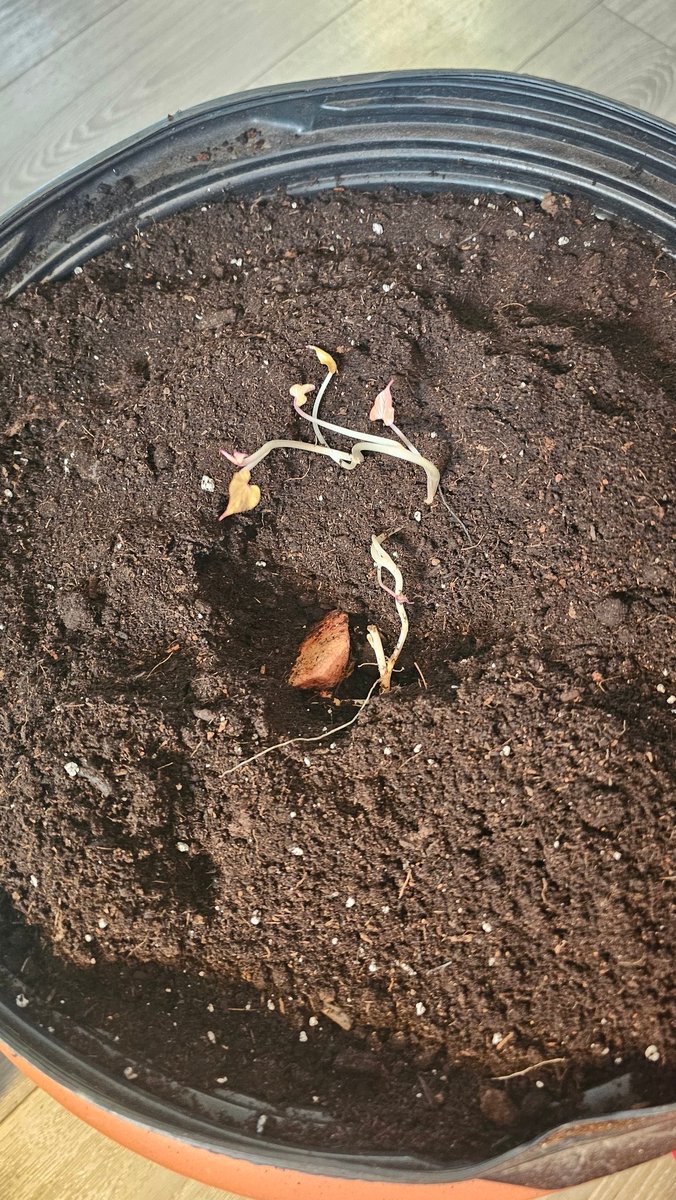
We pulled the slips this morning. One is in water, the other got planted whole. We gave it what it wanted 😄
Lesson from a half-eaten potato in a worm bin: You don't need perfect conditions to keep going. You just need to keep going.
4
1
29
1,929


20 Dec 2025
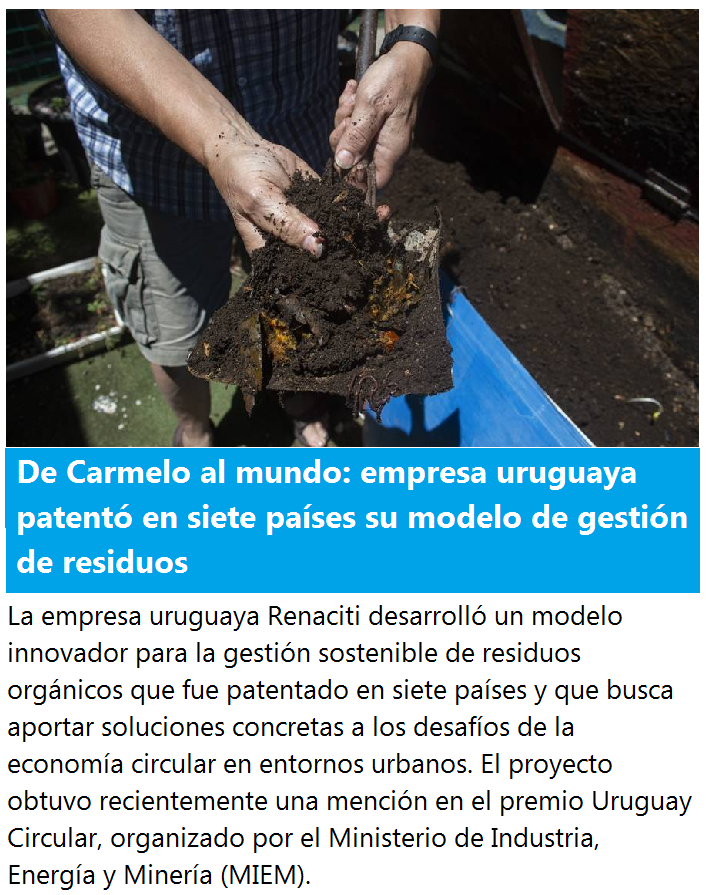
🇺🇾El sistema Wormbin, desarrollado por la empresa Renaciti, permite reducir hasta 60% el volumen de desechos orgánicos y transformarlos en biofertilizantes, energía o alimento animal.
➕ℹ️ladiaria.com.uy/futuro/artic…
2
17
441

17 Dec 2025
I dont see how it's related but I do actually do vermicomposting. I have a wormbin in my garage. I'm raising them to feed my chickens.
1
1
20

hi wormbin long time fan and follower can you please draw coralena nsfw but they're dying in war??? or maybe even in a coal mine after it collapses. Much appreciated love you. (kisses the letter after signing and sprays perfume on it)
1
6
220

5 Aug 2025
I had a dream that I have a pet chicken that I named "Wormbin"
1
2
47

17 Jan 2025
Anyone else's wormbin 🪱 🪱 throw random 🍄 out the side?? 😅 It has so many different cultures in it, never know what might pop up.
The worms seems happy, I will harvest the bottom tray in a week or so (bottom tray wasn't shown).
I hope everyone is having a great week 🎉
2
16
390

19 Oct 2024
Tis the season to share Creepy Crawlie🪱
#halloween #draintheswamp #maha #worms #wormbin #composting #foodscraps #gardening #growfood #growyourgreens #plantseeds
4
175

29 Aug 2024
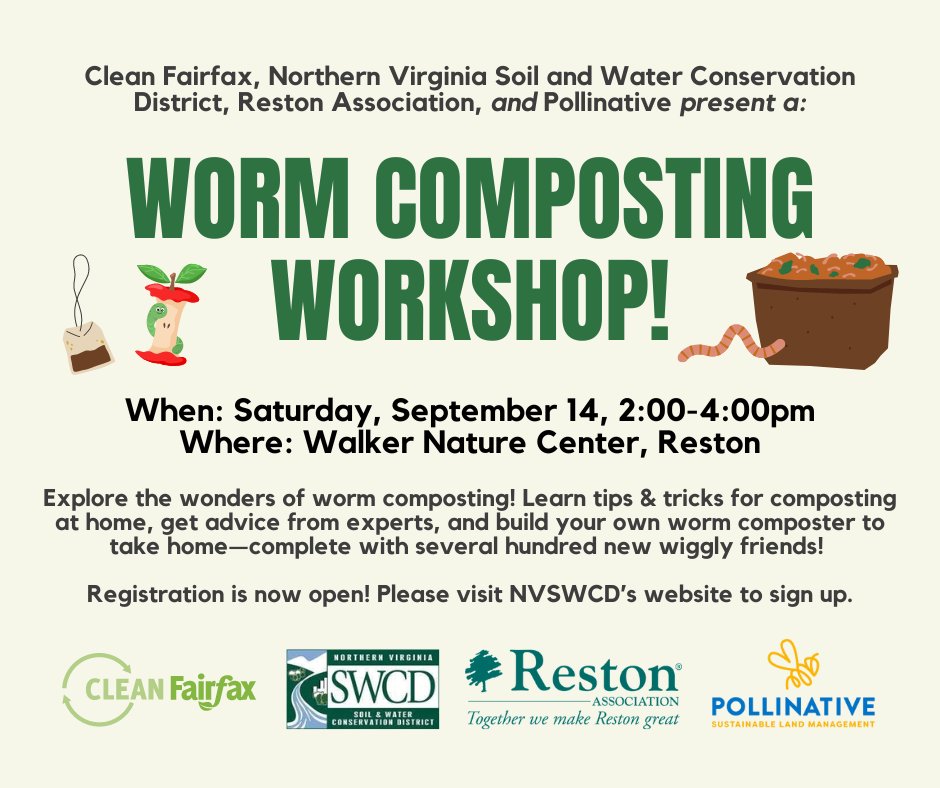
📣 We're hosting a worm composting workshop next month with our friends at Northern Virginia SWCD, Reston Association, and Pollinative! 🪱
Registration is now open but spots are limited!
🔗: ow.ly/Up1g50T6PMu
#WormComposting #WormBin #Workshop #Sustainability #LowWaste
2
17

18 Aug 2024
wormbin.,,,, YES
18 Aug 2024

watching the live on a random reupload on youtube cuz im too lazy to redownload weverse and this is killing me

6
106


20 Feb 2024
The primary reason I use a worm bin, at least right now, is to maintain worms specifically red wigglers. Why? that have a faster metabolism and larger appetite than common earthworms. They really pump out poo aka black gold.
#family1stogs #livingsoil #organic #wormbin
2
84

20 Jan 2024
Coco, Oly Mountain Compost, Montan Grow, lava rock for aeration, and Gaia Green is what makes up most of it.
I added a little crustation meal, and Worm castings.
Finally have my first castings from the wormbin finishing. I'm excited to try the homemade version.
1
36





11 Nov 2023
2
6
26
1,106