Are we seeing the start of a distinctively "Labour" approach to managing tech and cultivating the UK's industrial strengths — or is this government simply more of the same when it comes to AI?
I'll be discussing this and more with three fantastic panellists on Monday 11th 👇🏻
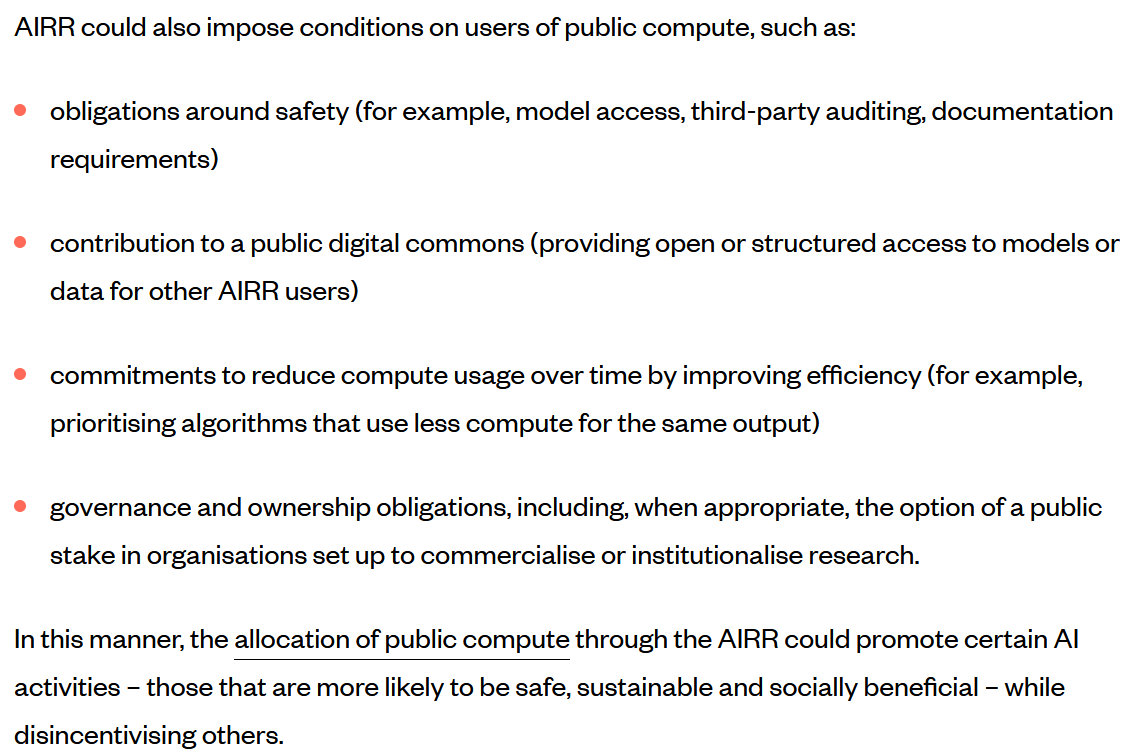
The AI Action Plan's pledge to increase public sector compute by a factor of 20 by 2030 is promising, but it'll need effective procurement to be a worthy investment
@halcyene Eleanor Shearer & @DantonsHead set out a strategy for expanded public compute ⬇️
adalovelaceinstitute.org/blo…
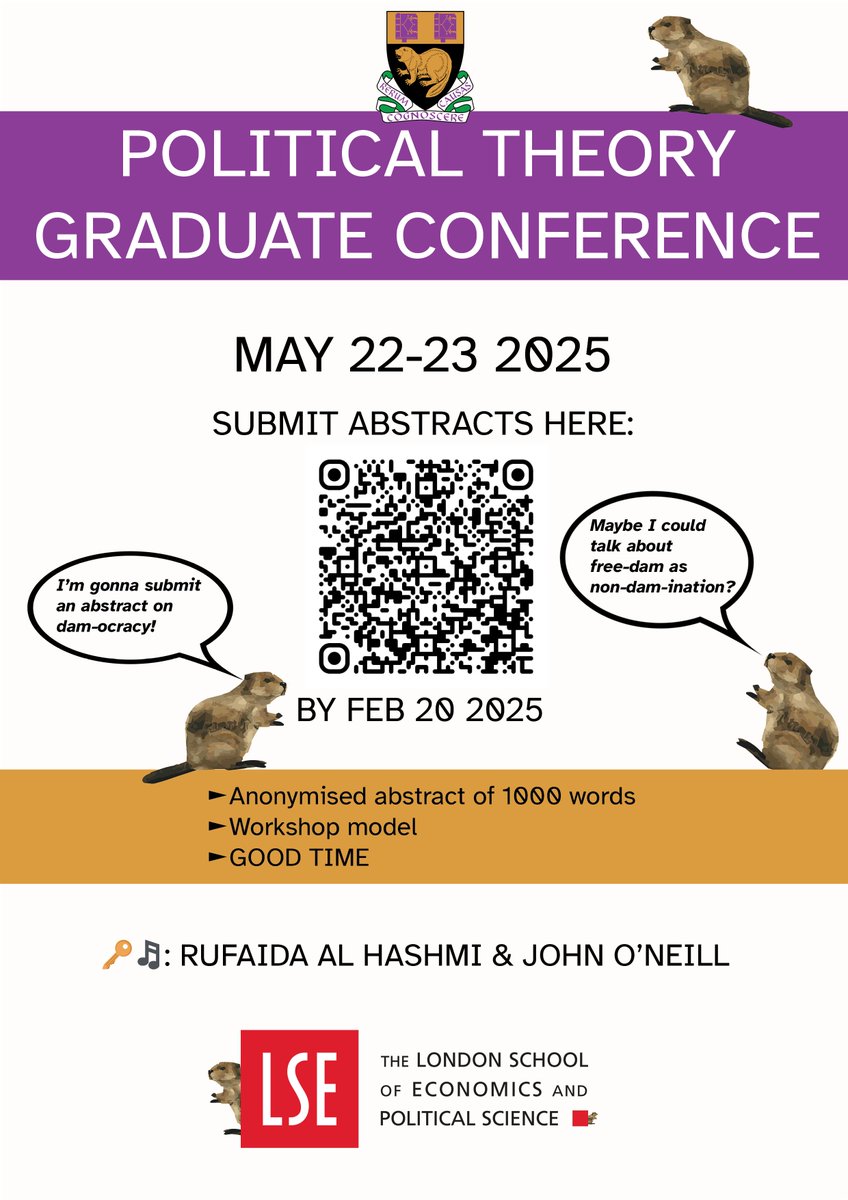
Our awesome PhD students are organising a graduate political theory conference on 22-23 May. Keynotes by Rufaida al Hashmi (Reading) and John O'Neill (Manchester). Submit your abstracts by 20 Feb!
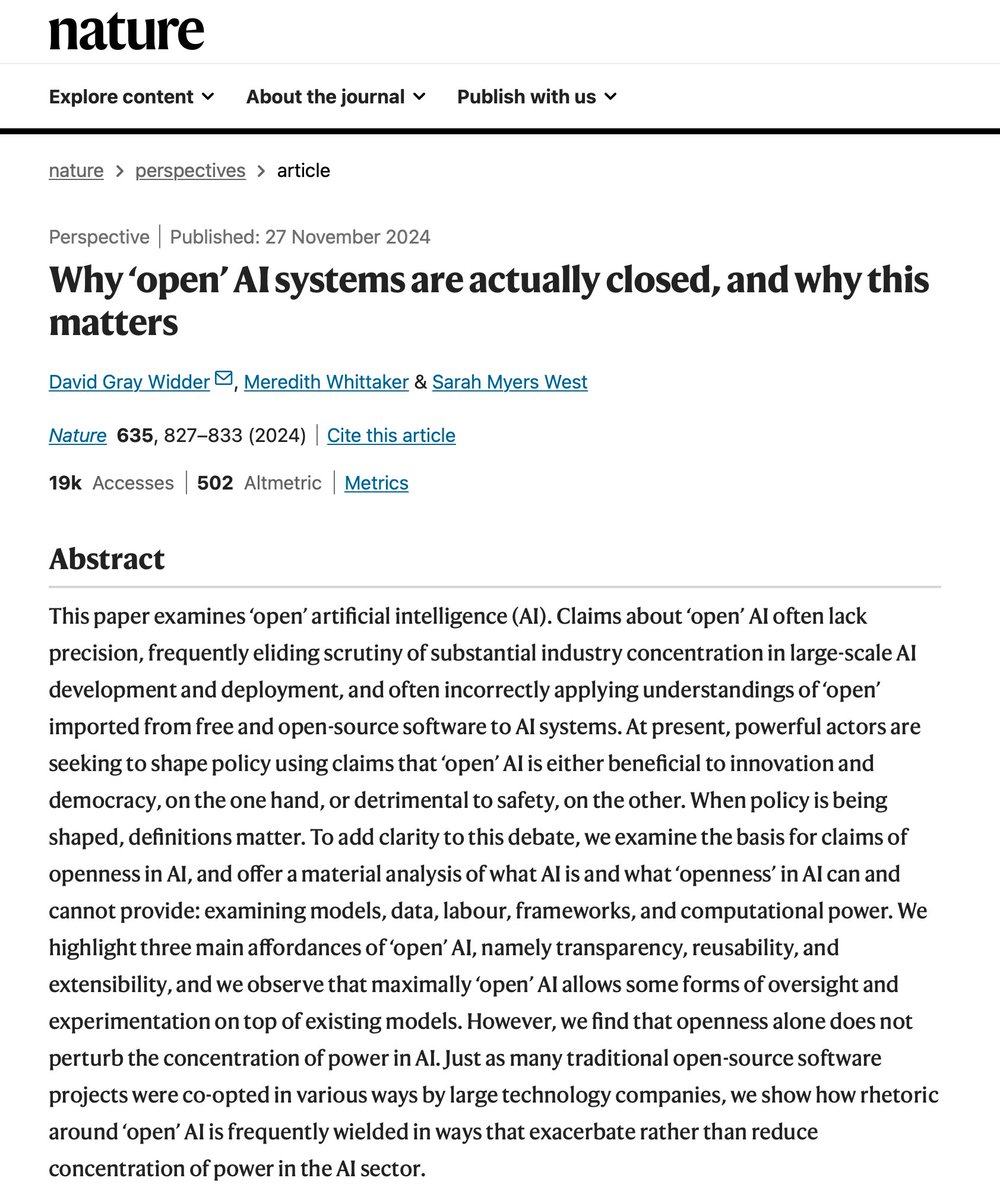
ALT Screenshot of Nature website of linked article with title "https://www.nature.com/articles/s41586-024-08141-1" and abstract:
This paper examines ‘open’ artificial intelligence (AI). Claims about ‘open’ AI often lack precision, frequently eliding scrutiny of substantial industry concentration in large-scale AI development and deployment, and often incorrectly applying understandings of ‘open’ imported from free and open-source software to AI systems. At present, powerful actors are seeking to shape policy using claims that ‘open’ AI is either beneficial to innovation and democracy, on the one hand, or detrimental to safety, on the other. When policy is being shaped, definitions matter. To add clarity to this debate, we examine the basis for claims of openness in AI, and offer a material analysis of what AI is and what ‘openness’ in AI can and cannot provide: examining models, data, labour, frameworks, and computational power. We highlight three main affordances of ‘open’ AI, namely tra

Political theorists working/living in London! The London Political Theory Network is hosting a holiday reception at KCL next Friday. All are welcome. Details & registration here:
eventbrite.co.uk/e/london-po…
This is such a moving interview recording with Gillian Rose, covering topics from taking LSD, medical discourse, Camille Paglia, Judaism, the perceived demise of Marxism, and eternity ("the only thing I believe in") youtube.com/watch?v=-Xk5KT-_…
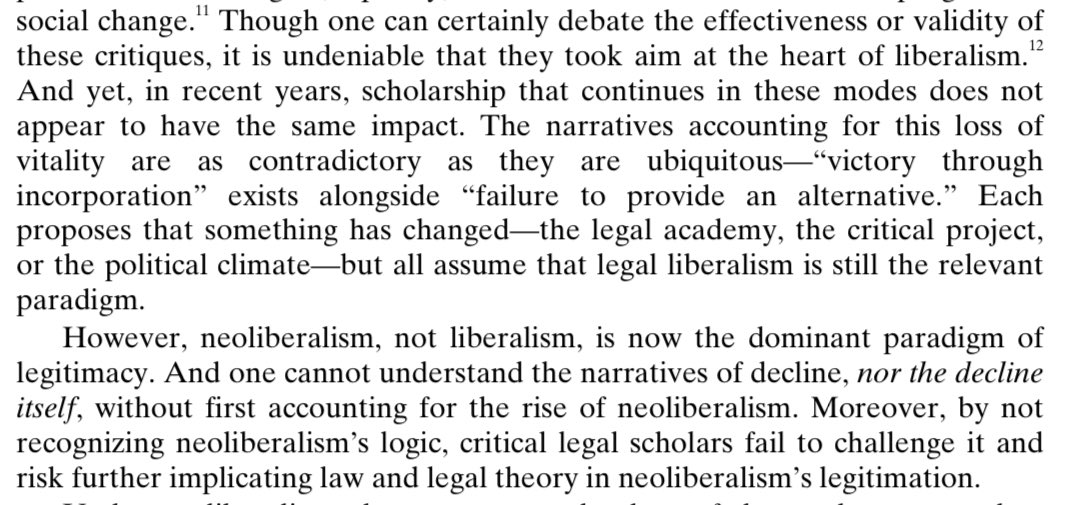
Today in American Legal Thought: @corinneblalock on Neoliberalism and the Crisis of Legal Theory, and @salome_viljoen_’s Relational Theory of Data Governance. Two remarkable essays, that diagnose our crisis and think our way forward
yalelawjournal.org/feature/a…
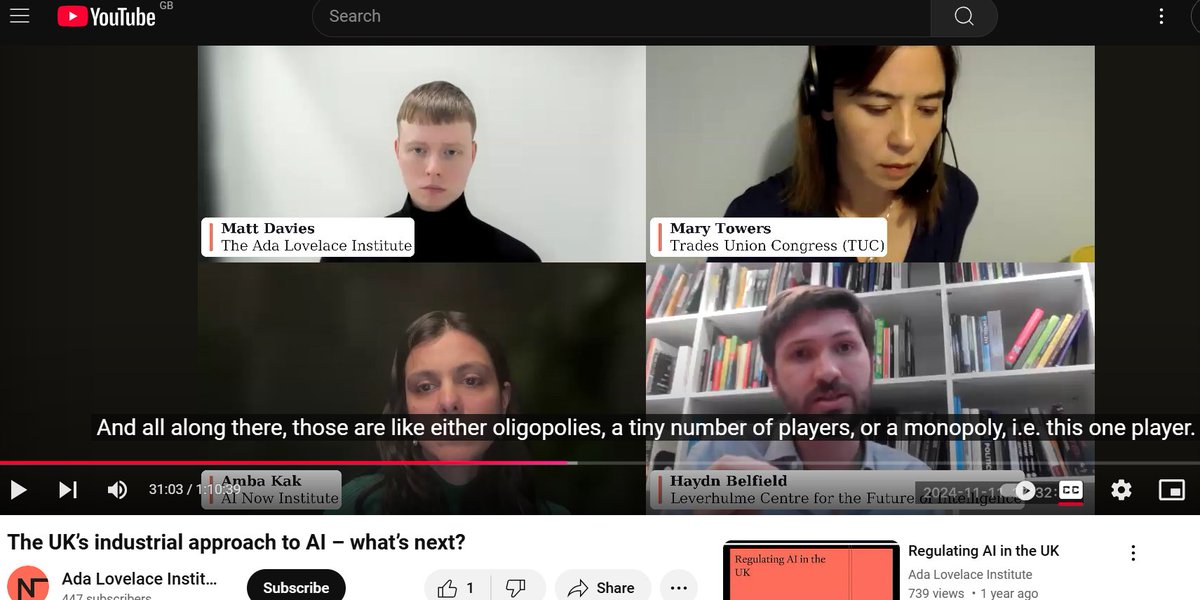
Real pleasure to be part of this discussion on the UK's industrial strategy on AI -- hearing insights on union wins on AI from @MaryMay_ling & different approaches around the world from @ambaonadventure
If you've got some time, give it a listen!
(link, as ever, in 2nd tweet)
ICYMI: last week @AdaLovelaceInst published initial findings from my research w @JaaiVipra into "public compute".
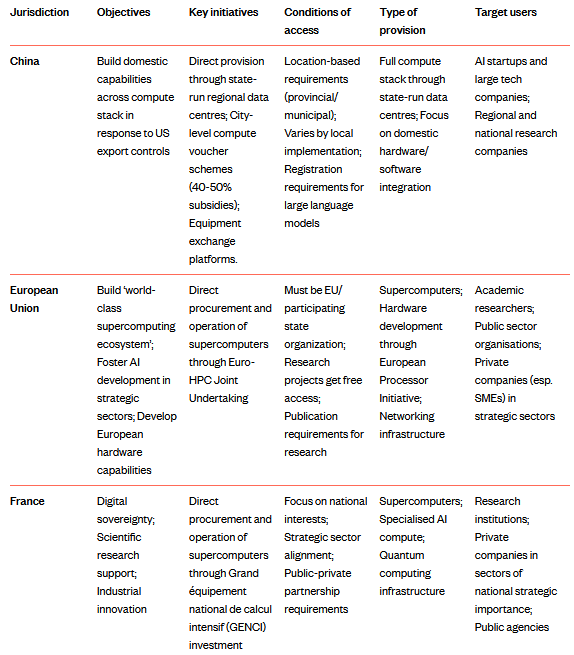
Our briefing maps public compute strategies across the world (see snippet below) sets out a provisional typology for understanding them.
Yesterday we were fortunate to welcome @maxkrahe in conversation with @BrunoLeipold to talk to our political theory masters & PhD students about his own experiences on the masters, the link between theory and public policy, and how political change happens @LSEGovernment
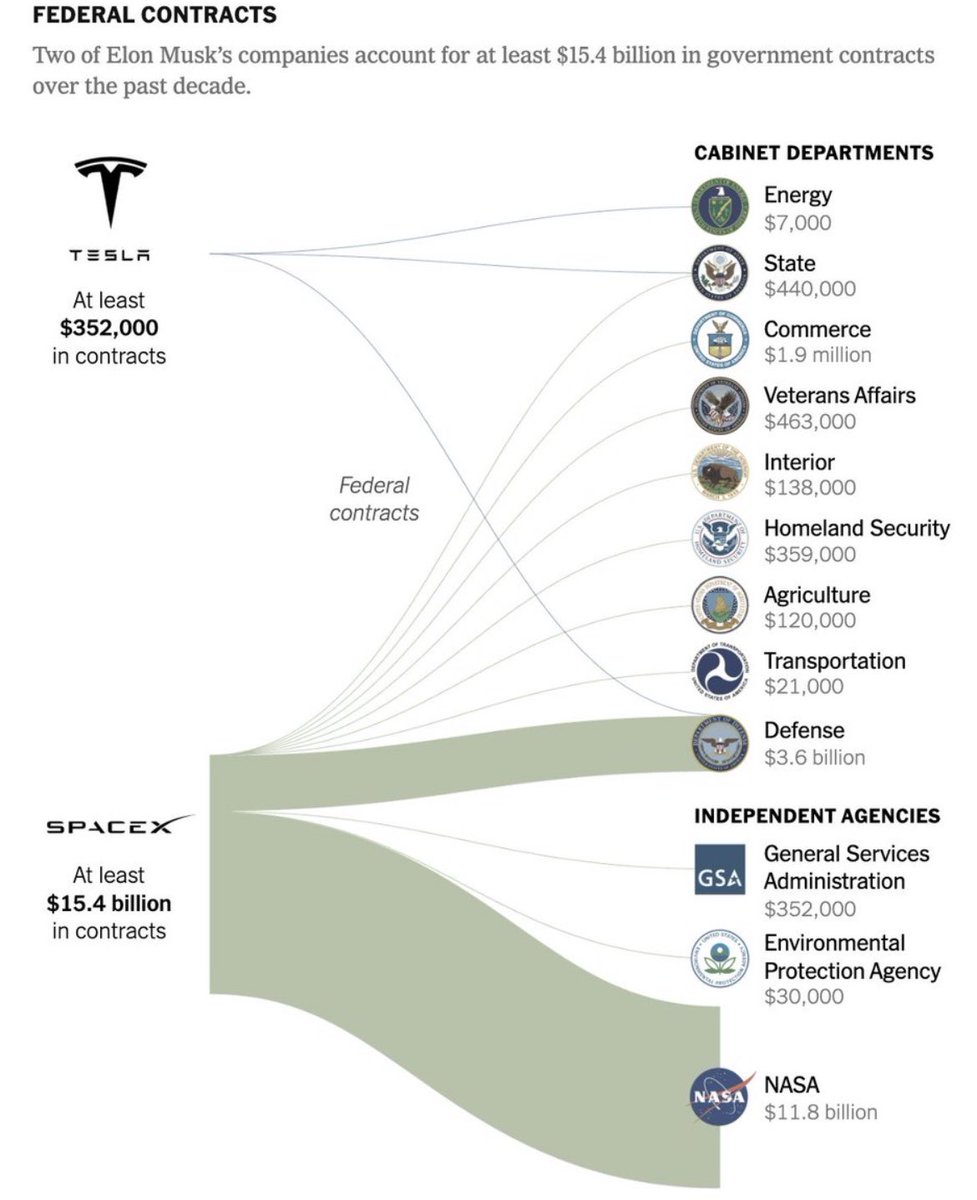
Trump announced that Elon Musk will lead a new department to cut government spending.
Looking at government subsidies for Musk's companies, we can be pretty sure where he will *not* be cutting.
The conflict of interest is mind-boggling.
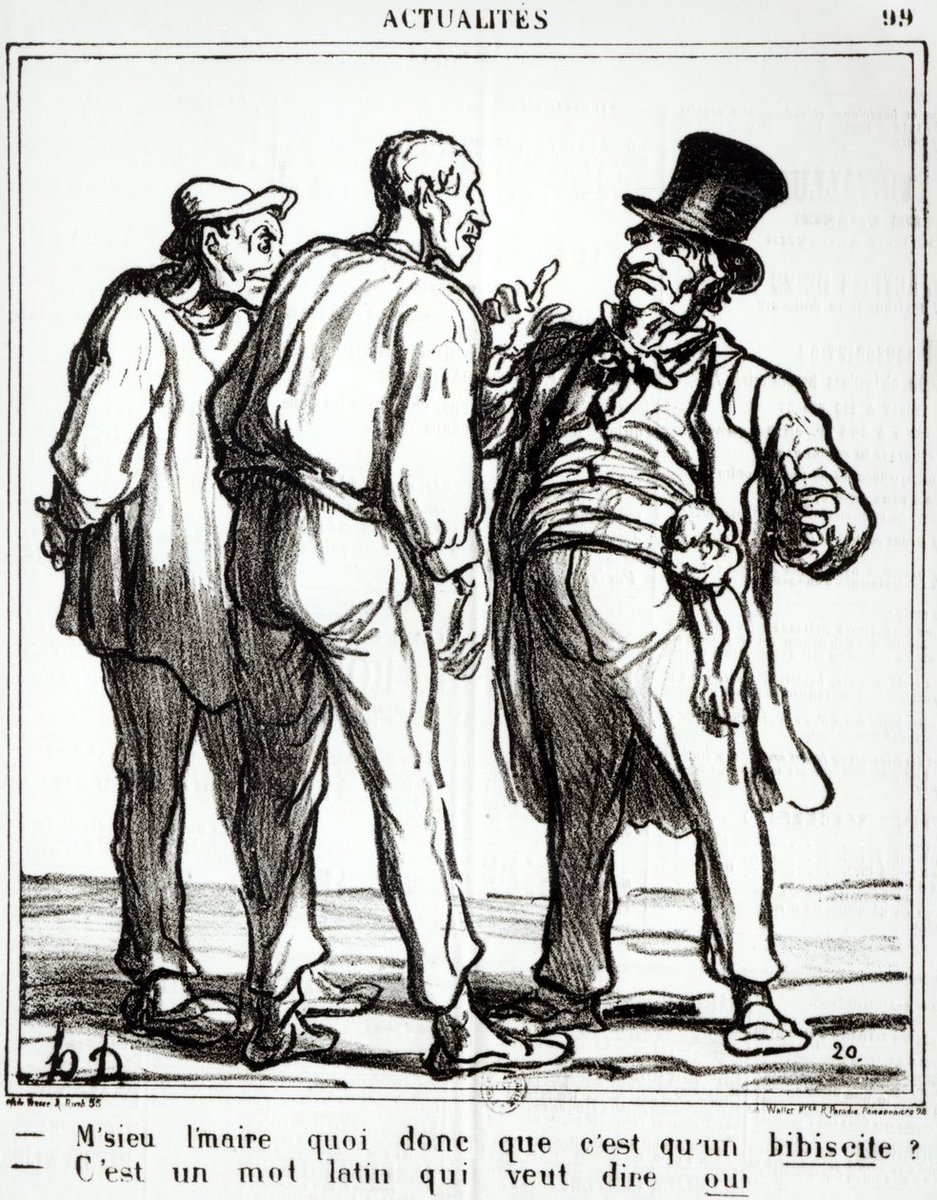
Please stop saying that the peasants voted for Bonaparte due to ‘economic anxiety’ - grain prices have in fact risen consistently since the 1847-1848 crisis. It’s about something else: misinformation.
Any analysis that conceives of “public opinion” as a hard, static constraint or, worse, a force *exogenous* to the constant swirl of discourse of politicians, pundits, and operatives of all sorts is fundamentally unserious and has zero understanding of the very basics of hegemony
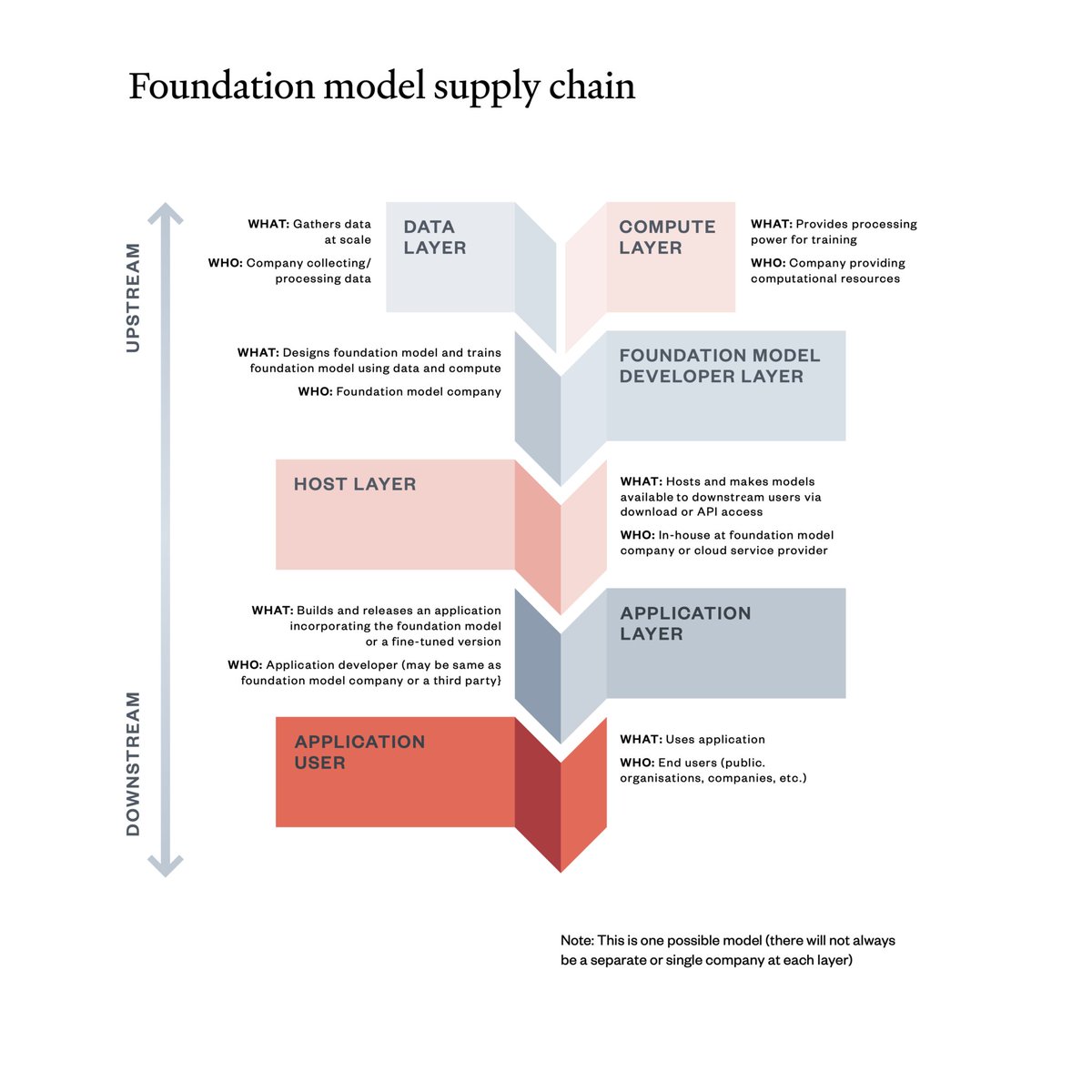
Compute (the processing power to train/run AI models) has gained prominence as AI has become an industrial priority for countries or trading blocs globally.
Our policy briefing maps existing and planned strategies for public provision of compute.
adalovelaceinstitute.org/pol…
Registration is now open for this year's Brian Barry Memorial Lecture delivered by Pratap Bhanu Mehta on Wednesday 20 November 2024 at 6.30pm lse.ac.uk/government/events/…
Are we seeing the start of a distinctively "Labour" approach to managing tech and cultivating the UK's industrial strengths — or is this government simply more of the same when it comes to AI?
I'll be discussing this and more with three fantastic panellists on Monday 11th 👇🏻