
AAFC crop entomologist, still learning lots, Blue Bomber fan (yay 2019 & 2021!). Opinions are my own, not necessarily my employer's.
Joined February 2011
- Tweets 1,996
- Following 940
- Followers 1,218
- Likes 8,008
134 Photos and videos




Haley Catton retweeted

Jun 3
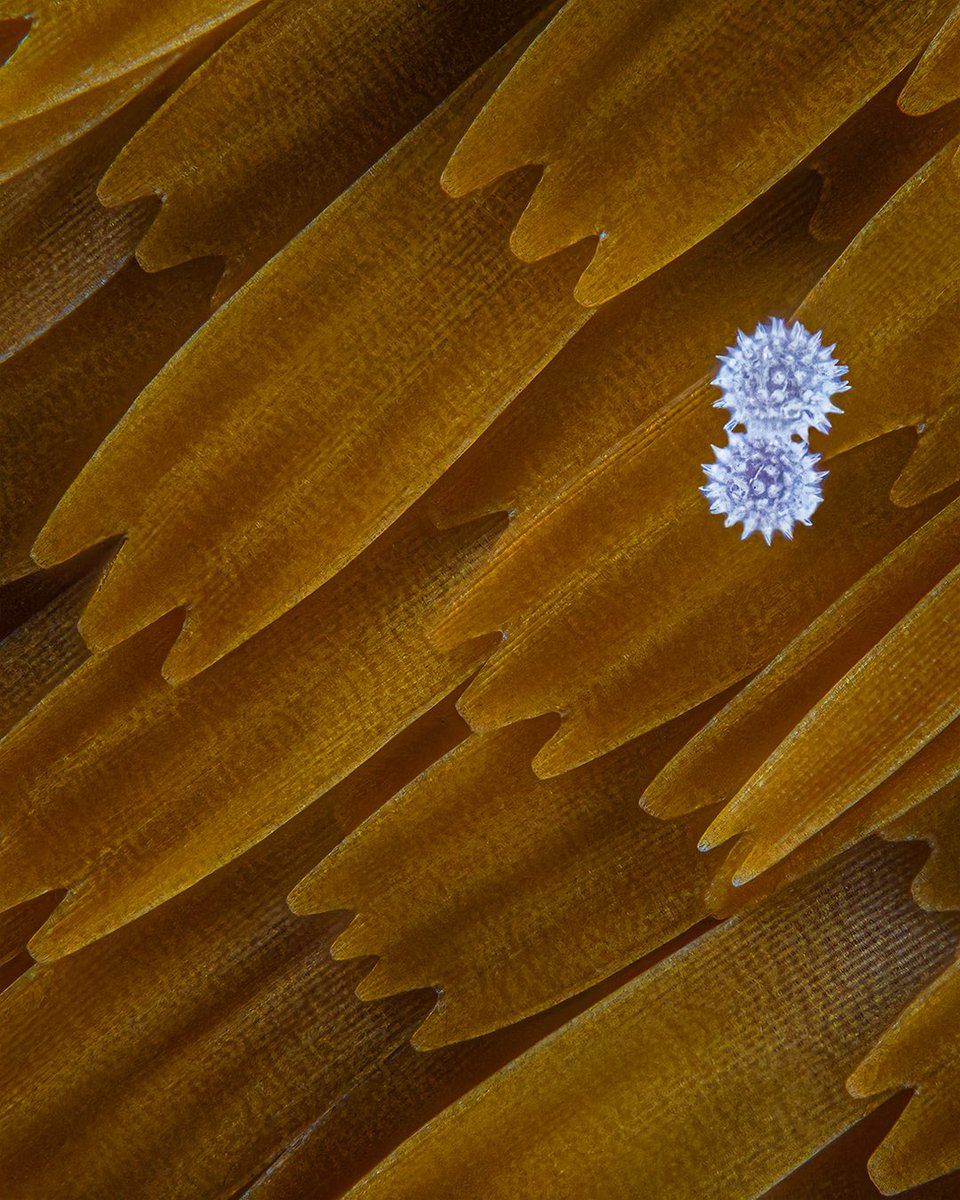
Two pollen grain of a sunflower on a hummingbird hawk-moth (Macroglossum stellatarum) wing at a 50:1 magnification. Most of the sunflower pollen are yellow but these are white.
11
73
1,389
Haley Catton retweeted
Mar 25
„Why did you decide to photograph insects?“
- A question I am often asked.
A closer look at what often goes unnoticed.
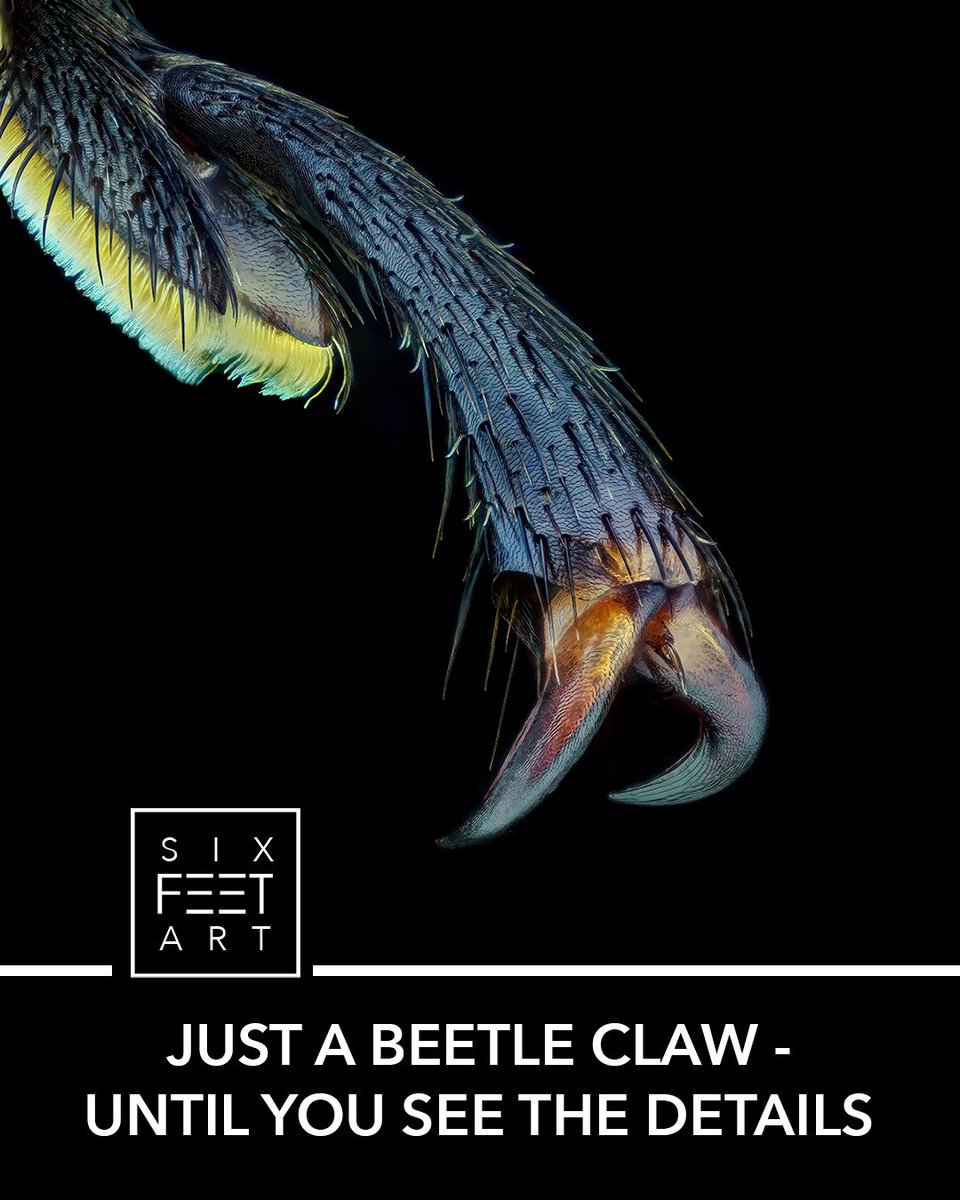
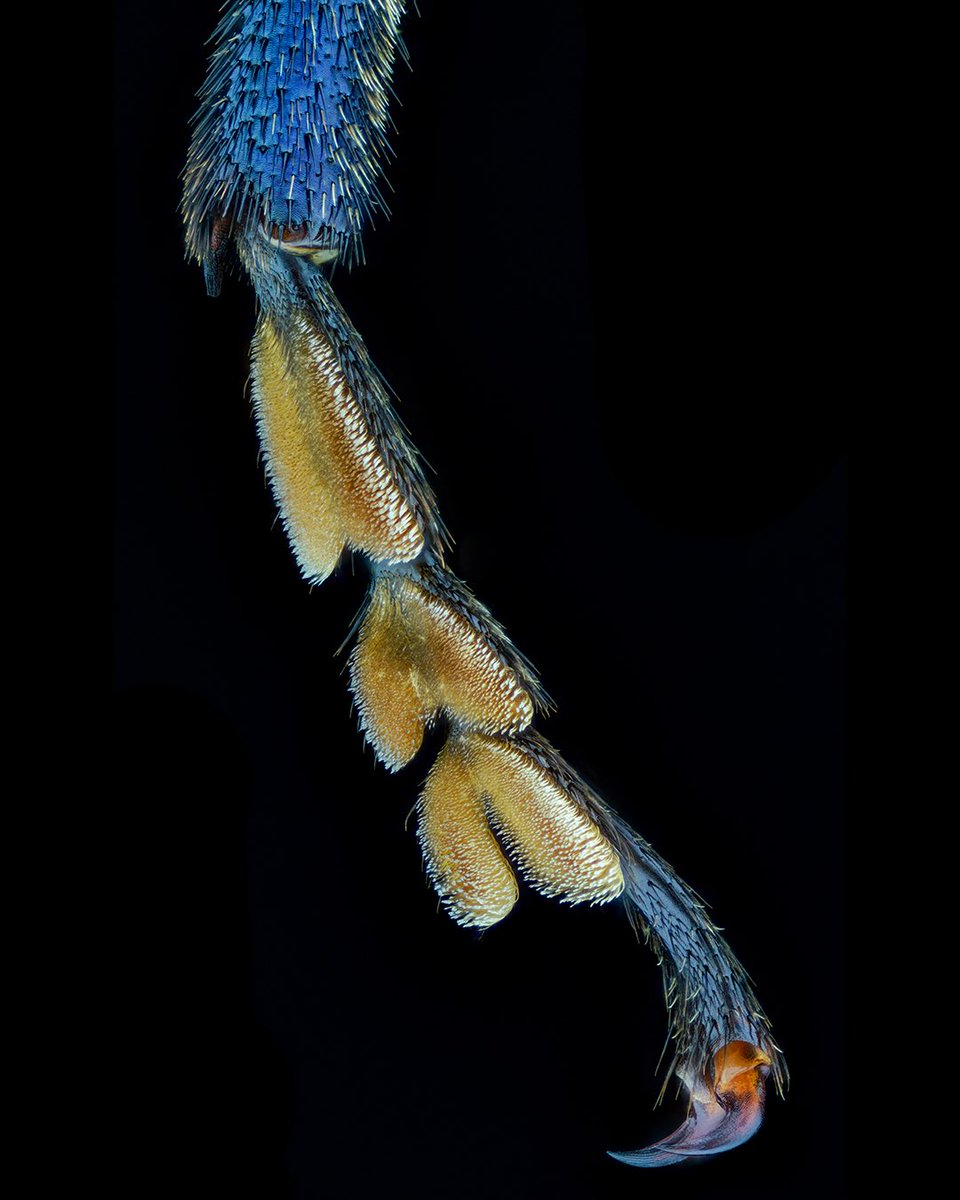
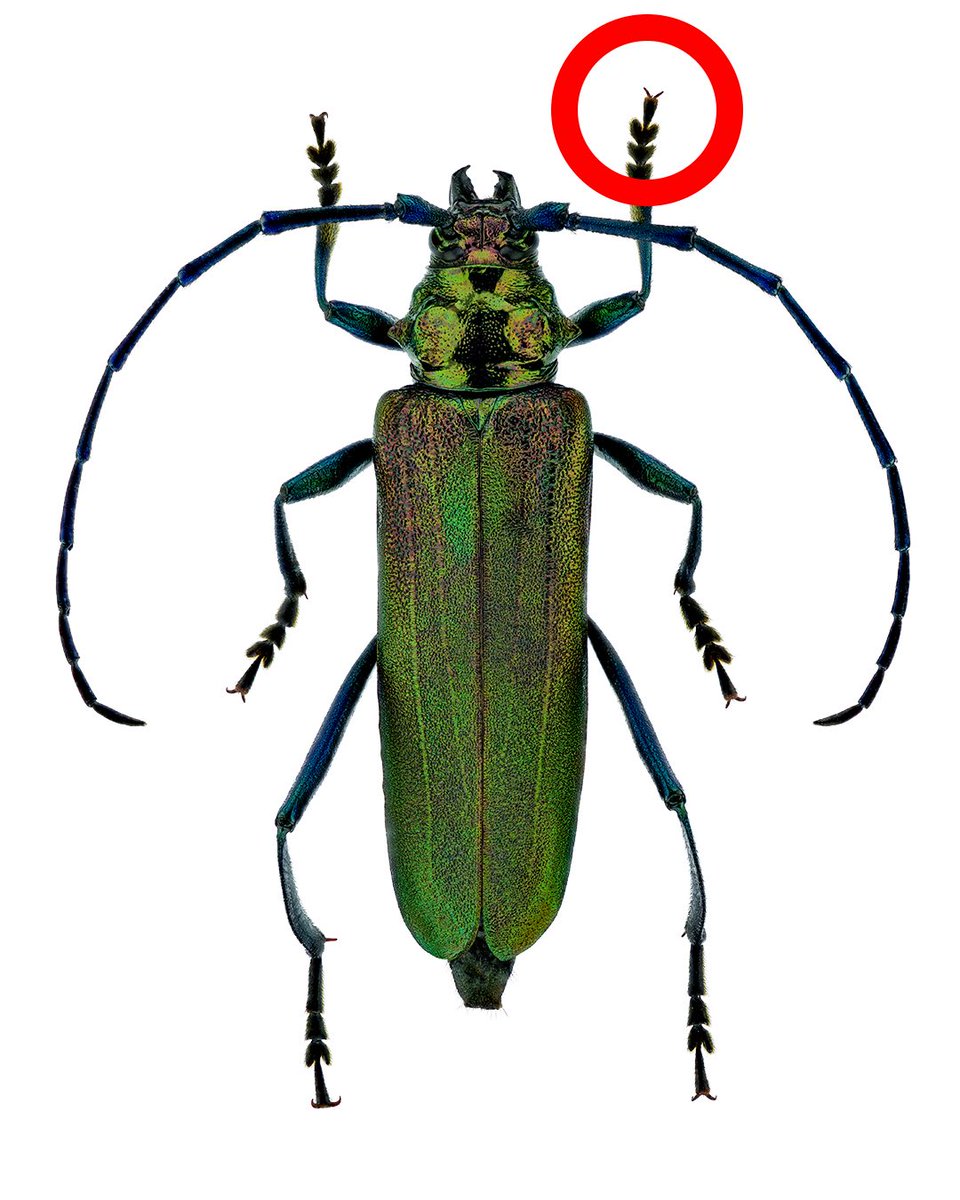
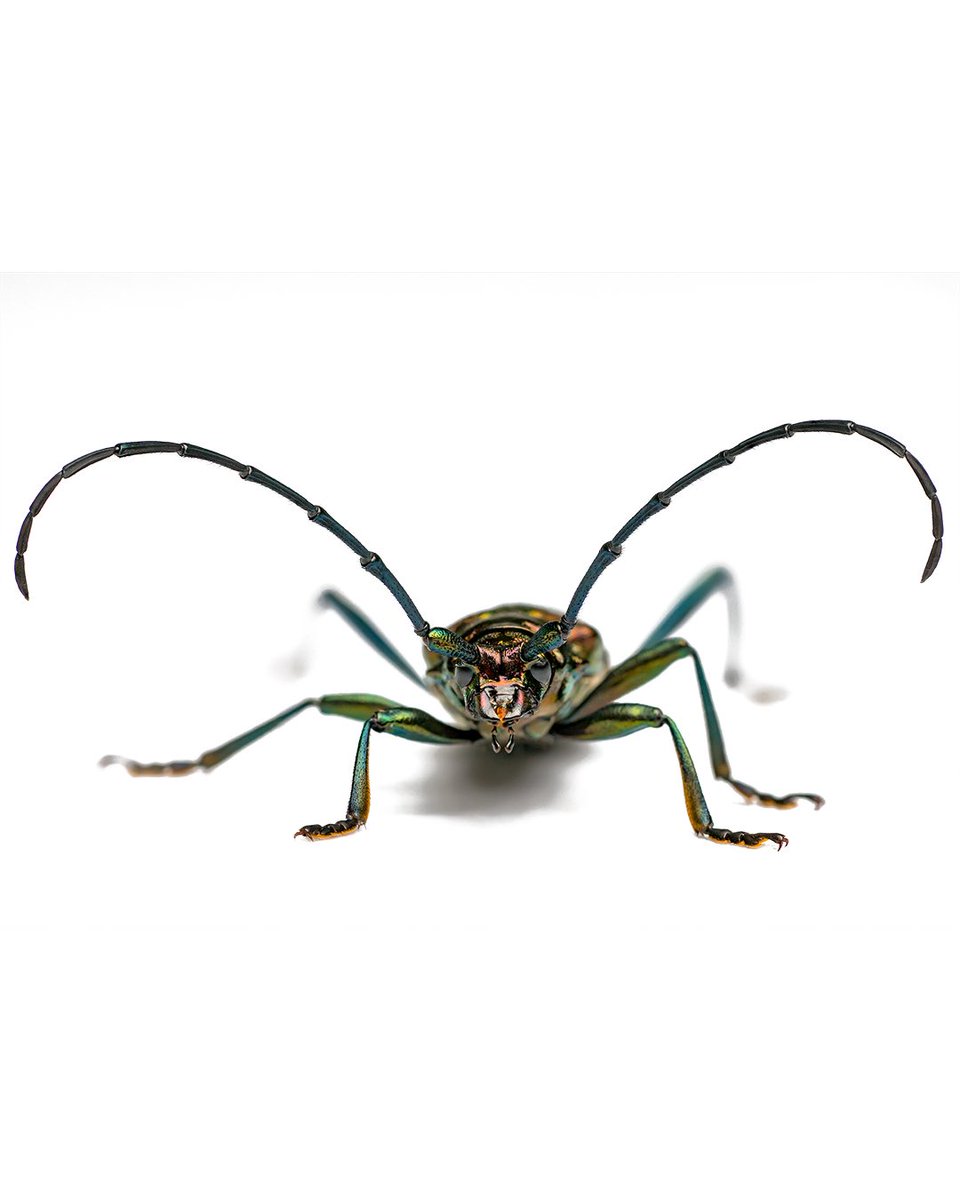
The front claw of the musk beetle, captured in extreme detail, reveals a world of structure, precision, and quiet strength. Every curve and edge tells a story shaped by evolution—functional, intricate, and unexpectedly beautiful. These kinds of details exist everywhere in the insect world. Every leg, wing, and antenna carries the same level of intricate design, waiting to be discovered by those who look closely.
That’s why! And i love it 🥰
2
14
117
2,238
Haley Catton retweeted
Feb 22
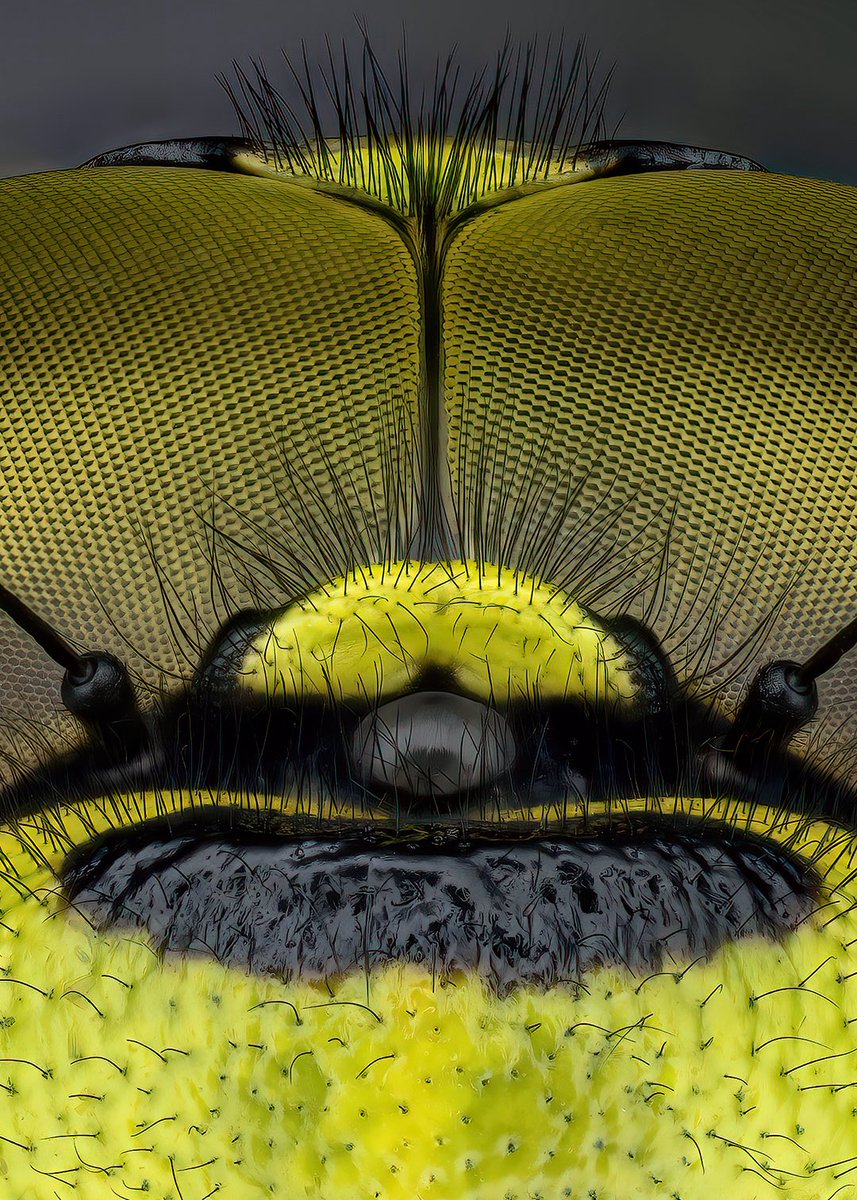
Behold the intricate head of a female southern hawker dragonfly (Aeshna cyanea) in this highly magnified view. At the center, three small ocelli sit atop the head like polished gems, flanked by the enormous compound eyes that dominate the scene with their mosaic-like facets. These ocelli, or simple eyes, are specialized for detecting changes in light intensity and helping the dragonfly maintain stability during flight. Behind them lie the compound eyes, each composed of up to 30,000 ommatidia—tiny individual visual units that function like mini-eyes, complete with their own lenses and photoreceptors. Each ommatidium captures a small portion of the visual field, contributing to a nearly 360-degree panorama that allows the dragonfly to spot prey with remarkable precision.
What truly sets their vision apart is the array of color receptors. While humans rely on three types of cones for color perception, dragonflies like the southern hawker possess 11 to 30 different opsins, enabling them to see ultraviolet light and a spectrum far beyond our own, from short-wavelength blues to long-wavelength reds. This advanced color vision aids in hunting, navigation, and even mate selection in their vibrant world.
Humans have 3 types of color receptors (red, green, blue).
The southern hawker has up to 10 times more color channels, plus UV vision.
Her world must be an overwhelming explosion of color: hundreds of nuanced greens, glowing UV patterns on flowers and wings, a sky in shades we can never see. Pure, hypersaturated splendor.
2
26
171
2,114
Haley Catton retweeted
9 Dec 2025
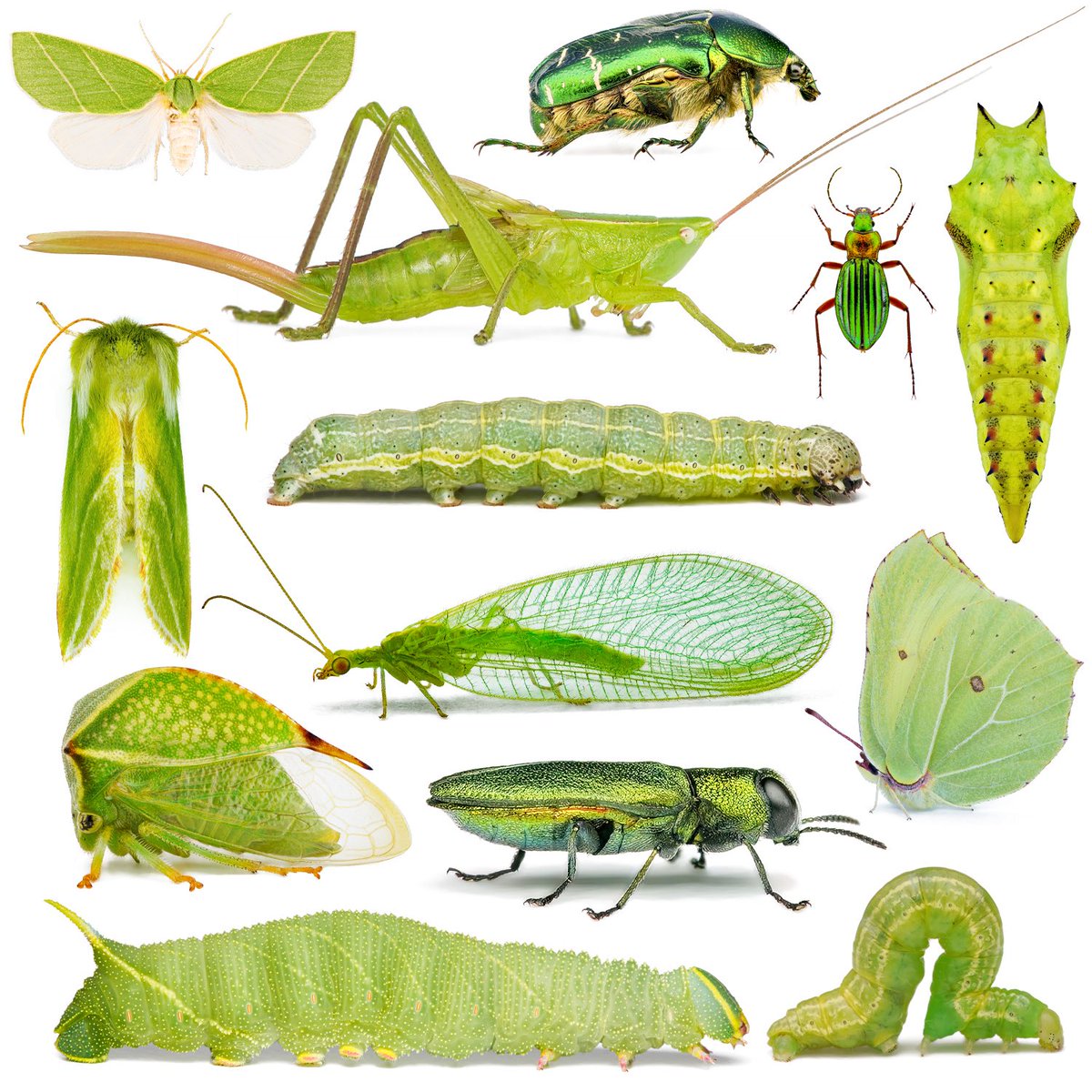
Just green! 💚
Natures colors with some new shots here as a collage. 🌱
3
52
254
4,900
Haley Catton retweeted
10 Dec 2025
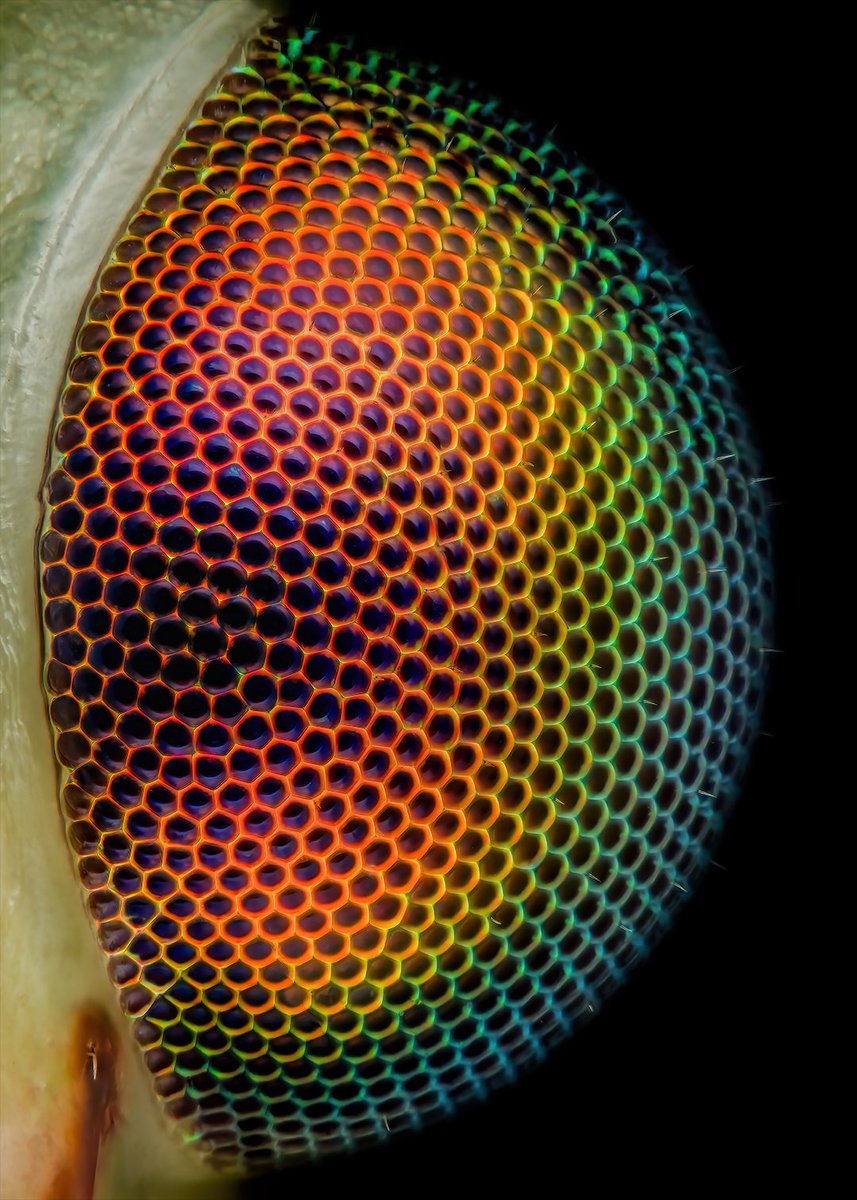
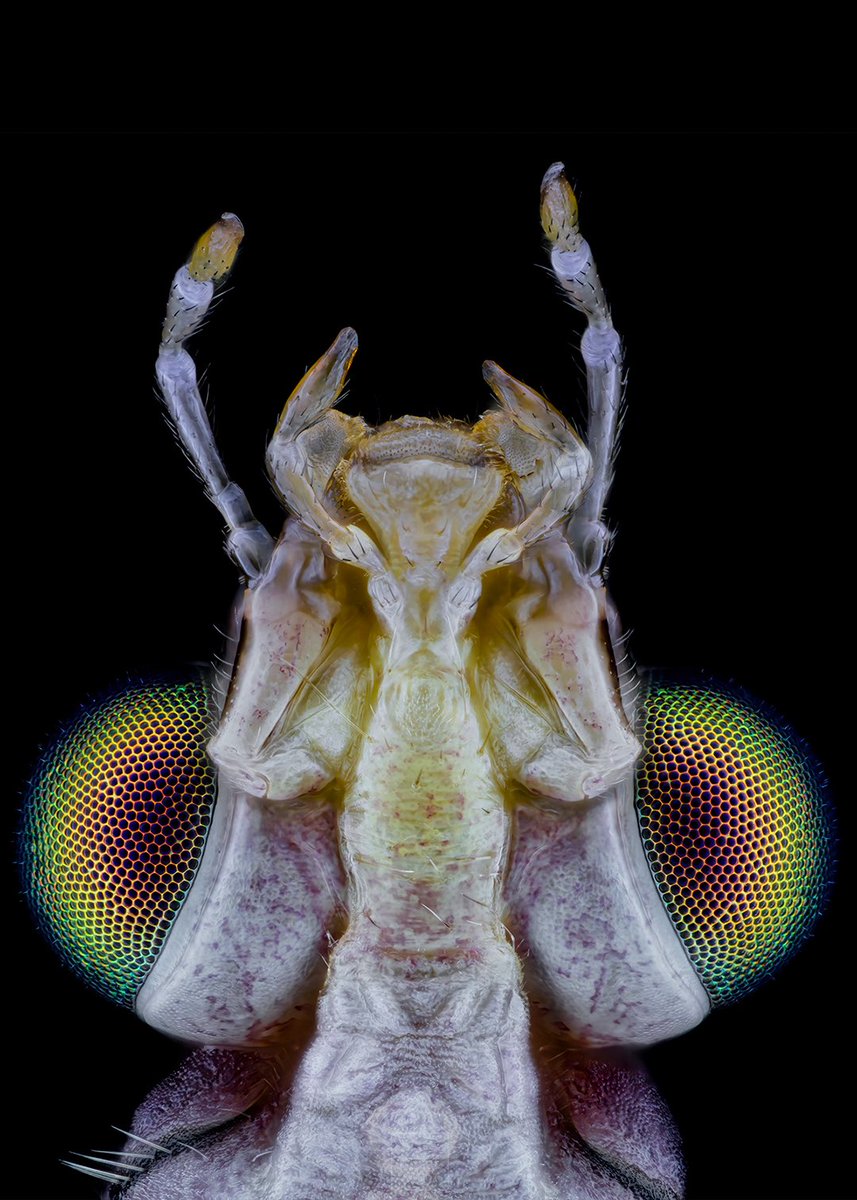
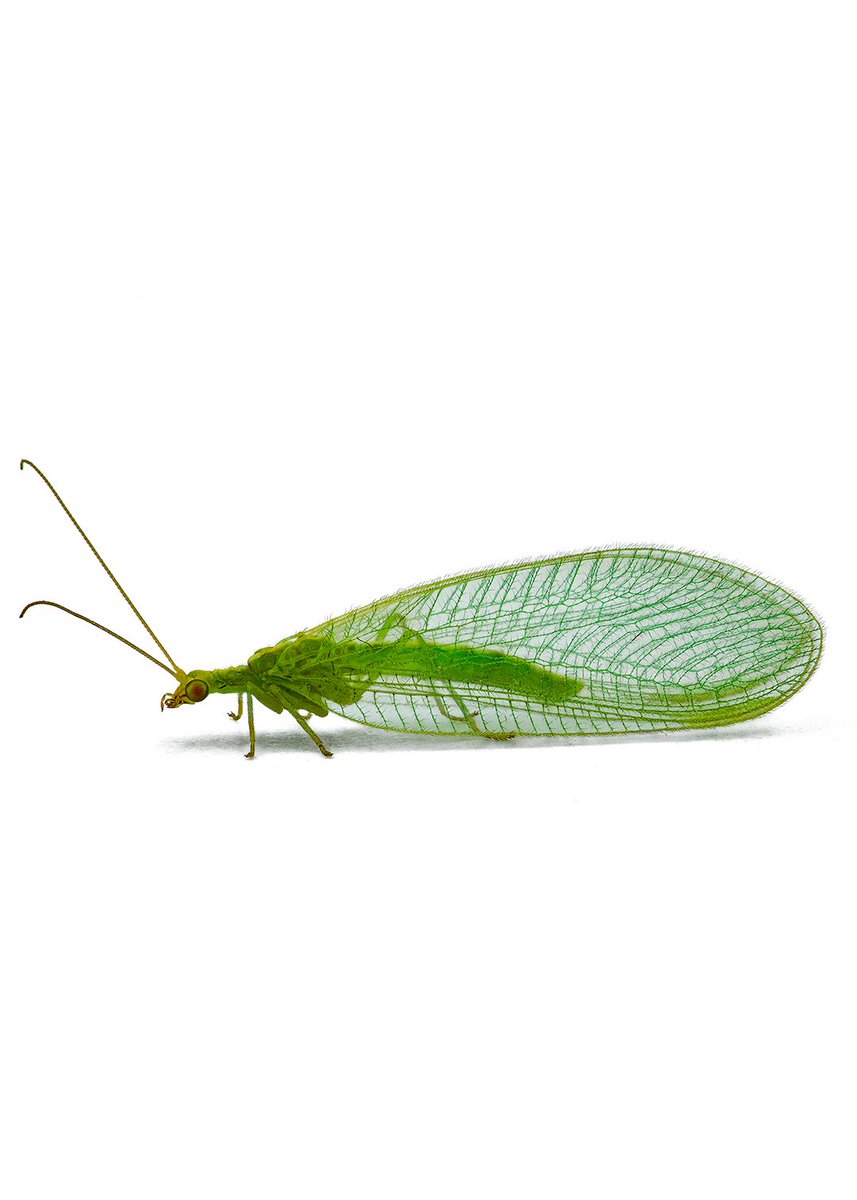
You won’t believe what the eye of a tiny lacewing looks like at 50× magnification – an iridescent gem straight out of a sci-fi movie!
Thousands of tiny facets (ommatidia) create this shimmering mosaic that gives the insect nearly 360° vision. Pure nature color magic thanks to light interference.
1
29
199
4,399
Haley Catton retweeted
3 Dec 2025
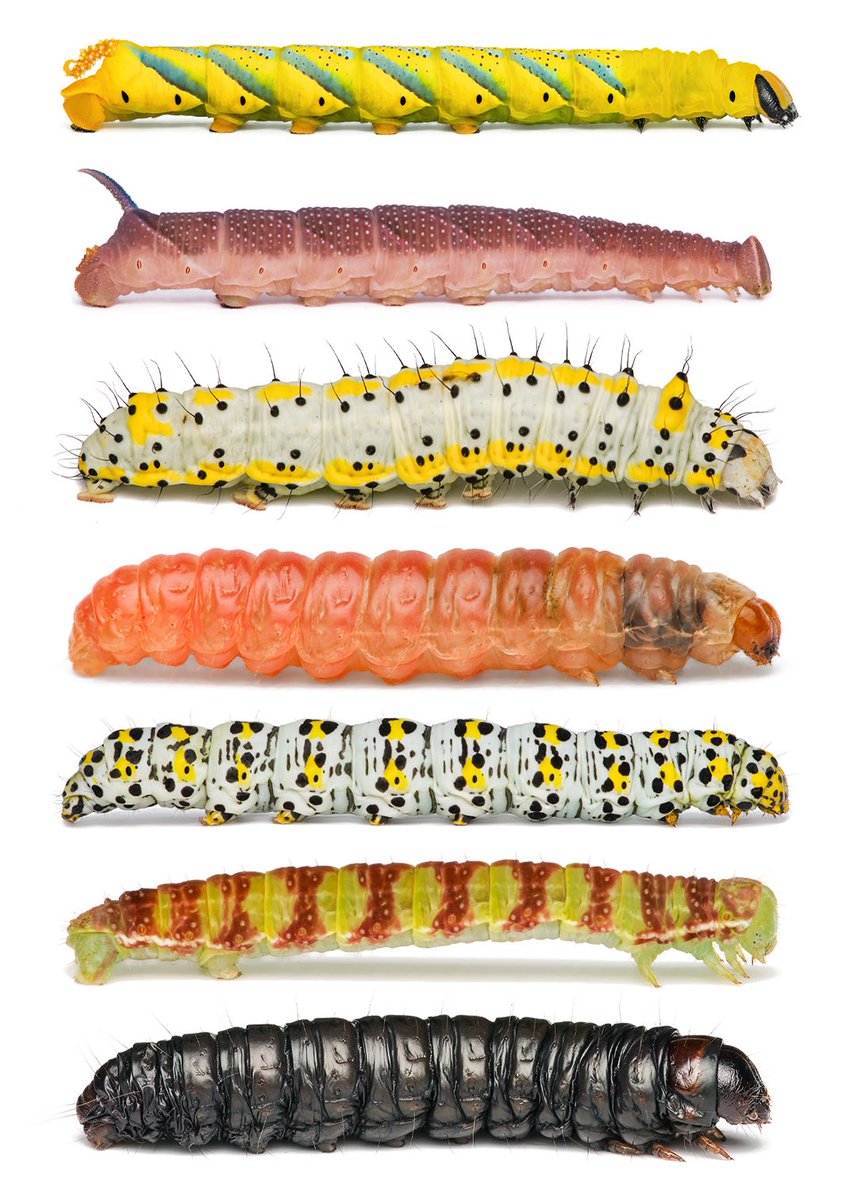
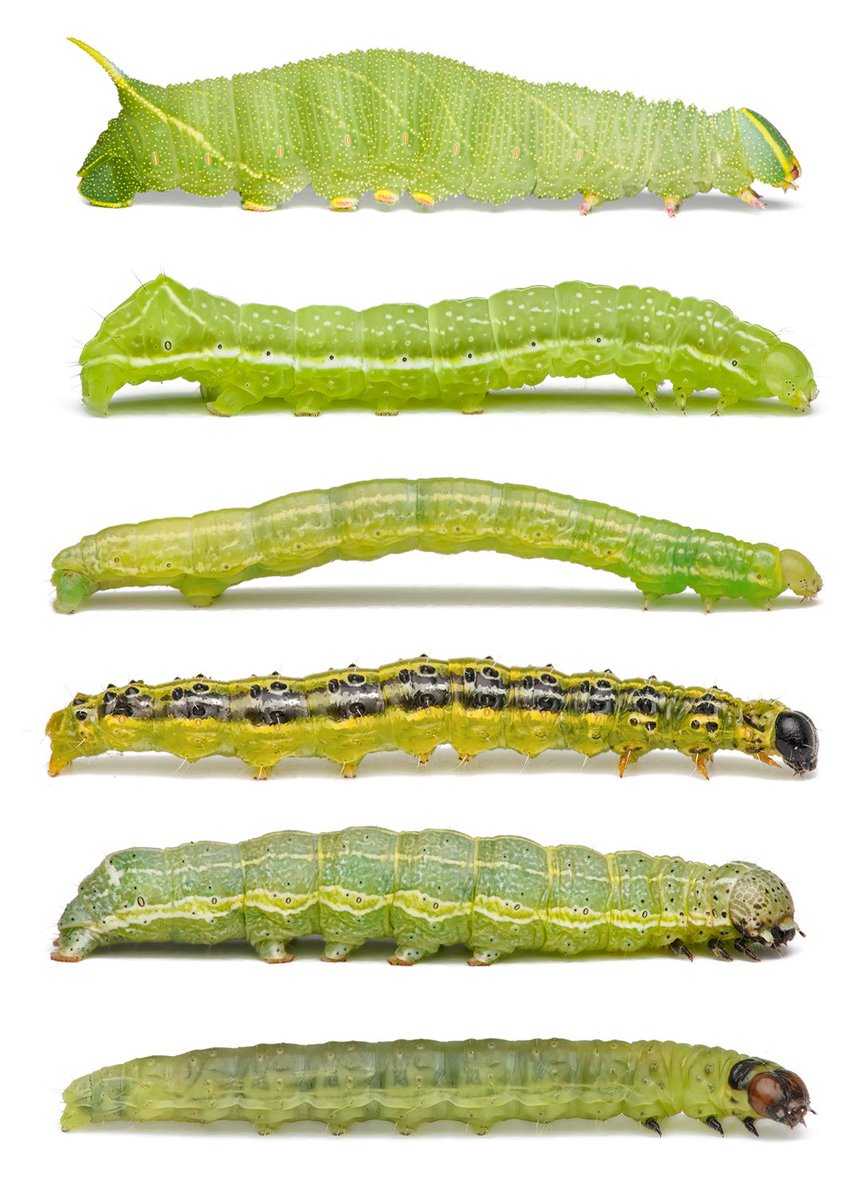
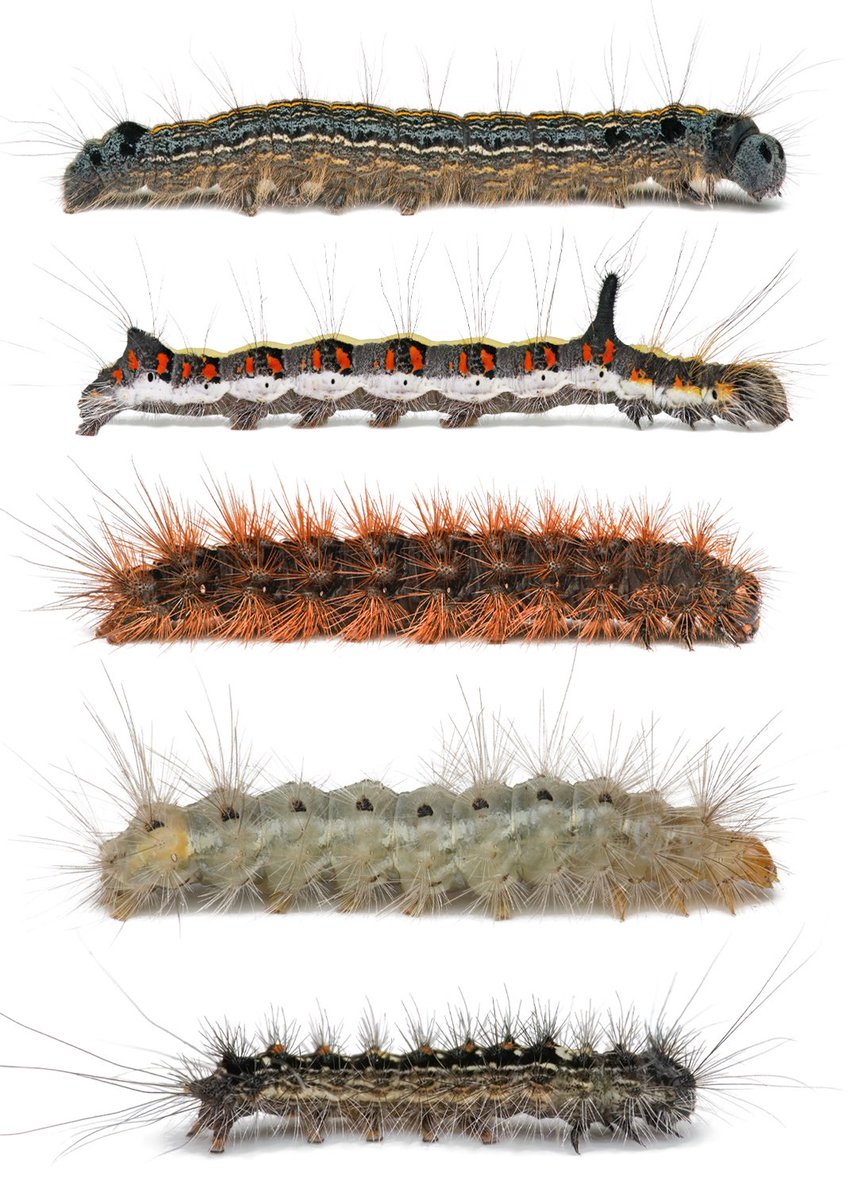
I‘m sure you‘ll find a friend among the colored, the green or the fluffy moth caterpillars 🐛
#caterpillars
7
47
264
4,235
Haley Catton retweeted
24 Nov 2025
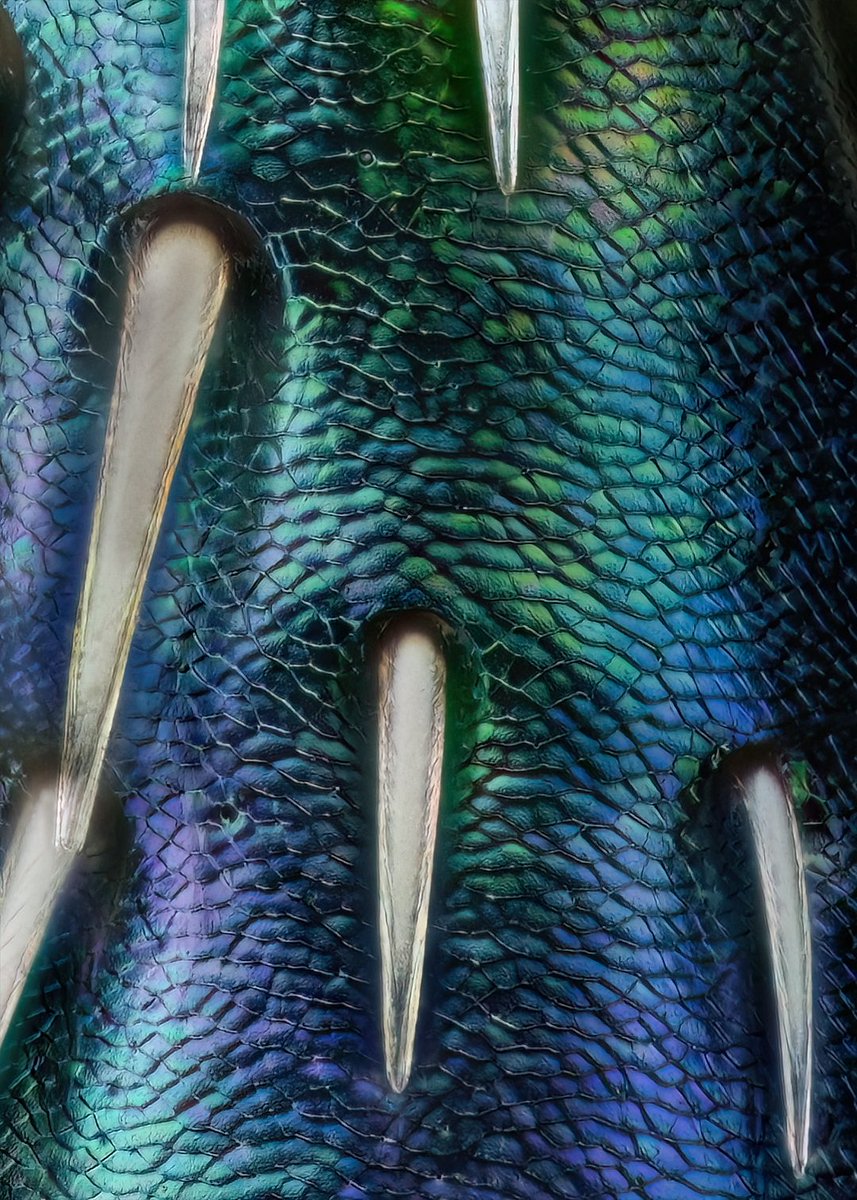
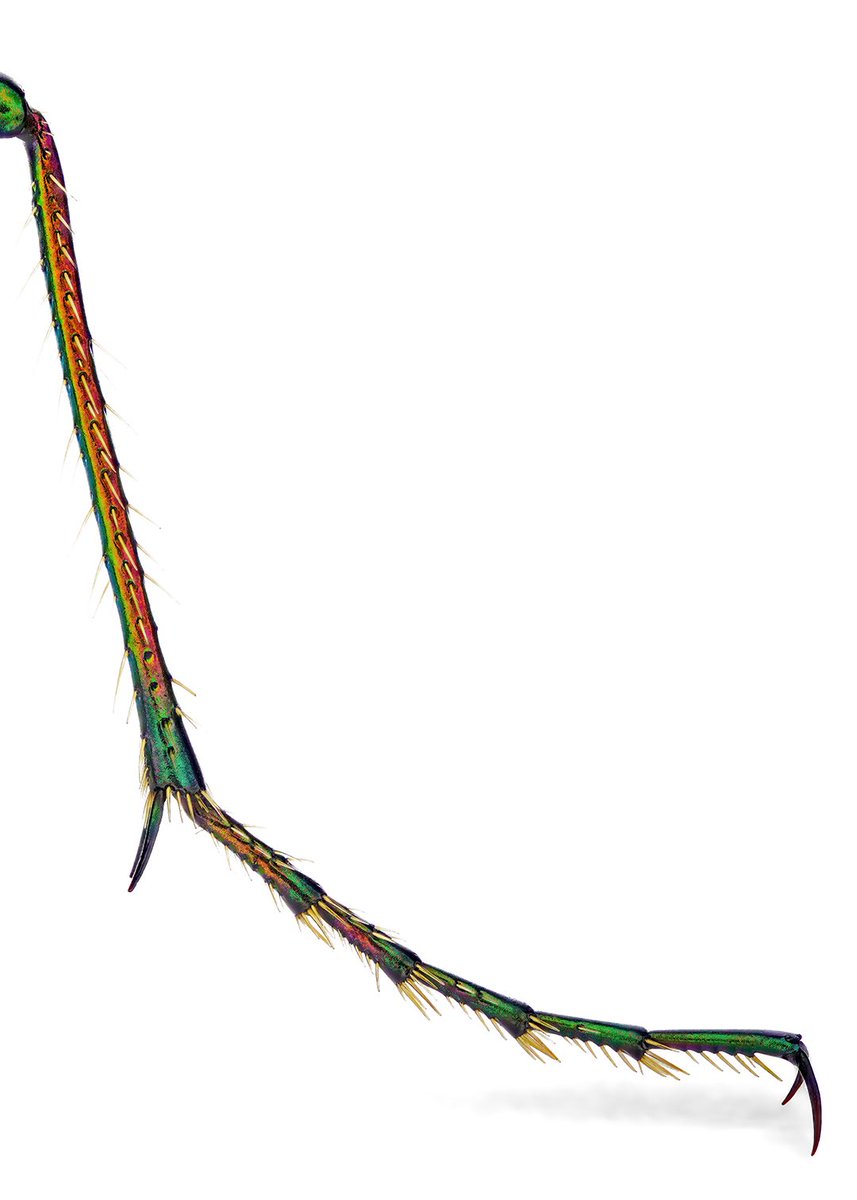
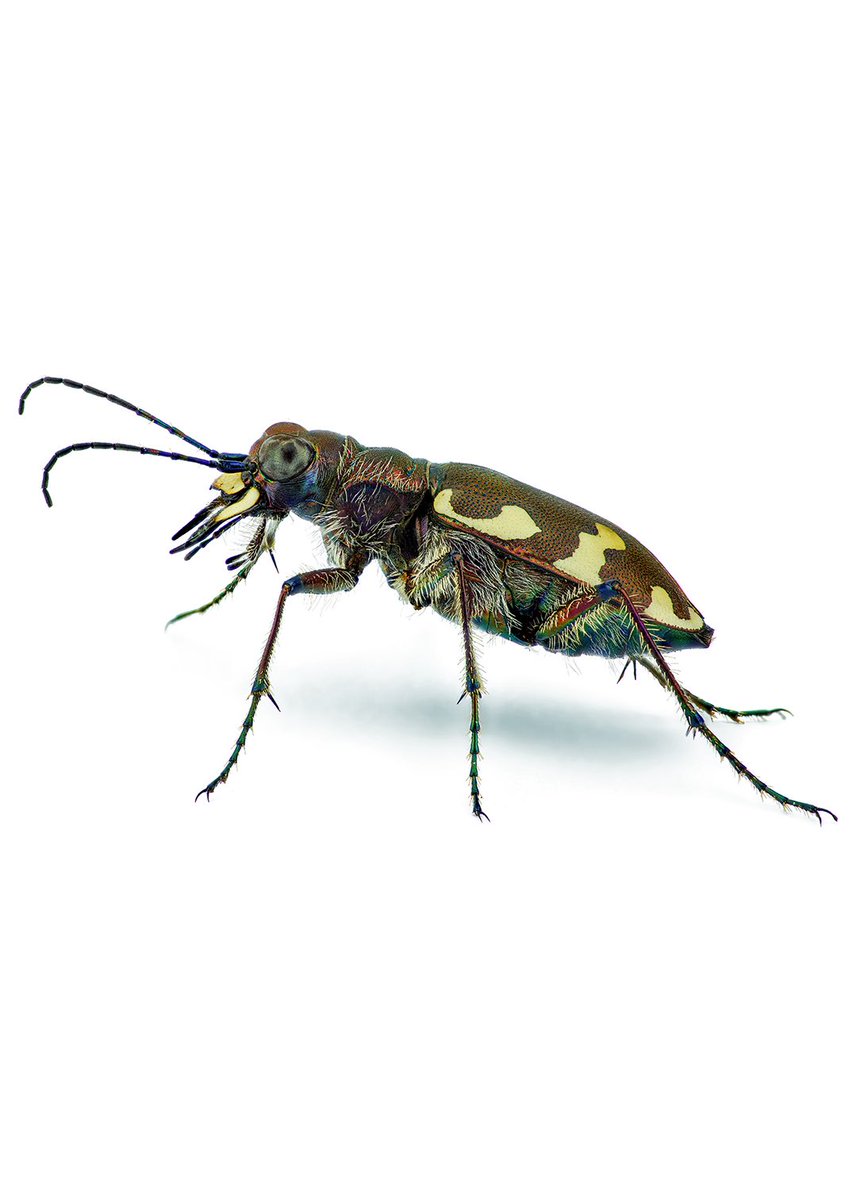
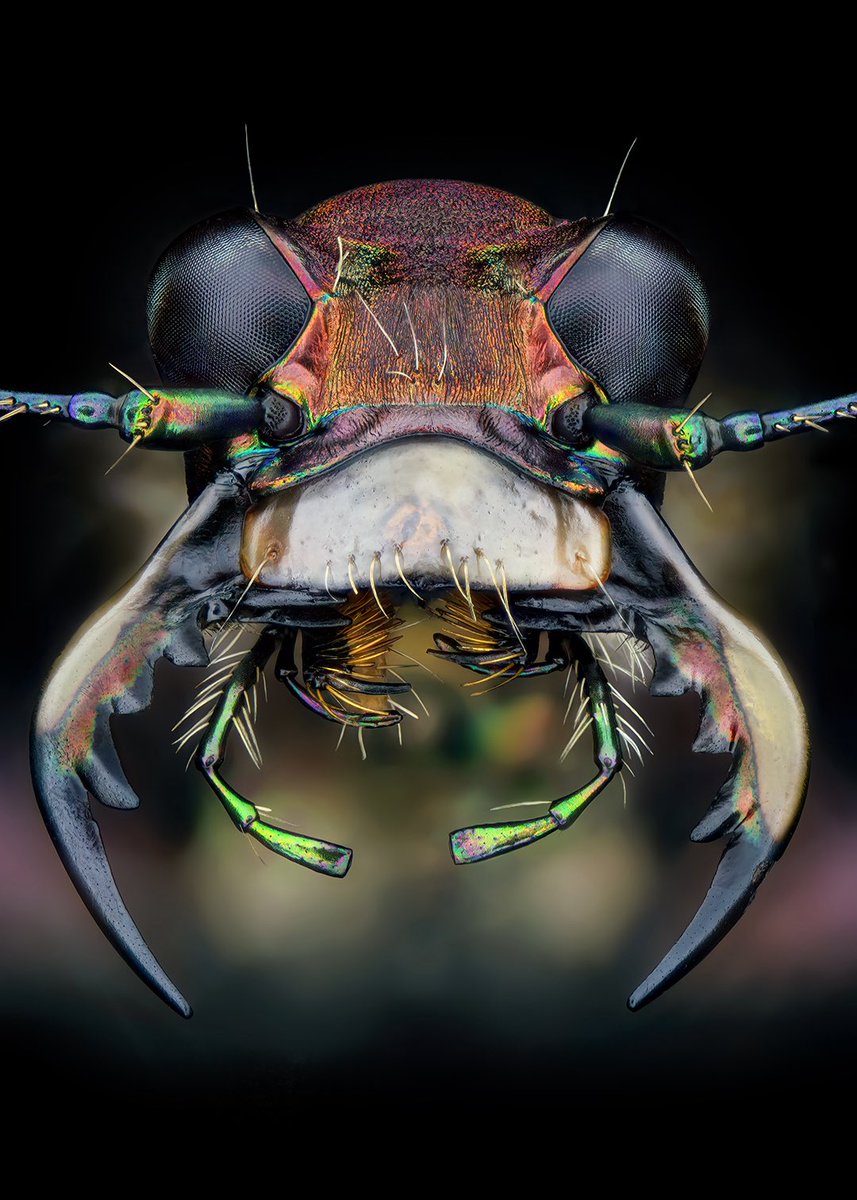
Cicindela hybrida, tiger beetle.
In the first picture you can see a highly magnified spot of the frontleg. This beetle is one of the fastest beetles in the world. This beetle can run 120 times their own body length in a single second. To put that in human terms, we would have to run as fast as an airplane, around 1,000 kilometers per hour.
2
25
175
4,017
Haley Catton retweeted

27 Aug 2025
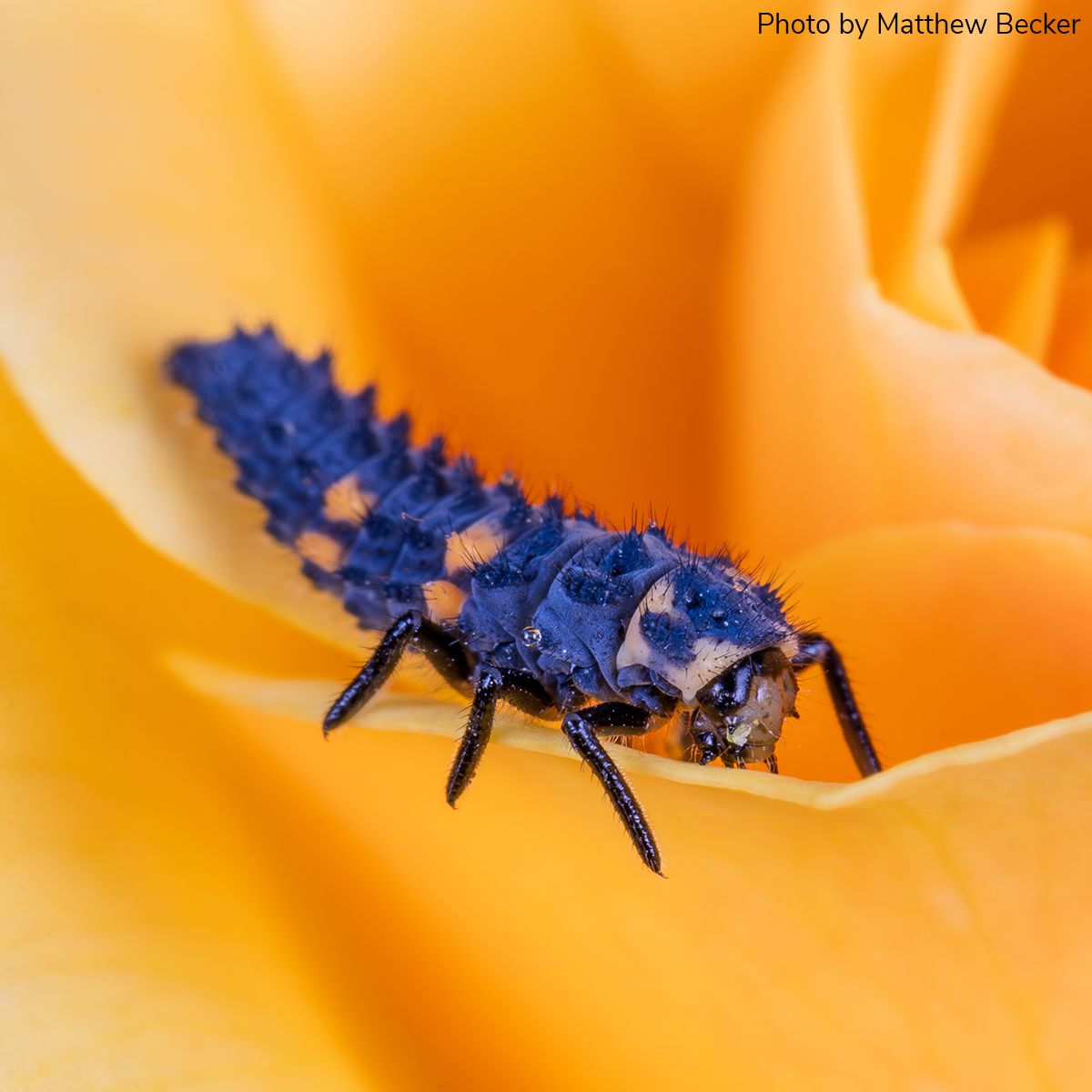
Arthropod Photo of the Week: August 27, 2025
Seven-spotted lady beetle larva
Coccinella septempunctata
Coleoptera: Coccinellidae
By Matthew Becker (becker.wales), Carmarthenshire, Wales
#arthropodPOTW
2
12
75
1,628
Haley Catton retweeted

28 Aug 2025
Started to build a list of fields for the wheat surveys this fall in AB. There are plenty of opportunities for us to sample your field for wheat midge. What's in it for you? I will send you the results from your field after we have processed the samples. DM me for details.
5
4
1,494
Haley Catton retweeted

27 Aug 2025
Hi folks! @WorldofWeeds runs a survey to track troublesome and common weeds in different crops. This year is for broadleaf crops including canola, alfalfa, pulses, etc. Agronomists and industry folks, your input would be appreciated!
25 Aug 2025

📣 Only 1 week left to complete the 2025 Weed Survey!
📋 Share your top troublemakers in broadleaf crops, hemp, fruits & veggies across the U.S. & Canada.
🗓️ Deadline: Sept 1
🔗 surveymonkey.com/r/2025WeedS…
#WSSA #weedscience #weedsurvey

5
9
1,357
Haley Catton retweeted

27 Aug 2025
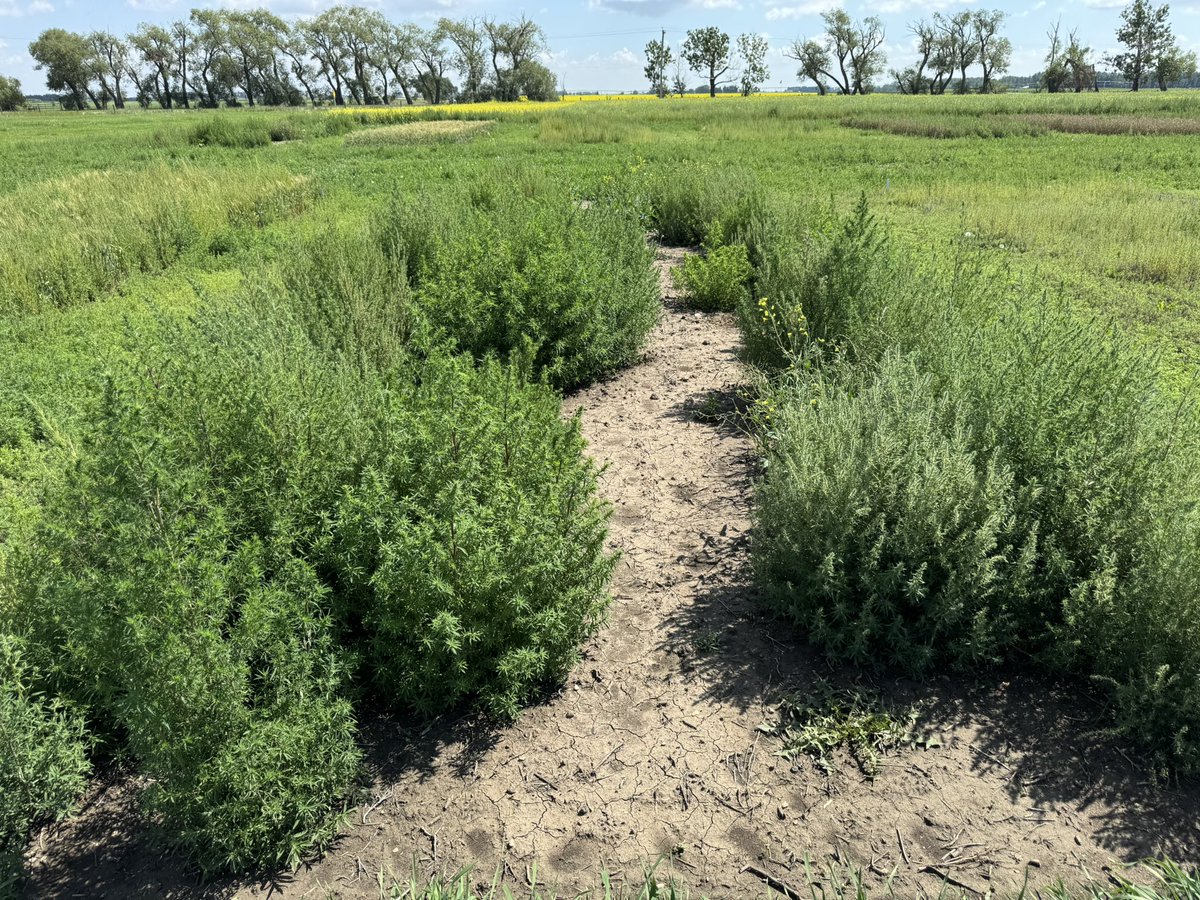
Update: Genetic testing identifies Group 14-resistant kochia at 13 more sites (so far) across the Canadian Prairies and in all three Prairie Provinces. Stay tuned for complete updates this fall/winter…
3 Jun 2025

Is your kochia Group 14-resistant? Find out for free! Help us validate our new genetic test by submitting leaf tissue. This year we have an open call for testing Group 14 resistance in kochia across AB/SK/MB. Contact me for a free sample submission kit.
cdnsciencepub.com/doi/full/1…
6
36
73
28,664
Haley Catton retweeted

14 Aug 2025
Thanks @Grainews & Don Norman for the great & timely coverage on our collaborative #wheat stem #sawfly project with Scott Meers & David Weaver @montanastate & pub in @CanJPlantSci Keep cutting heights @ 6” or greater

Stubble height of at least six inches can help make a significant sawfly enemy right at home. grainews.ca/crops/wheat-stem…
1
2
7
641
Haley Catton retweeted
5 Aug 2025
AB producers…planning has started for our annual wheat stem sawfly & wheat midge surveys!
If you have a field we could visit and take soil samples or count cut stems-we would be happy to visit your field! 1/2
1
13
9
1,293
Haley Catton retweeted

11 Aug 2025
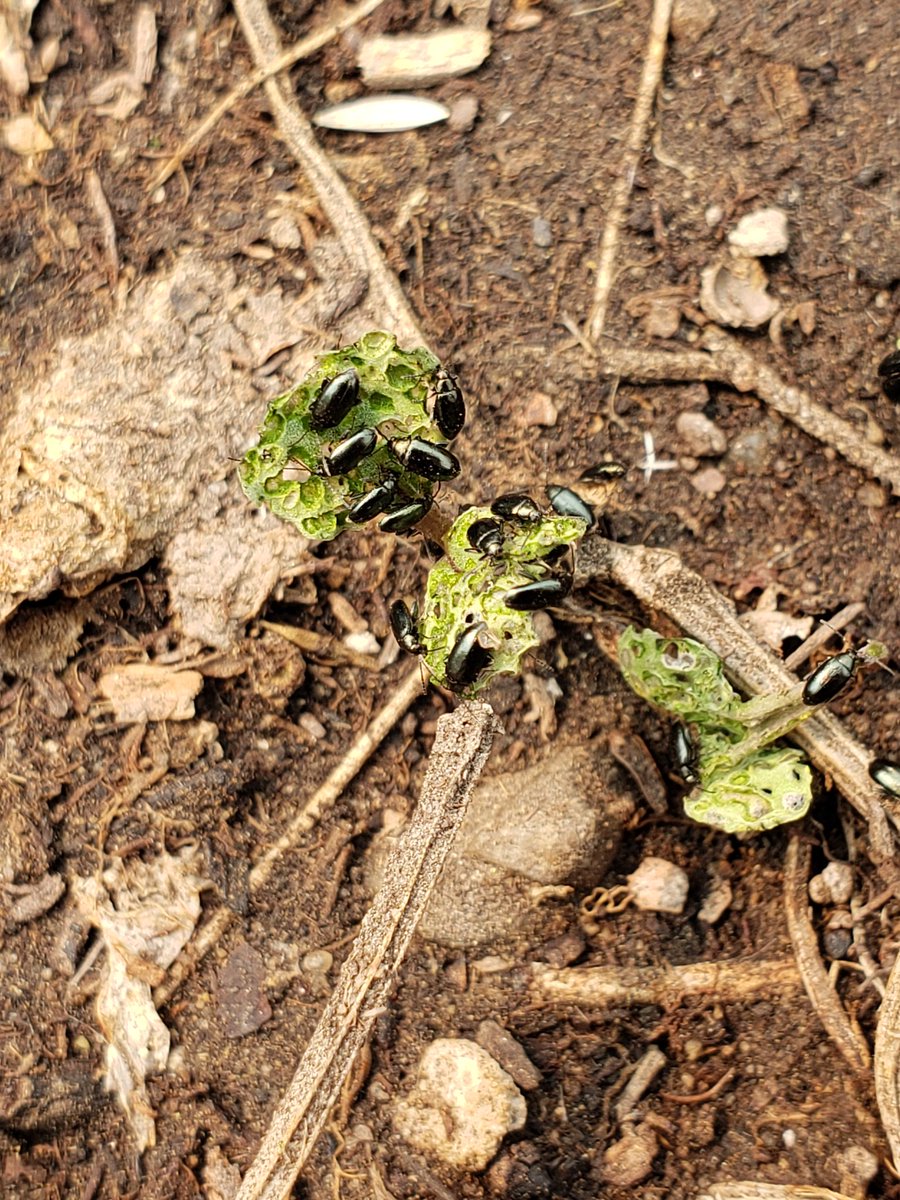
I doubt that you want them so I'm offering to collect them! WANTED for research! live #fleabeetles that might be in your canola crop right now! Also, I'd love to hear reports about the absence of #fleabeetles in your canola right now.
13
3
10
3,341

3 Jul 2025
Could there ever be a better jersey to get for a Blue Bomber fan studying wheat stem sawfly?
1
11
330
Haley Catton retweeted
30 Jun 2025
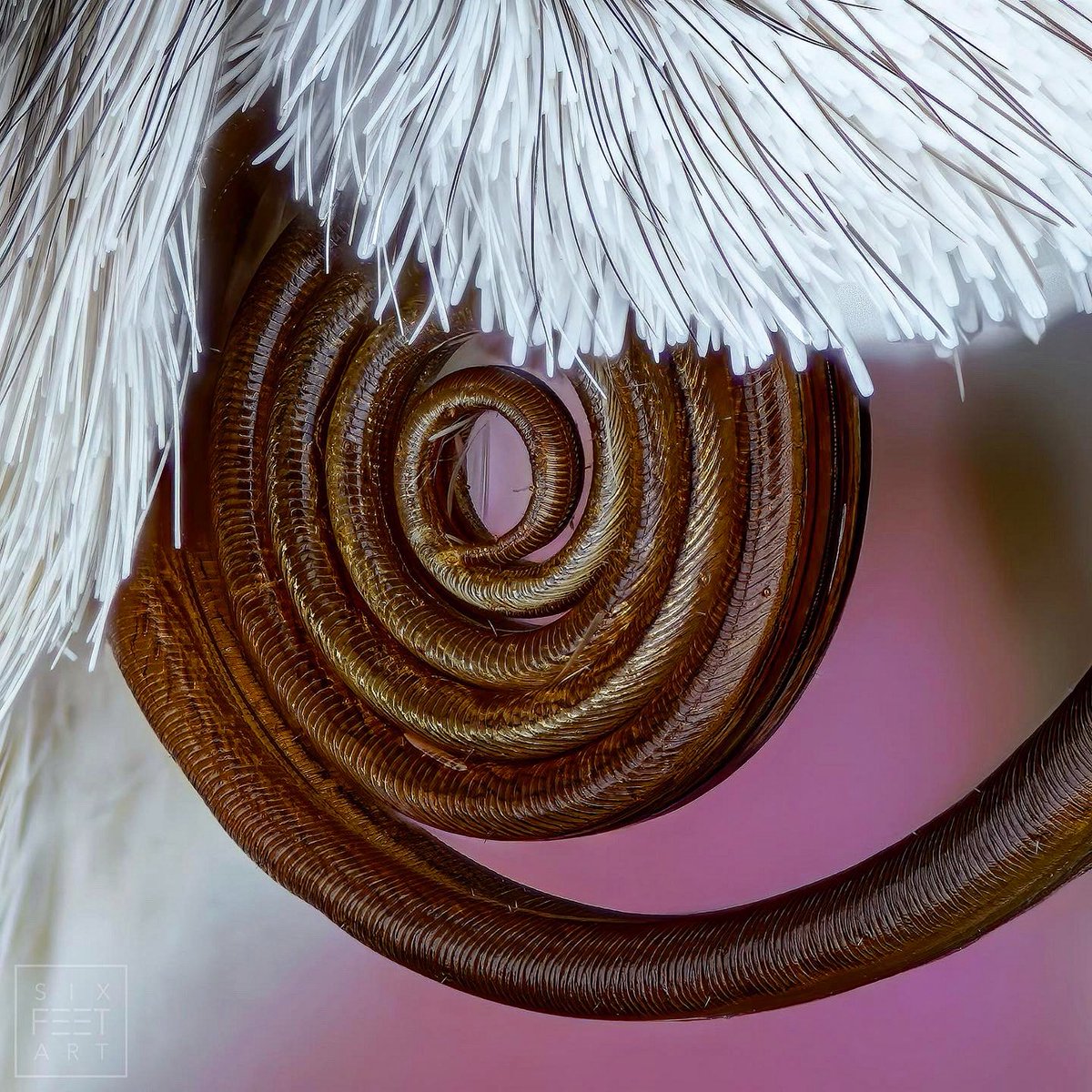
🇬🇧No, not a candy 🍭The proboscis of a bat hawk moth (Hyles vespertilio). A moth from the family of hawk-moth’s (Sphingidae).
🇩🇪Nein, keine Süßigkeit 🍭Der Rüssel eines Fledermausschwärmers (Hyles vespertilio). Ein Nachtfalter aus der Familie der Schwärmer (Sphingidae).
3
33
168
3,016
Haley Catton retweeted

24 Jun 2025
How to preserve wheat stem sawfly parasitoids canadianagronomist.ca/cut-st… research by @Agronomydoc Hector Carcamo, Scott Meers, Lloyd Dosdall, Dean Spanner
4
6
4,127
Haley Catton retweeted

18 Jun 2025
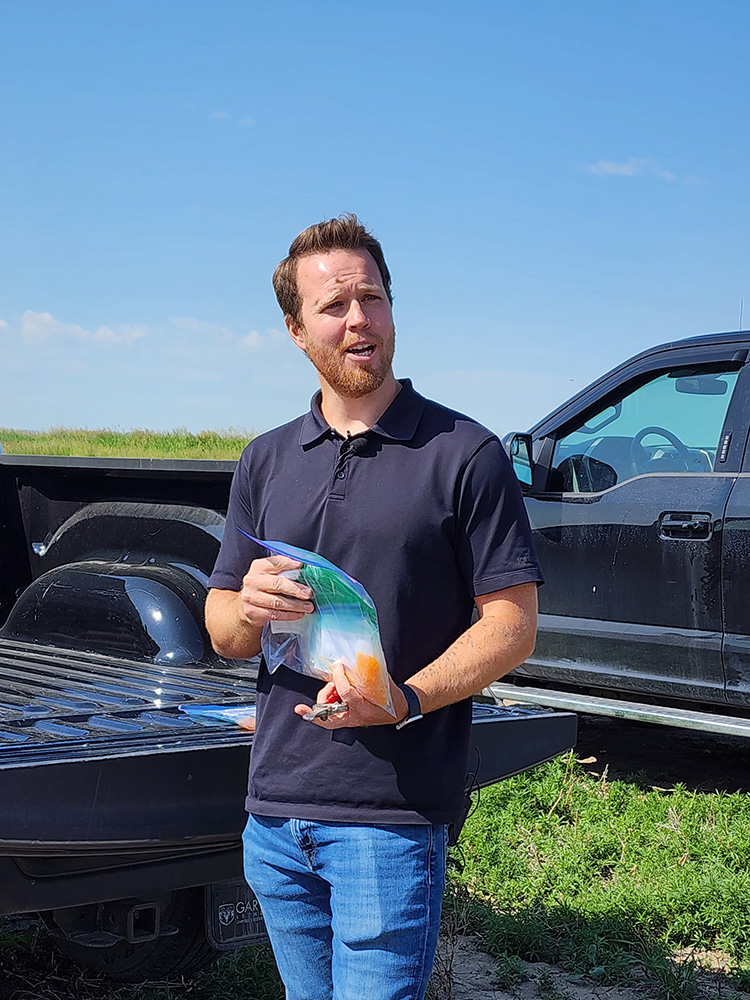
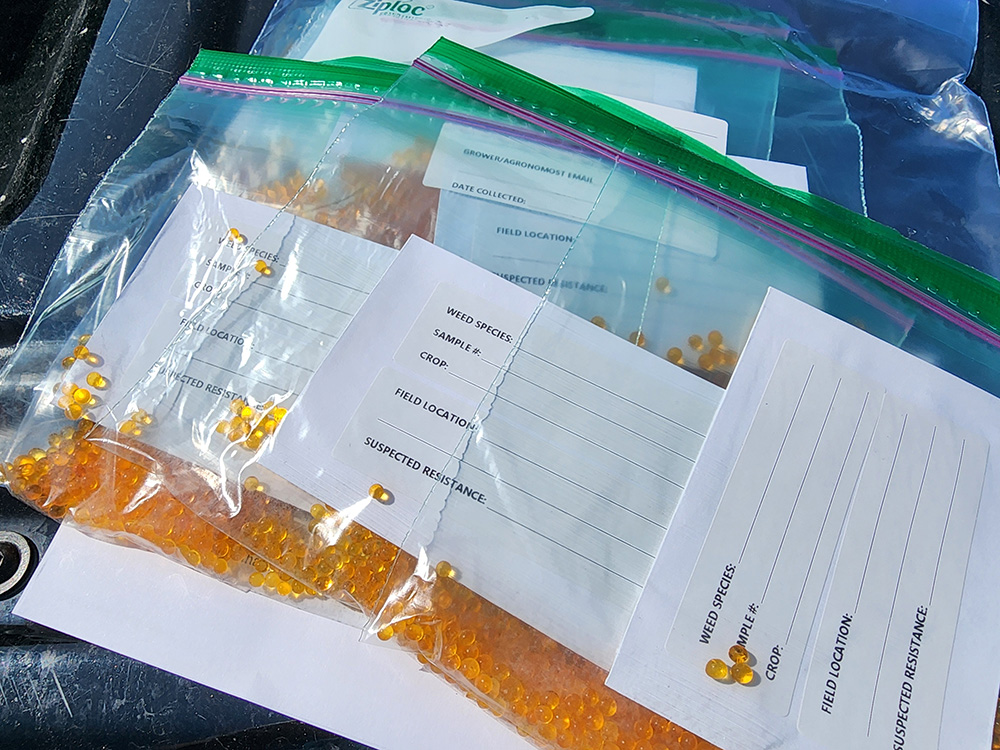
Yesterday, @charlesmgeddes gave us a hands-on look at his team's easy-to-use sample kit to test for herbicide resistance in kochia!
Answer his open call to receive your test & discover if your kochia has Group 14 resistance!
1
5
13
1,247
Haley Catton retweeted
16 Jun 2025
Alberta's bertha armyworm trap monitoring network is live this week! check the trap counts from all over the province. agric.gov.ab.ca/app68/listin… A huge thankyou to the 100 cooperators that make this happen every year!
4
5
994
Haley Catton retweeted
26 May 2025
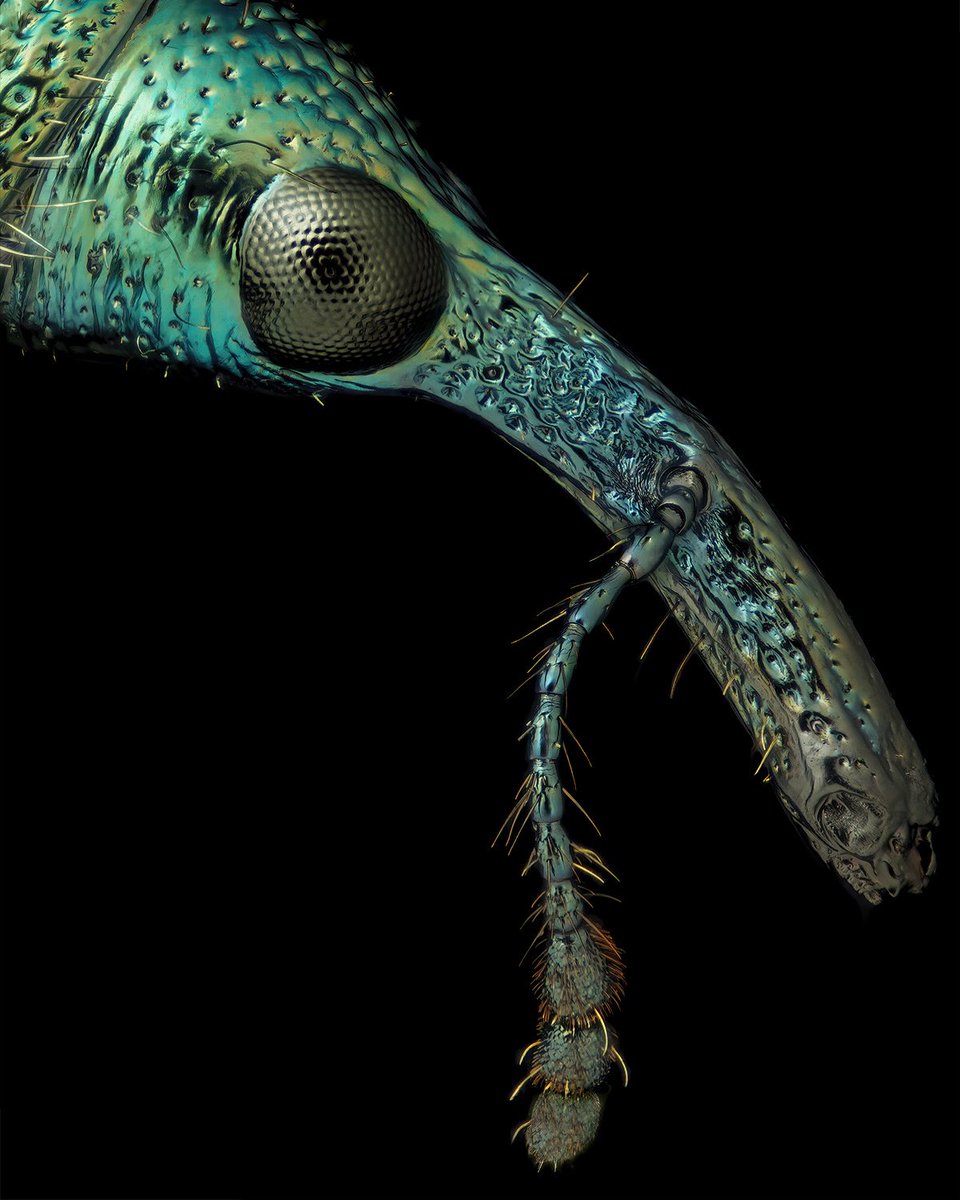
Rhynchites caeruleus. These small, shiny beetles are currently easy to observe. They initially appear black to our eyes, but upon closer inspection, they remind me of liquid metal.
5
53
350
8,318