𝓔𝓡𝓘𝓣𝓡𝓔𝓐❤️𝓯𝓸𝓻❤️𝓔𝓡𝓘𝓣𝓡𝓔𝓐𝓝𝓢!!!!!!
Joined March 2009
- Tweets 7,125
- Following 193
- Followers 812
- Likes 7,949
976 Photos and videos






Pinned Tweet

Feb 19
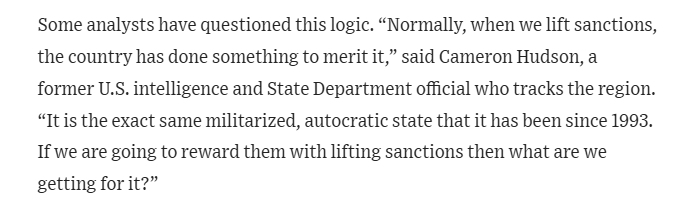
"Derg killed thousands of innocent #Eritreans in Asmara & its surroundings alone....b/n 1974-'78, Asmara's population decreased from 200,000 to just 90,000."
- Dawit W/Giorgis (Derg's assigned governor of 🇪🇷)
#Ethiopia|n subhumans shouldn't be allowed to set foot in #Eritrea.
18
75
107
5,739
𝓗𝓪𝓻𝓲𝓷𝓮𝓽 𝓗. retweeted

Jun 10
ብደምን ኣዕጽምትን ብሉጻት ሰማእታት ደቃ ዝደመቀ ናጽነት ዘይትድፈር ሃገር
ረዚን ዝኽሪ ንሰማእታትና
🙏❤️🇪🇷✊
32
53
750
𝓗𝓪𝓻𝓲𝓷𝓮𝓽 𝓗. retweeted

Jun 9
What an excellent documentary! Must watch❤️🇪🇷 #EritreaShinesAt35 #Eritrea Eritrea at 35 - A nation of resilience, pride, and promise - ERi-TV Docu... youtu.be/8qj7ttFAew0?si=kPAX… via @YouTube
1
44
71
1,650
𝓗𝓪𝓻𝓲𝓷𝓮𝓽 𝓗. retweeted
Friday evning with the legend ስውእ ኮኾብ ዘመናዊ ሙዚክ የማነ ባርያ
🎼❤️🎸❤️🎶
1
17
37
548
𝓗𝓪𝓻𝓲𝓷𝓮𝓽 𝓗. retweeted

May 31
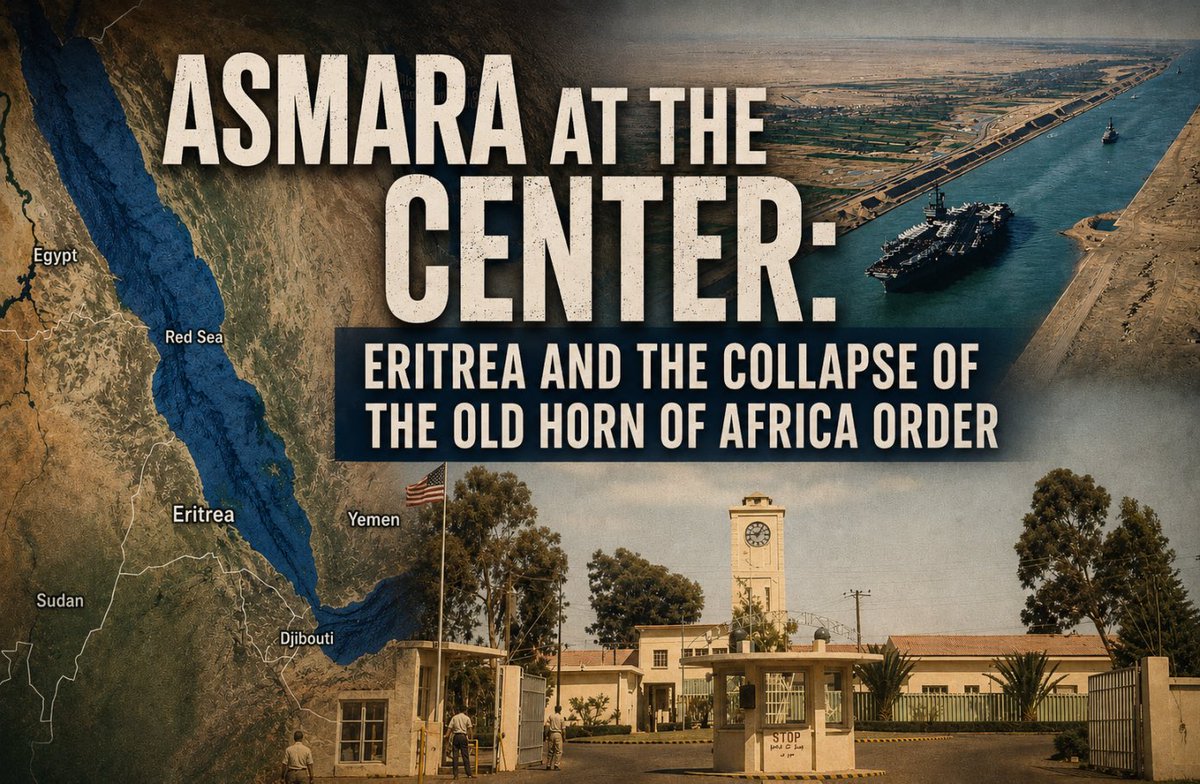
Asmara at the Center: Eritrea and the Collapse of the Old Horn of Africa Order
By Dawit Gebremichael Habte
For more than eighty years, the Horn of Africa has been organized around a single geopolitical assumption: that Ethiopia was the indispensable center of regional order and that the security of the Red Sea could be managed through Addis Ababa. This assumption shaped the policies of superpowers, international organizations, and regional actors alike. It justified the sacrifice of Eritrean self-determination during the federation era, rationalized decades of support for Ethiopian regional primacy, and informed Washington’s broader strategy from the Cold War through the War on Terror. Today, that assumption is collapsing.
redseabeacon.com/asmara-at-t…
#Eritrea #Yemen #Egypt #Somalia #SaudiArabia #Djibouti
3
61
81
1,689
𝓗𝓪𝓻𝓲𝓷𝓮𝓽 𝓗. retweeted
May 31
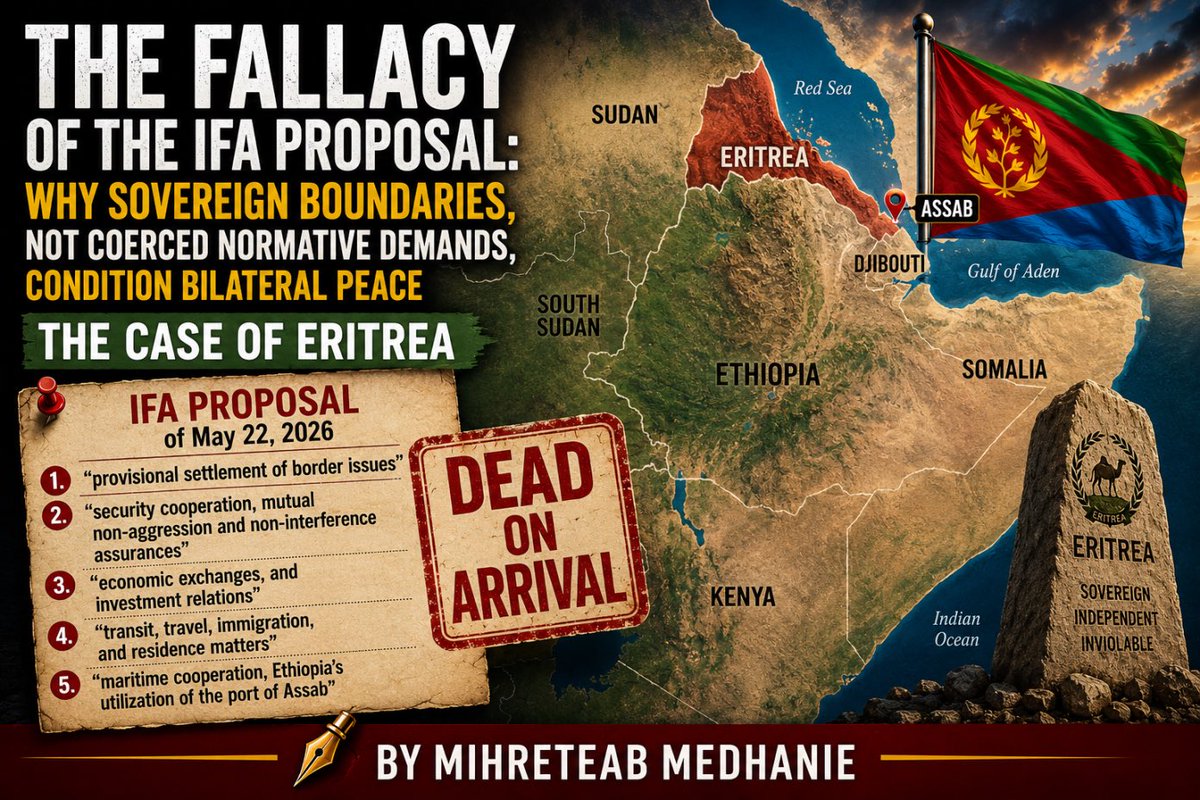
The Fallacy of the IFA Proposal: Why Sovereign Boundaries, Not Coerced Normative Demands, Condition Bilateral Peace
by Mihreteab Medhanie
The recent framework (May 22, 2026) published by the Ethiopian Institute of Foreign Affairs (IFA), titled “Ethiopia-Eritrea Relations: Historical Drivers of Conflict and Pathways to Peace,” is a text built on a foundational error in international relations. Under the guise of a “tamed,” structured assessment, the document lays out a series of five pillars as preconditions for regional normalization. In reality, this framework effectively asks a sovereign nation—Eritrea—to subordinate its sovereign identity, territorial integrity, and institutional autonomy to the domestic and geopolitical anxieties of its landlocked neighbor.
redseabeacon.com/the-fallacy…
#Eritrea #Sudan #Somali #Ethiopia
@M_Farmaajo @EthiopianNewsA @EthioReporter @PMEthiopia
4
62
83
1,346
𝓗𝓪𝓻𝓲𝓷𝓮𝓽 𝓗. retweeted

May 23
Happy Birthday 🇪🇷
35
❤️ 💙 💚 💛
7
147
323
3,206

𝓗𝓪𝓻𝓲𝓷𝓮𝓽 𝓗. retweeted
May 22
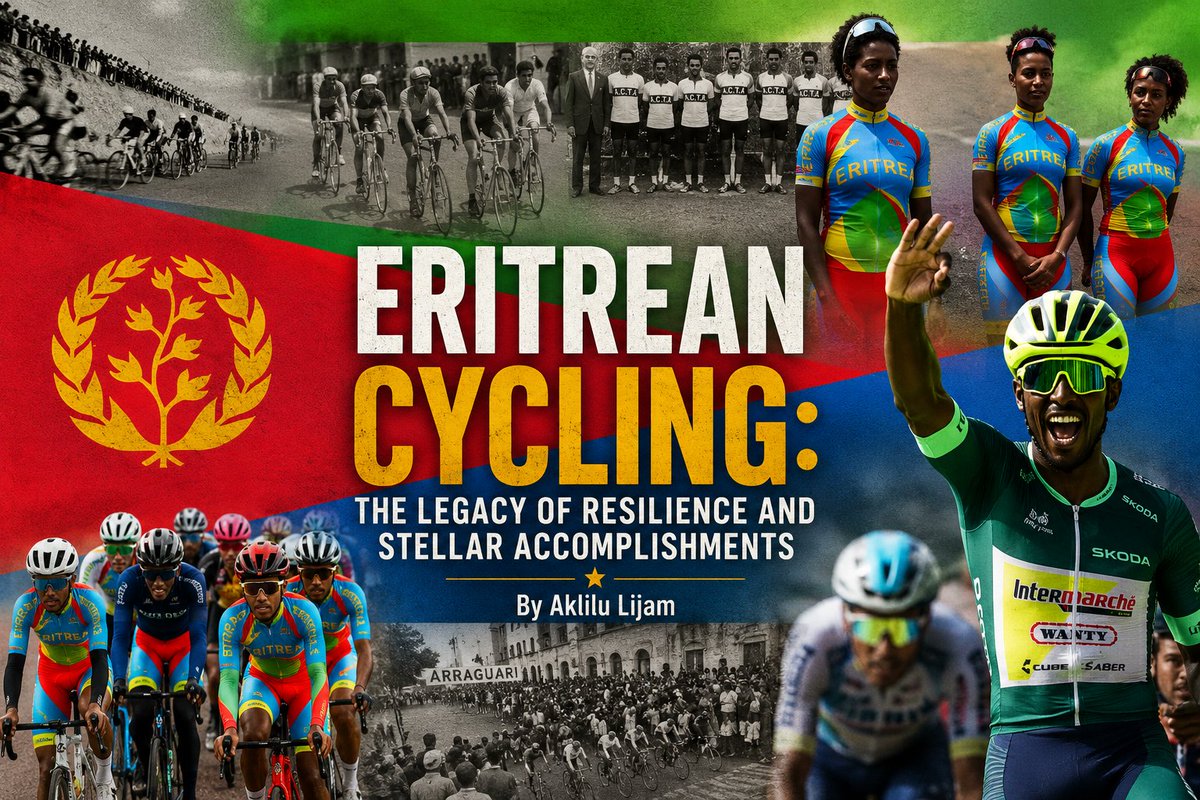
Eritrean Cycling: The Legacy of Resilience and Stellar Accomplishments
An impressive milestone has been reached in sports in general, and cycling in particular since independence in 1991
redseabeacon.com/eritrean-cy…
#EritreaShinesAt35 #EritreaAt35 #EritreaPrevails #Eritrea
@ProCyclingStats @Eurosport @GlobalCyclingN @cyclingnewsfeed @Insideoutsports ,@GrmayeBiniam @IntermarcheW @UCI_cycling @LeTour @giroditalia @Cyclingnewsfeed @CyclingWeekly @VelonCC @TeamAfricaRise @shabait
43
47
564

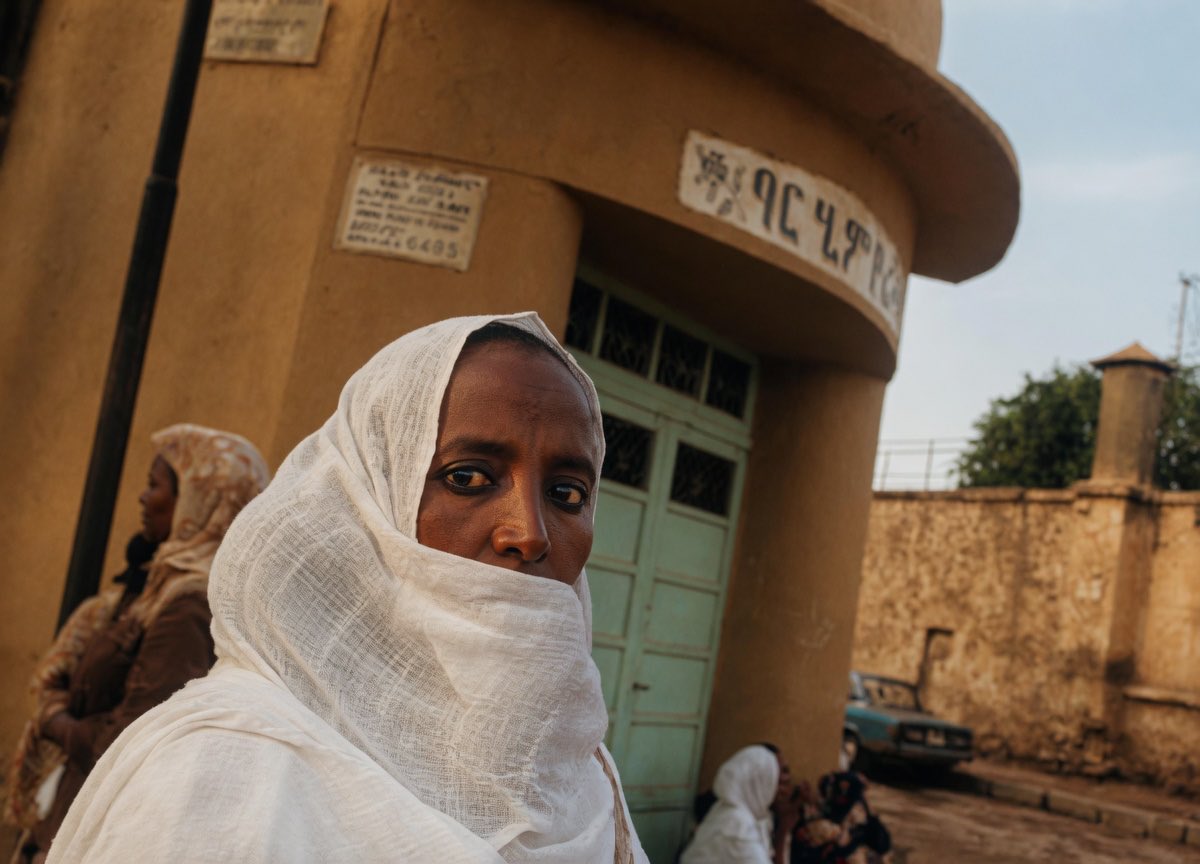
Eritrea’s contribution to the world wasn’t merely political independence, but the personification of uncompromising defiance in the face of extermination.
In a world disfigured by corruption, dependency, and moral hypocrisy, Eritrea stands as a testament to sovereignty preserved at immense cost — a nation and people who chose hardship over submission, dignity over appeasement, and self/determination over foreign decree.
To those enlightened, Eritrea represents more than a country; she is the enduring assertion that undeniable freedom isn’t granted by powerful western governments, but safeguarded by those willing to sacrifice everything to remain unbroken.
Eritrean Independence month. 🇪🇷
5
20
60
1,005
𝓗𝓪𝓻𝓲𝓷𝓮𝓽 𝓗. retweeted

May 21
Marvelous beauty.
Mesmerizing scenery.
Fountain of resilience.
5
178
283
3,555
𝓗𝓪𝓻𝓲𝓷𝓮𝓽 𝓗. retweeted
May 17
ርሑስ በዓል ናጻነት
ጅግና ጀነራል ስብሓት ኤፍሬም
እንኻዕ ገጽ ንፈትዎ ራኣና ዕድመን ጥዕናን ይሃብ ፈጣሪ
❤️🇪🇷✊❤️💐
11
89
209
4,050
𝓗𝓪𝓻𝓲𝓷𝓮𝓽 𝓗. retweeted

May 17
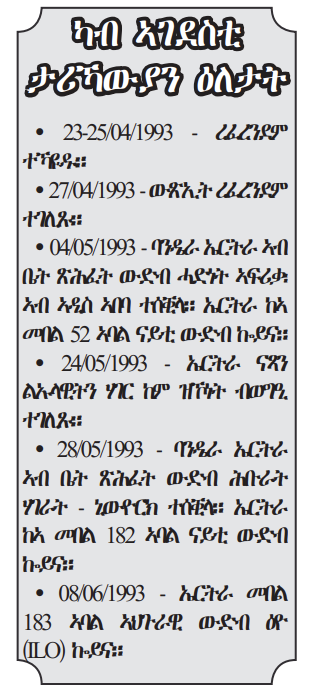
Important historical dates 🇪🇷
ካብ ኣገደስቲ ታሪኻውያን ዕለታት
* • 23-25/04/1993 - ረፈረንደም ተኻዪዱ።
* • 27/04/1993 - ውጽኢት ረፈረንደም ተገሊጹ።
* • 04/05/1993 - ባንዴራ ኤርትራ ኣብ ቤት ጽሕፈት ውድብ ሓድነት ኣፍሪቃ፡ ኣብ ኣዲስ ኣበባ ተሰቒላ። ኤርትራ ከኣ መበል 52 ኣባል ናይቲ ውድብ ኰይና።
* • 24/05/1993 - ኤርትራ ናጻን ልኡላዊትን ሃገር ከም ዝኾነት ብወግዒ ተገሊጹ።
* • 28/05/1993 - ባንዴራ ኤርትራ ኣብ ቤት ጽሕፈት ውድብ ሕቡራት ሃገራት - ኒውዮርክ ተሰቒላ። ኤርትራ
ከኣ መበል 182 ኣባል ናይቲ ውድብ ኰይና።
* • 08/06/1993 - ኤርትራ መበል 183 ኣባል ኣህጉራዊ ውድብ ዕዮ (ILO) ኰይና።
ጋዜጣ ሓዳስ ኤርትራ
3
72
97
1,771
𝓗𝓪𝓻𝓲𝓷𝓮𝓽 𝓗. retweeted

May 16
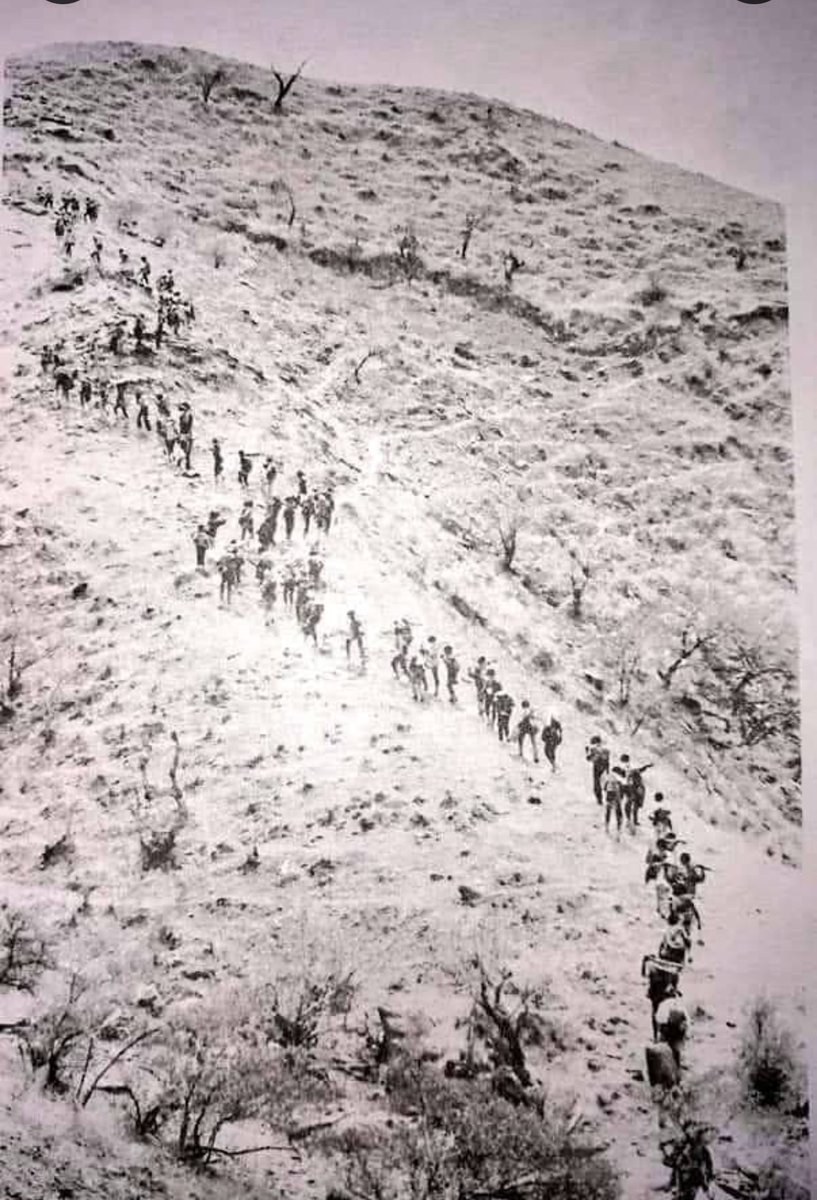
I dont have enough words to describe their sacrifice. Always grateful!
9
36
92
1,190
𝓗𝓪𝓻𝓲𝓷𝓮𝓽 𝓗. retweeted

May 17
Happy Birthday my beloved country 🇪🇷
4
67
122
824
𝓗𝓪𝓻𝓲𝓷𝓮𝓽 𝓗. retweeted

May 17
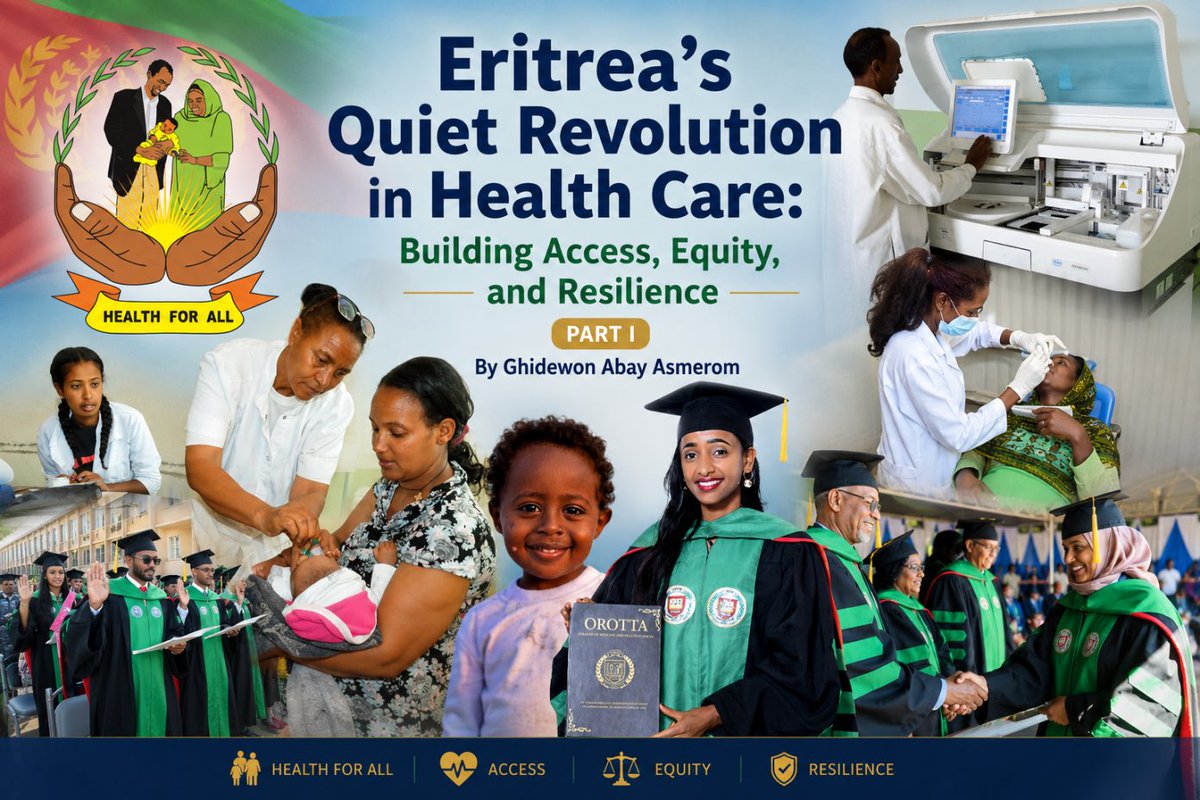
Eritrea’s Quiet Revolution in Health Care
May 16, 2026
Building Access, Equity, and Resilience
By Ghidewon Abay Asmerom
@RedSeaBeacon
Few measures reveal the moral priorities of a nation more clearly than how it cares for people when they are most vulnerable: a mother in labor, a child awaiting vaccination, an elderly patient seeking treatment, or a remote village confronting disease far from paved roads and urban hospitals. In much of the developing world, access to health care is still shaped by geography, income, and inequality. Eritrea has worked to build a different model, one anchored in social justice, grounded in equity, prevention, public ownership, community participation, and universal access.
For Eritrea, independence in 1991 was not simply the birth of a state. It created the opportunity to build institutions designed to serve the entire population, including communities long neglected or excluded from educational and health services. Eritrea’s health progress over the past three and a half decades is not a story of perfection or effortless success. It is a story of deliberate state-building, one clinic, one health worker, one village, and one saved life at a time.
Building Health Service Foundations
At independence, Eritrea inherited a fragile and severely weakened health system. In 1991, the country had 16 hospitals, 5 health centers, and 53 health stations, many poorly equipped, unevenly distributed, and inaccessible to large sections of the population. Rebuilding that system became a national priority.
Since then, Eritrea has steadily expanded its public health infrastructure. By 2025, the number of health facilities had grown to 354, helping bring basic health services within a five-kilometer radius for more than 70 percent, and more than 80 percent of the population lives within a 10km radius of a health facility. This is a significant achievement in a country marked by mountains, semi-deserts, scattered settlements, and difficult terrain.
To make this expansion effective, Eritrea organized its health services into a three-tier delivery system: community-based primary care through health stations, health centers, and community hospitals; secondary care through regional referral hospitals; and tertiary care through national referral hospitals, mainly in Asmara. This structure allows routine care to reach communities directly while ensuring complex cases move efficiently through an integrated referral system.
ReadMore @RedSeaBeacon
@hawelti
@Sudan #Djibouti #Somalia #Egypt #SaudiArabia #Turkey #Qatar #UAE
@EmbassyEritrea @hadnetkeleta @SirakBahlbi @EliasAmare
@Ghidewon @Yehdavid @GhideonMusa @globalezra @SharronYemane
@PMEthiopia @Afc2012Alula @MOFAEGYPT
@AfricanUnion @Winta_eri
@antonioguterres
@cnni @AJEnglish @BBCWorld @Reuters @AFP @AlAhramWeekly
@FT @latimes @nytimes @BBCWorld @AlJazeera @tberhan0437898
@shabait @ERiTV_Official
redseabeacon.com/eritreas-qu…
40
60
481
𝓗𝓪𝓻𝓲𝓷𝓮𝓽 𝓗. retweeted
May 15
RDC –Guardians of the National Soul: Eritrea’s Success in the Preservation of Memory
May 14, 2026
By Dawit Gebremichael Habte
@RedSeaBeacon
The history of the State of Eritrea is a testament to the resilience of a people determined to define their own destiny against overwhelming geopolitical odds. For a nation that endured Italian colonization, British military administration, an illegal federation, and decades of forced annexation, the act of documenting its past is not merely an administrative exercise but an assertion of political and cultural sovereignty. Over the past 35 years since independence, the Eritrean government’s handling of historical documentation and archival materials has evolved from a decentralized revolutionary necessity into a sophisticated, state-of-the-art institutional framework. At the heart of this success story lies the Research and Documentation Center (RDC), an institution that serves as the de facto national archive and the guardian of the nation’s collective identity.
The Revolutionary Genesis of Eritrean Documentation
Eritrea’s commitment to preserving its indigenous heritage was born in the crucible of the armed struggle for independence. Unlike many post-colonial states that inherited ready-made archival structures, Eritrea faced a significant institutional void, as successive colonial powers often prioritized records that served repressive functions or removed vital documentation to foreign metropoles. Recognizing that the battle for independence was as much about reclaiming the narrative as it was about military victory, the Eritrean People’s Liberation Front (EPLF) established Research and Documentation Units as early as 1975.
These early units operated under extreme conditions, recording field operations, political congresses, and the daily lives of fighters and civilians in liberated areas. This proactive preservation culture ensured that the foundations of the future national archive were laid in the trenches of the Sahel region long before the formal apparatus of a sovereign state existed. In February 1979, this effort expanded internationally with the founding of the Research and Information Center of Eritrea (RICE) by Eritrean scholars in the diaspora. RICE functioned as an intellectual vanguard, conducting rigorous research and collecting documents from global libraries to justify the Eritrean cause to the international community. This collaboration between the military struggle on the ground and the academic mission of the diaspora successfully internationalized the Eritrean narrative, culminating in historic events like the 1980 Permanent People’s Tribunal in Milan, which accredited the people’s right to self-determination.
ReadMore @RedSeaBeacon
@hawelti
@Sudan #Djibouti #Somalia #Egypt #SaudiArabia #Turkey #Qatar #UAE
@EmbassyEritrea @hadnetkeleta @SirakBahlbi @EliasAmare
@Ghidewon @Yehdavid @GhideonMusa @globalezra @SharronYemane @Winta_eri
@AmbStesfamariam @MOFAEGYPT
@AfricanUnion
@antonioguterres
@cnni @AJEnglish @BBCWorld @Reuters @AFP @AlAhramWeekly
@FT @latimes @nytimes @BBCWorld @AlJazeera @tberhan0437898
@shabait @ERiTV_Official
@ForeignPolicy @CanadaFP
@TheAtlantic @theunlibrary
#EritreanRDC @tewerwari_1
@librarycongress
redseabeacon.com/rdc-guardia…
38
47
742
𝓗𝓪𝓻𝓲𝓷𝓮𝓽 𝓗. retweeted

1/5 Haile Gebru – One Among the Pioneers Who Changed Eritrean Music
Yesterday I wrote about our legend on Facebook. Many of you shared a timeline of his role in Eritrean music history. Thank you..
1
15
27
612
𝓗𝓪𝓻𝓲𝓷𝓮𝓽 𝓗. retweeted
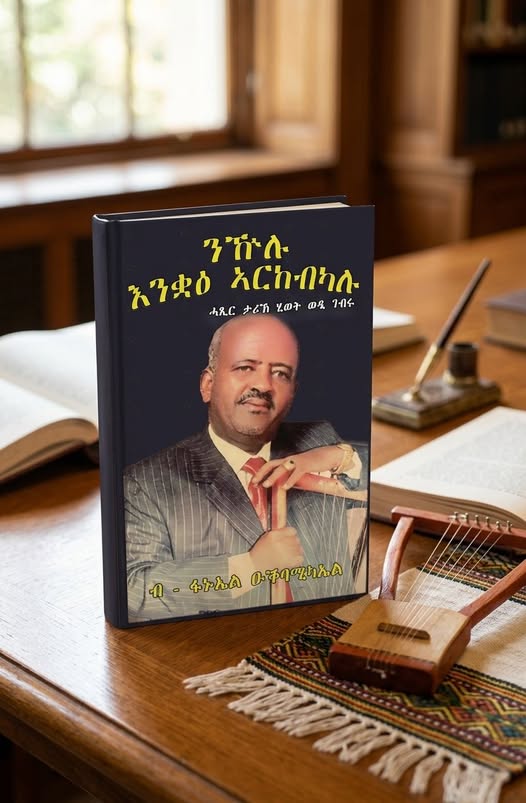
ንሓጺር ታሪኽ ህይወት በሃር ስነ ጥበበኛ ተኸሚካኤል ገብሩ( ወዲ ገብሩ) ዝሓዘት መጽሓፍ ጽባሕ ኣብ ኣስመራ ሆተል እምባሶይራ ብርሃን ክትርኢ እያ።
3
80
149
2,390
May 14
RT @hawelti: Audacity of Potemkin Party minions and their hired apologists is indeed beyond the pale.
The PP regime's delusional policie…
623
𝓗𝓪𝓻𝓲𝓷𝓮𝓽 𝓗. retweeted
May 12
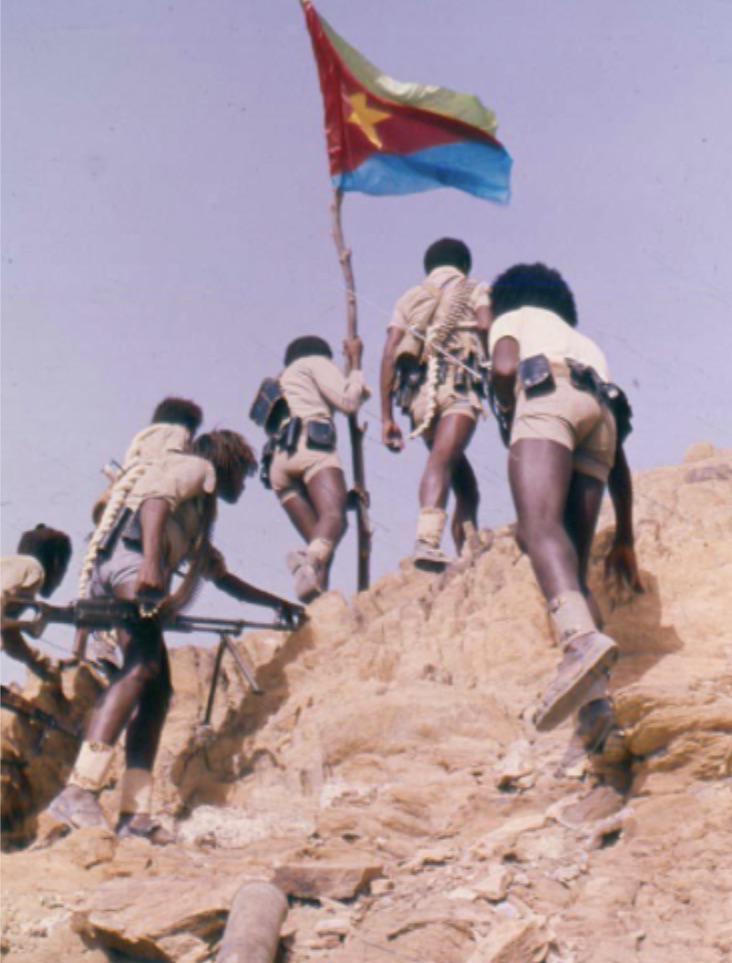
Future 🇪🇷 Eritrea parties that don't embrace nor respect the legacy of EPLF ( Shabia) have no place in Eritrea . W/O EPLF there won't be a country called Eritrea today . Eritrea won't be like Ethiopia or nor other countries that change their flag Everytime new party take over
5
39
77
1,227