
Emeritus Prof London South Bank University. Lives in Switzerland and France. Plants, landscapes, dogs, health science, climate action.
Joined May 2013
- Tweets 184,178
- Following 206
- Followers 4,001
- Likes 706,162
1,959 Photos and videos
Pinned Tweet

3 May 2020
I've worked in international health research all my life. I was despairing at how some former colleagues seem to be co-opted by charlatan UK politicians. My husband replied: 'if you want to be loyal to the truth you better become independently wealthy'. Depressingly true I guess.
36
59
408
Trudy Harpham, PhD retweeted

WH talkers make it pretty clear the peace includes Lebanon; acknowledges that Iran will get frozen money but only if it "performs." The regional reconstruction fund is also mentioned.
Main achievements are getting the strait open (status quo ante) and Iran committing in writing to never building a bomb (which was in the JCPOA and has also been Iran's stated position years).

The talking points document: punchbowl.news/wp-content/up…
10
11
42
11,021
Trudy Harpham, PhD retweeted

Sadly!
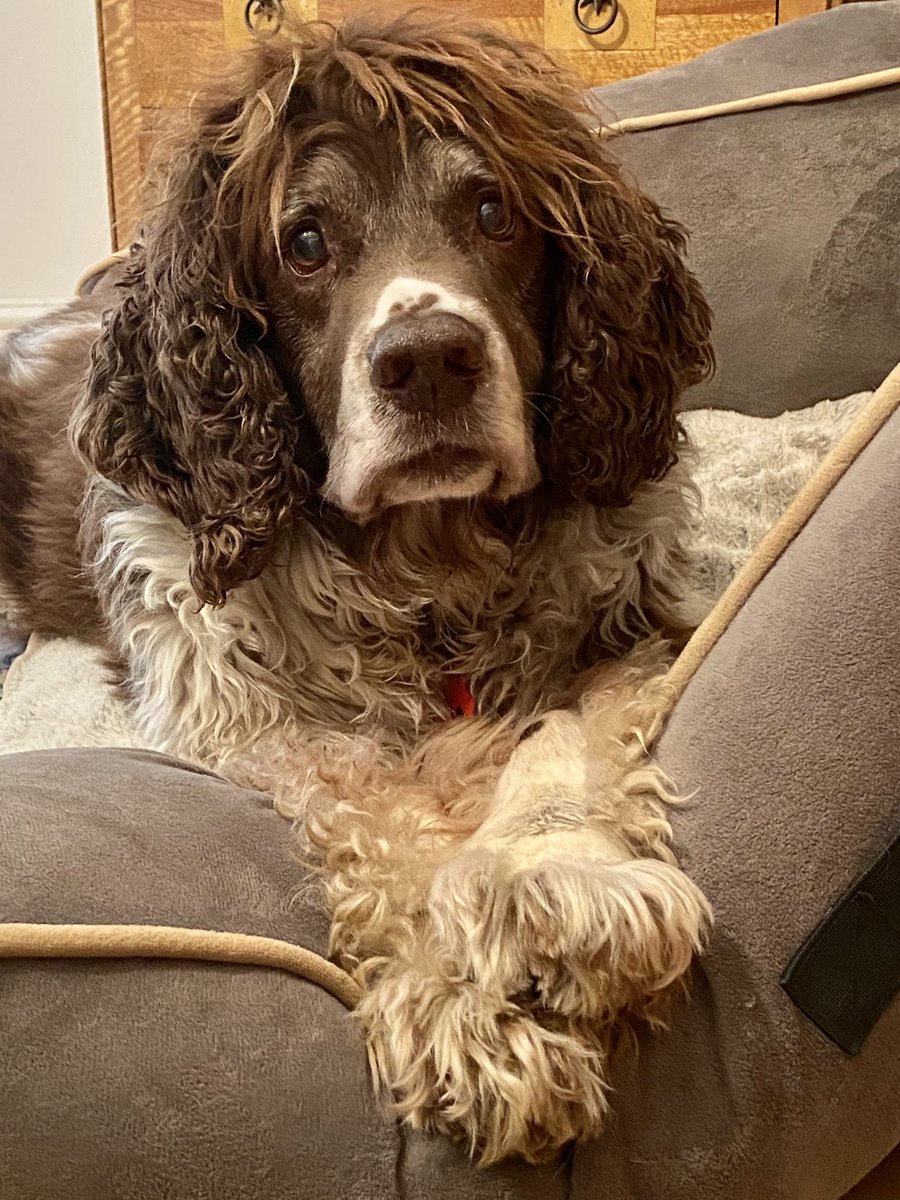
We didn’t know it then…… but Snoopy died very suddenly 6 days later, it was a terrible shock
He woke at 3.00am & went out for a wee, scrounged some mince & dumplings #DinedLikeAKing at 9.00am he couldn’t stand, vet diagnosed a huge neurological event & he slipped away in my arms on 14.1.23 #SnoopyWeLovedHimSo

16
5
227
2,500
Trudy Harpham, PhD retweeted

Excellent investigative journalism by BBC Panorama, showing Russian involvement not just in arson attacks on Starmer’s house but also in anti-immigrant, anti-Muslim attacks. bbc.co.uk/news/articles/c8r2…
35
184
440
5,973
Trudy Harpham, PhD retweeted

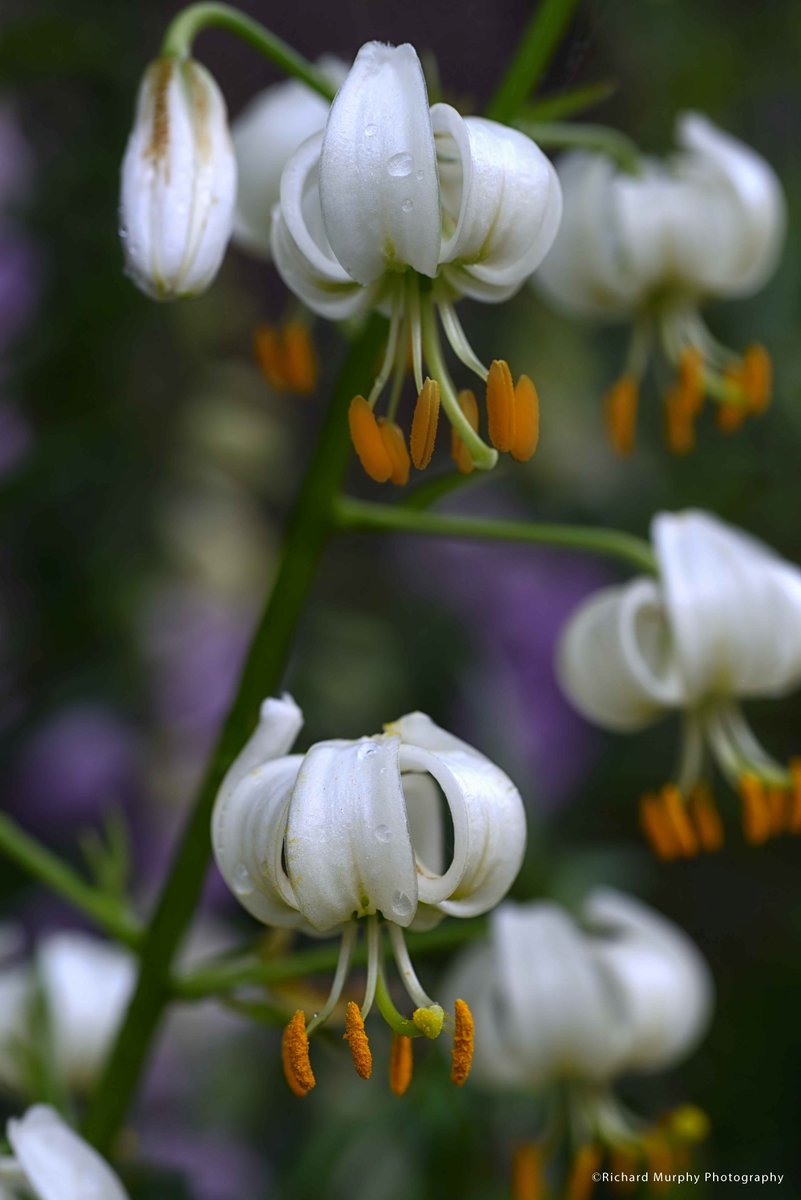
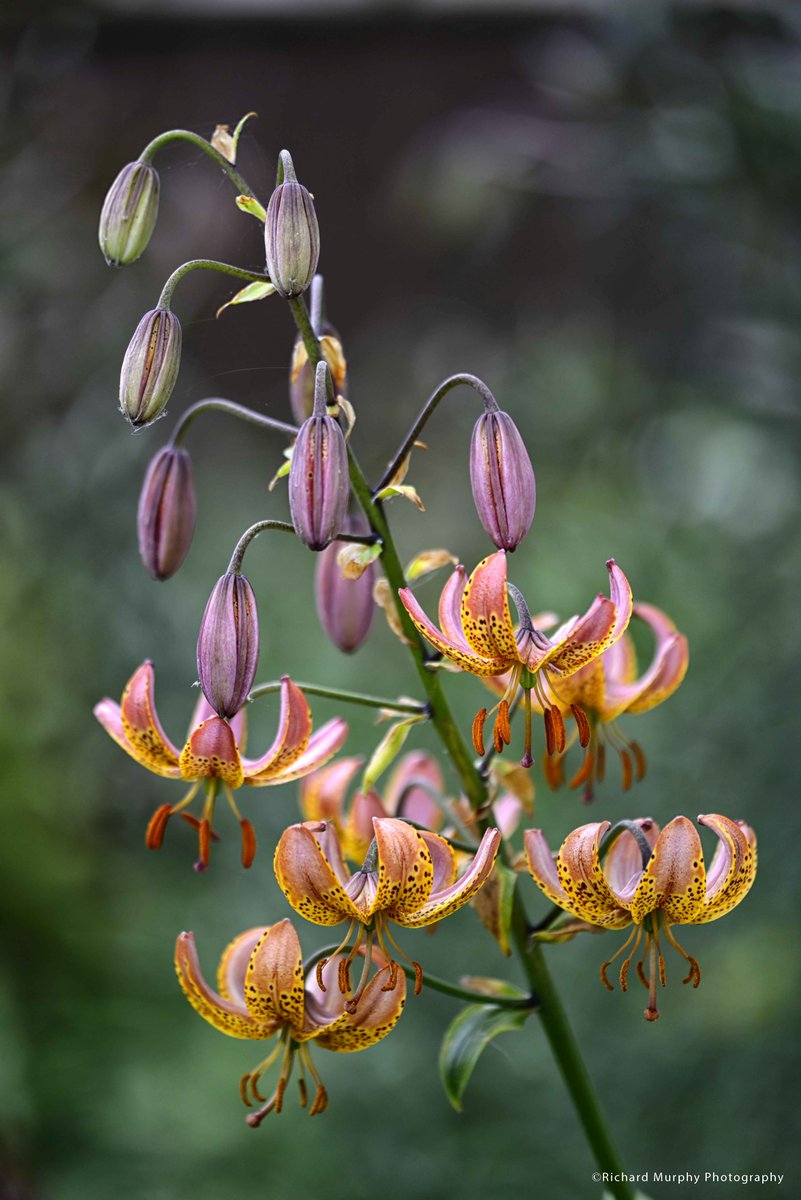
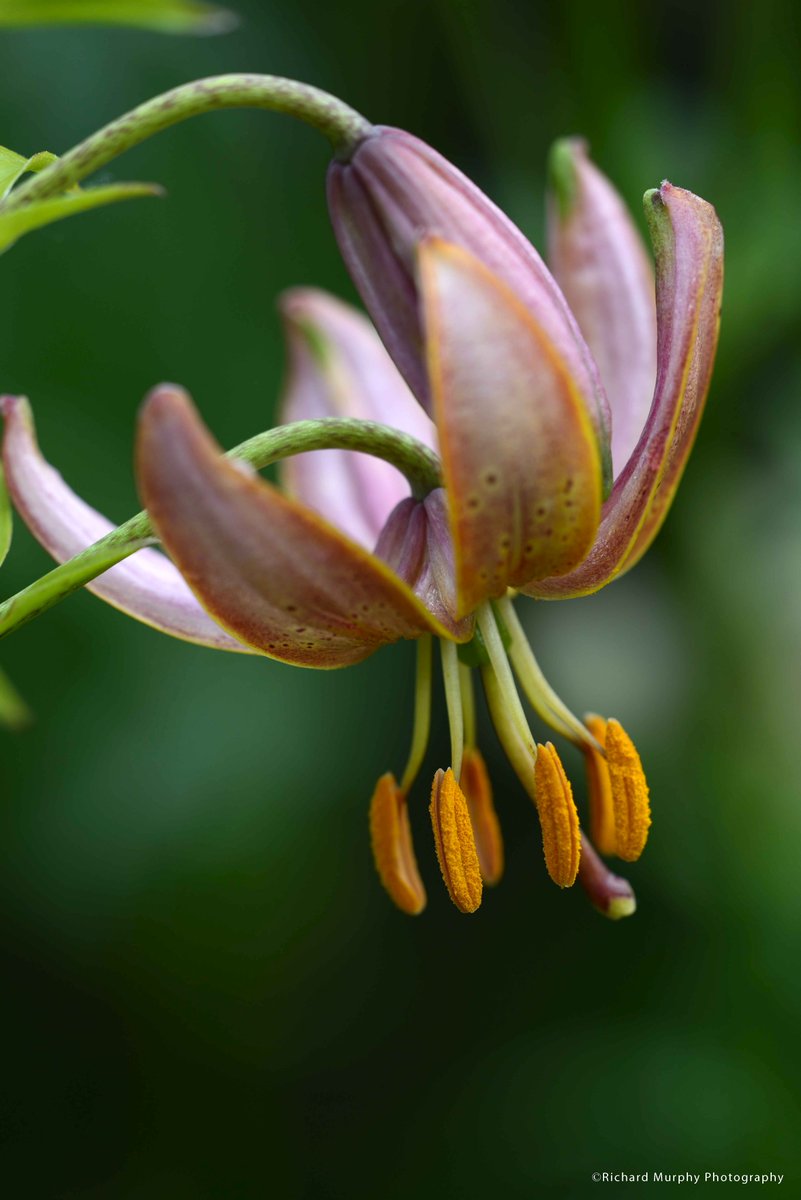
t's June already and the year is just flying by! The Martagon lilies are in full swing in the garden now. More and more unfurling every day. These are fabulous flowers, some with scent which makes them even better!

5
14
518
Trudy Harpham, PhD retweeted

"The Israelis, for their part, have been left out in the cold. It is difficult to shed any tears for Prime Minister Benjamin Netanyahu, who unwisely encouraged Trump to attack Iran, but he, too, is feeling the sting of humiliation." -- @RadioFreeTom:
theatlantic.com/ideas/2026/0…
6
50
120
11,925
Trudy Harpham, PhD retweeted
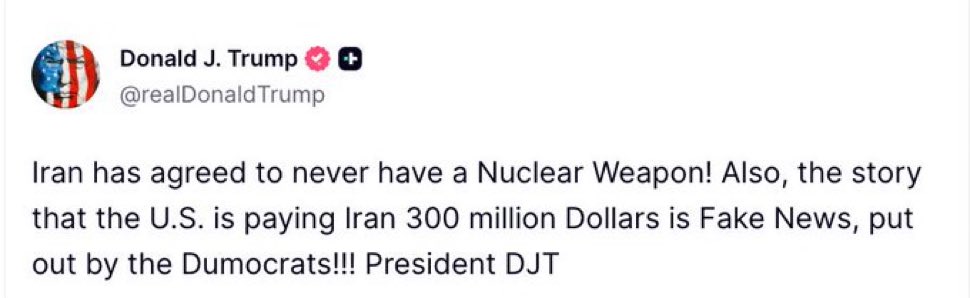
The inclusion of this language--which was in the JCPOA, has been stated Iranian policy for many years, and is inherent in its status as an NPT signatory--is clearly very important to Trump.
2
4
43
4,907
Trudy Harpham, PhD retweeted

All eight on board US Air Force B-52 bomber killed after California crash bbc.in/4vO0WK5
64
144
399
122,963
Trudy Harpham, PhD retweeted
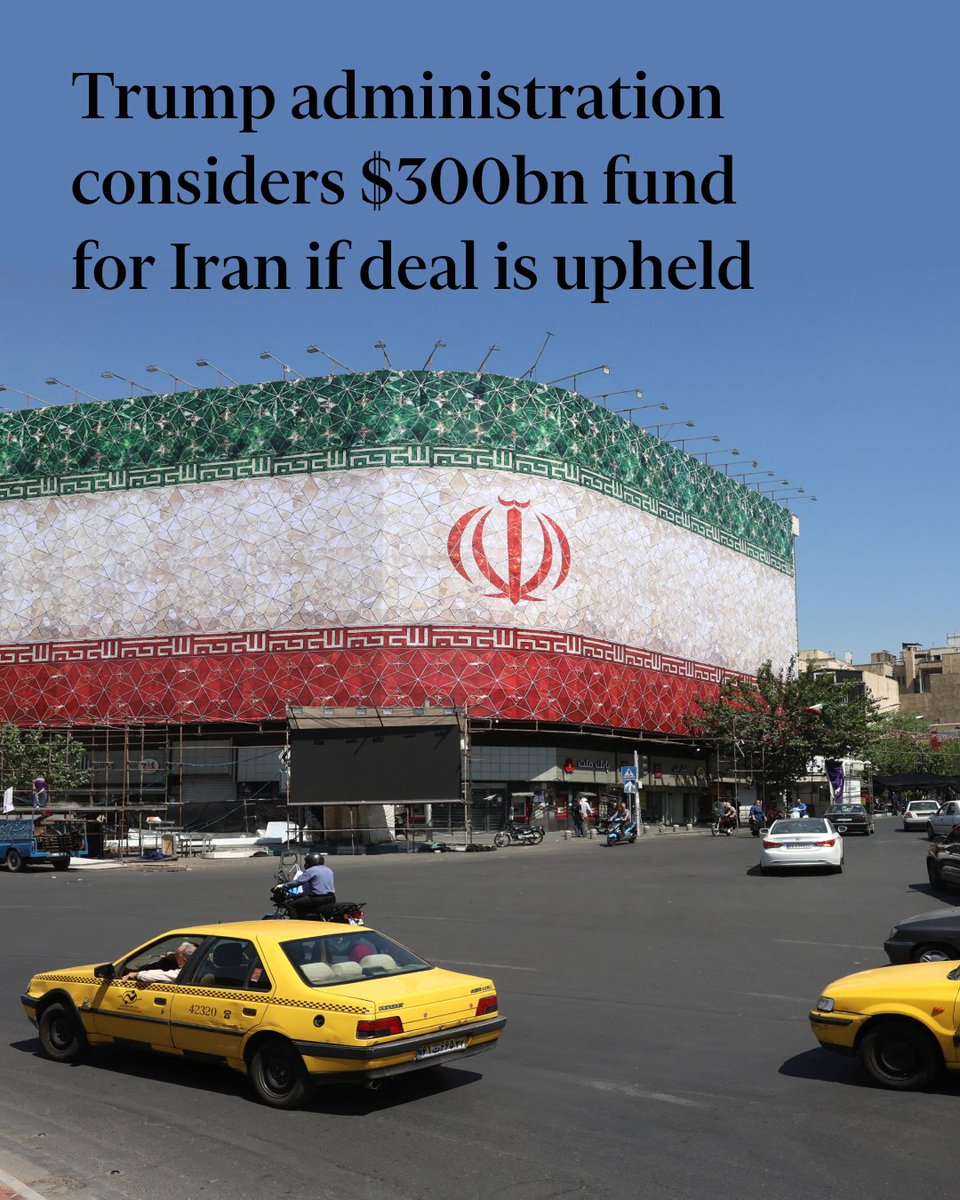
A senior US official said Washington had discussed the possibility of sanctions relief for the Islamic republic and 'a big $300bn fund to rebuild their country'. ft.trib.al/SZQgilq
44
129
444
30,656
Trudy Harpham, PhD retweeted

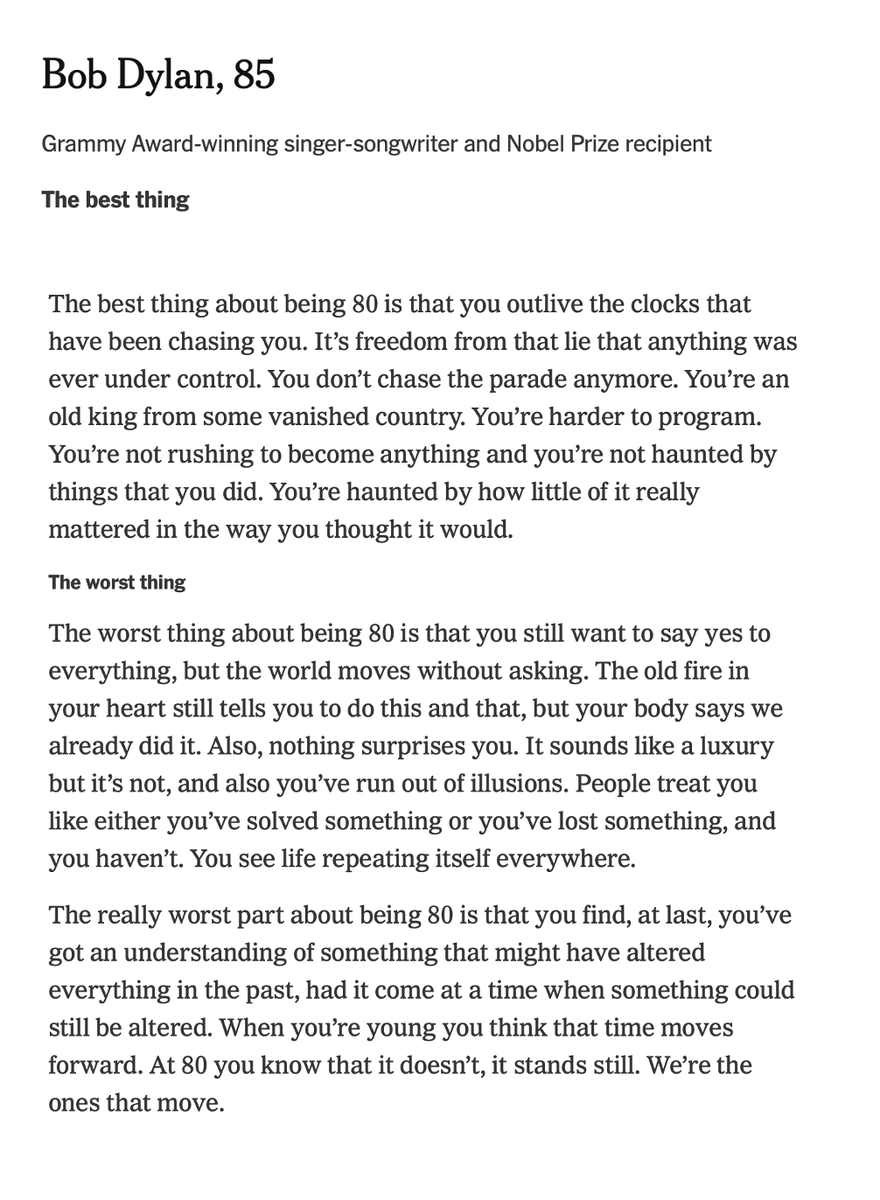
this 81 year old rather loves this - especially the "best" part
Jun 14

Bob Dylan in the NYT today, in a piece where artists in their 80s were asked to describe the best and worst parts of being that age, and whether they had advice for the president on his reaching the milestone. (Dylan apparently passed on the final question, not surprisingly.)
11
51
282
18,876
Trudy Harpham, PhD retweeted
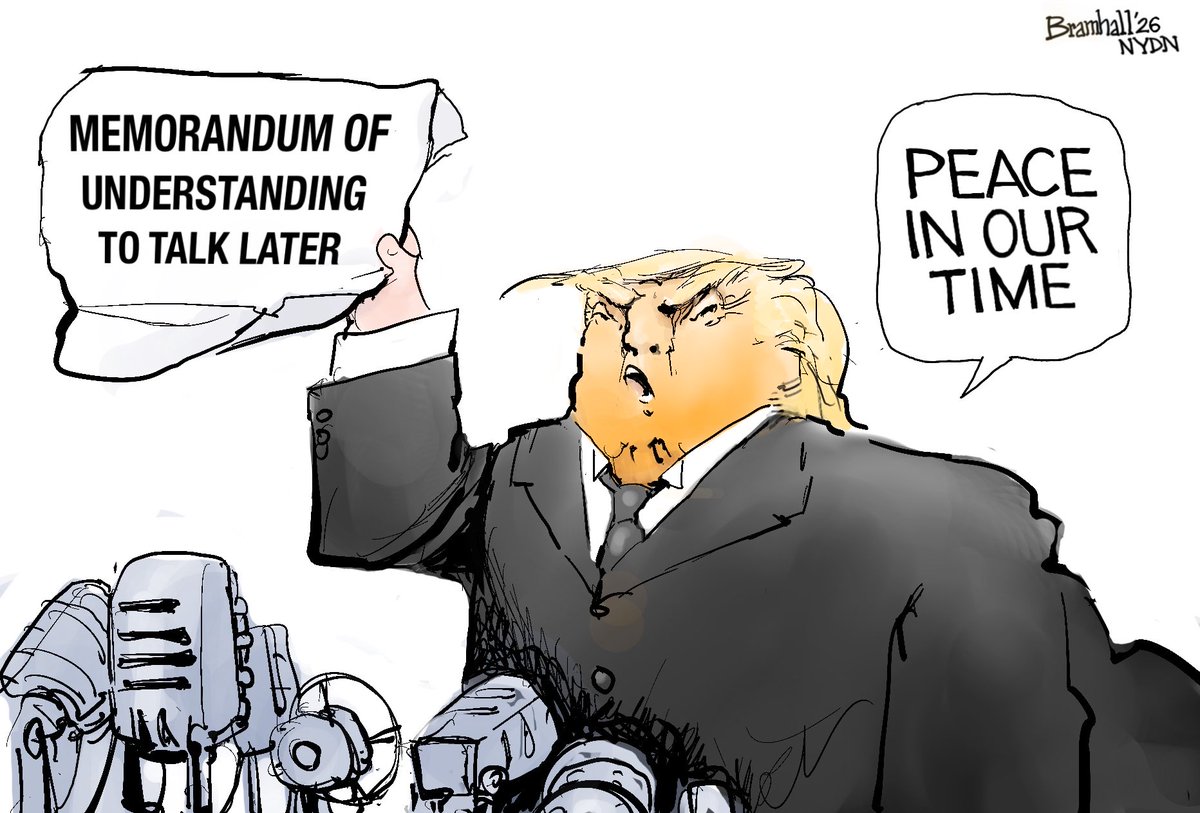
Putting aside the spin, here's what happened:
The US launched a war of choice against Iran. The purpose was to duplicate the recent success in Venezuela--decapitate the regime, empower new leaders who were willing to cut a deal, leave Iran weaker and more compliant.
Very quickly, it was clear that wasn't going to happen. Iran's leadership had planned for war, the mosaic defense allowed for rapid and resilient response, the regime quickly rallied around a hard core of IRGC/security leadership. A quick victory faded.
Instead, the war became attritional, which played to Iran's strengths. Iran closed the strait, attacked regional infrastructure, imposed costs and waited for the US to de-escalate and accept a negotiated settlement favorable to Iran. That was always the plan.
The US resisted. The goal shifted: military and economic pressure became a lever to force Iran into making concessions on its nuclear program. The administration considered high-risk operations, like seizing Kharg Island or raiding Isfahan to take Iran's HEU stockpile. In the end, the risks were never manageable. The US offered a ceasefire. Iran accepted.
There followed two months of negotiating and posturing. Both sides thought they had leverage. Both tried pressure via "dueling blockades." But Iran always had the advantage: it had already resisted the core US demands while under bombardment, the idea that it would yield under pressure and threats was never especially credible.
Iran had a simple task: resist and extract concessions for reopening the strait. The US lift was heavier: it was demanding major concessions, but lacked the tangible success in war to attain them. The US negotiating position had weakened relative to where it was before the war. Iran's had strengthened.
The deal both sides are moving toward reflects that dynamic. It is not a US surrender--the US is still the stronger power and it can absorb this war with relative ease, thanks to its vast resources--but it is far less than what the US had hoped to achieve.
Iran is not really walking away a winner--its losses since June 2025 are immense, albeit recoverable in time--but it has succeeded in resisting capitulation, and imposed enough costs to extract concessions in return.
16
80
292
26,938

Trudy Harpham, PhD retweeted
I once asked Henry Kissinger after a press conference what a superpower should do to avoid looking weak. ‘Don’t start a war,’ he said. He meant Vietnam, but it seems particularly relevant now.
8
113
557
8,006
Trudy Harpham, PhD retweeted

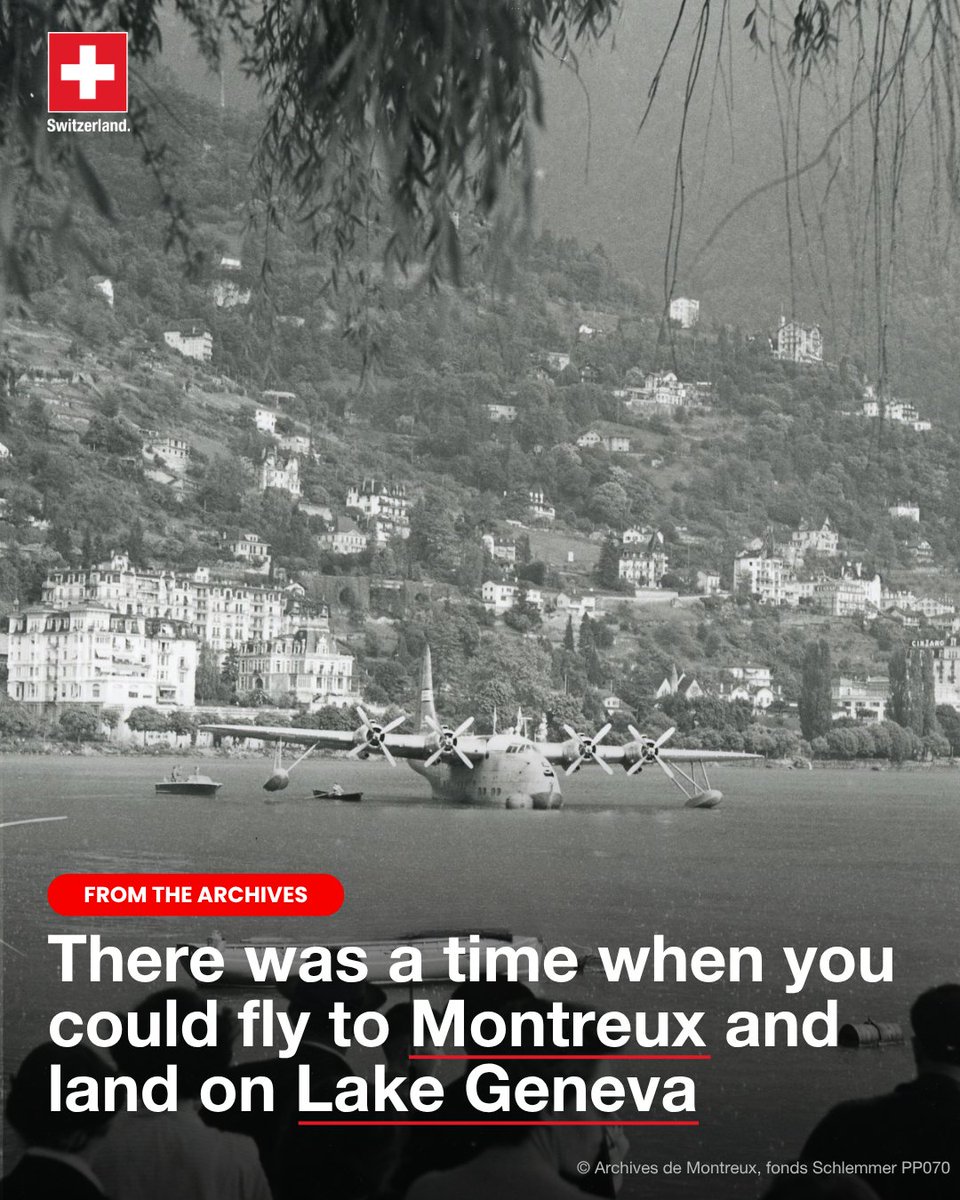
Did you know? In 1957, you could fly from Southampton to Montreux and land directly on Lake Geneva. 🌊
No runway: the Short Solent landed directly on the lake, bringing passengers to the Swiss Riviera in just 3 hours.
Would you try this if it still existed today? 👇
1
10
43
1,032
Trudy Harpham, PhD retweeted

12h
Cutting access to Anthropic’s Mythos is a gift to China ft.trib.al/VPTiE8J | opinion
21
39
142
34,058
Trudy Harpham, PhD retweeted

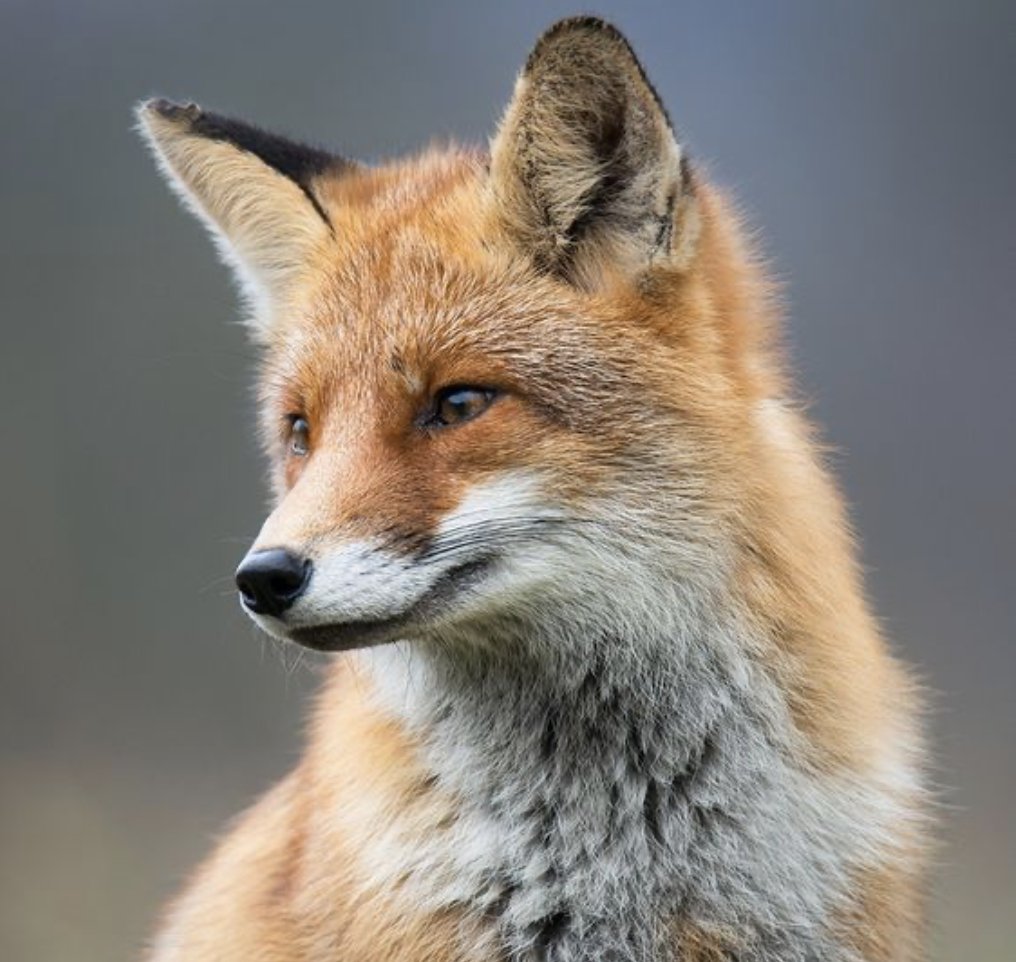
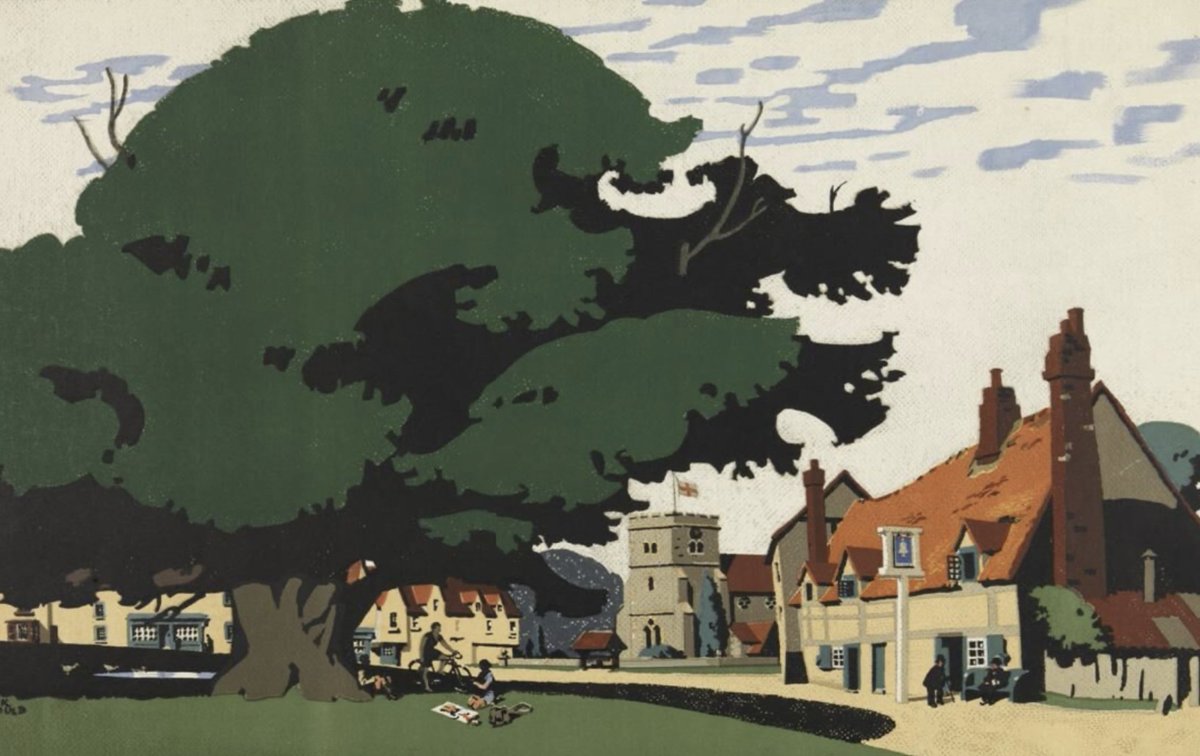
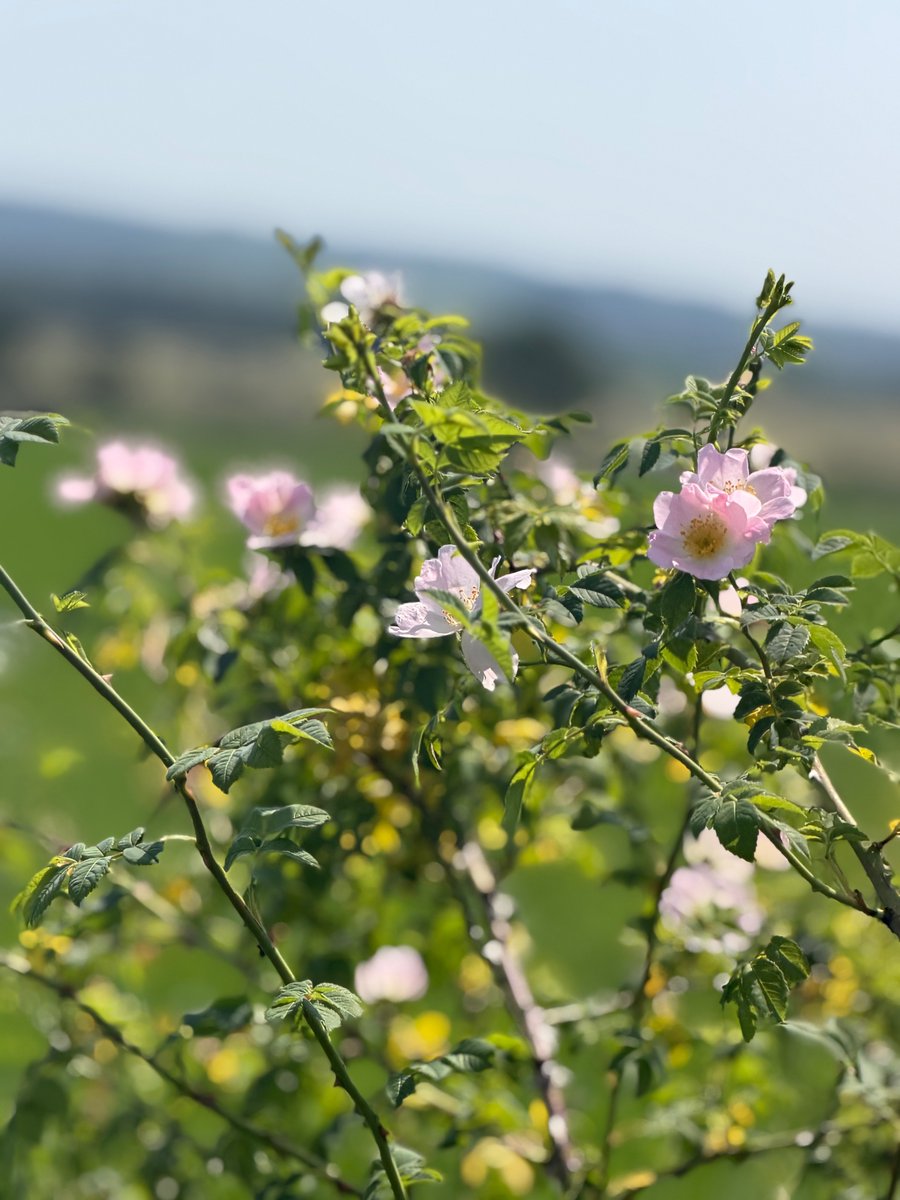
It was Old Midsummer and all was quiet and peaceful in the village. The gentle air was scored with the notes of a Dorset June: a distant aeroplane high over Abbotsbury, an occasional motor car or wagon or gig rumbling along the sea road, a cuckoo deep in the Greenwood, the sky larks over the fields, Wolf's portable gramophone playing in the overgrown meadow, the flickered shriek of the swifts along Lace Street. Old Fox's enchanting garden was in full-tangled-bloom by Barnaby day, and the humble-bees were loud there too, drowsily making their way from flower to flower, particularly favouring the fox-gloves, which grew in great abundance, it being a fox's dwelling and a fox of eminence at that.
7
58
279
2,902
Trudy Harpham, PhD retweeted

Jun 14
A giant of the Labour Party, Roy was a progressive, a libertarian & egalitarian. An intellectual steeped in an understanding of Labour history, he stuck with the party when the SDP was formed & fought the takeover by militant. A democratic socialist who was helpful and kind to me RIP
Jun 14

Roy Hattersley, former Labour deputy, dies aged 93 thetimes.com/uk/politics/art…
15
50
288
15,751
Trudy Harpham, PhD retweeted

Why are our public services struggling?
"...while 99% of us are paying, in total, 40% to 50% tax on our incomes, billionaires are paying a rate equating to 25% at most. As for wealth, the situation is much worse."
theguardian.com/politics/202…
8
42
68
2,134
Trudy Harpham, PhD retweeted

Great reporting by @BBC_Olga_M and others about a Russian sabotage and disinfo campaign targeting the UK that aims, among other things, to widen splits in UK society. There still needs to be much more focus on explaining this threat to the UK public. bbc.co.uk/news/articles/c8r2…
17
192
421
9,561
Trudy Harpham, PhD retweeted

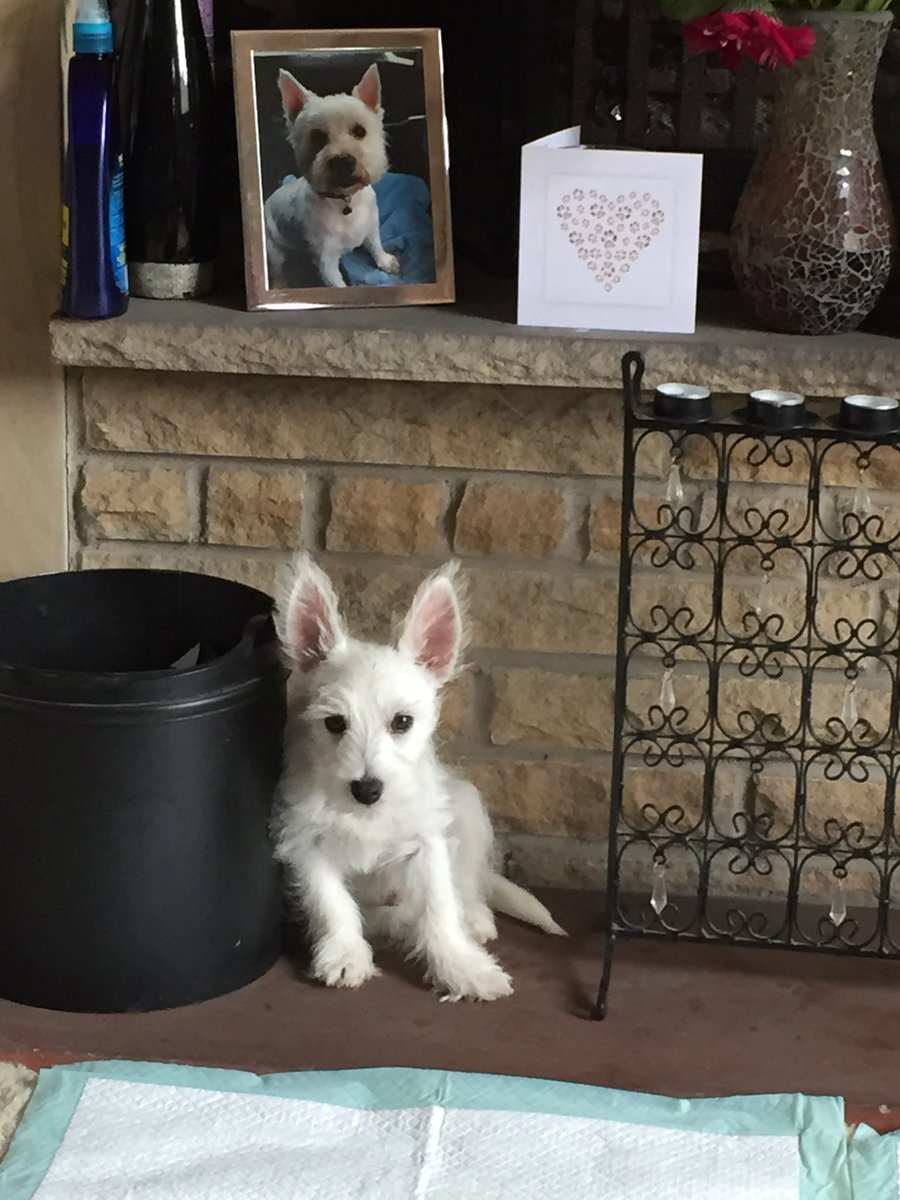
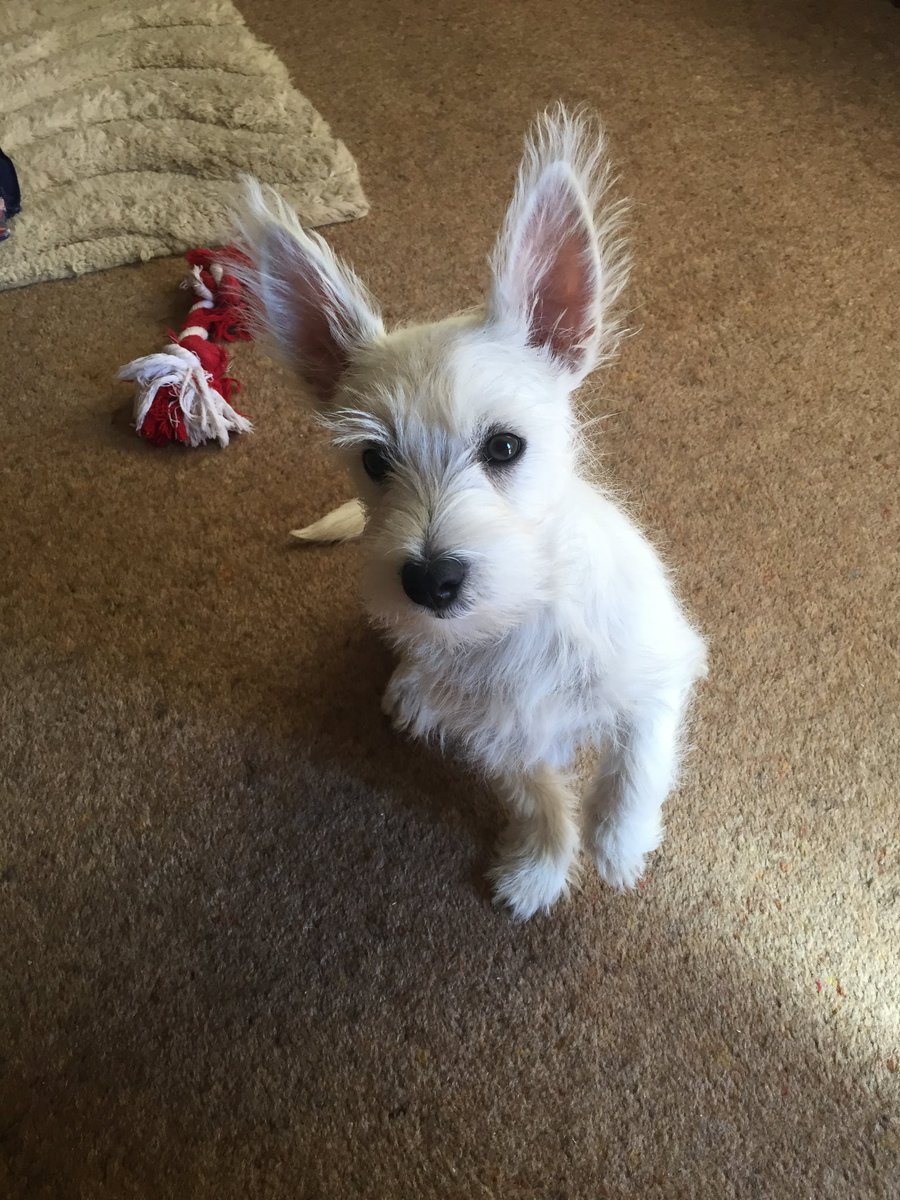
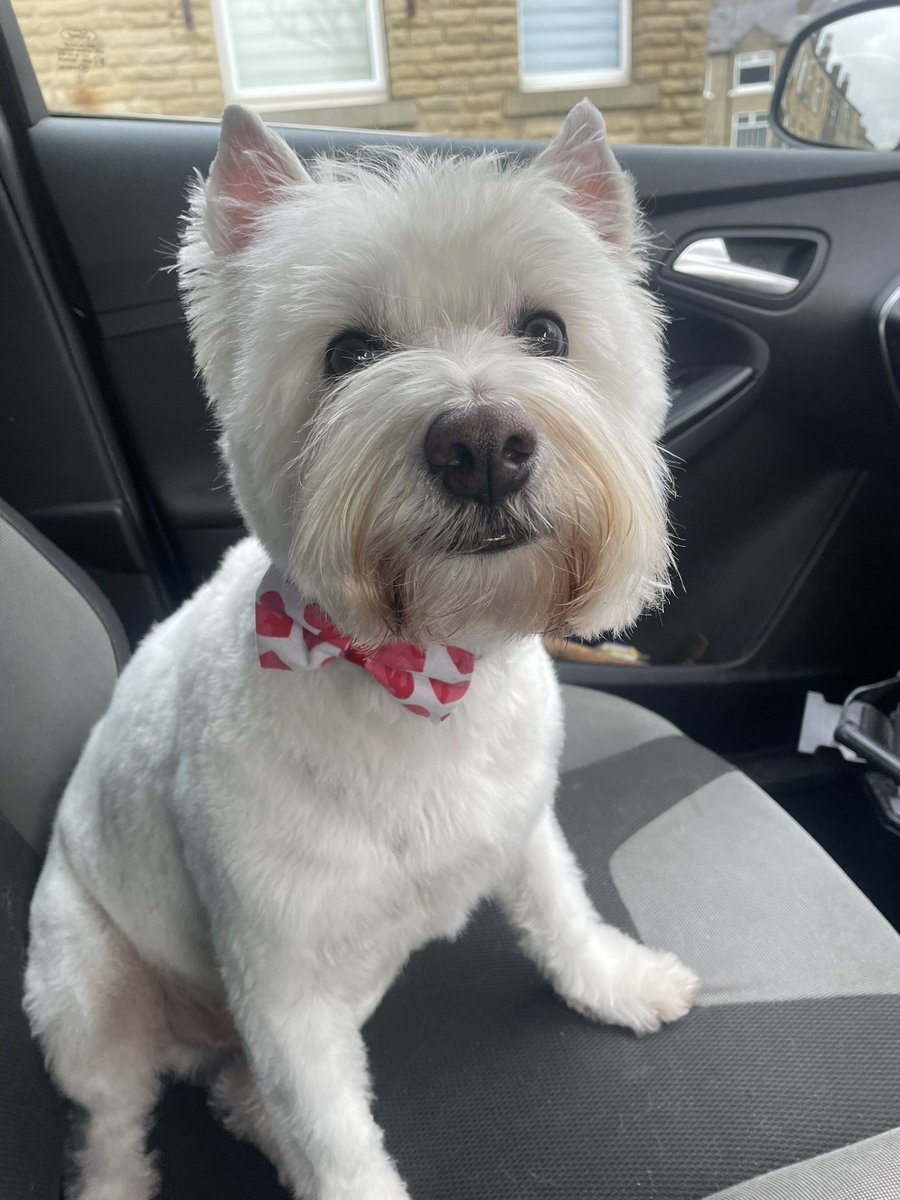
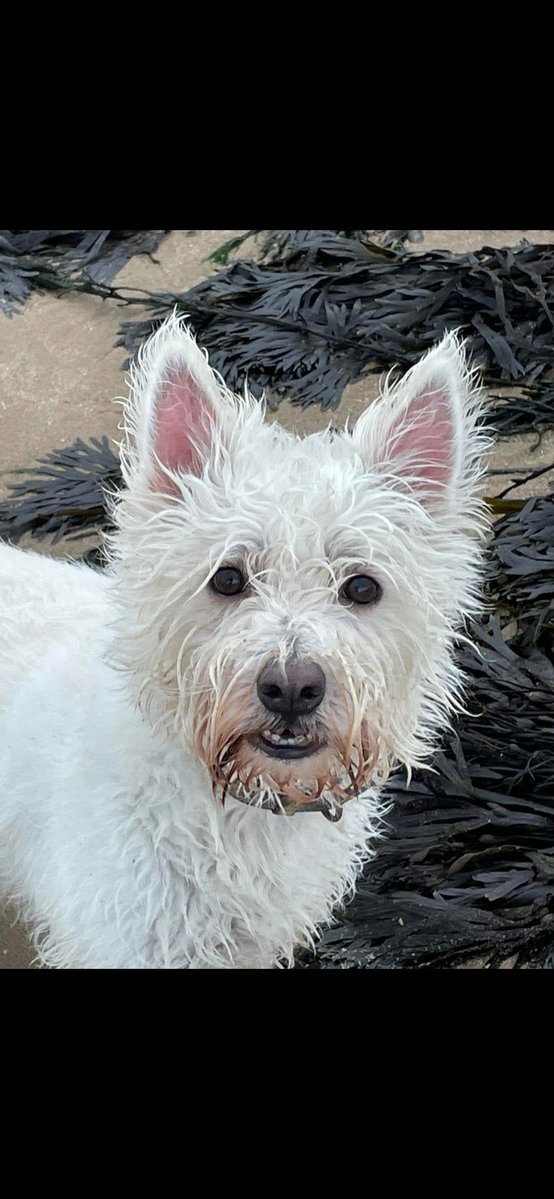
Happy gotcha day to me! 8 years on from first photo to the last one! Lucky Hoomans😂😂😂🎂🍾
13
9
131
1,367
Trudy Harpham, PhD retweeted

14h
Trump says he reached a deal with Iran to extend the ceasefire and open the Strait of Hormuz. In other words, to get us back to where we were before Trump launched his reckless, expensive, and unnecessary war. Was this worth the lives, money, and risk? No way.
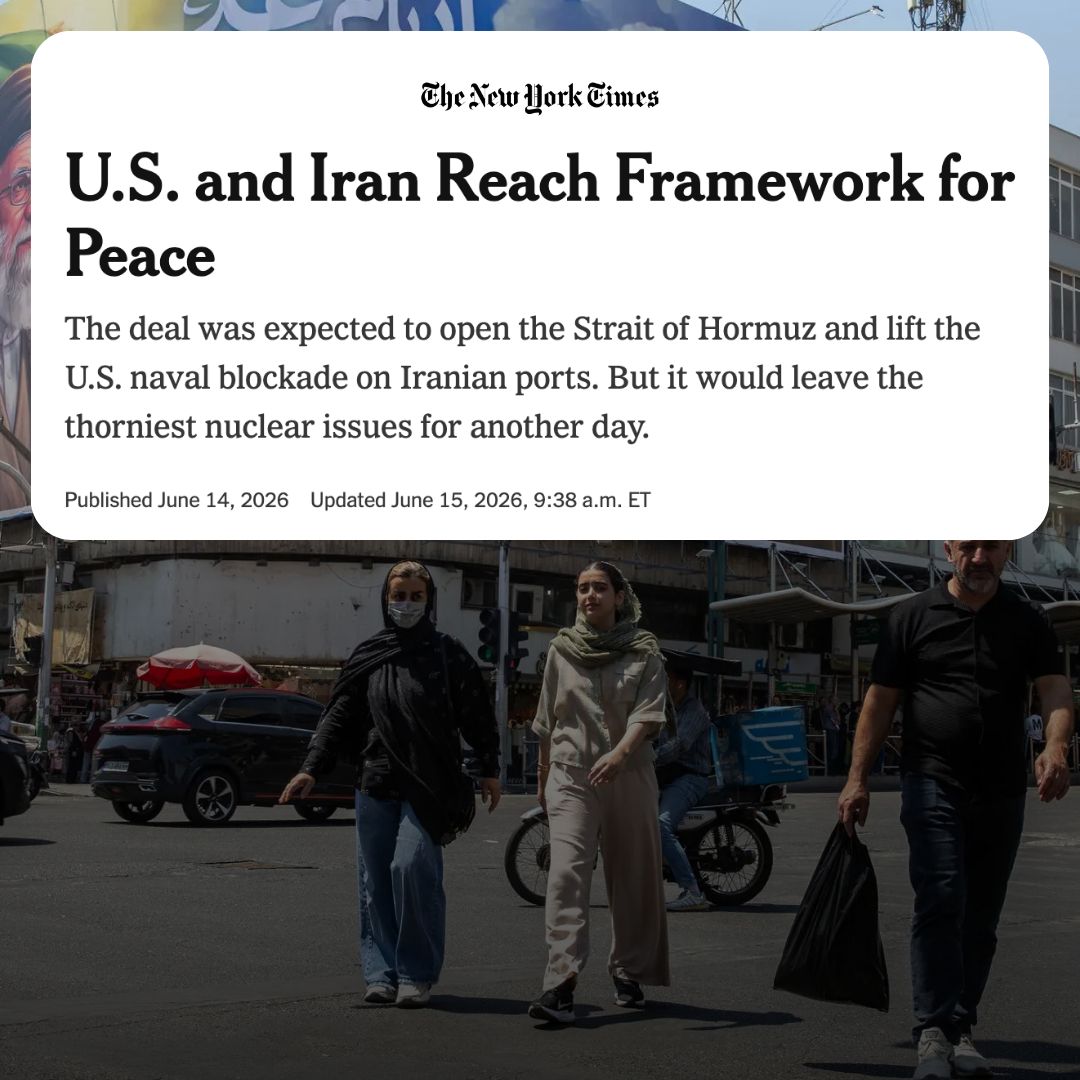
ALT U.S. and Iran Reach Framework for Peace The deal was expected to open the Strait of Hormuz and lift the U.S. naval blockade on Iranian ports. But it would leave the thorniest nuclear issues for another day. Published June 14, 2026 Updated June 15, 2026, 10:59 a.m. ET
58
21
52
2,763