Joined February 2010
- Tweets 637
- Following 469
- Followers 101
- Likes 1,465
53 Photos and videos




Heath Hamrick retweeted

May 23
Dammit

32
213
5,012
242,421

May 10
Prado just redeemed everything I felt about him last year with that congratulations for Kenny! Storybook races in both classes!
3
35
Heath Hamrick retweeted

Feb 28
Thank you President @realDonaldTrump for giving the Iranian people a chance to be free. Pray for him and for all those in our military who are risking their lives to protect America and bring freedom to the Iranian people. This regime has been killing Americans for years, and we haven’t had a president who had the guts to take them on. Thank you Mr. President for standing up to bring this evil empire to an end.
829
3,899
19,853
159,423
Heath Hamrick retweeted

Feb 27
I was raised around the church, and I wasn’t into it. I was never going to be the guy that believed in all this just because that was what was socially acceptable in my environment.
Over the years, I had gone back and forth, but it was never much of a priority. Fast forward to 2022, I considered myself agnostic and decided to get serious about figuring out a direction. I read every book I could find on the subject, the Bible included, doing my best to view all the information objectively.
Around this time, I was down bad one day and decided to say a prayer and asked Him to show me a sign. The very next day, a man came up to me in the gym, hadn’t seen him before and haven’t seen him since, he held out a shirt with the verse from Jeremiah "For I know the plans I have for you," declares the Lord, "plans to prosper you and not to harm you, plans to
give you hope and a future.” on it and said “I’m not sure why, but I felt called to give this to you today, he sees you”.
I get random text from my mom that afternoon, same verse.
On that same day, my Grandpa was in the hospital—the only artwork in his room? Same verse. (Found this out weeks later)
I realized that over the years I had a bad taste in my mouth about organized religion. It can be used to control and to profit, but I also realized that isn’t what Jesus wanted or taught. That is humans being human, and I came to the conclusion that it’s not right for me to let their mistakes affect the way I view Christianity.
I’m a logical dude, I get the skepticism over the subject, and sitting here today I can tell you that I never thought I would write something like this. Everyone is on their own journey, and I’m the last one to push my beliefs on someone else. I’m not trying to appear virtuous, or trying to assert myself as “above” anyone. I’m writing this because arriving here has changed my life in a way that makes it feel wrong to keep it to myself.
I don’t have all the answers, but through my own research and experience, all I can say is that I believe with all my heart and soul. God bless, and have a great weekend.
Feb 26

Scientists confirm biblical earthquake that 'shook the earth' during Jesus' crucifixion trib.al/eN78Uto
306
783
6,449
425,503
Heath Hamrick retweeted

Feb 12
Don’t be content with making a point. Make a difference.
9
23
123
9,760
12 Nov 2025
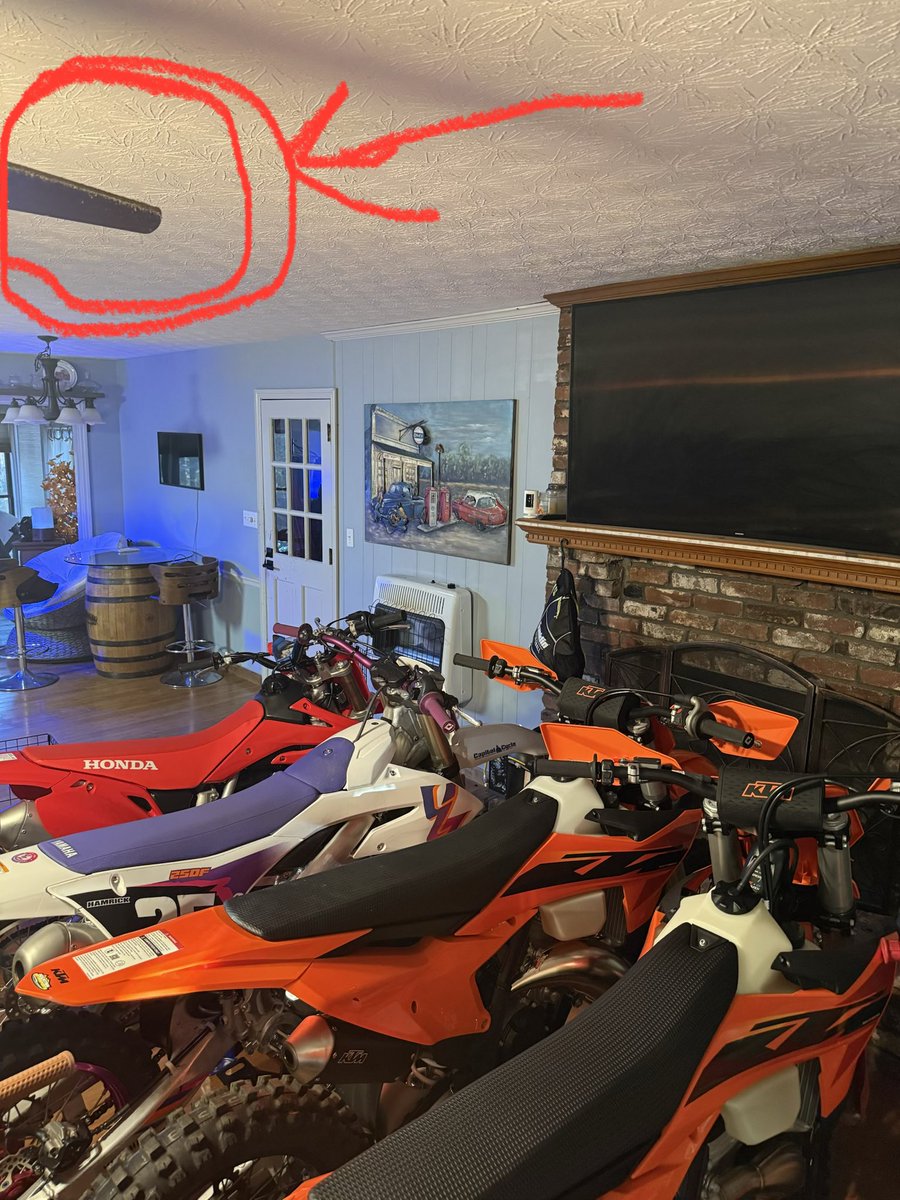
Hey @FMIP222 I would fill in for @pulpmx and @KKeefer120 but I ain’t got no wife to swap with. Pretty sure my wife left because I wouldn’t clean the ceiling fan in the living room.
2
10
382
Heath Hamrick retweeted
28 Oct 2025
In the first century the term Christian was a political term, not a religious one. Followers of Jesus weren’t branded Christian to differentiate them from Zeusians or Jupiterians. The term Christian was coined by pagans based on Latin political terminology. Christian was analogous to Caesariani, a follower of Caesar; Herodiani, a follower of Herod. Christians were viewed as partisans of a king. Rome had little interest in which god or gods people worshiped. Rome’s mandate: worship your gods, but obey Caesar. For Christians, this was a nonstarter. Jesus was a king who required more than worship. He required obedience. No one asked 1st century Christians if they were Christian. They were accused of it. Their behavior gave them away.
60
45
377
66,955
21 Oct 2025
The Bible isn’t an easy place to start. If God intended for everyone to start there, Adam would have had one. Some saw before anyone heard. Seeing is believing. You can start by just believing them.
3
32
26 Aug 2025
KTM has been paying Prado more all this time because they need Kawasaki to look bad before the 2 stroke release. It’s just like Waffle House paying the Cracker Barrel CEO. Today’s world business strategy. @pulpmx should have used it with Darkside at Vital when he could have. 😂
3
90
Heath Hamrick retweeted

14 May 2025
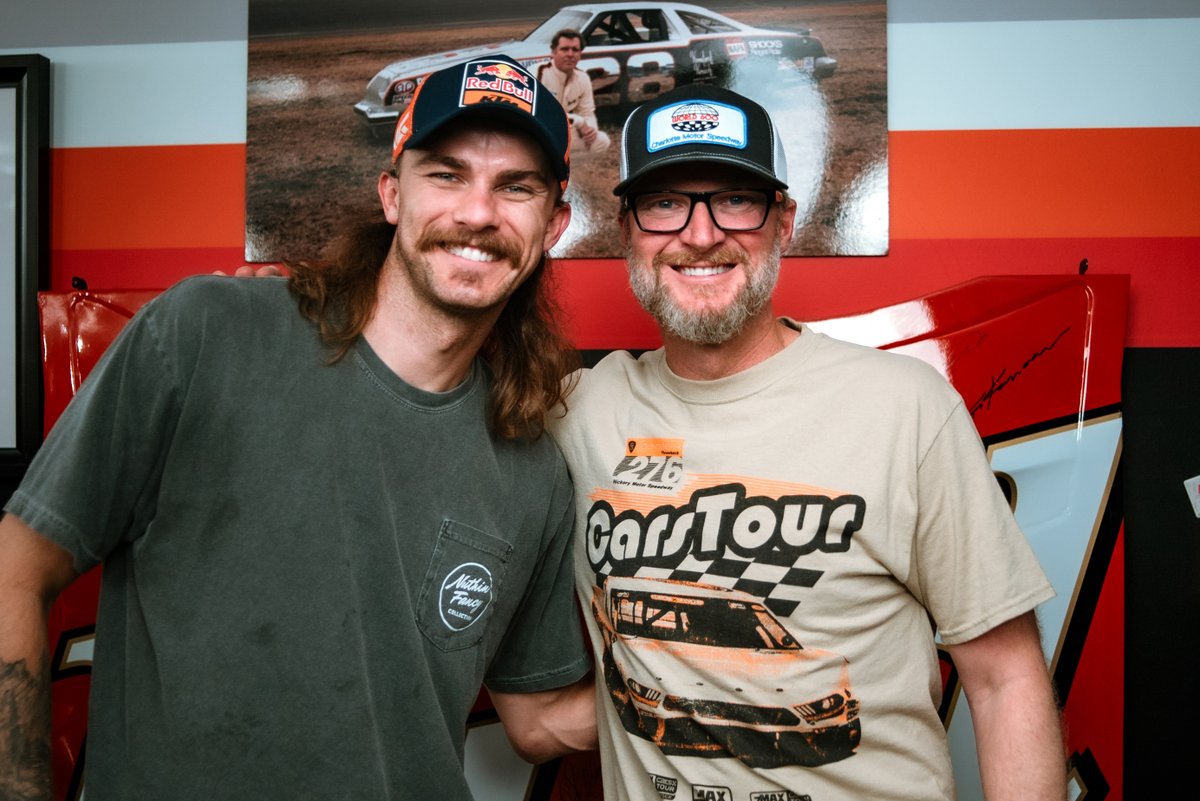
I’ll be shocked if you don’t find yourself smiling while listening to this interview, Cowboy is such an awesome dude.
14 May 2025

Tough as nails and nice as they come. 😤
Professional Dirt Bike Rider, Aaron Plessinger (@CowboyPless), joins the @DaleJr Download. 🤘
2
12
606
10 May 2025
Idea? Crowd fund team Eli Tomac on whatever bike he wants at least matching whatever he is offered. I’m sure that manufacturer he chooses will give their best equipment. Proceeds above the cost goes to St. Jude’s. Bill Gates we don’t even need 1 percent of that 99%. You in?
1
2
129
4 May 2025
Who won Denver Supercross. I say Cole Davies podium interview.
1
266
Heath Hamrick retweeted

16 Jun 2024
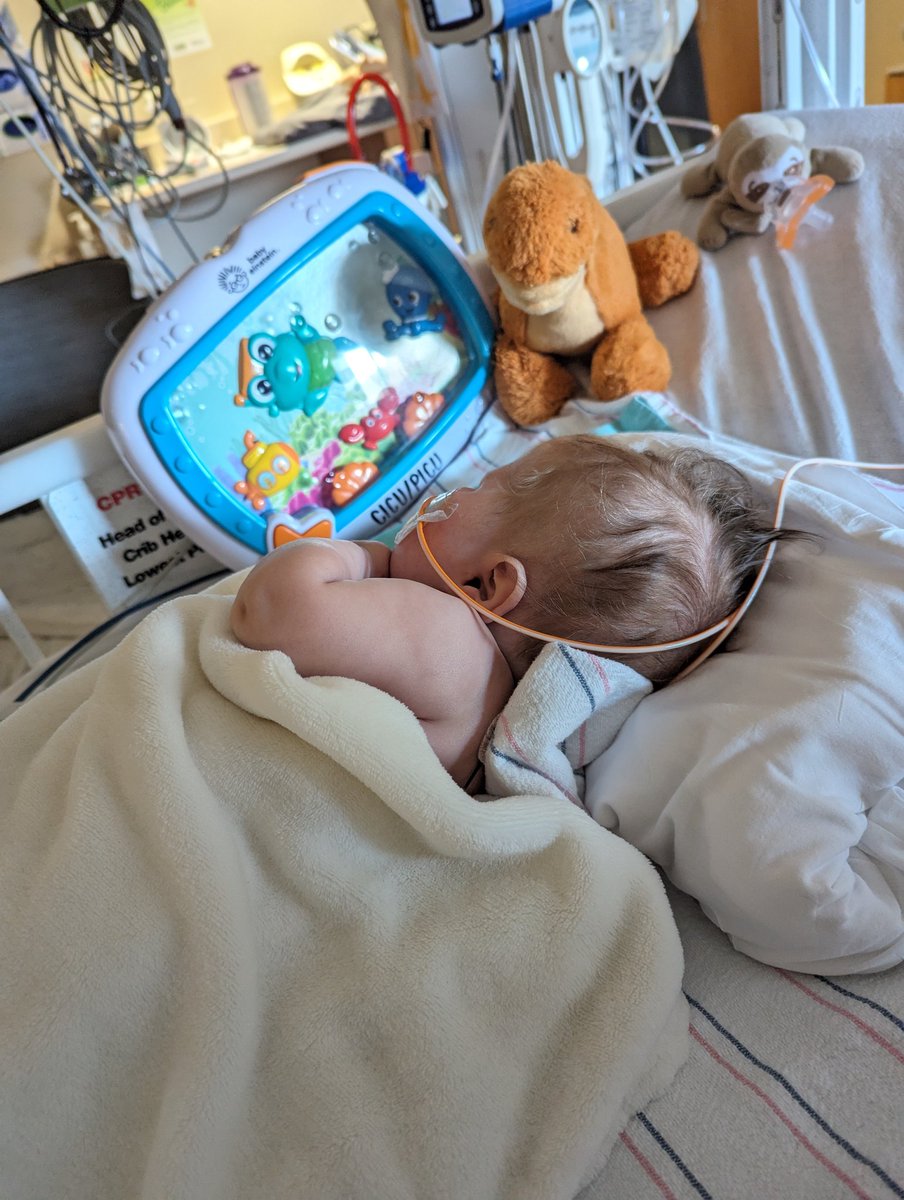
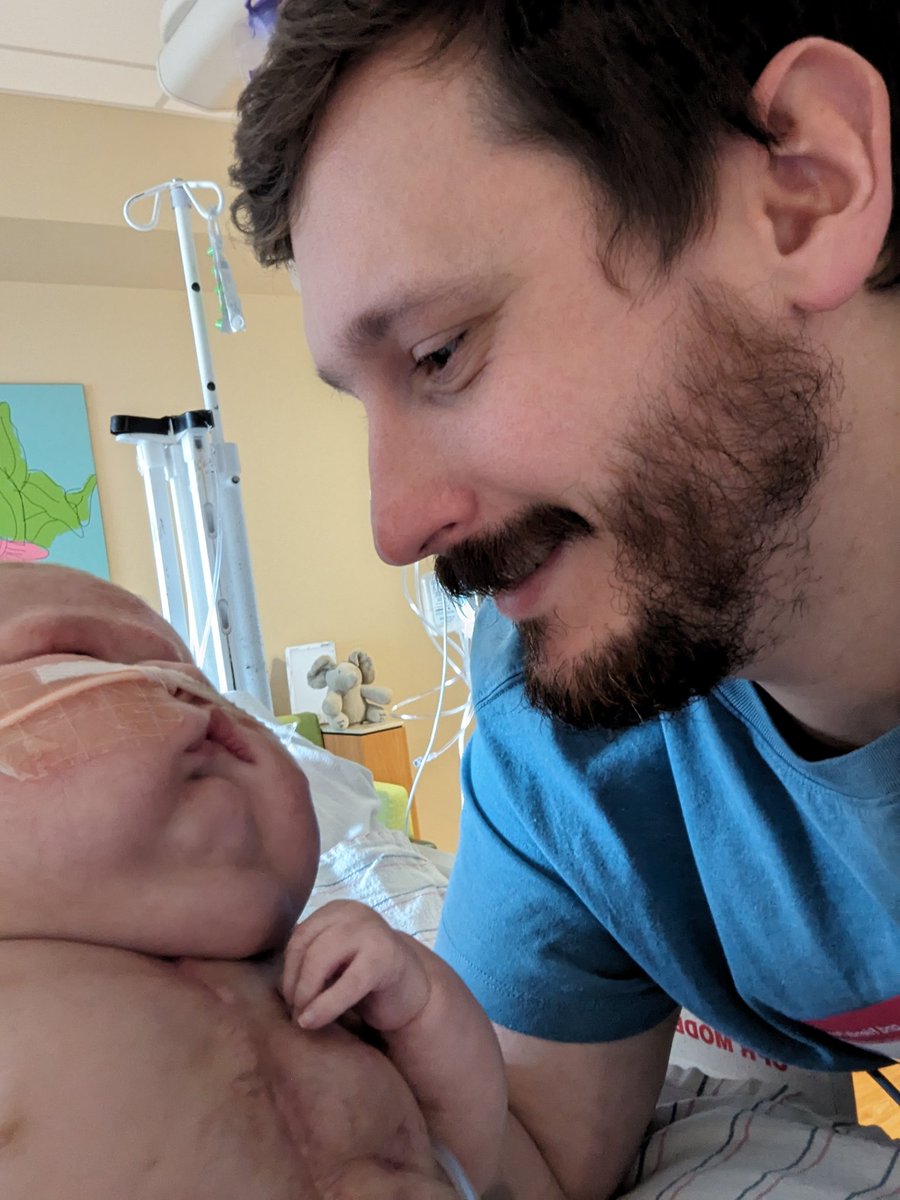
Hello, friends. What follows is the latest update on Gus' condition and progress. Long overdue - I know. Thank you for your continued patience! In short, Gus is doing well in day-to-day terms. In the long term, the situation with his kidneys is not much better. He has now reached the point where a formal diagnosis of end-stage renal disease (ESRD) is appropriate. What this means is that we are adding long-term dialysis support and the likelihood of a kidney transplant to our heart journey.
Gus continues to recover from his tricuspid valve repair surgery. His chest has healed significantly from the sternotomy to the point where the sutures have been removed. He only needs oxygen support at night. He is fed mostly via NG, but speech therapy continues to work with him on bottle feeding. His meds are now given almost entirely through the NG - meaning fewer lines. We've enjoyed many smiles lately. With his left-sided palsy, this takes the form of very endearing (and cute) half-smiles. His legs have been kicking with energy and excitement. He is doing remarkably well for all he's been through and everything he is dealing with.
The dialysis situation has also progressed nicely. He is at his goal amount of dialysate and we are working to get his total dwell time down to the point where he can be transitioned to a cycler. Once he is successfully on a cycler, we will be moved from the CICU to the PCU. This is the natural progression towards going home - something we are both excited about and incredibly apprehensive about. That will be a delightful yet difficult transition.
As I said above, today marks a somewhat arbitrary date for Gus' kidneys. The time has come when it is appropriate to diagnose him with chronic kidney disease and (potentially) end-stage renal disease. In practice, it doesn't change much, but symbolically, it hits hard, especially six months in. We never really anticipated our heart journey becoming a kidney journey too, and the prospect of it all is, frankly, daunting (to say the least).
The days and weeks ahead will continue to bring direction into greater focus. We would ask that prayers be made for us in our weakness and for Gus in his continued recovery. He is well into teething, which adds additional discomfort. There is also some concern about swelling and 'puffiness' in the face - is it his SVC? Is it simply the effect of the steroids? A future cath procedure will likely give us answers. Either way, it appears to cause discomfort, so we appreciate prayers for us and his team as we continue to care for him.
Speaking of prayer...
Tonight, members of our local church are gathering after our evening service to pray - to pray, should God will it, for a miracle: for a recovery that, at this point, appears beyond the reach of medical means. They will likely pray for our Father to continue, by the intercession of his Son and through the power of the Spirit, to graciously sustain us and give us wisdom - as he has been - through the difficult days ahead.
We will ultimately pray for his will to be done and his name to be glorified. This is no cop-out, but appropriate deference to One who knows the beginning from the end, One whose ways are not our ways, whose providence is often mysterious, and whose love and goodness surprise us in ways beyond our ability to imagine - the greatest expression of all, of course, being Christ's cross-work, considered foolish by many.
Wherever you are, if you wish to join us this evening in - as some have often put it - "storming the throne" for these things, we would be incredibly grateful. In a word - pray and share! God has already done many great things for us and our son. He has answered many prayers. He has done things that defy expectations. We will keep praying. We will continue to give thanks. Each day is a gift. Gus made me a father, and that is a gift beyond reckoning.
Hopefully our next update will come sooner. 😉
1,571
1,180
11,827
343,556
Heath Hamrick retweeted
6 May 2024
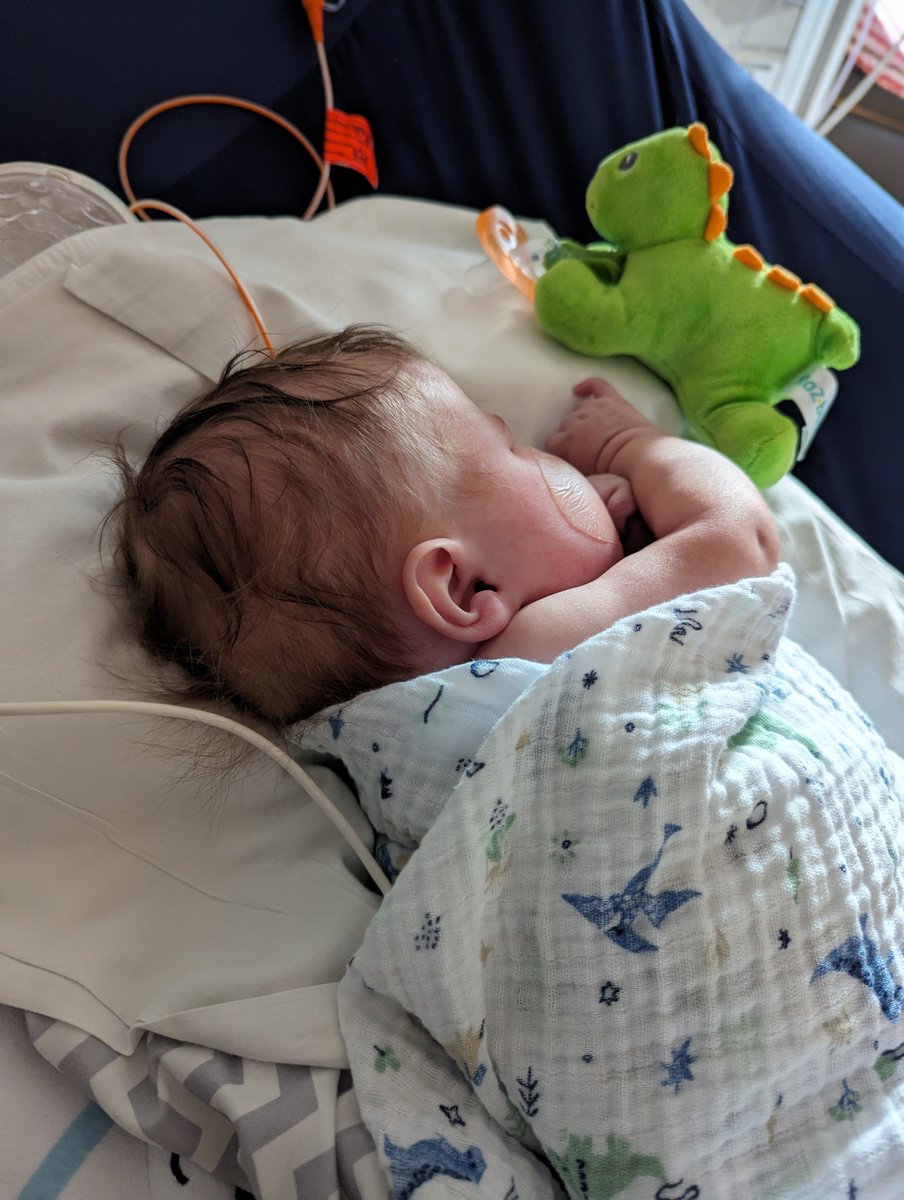
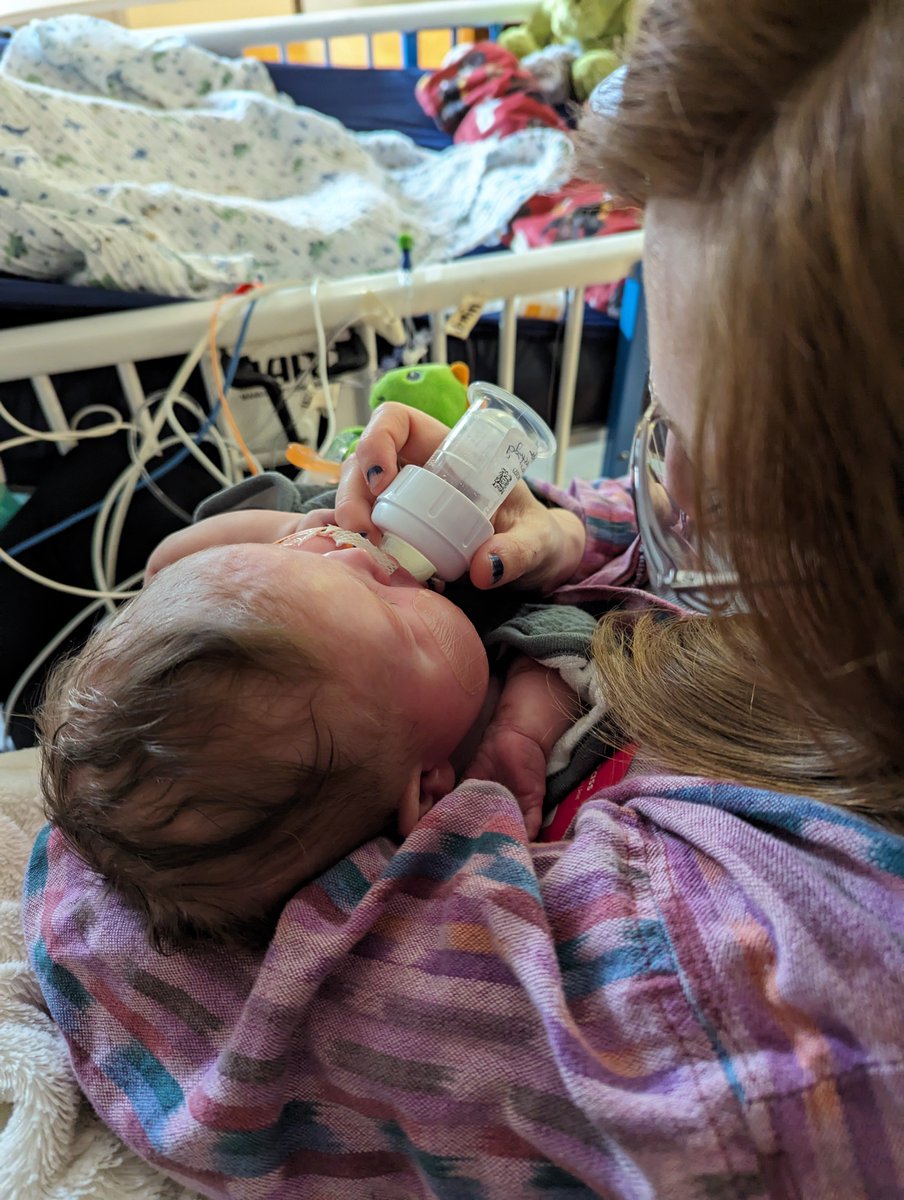
Hello, friends. Here is the latest update on Gus. Lots to cover in this one. We're catching up on incremental developments over the last few weeks and briefing you all on some new and concerning challenges that have developed. Thanks for reading and praying for us all.
As I've mentioned in previous updates, the day-to-day with Gus has been consistent. The three ongoing objectives have been: 1) weaning his sedation meds, 2) increasing his feed to help him gain weight, and 3) caring for his kidneys with the right fluid balance and ongoing peritoneal dialysis. He is still on hourly passes.
With the first, he's made remarkable progress. He gets all but one of his meds enterally. While he's on a variety of medications, he is close to being completely off the sedatives. It's hard-won progress. It's hard to see him fight through the withdrawals. His team has been aggressive but patient and compassionate. As a result, he's much more alert, and we're working on more developmental and rehabilitation goals.
With the second, it has been mixed. He's still being fed through the nasogastric (NG) tube. His feeds have increased, transitioning from constant feeds to condensed feeds. Unfortunately, he's been throwing up regularly. The bouts of emesis are likely a result of 1) the discomfort that attends the sedation weaning, 2) the adjustment of having food in his stomach - before this, he was being fed with a nasojejunal tube that goes directly to the intestines, and 3) the increased abdominal pressure and discomfort associated with peritoneal dialysis. He's gained weight, but he's not where he should be. He's also working with swallow therapy on the bottle. Feeds are hard for kids in his position.
As for the third issue - the kidneys - the news is less encouraging. Despite some good days, the overall trend is not favorable. His urine output is still quite minimal. His renal function labs show key markers hovering at concerningly high levels. He got another renal ultrasound this week to evaluate how well his kidneys are getting perfused. The results suggest it is worse, not better than it was a few weeks ago.
This leads to one of the more concerning, and certainly one of the more daunting developments we've had in the last month or so. It requires a bit of context.
Since Gus' heart transplant, when his new heart failed to start as expected, our team has been monitoring his heart function closely. While the overall trend has been promising, one area of the heart has concerned us for a while - the tricuspid valve between the right atrium and right ventricle. There have been persistent signs of tricuspid regurgitation (TR). TR occurs when the tricuspid valve between the right atrium and right ventricle doesn't close completely when the right ventricle contracts. This causes blood to flow backward into the atrium making the heart work harder.
There was hope that the TR resulted from fluid balance and systemic pressure issues that would resolve as the right side of the heart recovered and the fluid drainage was addressed on our trip to Vanderbilt. Unfortunately, the TR has not gone away. In his last visit to the cath lab, our team conducted a TEE (transesophageal echocardiogram) for better heart imaging. The findings were discouraging. The TR is primarily a mechanical issue with the heart. The tricuspid valve is damaged - probably from the original trauma the heart went through during the transplant. The little tissue strands that hold the valve's leaflets in place (where the term "heartstrings" comes from) may have been damaged during an episode of ischemia.
It wouldn't be so alarming and so urgent if it wasn't for the kidneys. TR is a problem, but it isn't always an acute problem that demands immediate intervention. However, when you have kidneys on the verge of renal failure, not having good perfusion due to a leaky valve can be devastating in its effect. Of particular concern is that we are now more than halfway through what our nephrologists believe to be a 12-week window in which the kidneys can recover.
What does this mean for Gus? We're uncertain, but the possibilities are daunting. We will know more in the next few days. Our team is continuing to deliberate on what this means and what the best way forward will be. A few weeks ago, we felt like we were on a trajectory that could have us home in a matter of weeks. We know now we are on the verge of what could be many more difficult weeks.
For those of you following our story and praying for us, we ask you to pray with us that: 1) Gus' kidneys would recover and his urine output would increase, 2) that God would grant our team the wisdom and insight they need to address the TR issue, with all the daunting implications it involves, 3) that Gus would continue to gain weight and keep his feeds down, 4) that God would sustain us - five months in and we are burnt out and exhausted. The news about his heart and kidneys took the wind out of our sails.
I don't want to end without saying that God has been kind. He's given us more days with Gus than we would have had if it wasn't for his kind intervention and the amazing team of doctors and nurses he blessed us with. Gus has made incredible progress. He's teething. He is discovering the world with his hands. He's holding his own pacifier in place! God has encouraged us by all he has done to persist in prayer. We continue to come boldly before his throne to cast our anxieties on him, knowing he cares for us. Our greatest desire is that God would be glorified in us.
Thank you for praying with us. As we learn more in the days ahead, I'll provide further updates.
1,413
855
10,153
301,170
9 Apr 2024
Maybe he is glad now that he put corn in my boot. Why can’t loving animals not cost so much
5
137
8 Apr 2024
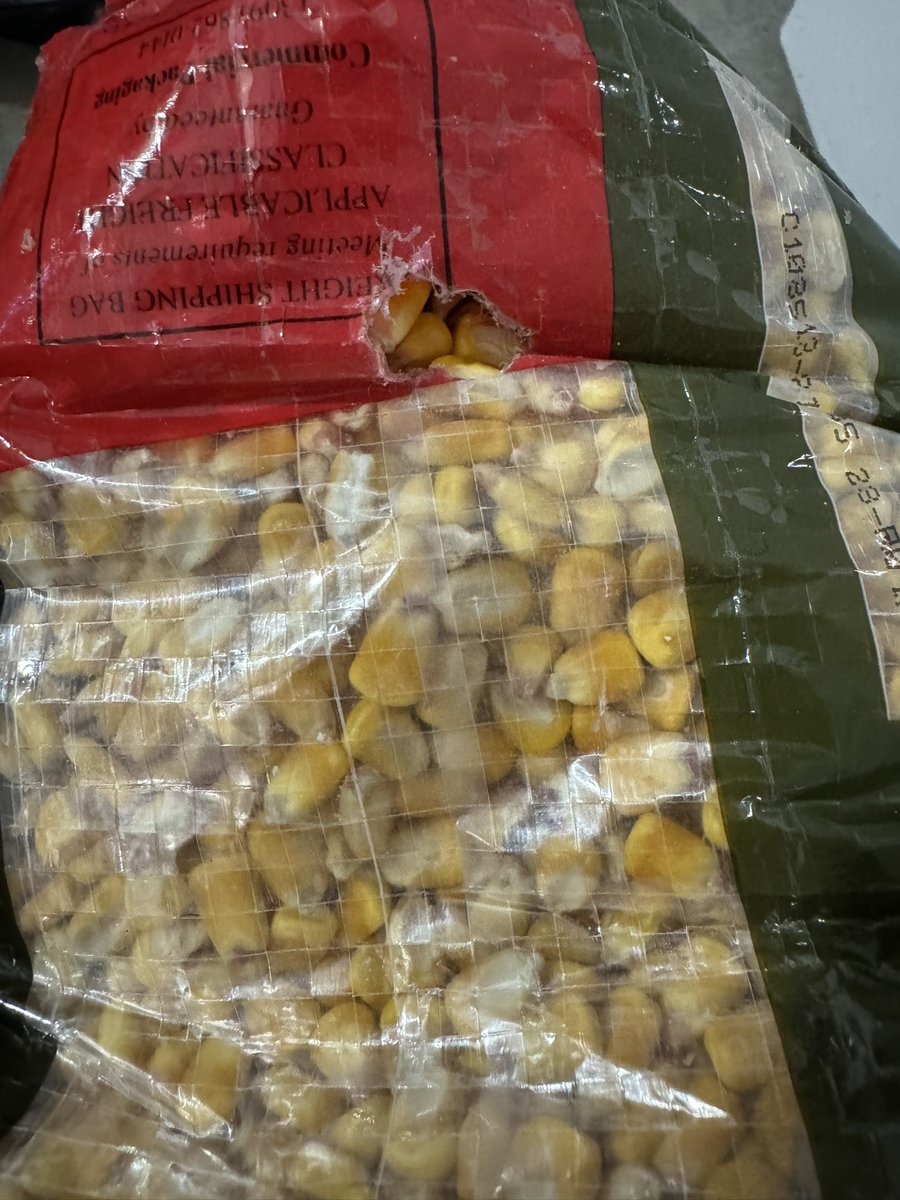
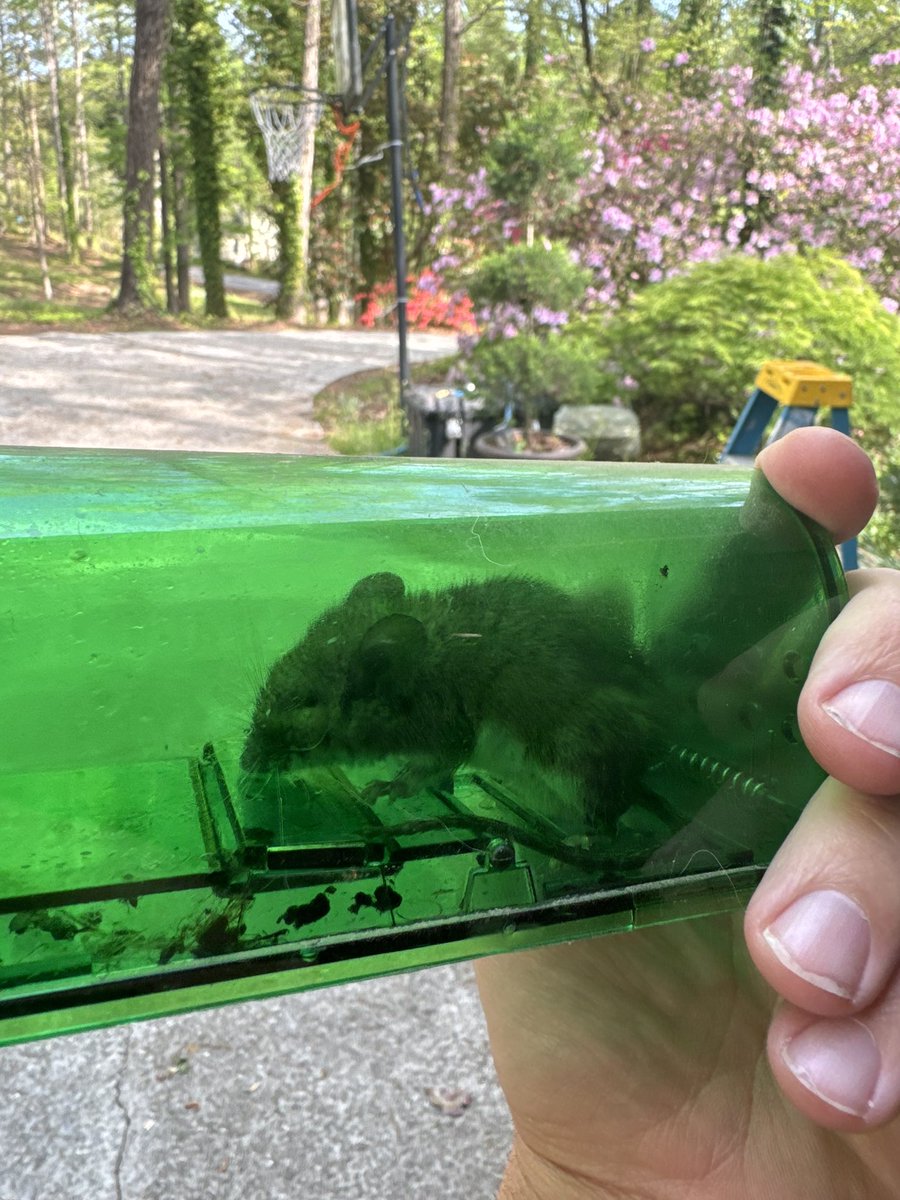
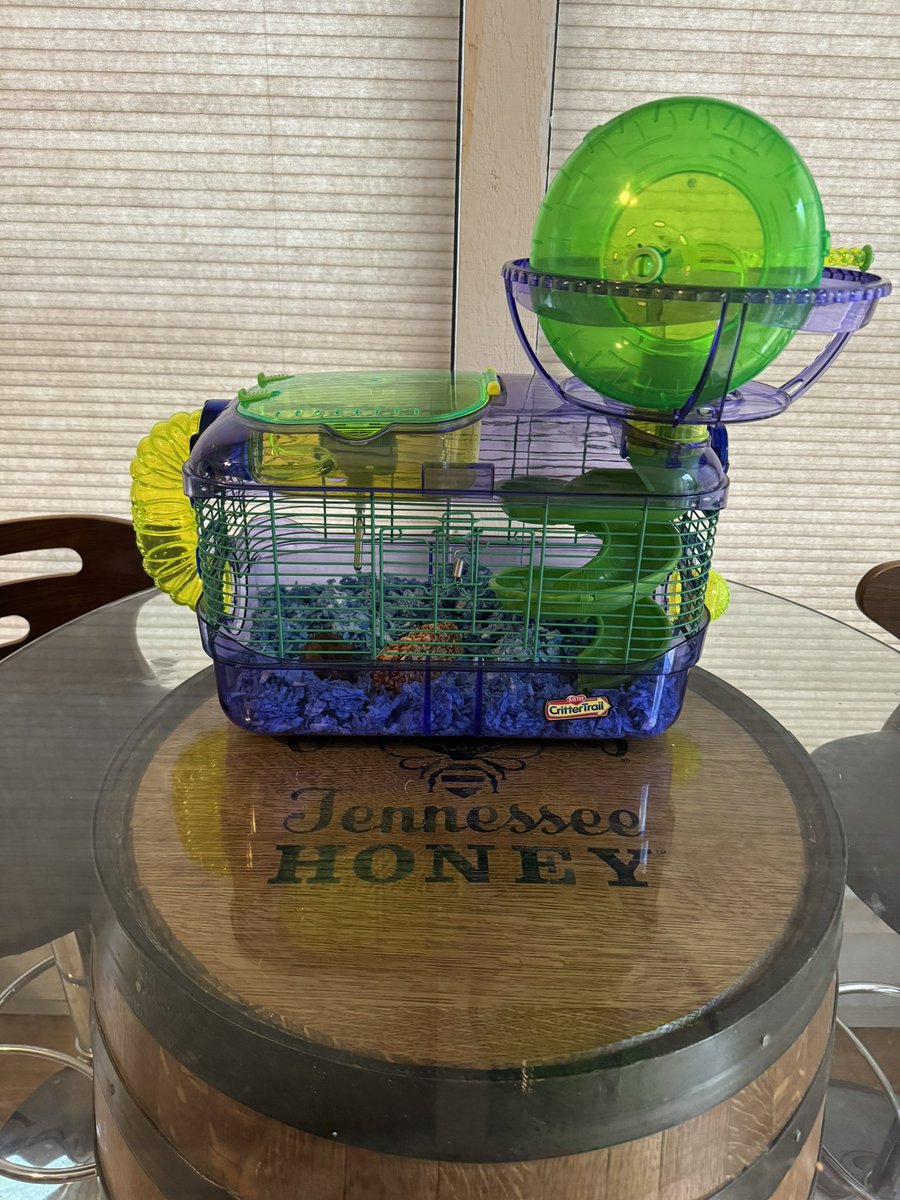
So yesterday I went to put on my boot that was in the garage. I thought what in the world is in here. Turned it upside down and corn poured out. I had a bag for the dear in the garage. I looked at the bag and saw a small hole. I set a humane trap. This morning I caught who I’m naming Corny, this afternoon I went and got him a condo. Now I’m posting for anyone that wanted to know. 🤷🏼♂️😂😂
2
100
Heath Hamrick retweeted

5 Apr 2024
Thousands of Christian’s praising God at the University of Georgia campus revival.
BEAUTIFUL!
291
3,721
34,396
557,237
Heath Hamrick retweeted
3 Apr 2024
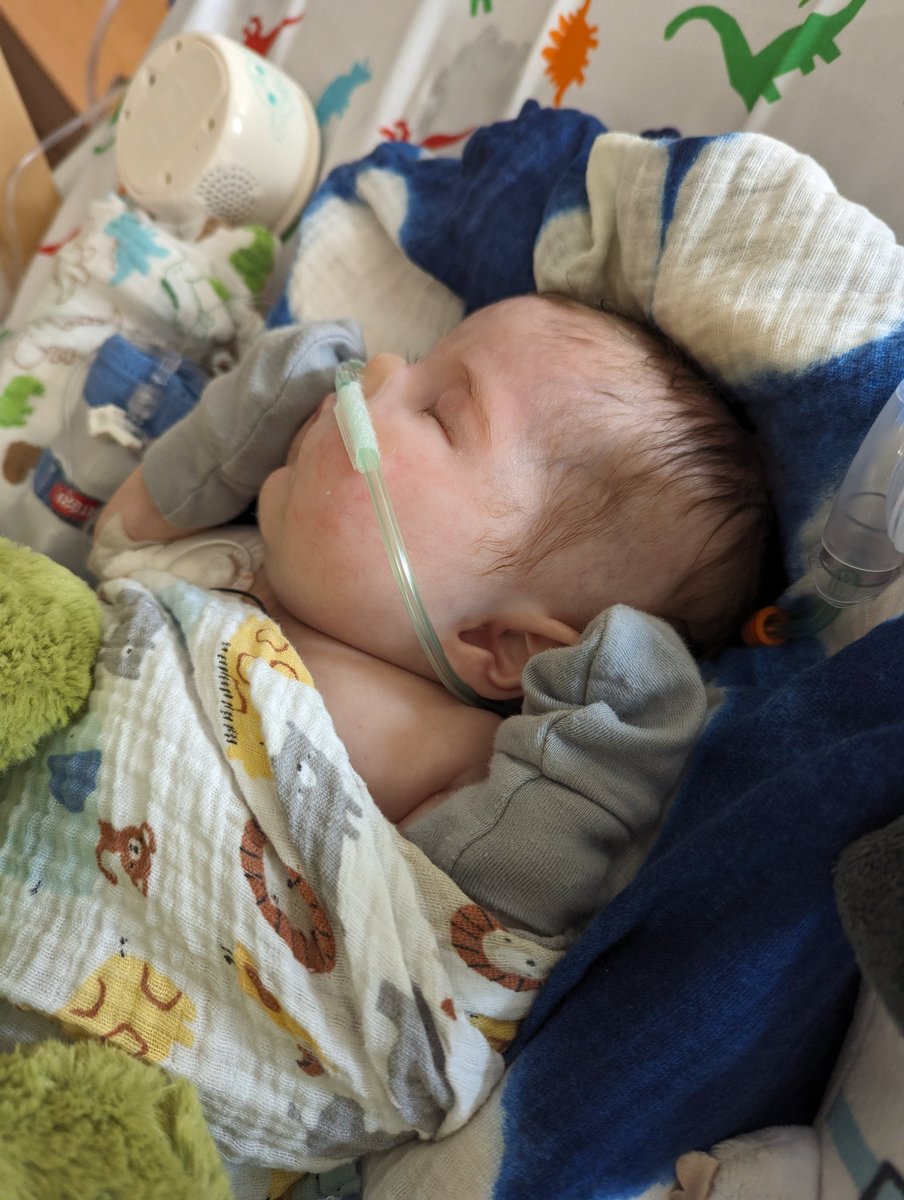
We took a big step in a positive direction today: after 77 days of being intubated, Gus was successfully extubated. In it's place he's using a RAM cannula for support. Our amazing team of practitioners, nurses, and RTs got us to this point, and we're grateful for them. He's doing well after a busy day. Hoping for a peaceful night. We're praying he continues to grow his respiratory capacity to the point where he can breathe on his own.
God is good and he has done so much for us.
Psalm 66:20 - "Blessed be God, Who has not turned away my prayer, Nor His mercy from me!"
2,152
1,190
20,276
454,633