
Joined April 2024
- Tweets 728
- Following 182
- Followers 162
- Likes 2,067
47 Photos and videos

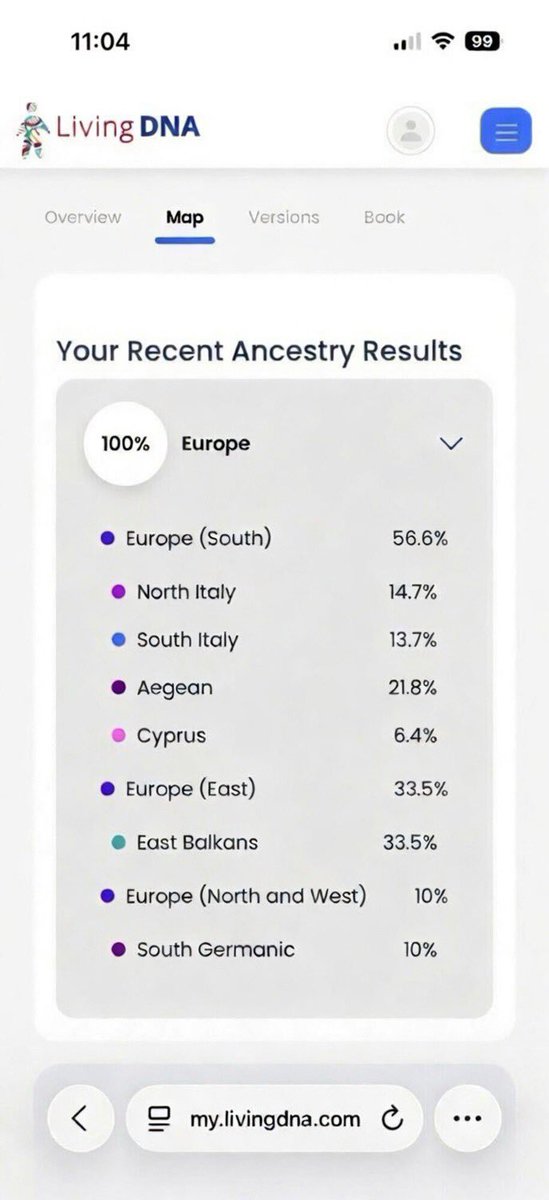

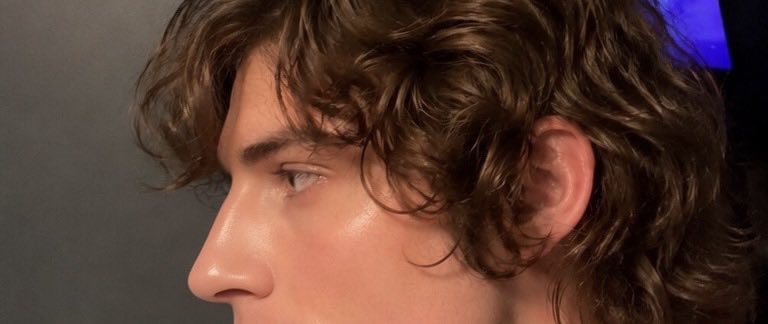
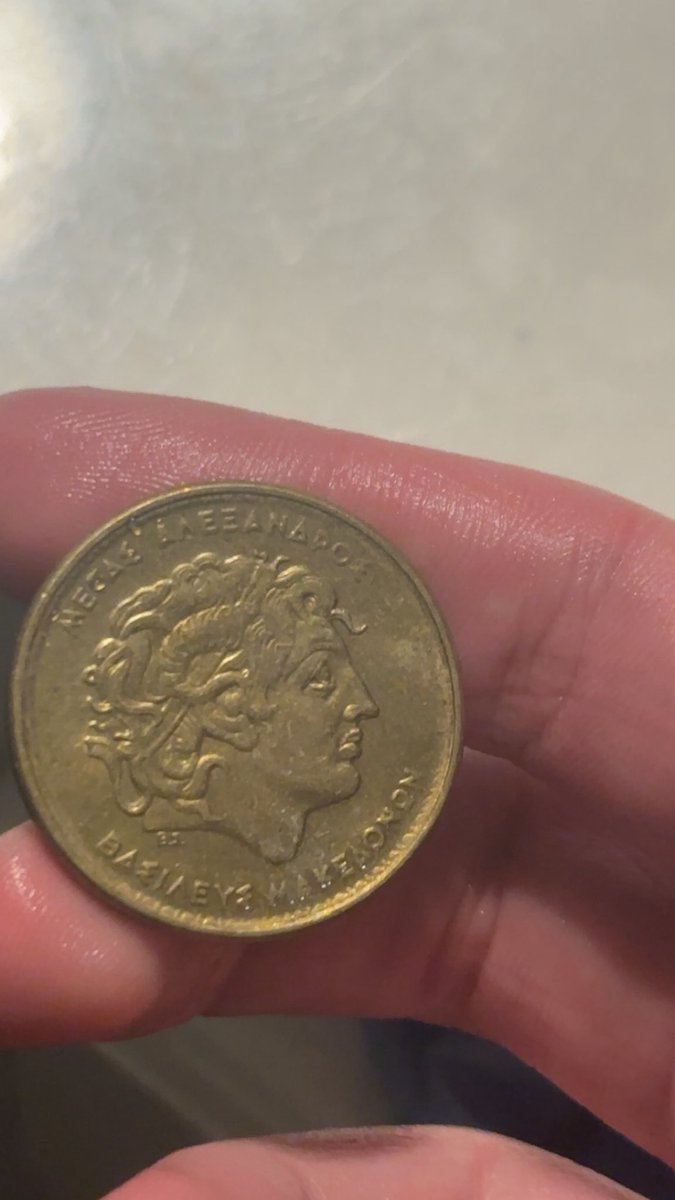
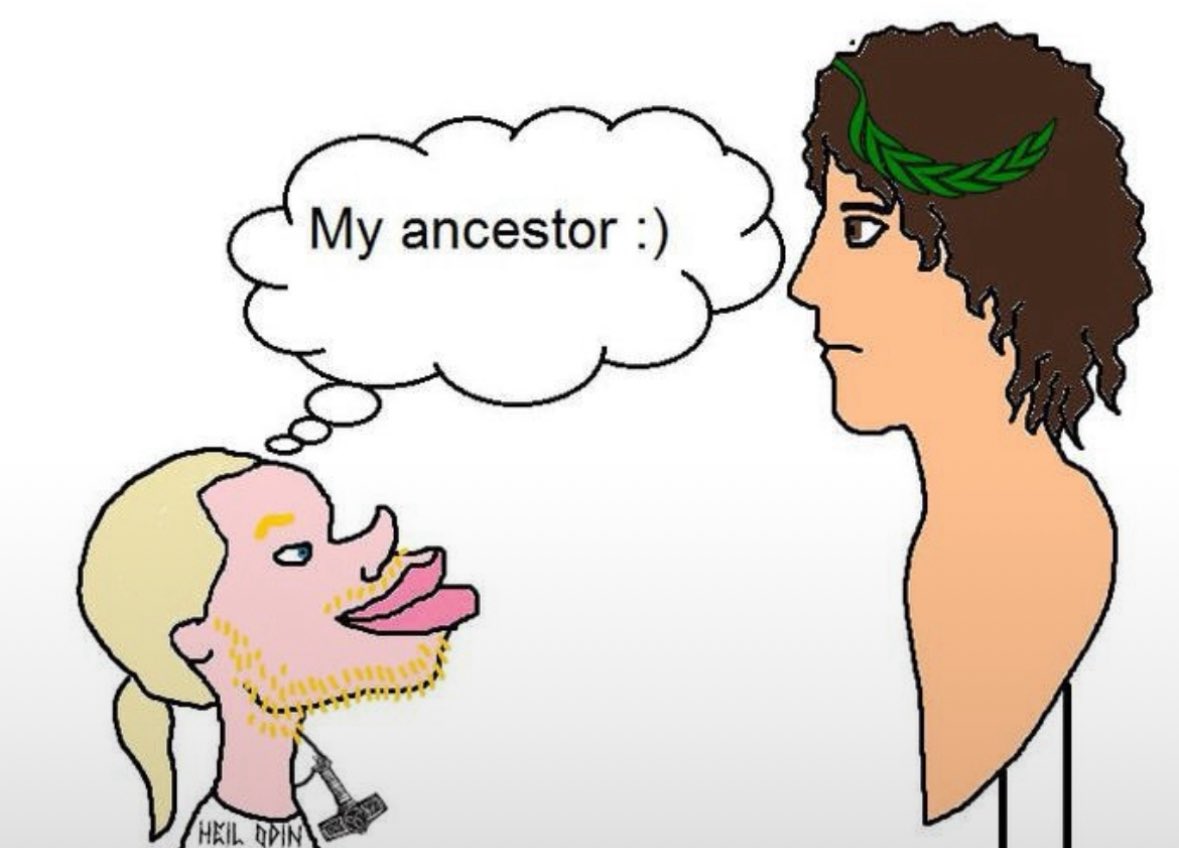
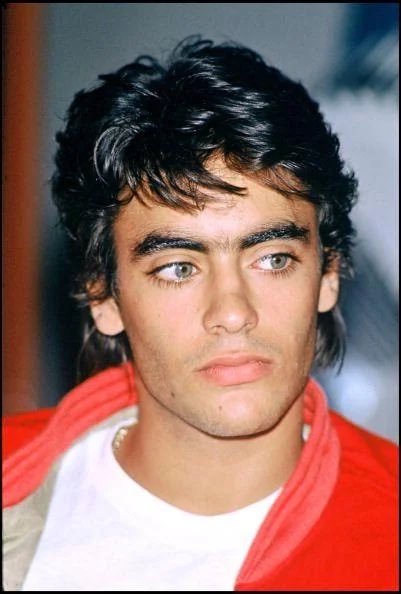
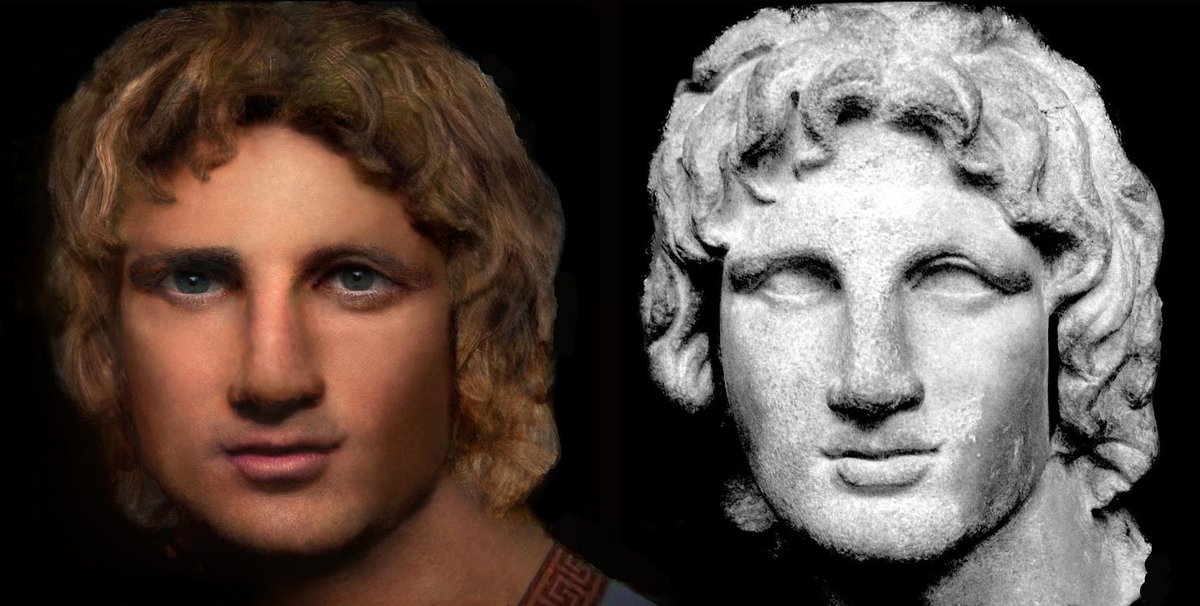
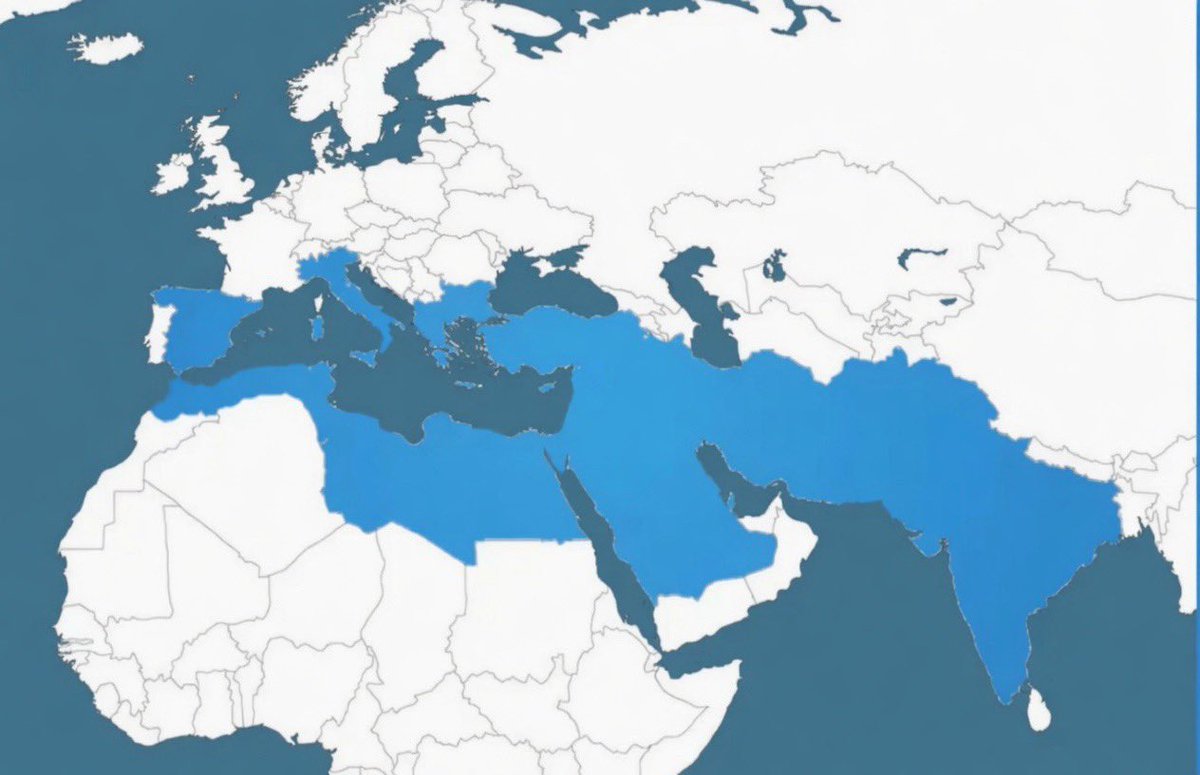
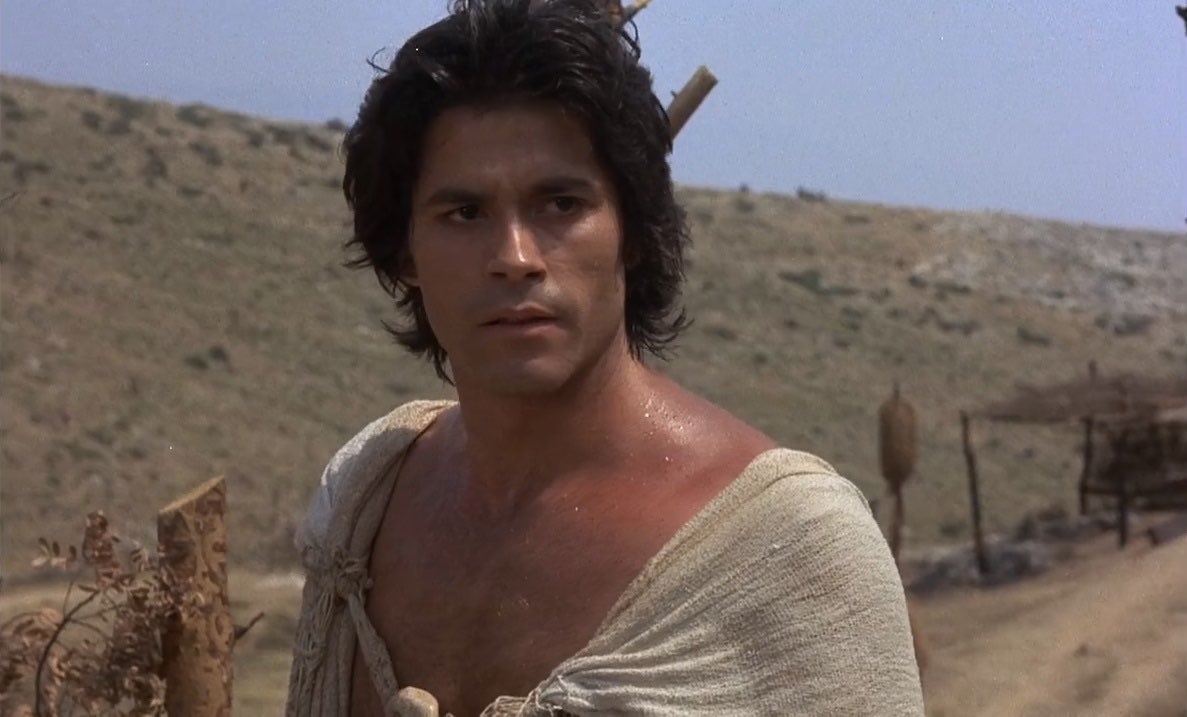
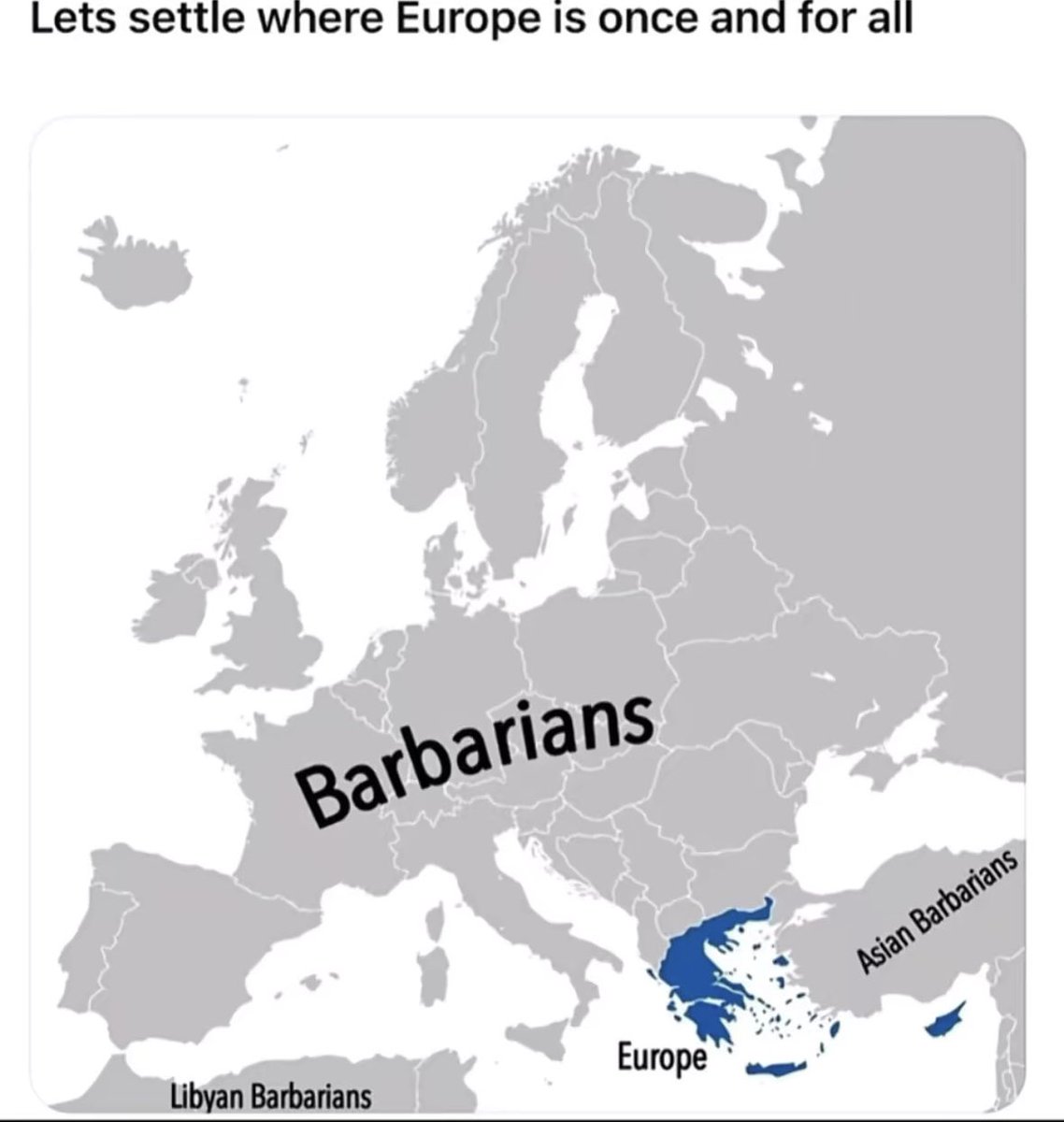

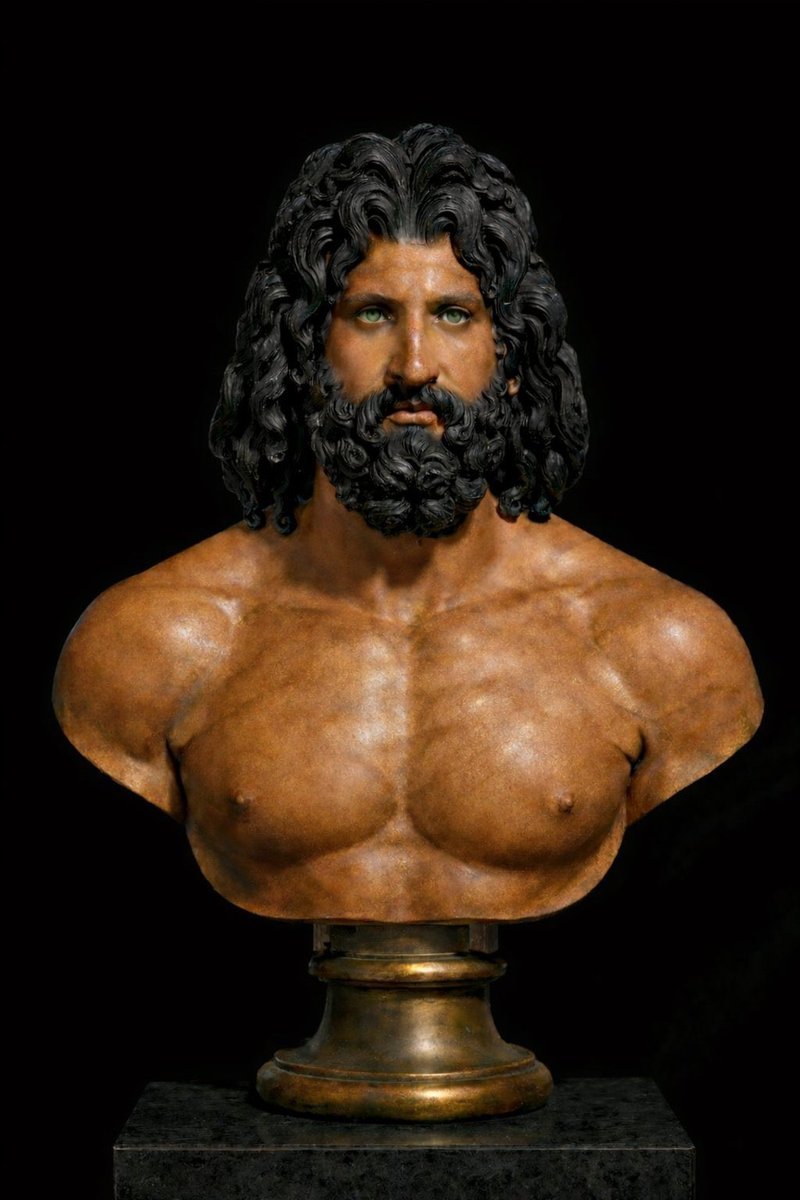
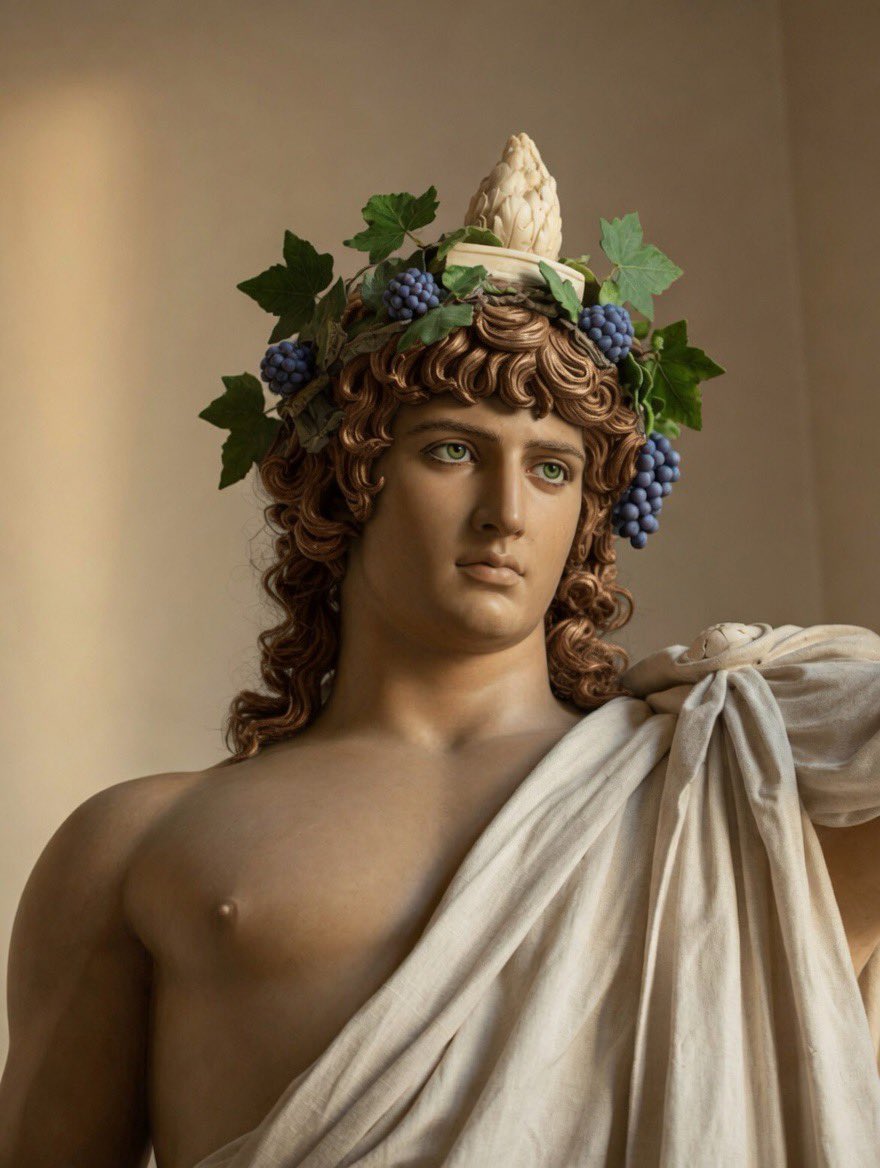


Αρχηγός στρατού της Ουγκάντα: «Θα επισκεφτώ τη γη του προγόνου μου, Μεγάλου Αλεξάνδρου, για να αποφασίσω τι θα κάνω με την Τουρκία» meaculpa.gr/archigos-stratoy…

10
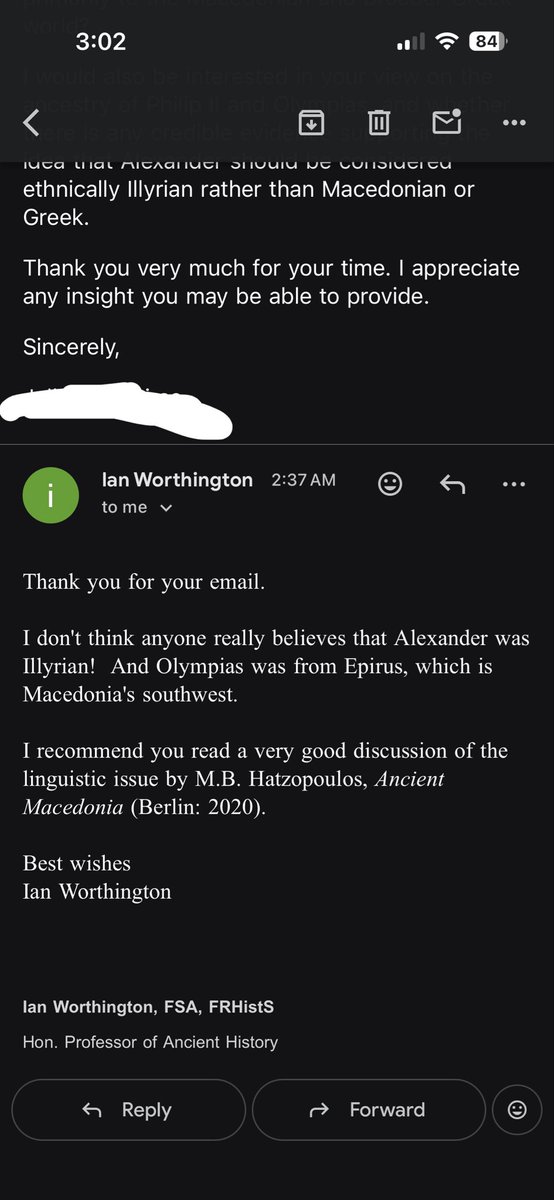
For all the analbanians I have received my email back from Ian worthington, a historian who studied Alexander for more than 30 years. He remains Macedonian Greek 🇬🇷
1
4
95
julianos retweeted

Jun 15
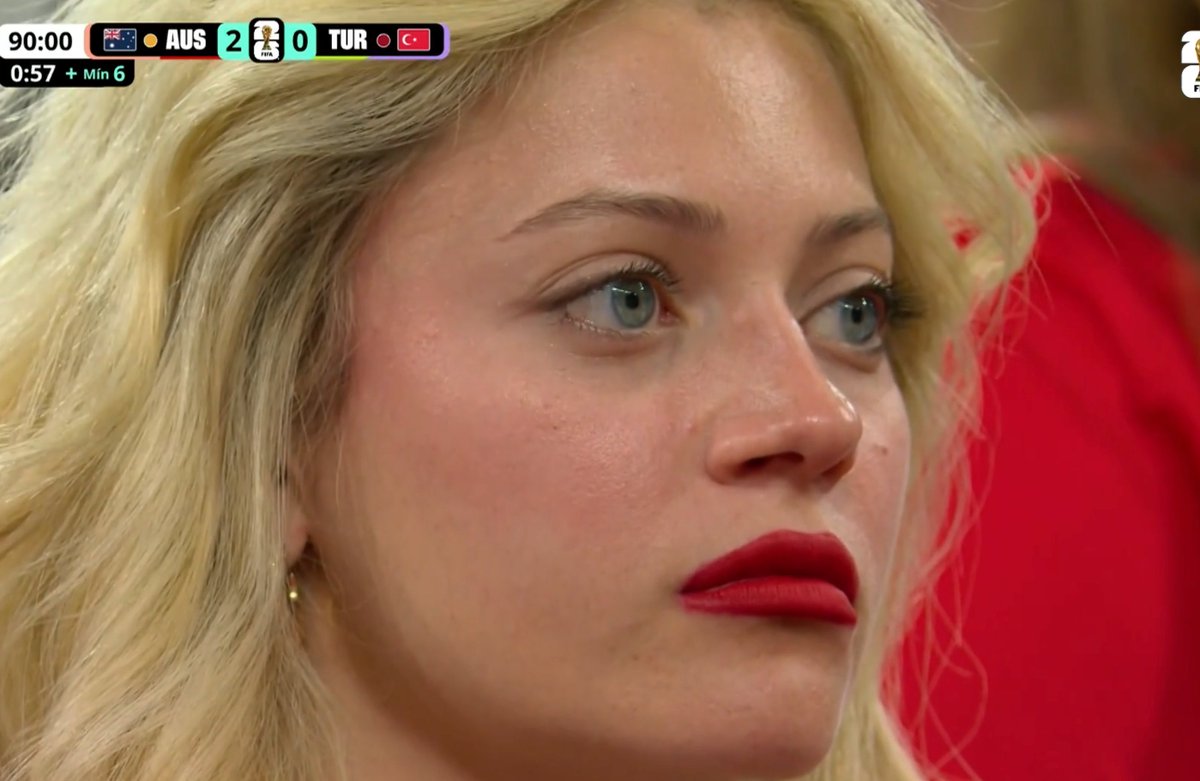
This is what turks actually look like

255
67
1,500
216,731
julianos retweeted

Jun 11
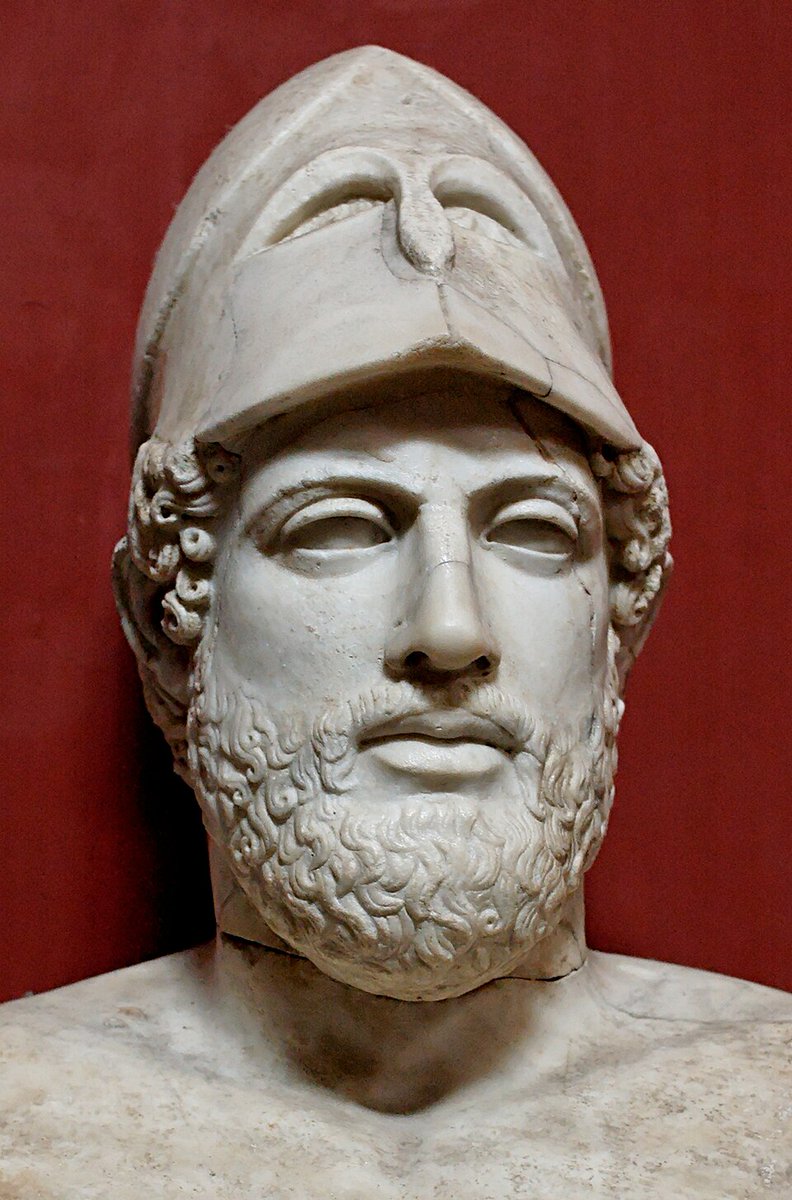
Ancient Greek statue face reconstruction.
A colorized and lifelike restoration of the bust of Pericles, with realistic skin, natural eyes, and subtle human texture added to bring the ancient portrait closer to life, while still respecting the original sculpture.
Pericles (born c. 495 BC, Athens, died 429, Athens) was an Athenian statesman largely responsible for the full development, in the later 5th century BC, of both the Athenian democracy and the Athenian empire, making Athens the political and cultural focus of Greece. His achievements included the construction of the Acropolis, begun in 447.

2
14
137
3,295

Jun 11
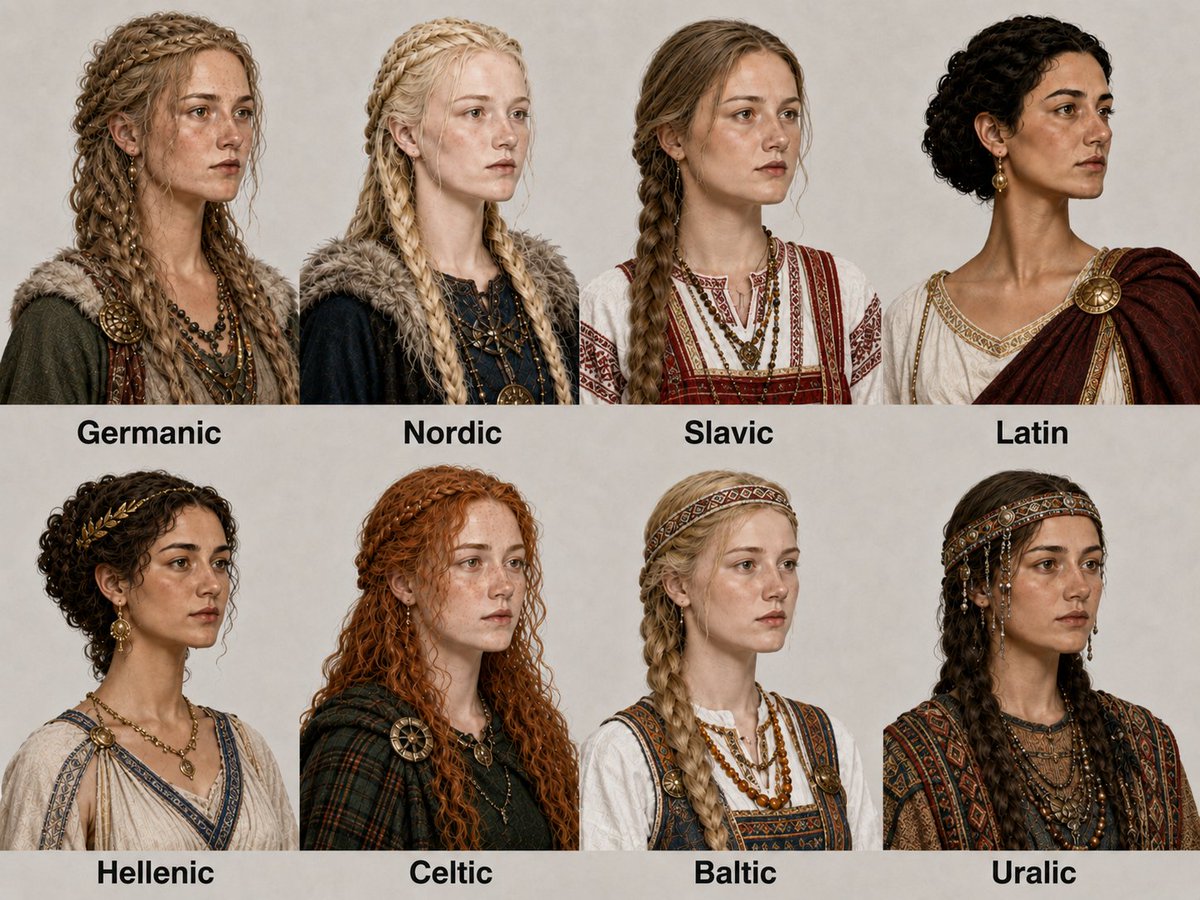
For me Celtic and Hellenic. Celtic hair color and Hellenic skin tone

2
92
julianos retweeted

You’re not angry enough.
Jun 2

This is one of the worst screenshots I’ve ever seen.
Look at the fucking demon claws on that woman cop as they handcuff a dying child.
This shit’s got me fucked up.

1
13
52
1,313




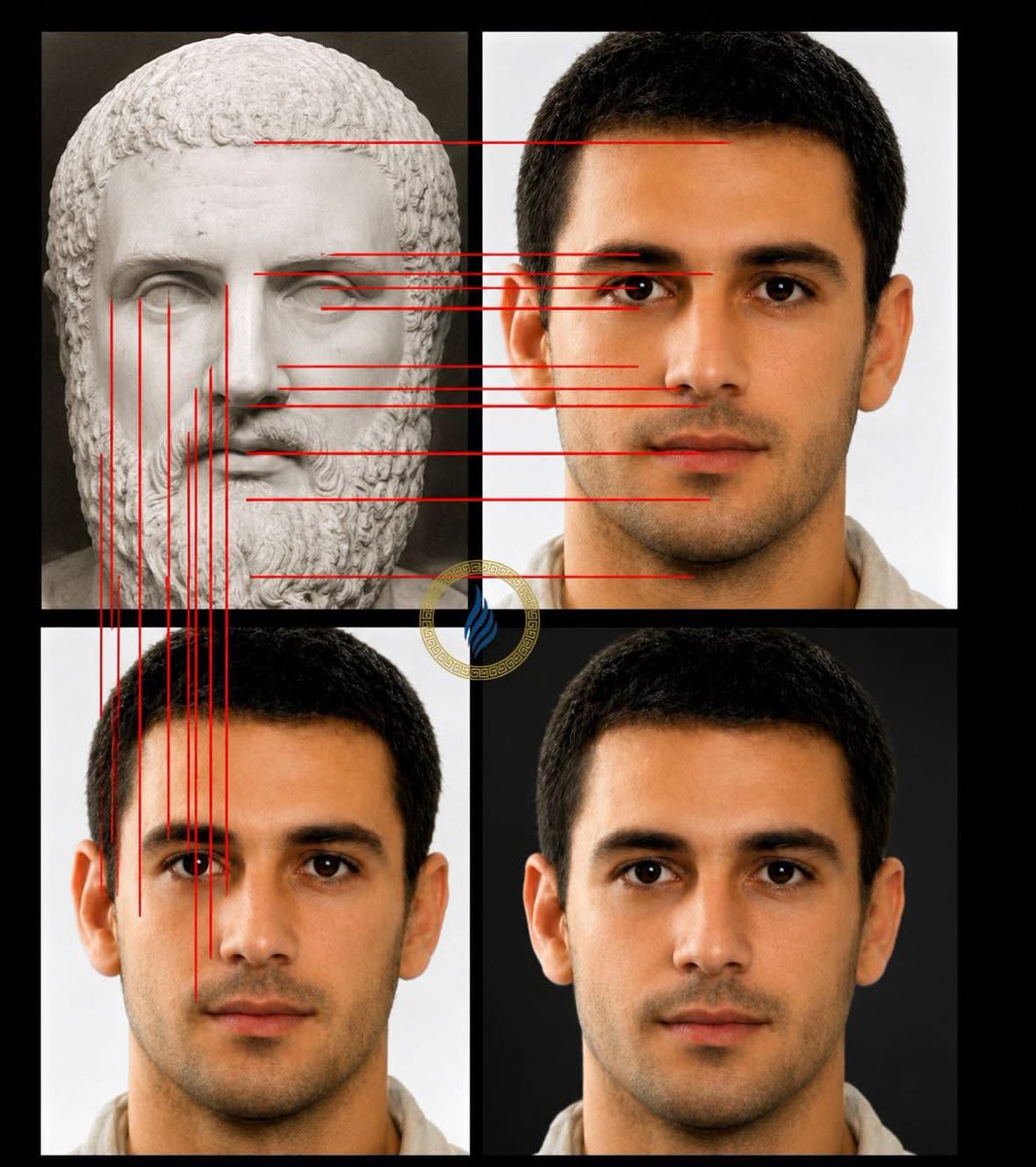
From Mycenaean warriors to modern Athens — does the Greek face transcend time?
Visual proof science ✅✅✅
The Enduring Face of Greek Men: Ancient Roots in Modern Features 🇬🇷✨
For millennia, the distinctive facial features of Greek men have captivated artists, historians, and scientists — from the marble busts of antiquity to the streets of modern Athens, Crete, and the islands.
greece-is.com/what-did-the-a…
The typical Greek male often presents a harmonious facial structure: a moderately broad forehead, deep-set eyes, a straight or gently aquiline nose, prominent yet balanced cheekbones, and a strong, well-defined jawline. Dark hair and brown eyes predominate, though regional variations (including lighter tones in some areas) add diversity.
xpatathens.com/living-in-ath…
Scientific Backing for Continuity
Anthropological and craniofacial studies comparing ancient and modern Greek skulls reveal remarkable stability in key morphological traits over thousands of years.
A 2014 study analyzing hundreds of skulls found that many craniofacial measurements followed similar patterns between ancient (2,000–500 BCE) and modern samples, suggesting strong biological continuity despite migrations and cultural exchanges.
pubmed.ncbi.nlm.nih.gov/2506…
Modern Greeks carry genetic legacies from Mycenaean, Minoan, and later influences, blending Southern European and Eastern Mediterranean characteristics. This produces symmetrical faces often aligned with classical ideals of proportion and harmony — echoes of the very sculptures that defined Western beauty standards.
science.org/content/article/…
The composite image shared here (ancient bust overlaid with modern faces) highlights common traits: balanced proportions, dark features, and a strong yet natural jaw and nasal structure frequently seen across mainland and island Greek communities.
Regional Diversity & Historical Crossroads:
Greece has always been a melting pot — no single “Greek face” exists.
A man from the Peloponnese might differ from one in Macedonia, Epirus, or the Dodecanese.
Yet recurring patterns persist, reflecting deep historical roots rather than isolation.
This continuity reminds us that today’s Greeks are direct heirs to a rich Bronze Age and Classical legacy, shaped by time but resilient in core traits.
Sources & Links:
•Craniofacial Study (2014): “Craniofacial morphology in ancient and modern Greeks” – PubMed: pubmed.ncbi.nlm.nih.gov/2506…
•Ancient Greek Appearance Overview: Greece-is.com – greece-is.com/what-did-the-a…
•Genetic Continuity (Ancient DNA): Science.org on Mycenaean-modern links – science.org/content/article/…
•Wikipedia Summary (with references): Greeks – Genetic & Anthropological Continuity: en.wikipedia.org/wiki/Greeks
•Facial Analysis Video (Popular Example): “What Makes Greek Men’s Faces So Attractive” (Qoves Studio Short) – youtube.com/shorts/N2Ta9GhwG…
•Broader Genetic Video: “Scientists Reveal Surprising Genetic Origins of Greeks” – youtube.com/watch?v=9lucIlzR…
#GreekHeritage #AncientGreece #MediterraneanFeatures #GreekGenetics #HellenicRoots #FacialMorphology #GreekHistory
🇬🇷
1
2
12
962
Jun 6
Greek Egyptians are some of the most anti-Greek people on this planet
44

julianos retweeted

Jun 4
This is genuinely more brave than like 99% of people posting on this website.
This kid is genuinely putting the rest of his life in jeopardy for speaking this truth.
179
2,132
23,223
662,902


Jun 3
I wake up every morning from the humiliation of being 10% subhuman
2
2
186
julianos retweeted

May 27
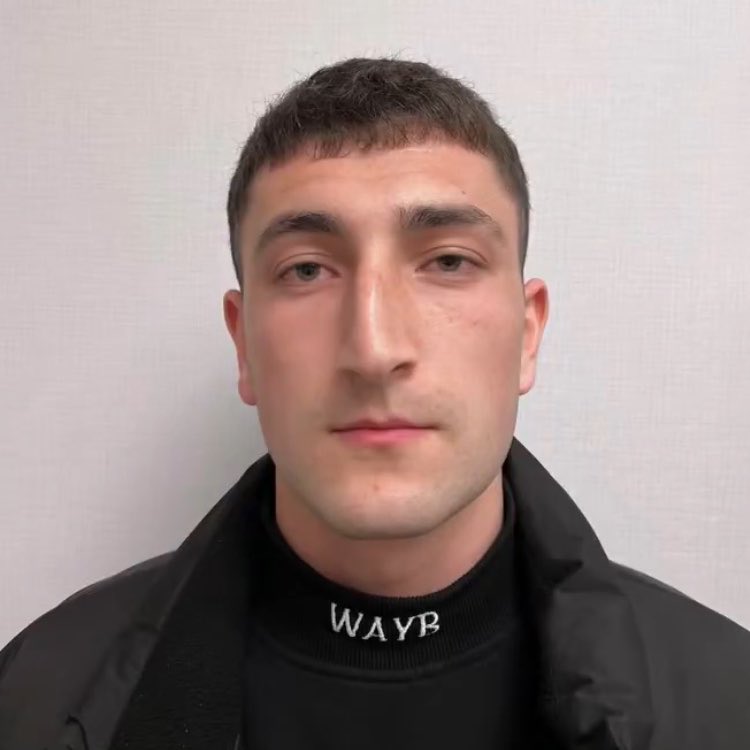
Julius Caesar, Shakespeare, Napoleon, Jesus, Vlad III, Mozart and George Washington all had aquiline (eagle) noses. It’s a powerful nose. Very unfortunate that low IQ antisemitism has convinced people otherwise.

The ‘big-nosed’ like to hate on these rhinoplasty procedures, but if you compare the BEFORE-AFTERs it’s obvious that humans look better (more coherently evolved) with straight, cosmic, Aryan noses.
It’s also important that the nostrils not be too wide, but that’s another matter.

27
25
505
30,757
julianos retweeted

May 27
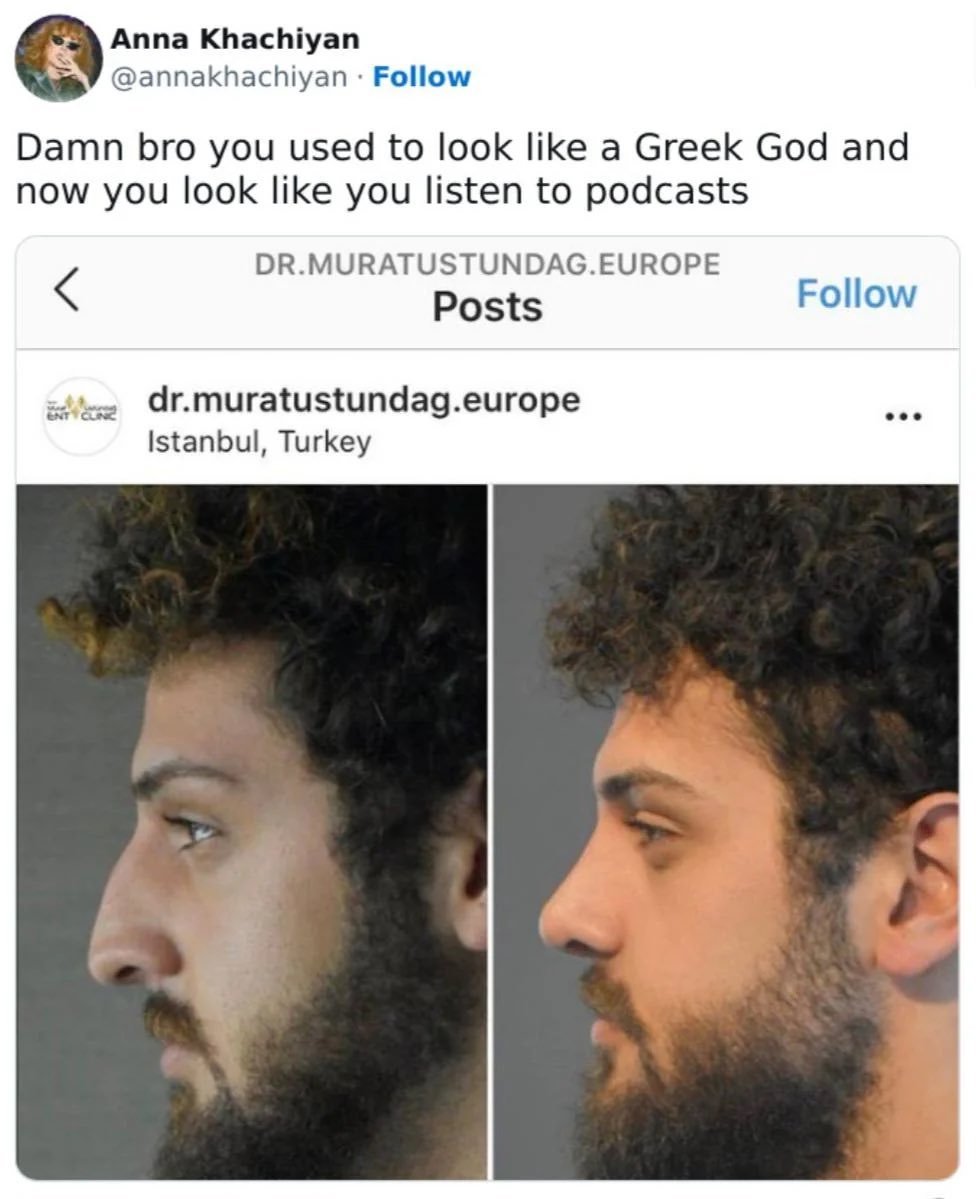
Just be gay bro. Take it up the ass. Get the surgery.
You effeminate, insecure retard.
3
1
27
950
julianos retweeted

May 27
The Olympian spirit will rise in the West

12
94
647
7,184
julianos retweeted
May 26
The Ancient Greeks had already claimed Europe before they ever turned East.
17
75
654
31,043
julianos retweeted

May 20
Completely false. Nordic women wrinkle so much faster.

Meds dont age well.
Nordic women do.
2
2
291