
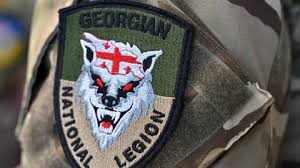
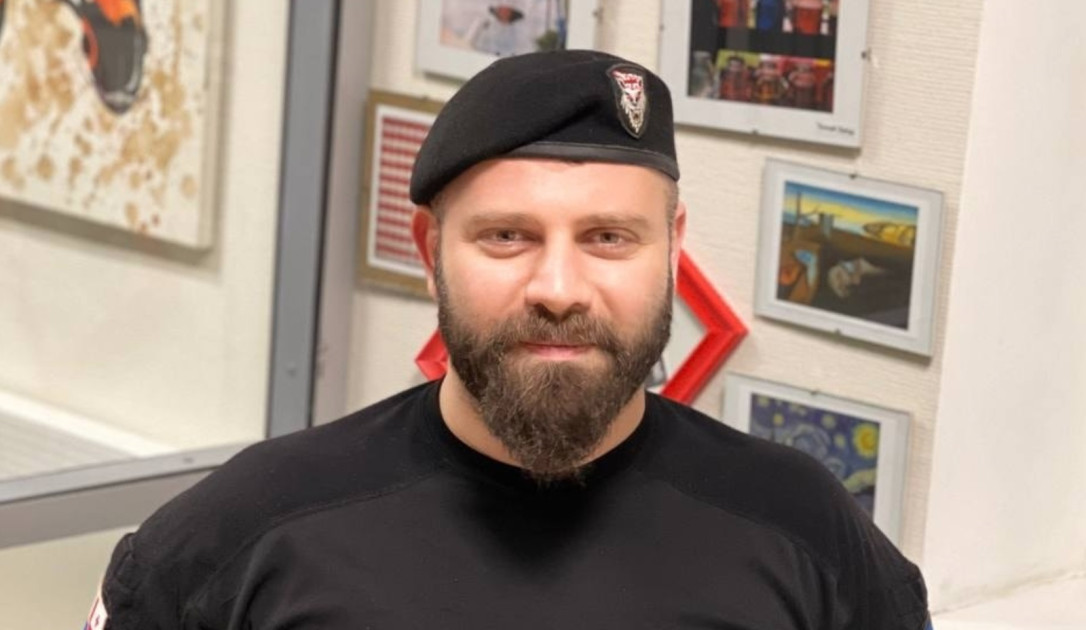
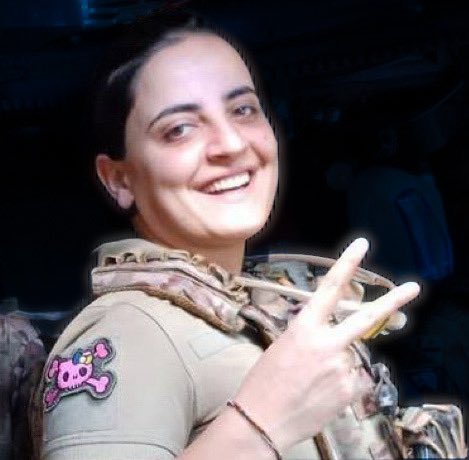
Official fundraising account for @georgian_legion 🇬🇪🐺🇺🇦#feedthewolves PayPal: help2164wolves@proton.me
Joined October 2023
- Tweets 16,375
- Following 3,303
- Followers 3,148
- Likes 29,302
7,475 Photos and videos



Pinned Tweet

Jun 3
We have been having issues with this account friends. We've been unable to get into DM's and groups. The account is simply not functional any more. @Rowan_M72 is a trusted friend to us and the wolves. Please direct anything help_mgeli her way. Commander @Mamulashvili_M is aware👇
2
4
9
258
Jun 3
We have been having issues with this account friends. We've been unable to get into DM's and groups. The account is simply not functional any more. @Rowan_M72 is a trusted friend to us and the wolves. Please direct anything help_mgeli her way. Commander @Mamulashvili_M is aware👇
2
4
9
258
Jun 3
of the situation and we have all agreed this is the best way forward to continue our fundraising efforts. This is not goodbye as we will all continue supporting and helping the wolves but help_mgeli will become inactive. Please continue to #FeedTheWolves🇬🇪🐺🇺🇦and support Ukraine!
5
8
110
Apr 21
🎶Happy birthday to awooooo
Happy birthday to awooooo
Happy birthday dear Mamuka
Happy birthday to awooooooooo🎶
Please join us in wishing @georgian_legion Commander @Mamulashvili_M a very Happy Birthday!🐺🎂🥳
2
12
32
523
Help Mgeli retweeted

Apr 17
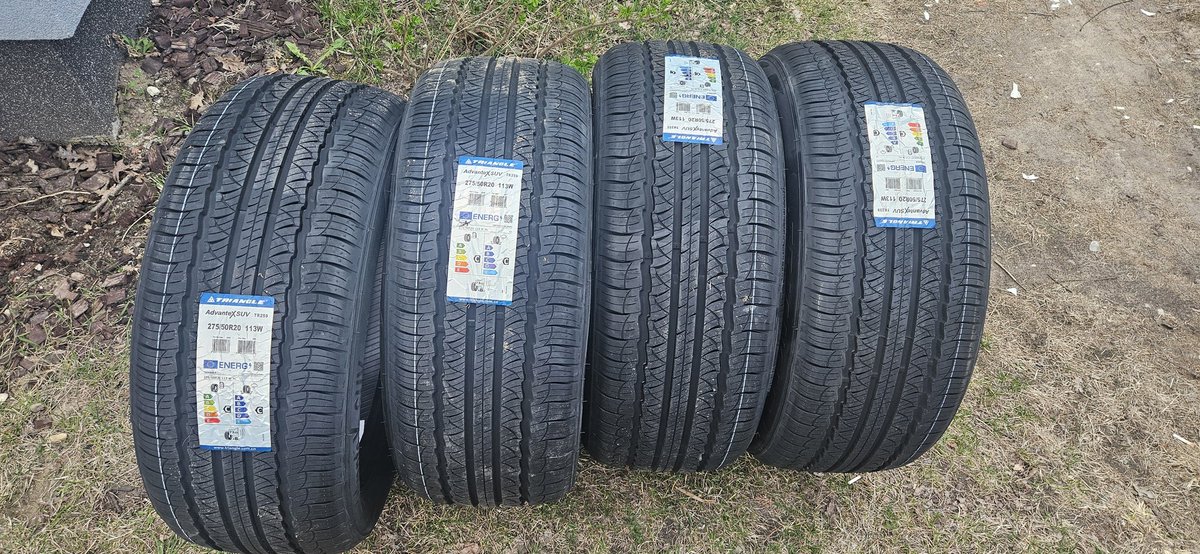
Ostatnio święty wzburz nastąpił bo na zdjęciu były tylko 3 opony 🤭
Proszę bardzo, jest zestaw kolejnych 4 nowiusieńkich opon dla @georgian_legion 🫡💪🐺
Zestawik rusza jutro do Ukrainy :)
Ponownie - nic nie byłoby możliwe gdyby nie Wasze wsparcie!
Dziękujemy! 🫡🐺
#feedTheWolves
1
6
19
471
Help Mgeli retweeted

Mar 14
Frontline experience & information warfare.
Representatives of the Georgian National Legion recently met with Ukrainian cadets to share lessons from the battlefield and explain how russian propaganda narratives function.

4
22
48
4,525
Help Mgeli retweeted

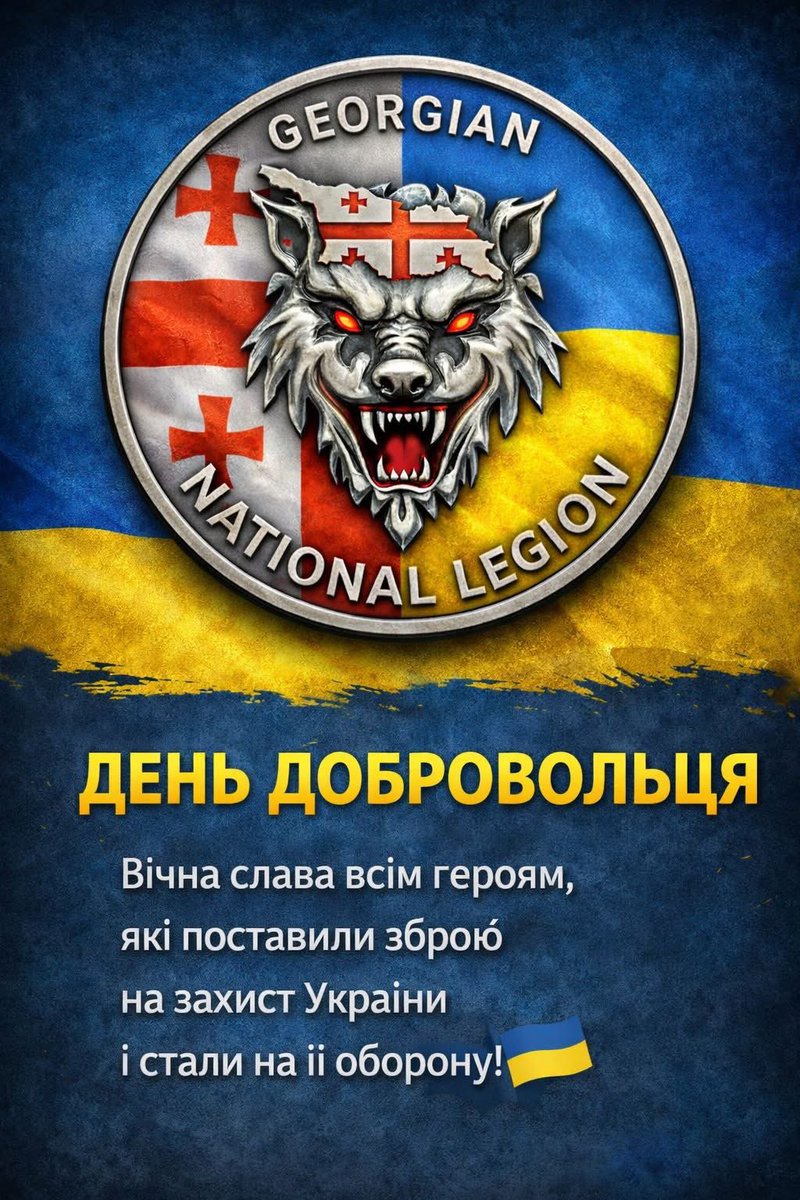
We want to congratulate all the volunteers who throughout the history of Ukraine took weapons and, without taking into account their own lives, protected this country.
Voluntary movement is the most important thing in Ukraine today.
Thank you to all who are with us. 🇬🇪🐺🇺🇦🫡
9
52
168
5,702
Help Mgeli retweeted
Mar 15
Some of the most important lessons from this war aren’t only tactical.
They are about recognizing propaganda narratives — how they are repeated, amplified, and embedded over time.
Understanding that process is part of defending the truth.
2
14
38
4,908
Help Mgeli retweeted

Mar 14
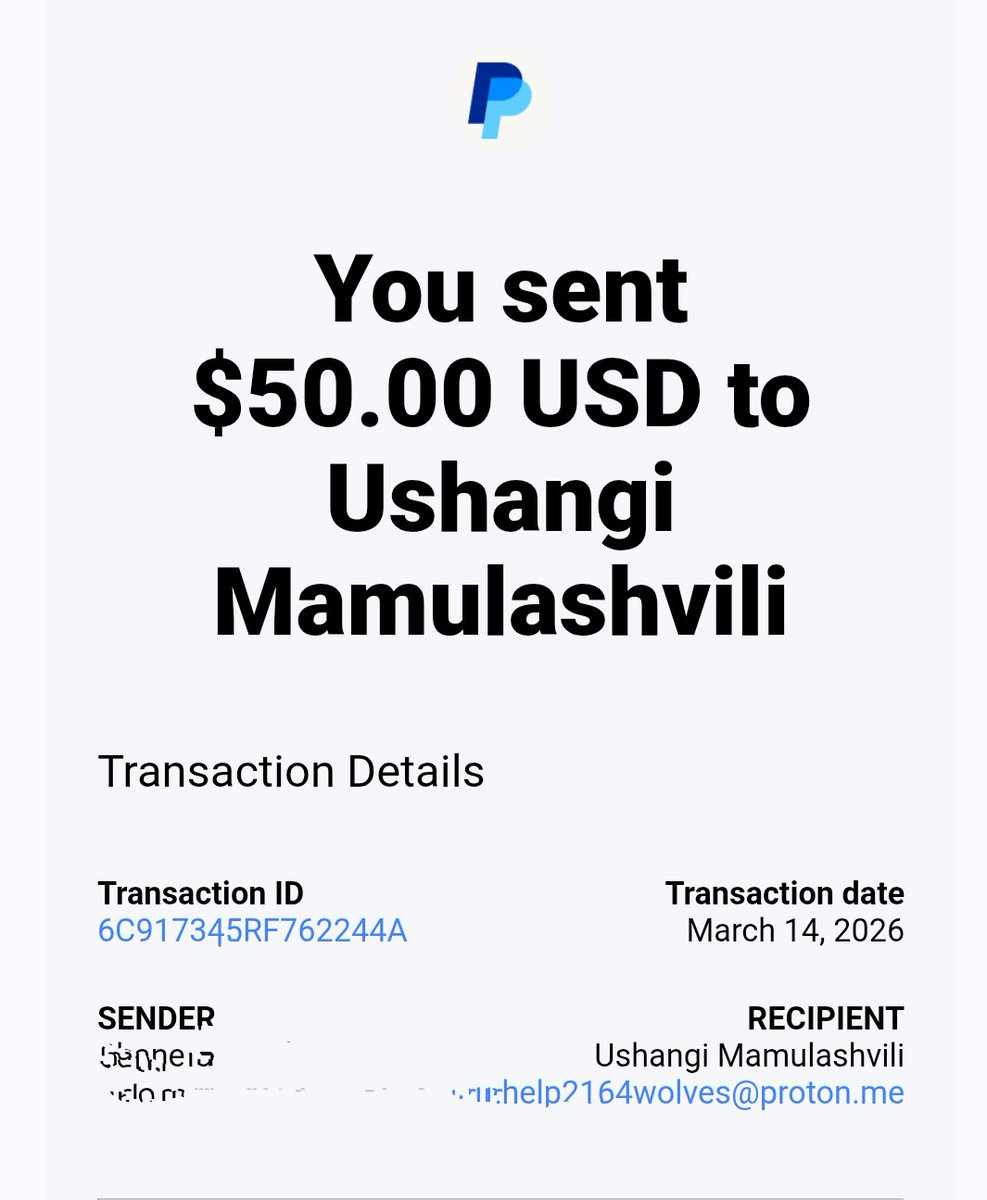
@Mamulashvili_M @help_mgeli
Always supporting those who serve the 🇬🇪 Georgian Legion 🐺
Please check DMs. Thank You
2
1
9
197
Mar 10
Here's to strong women!
May we know them,may we be them,may we raise them.
We would like to wish all a happy belated International Womens Day! If you would like to help this lady wolf and the rest of the pack🇬🇪🐺🇺🇦please consider a donation. Paypal: help2164wolves@proton.me
1
20
81
4,002
Help Mgeli retweeted

In this particular case, the attack was directed at the volunteer medical formation “Hospitallers”, which we respect and which has helped us many times.
We see that the systematic discrediting of military volunteers and volunteer medics is continuing and gaining momentum.
People need to know about this, and we need to speak about it openly.
---
On Information Discreditation Campaigns Against Ukrainian Volunteer Formations and Medical Units
1. General Context
Recently, a systematic information campaign has been observed that is aimed at discrediting Ukrainian volunteers, volunteer formations, medical units, and volunteer organizations that support the Defense Forces of Ukraine.
These campaigns do not show signs of spontaneous criticism or internal disputes. Instead, they demonstrate characteristics of a coordinated information operation with clear organization, distribution of roles, and synchronized dissemination of narratives through social networks and media.
The primary goals of such operations are:
- undermining trust in the volunteer movement;
- discrediting medical units and volunteer initiatives;
- creating internal conflicts within the Ukrainian volunteer community;
- forming a negative information background around fundraising and humanitarian assistance.
---
2. Platform for Launching Information Attacks
In most cases, the first stage of the information attack begins on the social media platform Twitter (X).
This is where initial publications appear containing:
- accusations of alleged lack of transparency in fundraising;
- manipulations regarding finances;
- facts taken out of context;
- anonymous or semi-anonymous “investigations.”
After that, the information begins to spread widely through a network of related accounts, creating the illusion of broad public resonance.
---
3. Organizational Structure of Such Groups
Analysis of the behavior of these accounts suggests that this is not a random group of users but a well-organized network.
Key characteristics include:
1. Disguising themselves as volunteer or humanitarian initiatives
Participants in the network present themselves as volunteers, medics, or humanitarian workers.
2. Clear hierarchy of roles
The network typically includes:
- coordinators who shape the narrative;
- operators who distribute the information;
- supporting accounts that create artificial engagement and support.
3. Communication control
Coordination is often conducted through:
- closed chats;
- encrypted messengers;
- private communication channels.
4. Infiltration into legitimate structures
Some participants are integrated into:
- volunteer organizations,
- humanitarian foundations,
- medical units,
- and sometimes even military structures.
This allows them to obtain internal information and manipulate it for narrative purposes.
5. Geographic characteristics
A significant portion of participants come from:
- the Baltic states,
- the United States,
- Canada,
- various European countries.
At the same time, these networks often do not contain obvious Russian participants, which reduces suspicion and complicates identifying the real source of coordination.
---
4. The Role of Media in Amplifying Narratives
After the initial launch of the information attack on social media, the next stage is its legitimization through media outlets.
In several cases, one of the first media platforms to amplify such narratives has been Hromadske.
In the specific case of the information attack against the volunteer medical unit, one of the earliest publications was a piece by the so-called journalist Denys Bulavin, who spread accusations that had originally appeared on Twitter (X).
Such publications effectively serve as multipliers of the information attack because they:
- move the discussion from social media into the media space;
- create the appearance of journalistic verification;
- allow Russian propaganda to later cite Ukrainian sources.
---
5. Repetition of the Scenario
Similar information attacks have been documented before.
Last year, the Georgian Legion also encountered similar networks and became the target of systematic information discreditation.
After conducting an internal analysis, part of the individuals involved were identified. However, many of these accounts still continue to operate while appearing to be legitimate volunteers.
---
6. Key Indicators of an Information Operation
The typical algorithm looks as follows:
1. Publication of accusations on Twitter (X).
2. Mass dissemination through networks of related accounts.
3. Introduction of pseudo-analysis and “investigations.”
4. Publication of materials in media outlets.
5. Further amplification by Russian propaganda.
---
7. Conclusion
The available facts indicate a systematic pattern of information attacks against Ukrainian volunteers, medics, and volunteer organizations.
These campaigns show signs of coordinated network activity, using social media as the primary platform for launching narratives, which are later legitimized through media outlets.
Under these circumstances, it is critically important to:
- clearly understand the sources of such information attacks;
- analyze the networks of accounts spreading them;
- distinguish between legitimate criticism and coordinated disinformation campaigns.
Understanding the structure and mechanisms of such operations allows for more effective resistance to information attacks and helps protect the Ukrainian volunteer and humanitarian movement.
6
31
92
7,559
Mar 10
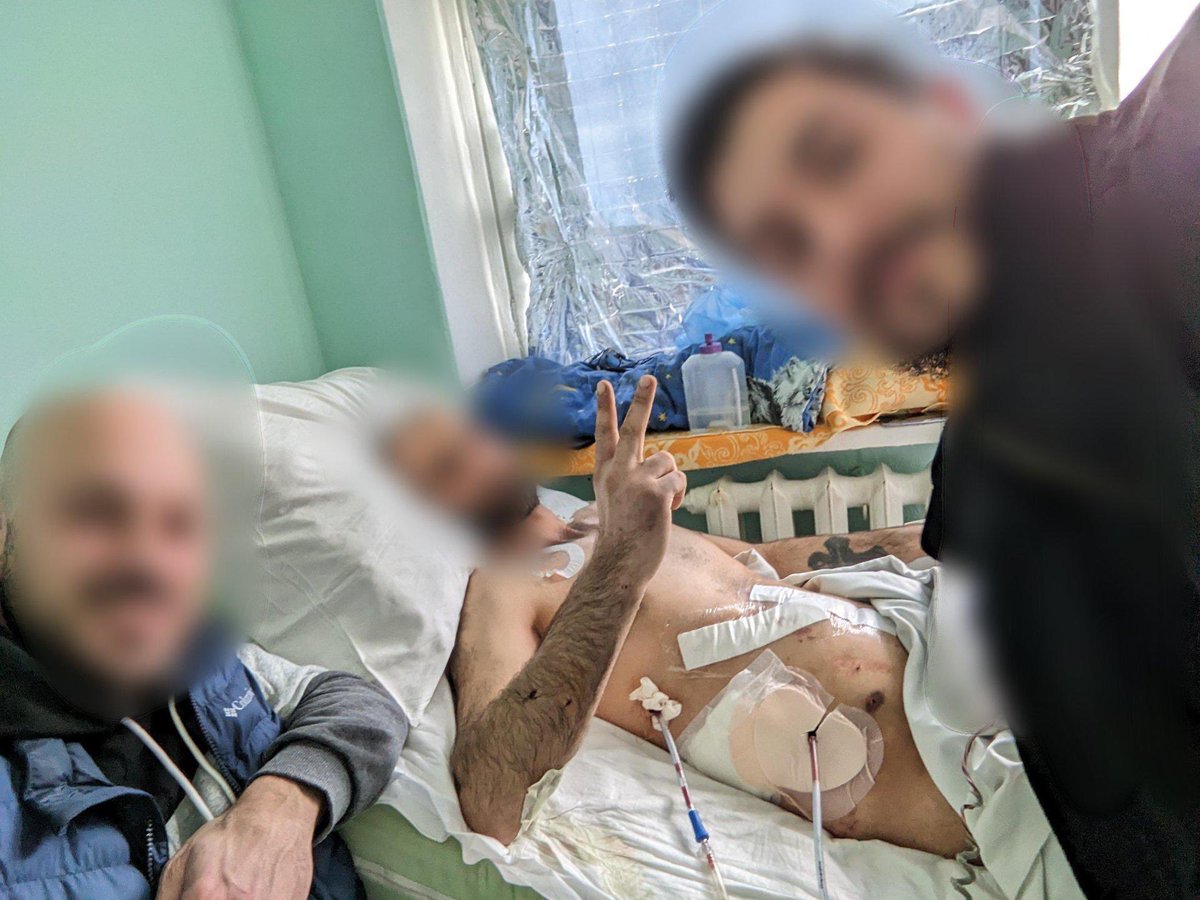
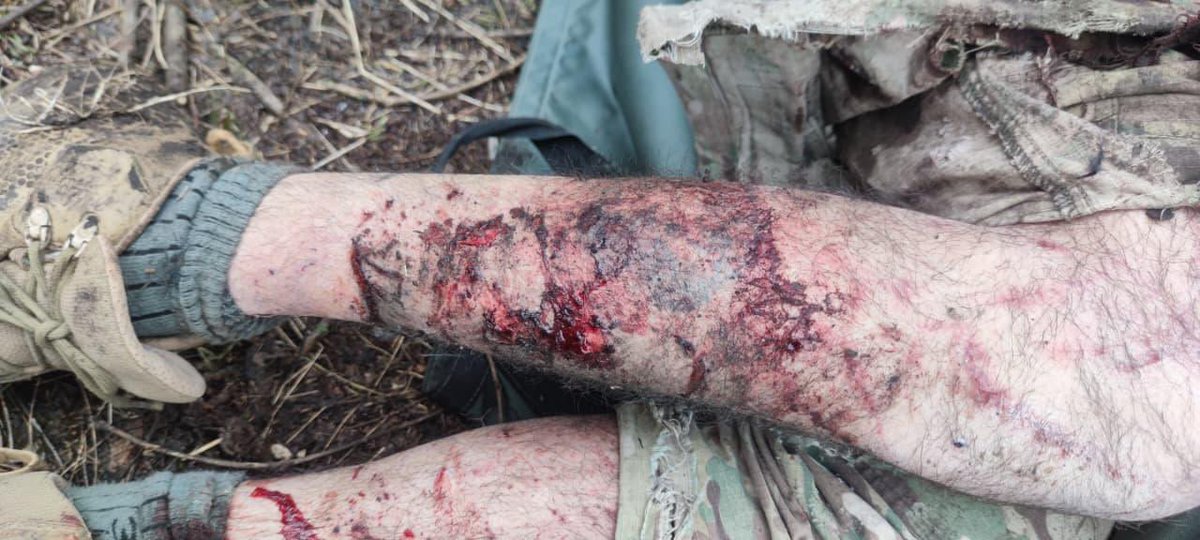
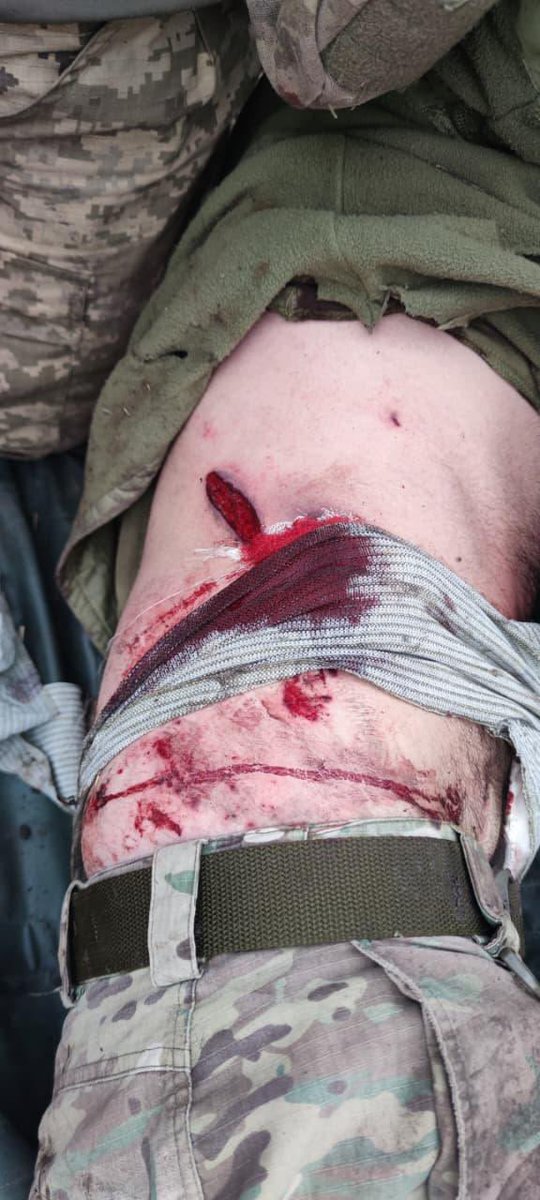
Please say some prayers for this hero and keep him in your thoughts🐺🙏

Our fighter was seriously wounded today by shrapnel injuries to abdomen & leg. Thanks to rapid evacuation carried out by our medics, his life was saved.
We thank everyone who took part in the evacuation. Most importantly, after the surgery his condition is now stable.
🇬🇪🐺🇺🇦🫡
2
3
99
Mar 1
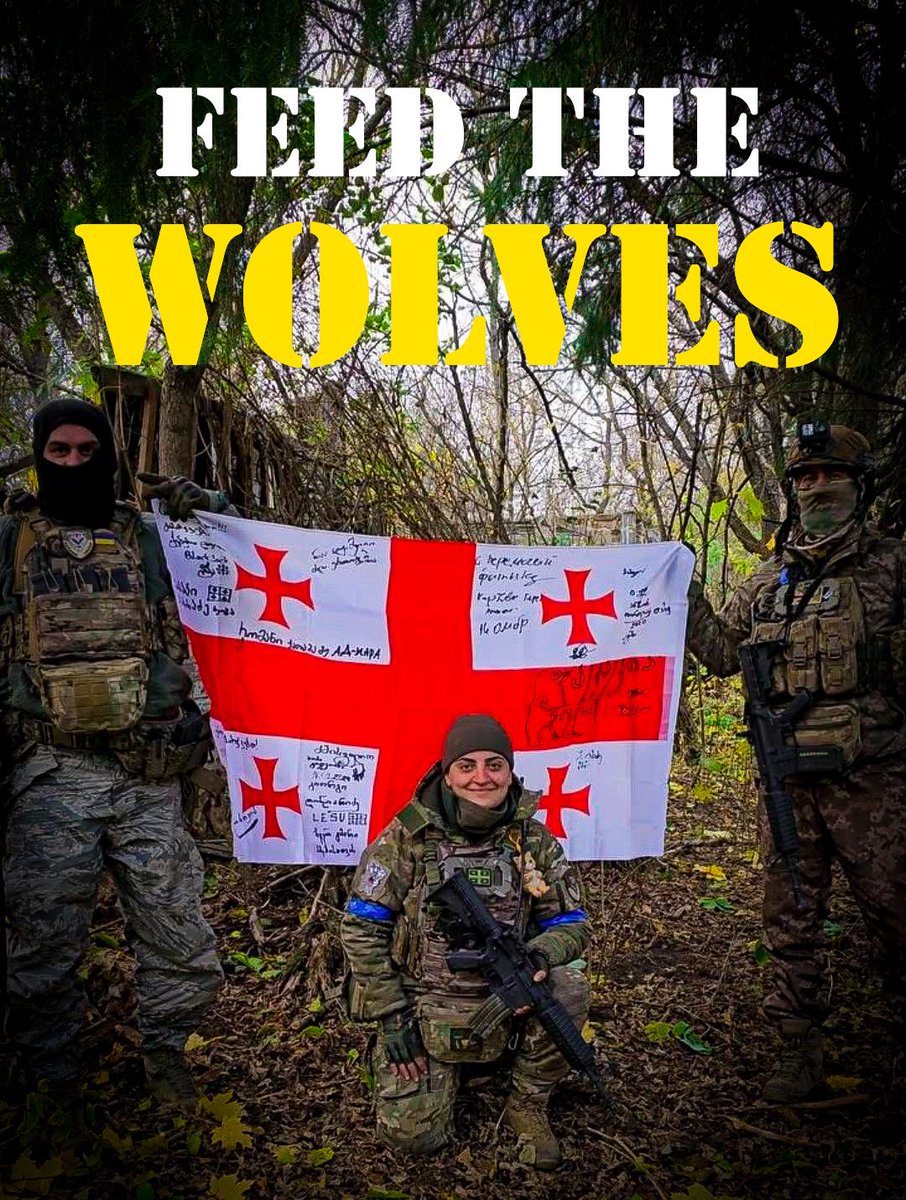
Georgian Legion🇬🇪🐺 has been fighting for Ukraine🇺🇦✊ since 2014 and they won't stop until the enemy is gone. But the needs in war are many and they sure could use your help. No donation is too small, everything matters!
12 May 2025

All day every day the wolves of @georgian_legion 🇬🇪🐺🇺🇦 fight for Ukraine 🫡
You can help them 👇
Current needs:
• Drones/drone jammers
• Means of communication
• Transport, fuel, repair eqpt
• Tactical gear
🐺🍗 PayPal= help2164wolves@proton.me
#FeedTheWolves ✊
23
76
5,997
Mar 1
Awooooooo! It's not everyday that you see people with enough heart and courage to leave their homeland to defend anothers. We are so proud of these guys and all they've accomplished🇬🇪🐺🇺🇦
4 Dec 2025

Friends, today is a historic day for us.
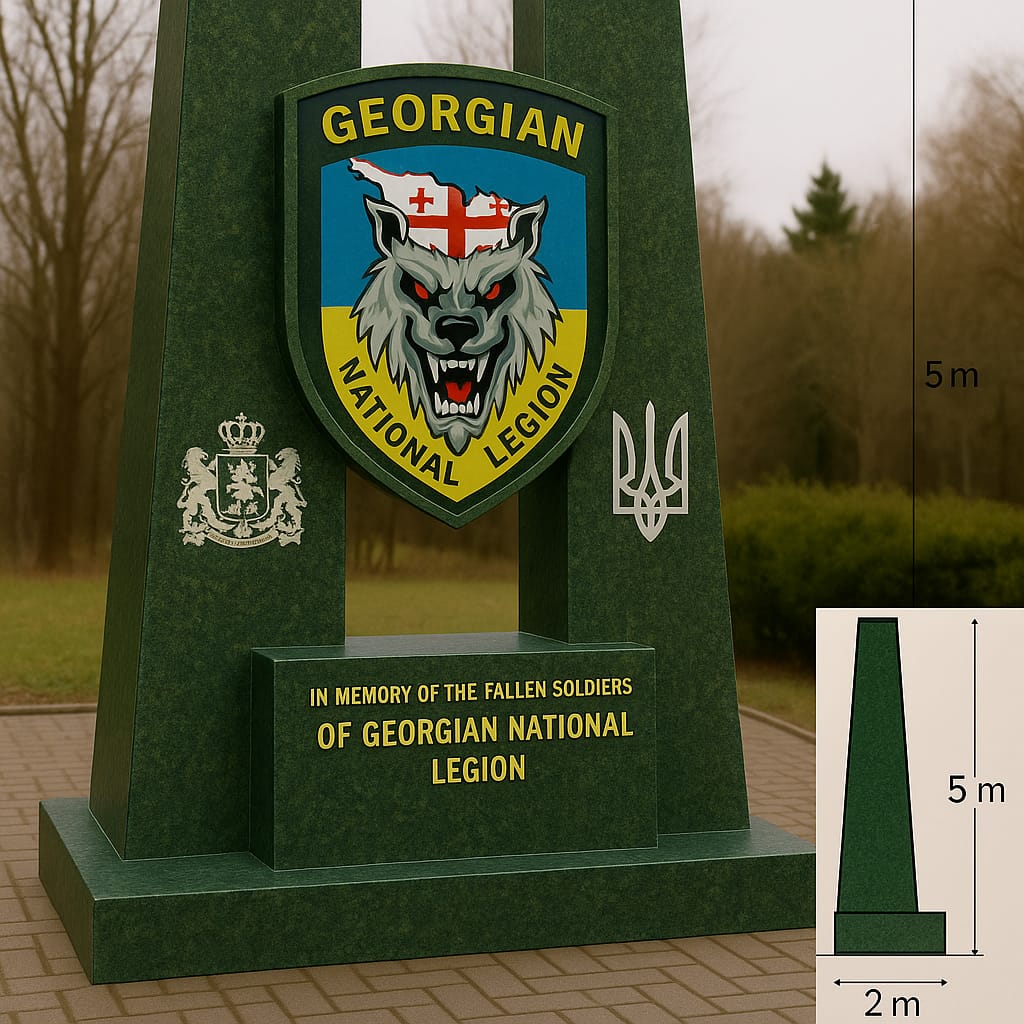
The Kyiv City Council has approved the decision to name a “Square” in honor of the military-volunteer formation Georgian National Legion.
For me and for our men, this is the greatest gift we have received in Ukraine.
This decision is a recognition from the Ukrainian people —
a recognition that the Georgian Legion was one of the largest foreign units defending the Kyiv region, Irpin, Bucha, Hostomel, and other parts of the region during the hardest days of the full-scale invasion.
We stood side by side with Ukrainians and did everything we could to save lives and stop the enemy.
This decision is a tribute to our fallen brothers.
And it is higher than any award.
A memorial will be installed in the Square in honor of everyone who gave their life for the freedom of Ukraine.
I sincerely want to thank the Mayor of Kyiv, Vitali Klitschko, and all the deputies who supported this decision — and that is the absolute majority of the Kyiv City Council.
And separately — every person who has supported the Georgian Legion from the very first day.
We are here for you.
We will stay with Ukraine until the end, no matter how difficult the road may be.
We believe in our shared victory.
Honor to serve. Glory to Ukraine!
Commander of the Georgian National Legion
Mamuka Mamulashvili
kmr.gov.ua/uk/content/u-kyye…
7
17
265
Mar 1
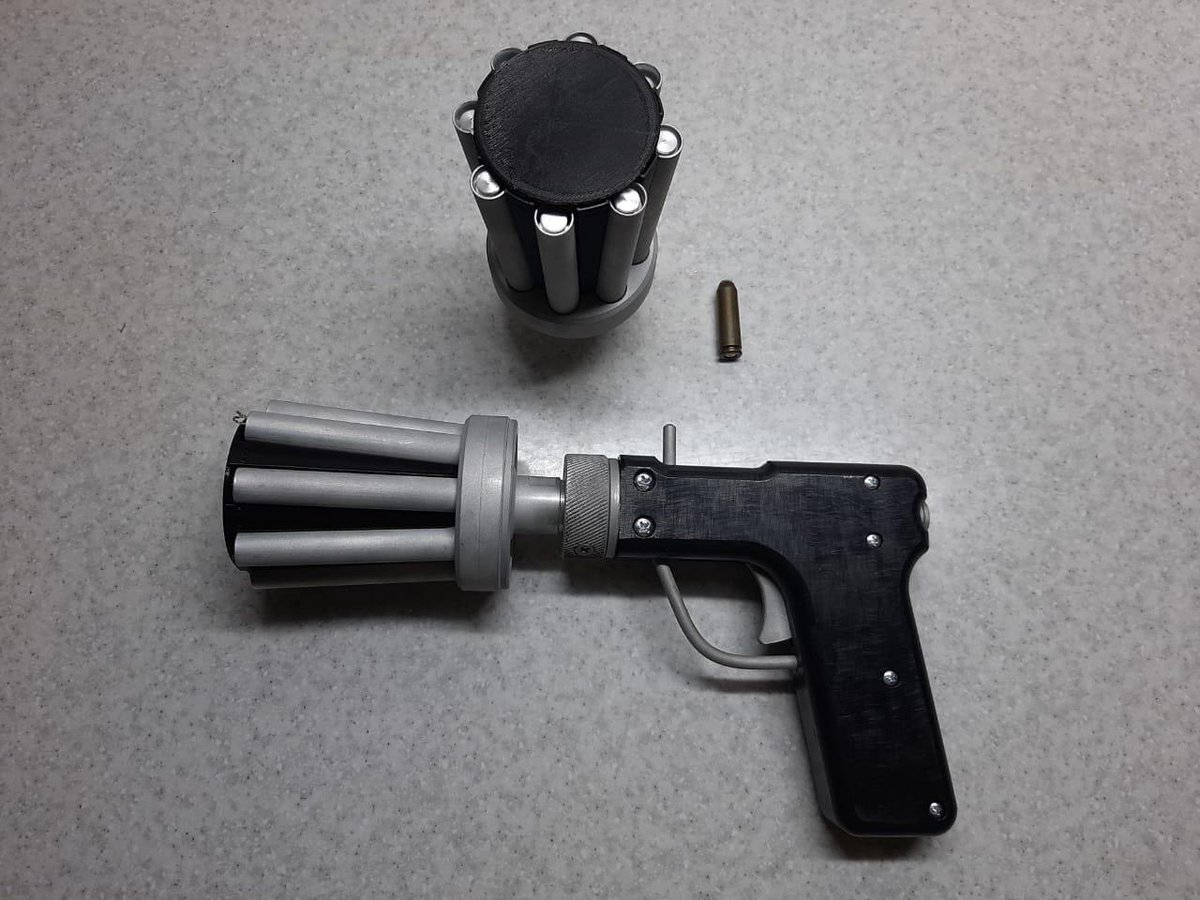
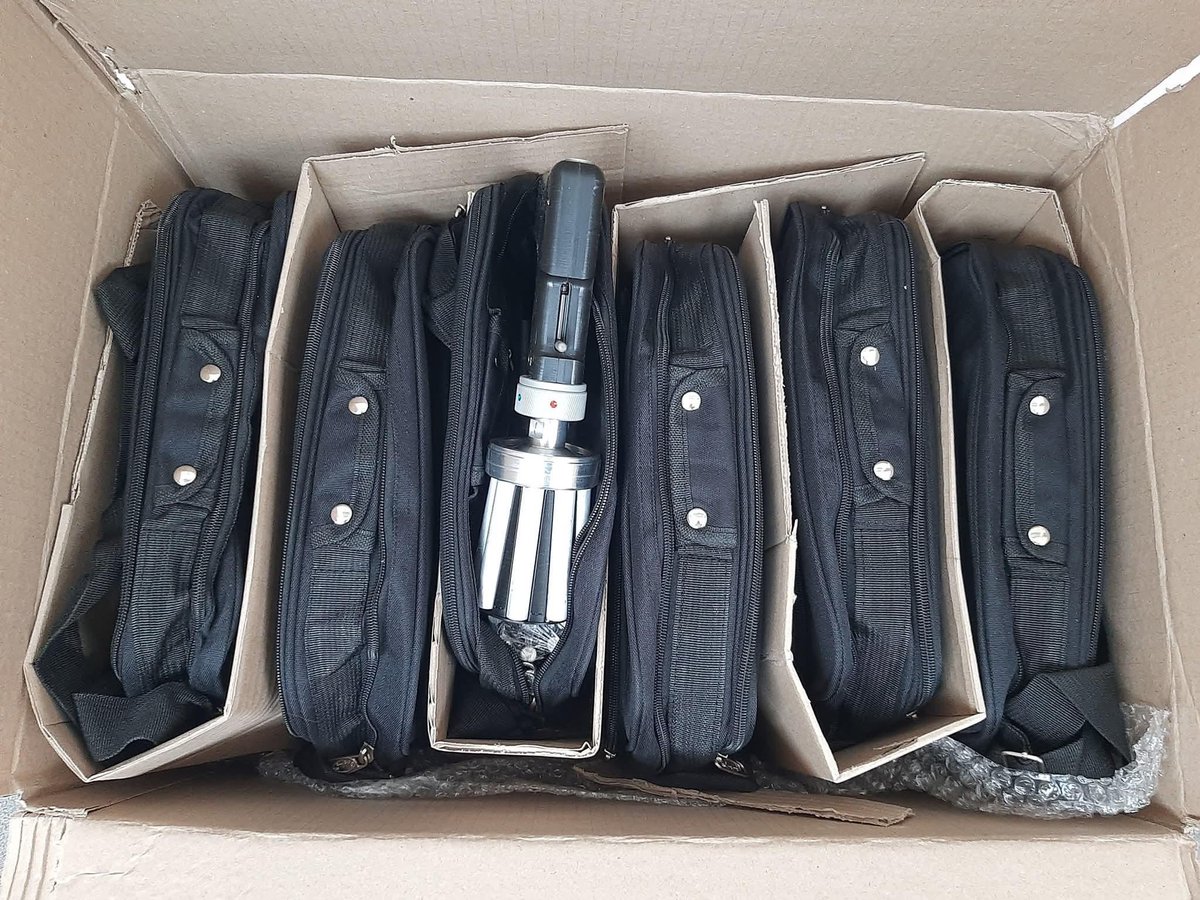
Friendly reminder that these anti drone net systems are still needed for the wolves🇬🇪🐺🇺🇦They are made to intercept and entangle enemy drones and can make a big difference on the battlefield!
26 Dec 2025
Anti-drone net systems are a must in modern warfare.
🛡️ 1 unit: 20,000 UAH (~$480)
Includes 2 combat charges & launcher
🎯 Goal: equip 100 fighters and test in real combat.
PayPal: help2164wolves@proton.me
🐺🇬🇪🇺🇦🫡
1
25
64
6,682
Help Mgeli retweeted
Feb 25
Obecna stawka to 175 pln :)
Dziękujemy i zapraszamy do licytacji 👇👇👇
Kto da więcej za to cacuszko??? 🙃🙏
#StandWithUkraine
#SlavaUkraïni
Feb 24

Kochani,
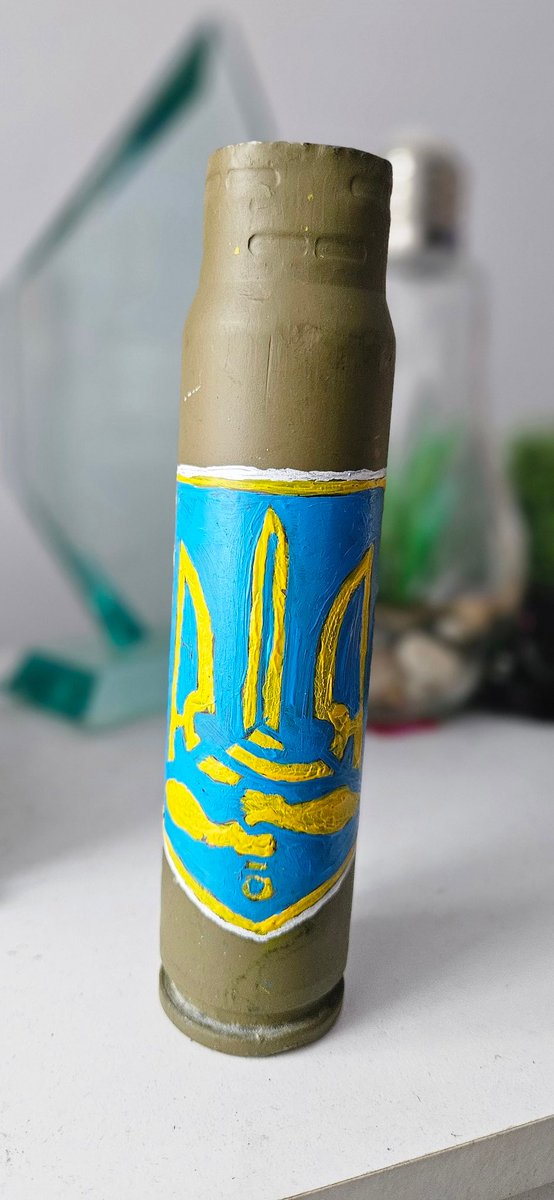
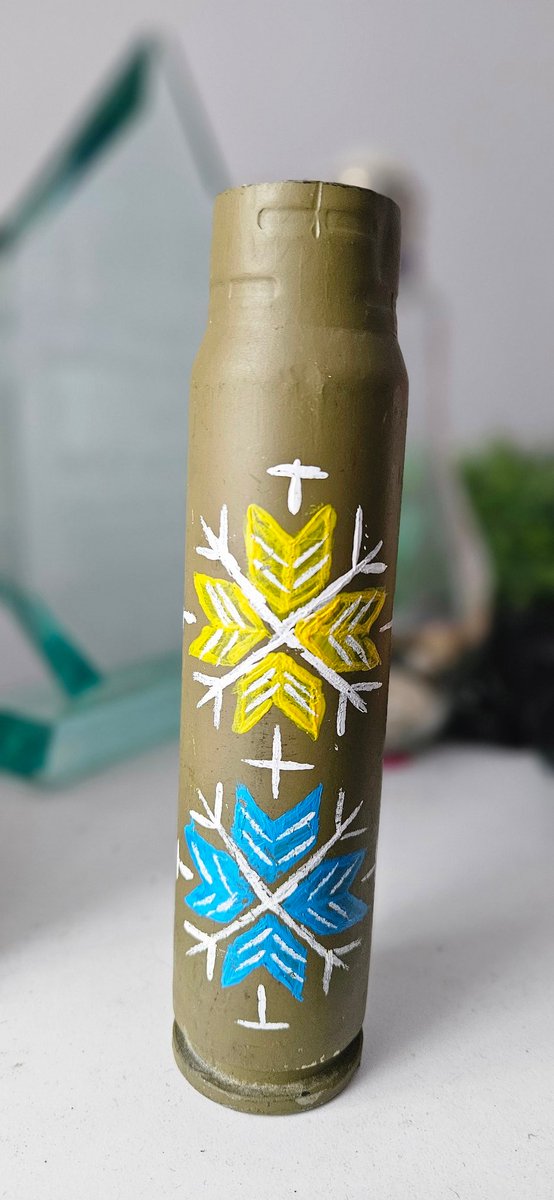
Mamy dla Was #AkcjaLicytacja z okazji 4tej rocznicy pełnoskalowej inwazji rosji na Ukrainę.
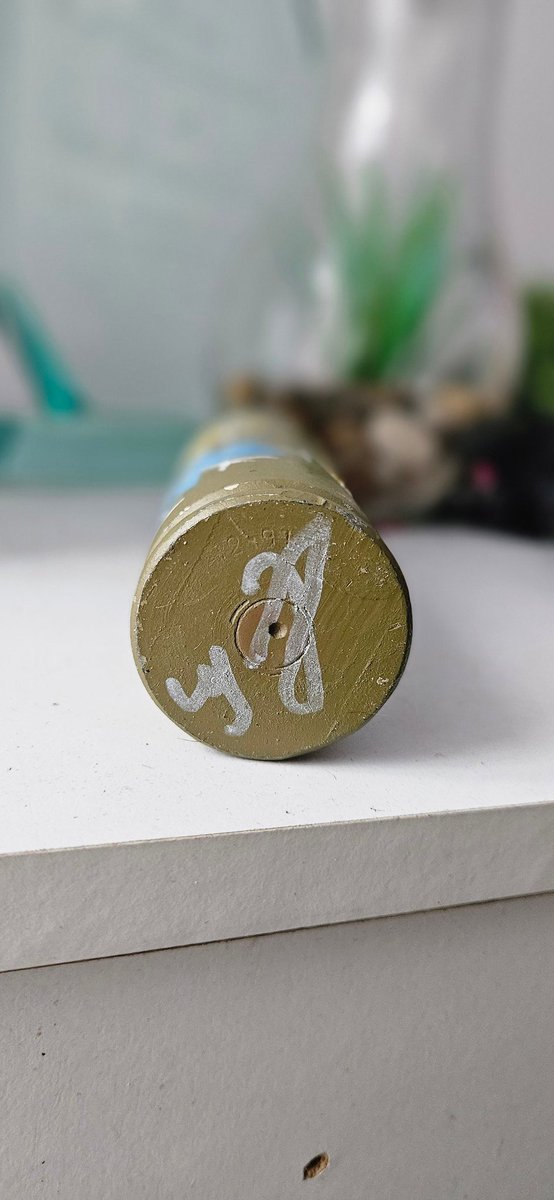
Łuska 23×152 mm, czyli amunicja używana m.in. w działku przeciwlotniczym ZU-23-2.
To symbol niezłomności, walki I bohaterstwa 🫡💪🇺🇦
Łuska namalowana własnoręcznie przez @Mamulashvili_M - Dowódcę @georgian_legion, który nieprzerwanie od 2014 roku walczy po stronie Ukrainy z rosyjskim okupantem.
Zasady:
✔️ Licytujemy pod postem!
✔️ Start 100 ZŁ
✔️ Przebijamy o co najmniej 10 zł
✔️ Koniec licytacji 3.03.2026 o godz. 21:00
✔️ Wygrywa osoba która równo o godzinie 21:00 zaoferuje najwyższą kwotę.
🎁 Wysyłamy na własny koszt.
😉 Wystarczy w komentarzu zostawić screen z dokonania wpłaty.
Zatem do dzieła, na pohybel kacapom!
Wielkie Dzięki.
дуже дякую.
Slava Ukraini!🇺🇦
#SlavaUkraïni
7
10
318
Help Mgeli retweeted

Feb 25
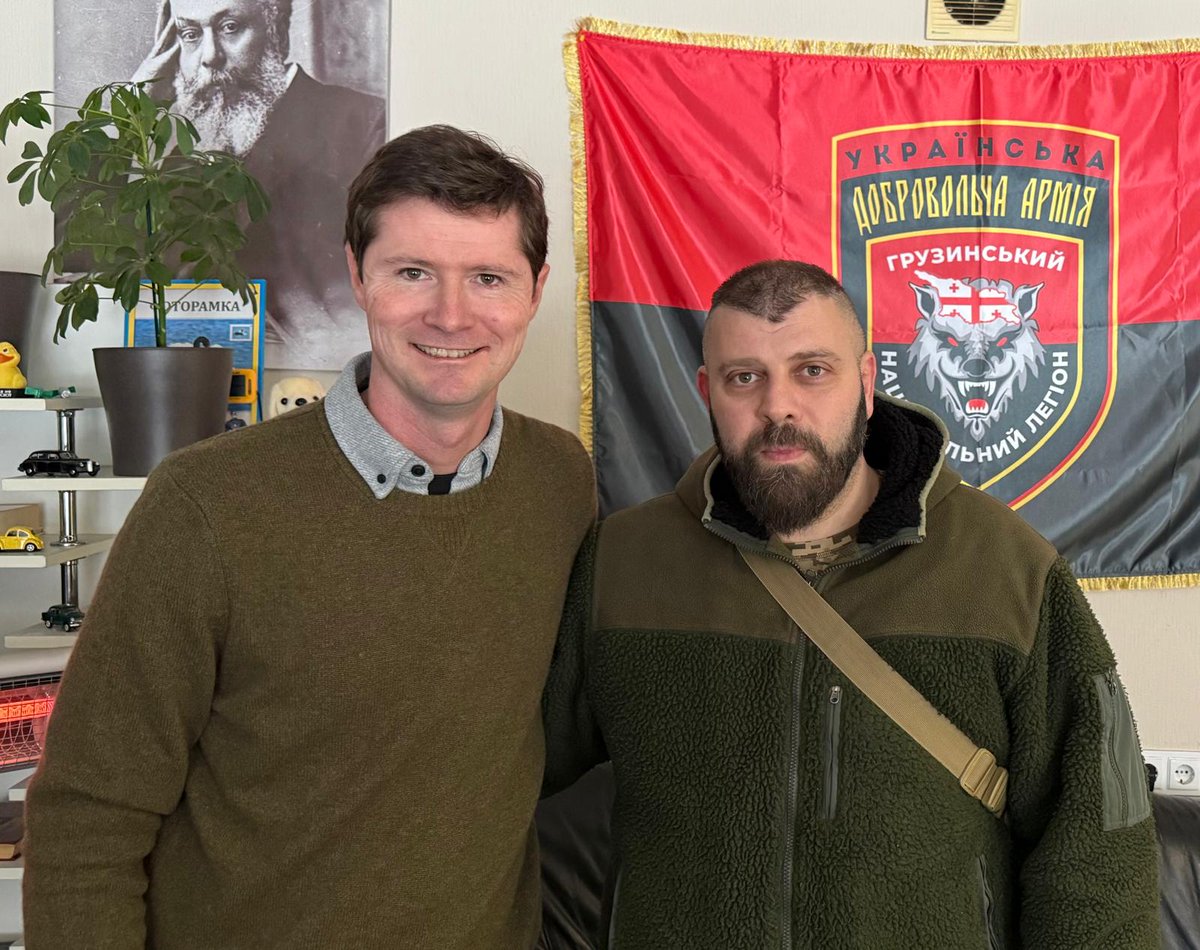
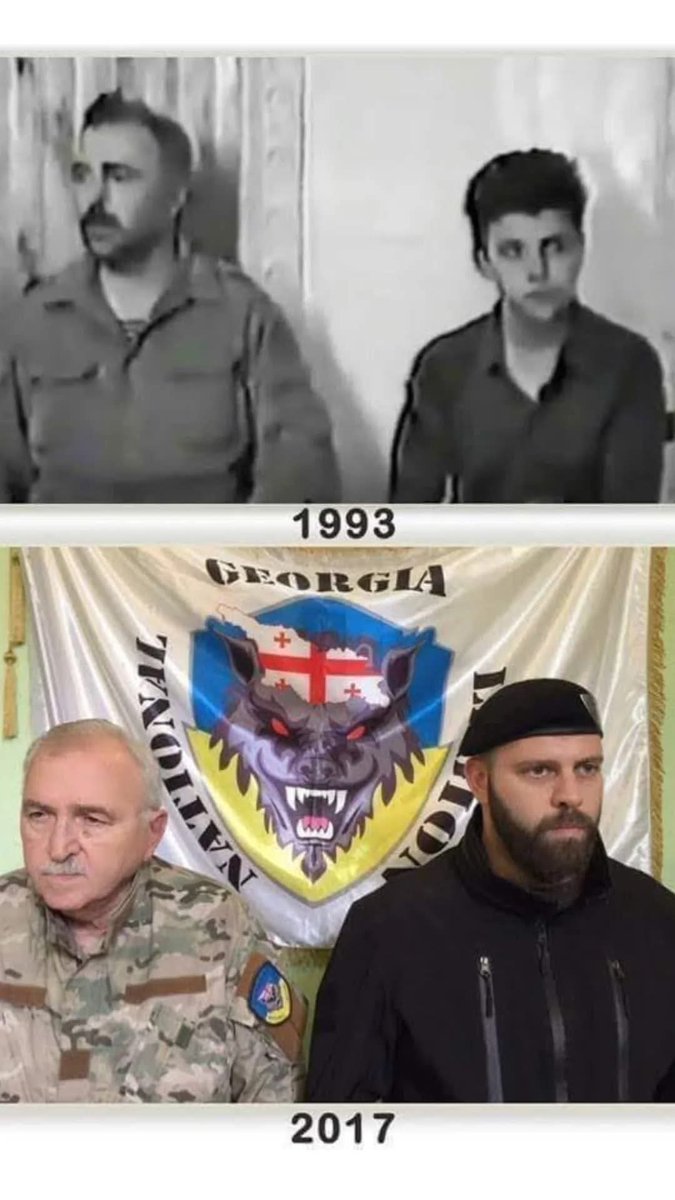
On the ground in Ukraine for @schoolofwarpod. One of my interviewees so far: Mamuka Mamulashvili, commander of the Georgian Legion here. Killed his first Russian at 14. The B&W pic is him and his dad in Russian captivity shortly thereafter (restaged for fun later.) Mamuka fought at Hostomel in Feb. '22 and all over Ukraine since. Hear about it all soon on the podcast.
3
24
84
3,629
Help Mgeli retweeted
Feb 27
3
14
58
6,812
Feb 25
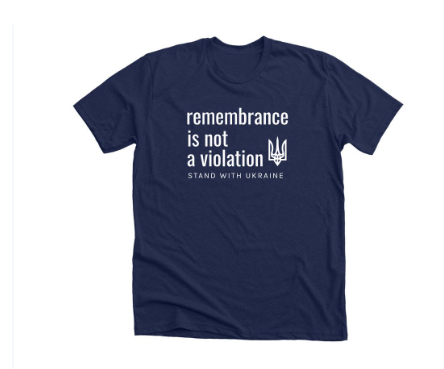
This is a great shirt to show support and solidarity! This shirt and many other awesome items can be found on the Georgian Legion Collective online store. Each purchase helps the heroes of @georgian_legion 🇬🇪🐺in the fight for Ukraine🇺🇦✊bonfire.com/store/georgian-l…
1
13
33
4,033
Feb 25
We have heard that some do not know the lore of the pink BMW and were curious. This post is for you😃 While we don't know the fate of the BMW after, we do know that the invaders had a very,very bad day!
20 Jan 2023
That pink BMW though.
Watch a piece of the story about the Battle of Antonov Airport.
1
10
14
307
Help Mgeli retweeted
Feb 24
My Wolves ❤️ 🐺🫡💪
#standWithUkraine
Feb 24, 2022. 8:00 AM. Hostomel Airport.
The first Ka-52 helicopters.
The first clash of the full-scale war.
The Georgian Legion was among the first to meet the enemy.
We are proud of that.
And we will see this war through to Ukraine’s victory!
🇬🇪🐺🇺🇦🫡
1
5
14
242