
Abogado, Especialista: Derecho Administrativo, Derecho Laboral y Seguridad Social; Diplomado: Legislación en Salud, Habilitación de IPS, Gerencia Pública M.
Joined March 2014
- Tweets 13,069
- Following 42
- Followers 115
- Likes 9
20 Photos and videos







Asmed Heredia Ramire retweeted

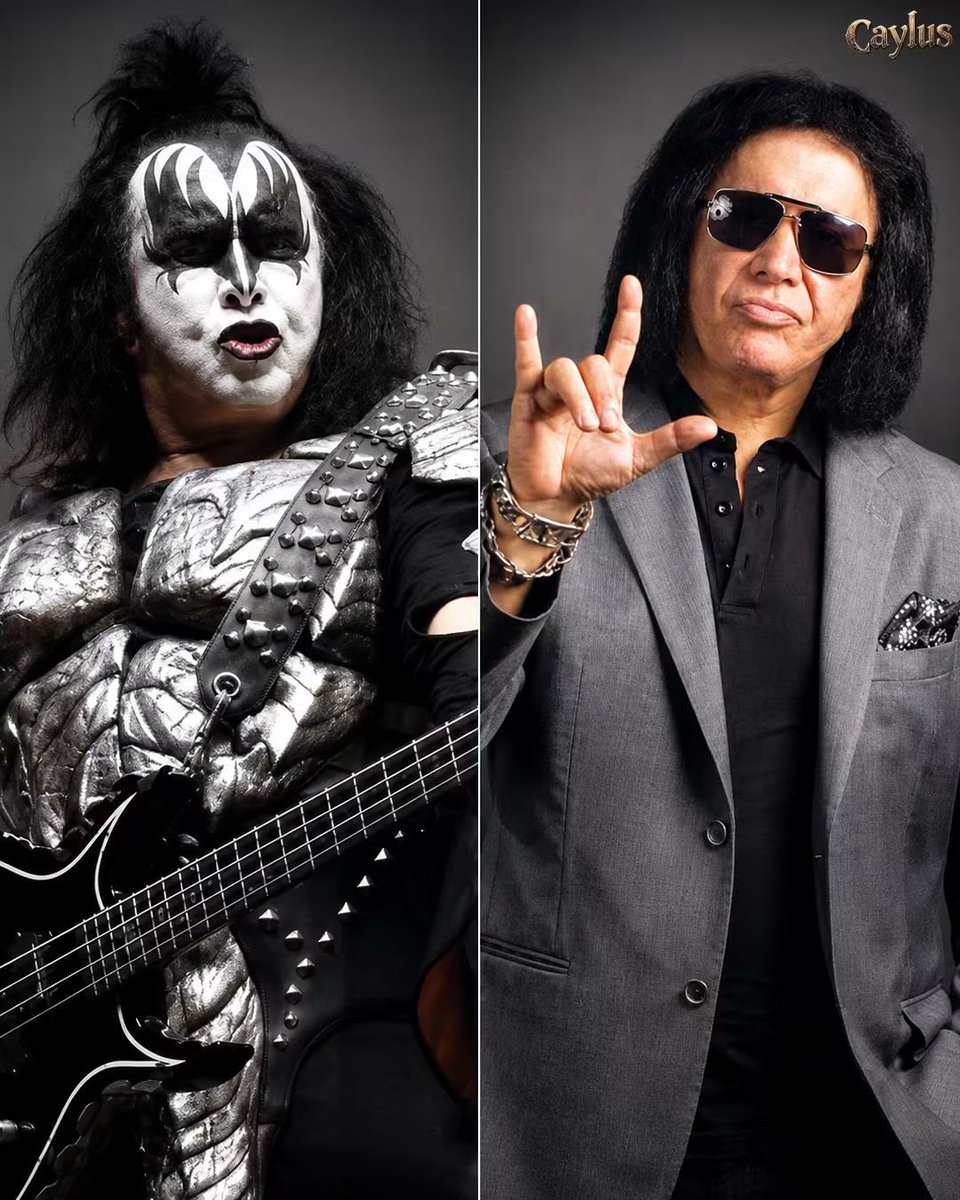
When Gene Simmons was eight, he watched his mother wash blood from her hands in a Queens apartment sink.
It wasn’t her blood.
She had bitten her tongue to stop herself from crying while memories of Auschwitz flooded back. She had survived the camps by sorting through the belongings of the dead.
Her son, born Chaim Witz in Israel, learned early that survival meant silence, endurance, and work.
“My mother saw hell,” he later said. “Everything I’ve done was to make sure she’d never see it again.”
He sold fruit on New York street corners, spoke three languages by the age of twelve, and copied accents he heard on television.
At fifteen, he changed his name to Gene Simmons after seeing a comic book advertisement for an American hero named Gene.
Wanting to fit in, he practiced smiling in front of a mirror until it felt natural.
The accent never fully disappeared.
The shyness did.
In the early 1970s, while working as a schoolteacher during the day, he teamed up with Paul Stanley to create a band unlike anything people had seen before.
They wanted something impossible to ignore.
Part circus. Part army. Part religion.
KISS was born inside a rented rehearsal room that smelled of cigarette smoke and ambition.
Simmons created his alter ego, “The Demon,” and built armor from motorcycle parts.
He practiced breathing fire so often that he once set his own hair on fire.
The gamble paid off.
Within a few years, KISS was selling out Madison Square Garden and earning millions through merchandise.
Simmons treated the band like a business empire.
Dolls. Comics. Lunchboxes. Pinball machines.
Anything that could carry the KISS logo became part of the brand.
When critics mocked them, he simply smiled.
“They laughed at us,” he said. “Then they bought the T-shirt.”
But the most revealing thing about Gene Simmons wasn’t the makeup, the fame, or the money.
It was the discipline.
He never drank alcohol.
Never used drugs.
And rarely slowed down.
Once, he flew from Tokyo to Los Angeles, recorded a song, then boarded another flight back to Japan for a concert.
When fans asked why he worked so hard, his answer was simple.
“Because my mother still wakes up at 4 a.m. to check if the doors are locked.”
Gene Simmons built his empire from more than ambition.
It was armor forged from fear.
Strength shaped by survival.
And fire painted across a face that refused to be pitied.
Because in the end, every success was his way of telling his mother that she had survived for a reason.
15
86
694
39,976
Asmed Heredia Ramire retweeted

🚨COINCIDÊNCIA? Keiko Fujimori assumirá a presidência do Peru aos 51 anos em 28 de julho de 2026
Alberto Fujimori, seu pai, tinha 51 anos ao assumir a presidência do Peru pela primeira vez em 28 de julho de 1990.


19
410
3,161
31,895
Asmed Heredia Ramire retweeted
🚨ATENÇÃO: Secretário Marco Rubio garante: "Os Estados Unidos não permitirão que Petro e Cepeda roubem as eleições colombianas"
31
1,108
5,185
54,932
Asmed Heredia Ramire retweeted

🚨 ¡ALERTA DE FRAUDE!
Denunciamos fraude electoral del petrismo criminal en el consulado de La Paz, Bolivia. Así es como ante la apertura de votaciones en el exterior, miembros de la extrema izquierda aliados al pedofilo EVO MORALES marcan con sharpie azul tarjetones a favor del comunista Iván Cepeda.
¡Son unos tramposos y bandidos! Pido a la @Registraduria , @PGN_COL , @CNE_COLOMBIA y @CancilleriaCol intervenir ya mismo. No nos dejeremos robar las elecciones por estas lacras.
Vamos a defender cada voto y la Libertad Carajo!! #FraudePetrista
@AbelardoPTE @ABDELAESPRIELLA @MovSalvacionNal @SecRubio @RepCarlos @SenRickScott @MaElviraSalazar @RepMariaSalazar
76
1,738
1,601
24,110
Asmed Heredia Ramire retweeted

Lady Gaga had Tony Bennett sing Fly Me to the Moon at 95 even with Alzheimer’s because music stays forever
7
51
539
15,532
Asmed Heredia Ramire retweeted

Este video están rotándolo por todas partes. Le pido a la Registraduría y a las autoridades que le den claridad al país de qué se trata, por favor.
Se ven unas personas con tarjetones y marcándolo la imagen de Iván Cepeda.
@Registraduria
@policia
800
7,788
10,639
343,740
Asmed Heredia Ramire retweeted

🇨🇴🚨| ¡URGENTE! La izquierda se prepara para un fraude masivo contra Abelardo de la Espriella.
La campaña de Iván Cepeda está desesperada y usará todas las “formas de lucha” por ganar.
¡NO LO PODEMOS PERMITIR!
22
540
475
4,016
Asmed Heredia Ramire retweeted

‼️MUCHO CUIDADO‼️ Así es que Petro, Iván Cepeda, las FARC y el crimen organizado se quieren robar las elecciones el 21 de junio.
Que todo el país se entere para entender porque hay mesas con el 100% de los votos a favor del candidato de las FARC! Difundir!! Gravísimo 🔥
70
1,678
2,184
28,198
Asmed Heredia Ramire retweeted

Canción de la noche!!!
Créditos para el autor de este video.
1
9
30
453
Asmed Heredia Ramire retweeted

That unforgettable day at London Heathrow on Friday, October 24, 2003, when British Airways Concordes Alpha Echo, Alpha Foxtrot, and Alpha Golf landed one after another on Runway 27R, marking the end of commercial Concorde flights and a supersonic era.
📹: Mike Bowsher
14
155
1,400
110,926
Asmed Heredia Ramire retweeted

🚨| URGENTE:
Denunciamos fraude electoral del petrismo criminal en el consulado colombiano de La Paz, Bolivia.
Así es como ante la apertura de las votaciones en el exterior, miembros de la extrema izquierda radical marcan con sharpie azul tarjetones de elección en favorabilidad del candidato comunista Iván Cepeda.
294
4,934
5,743
208,512
Asmed Heredia Ramire retweeted

Se cumplen 48 años del estreno de Grease (1978)
Uno de los musicales más icónicos del cine.
¿Donde están los fans?
8
55
246
4,349
Asmed Heredia Ramire retweeted

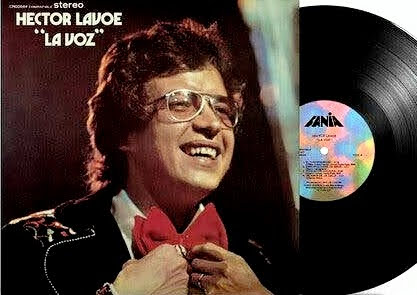
🎼 Emborràchame De Amor 🎼
🇵🇷🎤Hèctor Lavoe🎤🇵🇷
1⃣9⃣7⃣5⃣
youtube.com/watch?v=nFLWEtkc…
🎶No me preguntes qué me pasa
Tal vez yo mismo, no lo sé
Préstame unas horas de tu vida
Si esta noche está perdida
Encontremonos los dos
No me preguntes ni mi nombre
Quiero olvidarme hasta quien soy
Piensa que tan solo soy un hombre
Y si lloro no te asombres
No es por falta de valor
No sé quién eres tú y no interesa
Solo sé que mi tristeza, necesita tu calor
Y al esconder mi cara en tu cabello
Pensaré que solo es bello este instante del amor
Pero no, no me preguntes nada
Hazlo si quieres, por favor
Bebamos en la copa de la aurora
Y esta noche pecadora
Emborrachame de amor
No sé quién eres tú y no interesa
Solo sé que mi tristeza, necesita tu calor
Y al esconder mi cara en tu cabello
Pensaré que solo es bello este instante del amor
Pero no, no me preguntes nada
Hazlo si quieres, por favor
Y bebamos en la copa de la aurora
Y esta noche pecadora
Emborrachame de amor
Haz lo que tú quieras pero
Emborrachame de amor
Emborrachame de amor
Emborrachame de amor🎶
2
10
26
255
Asmed Heredia Ramire retweeted

Un ejemplo a seguir...

25
247
724
4,753
Asmed Heredia Ramire retweeted

11h
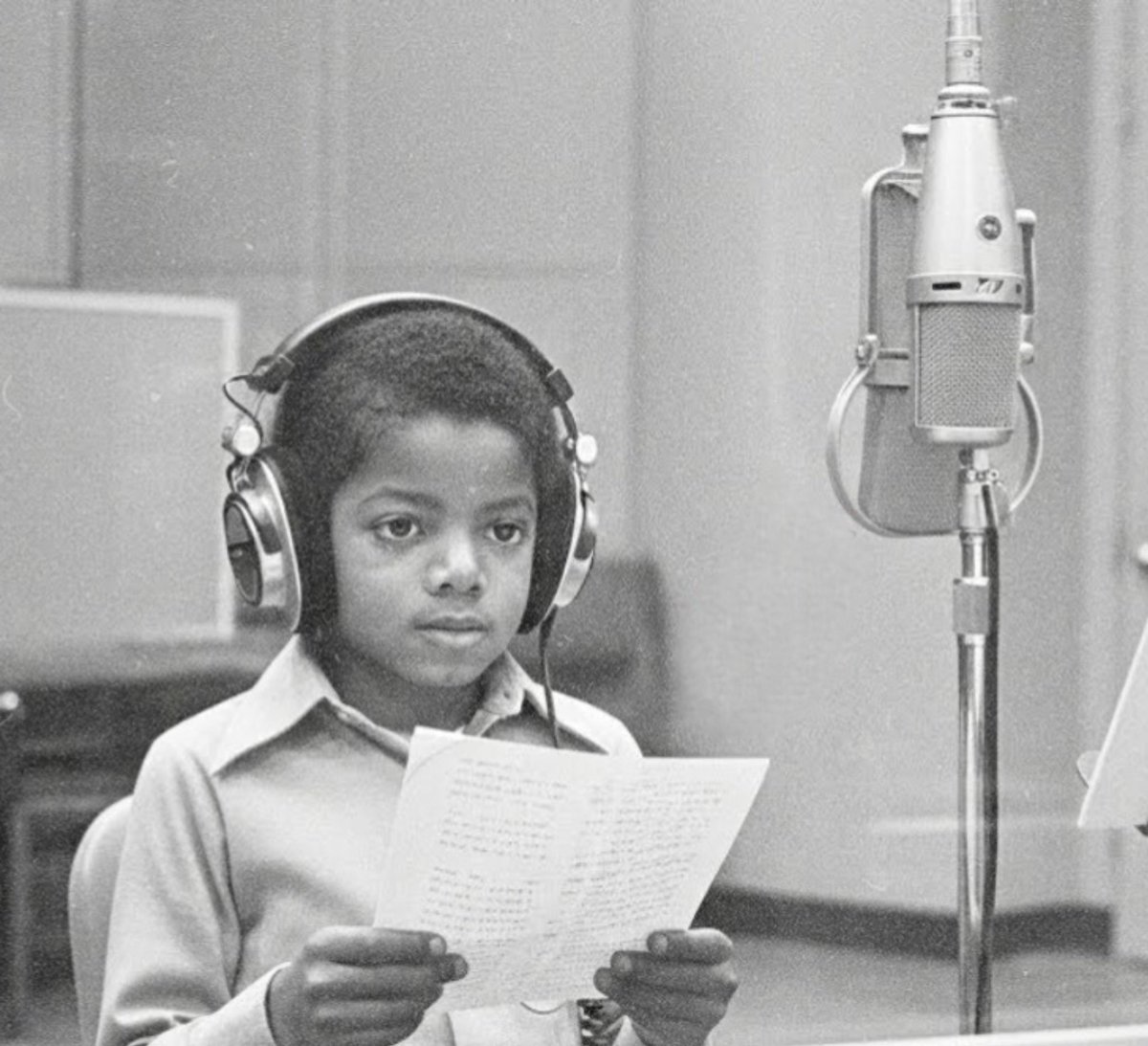
8 years old young Michael Jackson would spend hours in the recording studio, wearing oversized headphones and reading lyrics sheets in front of a big vintage microphone. Under intense rehearsals and guidance from their father Joe, Michael’s incredible voice and talent quickly made him the lead singer and star of the Jackson 5. Today he’s recognized as the King of Pop. MJ forever lives on 🕊️
78
732
6,730
117,890
Asmed Heredia Ramire retweeted

🇨🇳 El Guangzhou Circle, también conocido como la "Rueda de Guangzhou", es uno de los edificios más emblemáticos y singulares de China.
Ubicado en la provincia de Guangdong, este rascacielos circular de gran altura destaca por su forma única que recuerda a una moneda antigua china (con un cuadrado interior y círculo exterior), aunque algunos la relacionan también con el concepto matemático renacentista italiano de "cuadratura del círculo".
Con sus dimensiones imponentes y diseño innovador, se ha convertido en un símbolo de la arquitectura moderna de Guangzhou.
Este tipo de proyectos reflejan la audacia en ingeniería y diseño que caracteriza a muchas construcciones contemporáneas en China.
¿Qué opinas de este edificio?
1
21
67
1,248
Asmed Heredia Ramire retweeted

(2010) 33 years old (2026) 49 years old

4
59
1,008
16,729
Asmed Heredia Ramire retweeted
Ha fallecido a los 77 años Anne Schedeen...
He perdido la cuenta de las veces que he visto ALF (1986) y de la cantidad de risas que me ha dado en malos momentos.
Kate Tanner era un personaje fundamental.
DEP🙏
14
127
835
11,096
Asmed Heredia Ramire retweeted
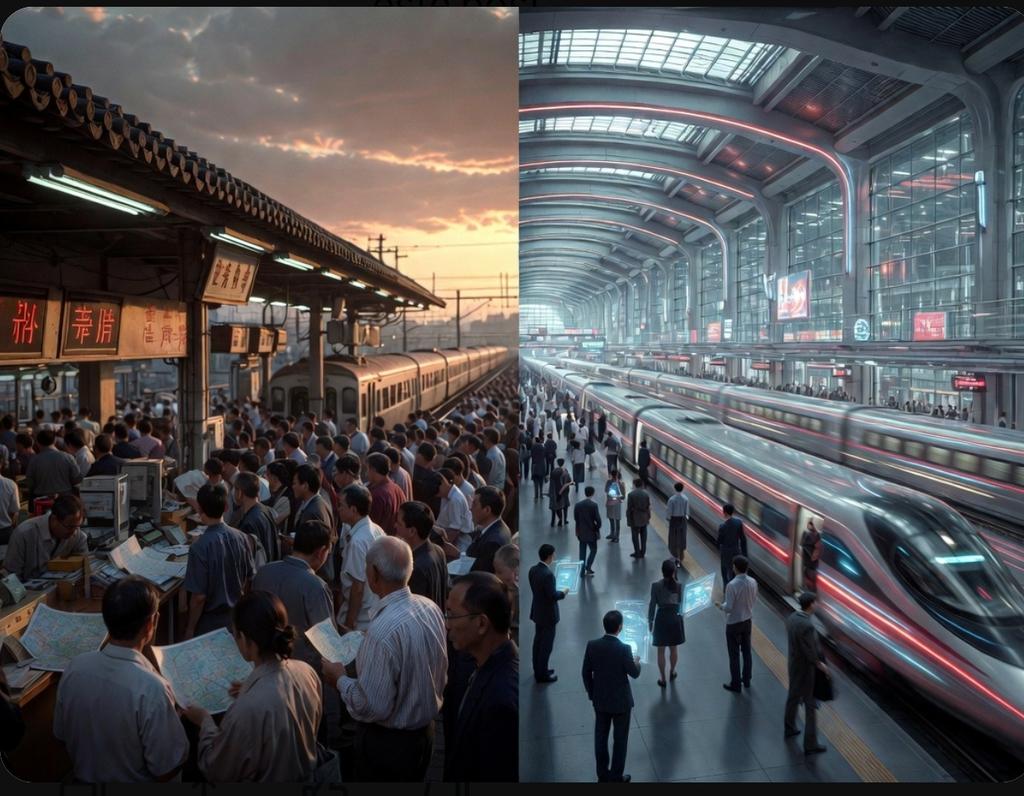
🇨🇳 Viajar en China en 2015 vs 2026
2015: Comprabas el billete de tren en una taquilla con fila de 2 horas
Pagabas todo en efectivo y esperabas cambio
Usabas mapa de papel o preguntabas en la calle
Tardabas 12 horas en ir de Beijing a Shanghai
2026: Compras el billete en 8 segundos con la cara (sin tocar nada)
Pagas todo con el móvil en 1 segundo
El tren de alta velocidad te lleva en 4 horas y media
La app te avisa del andén, te guía con realidad aumentada y te abre la puerta del vagón
China no mejoró el transporte.
Directamente saltó de siglo.
¿Cuál ha sido tu momento más “esto es otro nivel” al viajar o vivir en China?
10
43
79
1,702
Asmed Heredia Ramire retweeted

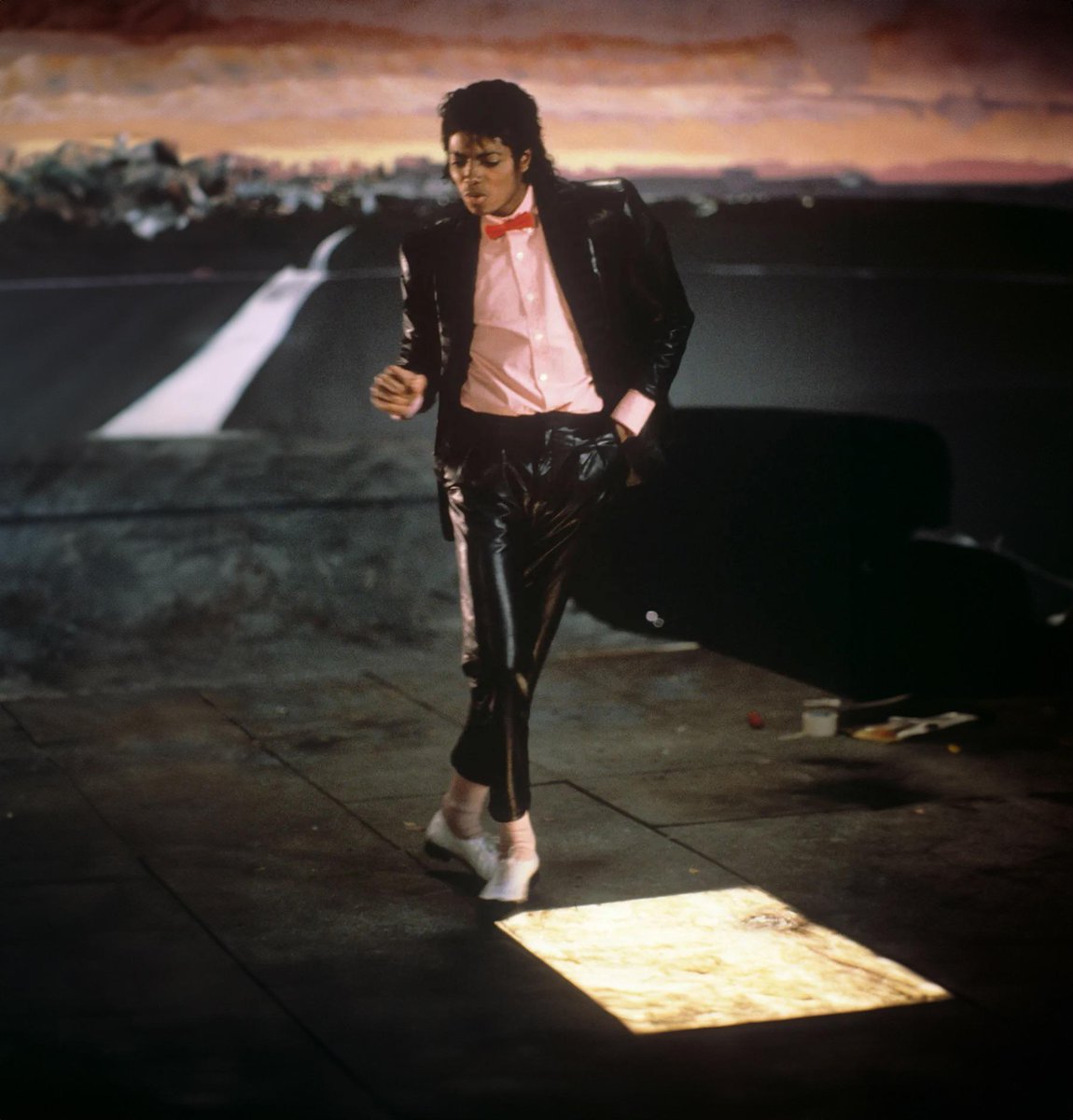
Michael Jackson’s “Billie Jean” music video was the 1st Black American artist’s video to appear on MTV.
16
325
2,219
22,709