Building @cultivariumFRX. I like bio hardware software. Views can be yours too.
Joined October 2007
- Tweets 3,869
- Following 782
- Followers 1,801
- Likes 15,873
262 Photos and videos

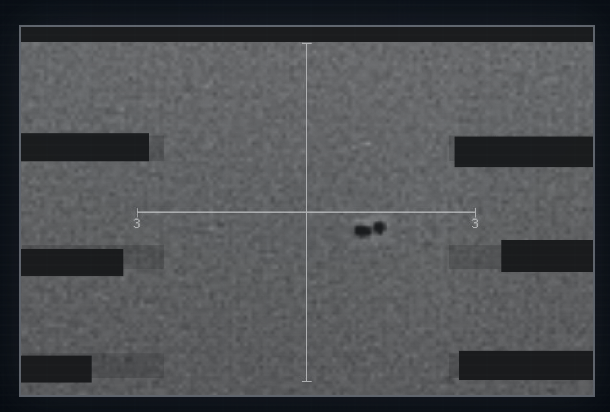

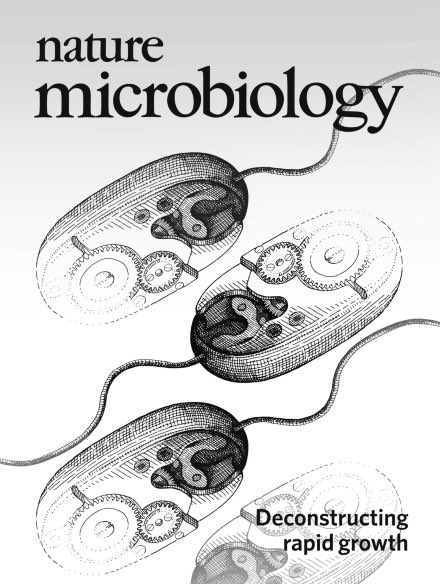
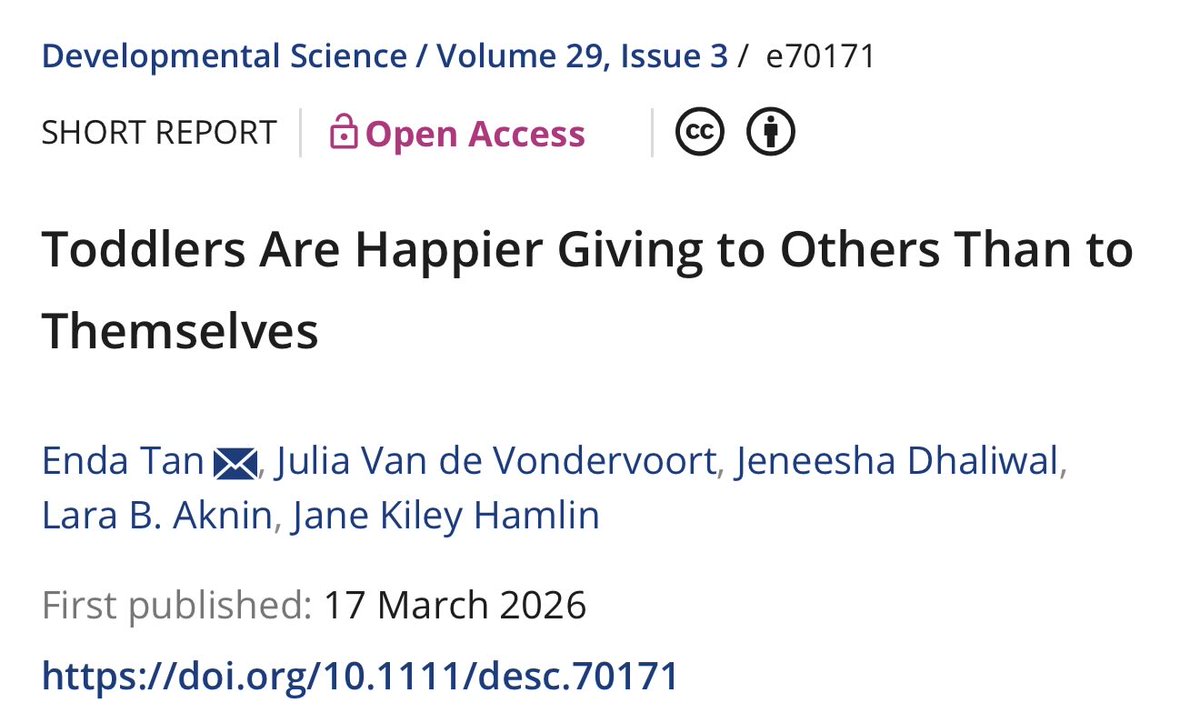

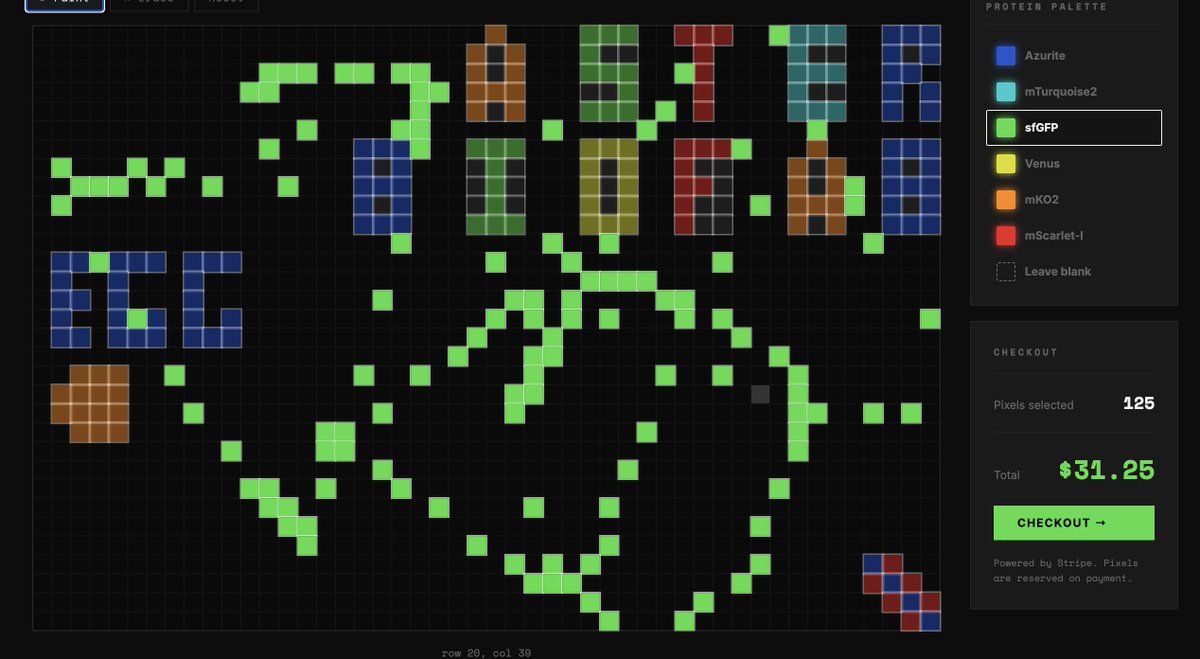


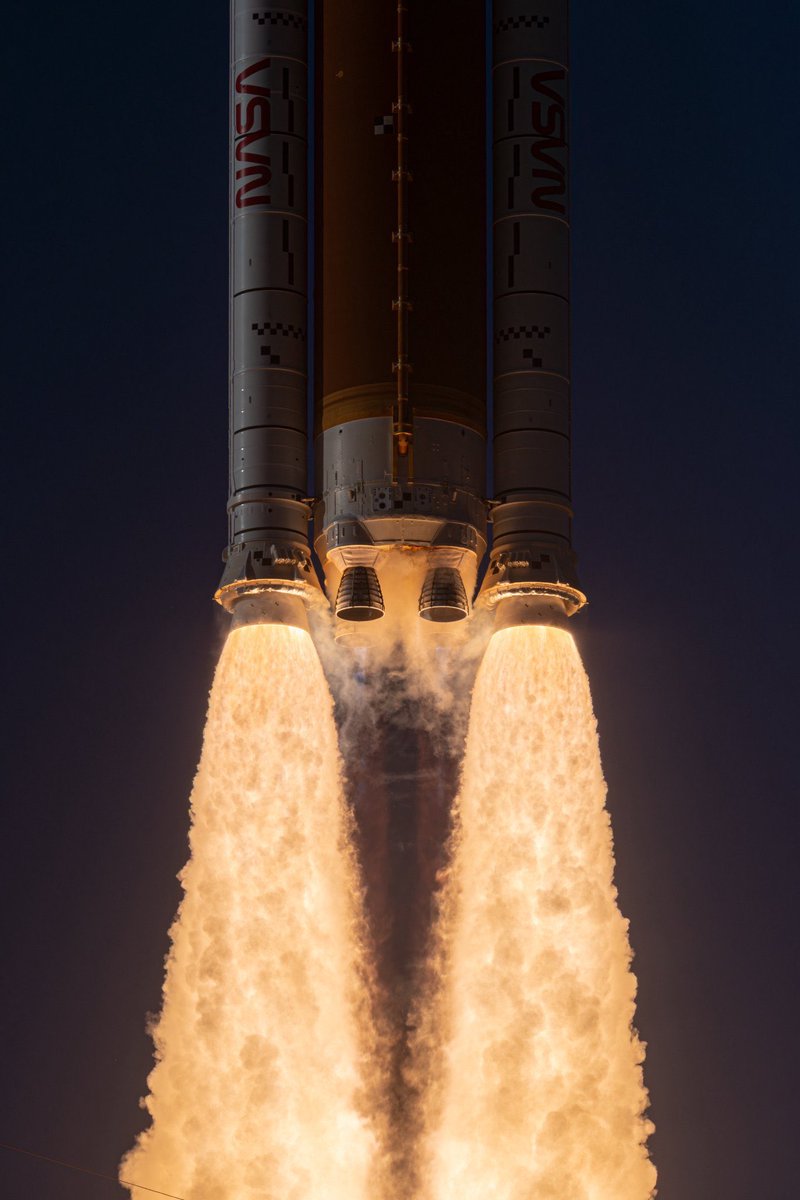
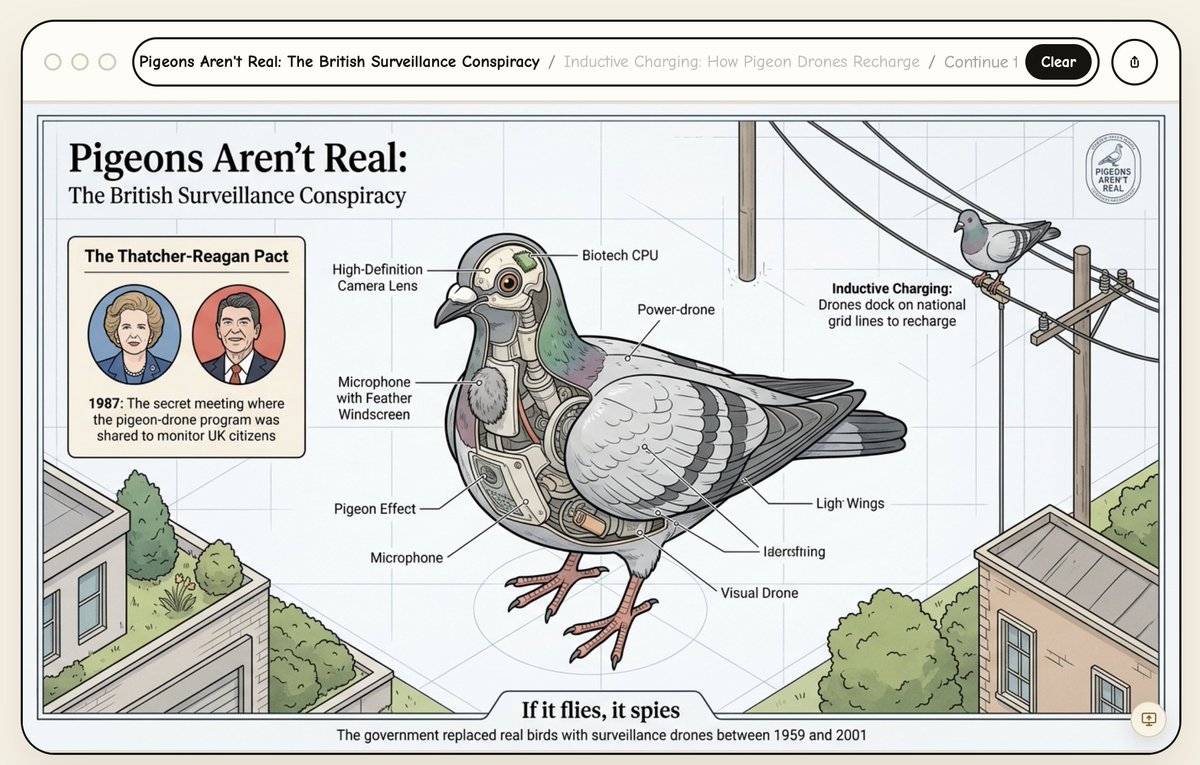
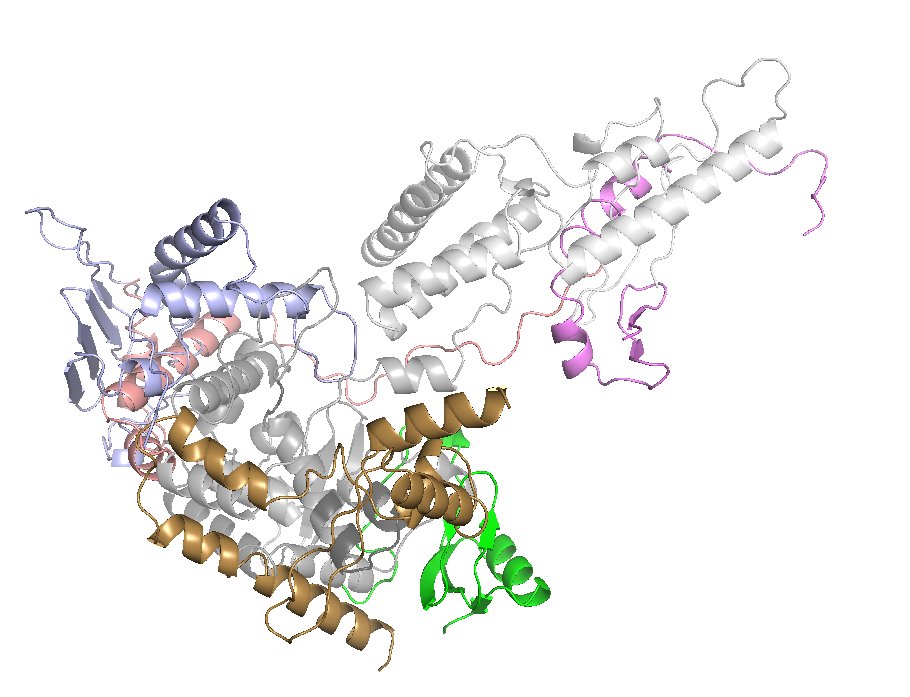
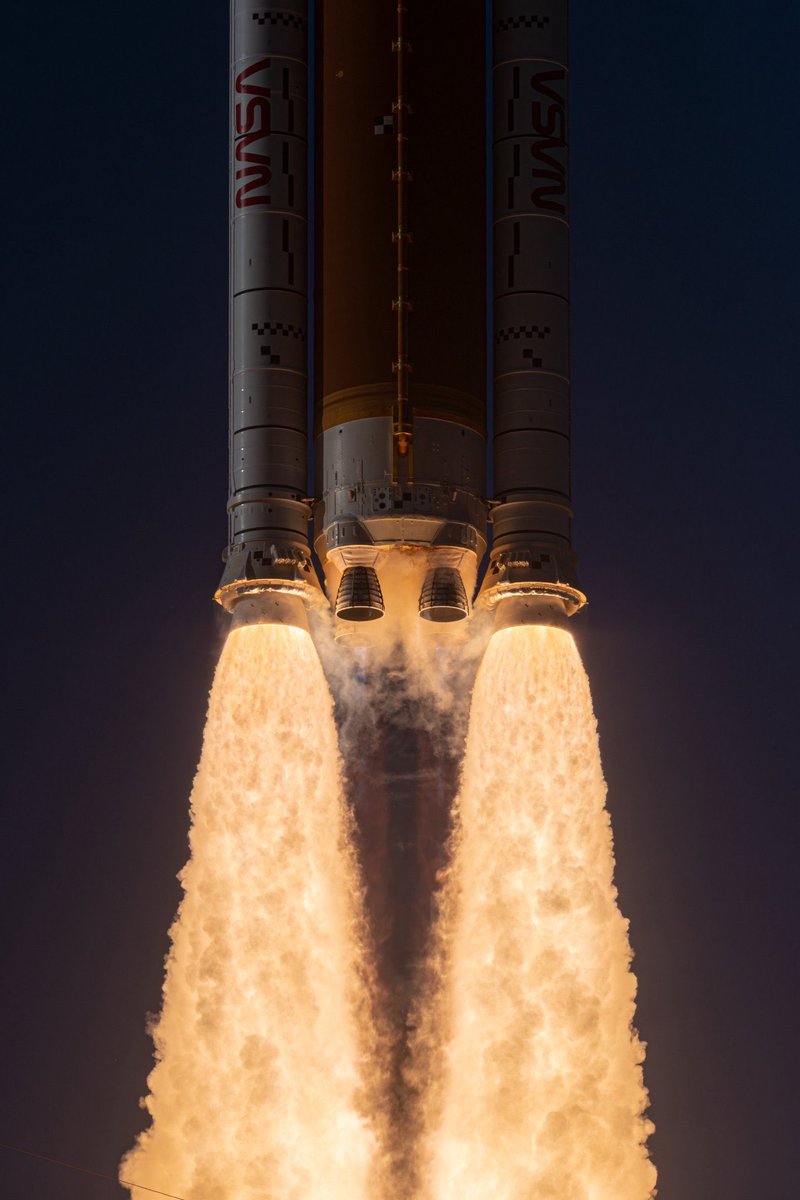

Biotechnology runs on less than 1% of life on Earth—not because the rest isn't useful, but because we can't touch it, yet.
@CultivariumFRX is now open for business as a Frontier Research Contractor to unlock the rest.
Learn more: substack.com/home/post/p-180… and reach out partnerships@cultivarium.org
5
5
37
7,451
Henry Lee retweeted

Jun 13
A written protocol tells you what someone meant to do. It almost never tells you what they actually did. That’s why we’re building PRISM, a tool for video protocols. We’ll be running a hands-on PRISM workshop in SF for the AI Science Summit by @worldwide_studios. Come say hi!
1
3
8
708
Guess the USG pushed to prod
Jun 13

The US government, citing national security authorities, has issued an export control directive to suspend all access to Fable 5 and Mythos 5 by any foreign national, whether inside or outside the United States, including foreign national Anthropic employees.
The net effect of this order is that we must abruptly disable Fable 5 and Mythos 5 for all our customers to ensure compliance.
Access to all other Claude models is not affected.
We apologize for this disruption to our customers. We believe this is a misunderstanding and are working to restore access as soon as possible.
Read our full statement: anthropic.com/news/fable-myt…
206
Henry Lee retweeted

Jun 11
New preprint out 🌱
We present a new T-DNA vector system for Arabidopsis that supports clean, genomically mapped, single-copy T-DNA insertion with predictable cell-type/conditional gene expression.
@MoKhalilLab Gehring labs
biorxiv.org/content/10.64898…
🧵1/16
2
29
69
17,586
Henry Lee retweeted
Jun 11
The paper has many more insights that I hope will help make plant transformation easier and more predictable.
biorxiv.org/content/10.64898…
And we’ll make the plasmids available through Addgene as ASAP!
Huge thanks to everyone involved in @MoKhalilLab and Mary Gehring labs!!
16/16
1
3
8
1,053
Henry Lee retweeted

Jun 11
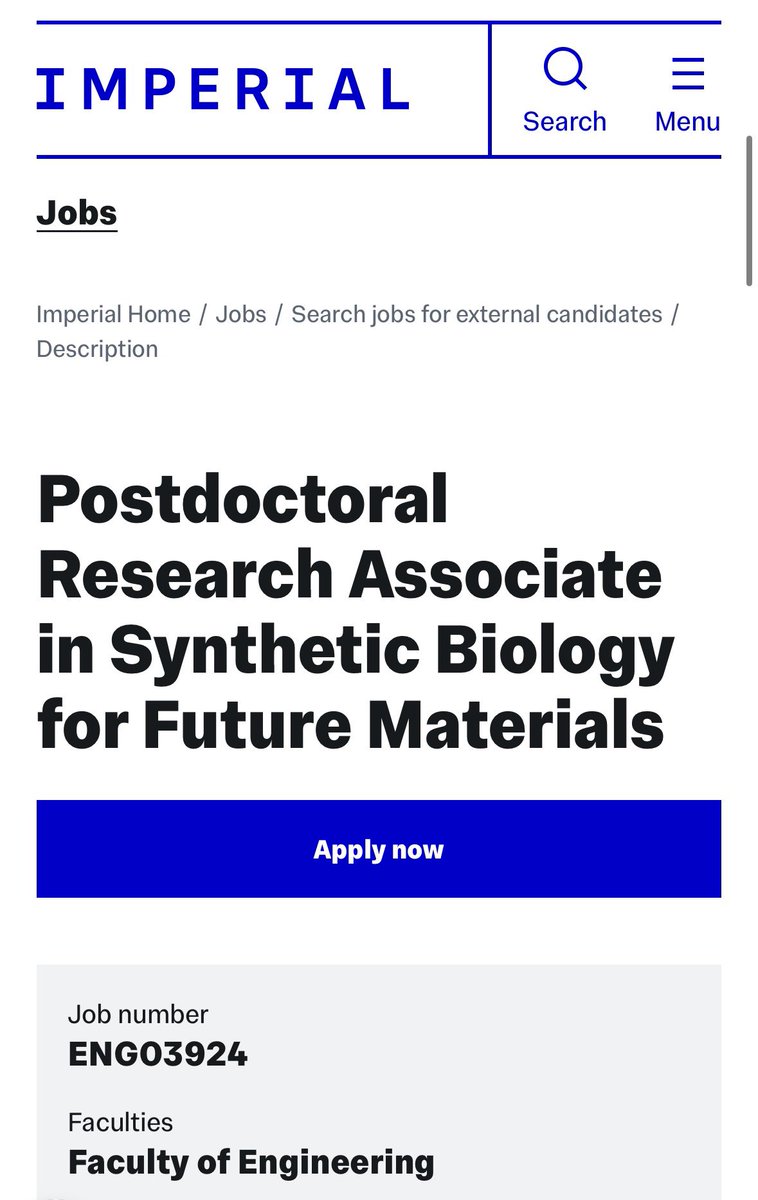
5 days left now to apply for the postdoc opportunity in my lab at Imperial in London 🇬🇧 - there’s a chance that we can hire 2 people into the team on this synthetic biology and materials theme. Application link is here - imperial.ac.uk/jobs/search-j…
22
41
4,663
Henry Lee retweeted

Jun 10
"mom, how did we get so poor?"
"your father had Claude Max, ChatGPT Pro, Cursor Pro and shipped absolutely nothing"

295
935
13,764
699,237
Henry Lee retweeted

Jun 10
I'm a scientist, and most AI tools made me choose between locking into one model or sending my data somewhere I couldn't see. I didn't want either, so we built our own. Open source, runs on your machine, any model you want, 170 scientific skills.
github.com/K-Dense-AI/k-dens…
1
10
367
The bitterist lesson
Jun 9

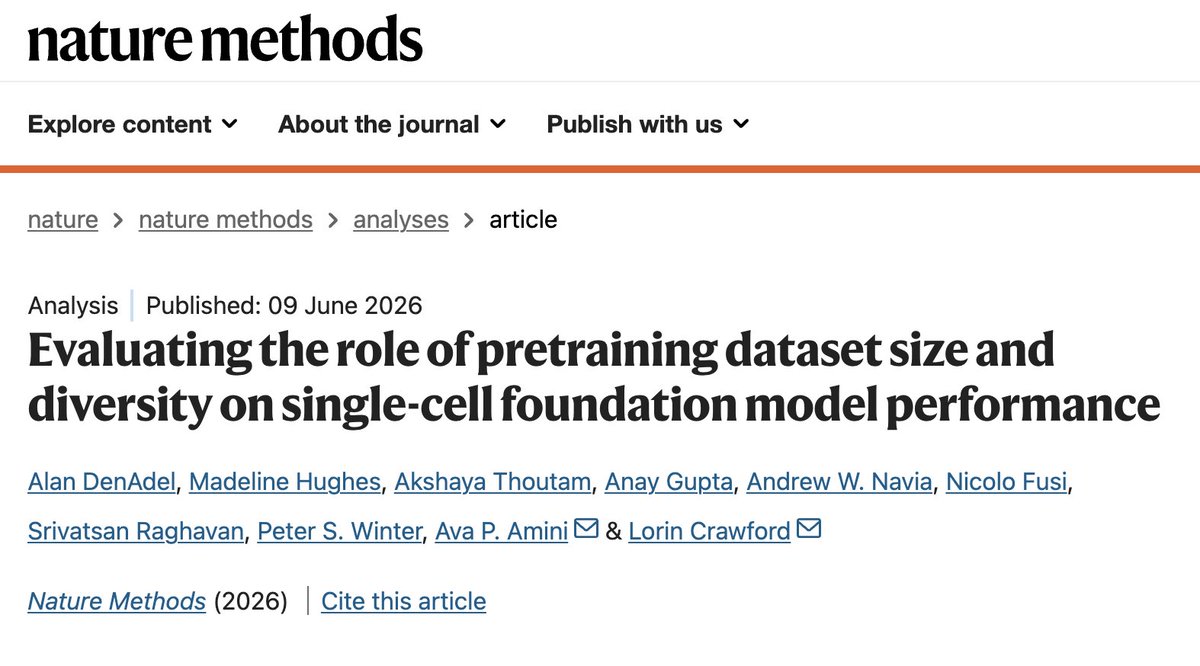
No scaling laws for single-cell foundation models: when bigger atlases stop teaching the model anything
In language and vision, the recipe has been simple: more data, bigger models, better performance. Single-cell biology borrowed that playbook. Foundation models for transcriptomics jumped from 1 million cells to atlases of over 100 million, on the assumption that scale would unlock the same gains. Alan DenAdel and coauthors put that assumption to the test, and the result is sobering.
Working from a 22.2-million-cell corpus, they pretrained 400 models across five architectures (from PCA and a variational autoencoder up to the Geneformer transformer) and ran 6,400 evaluation experiments. They varied not just dataset size (1% to 75%) but also diversity, using cell-type re-weighting and geometric sketching to deliberately enrich rare cell types and transcriptional states.
The finding: performance saturates almost immediately. On cell-type classification, batch integration, and perturbation prediction, most models hit their ceiling at roughly 1% of the corpus, about 200,000 cells. Beyond that, adding millions more cells changed essentially nothing. More diversity didn't help. Even spiking in genome-scale Perturb-seq data, to give the models perturbed phenotypes rather than just healthy ones, failed to move the needle. Larger models did score better overall, but they too plateaued early on data.
Two points stood out. Simple baselines (PCA, logistic regression) often matched or beat the transformers. And the strongest model, SCimilarity, won not because of size but because its contrastive training objective is aligned with the downstream task. For single-cell data, what you train on and how you frame the objective matters far more than how much you collect.
This reframes a quiet but expensive habit. In drug discovery, biotech, and any pipeline leaning on cell atlases, the instinct to keep scaling pretraining corpora may be burning compute for no return. The real leverage sits elsewhere: curating high-quality, task-relevant data and matching the training objective to the actual question you're trying to answer.
Paper: DenAdel et al., journal license | doi.org/10.1038/s41592-026-0…
3
5
67
17,107
BORN JUST IN TIME.
Jun 8

1/ Get this moment right and you get Renaissance Florence. Get it wrong and you get the New Soviet Man —and the twenty million graves that came with him.
AI is a Renaissance. Three of its four pillars are already here. The fourth is on us.🧵
2
327
Ya this is cool. Free face reading.

Introducing a research system that enables passive heart rate monitoring (PHRM) during everyday smartphone use. Using the front-facing camera, it achieves industry accuracy standards for heart rate across all skin tones.
Check out the blog to learn more: goo.gle/4dQTc2B
1
2
7
3,083
What kinda virologists you got tho
Jun 4

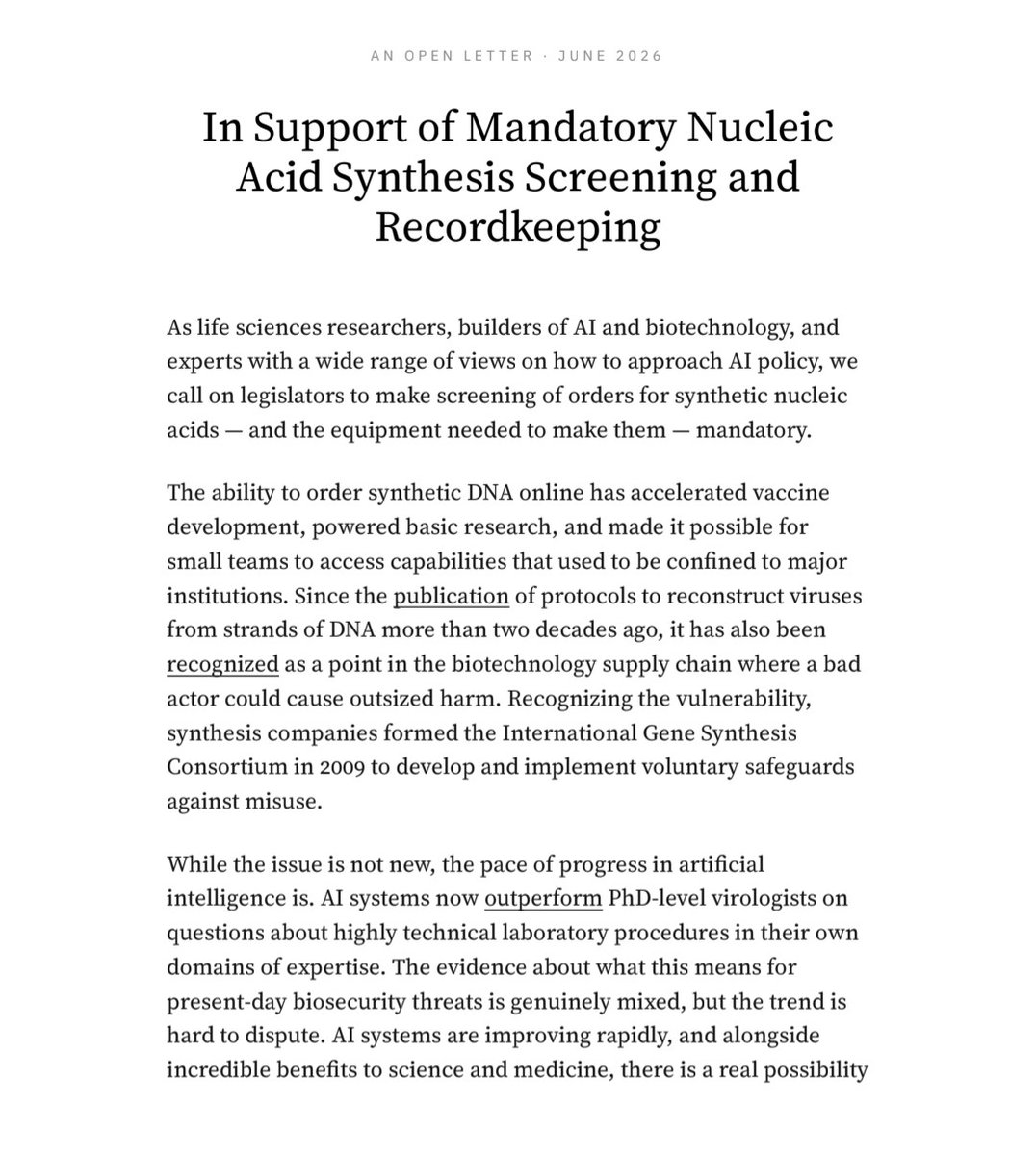
Sam Altman, Dario Amodei, Demis Hassabis and many others have signed a letter urging Congress to increase security on orders of synthetic nucleic acids - and the equipment needed to make them - as models continue to become increasingly bio-capable.
2
3
19
2,780
Henry Lee retweeted

Jun 3
Today, we are launching our research blog!
We’ll use it for technical notes from our work building tools for enzyme and biomolecular design.
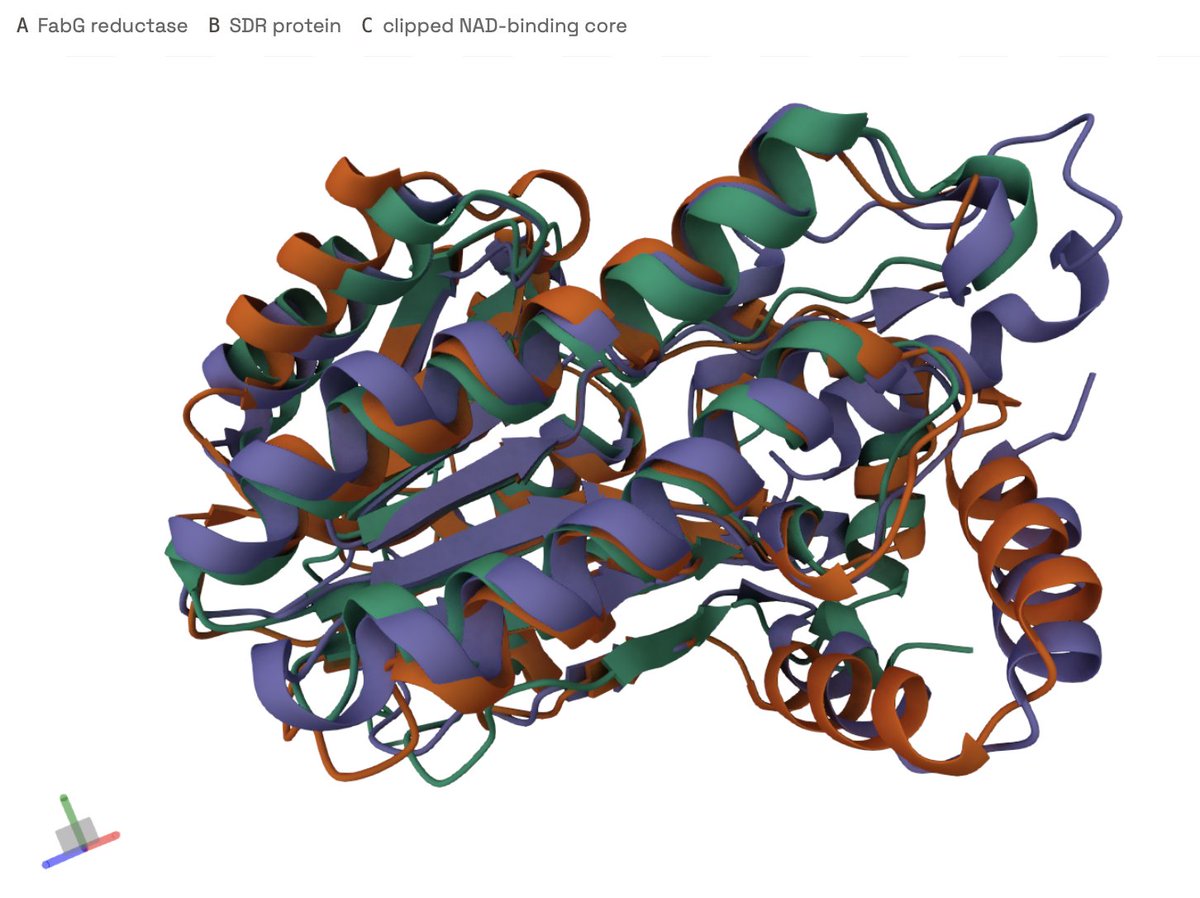
Our first post is about The Unreasonable Redundancy of Nature's Protein Folds.
TLDR: Please don't fold more sequences (1/n)
15
38
254
24,535
Tell me again how we expect torrential downpour of billions to non profits?
Jun 2

Documenting the headwinds I now see for AI.
It won't seem like it, but I love AI and am long-term positive. But when "math doesn't math" I take note.
1. The core thesis for foundation model lab investment has been high upfront investment made worthwhile by significant long-term profits.
2. These are capital intensive businesses and the compute commitments are very high relative to revenue and require strong growth over long time periods. The "leverage" (commitments versus revenue) is extremely high.
3. The fundamentals are not as positive as they previously were:
• Input costs are higher (commodities, chips, power)
• Interest rates are higher
• Competition is more intense
• Scaling Laws are now problematic: exponential costs/power cannot continue
4. Forecasting compute spend is challenging and high risk due to (a) revenue uncertainty and (b) algorithm uncertainty
5. Revenue growth appears to be slowing. The technology is valuable, but ROI is proving to be more expensive and take longer than anticipated.
6. The future is likely "different models for different use cases" with the lower end of the market being highly competitive.
7. Core use cases such as agentic software engineering are likely to need approaches beyond next-token prediction. They are Σ₂ᴾ complexity problems requiring multi-objective optimization and likely a combination of Transformers and other methods.
8. Current forecasts in memory makers are built largely on quadratic attention. That will not persist: we are already seeing work from DeepSeek, Minimax and Nvidia that can cut RAM needs by 80% or more.
9. This means semiconductor valuations are substantially overinflated and will go through the traditional glut versus shortage cycle.
10. For foundation model providers: lower costs with competitive differentiation is good. However, lower costs with a lack of differentiation would mean lower revenues. This makes it harder to (a) service commitments and (b) pay back investors.
11. Leverage is substantially higher than in previous cycles, evidenced by leveraged ETFs, call option activity and margin loans. Korea is particularly susceptible.
12. 0DTE options create a profile that has stronger parallels to portfolio insurance and 1987 than any other point I can remember.
13. The combination of exponential increases in call activity coupled with the ties of semiconductors to structured products means there is a non-trivial systemic risk to the financial system.
14. Implied earnings growth rates are inconsistent with other periods in history.
15. Macroeconomically we cannot and should not fund exponential cost increases. History has shown us repeatedly that there are better ways (see Quick Sort and Simplex).
16. Significant supply is hitting the market via IPOs.
––
Taken together: costs and competition are increasing while revenue growth is likely slowing. Valuations are fragile and prone to technology disruptions that are already here. Systemic financial market risk is extremely high.
3
374
Henry Lee retweeted

May 31
One of the most amazing things I’ve ever seen: a standing ovation for the full Daraxonrasib results
I feel inspired and energised, to put it mildly — we have a targeted therapy for pancreatic cancer now, and nothing is undruggable anymore
104
1,499
9,553
1,972,531
All I see is Huge Plate Experiment @baym
Jun 1

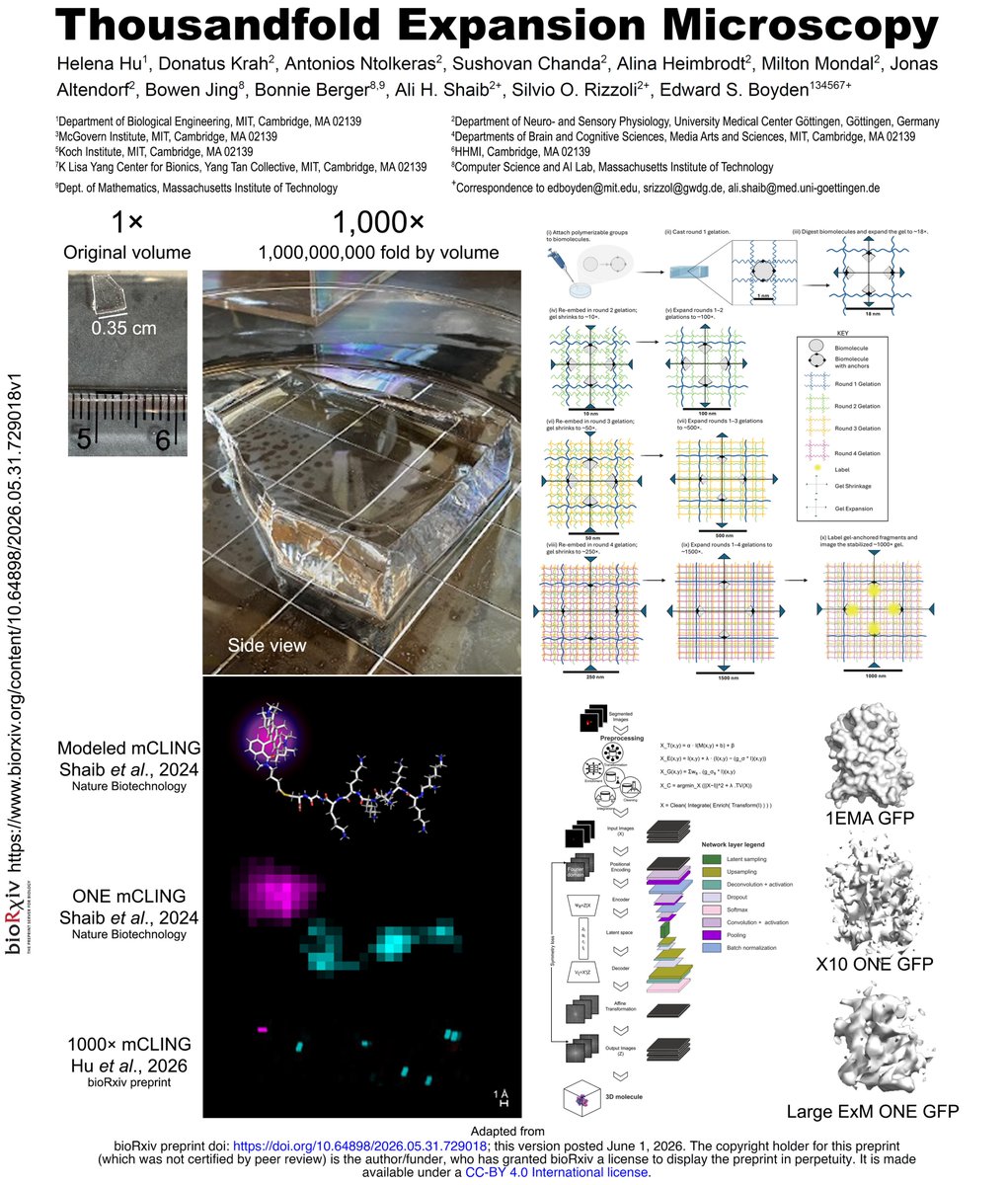
Hello world, meet 1,000× Expansion Microscopy.
1,000,000,000× expansion by volume! A gel that starts at a few centimeters will then expand to the volume of an Olympic swimming pool. biorxiv.org/content/10.64898…
In our new bioRxiv preprint, work carried out between MIT and UMG, led by Helena Hu in collaboration with scientists from the labs of @eboyden3 Ed Boyden, Silvio Rizzoli, and myself, we present Thousandfold Expansion Microscopy.
By enlarging biological specimens across multiple rounds of expansion, molecular-scale features, as small as the distances between adjacent amino acids, can be visualized with conventional optical microscopes.
Democratizing super-resolution microscopy.
2
3
23
4,483
Kal-El has arrived
May 30

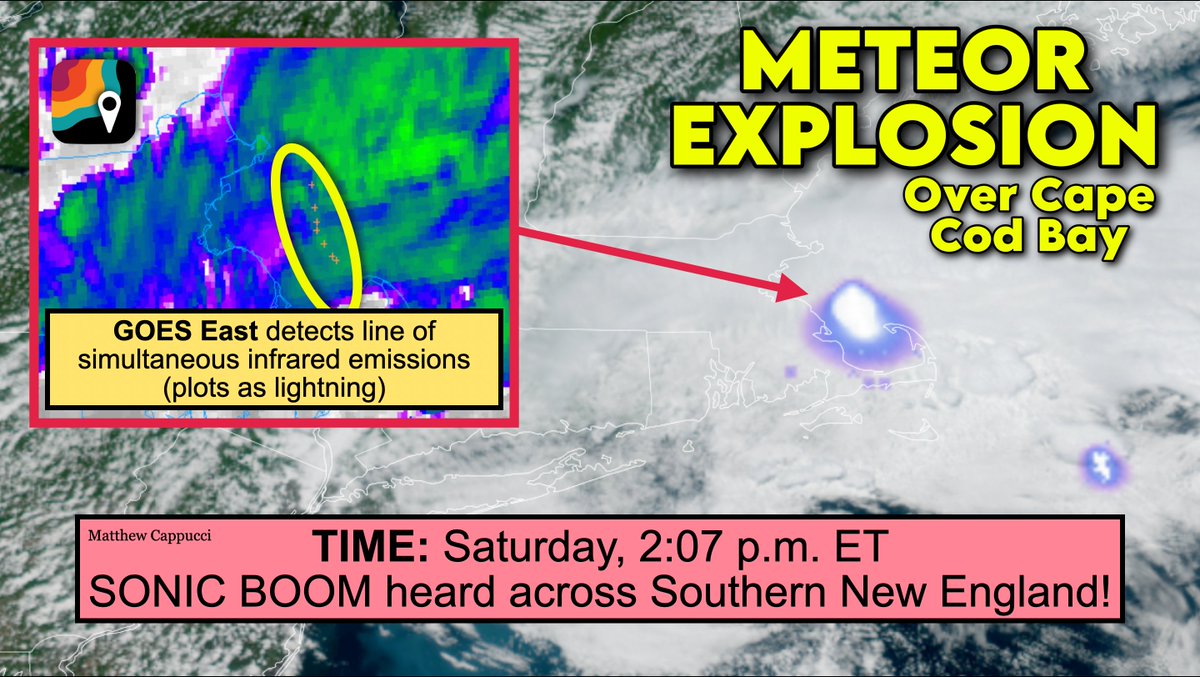
BREAKING: We can confirm that it was an EXPLODING METEOR that produced a sonic boom over eastern Massachusetts and much of Southern New England at 2:07 p.m. Eastern time.
It was cloudy, so there weren't reliable reports. The American Meteor Society has logged several reports of the boom.
United States Geological Survey data confirms it was NOT an earthquake.
The GOES East weather satellite has a geostationary lightning mapper that can detect infrared light emissions. At 2:07 p.m., it plotted a line of simultaneous lightning strikes in a 50 mile-long line. That would be highly unusual for lightning. While there was lightning south of Martha's Vineyard and Nantucket, this was NOT the correct region of the overall storm for lightning, nonetheless a 50 mile-long stretch of it, to occur.
As such, we are comfortable calling this an EXPLODING METEOR. The satellites detected the infrared light emissions.
A few fragments likely fell to earth, but we're reviewing additional eyewitness data and radar data to determine the exact trajectory. (If it was moving southbound as it exploded, then a spattering of fragments probably fell on the Cape.)
3
315
Henry Lee retweeted

May 27
Life sciences expertise is not required, the position can be remote, and pays $75,000-$120,000.
@statnews is a great place to work. Please feel free to email me with any questions!
1
3
553
“Yet engineers stamp work that they haven’t personally produced. Engineering is the field where tools have most fully displaced what was once the engineer’s hands-on work or calculation.”
May 20

I have seen many despairing takes on the recent Nature sequence on automated science. I don’t think there is cause for this. Cheer up,
1. automation will create some new scholarship on the science of science in the near term
2. more means of elucidating physical truth will only increase agency not narrow it
3. more means of generating and leveraging discoveries will only increase demand for experts in science and engineers.
4. many/most fundamental scientific questions are not addressable with today’s experiments, let alone those that can be automated.
The frontier of knowledge will always remain human because we are the only players with stakes. Someone even wrote an extended argument to this effect and you should check it out:
slowvar.substack.com/p/the-f…
1
325
ONT at its tech exponential (2015ish) was IMO the most exciting thing / company in the world. Thanks Clive.
May 20

You know, the only thing I ever feared at Oxford Nanopore, wasn’t failure, wasn’t risk, wasn’t running out of money, wasn’t personal criticism, wasn’t the technical challenges……. It was customer/ investor indifference.
10
1,466