
America First “There’s nothing hidden that will not be revealed” Telegram -@Dpann85 Backup - @Stillpann
Joined June 2021
- Tweets 62,284
- Following 8,805
- Followers 30,383
- Likes 164,418
6,777 Photos and videos






𝕻𝖆𝖓𝖓𝖘𝖙𝖎𝖌𝖆𝖙𝖔𝖗 retweeted

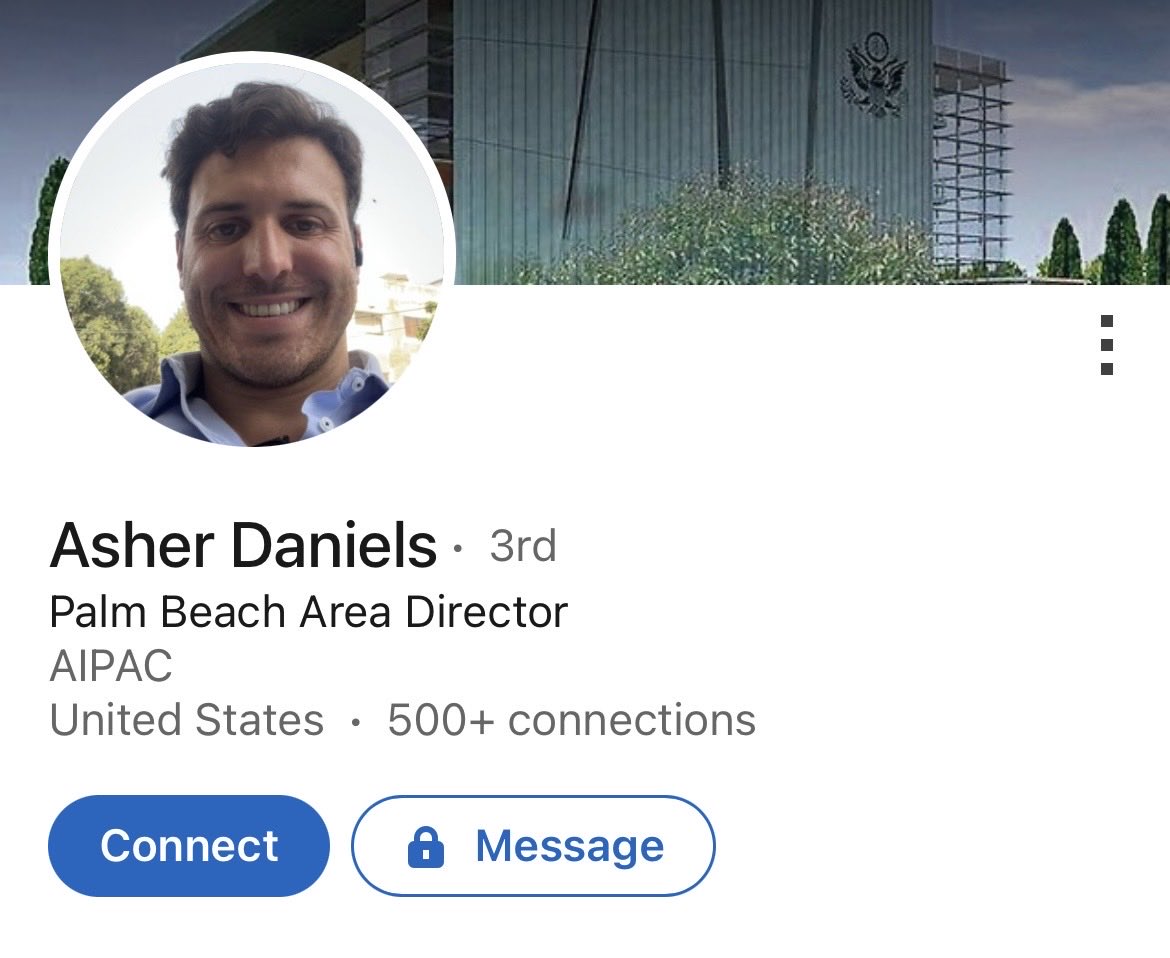
Bahahaha I'm not at all surprised.

The guy who never faced charges for opening the senate fire doors on January 6 has a new job.
1
18
104
3,697
𝕻𝖆𝖓𝖓𝖘𝖙𝖎𝖌𝖆𝖙𝖔𝖗 retweeted

Donald Trump is a Bond Servant to Israel
36
227
553
6,929
What is a shabbos goyim?

"I'm done hating Jews."
He was one of the most notorious online antisemites.
But today, @LucasGageX is a changed man.
Full episode: youtu.be/x1ZARrXa7UA?is=n5u8…
3
7
107
My X feed looks like it was personally curated and delivered by the US-Israeli military-industrial apparatus.
3
1
16
160
𝕻𝖆𝖓𝖓𝖘𝖙𝖎𝖌𝖆𝖙𝖔𝖗 retweeted

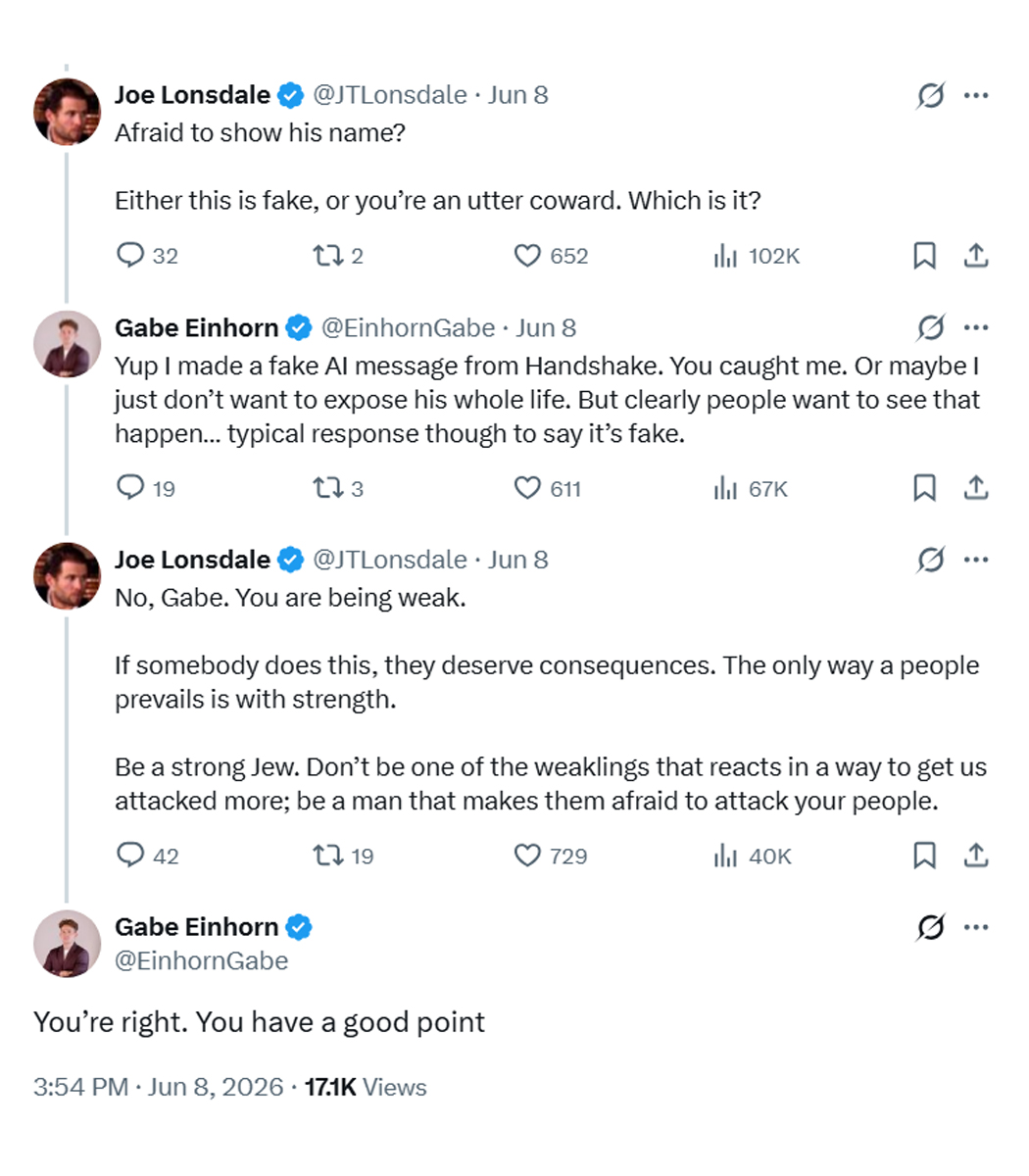
Wow such lovely people.
Who WOULDN’T want to work for people like this??
Who wouldn’t want to work for vengeful extremists who will destroy your life for merely not wanting to be under their control?
Lmao Cornell Student immediately vindicated.
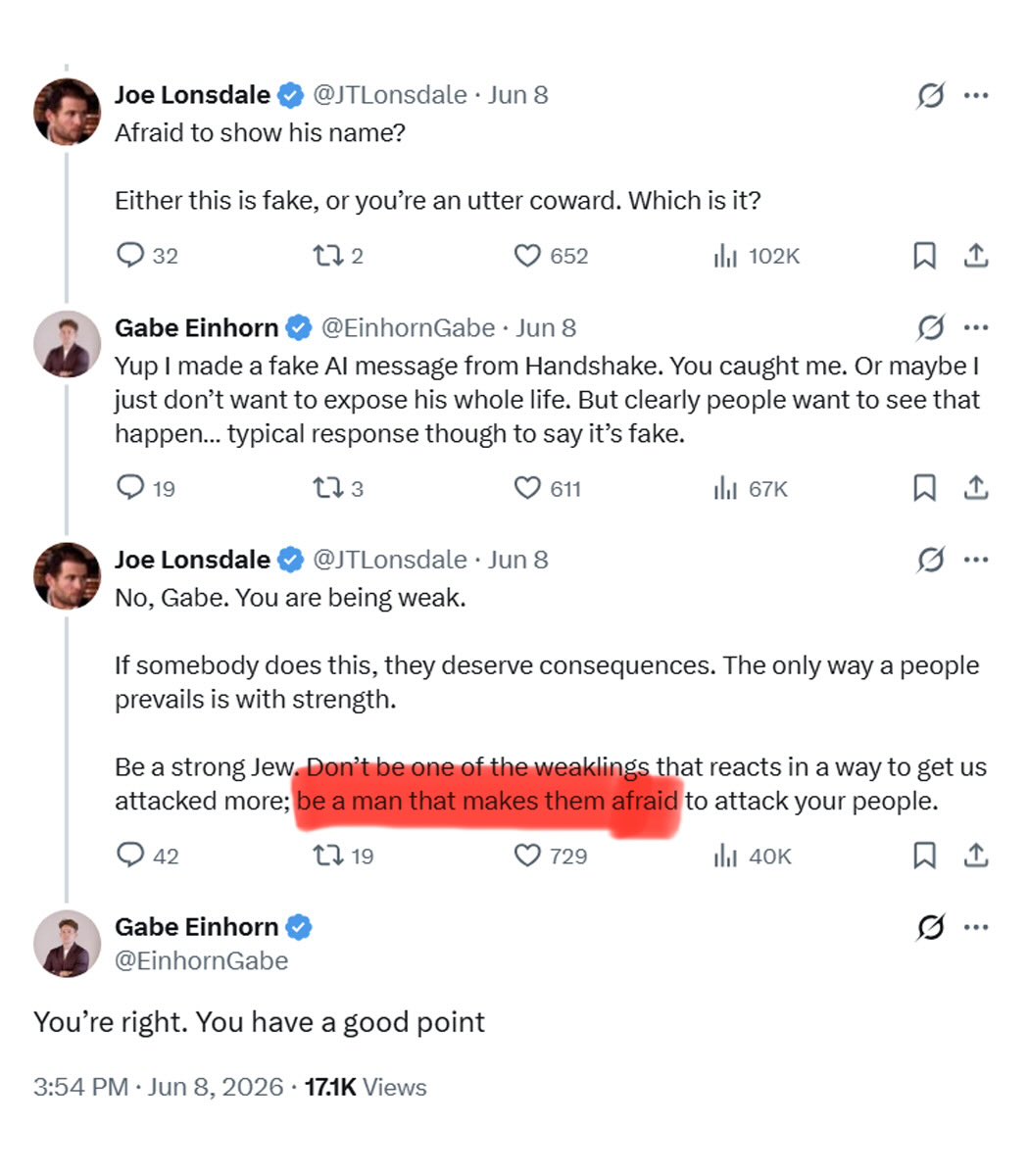

Jewish co-founder of Palantir is responsible for doxing the Cornell student btw

28
172
1,031
15,221
𝕻𝖆𝖓𝖓𝖘𝖙𝖎𝖌𝖆𝖙𝖔𝖗 retweeted

Jun 10
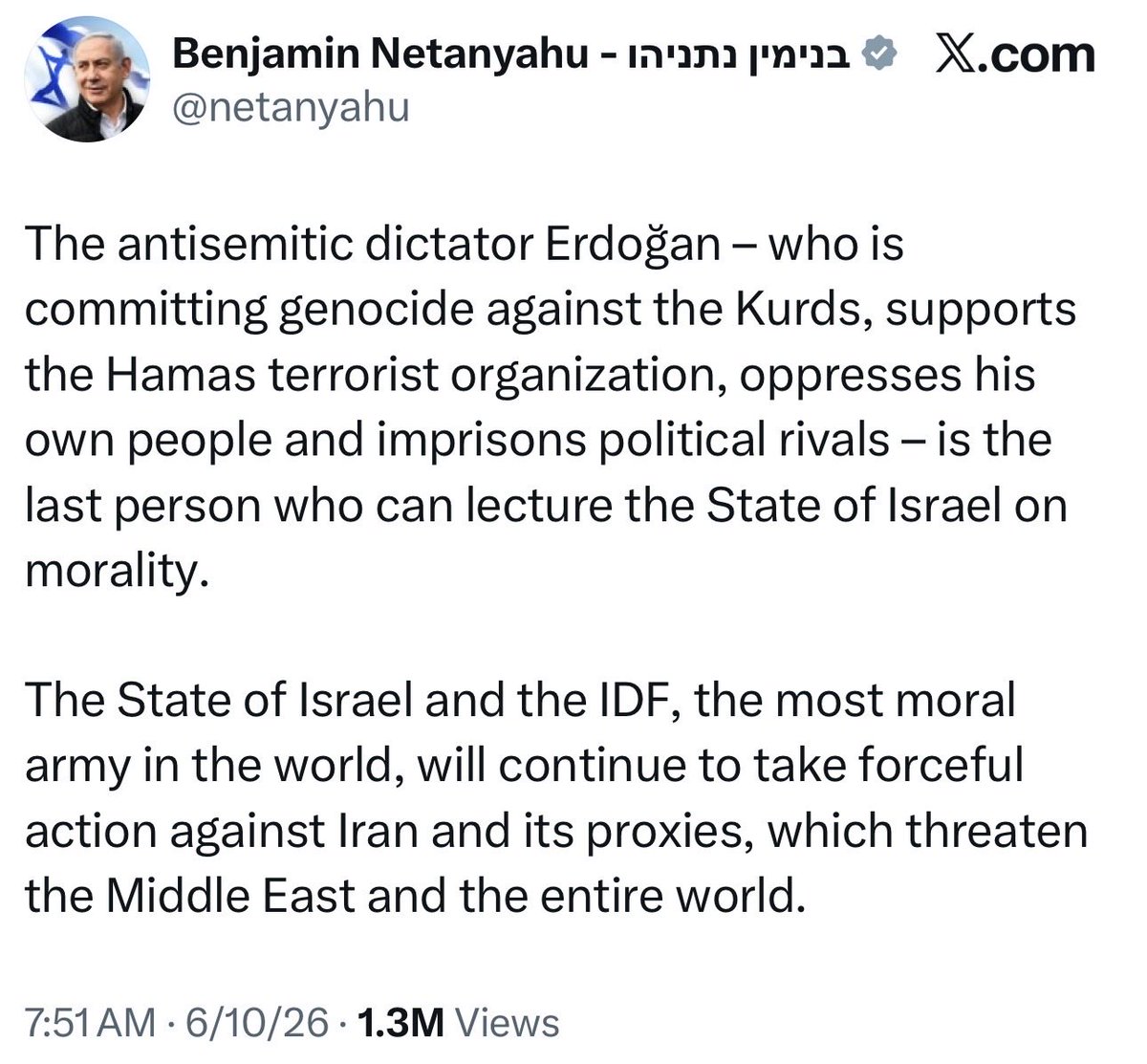
They’re laying the groundwork for a future war with Turkey, a current NATO ally.
Is this the real reason why the Trump Administration is talking about withdrawing from NATO?
101
219
570
14,720

Jun 10
Homosexual entrepreneur and venture capitalist focused mostly on building an AI surveillance state back doored by Israel, who has an obsession with the antichrist and isn’t sure if the human race should survive and is leaving for Argentina
Jun 10

Who even is Peter Thiel?
23
113
410
11,451
Jun 10

1
4
19
611
𝕻𝖆𝖓𝖓𝖘𝖙𝖎𝖌𝖆𝖙𝖔𝖗 retweeted

Jun 10
Jonathan was incarcerated and has been held without bail since January of this year due to his Twitter comments. It has recently come to light that his attorney is also representing a client of the Southern Poverty Law Center (SPLC), which conflicts with Jonathan’s legal representation.
Please assist Jonathan in obtaining independent legal representation.
Jun 10

🚨Help Jonathan Secure New Legal Counsel and Defend Free Speech.
Jonathan Cagle has been locked up since January over posts made on X.
He remains jailed without bond to this day.
He has no criminal record and has never been violent.
This case strikes at the heart of the Constitution. It is an attack on free speech that will set a dangerous precedent for all Americans as our rights are steadily eroded. Jonathan was exposing what he viewed as Zionist corruption in our government.
His paid attorney skipped a conflict check, hid the conflict for over 4½ months, and only disclosed it after being questioned for an hour on his total inaction.
The attorney then admitted to representing an SPLC client.
We have a strong new attorney ready now and fully prepared to take the case immediately, mount a vigorous defense for Jonathan, and investigate the 3-year coordinated campaign targeting him and others.
All funds will go directly to new representation and family support.
Jonathan needs your help today! 🙏
Please share this campaign.
Thank you all so much.
givesendgo.com/GN21D
4
28
77
7,812

𝕻𝖆𝖓𝖓𝖘𝖙𝖎𝖌𝖆𝖙𝖔𝖗 retweeted

Jun 7
The magnitude of what just happened may take some time to sink in.
This is the first time Iran has struck Israel after Israel struck another country's territory (that is, not Iran).
This means that the battle lines have been moved.
Iran's deterrence had already been restored in the sense that Israel knew that any strike on it would be responded to.
But now, Iran has proven that it will also respond to Israeli strikes on Lebanon.
This is the first time in decades that a regional power has the means, capacity, and willingness to put hard power against Israeli military maneuvers or aggression against a third party.
Read full analysis here: tritaparsi.substack.com/p/th…

1,522
12,824
55,924
4,097,790
𝕻𝖆𝖓𝖓𝖘𝖙𝖎𝖌𝖆𝖙𝖔𝖗 retweeted

Jun 8
Netanyahu just told Trump to go f*ck himself.
The ONLY acceptable response from Trump now is a complete withdrawal from the region. Otherwise he proves once and for all that he really is Netanyahu’s bitch.

BREAKING: Israeli strikes in Tehran, Isfahan and Tabriz
216
1,119
5,963
104,975
𝕻𝖆𝖓𝖓𝖘𝖙𝖎𝖌𝖆𝖙𝖔𝖗 retweeted
Jun 7
“No more wars, I’m the candidate for peace”
- Donald J Trump

Trump on no new wars promise: I didn’t promise anything.
Community note
Trump repeatedly promised during his 2024 campaign not to start new wars. nytimes.com/live/2026/06/0… x.com/DecodingFoxNew…
46
458
2,099
71,959
𝕻𝖆𝖓𝖓𝖘𝖙𝖎𝖌𝖆𝖙𝖔𝖗 retweeted
Jun 6
Snowden tried to warn you...it's the jews
May 15

How crazy is it that Edward Snowden tried to warn everyone about these exact programs 13 years ago in 2013 and he was mostly ignored because the government told us he was “A Traitor”.
If I’ve learned one rule in life it’s don’t trust or believe what the government tells you to.
74
2,722
11,075
240,634
𝕻𝖆𝖓𝖓𝖘𝖙𝖎𝖌𝖆𝖙𝖔𝖗 retweeted
Jun 6
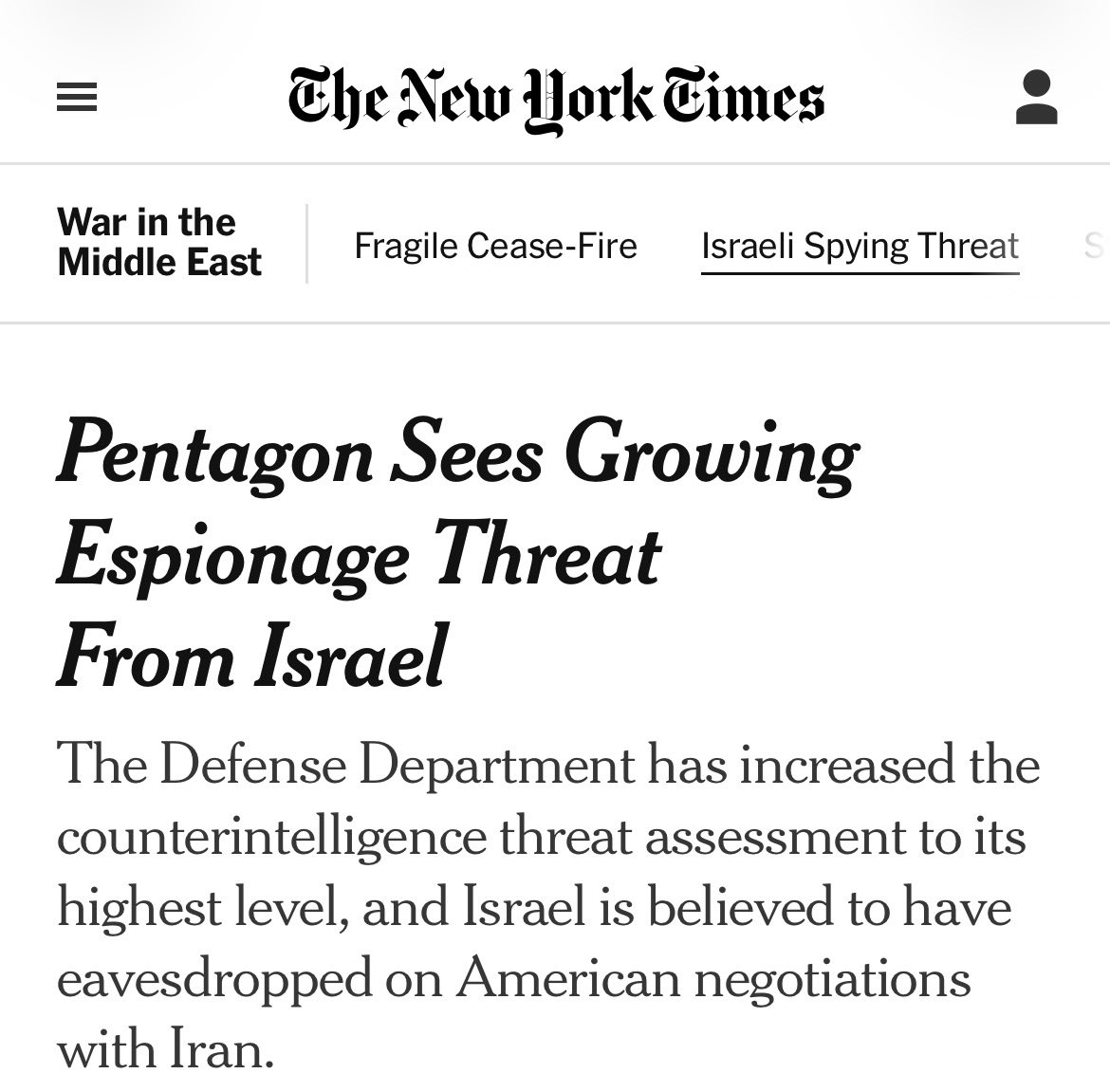
US Intelligence : 30 years of reports—Israel is the #1 spy against America!!!
Congress: “Here’s the keys to the vault, unlimited aid, and our foreign policy. Love you guys!” Is it the beginning
of Trumps Golden Age yet?
Jun 6

Israel & its lobby are attempting a complete takeover of our gov thru a myriad of bills.
One bill virtually no one is talking about is @SenTomCotton’s Section 622, of the FY27 Intelligence Authorization Act which locks US into permanent unbreakable intel entanglement with Israel
26
251
546
34,994
Jun 8
What was Hitlers real crime that caused Judea to declare war on Germany, the first declaration of war during World War II? Just like many world leaders after him is crime was trying to rid the country of its jewish banking system. x.com/petrogustavo/status/20…
Jun 7

Heil Hitler
3
27
104
2,546
Jun 8
Common patterns of world leaders being overthrown or murdered for opposing central banking -
-Libya (Muammar Gaddafi, overthrown/killed 2011): Gaddafi’s Libya had its own central bank but pushed for a pan-African gold dinar and African Central Bank to challenge the US dollar, French CFA franc, and Western financial influence. This was cited in discussions (e.g., Clinton emails) alongside oil and regional power motives for the NATO-backed intervention.
- Iraq (Saddam Hussein, overthrown 2003): Iraq had a Central Bank of Iraq (state-controlled under Saddam). The invasion involved oil, WMD claims, and geopolitics. Post-invasion, the banking system was reconstructed along market lines with international involvement. Pre-invasion, Iraq used oil sales in euros (anti-dollar move) at times, but this was secondary.
- Congo (Patrice Lumumba, assassinated 1961): Early independence leader opposed Belgian colonial economic control (including monetary arrangements via the Belgian-backed central bank setup). Focused on resource sovereignty (e.g., Union Minière) and neutrality (sought Soviet aid). CIA/Belgian involvement in his removal tied more to Cold War fears and mining interests than a “global central bank.”
- Afghanistan: Multiple regime changes (e.g., Taliban 2021); had a central bank, but instability and sanctions dominated. Not primarily banking-driven.
- Iran, North Korea, Cuba, Syria, Venezuela: Longstanding opposition to US dollar/IMF influence, heavy sanctions, but no recent full overthrows of leaders via invasion (regime survival or ongoing tensions). They generally maintain their own (state-influenced) monetary systems.
- Chile (Salvador Allende, 1973 coup): Nationalized industries/banks; economic chaos and US opposition played roles, but broader anti-socialist motives.
6
13
459
Jun 8
Soo I guess 𝕏 really is the everything app? We’ve got em all and they’re involved in literally everything, usually controlled by a jew in the middle.
2
12
71
1,699
𝕻𝖆𝖓𝖓𝖘𝖙𝖎𝖌𝖆𝖙𝖔𝖗 retweeted

Jun 7
DataRepublican says I see Israel ops everywhere because I have “cognitive bias”.
She says NCRI is based & honest because she knows their current funders & they are not Israel.
This is a “data guru” who somehow misses the most obvious & readily available info on Israel🤔
NCRI👇🏼
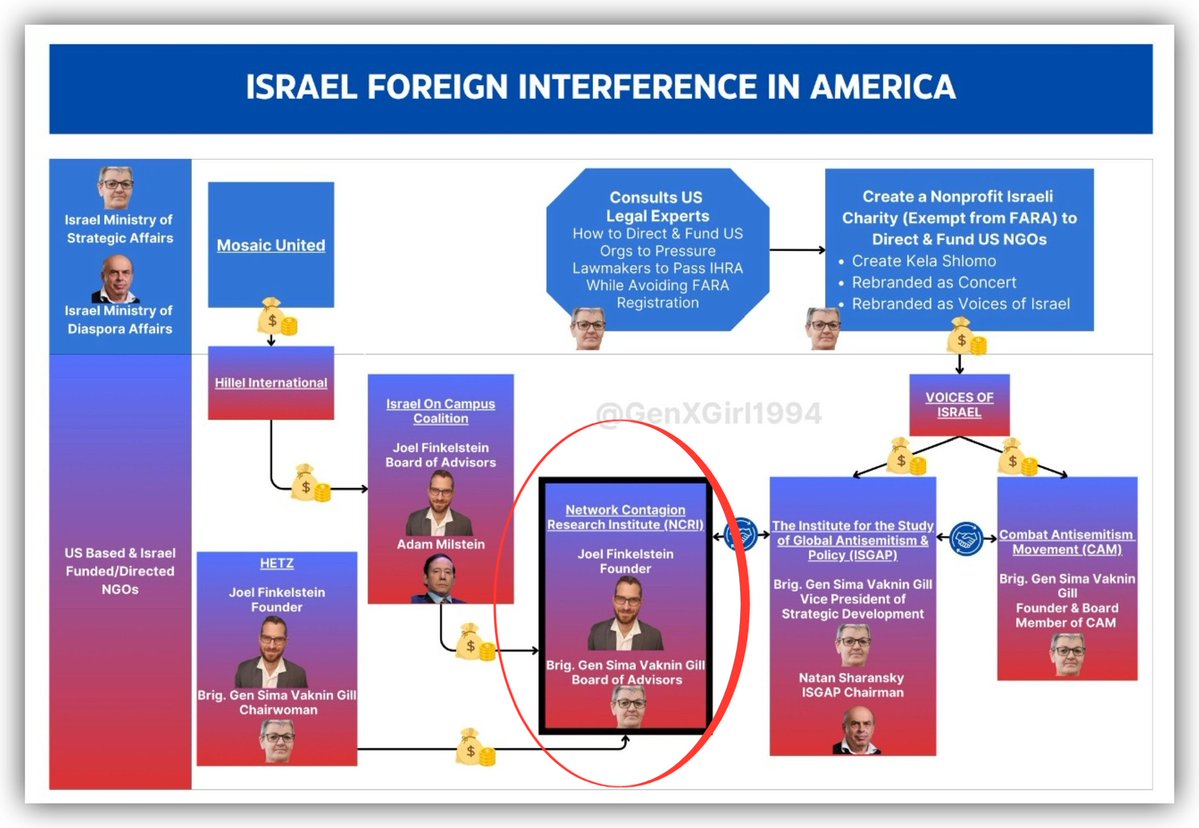

Have you ever considered the reason you see Israel ops everywhere, myself included, is because of a cognitive bias? I have friends of NCRI and they are as based and honest as it gets. They’ve recently been hiring evangelical Christians into leadership. I know who their current funders are, and they’re not Israel.
85
297
1,028
38,725