
Software developer in progress · 1% better daily · Building with Web3, Web Dev & ML
Joined November 2023
- Tweets 92
- Following 355
- Followers 19
- Likes 60
16 Photos and videos

Mar 11
Hour 10 ⚡
Cargo commands can operate across the entire workspace.
Example:
cargo check --workspace
This runs checks for every crate at once.
Huge productivity boost for multi-crate projects.
#RustLang
1
25
Mar 11
Hour 9
Cargo workspaces encourage modular architecture.
Instead of one massive crate:
project/
core/
api/
cli/
Each component becomes a crate.
Result:
• clearer boundaries
• faster builds
• better dependency control
#RustLang
25
Mar 11
Hour 8
Cargo supports override mechanisms like [patch].
This allows replacing dependencies during development.
Example use case:
• testing a local version of a crate
• hotfixing a dependency
Very powerful for large Rust ecosystems.
#RustLang
19
Mar 11
Hour 7
Dependency resolution philosophy in Cargo:
Define dependencies once in the workspace,
[workspace.dependencies]
rand = "0.8"
Then reuse them in crates:
rand.workspace = true
This ensures consistent versions across the entire project.
#RustLang
18
Mar 11
Hour 6
Cargo also supports workspace inheritance.
Example:
[workspace.package]
version = "1.0.0"
Every member crate can inherit it with:
version.workspace = true
This avoids repeating metadata everywhere.
#RustLang
16
Mar 11
Hour 5 🧩
Workspace members can be declared like this:
[workspace]
members = ["crates/*"]
This simple glob pattern can include dozens of crates.
Rust projects often organize code like:
crates/
core/
cli/
utils/
Clean architecture.
#RustLang
22
Mar 11
Hour 4 🔎
Cargo Workspaces introduce two patterns:
1️⃣ Root package workspace
2️⃣ Virtual workspace
A virtual workspace has no package of its own.
It only manages member crates.
This is common in large monorepos.
#RustLang #BuildSystems
17
Mar 11
Hour 3 🧠
Interesting Cargo design decision:
All crates in a workspace share the same target directory.
Why?
- So compiled artifacts can be reused.
- This drastically speeds up builds in large projects.
- Rust tooling feels very thoughtfully engineered.
#RustLang #DeveloperTools
19
Mar 11
Hour 2 📦
Cargo philosophy I’m noticing:
Instead of each crate managing dependencies separately,
a workspace centralizes dependency resolution.
This means:
1 lockfile
1 dependency graph
multiple crates
Result → reproducible builds.
#RustLang #SystemsProgramming
17
Mar 11
Hour 1 🚀
Learning Rust’s package manager today.
Key idea:
A workspace in Cargo is a collection of multiple packages (crates) managed together.
Why it matters:
• Shared Cargo.lock
• Shared target/ build directory
• Consistent dependency resolution
#RustLang #LearnInPublic
19
Feb 18
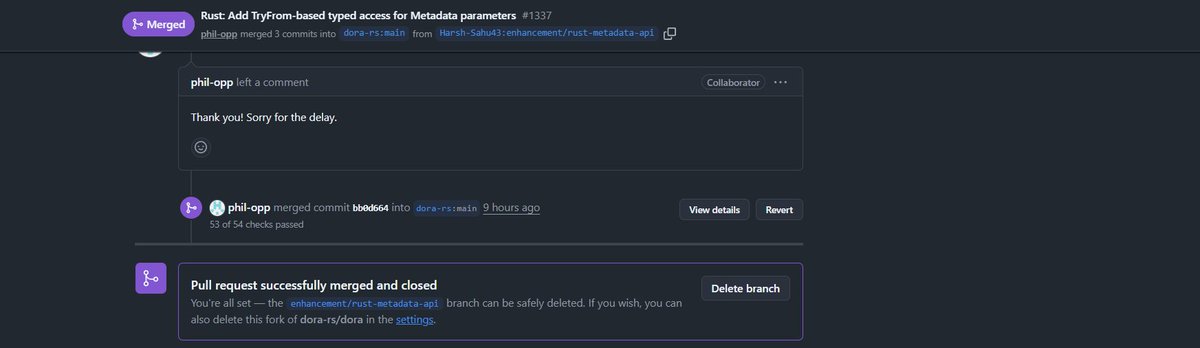
so far Opensource contribution journey. 7PR, 3 got merged. still contributing in RUST.
24
Feb 15
Since few days, I am not posting my daily things, because I have been busy in open source, contributing as part of gsoc, still I'm focusing on rust there. But later I realised why I am not posting on twitter, so from now will be posting whatever I am doing whole day.
34
Jan 24
Day 32/180
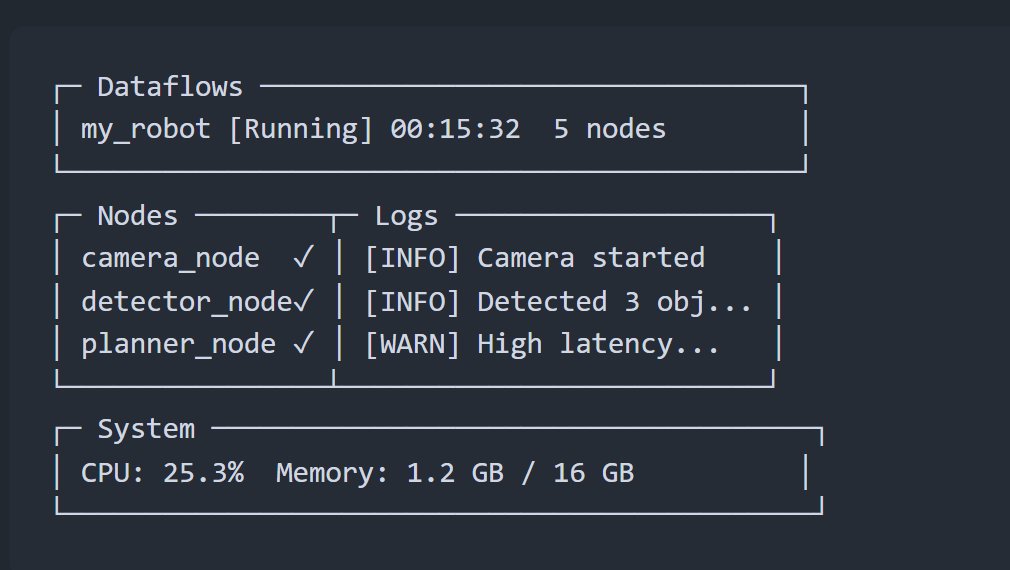
today I have been exploring ratatui.rs/templates/
crate to build cli interfaces.
also did rustbook : ch14
14.3. Cargo Workspaces
31
Jan 22
Day 31/180
these days I have been exploring open source org,
found dora-rs pretty intresting for rust contibutions.
#LearningInPublic #180DaysofCode
37
Jan 21
Day30/180
spent whole day exploring and solving issue in open source repo.
28
Jan 19
Day 29 of #180DaysOfRust
Morning: Contributing to GSoC project (CCExtractor
tasks).
Afternoon: rustbook : moving to Chapter 14 (Cargo and
Crates).
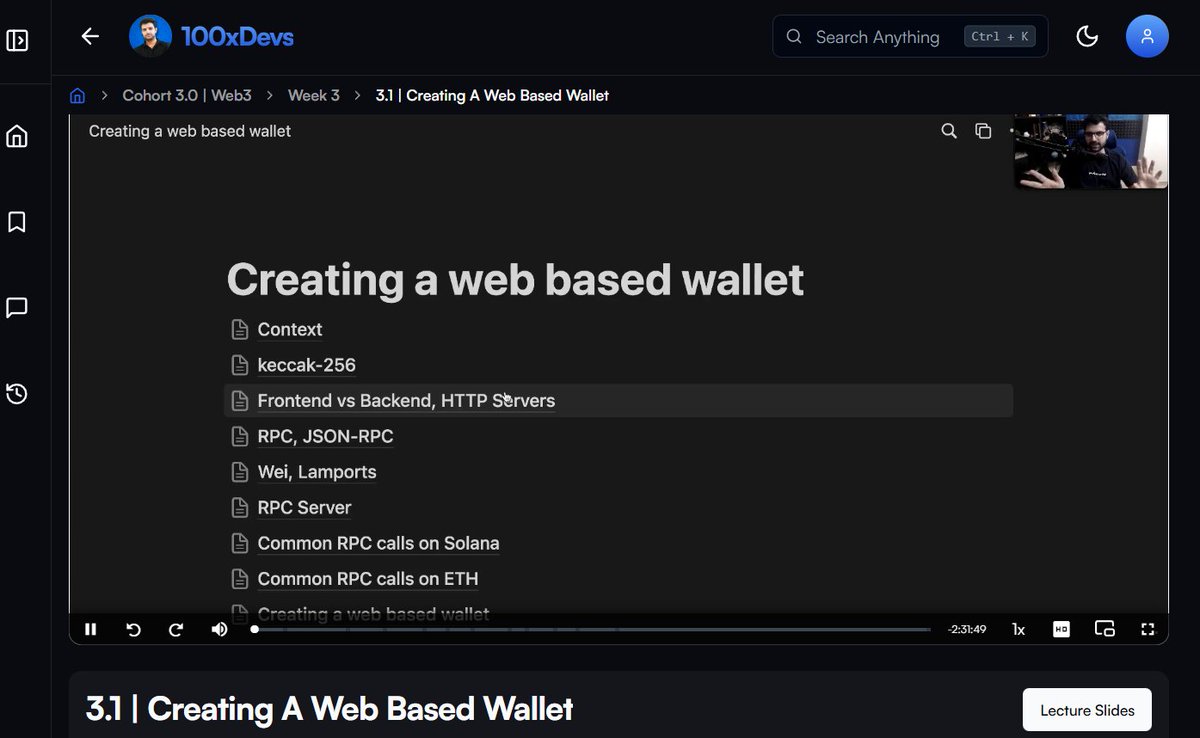
evening: Creating A web based wallet
#LearningInPublic @kirat_tw #Web3 #cohort3_0
1
42
Jan 18
After 1 month with Rust, I finally accept this:
Ownership is not a rule set.
It’s a way of *reasoning about memory*.
#RustLang #LearnInPublic #Programming #Developers #Coding
1
44
Jan 18
Day28/180
goal: rustbook : 14.More about Cargo and Crates.io
14.1. Customizing Builds with Release Profiles
14.2. Publishing a Crate to Crates.io
14.3. Cargo Workspaces
Open Source contributions
#LearningInPublic #180DaysofCode #RUST
1
30