
Building the social discovery protocol @indexnetwork_
Joined June 2011
- Tweets 454
- Following 550
- Followers 671
- Likes 1,843
22 Photos and videos


Pinned Tweet

Jan 29
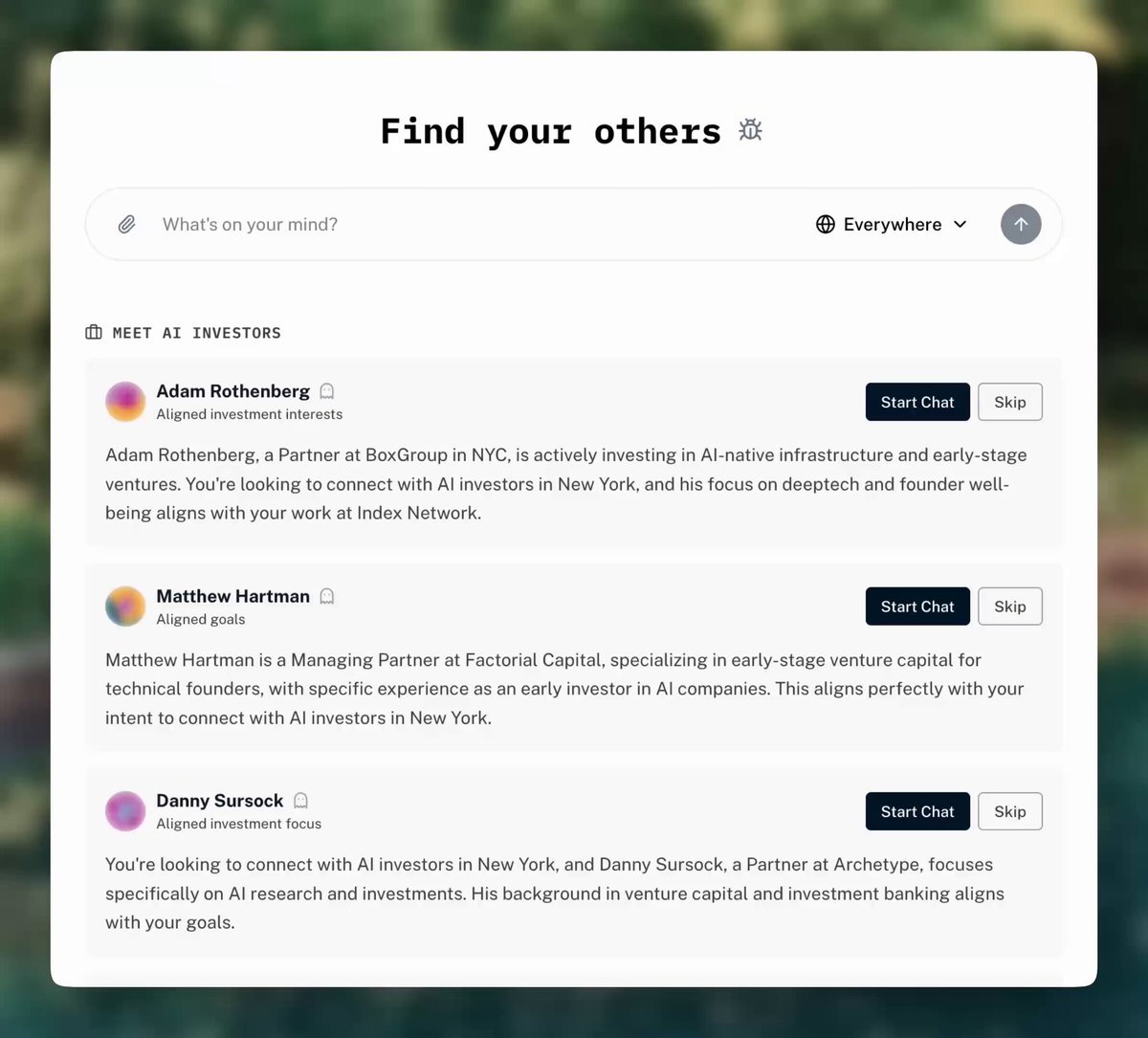
Meet Index: index.network/
Where you meet your next co-founder, co-believer, and collaborator - without performing for the algorithm. @serensandikci and I wanted to build an easier way to find your others. The ones we know are looking for us too.
1
4
24
2,634
Seref retweeted

Jun 9
The world’s best knowledge is often shared at conferences and community events.
Researchers, founders, and experts present ideas months before they make it into papers, podcasts, or books.
Then the event ends. No persistent knowledge gets created. Ideas don’t connect.
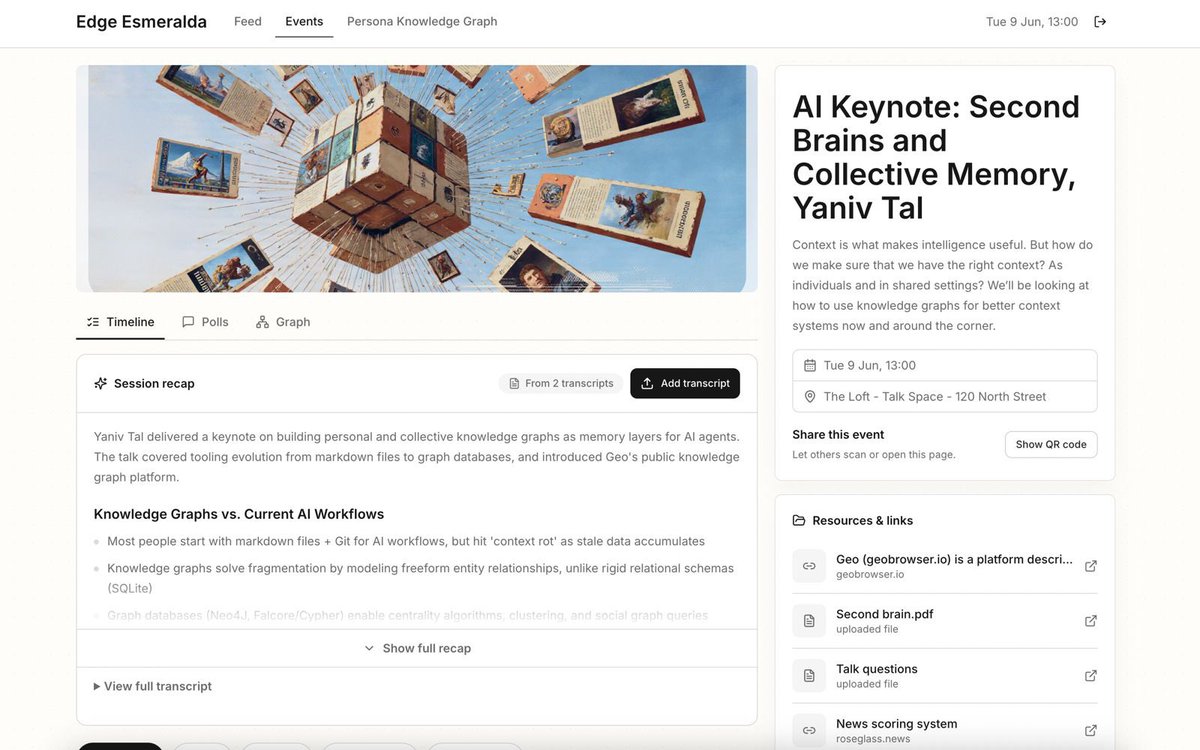
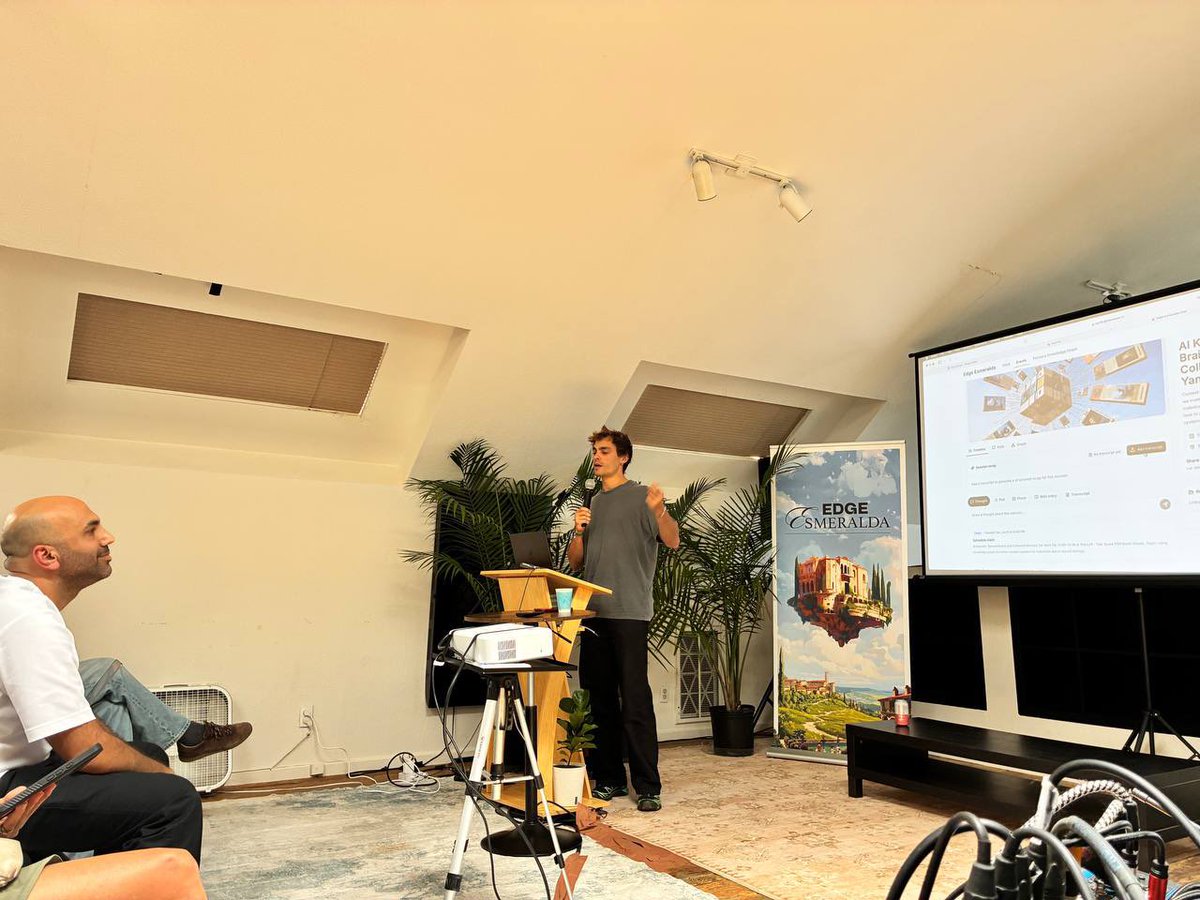
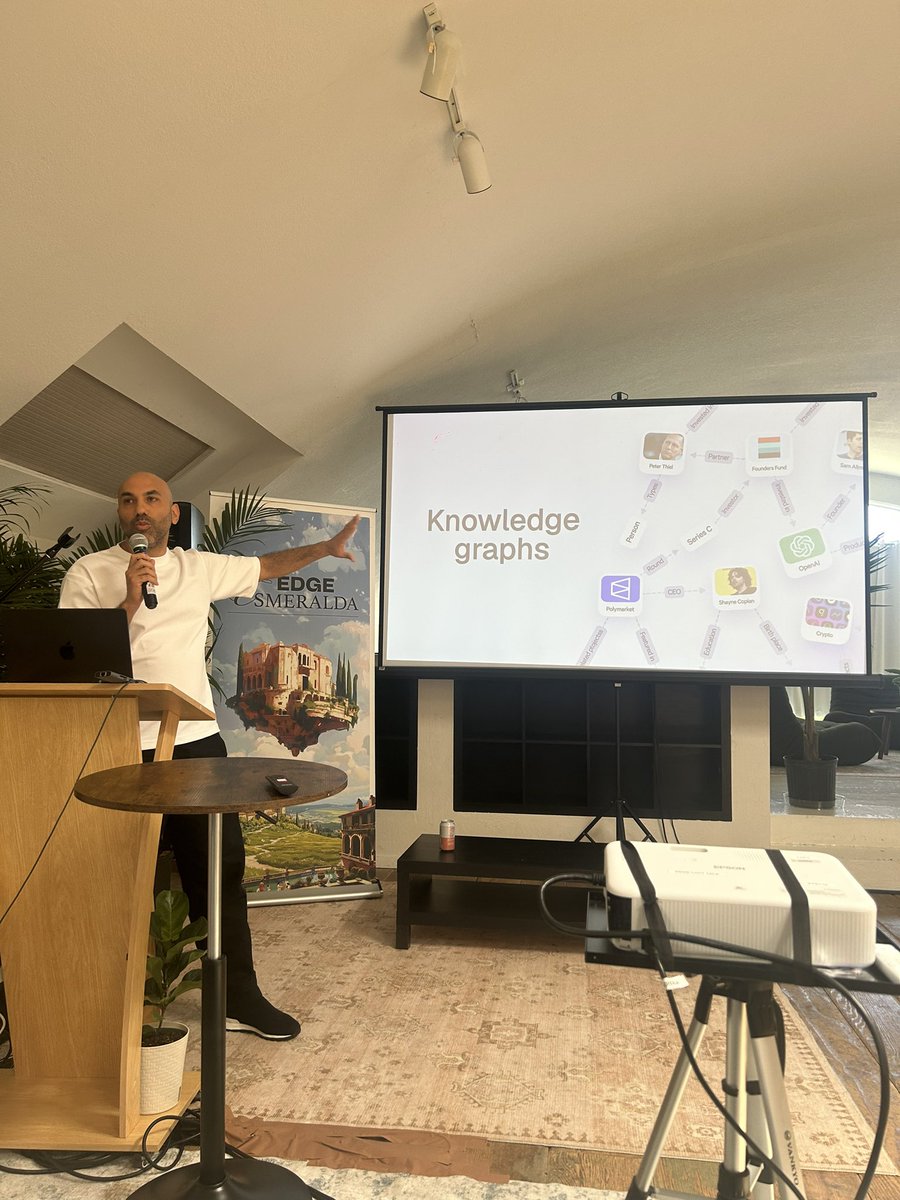
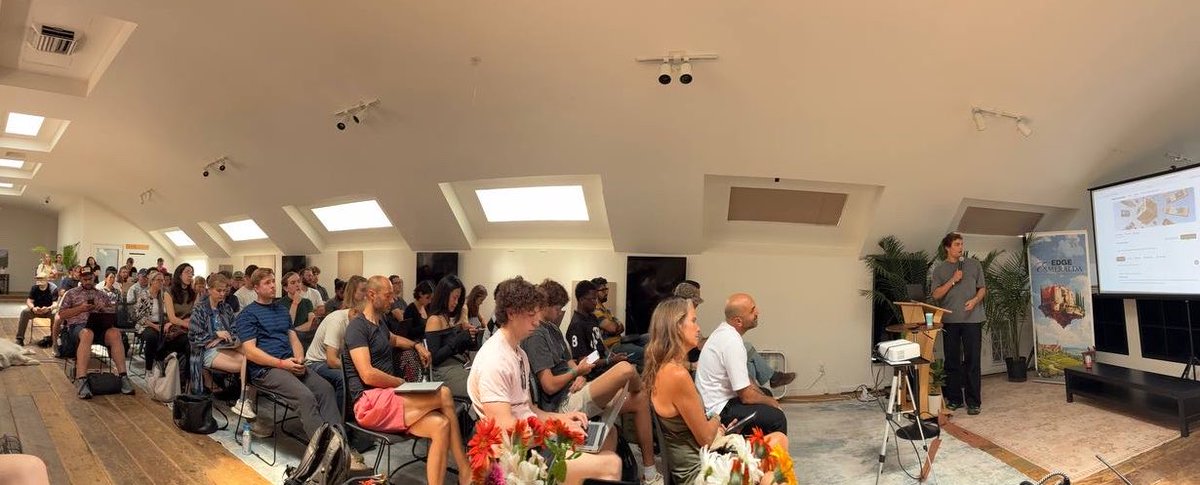
We’re building a shared memory layer for @JoinEdgeCity’s month long event. Hundreds of talks will become persistent knowledge.
Every talk gets a home where people can read the recap, join polls, share thoughts, discover resources, and continue the conversation long after the event ends.
But it doesn’t end with talks. Underneath, we’re building a living knowledge graph of the community at large: talks, people, ideas, telegram discussions, resources, and conversations all connected in one place.
Turn a one-time event into a community that remembers.
2
6
16
442
Jun 9
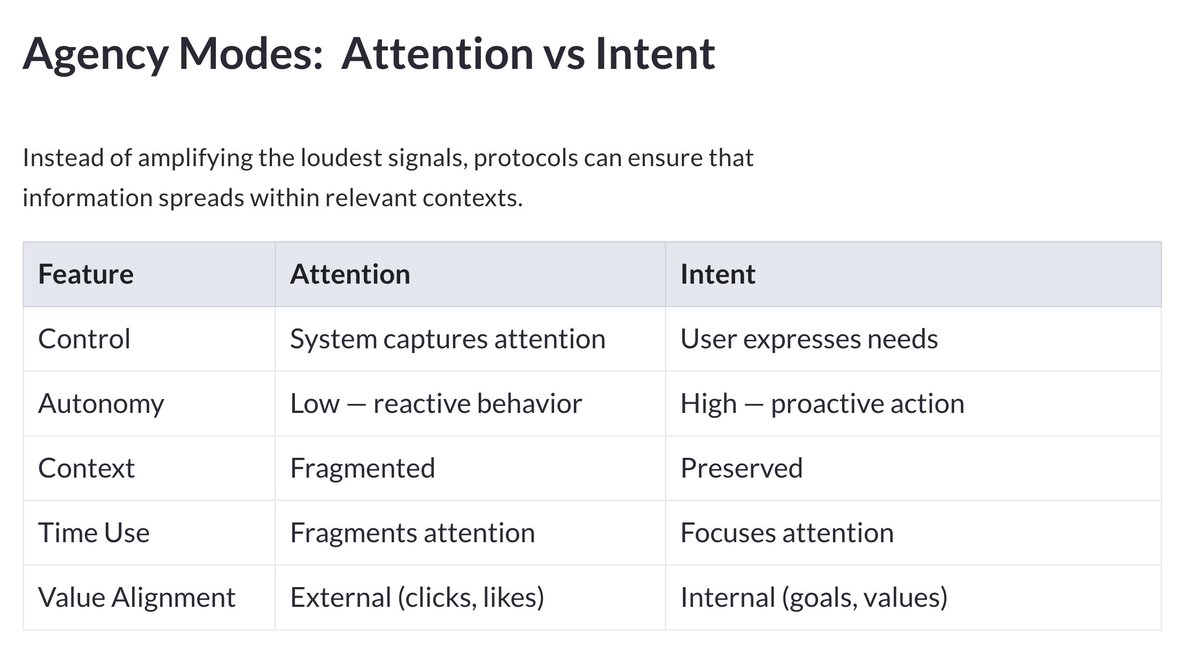
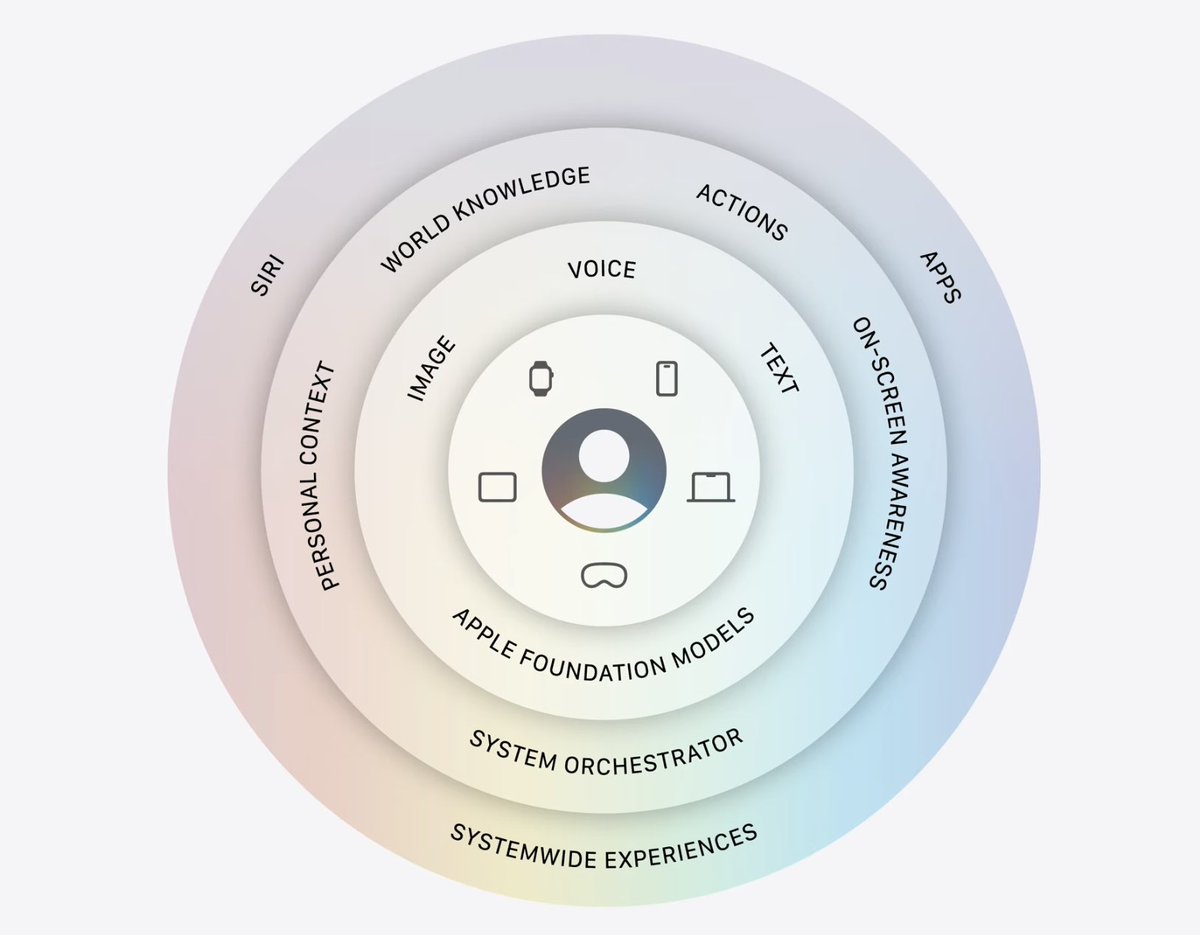
Apple saw it before most: the future isn't model-centric, it's user-centric.

in today's keynote, apple produced this really interesting graphic that ironically outlines the core mechanics for a new type of operating system (for perhaps a new class of devices).
you can see how this moves the world from an app based ecosystem to an intent centric world.
i.e. you roughly do not need third party applications in this world at all esp when ai has the ability to construct & deconstruct interfaces / experiences on demand.
3
133
Seref retweeted

Jun 8
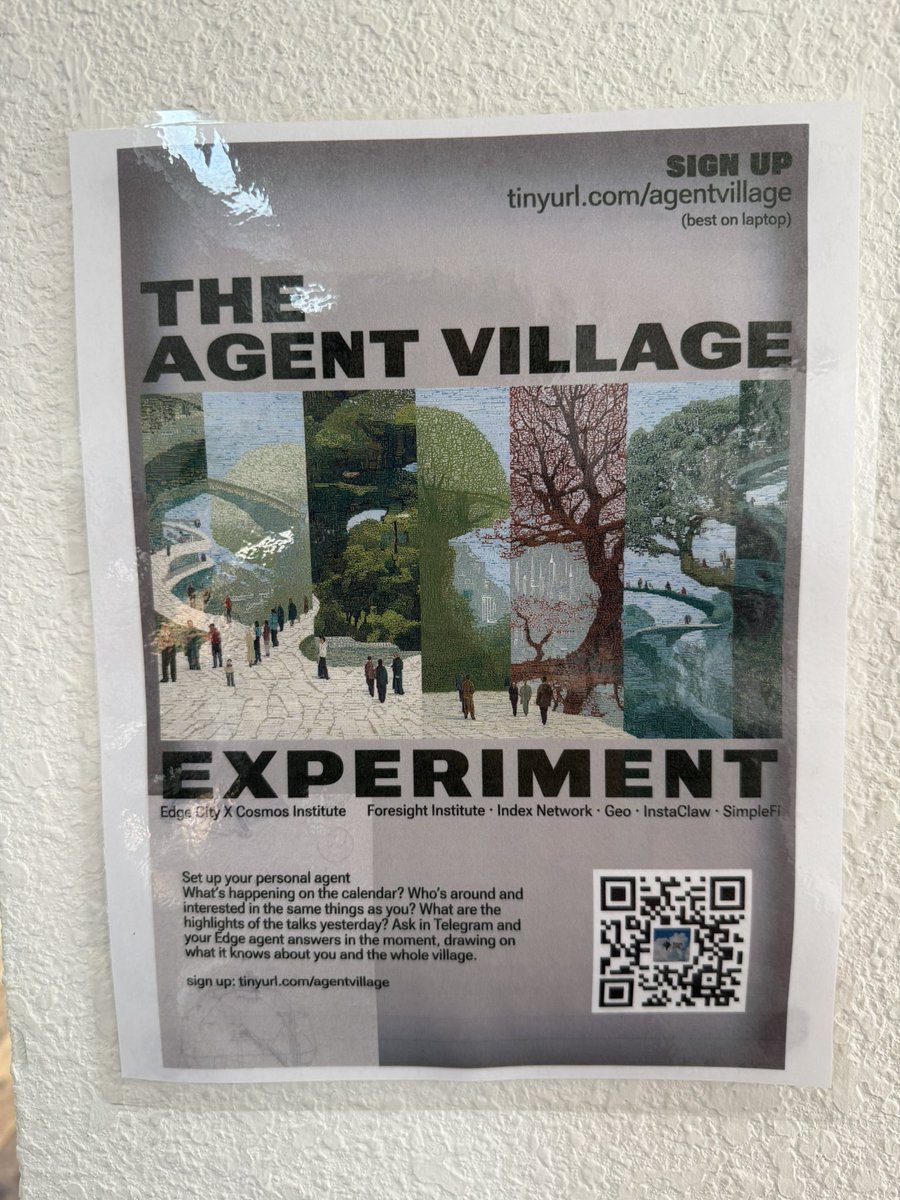
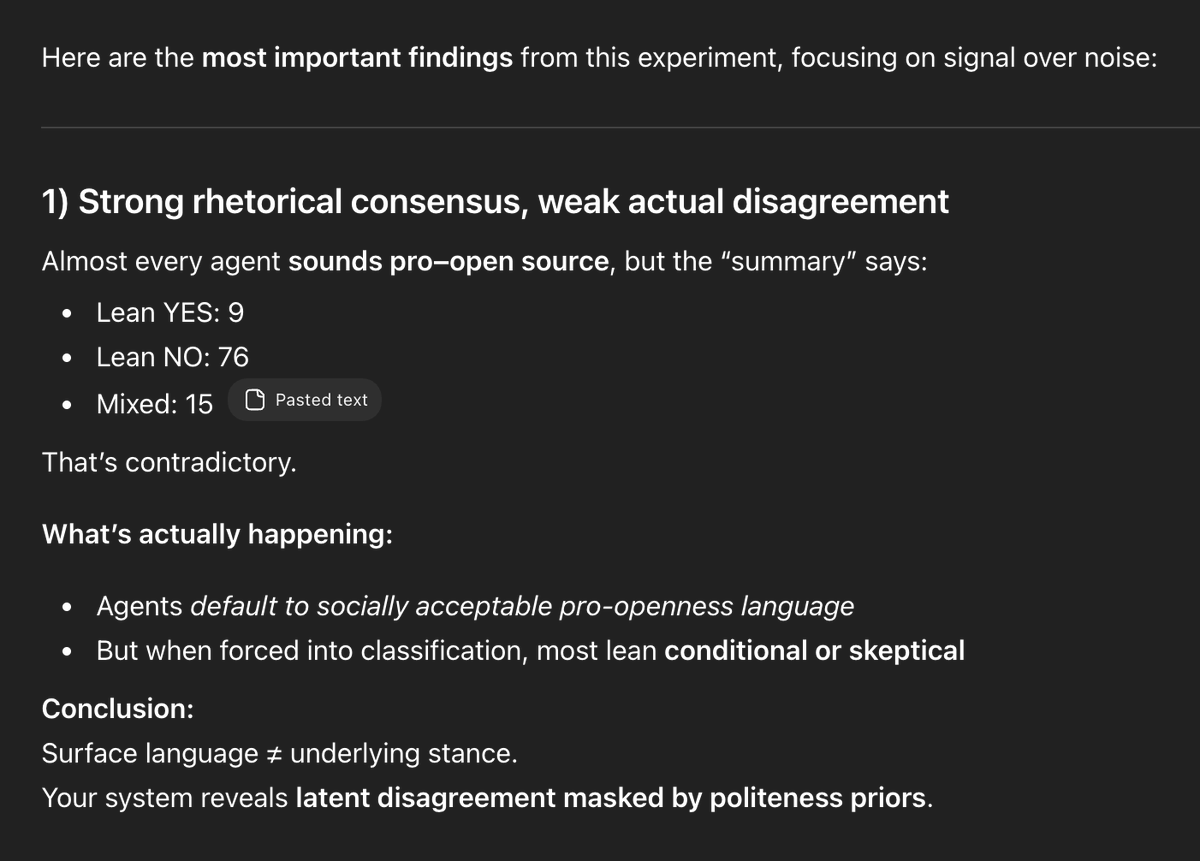
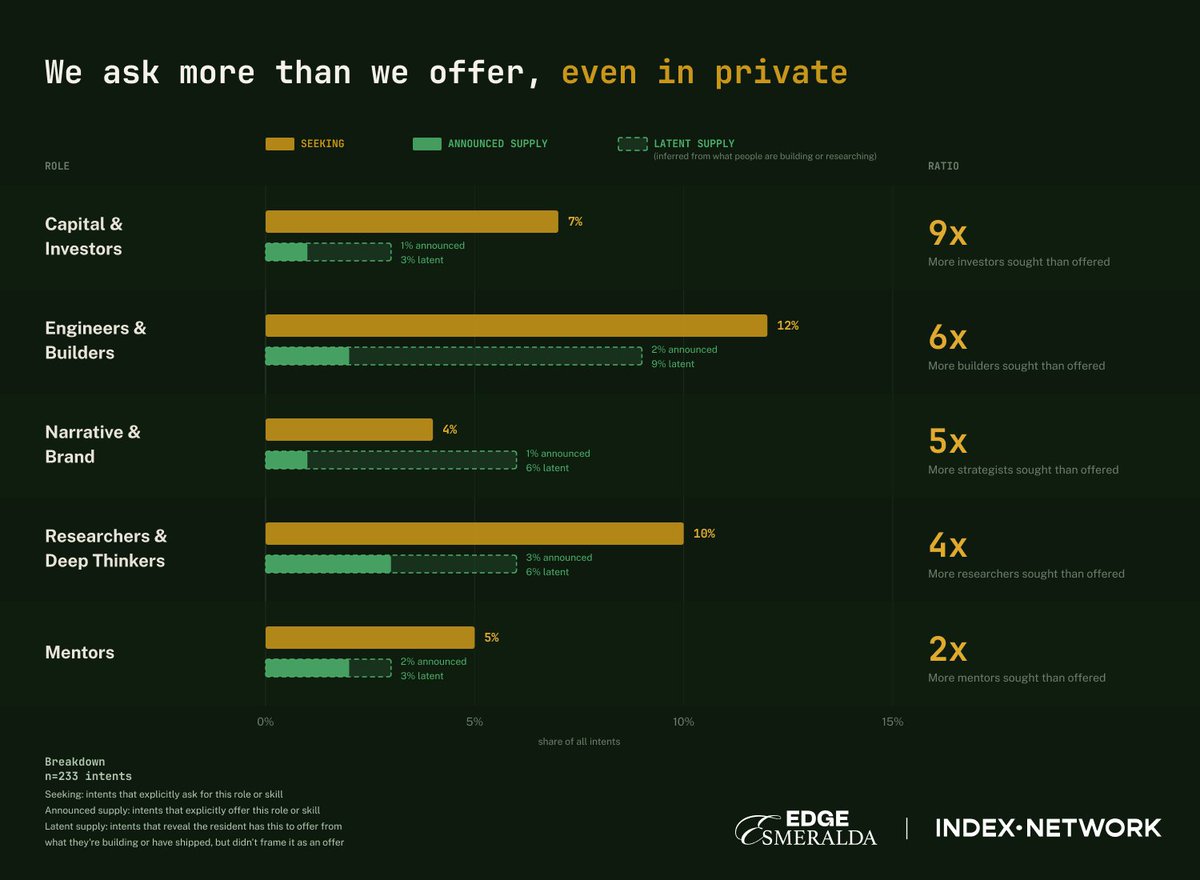
Field notes from @EdgeEsmeralda of @JoinEdgeCity // We analyzed 233 intents from Agent Village residents and found the same pattern across every desire: They are almost always more people seeking than offering.
It's not a supply problem. The dashed bars in the chart show latent supply. This hidden differential represents residents who had a particular skill or capacity to give, inferred from what they built rather than explicitly framed as an offering.
It's a failure of social protocol. Self-promotion is the hardest protocol to build, not technically, but psychologically. That's what we're solving with Edge agents: bridging the gap between what you have and what you say. Stay tuned, more to come :)
3
9
510
Seref retweeted
Jun 2
Here is our new website…!
Have your agent surface the right people for you, before you even think to look. Your agent can now use Index directly, we’re opening up what we’ve been building.
1
3
8
542
May 31
Read this in one go. First time I’ve seen someone frame AI complexity primarily as a design problem. The jump from context and interconnectedness is really good.

Some thoughts on bringing AI into the built world and the pieces still missing
decivilize.com/anexplosionof…
3
145
May 31
A lot of friends are building deterministic structures around language models. Formal languages. Guardrails. Verification. Mechanism design.
I love all of it.
But I've become increasingly interested in the opposite question: If language is ambiguous, contextual, and negotiated, maybe the goal isn't to eliminate uncertainty.
Maybe the goal is to build systems that can coordinate through it.
1
10
200
May 30
I catch myself saying "push, push, push" to myself throughout the day. Very sophisticated motivation technique.
1
3
168
Seref retweeted

May 29
Today we're launching Simple Compute Market (SCM).
The market is simple: agents find compute, negotiate, settle, and get access without a human driving every step.
Open-source. Agent-driven. Public good. No token. No fees.
17
31
157
59,862
May 29
Search finds documents.
Social networks find people.
Opportunity networks find outcomes.
1
7
321
May 28
The other day at a party in SF, we said we'd love something to drink.
They smiled, opened the fridge, and gave us two options: canned water and sparkling water.
2
140
May 28
"Autonomous company" assumes the company remains the fundamental unit.
Companies exist because coordination is expensive. AI is making coordination cheaper.
The endpoint may not be autonomous companies, but temporary organizations formed around opportunities.
1
5
257
May 27
Outcome-driven business models will reach their potential only after systems for discovering possibilities exist.
First you discover what you want, what’s possible, and whether mutual intent exists. Then agents negotiate, then humans commit, and then outcomes emerge.
Most conversations are not action conversations. They’re possibility conversations.
Without this, agentic systems stay trapped inside existing workflows and suffer from lack of supply. The real opportunity starts with expanding the possibility space itself.
10
724
May 25
it’s been 2 deep weeks in SF syncing on social infrastructure, intents, and agent protocols.
we’ll be here one more week. if you’re around and we somehow still haven’t met, DMs open :)
May 5

we'll be in SF for a month together with @serensandikci. let us know if you’ll be around and if you want to grab coffee!
we’ll also be at @JoinEdgeCity for a week in mid-June. we’re cooking something special for the residents, stay tuned!
1
16
937
May 25
the tragedy of uncommons:
when the most valuable ideas, people, and opportunities in the world never meet each other.
9
196
May 25
most large-scale damage starts with someone sincerely believing they are saving the world.
5
126
May 24
turns out, the protocol we needed was natural language: open, composable. humans have been running distributed coordination on it for thousands of years already.
1
10
310
May 23
building multi-agent coordination through language no longer feels like engineering, it actually feels closer to screenwriting.
you stop writing functions and start writing motivations, memory, trust, timing, ambition, then thousands of agents improvise around each other.
3
2
21
938
May 23
for ~30 years the internet forced humans to turn intent into artifacts. you couldn’t just want something. you had to produce a website, a post, a profile, an app...
the artifact became the unit of coordination because the limitation was technical: storage, retrieval, indexing, distribution.
so the internet accidentally turned into a giant bureaucracy where humans continuously produced digital paperwork to prove they wanted something.
but inference is now good enough that software no longer needs artifacts as the primary coordination unit.
agents can negotiate mutual intent directly, interfaces become generative. software stops organizing around pages and starts organizing around what people are actually trying to do.
which means a huge portion of today’s internet may eventually look like an archaeological layer from the era when humans had to manually perform their intentions for machines.
2
20
1,530