
Joined October 2016
- Tweets 687
- Following 917
- Followers 133
- Likes 4,502
20 Photos and videos

ismail codar retweeted

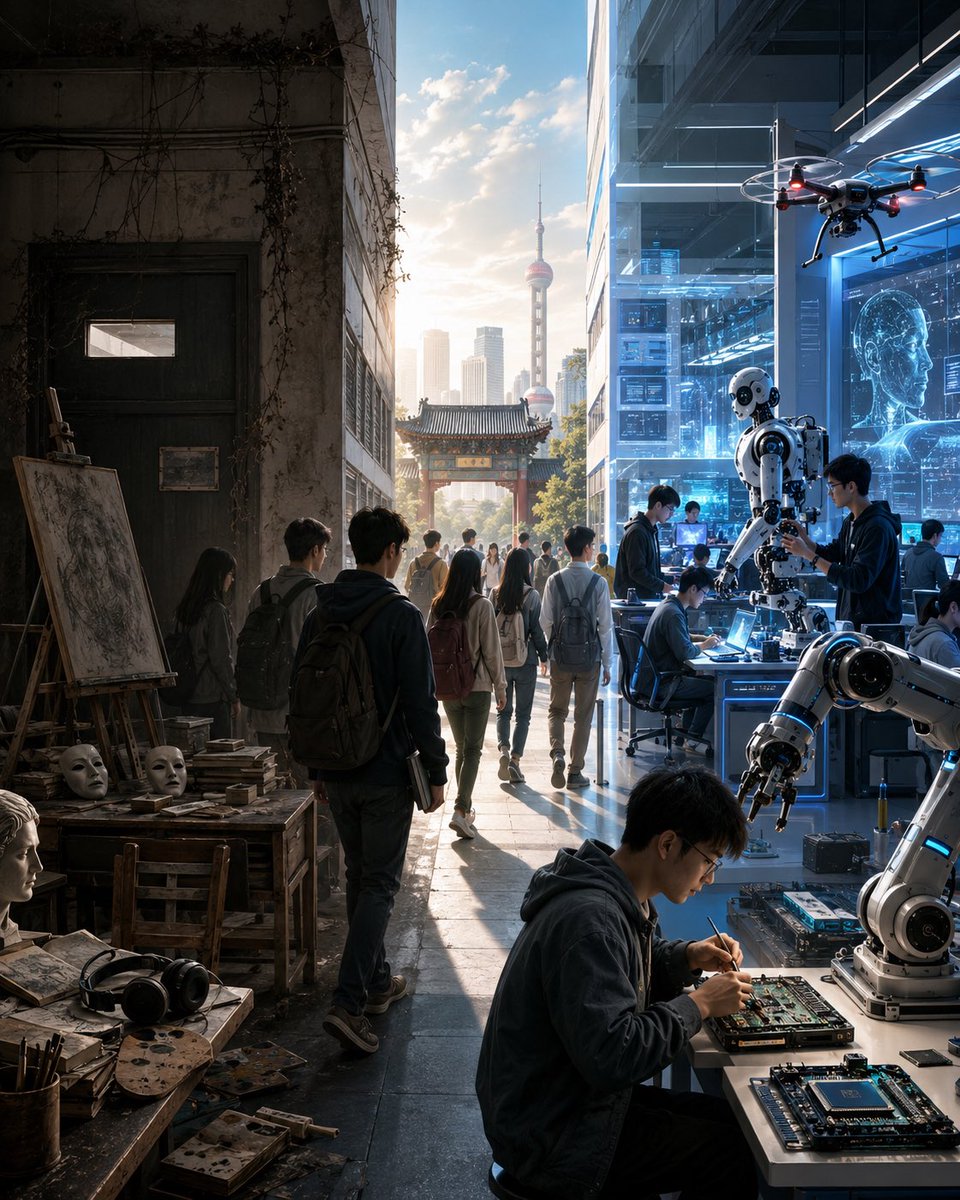
Çin üniversitelerde sessiz bir devrim yapıyor.
Biz hâlâ “hangi bölüm garanti iş buldurur?” diye tartışırken, Çin bazı bölümlere çoktan kırmızı kart göstermeye başladı.
Son verilere göre Çin’de sadece 2024 yılında:
1.428 lisans programı kapatıldı.
2.220 programa öğrenci alımı durduruldu.
1.839 yeni program açıldı.
Kapatılanlar arasında sadece sanat bölümleri yok.
En çok budanan alanlar arasında şunlar var:
Bilgi Yönetimi ve Bilgi Sistemleri
Kamu Yönetimi / Public Affairs Management
Pazarlama
Ürün Tasarımı
Moda ve Giyim Tasarımı
Yabancı diller ve çeviri programları
Bazı sanat ve beşerî bilim programları
Mesele şu:
Çin, mezununu işsiz bırakan, piyasada karşılığı zayıflayan ve yapay zekâ karşısında hızla değer kaybeden programları buduyor.
Yerine ne koyuyor?
Yapay zekâ.
Robotik.
Entegre devreler.
Akıllı üretim.
Düşük irtifa ekonomisi.
Dijital teknoloji.
Geleceğin sanayi alanları.
Çünkü Çin üniversiteye artık sadece “diploma veren kurum” gibi bakmıyor.
Üniversiteyi doğrudan sanayi politikası, teknoloji yarışı ve istihdam meselesinin merkezine koyuyor.
Herhalde şöyle soruluyor:
Hangi bölümler gerçekten gelecekte işe yarar, hangileri sadece mezun üretiyor?
42
283
687
61,106

Jun 11
Vscode geliştirme işi durdu. Artık bundan sonra tüm güncellemeler Copilot üzerine.
65
Jun 7
RT @fakten1453: Türk Hakanı Başbuğ Mustafa Kemal Atatürk'ün, "Filistin'e el sürülemez" başlıklı Avrupayı İhtar belgesi..
Başbuğ Atatürk'e…
196
ismail codar retweeted

May 30
Tvit bir kitaptan alıntı.
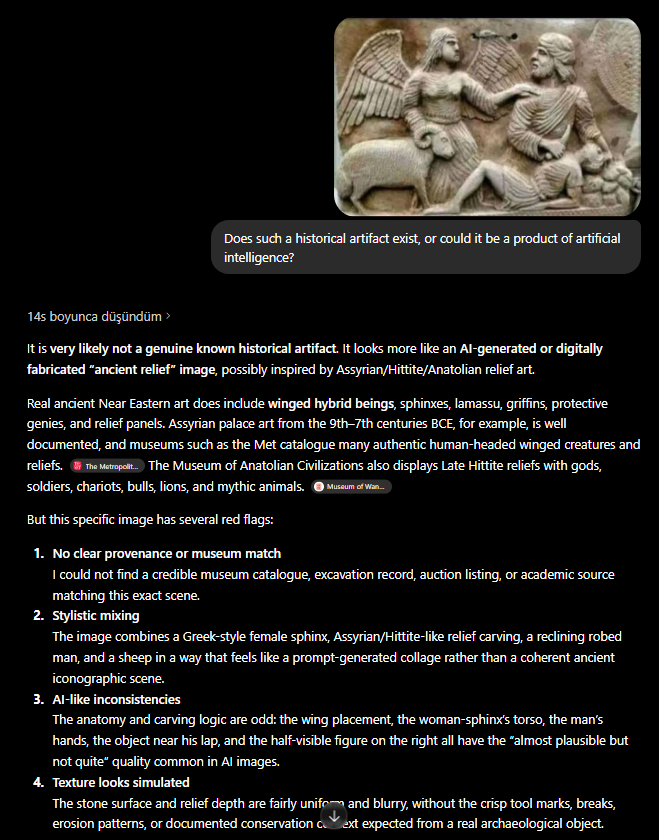
4. yüzyıldan beri Avrupalı tarihçiler; İskitlerin, Truvalıların Türk olduğunu yazdılar.
Anadolu medeniyetleri,
Yunan değildi.
İskender'den sonra medeniyetler Helenleştirildi. Dilleri dinleri yok edildi. Dna testlerine göre Türkler genetik mirasçılardır.
4
8
58
932
May 31
RT @asilturkmilleti: 20- Etrüsklerin hazin hikayesi budur.
Atatürk döneminde Etrüskler, Türk medeniyeti olarak anlatıldı.
Etrüsk-Türk mito…
28
ismail codar retweeted

May 4
Major Turkic Myths and Epics
Turkic mythology and epic tradition are not based on a single text. They consist of layered oral narratives, origin myths, creation myths, heroic epics, and state-founding legends preserved among different Turkic peoples.
Pre-Islamic Turkic epics and myths
1-The Creation Myth
A cosmological myth, especially known among the Altai Turks, explaining the creation of the world, the sky, the earth, water, human beings, and cosmic order. Figures such as Ülgen, Erlik, Kayra Han, Ak Ana, and earth-water spirits appear in these narratives.
2-The Epic of Alp Er Tunga
One of the oldest Turkic heroic traditions, often associated with the Saka/Scythian world. Alp Er Tunga appears as a great warrior-ruler figure and is sometimes connected with Afrasiyab in Iranian tradition.
3-The Epic of Shu
A legend associated with an early Turkic/Saka ruler named Shu. It is connected with Alexander the Great’s eastern campaign and deals with migration, withdrawal, reorganization, and survival.
4-The Epic of Oghuz Khagan
One of the central Turkic epics. It tells of Oghuz Khagan’s extraordinary birth, conquests, world-ordering mission, division of tribes, and state-building ideology. It is deeply connected with concepts such as töre, kut, sky belief, military order, and universal sovereignty.
5-The Bozkurt / Grey Wolf Legend
A foundational origin myth in which the Turks survive near-destruction and are regenerated through the figure of the grey wolf. The wolf functions as guide, protector, ancestor, and symbol of rebirth.
6-The Ergenekon Epic
A major rebirth and state-restoration myth. After defeat, the Turks retreat into Ergenekon, multiply there, and eventually melt an iron mountain to return to the world. It carries strong themes of survival, metallurgy, collective rebirth, and renewed sovereignty.
7-The Türeyiş Epic
Associated especially with the Uyghur tradition. It explains sacred origins through motifs such as light, tree, divine descent, and supernatural birth. It is connected with rulership and legitimacy.
8-The Migration / Göç Epic
Also associated with the Uyghur world. It tells of the loss of sacred power, the movement of the people, and the abandonment of the homeland. Themes include sacred land, state fortune, and the loss of kut.
Islamic-period Turkic epics
1-The Book of Dede Korkut
One of the most important Oghuz Turkic epic cycles. It includes stories such as Boğaç Khan, Bamsı Beyrek, Deli Dumrul, and Kan Turalı. It reflects Oghuz social order, family structure, warrior ethics, women’s roles, oath, honor, töre, and frontier life.
2-The Epic of Manas
The great epic of the Kyrgyz Turks and one of the longest epic traditions in the world. It follows Manas, Semetey, and Seytek, dealing with unity, warfare, rulership, enemies, tribal order, and collective identity.
3-The Epic of Battal Gazi
A Turkic-Islamic heroic epic associated with frontier warfare against Byzantium. It reflects the gazi tradition and the heroic Islamic-Turkic warrior type.
4-The Epic of Danishmend Gazi
Connected with the Turkification and Islamization of Anatolia. It tells of Danishmend Gazi’s battles, conquests, miracles, and frontier struggle.
5-The Epic of Köroğlu
A widespread Turkic folk epic found across many Turkic regions. It centers on resistance to oppression, justice, heroism, the horse, the saz, poetry, and warrior honor.
Important figures and symbols in Turkic mythology include:
Gök Tengri
Ülgen
Erlik
Umay Ana
Kayra Han
Ak Ana
the Grey Wolf
sacred tree
sacred mountain
earth-water spirits
iron and blacksmithing
kut
the numbers nine, seven, and forty
horse, bow, sky, sun, moon, and star symbolism
1
9
17
773
ismail codar retweeted

May 3
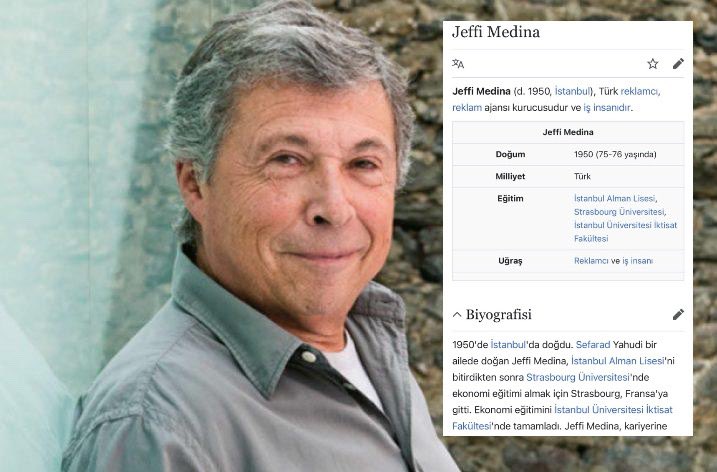
Bakın kim çıktı?
Bosch’un “köpek annesi” temalı reklamını hazırlayan Medina Turgul DDB reklam ajansının CEO’su Jeff Medina’nın profili.
6
15
53
2,438
ismail codar retweeted
May 3
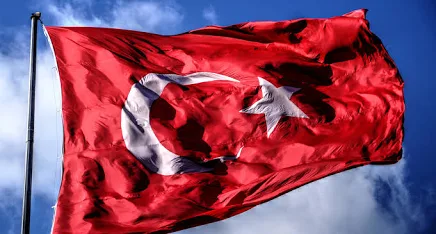
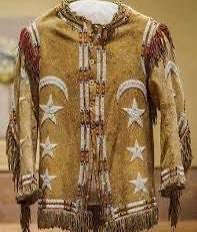
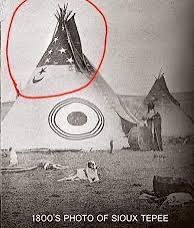
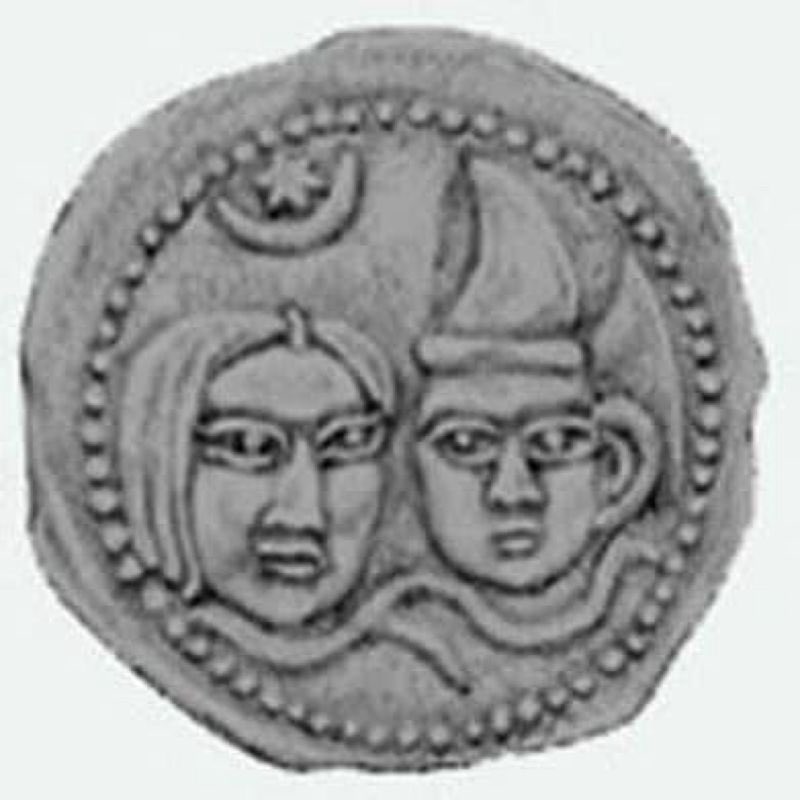
Turks did not adopt the crescent and star from Byzantium or Islam. Astral symbols such as the crescent, star, and sun were already part of steppe and pre-Islamic Turkic symbolic culture. Similar crescent-and-star motifs also appear among Indigenous American cultures whose ancestors came through Siberian/Beringian migration routes. This points to a much older steppe/North Asian symbolic layer, not to a late Byzantine borrowing.
7
9
54
2,100
ismail codar retweeted
May 2
Humans are not horses so they don’t have a race.
DNA shows the migration roots of the populations. If you have pure DNA it is a sign of inbreeding and a population that could not travel and conquest to spread their genes. (With 2300 years of documented history Turks traveled and ruled the world cannot have pure DNA)
DNA is biology.
Identity is history shaped through time, language, religion, state and army system.
Biology cannot show either of these so it cannot explain history.
2
2
9
248

Gold: MedKit by Bedirhan Keskin from Türkiye
A voice-based clinical simulator where medical students take histories, order labs, diagnose, and get scored on their reasoning against the latest published guidelines.
youtube.com/watch?v=6bN6hnx-…

68
514
5,546
1,457,261
ismail codar retweeted

Apr 6
Greeks are generally simple-minded people and brainwashed to believe that Greece is a homogeneous country. Hence, they deny there are Macedonians and Turks living in Greece. What's shameful and hypocritical is the silence of the EU institutions who condone Greece's racism.
1
3
11
559
ismail codar retweeted

Apr 1
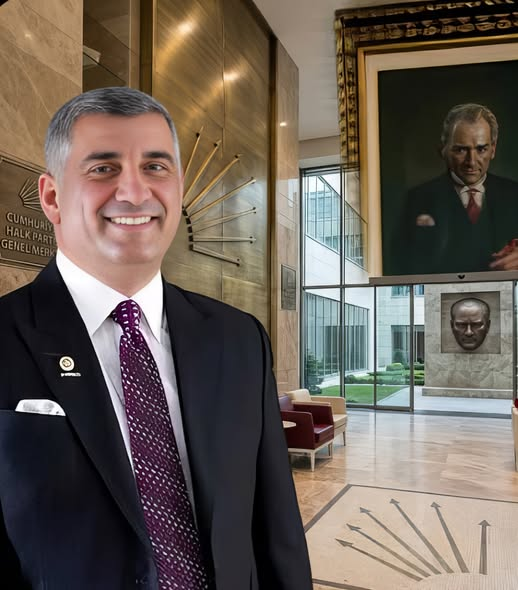
CHP ELAZIĞ MİLLETVEKİLİ GÜRSEL EROL PAYLAŞIMI...
*** @gurselerol62
KÜRT BİR ANADAN DOĞMA, ZAZA BİR BABADAN OLMA;
•NE MUTLU TÜRK'ÜM DİYENE!
ÖZDEYİŞİNİN BİLİNCİNDE BİR TÜRKİYE CUMHURİYETİ YURTTAŞI OLARAK, AMASIZ, FAKATSIZ İMZALIYORUM BU AÇIKLAMAYI...
***
Biz; Türk olabiliriz, Kürt olabiliriz, Zaza, Gürcü, Çerkez olabiliriz…
Sünni olabiliriz, Alevi olabiliriz…
***
Herkesin soyu sopu, kökü ve kültürü kendi onurudur.
Ama; 86 milyonun ortak adı Türkiye Cumhuriyeti yurttaşlığıdır.
***
Bu topraklarda kimlikler ayrılık sebebi değil, kardeşliğin ve birlikteliğin rengidir.
***
Bizi bir arada tutan; birlikte yazdığımız tarihimiz, birlikte ulusal kurtuluş mücadelesini verdiğimiz bağımsızlığımız ve vatanımızın geleceğidir.
***
“Ne mutlu Türk'üm diyene!” sözü; ayrıştırmanın değil, Cumhuriyet’in eşit ve onurlu yurttaşlık anlayışının ifadesidir.
***
Biz birlikte Türkiye’yiz. 🇹🇷
GÜRSEL EROL
59
268
1,597
21,810
ismail codar retweeted

Mar 27
12 kişiyi diri diri yakanları il il konuşmacı olarak gezdiren Tusaşta 5 vatandaşımızı katledenlerin resimlerini açan 47 kişiyi katletmiş birine hasta mahpus diye üzülen biz değiliz. Faşist ırkçı ve terörist görmek istiyorsan aynaya bakman yeterli.
2
66
4,996
Mar 27
RT @AbdKrp: @SosyologAksoy @HyamanKurd zoraki millet yaratmak böyle olur.dil çalıntı(Türkçe,farsça,arapça)
Renkler,kültür çalıntı(nevroz,şe…
5
46
ismail codar retweeted

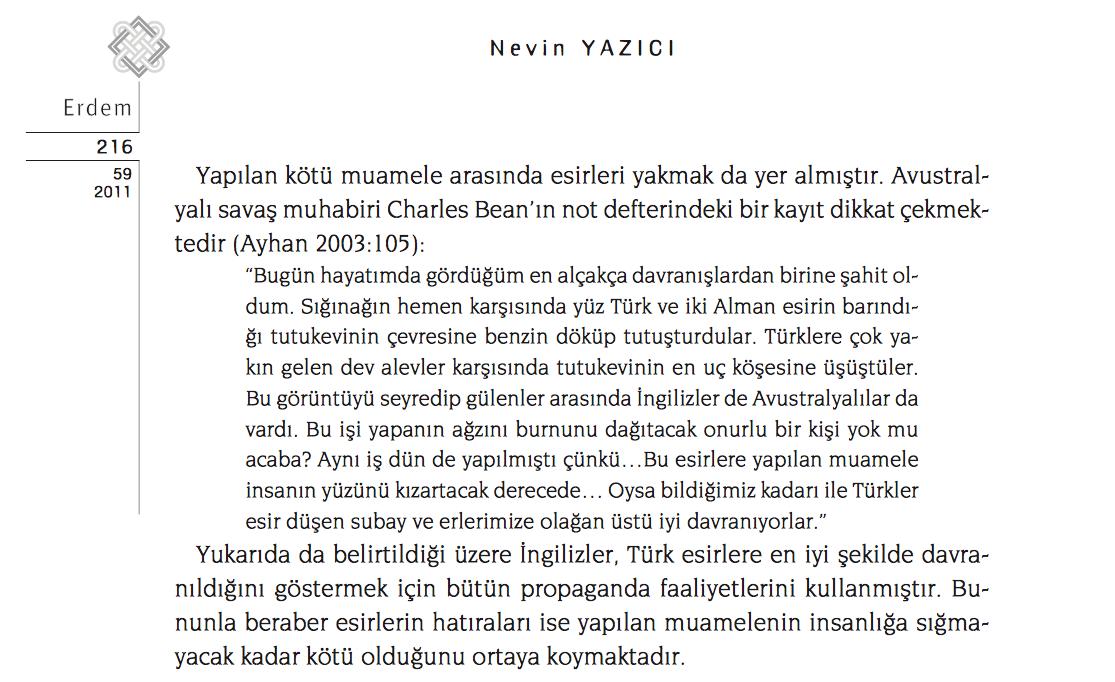
İngiliz propagandası Çanakkale'ye CENTİLMENLER SAVAŞI dedi; "Hümanist"(!) andavallılar yineliyor. Oysa ANZAKLAR GELİBOLU'DA ESİR DÜŞEN MEHMETÇİKLERİMİZİ DİRİ DİRİ YAKTILAR. Bu vahşet Avustralyalı savaş muhabiri C. Bean'ın günlüklerinde yazılı ⤵️ Tek CENTİLMEN var; o da MEHMETÇİK.
15
351
852
13,321
ismail codar retweeted

Mar 16
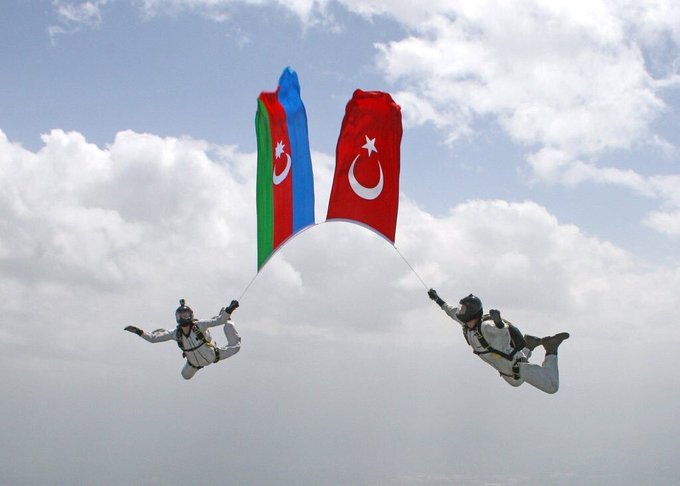
"Azerbaycan ve Türkiye dost değildir. Dostluk, birbirini sonradan tanıyanlar arasında kurulur. Bizler kardeşiz."
💬Ebulfez Elçibey
8
115
1,028
7,155
ismail codar retweeted

Mar 14
“Türk'le başlar, Türk'le biter!”
96
866
11,974

ismail codar retweeted

Feb 20
Müslümanlar Ramazan davulunu sahura uyandırdığı için değil yüzlerce yıllık Ramazan ayı kültürünün nesilden nesile aktarılmasına aracı bir unsur olduğu için seviyor.
Şikayet edenler de sesinden değil bu işlevinden rahatsız oluyor.
Yedirmemek lazım.
16
75
697
7,564
ismail codar retweeted

8 Jan 2025
Kayseri'de bir şehit annesinin Öcalan sürecine öfkesi :
"2 yetim büyüttüm şu mezar taşlarına baba dediler. Hakkımı helal etmiyorum."
244
3,222
26,807
457,219