
Mentor/Speaker/Cryptopreneur/YouTuber/Influencer
Joined May 2020
- Tweets 2,351
- Following 1,014
- Followers 1,686
- Likes 4,596
118 Photos and videos


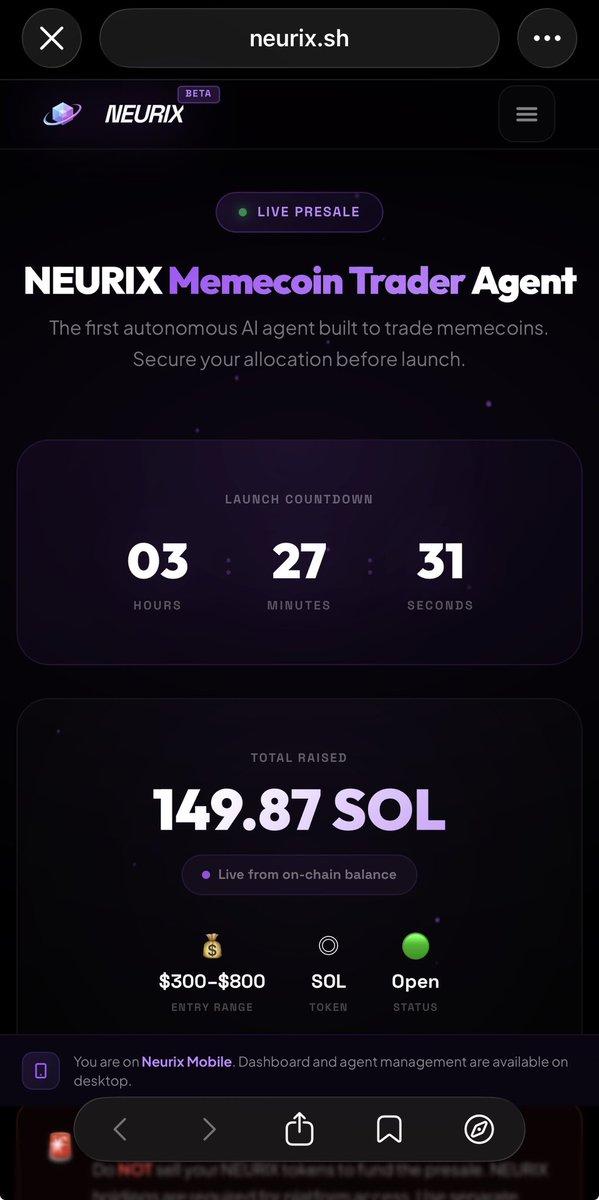
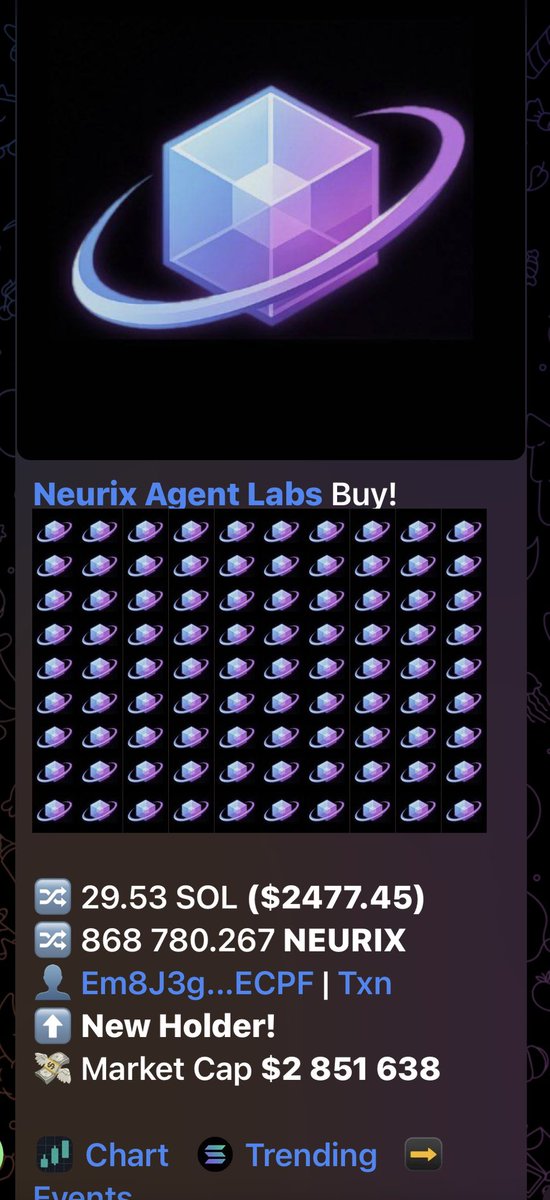
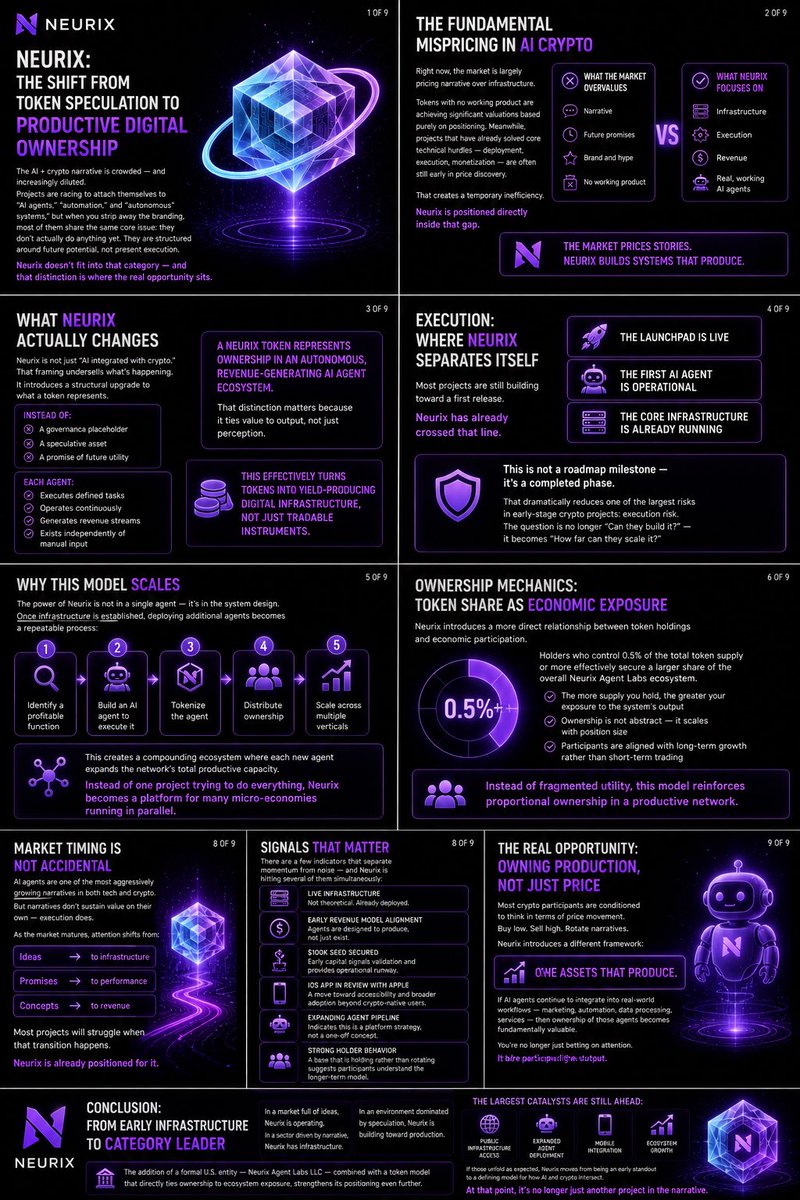
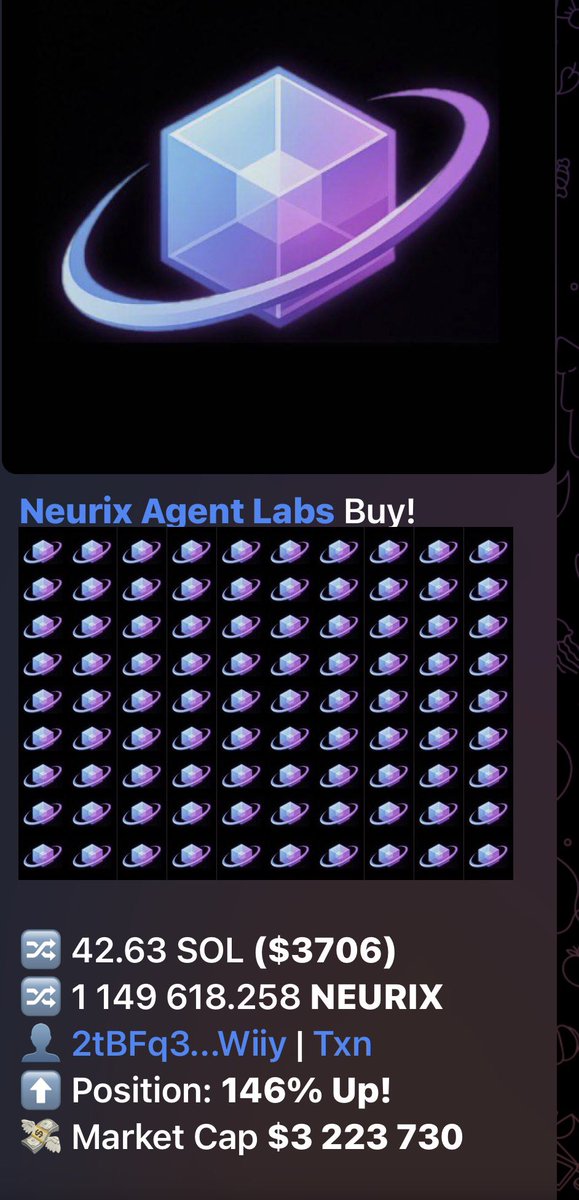
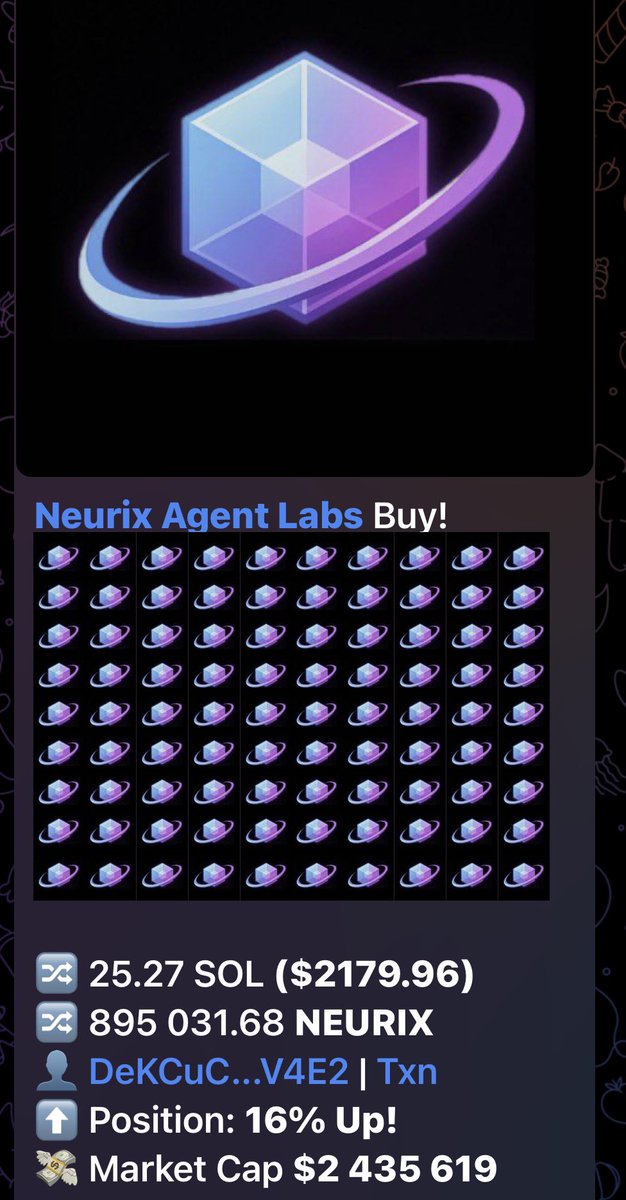
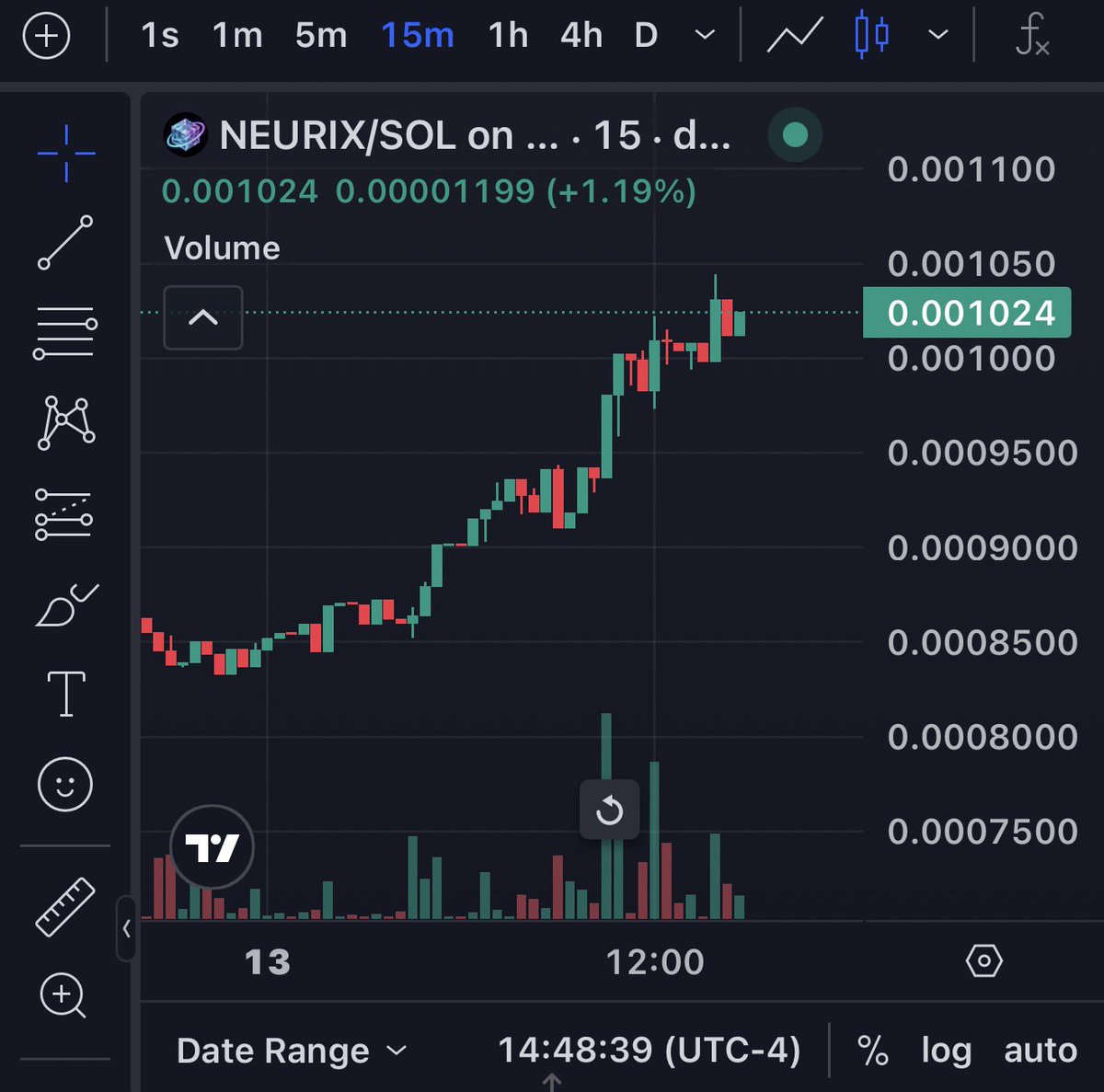
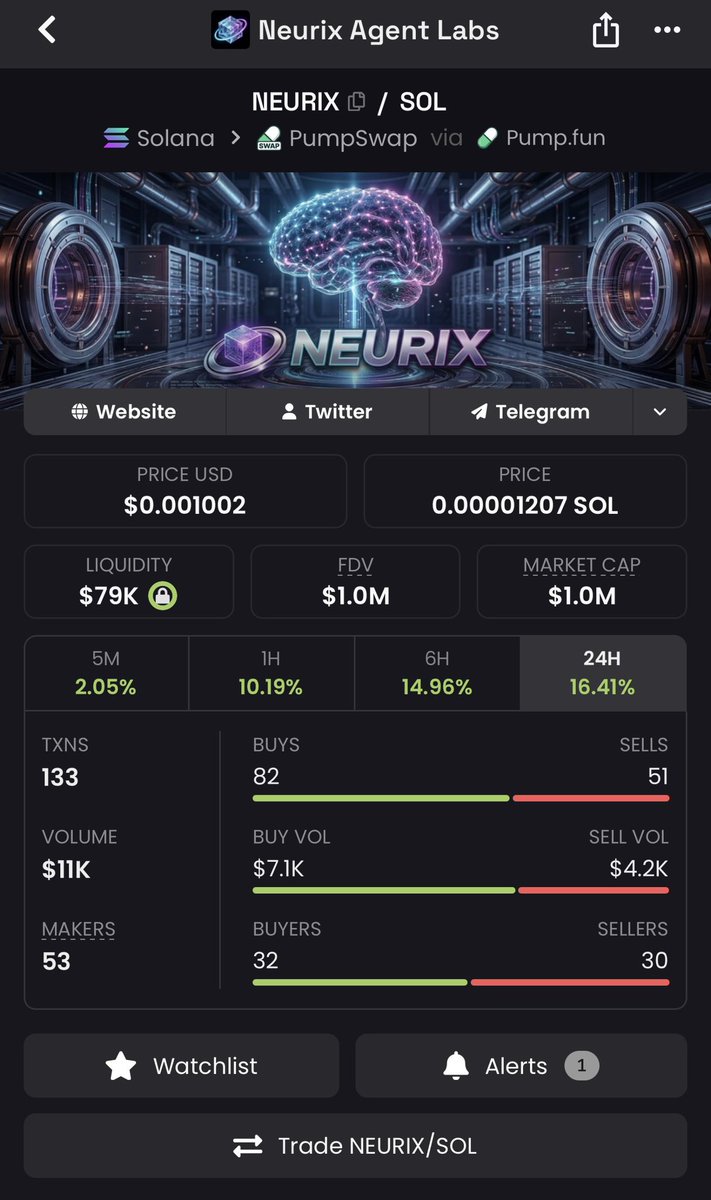
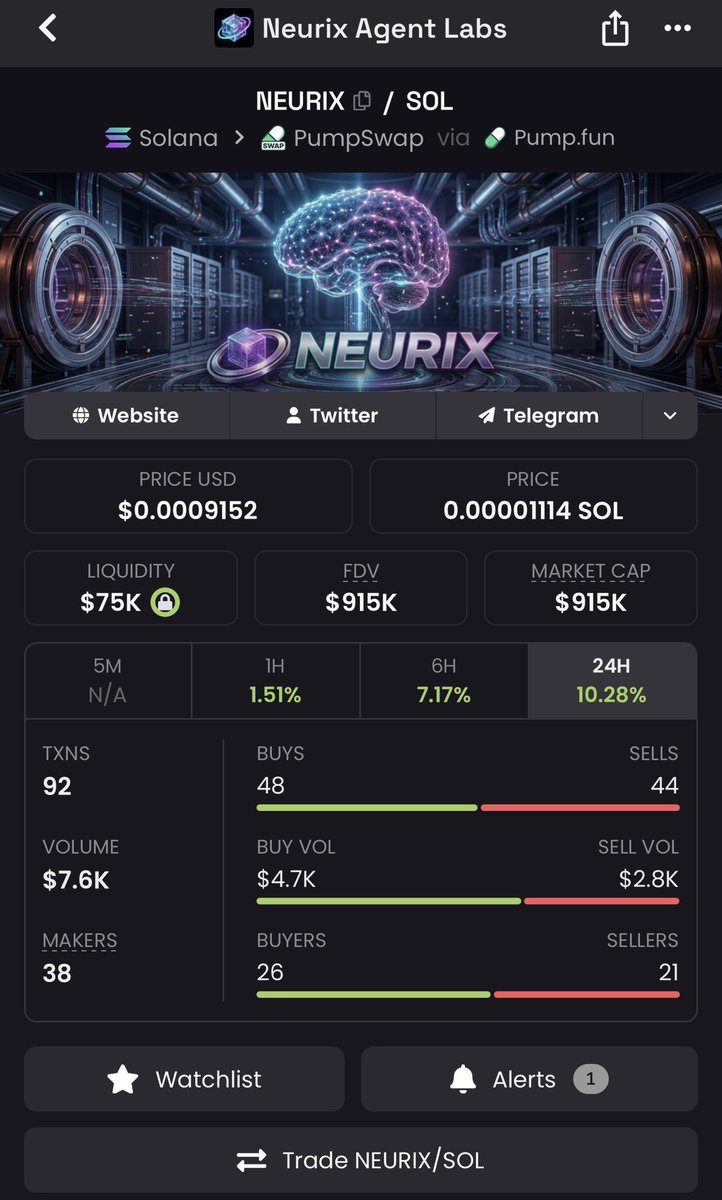

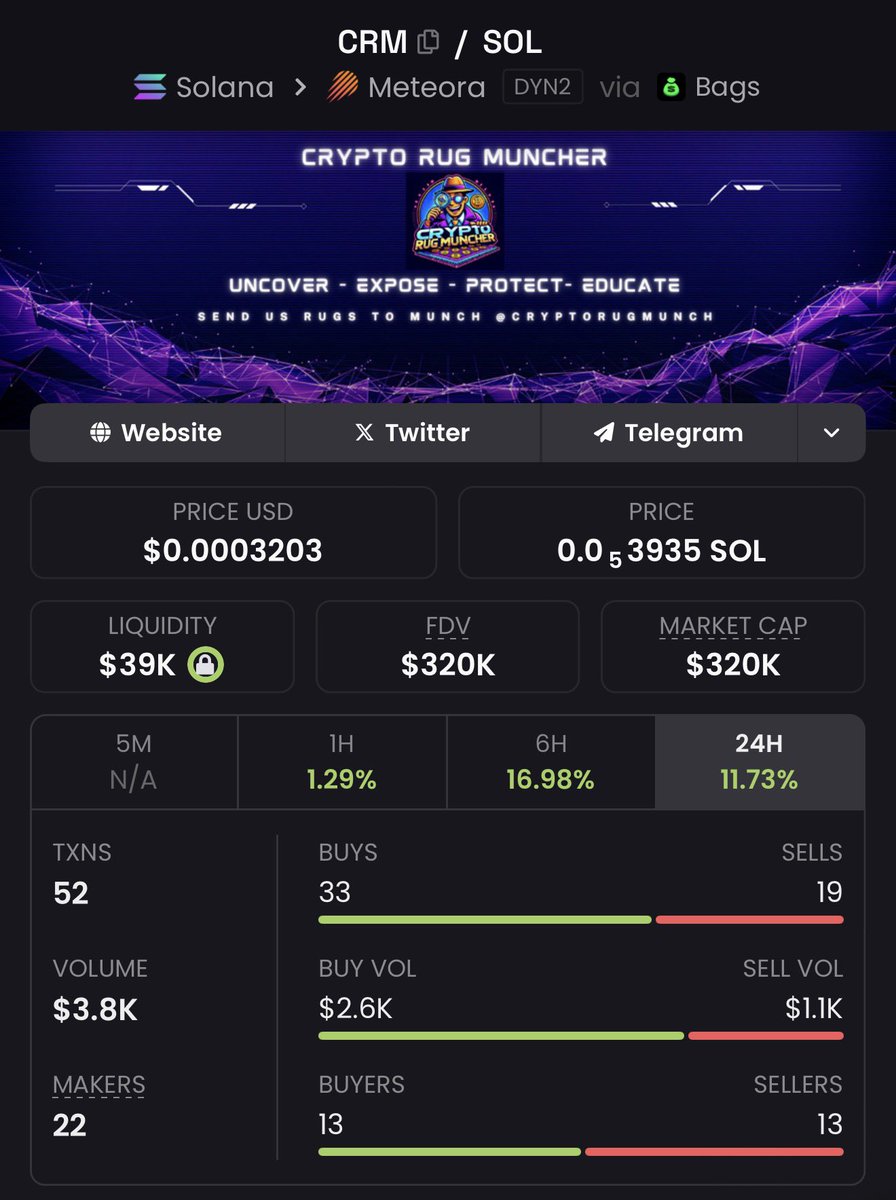
Moving forward….

$ClawX UPDATES NOW LIVE — What's New ⚡
🔴 Live trading is here — trade real perps (SOL/ETH/BTC) on autopilot from your own custodial wallet. Opt-in, you stay in control.
🧪 Paper mode by default — test any strategy risk-free with live market data before going live.
🎯 3 strategies — Long-term, Swing, and Scalp, each tuned to its own timeframe. Pick your style.
📈 Realtime charts — new candlestick/line toggle 1m/5m/15m/1h timeframes, streaming live off the on-chain oracle.
🛡️ Hardened safety rails — per-trade risk limits, daily-loss kill switch, funding checks, and encrypted custody (your keys are never exposed).
💾 Persistent accounts — your bot config, strategy, and stats now save across sessions.
6
🎧MrLive🎧 retweeted
CLAWX trading agent upgrade will be live shortly.
70% achieved success rate.
Upgraded oracle connection and custom RPC for blazing-fast execution.
$CLAWX
BTZCK66E14pqwACetBNhpbCEFx7L2dx8YR1YUUkbpump
3
5
83

This weekend we’re opening public access to the Ekstra AI MCP.
Connect your phone’s IMU. Connect thousands of real-world cameras. Experience what happens when AI gains access to motion, place, and real-time context.
For years AI has understood language. Now it’s starting to understand the world around it.
The upcoming demo is an early glimpse into a core feature of the Ekstra app: combining your movement with live signals from the surrounding environment to answer a simple question:
What’s happening right now?
Launching this weekend. Stay tuned. $xtra

3
25
72
4,411



Jun 13
It is time….
Jun 13

Our automated perps trading agent was originally built with Fable 5 before they shut it down, and it still works perfectly.
Automated perps trading will be token-gated. Only holders with 10M ClawX tokens will be able to access the platform and use the agent.
If you do not have access yet, this is the time to grab supply before demand starts building around the release.
Paper trade, automate live perps, adjust your settings, and let the agent work.
The system is mind-blowingly good.
CA: BTZCK66E14pqwACetBNhpbCEFx7L2dx8YR1YUUkbpump
62
🎧MrLive🎧 retweeted

Jun 13
Newest update: the new Neurix platform is now live.
We are continuing to push upgrades across the ecosystem, including the new ClawX agentic perps system.
Users can now automate perpetual trading through Jupiter with both paper trading and live trading options, along with adjustable settings for better control.
Our plan for Neurix remains the same: keep growing the community, keep building, and keep adding valuable features for holders.
CA: Hrpq2D2YHzaYMUNNAt37TnHyQKRv5CSjvGWWRViHpump
4
9
17
556
Jun 10
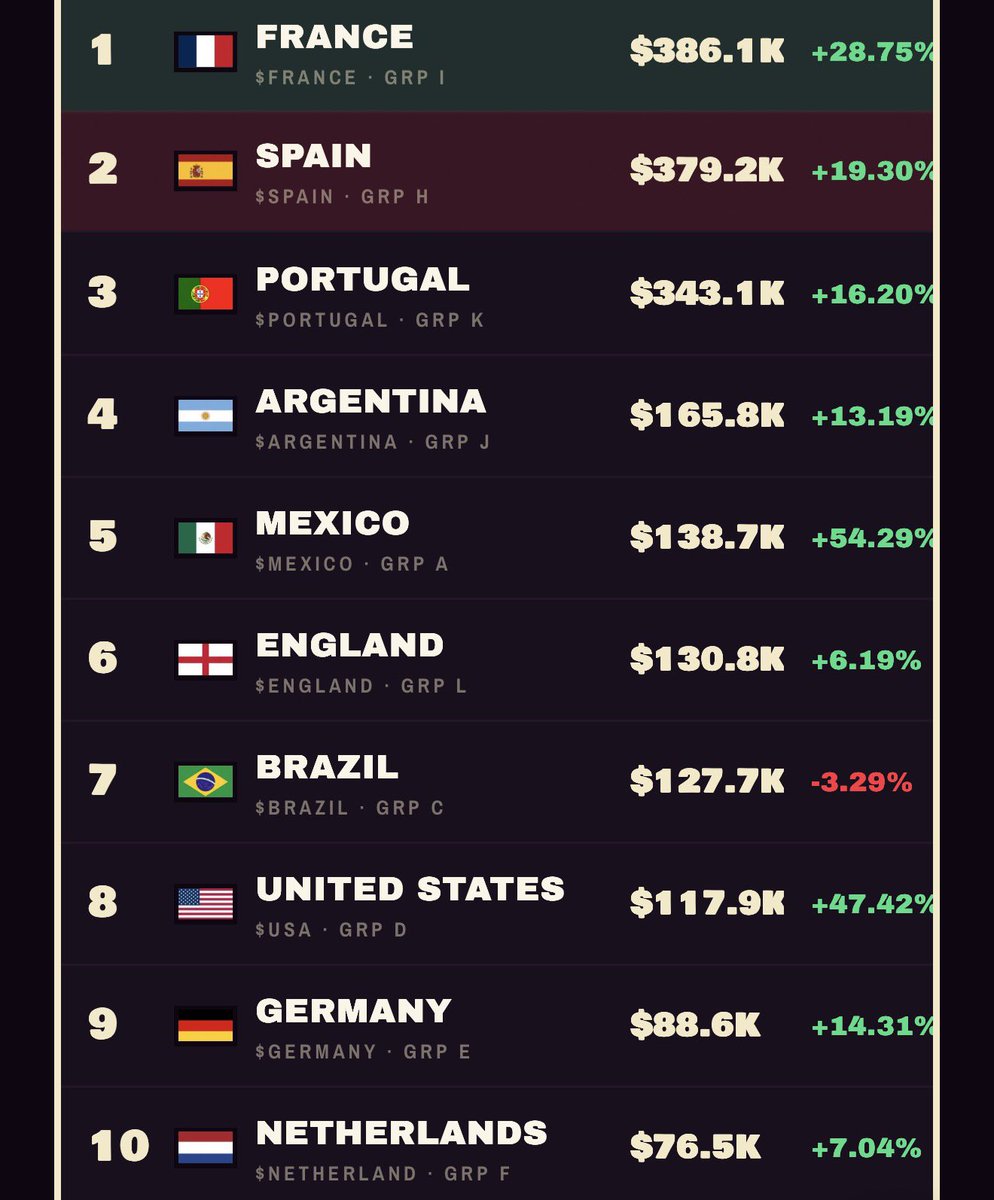
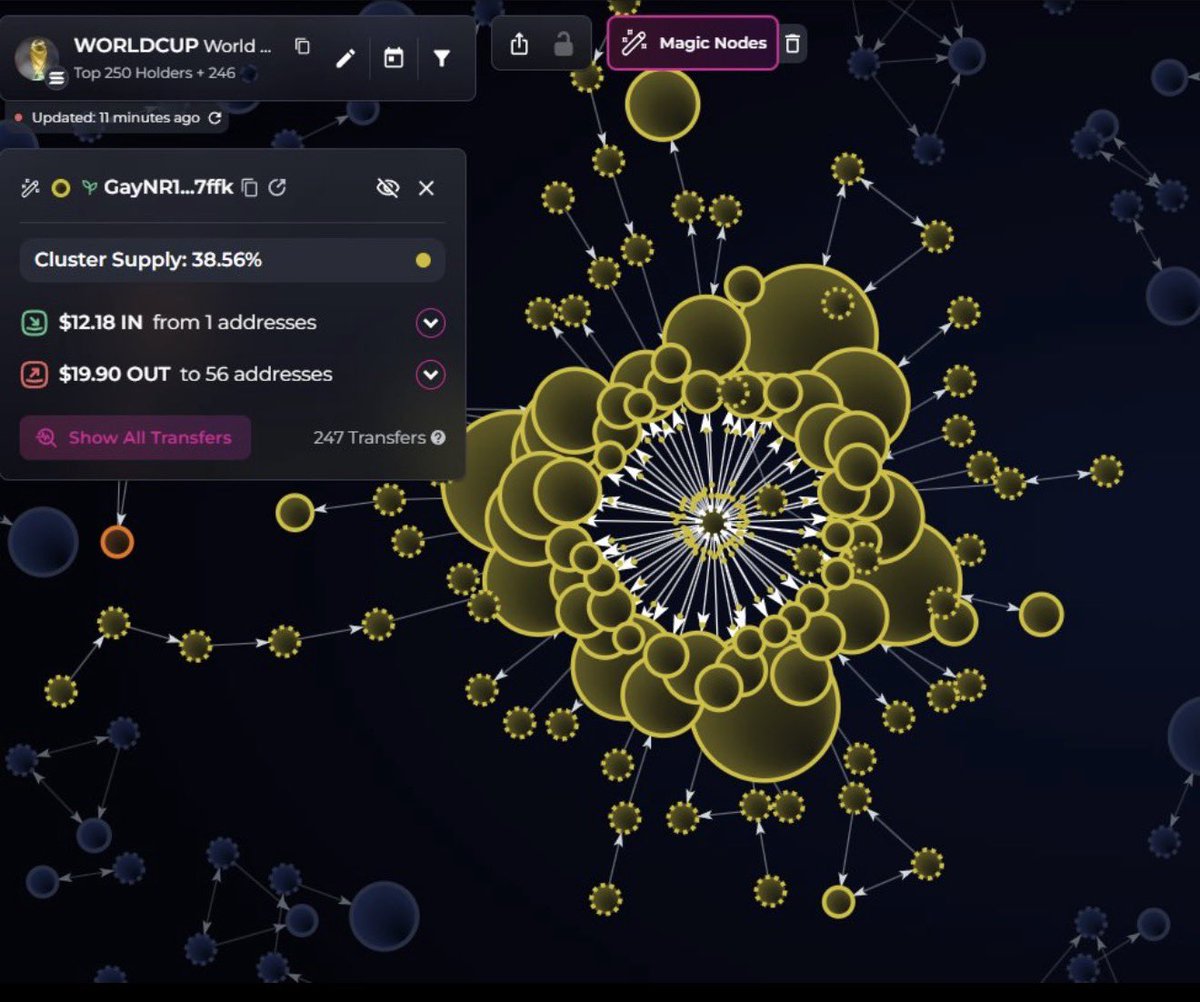
Ok. So here is my postulated thesis on @WorldCupOnPump either one of these two events will occur and I believe the latter will be the result…
1. The main WC coin will pump temporarily for the next day and so will the top 10 countries within the ecosystem and then a mass sell off to “rug-like” figures
OR
2. The main WC token will pump slowly but surely over the whole duration of the World Cup event causing it to hit a $40M mcap ATH and possibly higher..additionally the top 10 countries will pump higher as they win thru the event and the top 5 will reach well over $3M each in mcap…
What do you think will happen?
@WorldCupOnPump currently is at a $9.5M mcap..thoughts?
1
1
82
🎧MrLive🎧 retweeted

Jun 3
The BioHash MCP server is now live for users and agents: an agent-callable interface to the most transparent onchain peptide pricing oracle.
As peptide procurement moves onchain this week, agents need a source of truth they can independently verify before they transact: this is that layer.
Users and agents working inside Claude Desktop, Cursor, and Claude Code can now query verified peptide pricing and prove it's real onchain without leaving their workflow or opening external software.
How it works:
Ask your agent a pricing question.
The BioHash MCP server queries the oracle, returns live verified pricing, the full vendor spread, and the cheapest verified source available. It then verifies the result against BioHash's onchain commitment and returns the proof directly to the user or agent.
The result:
→ Live verified pricing across the vendor network
→ The full market spread exposed, with up to 14x price differences on the same compound
→ The cheapest verified source for any tracked compound
→ Independent onchain verification using Merkle proofs and Solana mainnet data
→ Not a database someone can quietly edit. Every result is cryptographically verifiable
Add it in a single line. Works with any MCP-compatible host.
Docs: biohash.network/mcp
10
14
36
3,185
🎧MrLive🎧 retweeted

Jun 2
🦎 CoinGecko Listing: ✅
HoldFlow is officially live on @coingecko.
We're building more than a token.
We're building the future of community rewards on Solana.
The token launched first.
The platform comes next.
Automate • Distribute • Empower
coingecko.com/en/coins/holdf…
34
31
43
6,834
Jun 1
It’s time……👊
Jun 1
Neurix is evolving.
We’ve shared a full article on the redesign, the direction behind it, and what this next chapter means for the project.
Read the full update here:
neurix.sh/rebrand
1
85
🎧MrLive🎧 retweeted
May 31
Introducing $HOLD from HoldFlow.
$HOLD is the utility token of the HoldFlow ecosystem, built around customizable Solana rewards, token locks, token launches, buybacks, burns, and creator tools.
The HoldFlow platform is coming soon. The ecosystem starts today.
Es4RvTdJNyJZ3iCDvQ2vnd1QhB49dWB8Pug4kbrNBAGS
54
15
81
4,516
May 31
Yea we told you not to sell your bag..
May 30
$Neurix is shipping next week.
A new user interface for the web application is being finalized.
The Neurix app is being prepared for App Store submission.
Agent Infra beta is also in the final stages.
We’ve been working on many exciting updates behind the scenes, and I’m excited to share more as we continue building and getting everything ready for release.
1
1
4
166
🎧MrLive🎧 retweeted

May 27
Business structure is in place. HoldFi LLC is official and officially owns the tech behind Holdflow. Many great things to come. Never stop building.
2
3
15
305
🎧MrLive🎧 retweeted

May 27
JUST IN: 🇺🇸🇮🇷 President Trump says he is not considering lifting sanctions on Iran.


318
295
3,473
217,087
🎧MrLive🎧 retweeted

May 24
🚨 $BANK & $STAKE made the rewards meta loud.
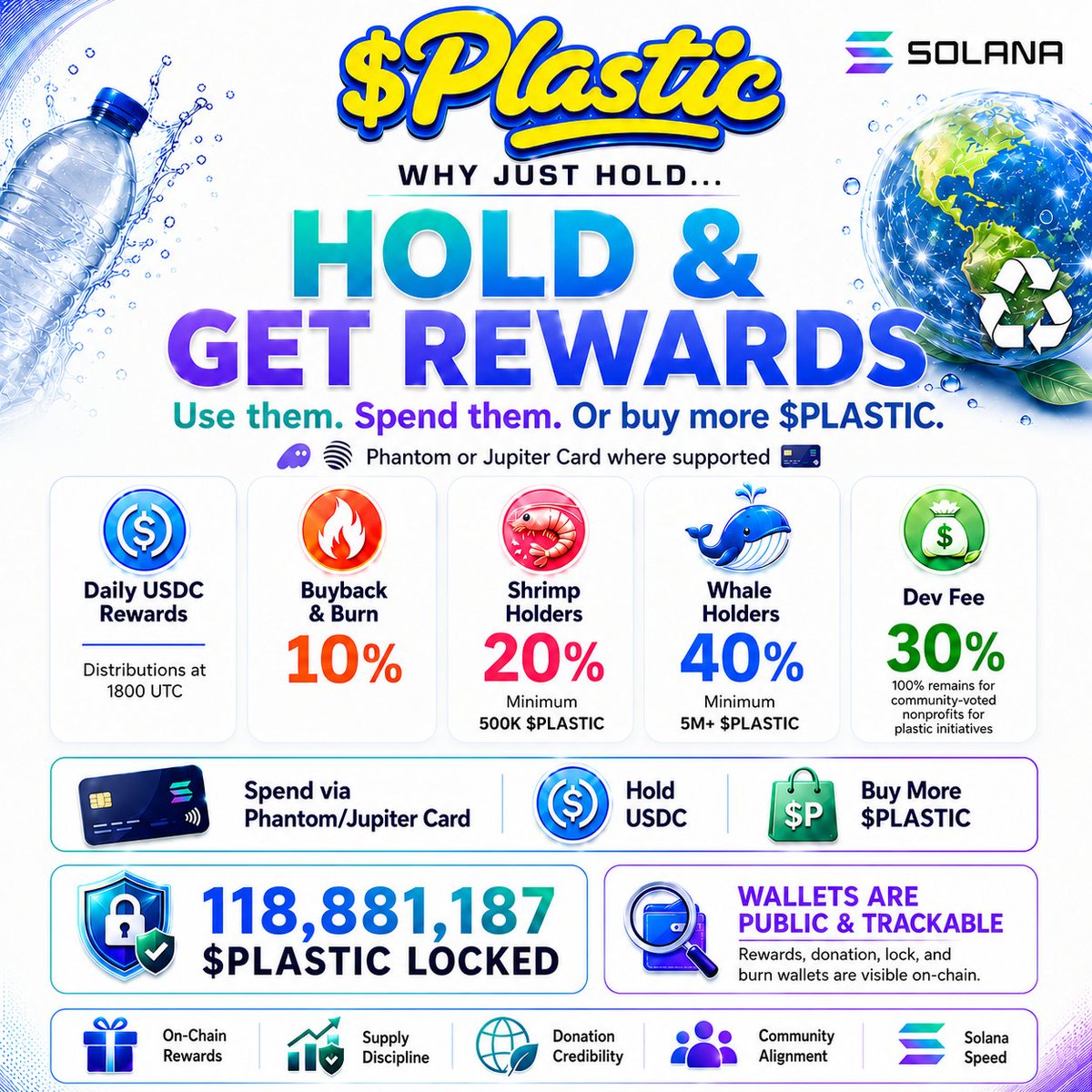
$PLASTIC is making it useful. ♻️🔥
Respect to the projects bringing attention to holder rewards on @solana .
The #meta is real.
But $PLASTIC is choosing to build and communicate with discipline.
That is why we say “rewards,” not “interest.”
“Interest” can sound like a bank product, deposit account, lending product, debt obligation, or fixed-return promise.
$PLASTIC is not a bank.
Not a deposit product.
Not a lending product.
Not a fixed-return promise.
$PLASTIC is using configurable holder rewards through token mechanics while building real-world plastic impact.
Current Rewards:
💰 Daily USDC rewards
🔥 10% Buyback & Burn
🦐 Shrimp Holders: 20% pool
🦐 Minimum now only 500K $PLASTIC
🐋 Whale Holders: 40% pool
🐋 Minimum 5M $PLASTIC
🌍 30% Dev Fee remains for community-voted nonprofits
⏰ Daily distributions currently set for 1800 UTC
Hold $PLASTIC.
Get USDC rewards.
Use them how you want:
💳 Spend with your @phantom or @JupiterExchange card where supported
💰 Hold $USDC
♻️ Or buy more $PLASTIC or $SOL
Supply discipline:
🔒 118,881,187 $PLASTIC locked
🔥 Initial burn already completed
Transparency:
👀 Rewards wallets are public
👀 Donation wallets are public
👀 Lock wallets are public
👀 Burns are trackable on-chain
This is not just a rewards token.
This is rewards burn locked supply nonprofit funding real-world impact.
We can ride the #Solana meta.
We can meme.
We can have fun.
But $PLASTIC is building with Purpose and Precision. ♻️🔥
CA: DU7BqqKt7vC9i7paUQSeduxkWkTHQmoVR85M79pfpump
#Plastic #Solana #RealYield #ReFi #Crypto #BANK
6
11
33
1,254
May 23
🔐 Just locked 27,000,000 $NEURIX tokens with @Streamflow_Fi
It's on-chain. You can check the amount, time-period and recipients.
Check it out👇
app.streamflow.finance/contr…
6
7
19
250
🎧MrLive🎧 retweeted

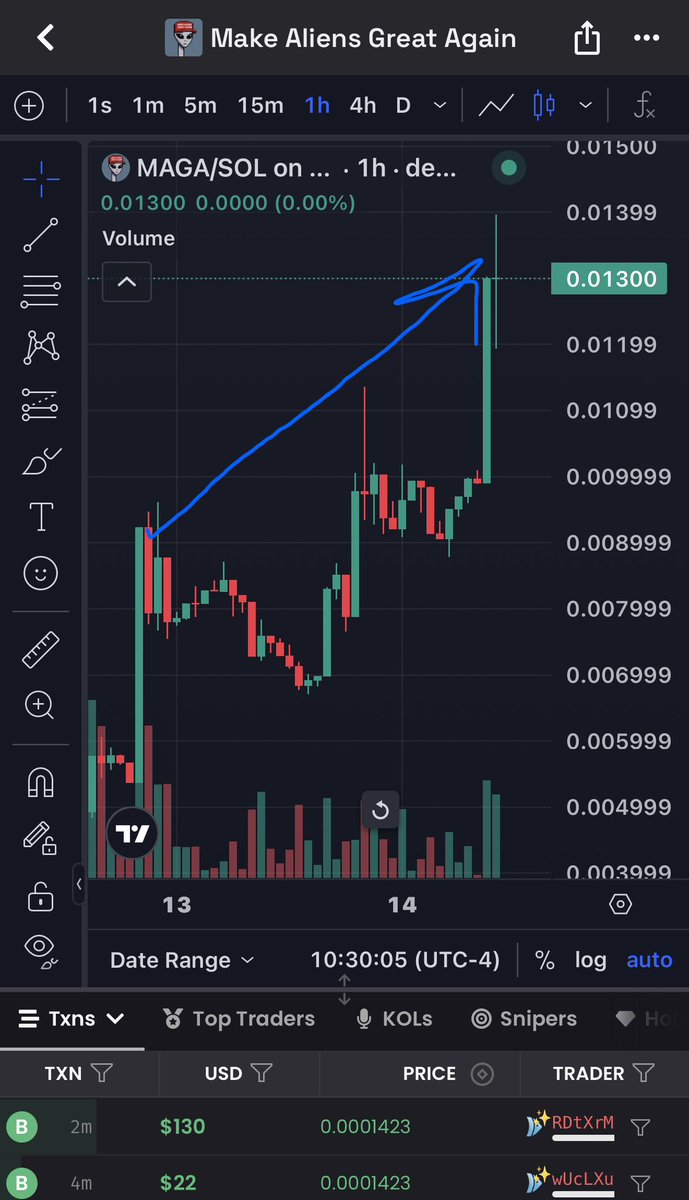
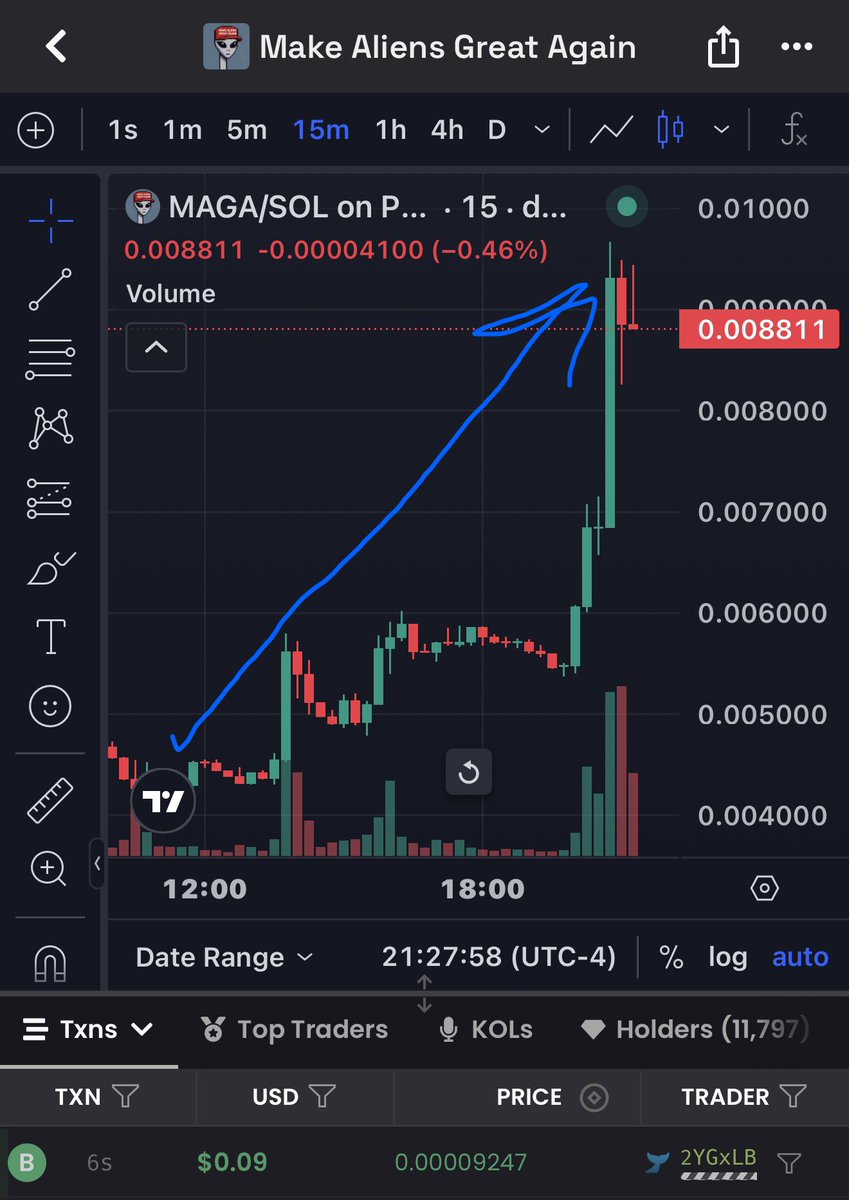
BIG NEWS: Make Aliens Great Again will be LIVE in studio with @RealAlexJones to reveal never-before-seen UFO footage. Date to be released soon 👀
27
59
203
6,055
🎧MrLive🎧 retweeted
May 19
This is why $Plastic is more than a token. ♻️⚡🌍
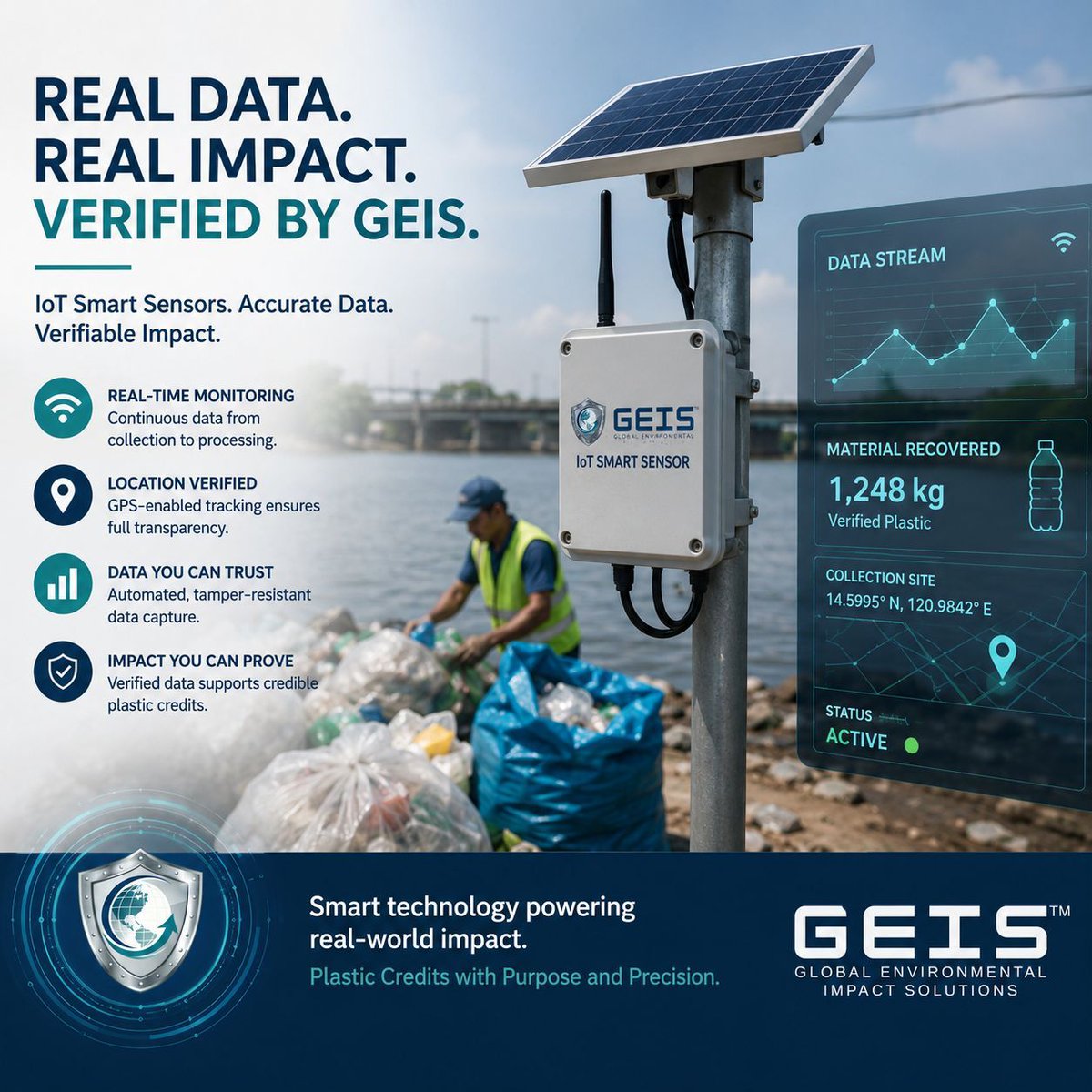
#GEIS is now conducting a case study around IoT-enabled smart waste and recycling technology in partnership MRFs
That means real containers.
Real sensors.
Real GPS-linked data.
Real waste logistics.
Real operational measurements.
And real evidence architecture being built around smarter recovery systems.
Why does this matter for $Plastic?
Because plastic recovery is not only about picking up material.
It is about knowing:
📍 where collection points are
📡 how full containers actually are
🚛 when trucks should actually move
⛽ how many unnecessary miles can be reduced
🏭 how material can move into recovery infrastructure
🧾 how impact can be measured, documented, and verified
Smart waste technology helps shift collection from fixed assumptions to real-world data.
Instead of trucks running routes just because the calendar says so, IoT sensors can help show when containers actually need service.
That can mean fewer wasted miles.
Less unnecessary fuel use.
Better route planning.
Lower emissions.
Fewer overflow events.
Better data.
And stronger infrastructure for plastic recovery.
This is the kind of real-world layer that matters if we want environmental impact to become measurable instead of vague.
$Plastic is the Solana-powered community layer.
GEIS is building the verification and infrastructure layer.
Together, the mission is about connecting community attention to real systems that can support collection, recovery, documentation, and accountability.
The future of plastic recovery needs more than awareness.
It needs sensors.
It needs routes.
It needs facilities.
It needs data.
It needs verification.
It needs community.
Solana gives the speed. ⚡
GEIS brings the proof. 🛡️
$Plastic brings the people. 🌍
This is what it looks like when real-world infrastructure starts connecting to the movement.

GEIS is Conducting a Case Study on IoT Smart Waste Technology
At Global Environmental Impact Solutions, LLC, our mission is to close the gap between environmental intention and measurable, verifiable impact.
That mission is now expanding into one of the most underutilized areas of environmental infrastructure:
📡 IoT-enabled smart waste and recycling technology.
GEIS is currently conducting a case study in FL, in partnership with MRFs, using ultrasonic fill-level sensors and GPS-linked data systems across commercial and residential waste containers.
The goal is simple:
Generate real-world data.
Measure operational impact.
Quantify emissions reductions.
Build the evidence architecture needed to scale smarter waste infrastructure.
━━━━━━━━━━━━━━━━━━━━━━
🚛 THE PROBLEM WITH FIXED ROUTES
Across the country, waste collection trucks often run fixed calendar routes whether containers are 20% full or 100% full.
That means unnecessary miles.
Unnecessary fuel use.
Unnecessary labor hours.
Unnecessary vehicle wear.
Unnecessary emissions.
Smart waste technology helps solve this at the source.
📡 Fill-level sensors transmit real-time container data.
📍 GPS-linked systems support location-based tracking.
🚛 Collection can be triggered by actual need instead of fixed assumptions.
🗺️ Routes can be dynamically optimized based on real conditions.
That is a major shift from reactive waste collection to data-driven infrastructure.
━━━━━━━━━━━━━━━━━━━━━━
📊 WHY THIS MATTERS
IoT smart waste infrastructure does not solve one problem.
It solves several at the same time.
✅ Operational Cost Reduction
Fewer unnecessary collection runs can reduce fuel costs, labor hours, maintenance, and route inefficiency.
✅ Carbon Emissions Reduction
Fewer diesel truck miles means lower CO₂ emissions per collection cycle.
✅ Recycling Quality Improvement
Fill-level monitoring can help identify overflow risks and contamination patterns before they damage material recovery outcomes.
✅ Vehicle and Infrastructure Longevity
Optimized routing reduces unnecessary wear on trucks, containers, and supporting infrastructure.
✅ Risk Reduction
Overflow events create public health, liability, and reputational risks. Real-time monitoring allows earlier intervention.
✅ Data-Driven Credit Pathways
Avoided diesel emissions from optimized routing can be calculated using recognized emissions factors, creating a potential foundation for verified waste logistics carbon credits governed through the GEIS Registry™ and Plastic Impact Protocol™ framework.
━━━━━━━━━━━━━━━━━━━━━━
💡 WHY GEIS IS BUILDING THIS CASE STUDY
GEIS is not simply observing the future of waste infrastructure.
We are building the data layer needed to support it.
Our case study is designed to produce:
📍 Operational baseline data
🚛 Route optimization impact data
🌱 Emissions reduction calculations
📡 Smart container monitoring data
🧾 Evidence records for verification
🏛️ Scalable reporting architecture for municipalities, haulers, recyclers, and grant partners
The goal is to prove it locally, document it properly, and create a model that can scale nationally.
━━━━━━━━━━━━━━━━━━━━━━
📋 GRANT AND EXPANSION PATHWAYS
GEIS is actively pursuing funding opportunities to support expansion of this pilot, including programs aligned with recycling infrastructure, solid waste modernization, emissions reduction, and environmental resilience.
Potential pathways include:
🔹 EPA Solid Waste Infrastructure for Recycling initiatives
🔹 Florida DEP solid waste and recycling grant programs
🔹 EPA Recycling Education and Outreach opportunities
🔹 Florida resilience and infrastructure sustainability programs
As a Service-Disabled Veteran-Owned Small Business, GEIS brings a strong position to partnerships and grant opportunities that prioritize innovation, infrastructure, small business participation, and measurable public benefit.
━━━━━━━━━━━━━━━━━━━━━━
🔗 THE BIGGER PICTURE
The waste and plastic crisis is not only a collection problem.
It is a data problem.
You cannot verify what you do not measure.
You cannot govern what you cannot track.
You cannot scale what you cannot prove.
That is why GEIS is building systems that connect field-level activity, smart infrastructure, registry controls, verification logic, and audit-ready environmental claims.
IoT smart waste infrastructure is the next layer of that architecture.
Smart containers.
Real-time data.
Optimized logistics.
Verified impact.
Governed through purpose-built environmental infrastructure.
🌐 geisolutions.com
Plastic Credits with Purpose and Precision.
#IoT #SmartWaste #WasteManagement #Recycling #Sustainability #CarbonCredits #GreenTech #EnvironmentalImpact #SDVOSB #VeteranOwnedBusiness #CleanTech #TampaBay #PlasticImpactProtocol #GEISRegistry #CircularEconomy
3
13
25
491