
Hello Folks! Follow me here and Subscribe at my YouTube Channel IanizewayTV link below :) #HappyHormones! Just keep Tweeting!
Joined September 2010
- Tweets 11,406
- Following 567
- Followers 268
- Likes 1,743
687 Photos and videos



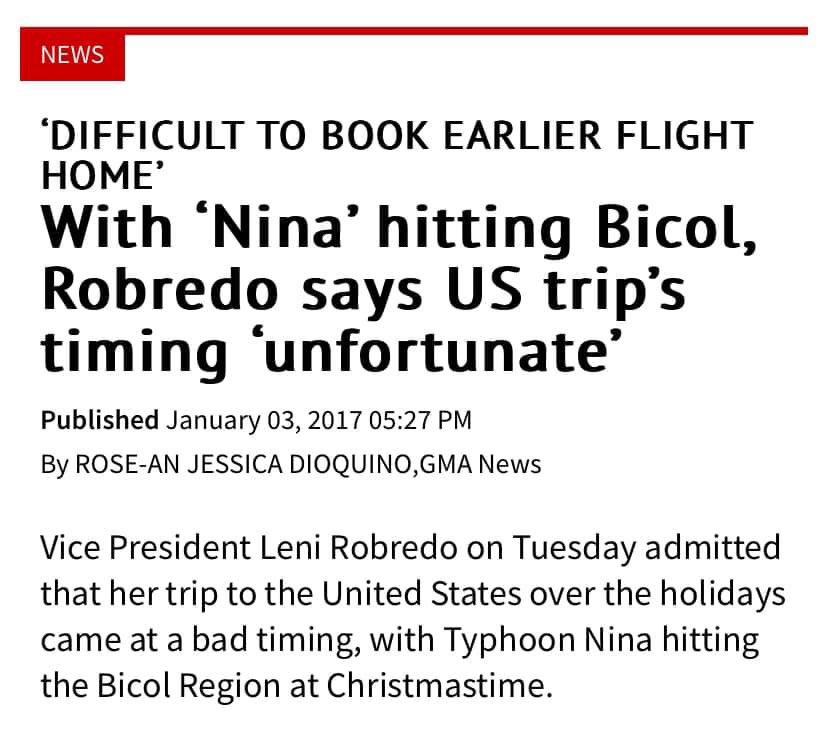




Pinned Tweet

9 Jan 2020
May nakakabasa naman ng tweets mo... wala lang nag rereact... visually.
You may have them reacted one way or another. And that still is communication.
So keep tweeting :)
#happyhormones #ianizewayTV
3
ian darwin retweeted

Feb 26
Pokémon 30th anniversary special video released
141
4,848
37,491
1,922,464
25 Jul 2024
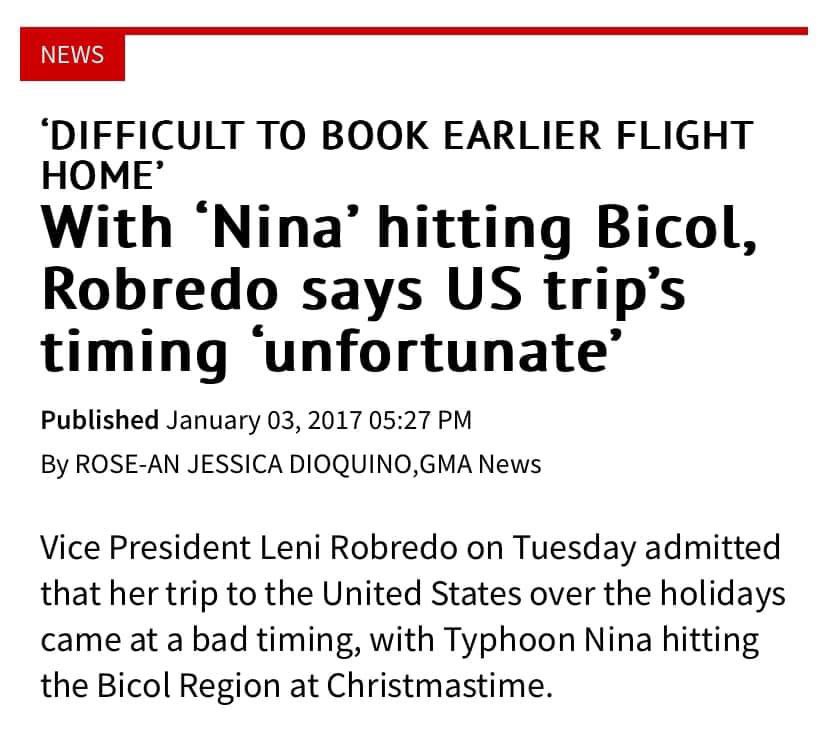
#NasaanAngVPDyan??? Paki turo nga…
Hanap kayo ng hanap, bakit, Mama mo?!
#NasaanAngBisePresidente #NasaanAngVP
Sanay kasi kayo sa mga papansin na politko.
597
ian darwin retweeted

24 Jul 2024
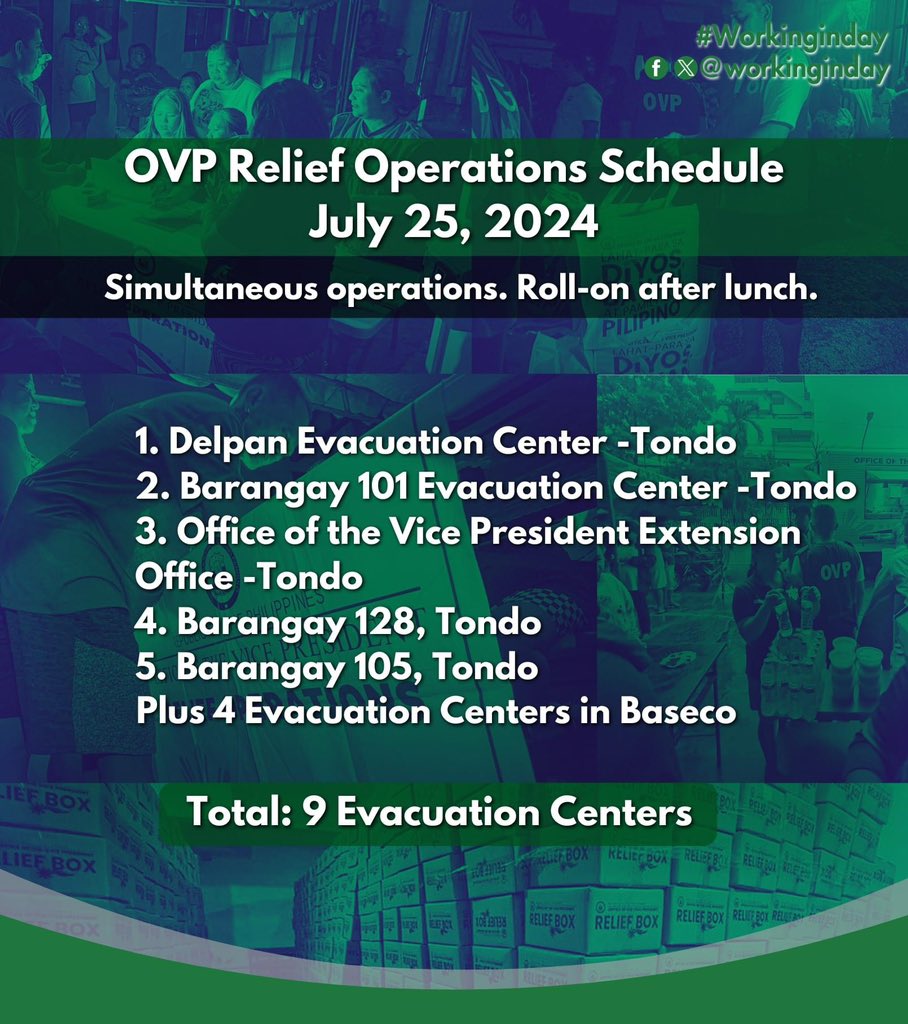
WATCH: The Office of the Vice President prepositions relief items and hot meals for families affected by bad weather due to Typhoon #CarinaPH and the enhanced southwest monsoon in areas in Metro Manila and Calabarzon on Wednesday (July 24, 2024).
77
123
381
104,924
ian darwin retweeted

26 Jun 2024
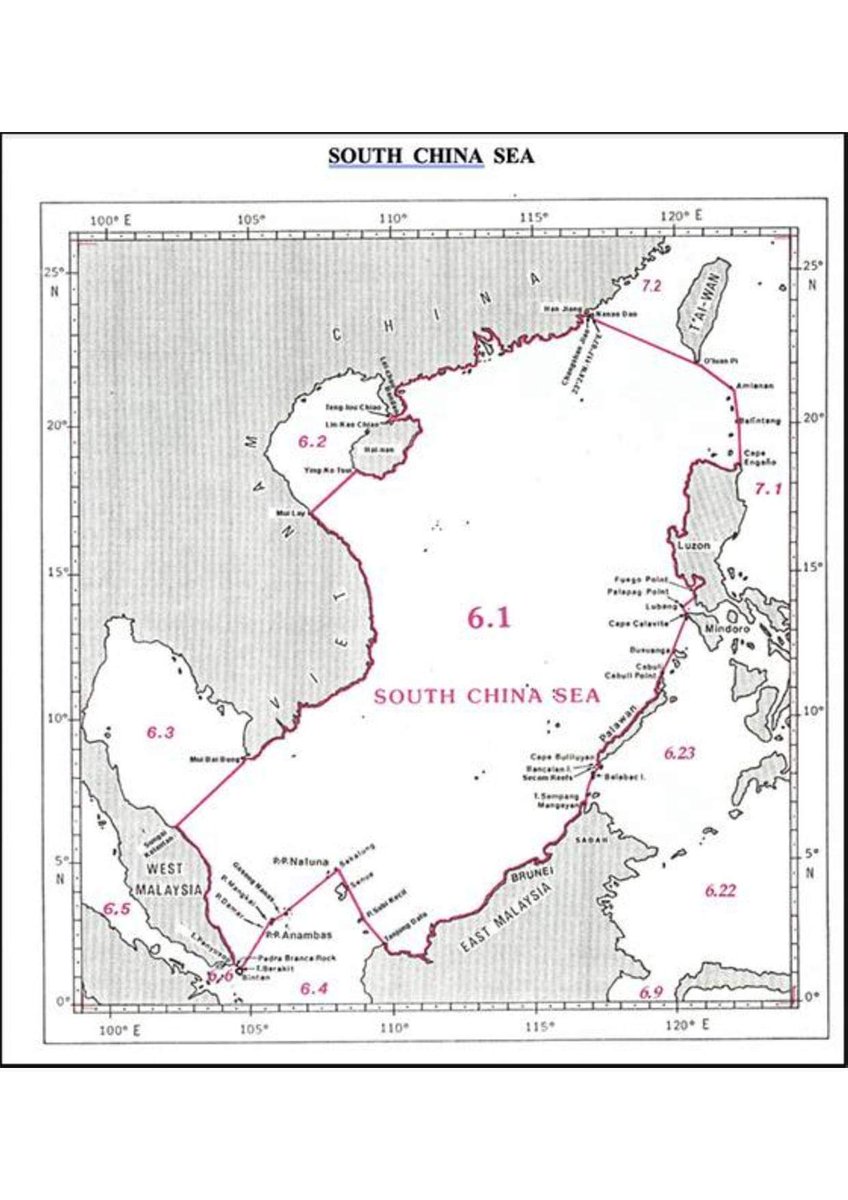
The photo below is the latest South China Sea (SCS) map (2002) from the International Hydrological Organization (IHO), the official United Nations (UN)-organized body that names seas. Please refer below.
I heard that law professors from San Beda University in Manila released a statement on Monday (June 24, 2024) night implying that the June 17, 2024, incident in the contested waters of Ayungin Shoal had already met the conditions triggering the Mutual Defense Treaty (MDT) between the Philippines and the US. They further noted that according to Paragraph 14 of the US and Philippines Bilateral Defense Guidelines signed on May 3, 2023, an “armed attack in the Pacific” also includes incidents anywhere in the South China Sea on either Philippine or US armed forces, including their Coast Guards, aircraft, or public vessels.
Before we even dive into the idea of "invoking" MDT, let's get a few things straight about our dispute with China over the SCS, the so-called arbitral award, and the real situation at Ayungin Shoal. We can discuss the MDT in another post later, because it seems some folks are a bit too eager to start a war with a superpower like China, while dreaming that Uncle Sam will swoop in to save the Philippines through the MDT. Goodness, gracious!
First, the term "West Philippine Sea" (WPS) is a designation used by the Philippines to refer to parts of the South China Sea that are included in the country's exclusive economic zone (EEZ). This term gained prominence, particularly during the administration of President Benigno Aquino III in 2012, as part of efforts to assert the Philippines' territorial and maritime claims vis-à-vis China.
However, WPS is NOT internationally recognized or used in international documents, legal instruments, or by international bodies. The most commonly used and recognized term for this body of water is the "South China Sea (SCS)."
The United Nations (UN) and other international organizations, including the International Hydrographic Organization (IHO), the official United Nations (UN)-organized body that names seas continue to use the term "South China Sea" in their official communications and documents.
Even the so-called arbitral ruling issued in 2016 has an official name - "The South China Sea Arbitration. Note that this arbitral ruling did not specifically endorse the term "West Philippine Sea or “WPS.” The international community generally avoids taking sides in terminological disputes, focusing instead on adherence to international law and UNCLOS provisions.
While the term "WPS” is being used in the context of the Philippines in its efforts to assert its claims in the disputed SCS, it is NOT an internationally recognized term/name. The South China Sea remains the accepted term/name in international diplomacy and legal contexts. In short, as far as the international community is concerned, there is no such thing as the West Philippine Sea or WPS.
Second, The South China Sea Arbitral Tribunal is NOT a U.N. Court. The 2016 Arbitral Award is NOT a Permanent Court of Arbitration (PCA) ruling. Although the PCA discharged and announced the ruling, the PCA only served as the registry (record office) or secretariat (a permanent administrative office that carries out substantive and administrative work) of the arbitral tribunal constituted under the United Nations Convention on the Law of the Sea (UNCLOS). Likewise, unlike the International Court of Justice (ICJ), the PCA is NOT a UN organization/body.
See Continuation in the comment section…
167
67
203
62,722
ian darwin retweeted

28 Mar 2024
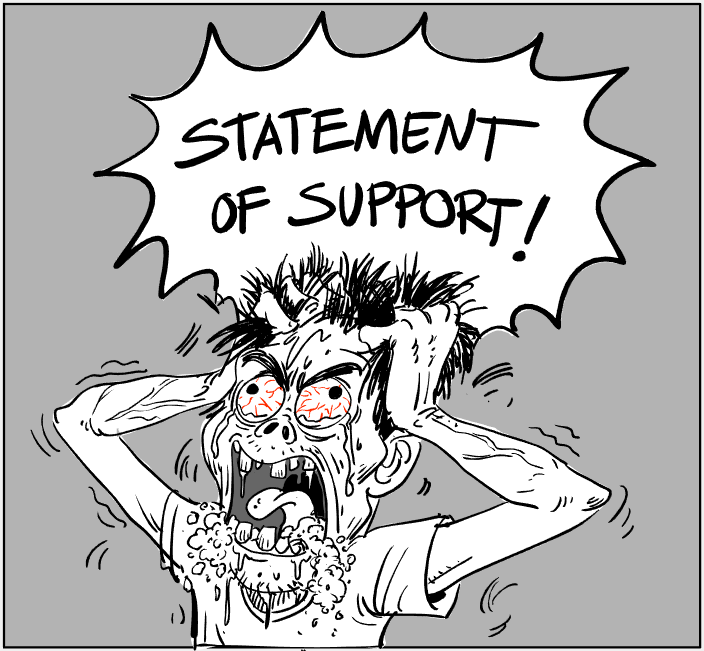
Trolls begging for VP Sara's statement. 🤣🤣🤣
53
43
224
9,072
ian darwin retweeted

20 Feb 2024
Interview with Inday Sara Duterte about the bag with guns
45
47
222
42,488

11 Nov 2023
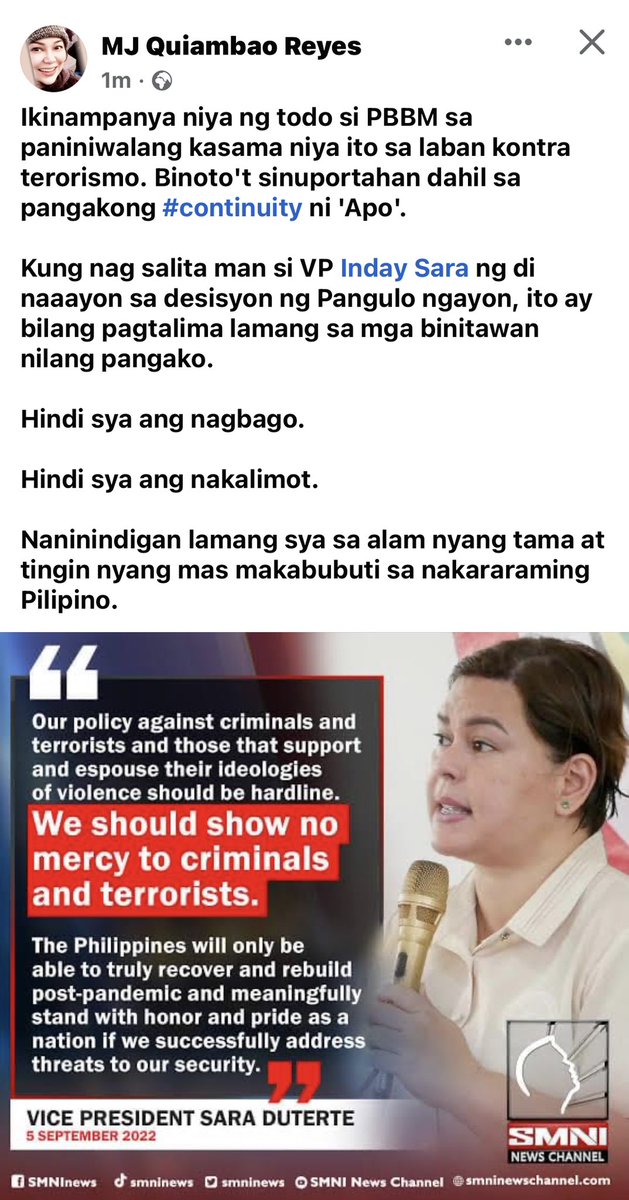
Basa.
9 Nov 2023

■ It's my honor and immense privilege to excitedly answer this, ma'am @PingpingTweets 😍
This is my technical and guideline-based answer:
This is sooooo easy to answer based on the law. 😍
I'm so happy that you asked this question. 🤩
__________________
Any audit report related to CF—completed or ongoing—is already in the hands of public offices that have the visibility of the report as provided by law.
The reason why she cannot reveal this in public is not because she cannot explain it, but because there is a law that prohibits this to be publicly disclosed. The Congress should repeal the law first, before disclosing it publicly. She still needs to follow the law. If she discloses it, then she is also violating the law that the Congress has created.
As long as the Congress do not repeal the law that requires the CF to be confidential, it's the same Congress that's saying Inday should NOT disclose it. The law favors Inday. Same law that the Congress has created. Hence, the Congress is enabling the CF of Inday.
If you don't understand this, ma'am Pingping, you will keep on asking the same question.
If you will continue to ask that question despite the law that provides the guideline for disclosure, then that would be a manifestation that you lack the capacity to understand how the law operates.
Thank you so much. 🥰
112