
Multidisciplinary artist, 🌄living in rural paradise 🎹classical piano,🖼 painting,🗻art 🖋writing & future through past & present that reflects Mandelbrot set
Joined July 2009
- Tweets 13,895
- Following 473
- Followers 6,792
- Likes 21,844
3,876 Photos and videos
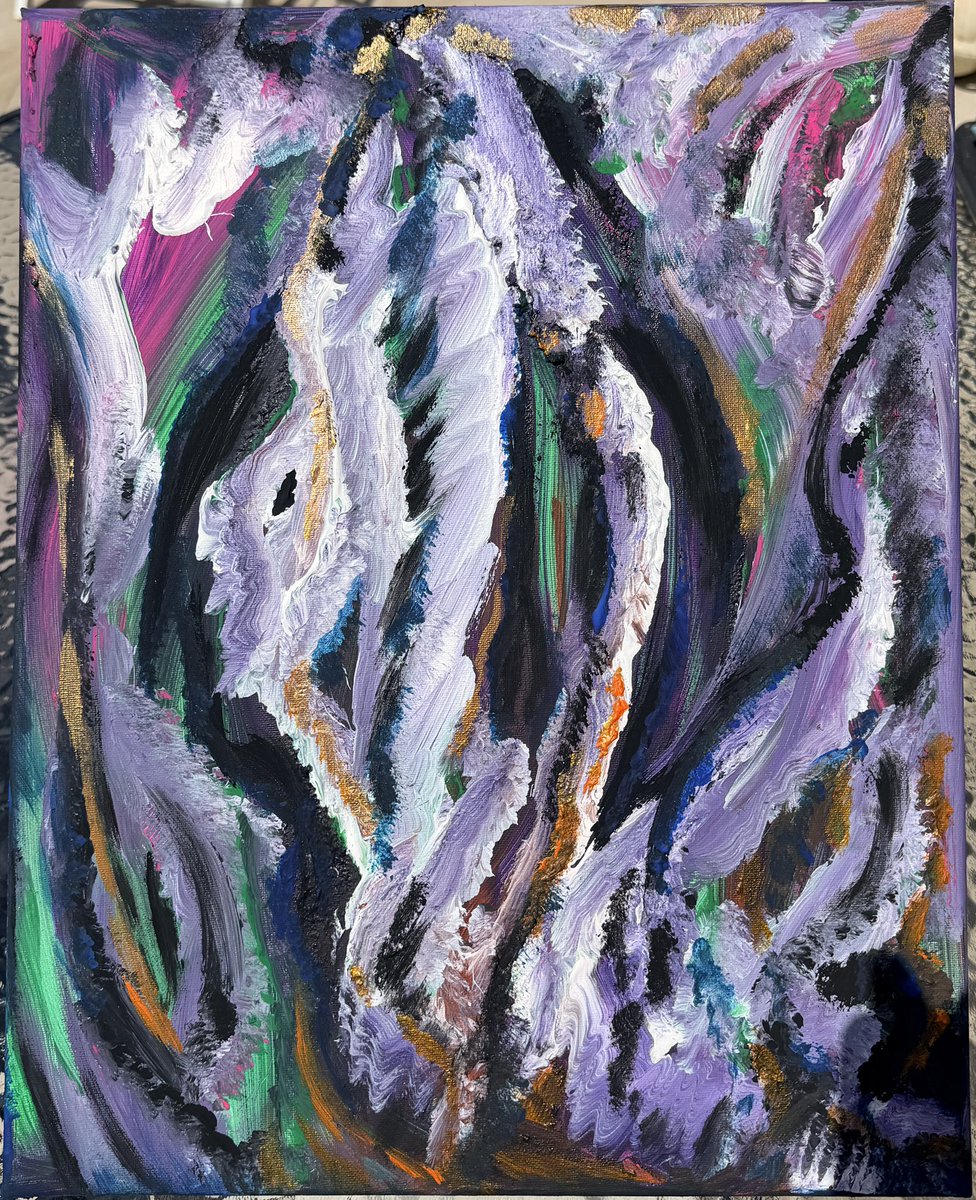
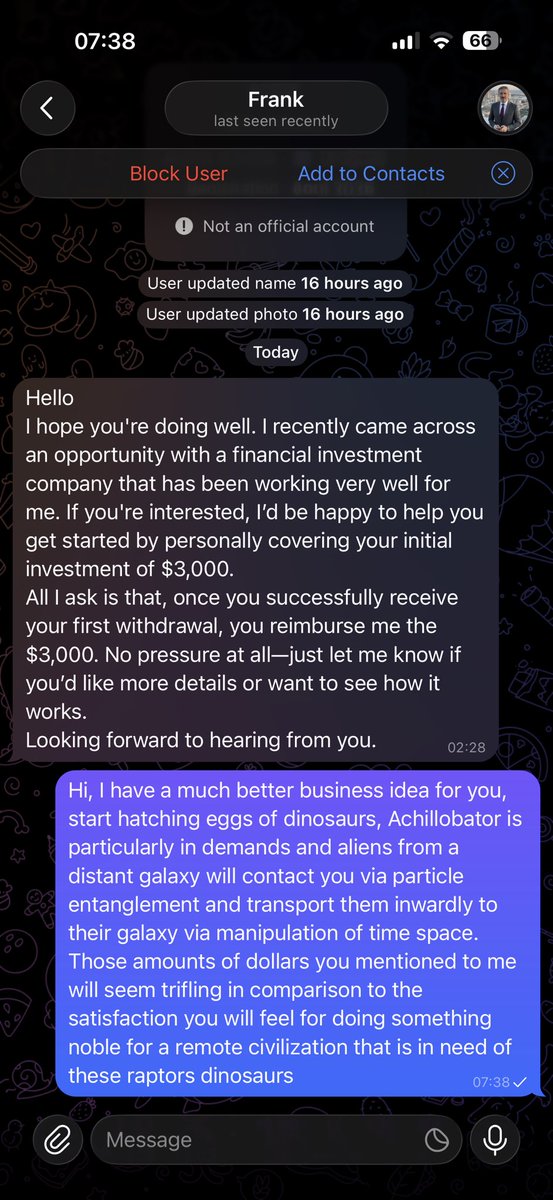
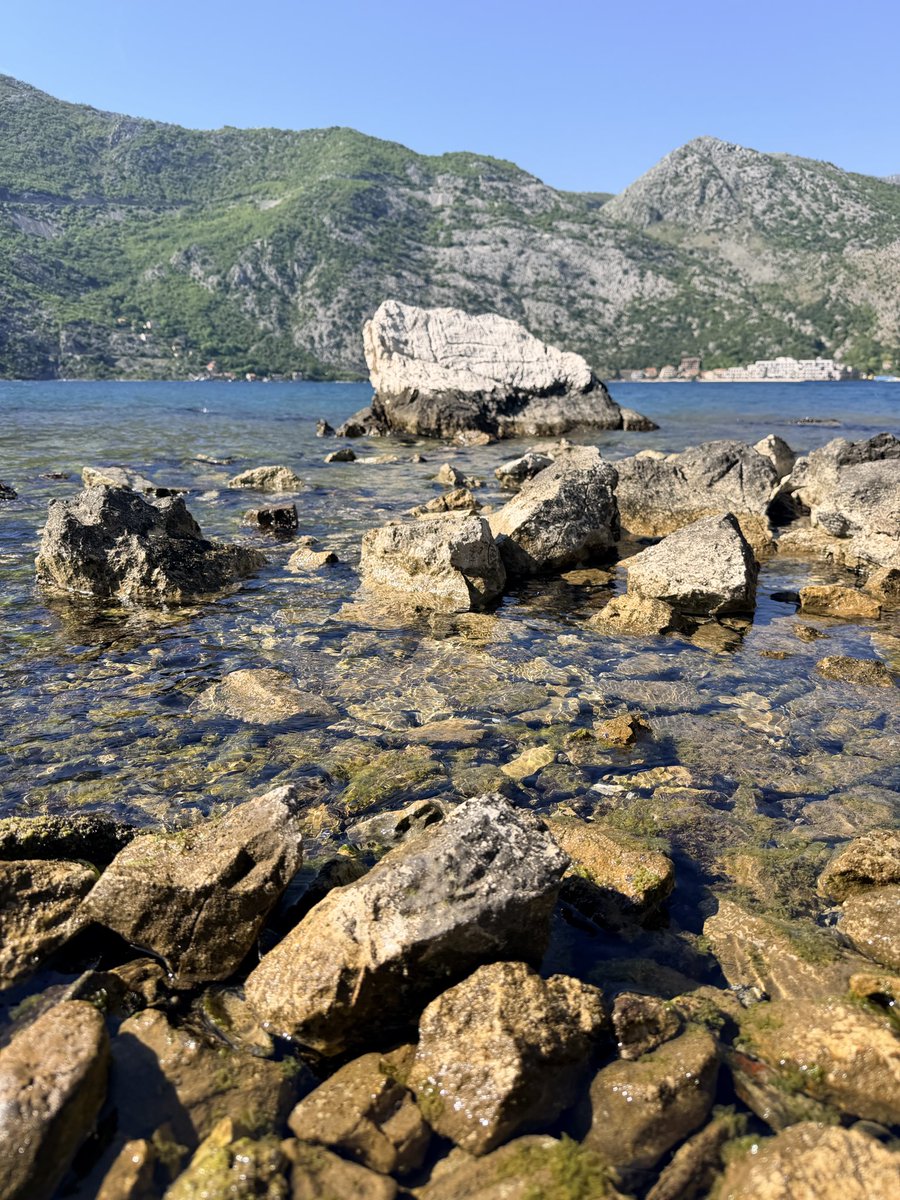
Pinned Tweet

21 Sep 2024
GM world
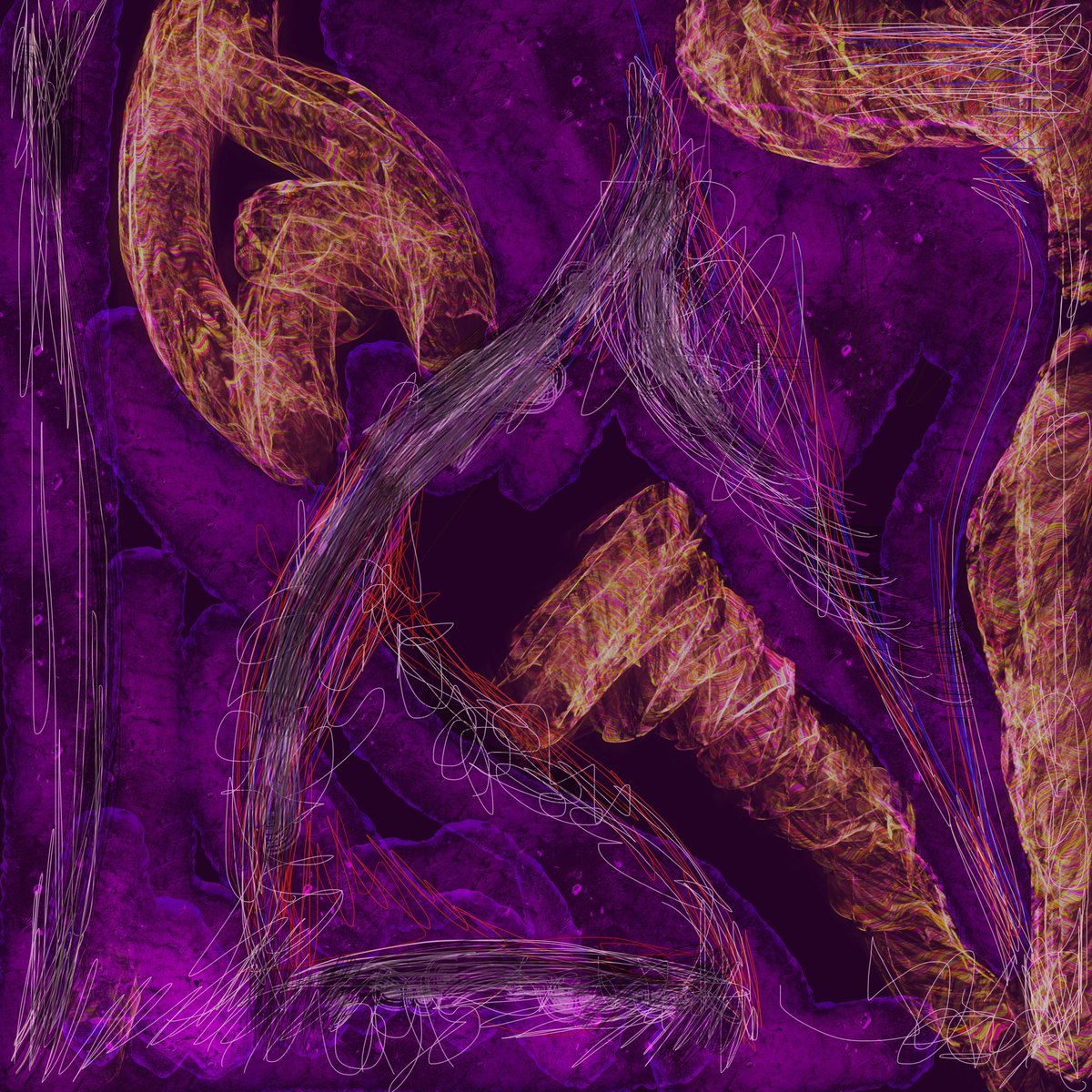
A great void, multidimensional reality with many mysterious stops and activating processes in between for one exists in stasis and other in motion
1
3
20
1,667
Jun 15
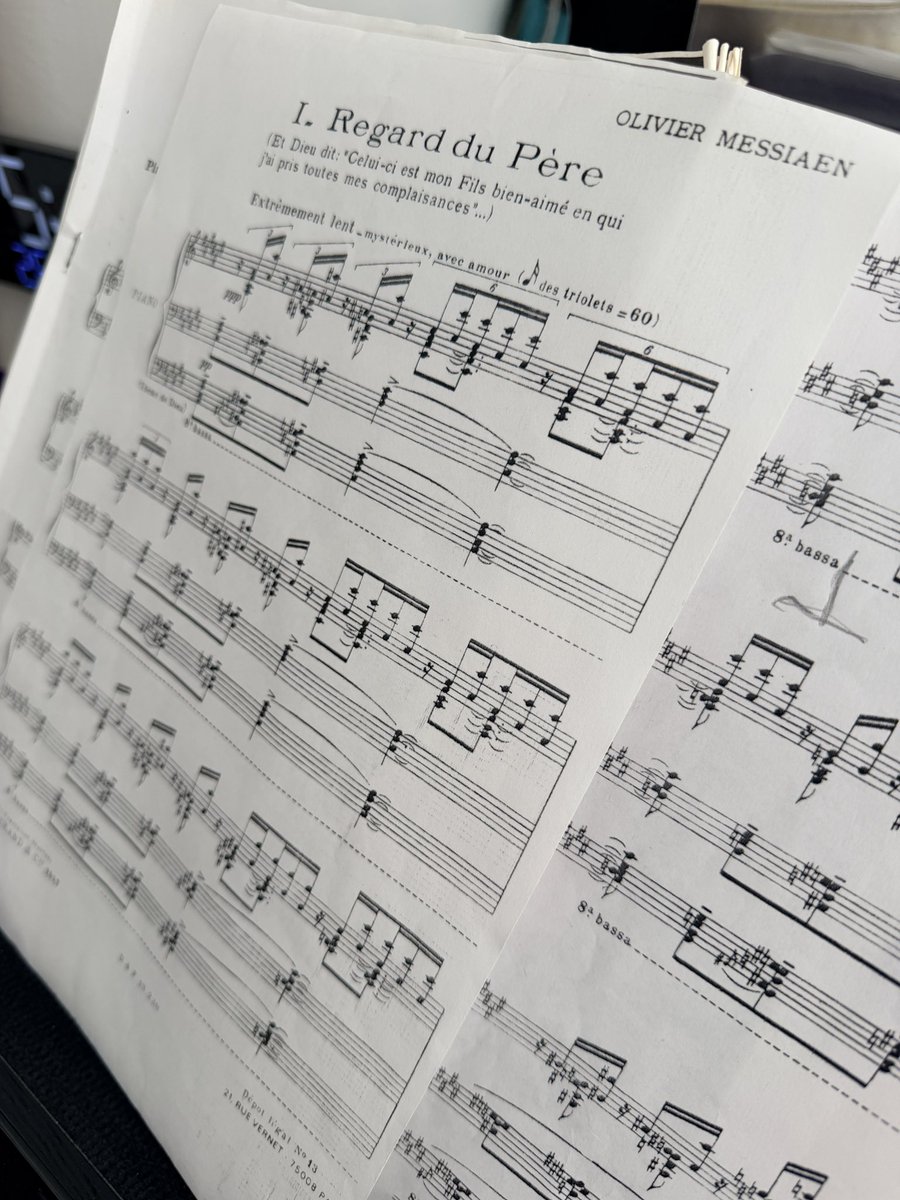
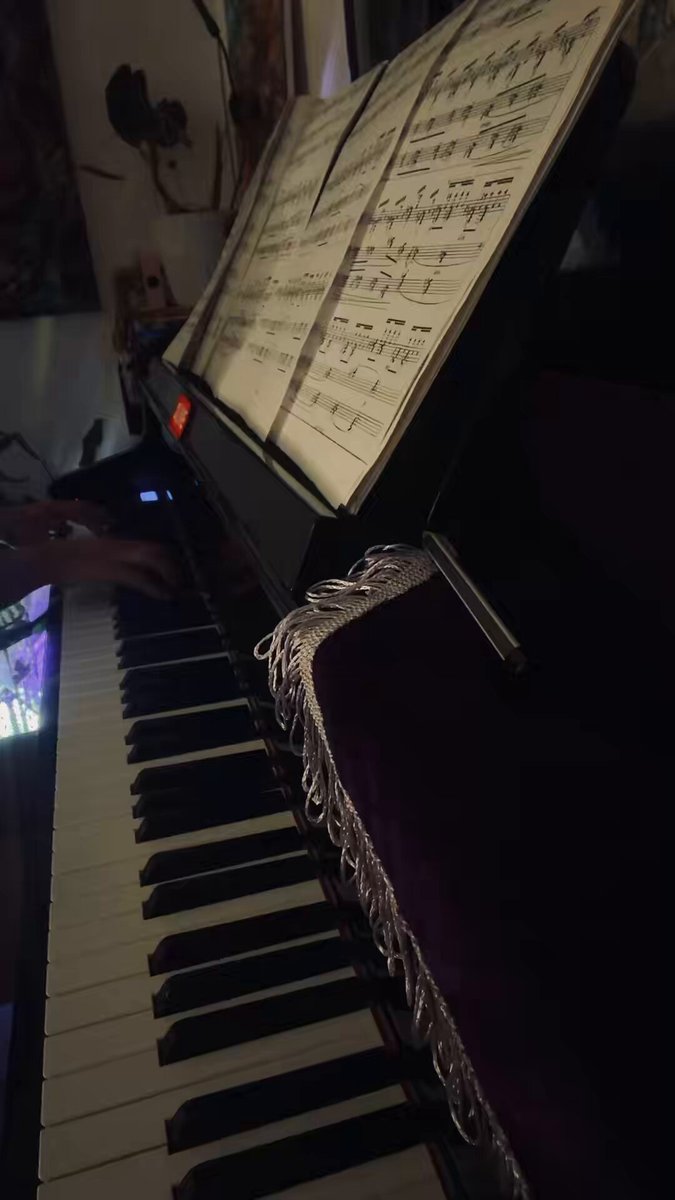
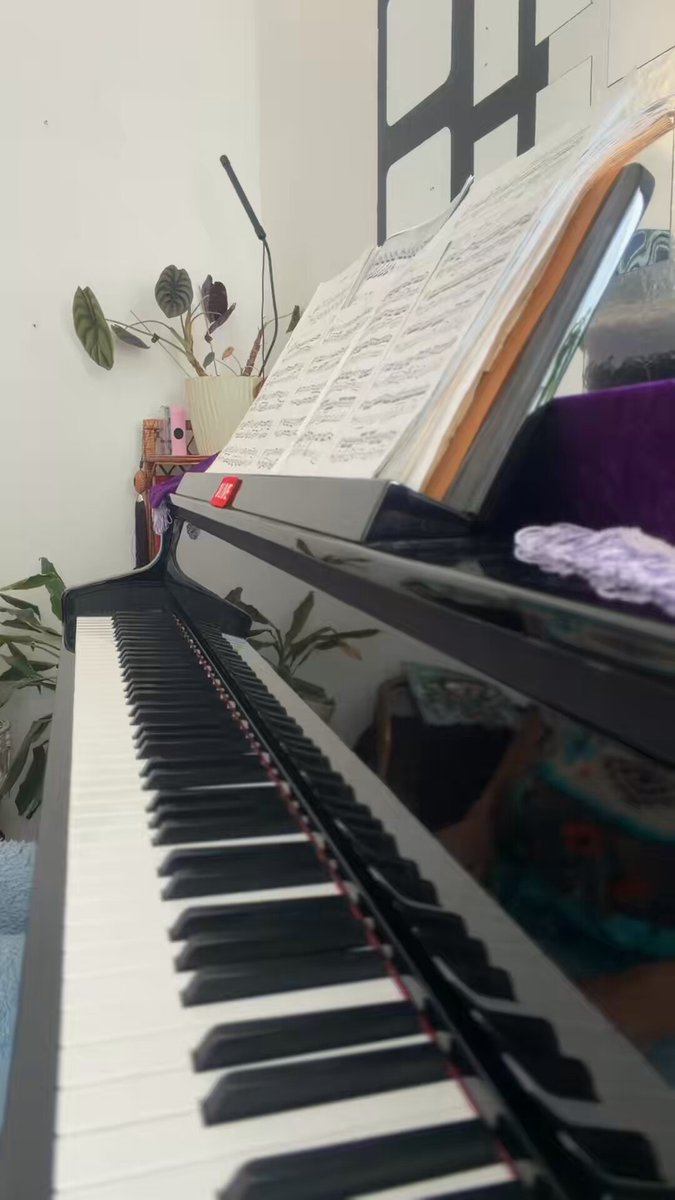
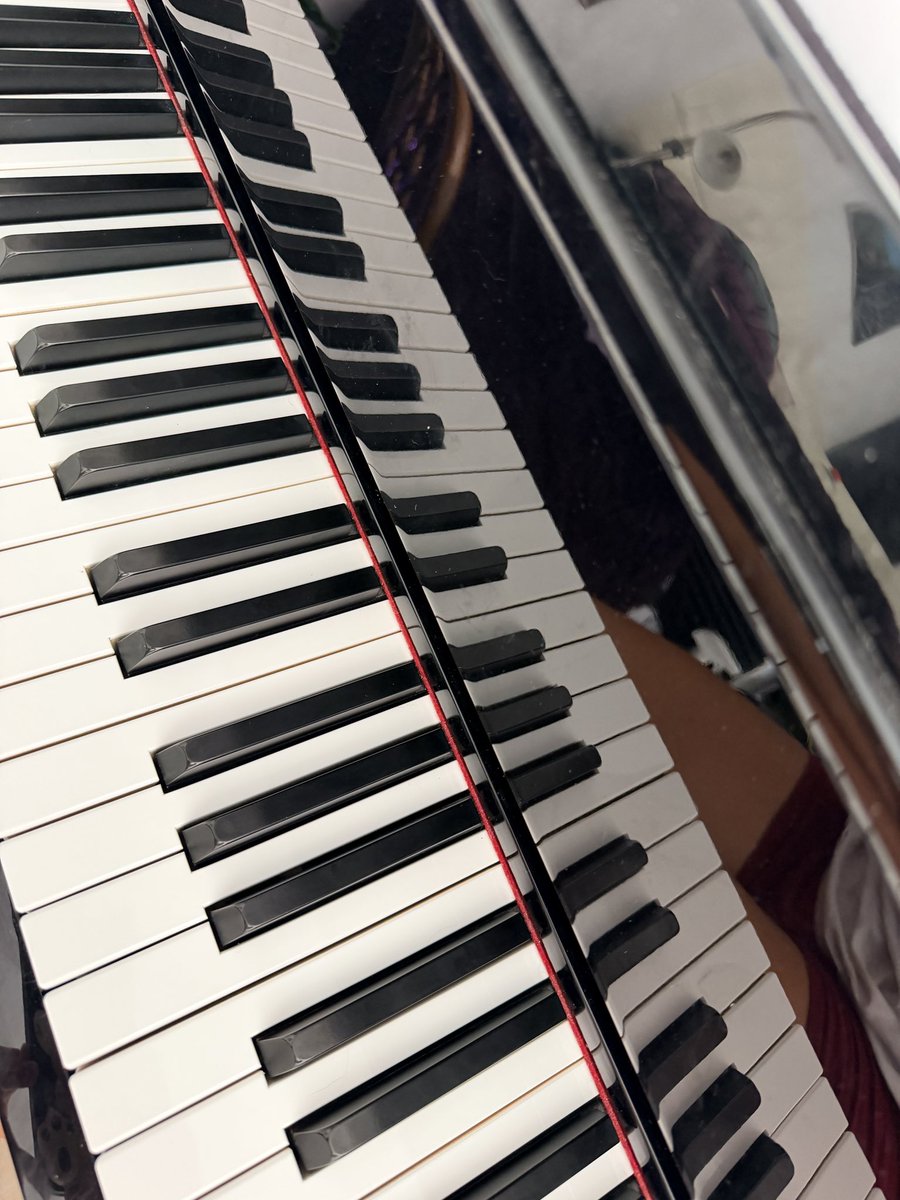
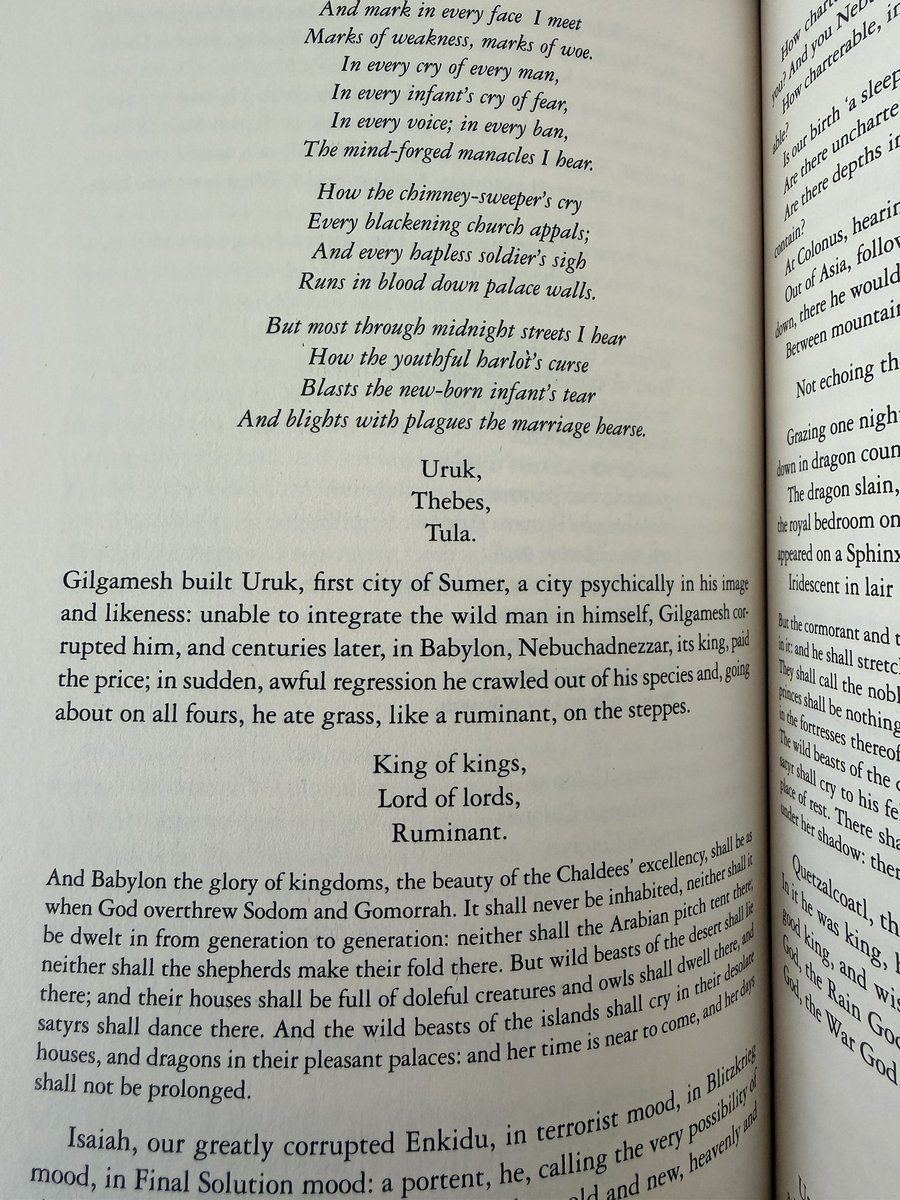
A touch of God, dreams of collective subconscious, power of summer all coinciding as I am back to the Vingt Regards by Messiaen, at the other end it is greatly helpful to dive into Moriarty’s dreams, the ancient wisdom preceding even Bible itself
1
33
Irina Ideas retweeted

Jun 12
Nassim Taleb: the richest man in the Roman Empire woke up every morning pretending he was poor.
Seneca had more to lose than to gain from his wealth - so he rehearsed losing it. Every so often he'd live on bread and water as if shipwrecked, just to make the downside familiar and harmless.
That's the whole game, Taleb says: arrange your life so you have far more upside than downside - then randomness stops scaring you.
"Make more when you're right than you lose when you're wrong - that's antifragile."
"Always keep more upside than downside from random events."
"The Stoics aren't unmoved by the world - only by bad events."
~70 min, free. the oldest trick for surviving a world you can't predict ↓
Jun 11

Daniel Kahneman: the day Saddam Hussein was captured, the same news "explained" both the bond market going up and going down.
Treasuries rose - Bloomberg's headline said the capture made the world safer. Half an hour later treasuries fell -the new headline said the capture boosted appetite for risk.
Same event, opposite stories. The market moved first; the pundits reverse-engineered a reason. That, he says, is how financial commentary actually works.
"Our confidence comes from the coherence of the story - not the evidence behind it."
"The conclusion comes first. Then we believe the arguments that support it."
"System 1 is largely indifferent to the quality and amount of evidence."
~55 min, free. why the market's "explanations" are stories told after the fact ↓
26
616
4,084
683,171
Jun 11
After a little excursion with Barber comes Messiaen, going back to complete the series, a touch of God in every second note
2
44
Jun 8
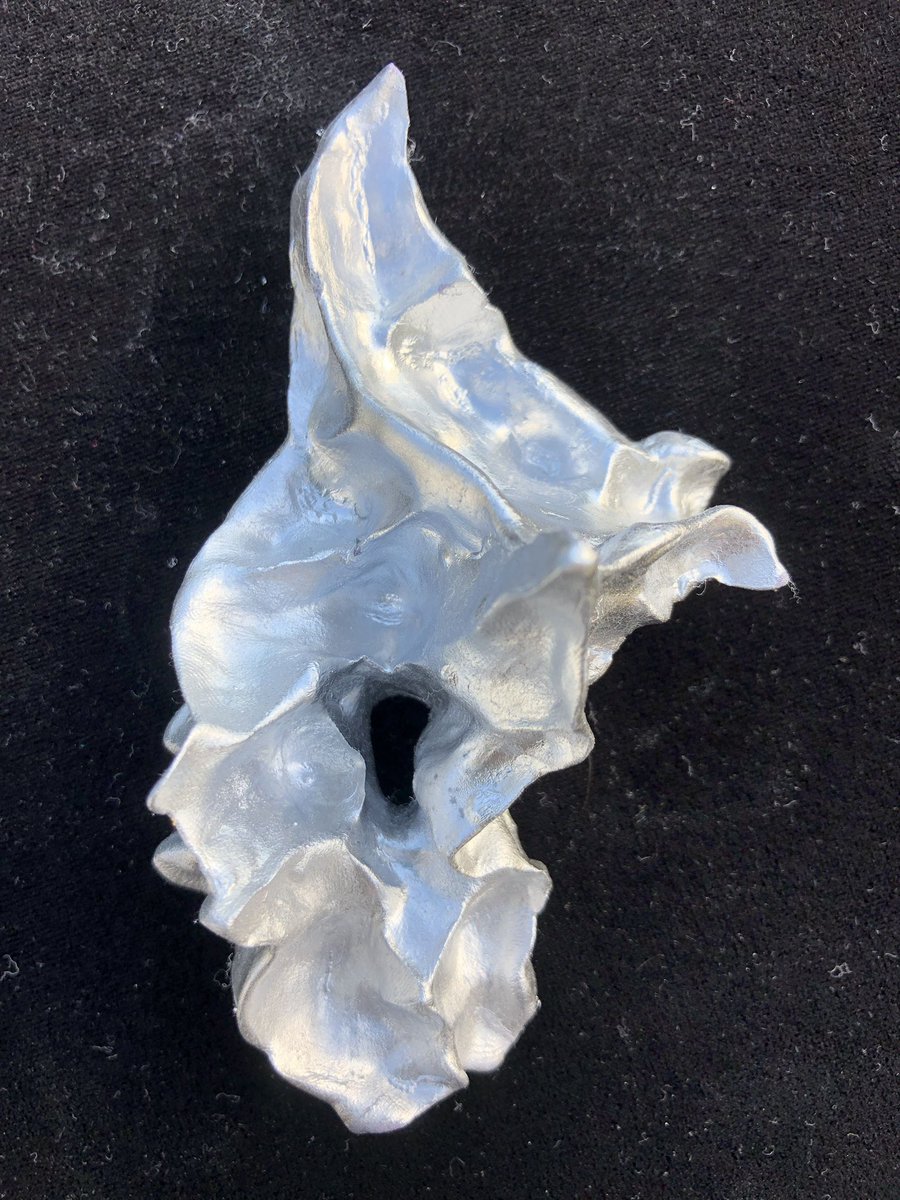
A bird of pray containing a blackhole in this fabric of space time, a mystery of expansion and contraction
1
21

May 21
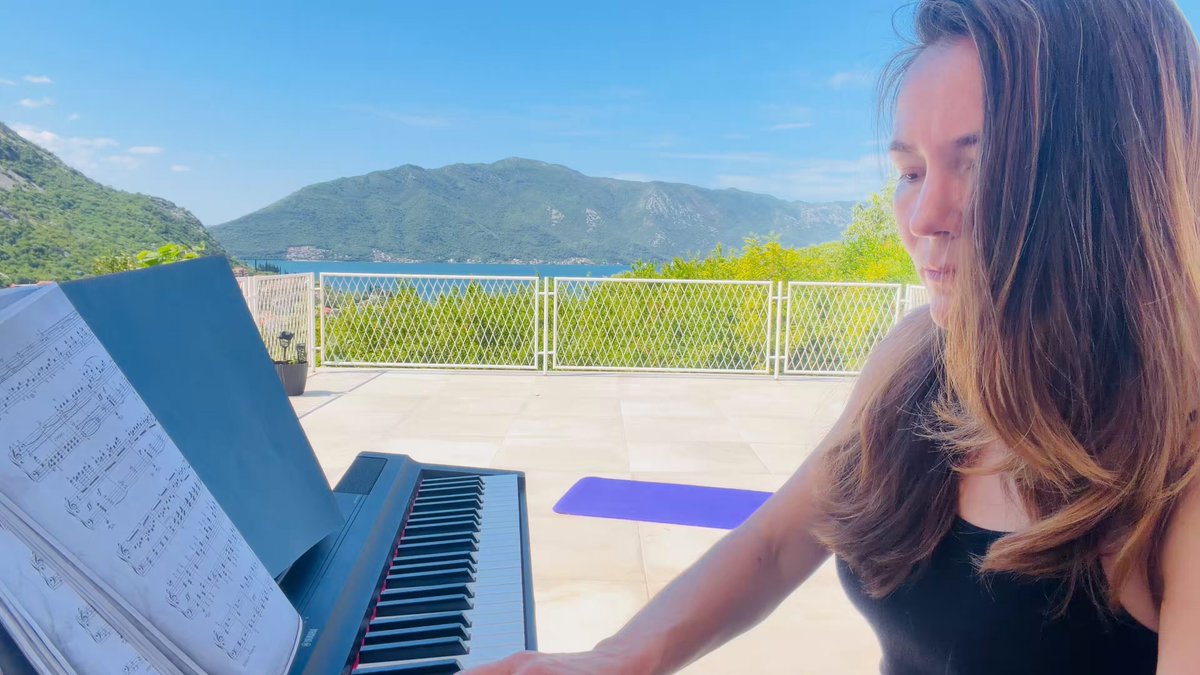
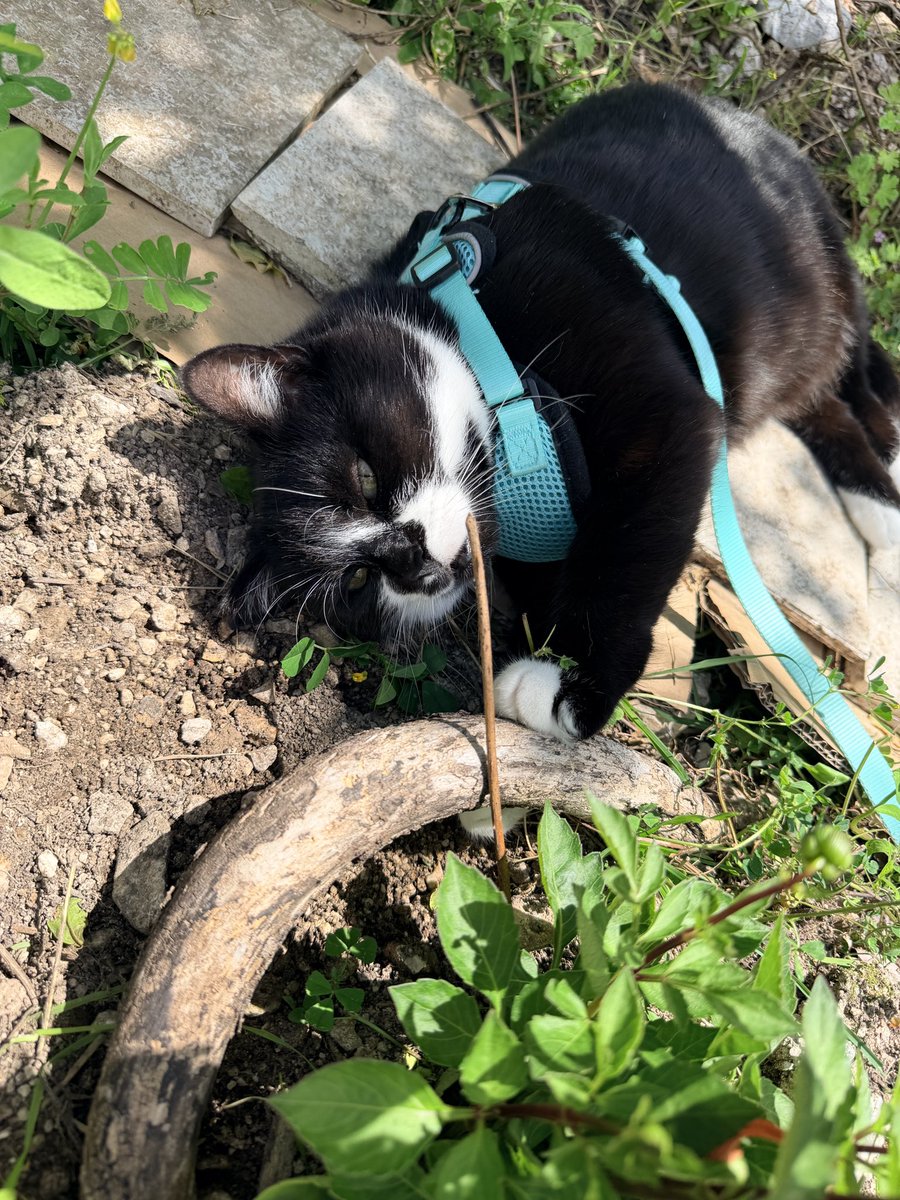
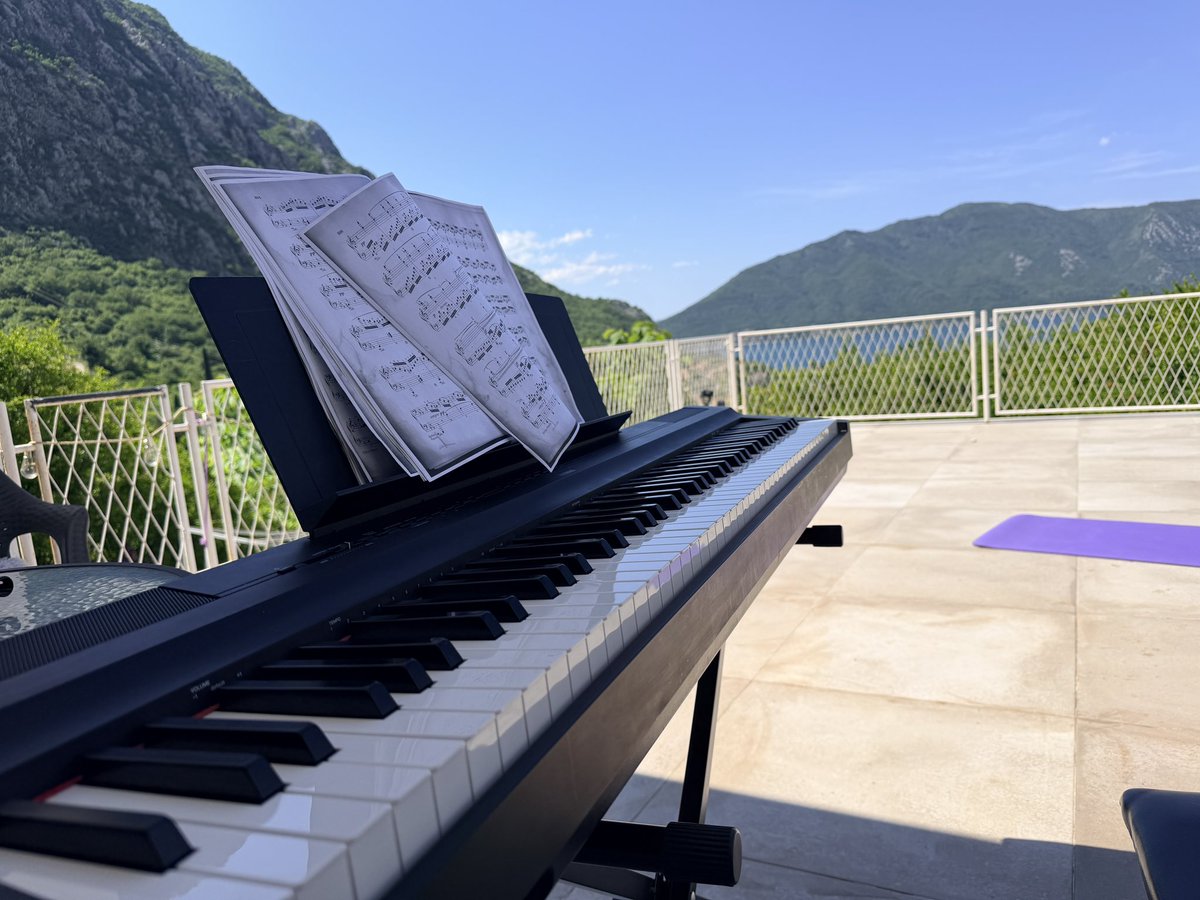
From the moment of it being on the market to the moment I saw it was exactly 11 minutes to the moment of trying it and buying some hour and a half later, here we are again I can practice on the balcony like I did before getting the hybrid that is unmovable with it’s 100kg.
The original dream when I was studying at the conservatory envisioning of spending deeply alchemical thought processes in nature to actual realization just a few leaps of technology

3
5
129
Irina Ideas retweeted

May 21
Asking two agents in different harnesses to debug your code
(from andirockk on IG)
113
475
4,047
609,553

May 19
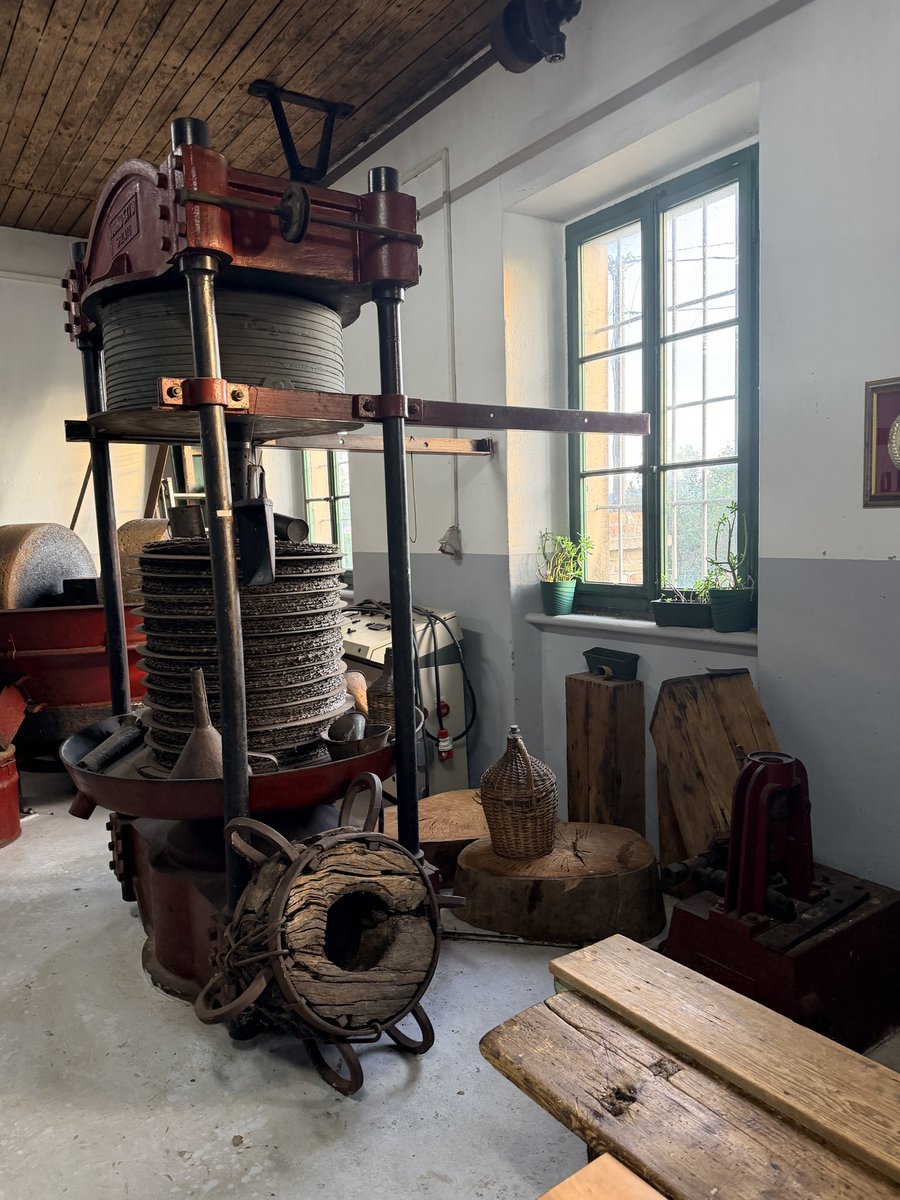
Old Olive mill in Montenegro, one of the pressing machines, fascinating look into the past and how the golden liquid was produced
1
8
55
May 19
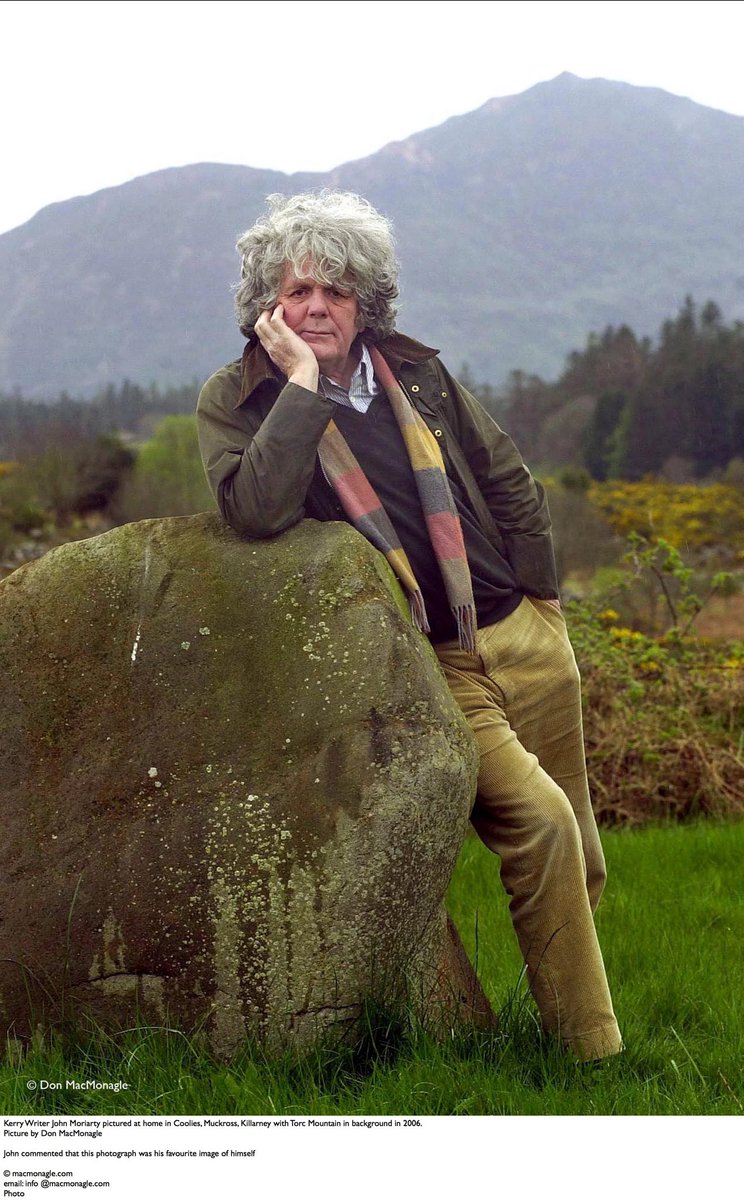
So I have been reading again John Moriarty (Irish philosopher and mystic) and this is set in my mind for the rest of the times
"Clear days bring the mountains down to my doorstep, calm nights give the rivers their say, the wind puts its hand to my shoulder some evenings, and then I don't think, I just leave what I'm doing and I go the soul's way."
3
5
66
May 18
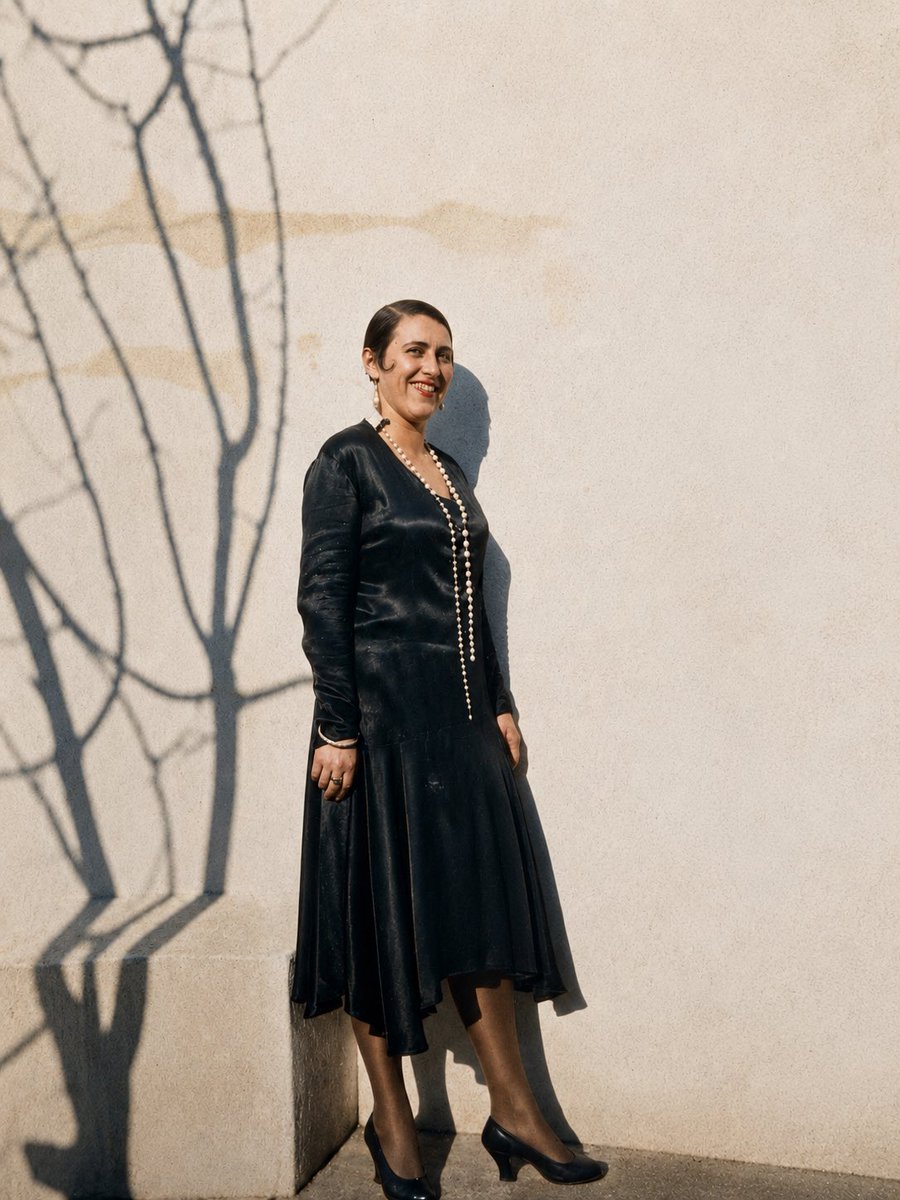
So I colorized with AI the original black and white by now century old photo from my grandmother Olga when she lived in Connecticut, USA in 1920th.
Fascinating how AI can give life to the memories saved with early technology
3
66
Irina Ideas retweeted

May 18
SUNDAY NIGHT PUBLIC DOMAIN MOVIE TIME.
1962 public-domain masterpiece The Creation of the Humanoids and it hit harder than ever.
I watched this forgotten gem in the late 1960s and it freaked me out (man).
It isn’t just a low-budget sci-fi flick about androids taking over after a nuclear war.
It’s a razor-sharp meditation on what it really means to be human when machines start looking, feeling, and even loving like us.
I’m currently writing a deep-dive ReadMultiplex.com article on it exploring how its 60-year-old warnings about synthetic beings, identity, and the soul are playing out right now in the age of AI and the coming wave of humanoid robots.
So get ready. I have some surprises.
Watch it with me!
(The film is 100% free and legal so don’t DMCA me)
89
237
1,335
178,423
May 15
Now this is great strategy, I found myself doing simple no without explanation in the past, but saying no so that future yes are greater is brilliant response

1
1
68
Irina Ideas retweeted

May 7
SOMEONE JUST KILLED THE REAL ESTATE INDUSTRY
A guy scanned an entire house with his phone. Uploaded it.
Now anyone on Earth can walk through it in a browser tab. No app. No VR. No agent. No appointment.
Click → you’re inside. Every room. Every angle. Every shadow. Photoreal.
The numbers are insane:
- Agent fee on a $500k home: $15,000
- Cost to make this scan: ~$200
- Time to “tour” 50 houses: one evening
- File size: smaller than a TikTok
The science is wild too:
It’s called 3D Gaussian Splatting instead of polygons (how games render), it uses millions of tiny glowing “splats” of color and depth.
AI reconstructs reality from your photos. The result loads on a phone and looks like you’re THERE.
The grift opportunity is even wilder:
Freelancers are already charging $300–$800 per scan for realtors, Airbnbs, venues, car dealers, museums.
One person one phone one weekend = a business.
Open source. Built on PlayCanvas.
Free GitHub: github.com/playcanvas

Claude for Excel, PowerPoint, and Word are now generally available, and Claude for Outlook is in public beta.
As Claude moves between your Microsoft apps, it carries the full context of your conversation.
1,184
3,023
36,285
9,690,033
May 3
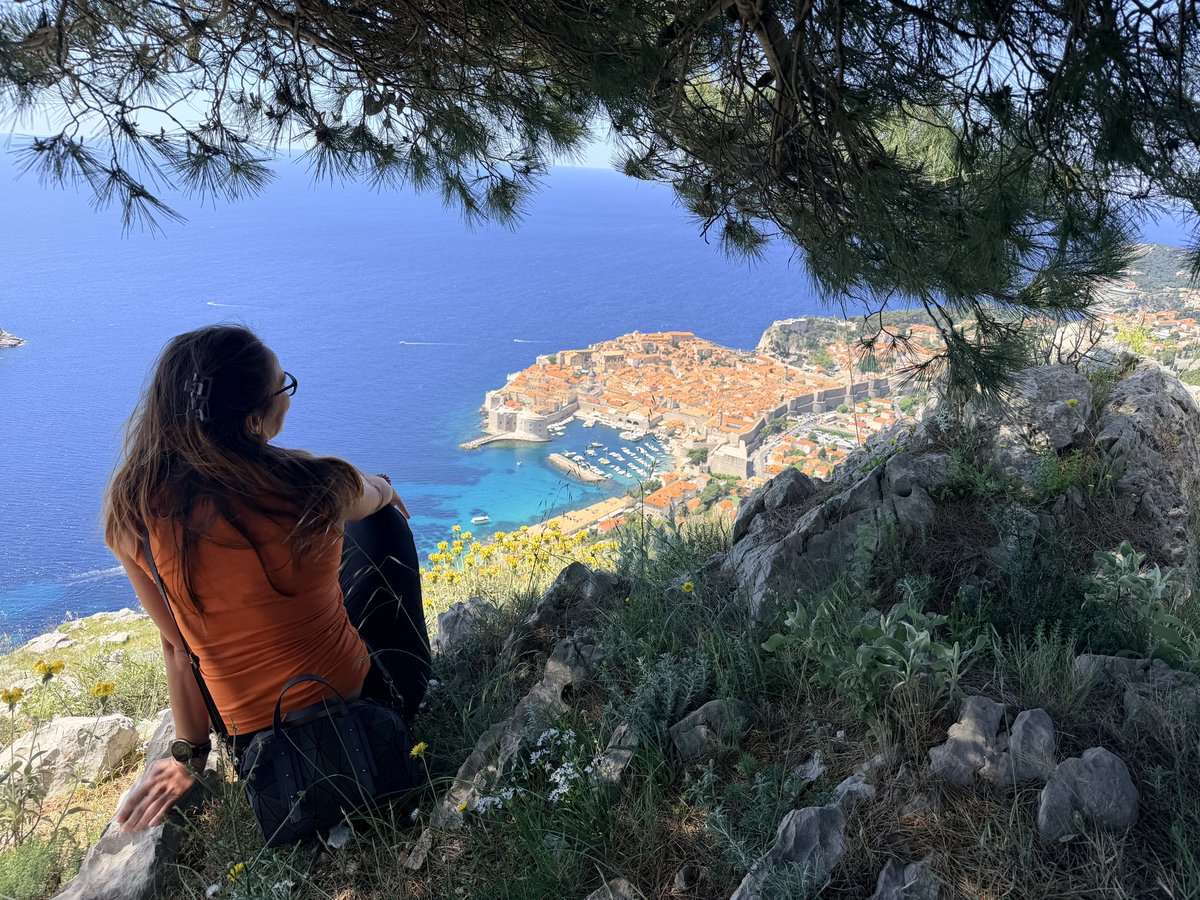
Good morning Dubrovnik, a true gem of the Adriatic and the World, hidden but prominent in how it influenced the history and raised the awareness towards noble causes from being among the first to have pharmacy, orphanage, excellent diplomacy to still staying beautiful in our era of the rules of the jungle. Well done
2
1
7
84
Apr 28
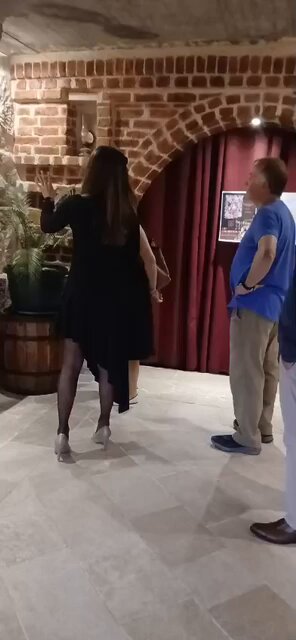
A little excerpt from my exhibition as I am introducing people to the idea of Prometheus flame
1
4
51