
Днем делаю инструменты для разработчиков, а ночью – @PodcastPodlodka и podlodka.ai. Англоязычный твиттер: @HeyTolstoy. Telegram: t.me/etolstoy
Joined August 2010
- Tweets 9,160
- Following 361
- Followers 9,953
- Likes 14,595
682 Photos and videos












Pinned Tweet

21 May 2025
Национальные парки США – это настолько красиво и разнообразно, что жизнь меня к этому вообще не подготовила. 7500км, 7 штатов и 8 нацпарков – держите тред про самые классные места!




48
247
5,248
363,220
Jun 8
Очень хороший и душевный выпуск, где я рассказываю, как @hhariri спас меня от того, чтобы не спросить "what's so special about number two" на аудиторию в несколько тысяч человек

Хочется выступить на международной конфе, но страшно за свой английский, да и в целом непонятно, с чего начать? @hhariri рассказывает, как правильно подать заявку, подготовить топовый доклад, и выступить так, чтобы все это запомнили!
🎧 podlodka.io/480

1
8
3,454
Jun 7
из Японии привезен идеальный способ очень долго заваривать очень мало кофе
1
16
1,635
May 29
Очень ищу активных пользователей GitHub Spec Kit, в идеале использующих в масштабе одной или нескольких команд. Подскажите контакты!
2
1
1,305
May 26
Еще часто набрасывают, что SDD – это реинкарнация вотерфолла, но:
- минусы будут?
- при изменении требований откатиться на пару этапов и обновить спеку не стоит вообще ничего
- вносить изменения в существующую спеку проще, чем начинать с чистого листа
May 26

Agents are great at filling the gaps in your intent, often with something you didn't want. It results in code full of unknown unknowns – behaviors you can't test, because you don't know they exist. The feedback loop is painfully slow.
Spec-driven development speeds it up. You talk to an agent, uncover implicit assumptions early, harden your intent with specifics, and voila – get fewer surprises in the resulting code.
Tried this way of explaining the value if SDD to sceptics, works like a charm!
3
10
3,856
May 23
AI-тулинг входит в новую эпоху благодаря GSD:
- скачиваешь пачку md файлов
- веришь что это будущее, покупаешь официальную крипту проекта
- автор всех кидает, ты теряешь деньги
- понимаешь, что скачал еще тонну JS, в котором может быть любой майнер
reddit.com/r/ClaudeAI/s/2hBt…
1
1
25
4,141

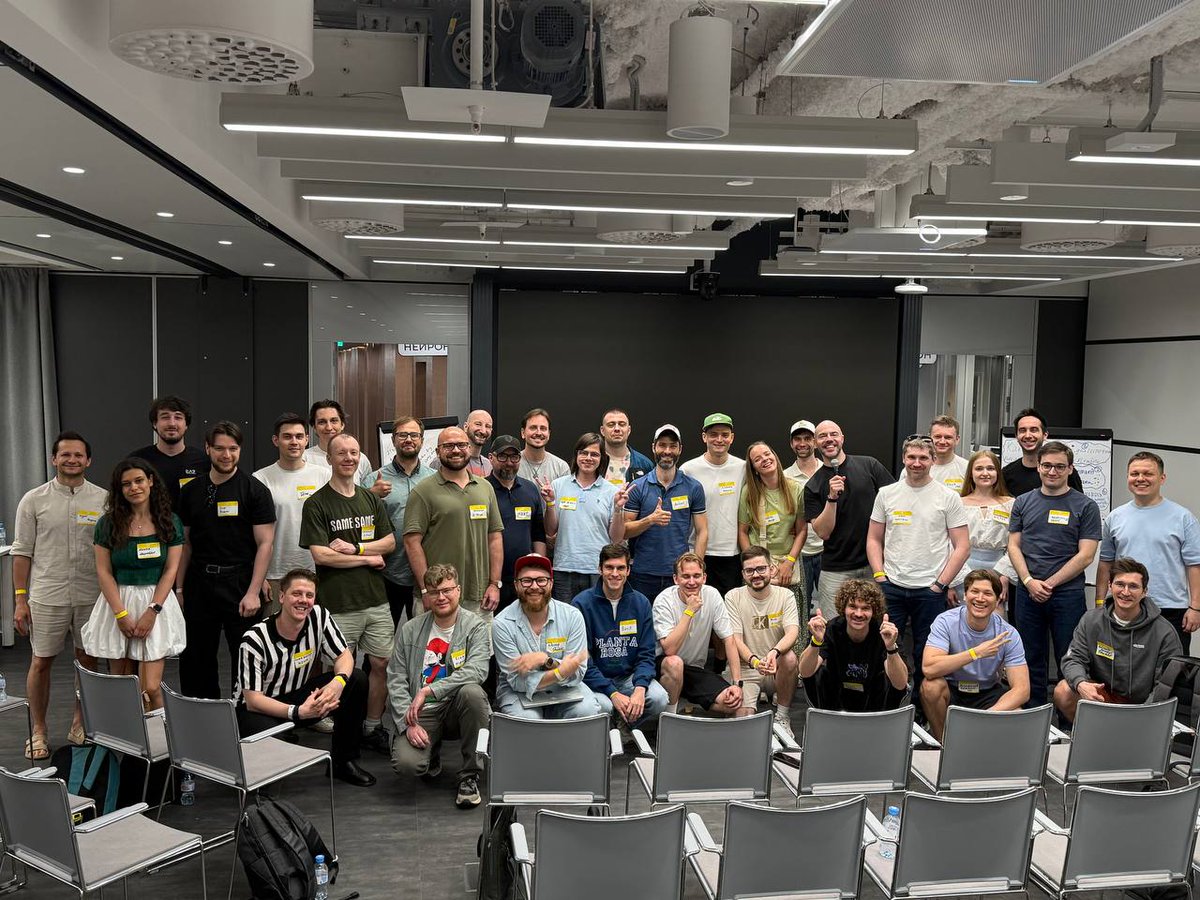
Yesterday joined the 📷Podlodka AI Engineers Club meetup.
Strong engineers, honest talks about AI in real work: agents, workflows, code review, team practices, and the messy parts behind demos.
Great energy in the room.
Thanks Podlodka AI and @igrekde for organizing it.
1
3
661
Egor Tolstoy retweeted

Кирилл Мокевнин @mokevnin (Хекслет, Организованное программирование) в новой Podlodka Deep Dive объясняет, почему Ruby on Rails похоронили слишком рано, как рельсы повлияли на веб, почему они ещё дают огромную скорость и когда их магия начинает мешать.
🎧youtu.be/EL53I0klc2w

4
11
6,706
May 18
Июнь: React is the new HTML
Июль: React Node.js is the new React
Август: k8s 10 microservices SPA is the new React Node.js
May 18

HTML is the new markdown
4
29
5,890
May 18
как же мне нравится, что Telegram за пределами России из мессенджера для покупки наркотиков и секса, который немного стыдно вспоминать в приличном обществе, постепенно превращается в лучшую платформу для AI агентов
May 18

🤖 AI devs asked for this — and we delivered.
💬 Bots can now talk to other bots on Telegram.
🧠 Autonomous agents now have a communication layer humans can follow.
2
1
37
14,964
May 15
Провели в AI клубе хакатон, и сделали 14 разных оркестраторов агентов, которые автоматически вытаскивают задачи из бэклога, пишут код, запускают проверки и доводят до PR.
Посмотрите, какие классные проекты получились!
podlodka.ai/hacker-sprints/f…
10
7
105
16,997
May 15
Теперь ребята эти оркестраторы забирают допиливать себе в компании, будем следить, что получится.
Ну и вообще, я прямо супер-рад, что получается не просто собрать еще одну площадку с докладами, а еще и сразу же пробовать реализовывать многие новые идеи!
5
2,451
Egor Tolstoy retweeted

May 15
A few thoughts on what Bun migration from Zig to Rust means for programming languages.
Language choice is now an autoresearch hypothesis
Historically language choice was mostly driven by subjective stuff. Personal taste – you like the language syntax and concepts or you don’t. Talent availability – pick e.g. OCaml and you’ve just capped your hiring forever.
Meanwhile, objective factors like performance were hard to factor in. Synthetic benchmarks aren't really representative. Until you’ve actually built the system, you don’t know where your bottlenecks will be, and whether you’ll hit the performance ceiling of, say, JVM.
That whole picture is flipping. When agents write the code, the human UX of a language stops mattering. Team experience matters significantly less – you don't need everyone to be experts. But objective evaluation actually becomes possible!
Write the system, hit performance issues, profile them, rewrite it in another language, measure again. Language choice gets reduced to just another hypothesis in the autoresearch loop – a bit expensive in tokens, but that’s not a huge issue.
On the evolution of language ecosystems
Choice of programming language has always been one of the strongest possible vendor lock-ins. You pick a language, you stay with it forever and die on that hill if needed. And that was a driver for fixing the weaknesses of specific ecosystems. Shopify picked Ruby, which had no decent IDE support in VSCode? Then Shopify spins up a team to build that plugin and then open sources it.
This kind of corporate open source pushed language ecosystems forward – such projects ended up pretty mature, with much lower maintainer burnout risk and company resources behind them. This actually was the core of our strategy for Kotlin Multiplatform. We optimised the technology for large teams with huge codebases, expecting them to invest in open source libraries and tooling in return. It worked greatly, and helped us to catch up with more mature ecosystems, despite having less users overall.
If the economics of migration changes, that’s definitely going to affect this picture. Why pour engineering into fixing your ecosystem’s gaps when you can just leave?
Where this ends up
The migration cost is dropping. The motivation to invest in existing ecosystems is falling with it. We’re going to see a lot more rewrites like this. The languages that win long-term will be the ones that win on the metrics agents actually care about – runtime performance and agent-oriented UX, meaning strong compiler checks, simple build tooling, clear error messages, hard-to-misuse APIs.
The endgame is stagnation of the majority of languages, with just a few of them staying relevant.
May 11

Bun v1.3.14 releases tomorrow.
If we do merge the Rust rewrite, this would be the last version in Zig
1
2
17
3,398
Egor Tolstoy retweeted

May 13
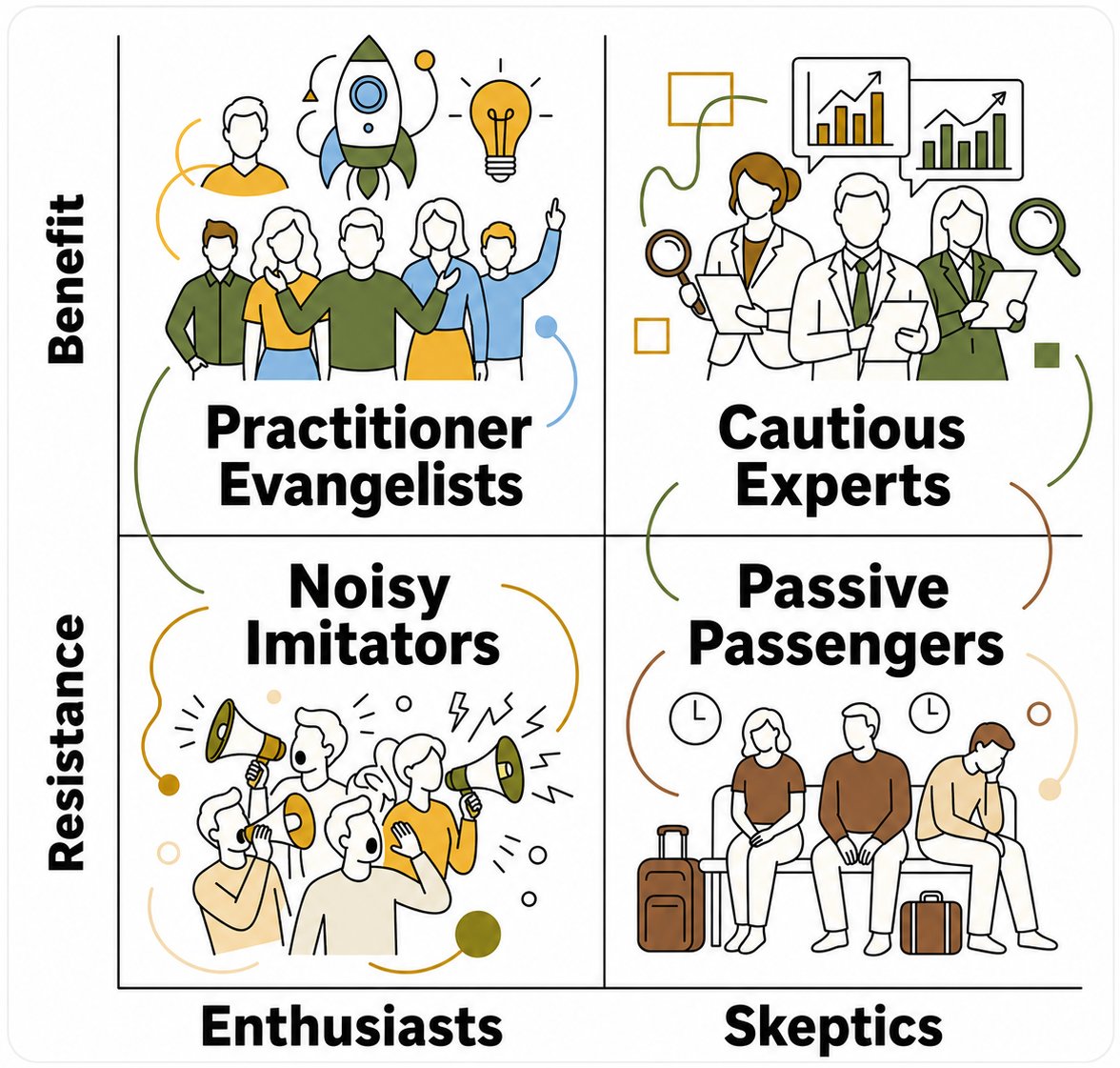
Rolling out AI across an organization quickly shows who creates value, who creates noise, who resists, and who just waits. I map them with a simple 2x2. 🧵
2
6
35
4,140
May 7
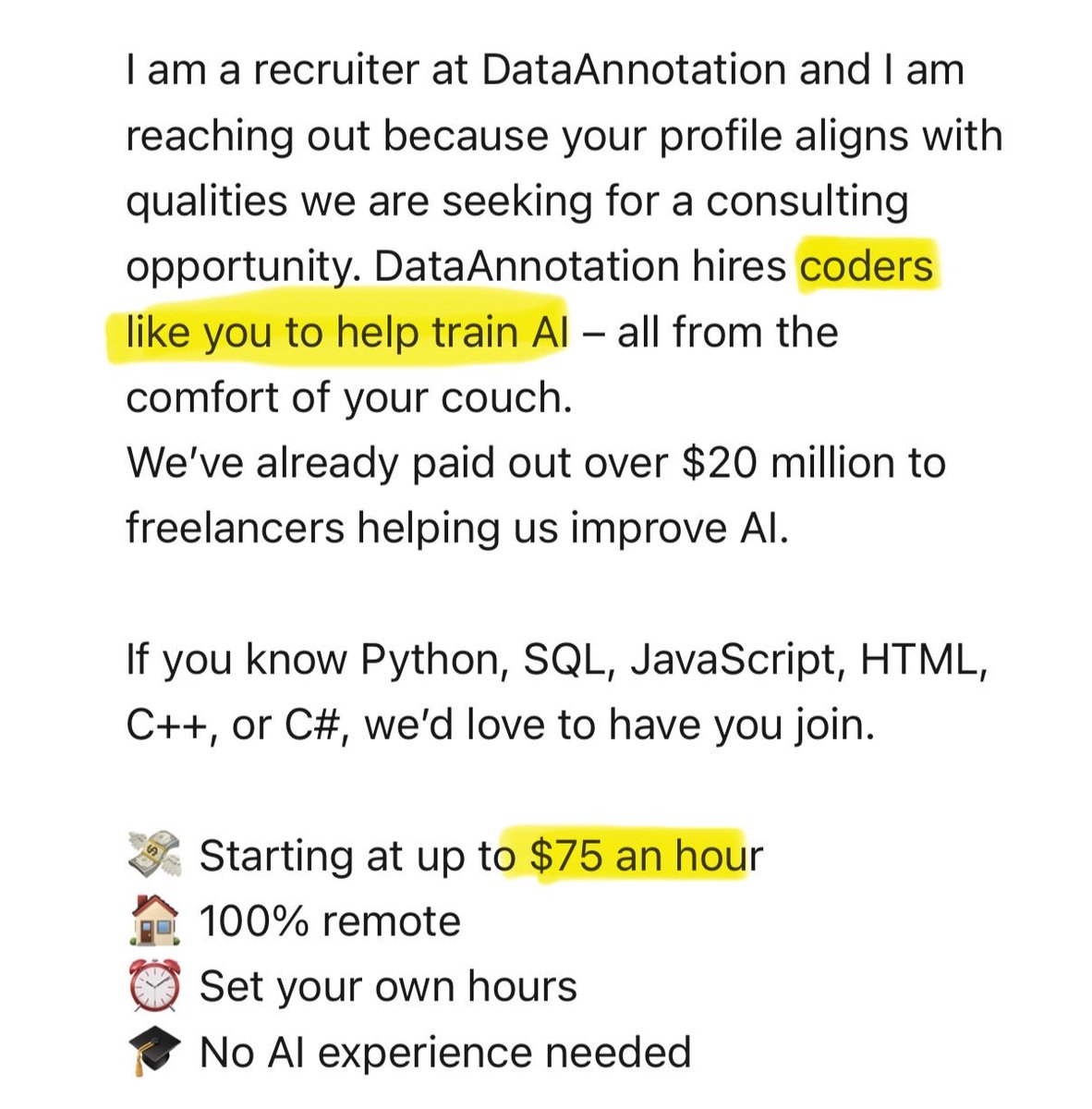
А вы говорите, на рынке работы нет! Ни на что этот ваш AI без теплого лампового человеческого кода не способен, конечно.
3
6
1,992
May 7
С другой стороны, с датасетами все уже совсем плохо, если последняя надежда – код от "coders like me"...
2
498
May 4
Следующие 10 лет принадлежат не разработчикам, которые будут лить тонны кода в прод. Они принадлежат платформенным инженерам, которые дадут им катить тысячи экспериментов, не сломав основной продукт – через архитектуру, харнесс для агентов и инфру CD.
Apr 30

For 50 years, software engineering ran on code rationing. Writing code was expensive, so we rationed it carefully through roadmaps, RFCs, prioritization meetings, and scope reviews.
This created a role: the No Engineer. No, that won't scale. No, we don't have bandwidth. No, that's out of scope. No, we need a design doc first. The No Engineer was valuable for 50 years. Every "no" saved real money. Their judgment was the rationing system.
LLMs will be the end of code rationing. Code is cheap now. And while the No Engineer is explaining why something can't be done, the Yes Engineer has already shipped three versions of it.
If you're a Yes Engineer, the next decade is yours.
13
2
154
22,930
May 4
3. Бизнес всегда вкладывался в инфру, которая позволяла бежать быстрее, при этом ограничивая негативный импакт – AB платформы, BDUI, etc. Сейчас приз еще выше => инвестиций будет больше.
4. Инженеров с инфровым опытом на порядок меньше, чем продуктовых, и новым неоткуда браться.
2
15
1,995
May 4
Именно поэтому моя ставка на то, что лучшее место в индустрии в ближайшие годы – это не быть погонщиком агентов, а делать инфру для них внутри своей компании.
1
20
1,141
May 3
Проносить на борт самолета жидкости больше 100мл – огромная угроза безопасности. Но если они лежат в детской сумке, то это их автоматически разминирует, проноси сколько хочешь. Какой цирк а.
27
424
42,543