
Senior Staff Product Designer at @webflow extrovert of the design team.
Joined April 2010
- Tweets 15,547
- Following 216
- Followers 3,608
- Likes 6,141
1,501 Photos and videos






Jun 11
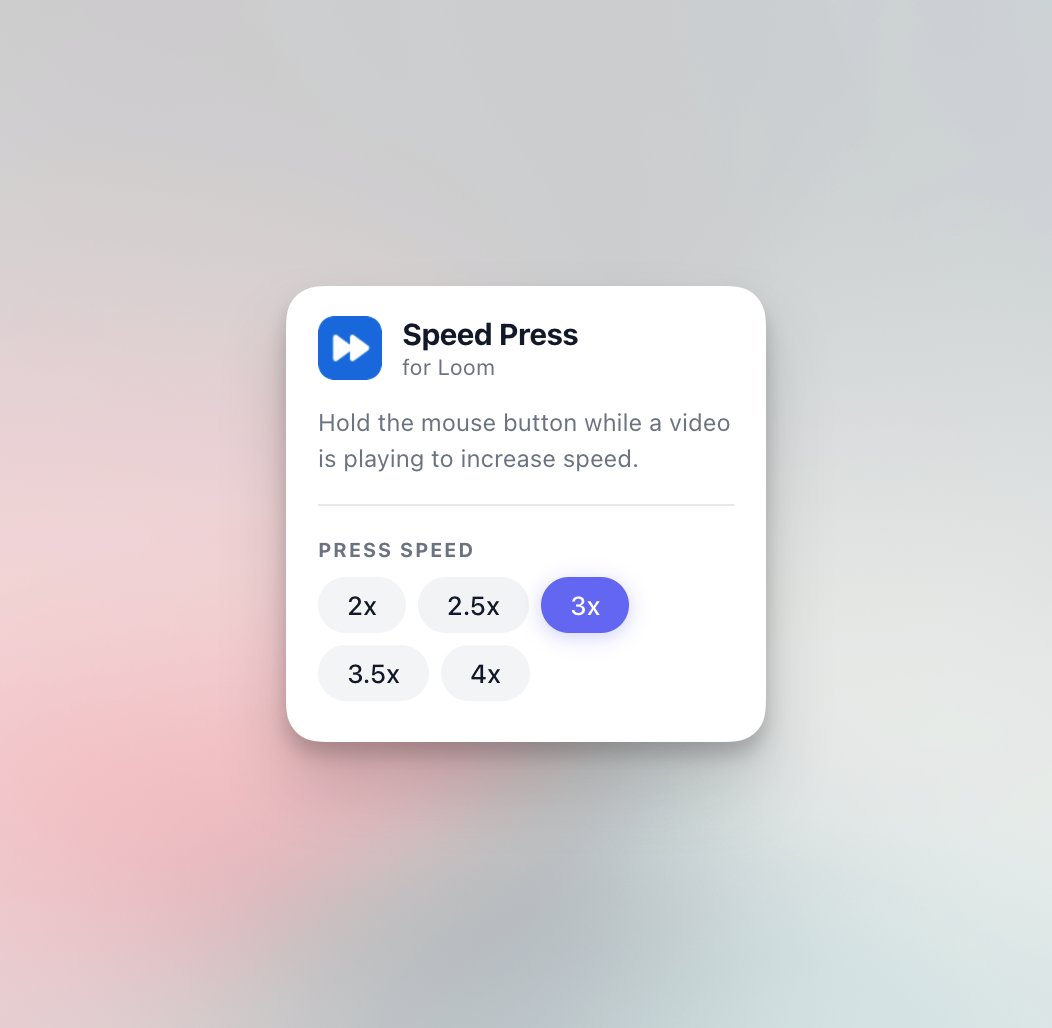
still the most useful tool i have built with AI. long press to speed up your Loom video playback.
chromewebstore.google.com/de…
117
Jun 4
this kind of blew up. it shows who people are...
reading the comments all i know is i would rather be the person to cheer people on than be the person tearing people down. i hope that mean dig makes you feel big friend... sounds like you need it.
Jun 3

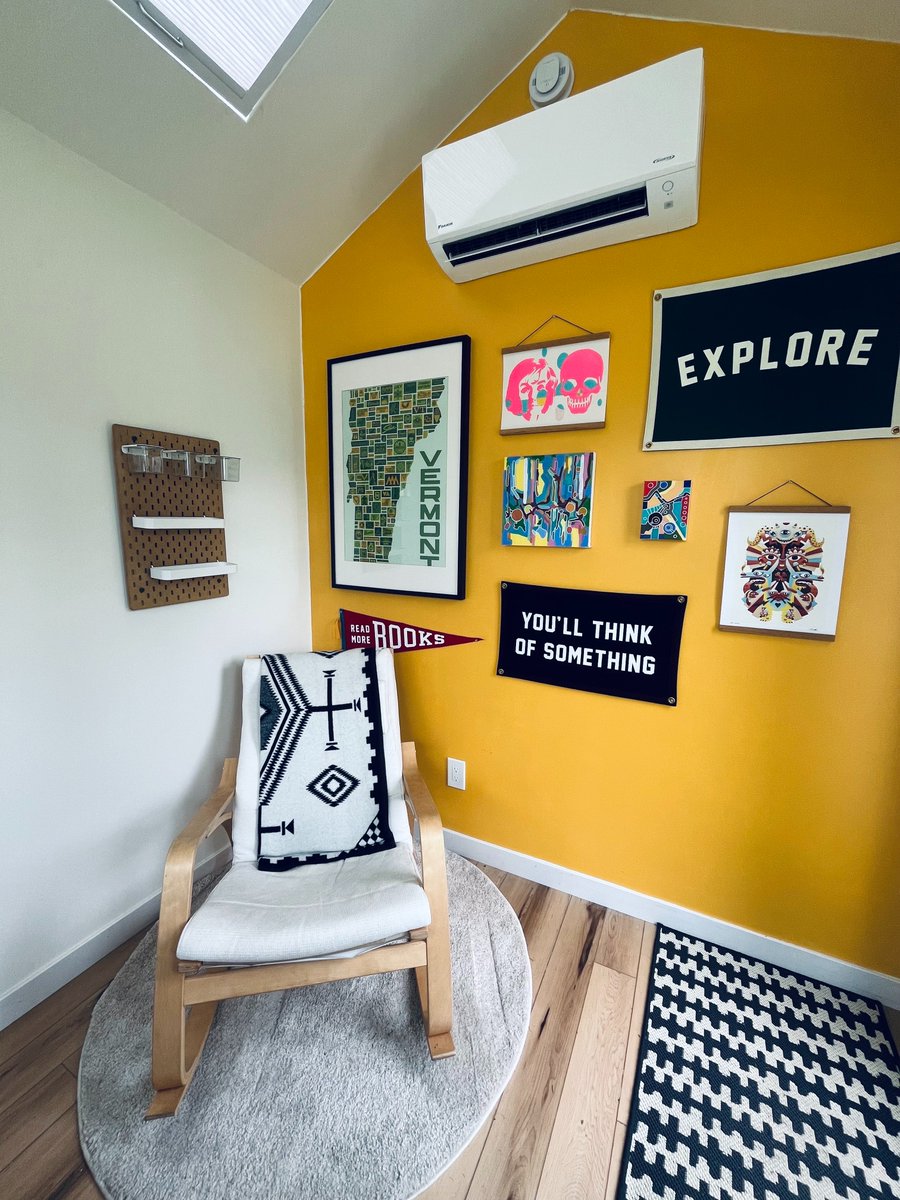
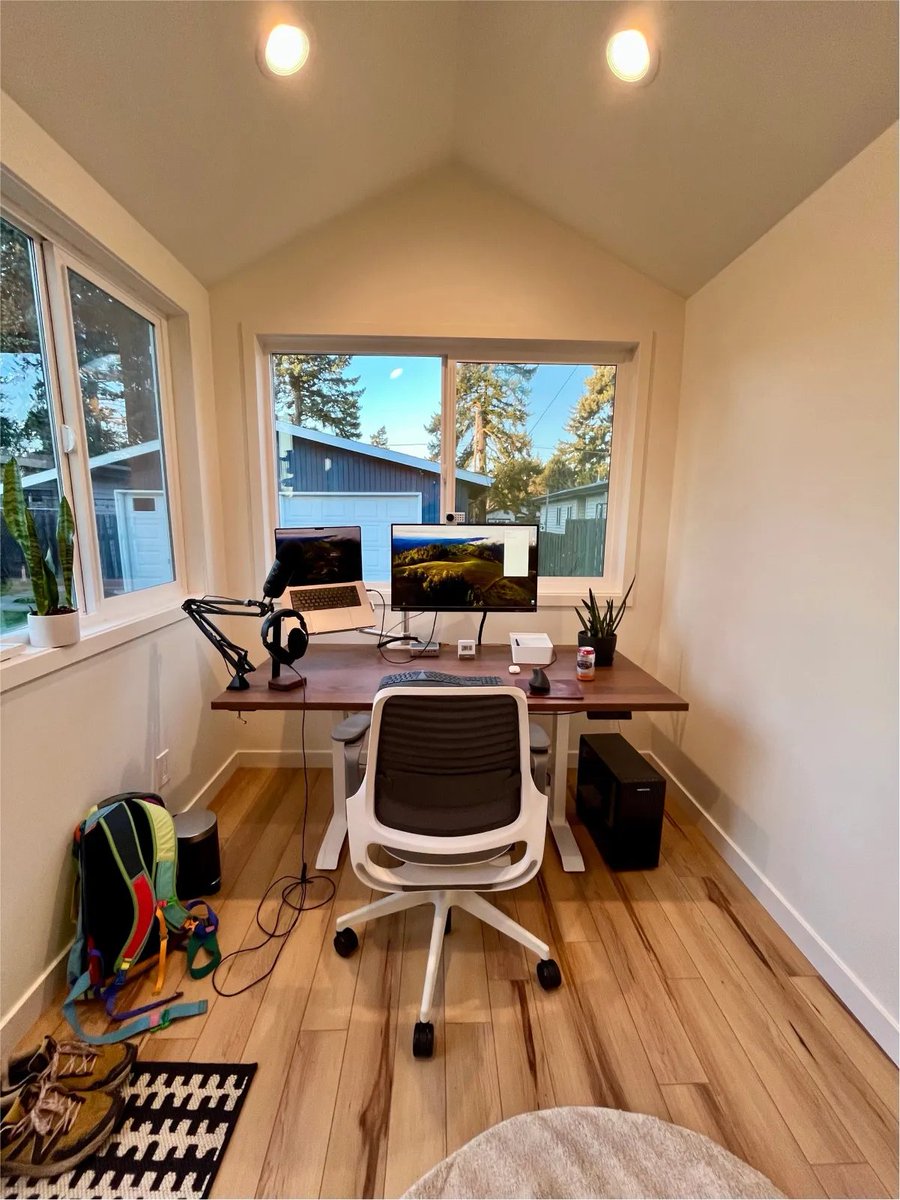
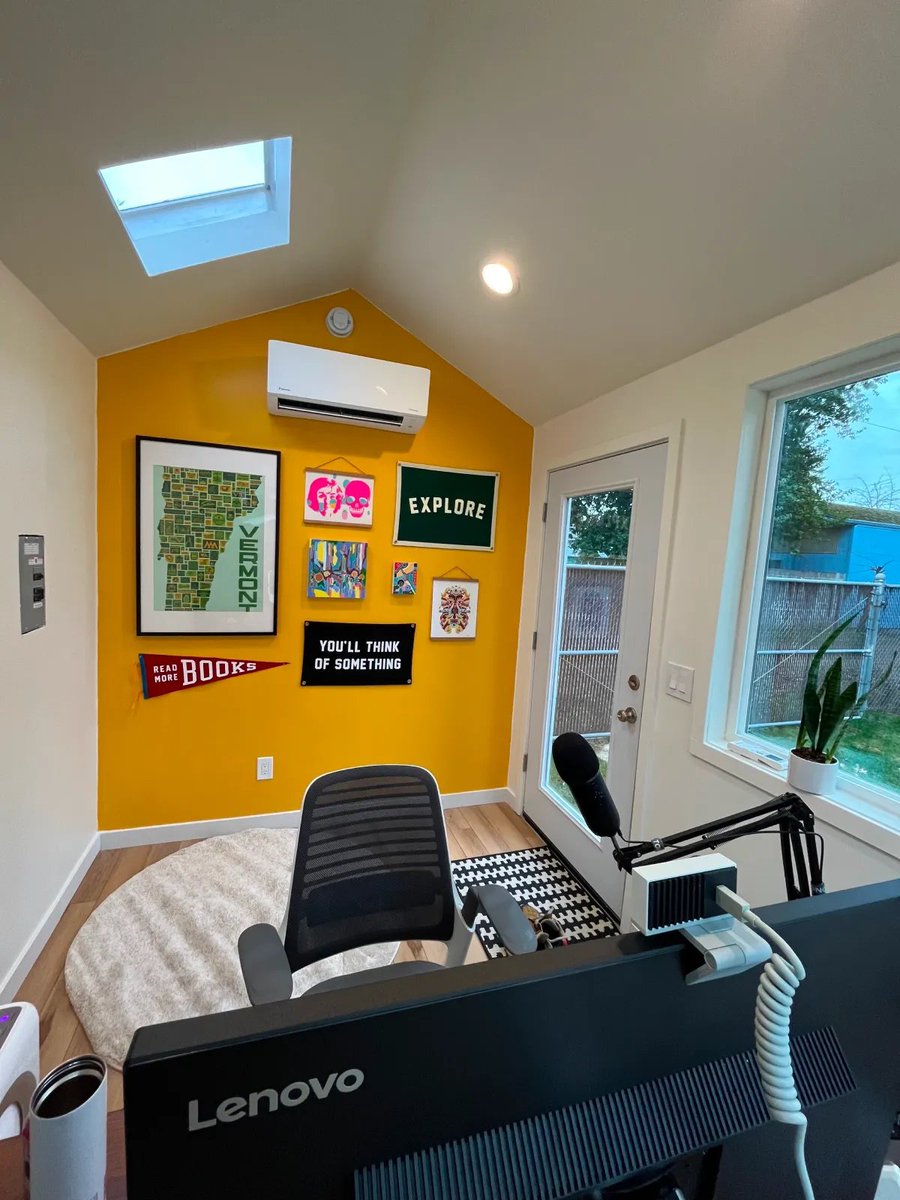
if you work from home and have the yard space, I can't recommend a backyard office enough. Built mine 3 years ago for under $20k all-in. best work-life upgrade I've ever made.
14
60
10,568
Jun 3
if you work from home and have the yard space, I can't recommend a backyard office enough. Built mine 3 years ago for under $20k all-in. best work-life upgrade I've ever made.
298
245
13,496
2,801,957
Kyle retweeted

Jun 1
Design Engineering Tip
Consider letting textareas grow with the content instead of introducing nested scrolling. It often creates a smoother writing experience and keeps forms easier to scan.
CSS:
textarea {
field-sizing: content;
}
36
67
1,793
83,408
Jun 1
You can now host Astro and Next.JS apps on their own domains right in @webflow. This may seem small but it is a huge feature that my team has been working on the last couple months. Excited for what this could become.

Webflow Cloud apps no longer need a site attached. Deploy your app on its own domain or mount it alongside your marketing site. Same workspace, same deploys, same storage.
Learn more: wfl.io/4nWDsQd
1
1
12
5,947
Kyle retweeted

May 31
The fallacy of this is that more creates more. More hours, more hiring, more something.
And it is true in a sense. If you put in more work, more work will happen. But I think for most startups, the leverage is really in how differently you approach the problem, how well you cultivate your team, and the strategy.
Any large company can outspend you on hours. They have thousands or tens of thousands more people, spending more hours. If hours worked were the metric, every large company and government organization would always win and do the best work. More hours, better output.
This thinking is often representative of younger founders, where the startup becomes their identity and life. They have a hard time doing anything else, and cannot understand that your work is not the person that is you. But activities outside of work can grow you as a person too and make you do better work.
I’ve never worked this way. As a designer, I always saw the need to take a step back, to take a break. At times, I might work 12 hours or 16 hours, or whatever amount was needed, but it wasn’t the norm. You just can't grind design, you need inspiration. But taking that step away from the work, would give me more perspective, inspiration and I could approach the problem differently or I could just see the solution.
Grinding is never good for any creative problem, and startups or creating new products are often mostly about creative problem solving. Grinding works ok for email jobs, or where you just executing on very clear playbook.
With Linear, we’ve never worked this way. We work reasonable hours, 5 days a week. All of us founders have families. Many of our employees have families. I personally stop every evening, spend time with the family, cook dinner for the family, eat dinner together, and focus on things outside of work. Sometimes I work in the late evenings or weekends, but to me the pride is that I don’t need to. Company should be succesful without it.
My goal is to build a company that is sustainable in the long term, and doesn’t require heroics or personal sacrifices every single day.
There are times when our team is heroic. Launches, incidents, some other work that just needs to be done. They will work late into the night because they know it is the right thing. But we don’t require that every day or every week, and the more this happens, the more I think it is a failure of our company and leadership. The team and the leaders should always keep a reserve to use when something is needed.
Our thinking was also that quality, which we value, doesn’t emerge from working more or stressing people more. It emerges when you create the conditions for it to emerge. Often it is the appreciation, space, time, and how the person feels. A person who is rested will do better work.
I wouldn’t attribute much of our success to working a lot. The success came from having clear thinking, ideas, and focus to do the right things.
I sometimes wish we could move the culture more toward a Zen master.
Real mastery is not exerting the most effort. It is achieving the outcome with the least necessary effort.
May 30

"If you are not working 7 days per week, you are going to lose".
Corgi Insurance is the most intense workplace culture in startups.
- The company works 7 days per week.
- Founder (@nico_laqua) lives and sleeps in the office.
- He built a cafe in the office because there was no local cafe that was open 24/7.
- 2/3 of the first 30 team members have the Corgi logo as a tattoo.
Today I went behind the scenes with Nico, who has used this culture to scale the company to a $2.6BN valuation in just two years.
My condensed notes below:
1. If You Are Not Working 7 Days Per Week, You Are Going to Lose:
Whatever you can get done in 5 days, you'll get more done in 6 and 7. If you are trying to solve the world’s hardest problems, a standard 5-day workweek will not cut it.
2. Work Trials Repel the Mediocre:
Corgi forces candidates into mock work trials over the weekend. If seeing a full office on a Saturday scares them, they don't belong. True intensity acts as a natural filter to attract killers and repel clock-watchers.
3. Lead from the Front Lines
You can’t demand 7-day weeks while sitting on a yacht. Nico sleeps 3–4 hours a night on a mattress inside the office. If you want your troops to bleed, you have to be in the trenches with them.
4. Culture Only Means One Thing: Winning
Forget superficial jargon like "hackers" or "ex-founders." Strip away the corporate fluff. A great startup culture is aggressively optimized around one single word: Winning.
5. Lifespan vs. Victories
Building something world-historic requires radical sacrifice. When asked if he'd rather build a trillion-dollar company and die at 50, or fail and live to 80, the answer was easy. "I would rather measure my lifespan in victories."
6. Reject the Comfort of "Quiet Quitting."
If you are operating in a hyper-growth environment and your days off happen to be Saturday and Sunday every single week, you are quiet quitting. To win, you must deliberately bypass the off-ramps of personal comfort and low volatility.
Corgi isn't for everyone—and that’s exactly the point.
157
444
5,102
1,344,473
May 29
It’s been a heavy week. Webflow went through a restructuring, and a lot of brilliant, and wonderful people lost their jobs.
If you’re looking for talented Product Designers, Content Designers, Product Managers, and Engineers let me know 🙏
3
1
25
2,000
May 28
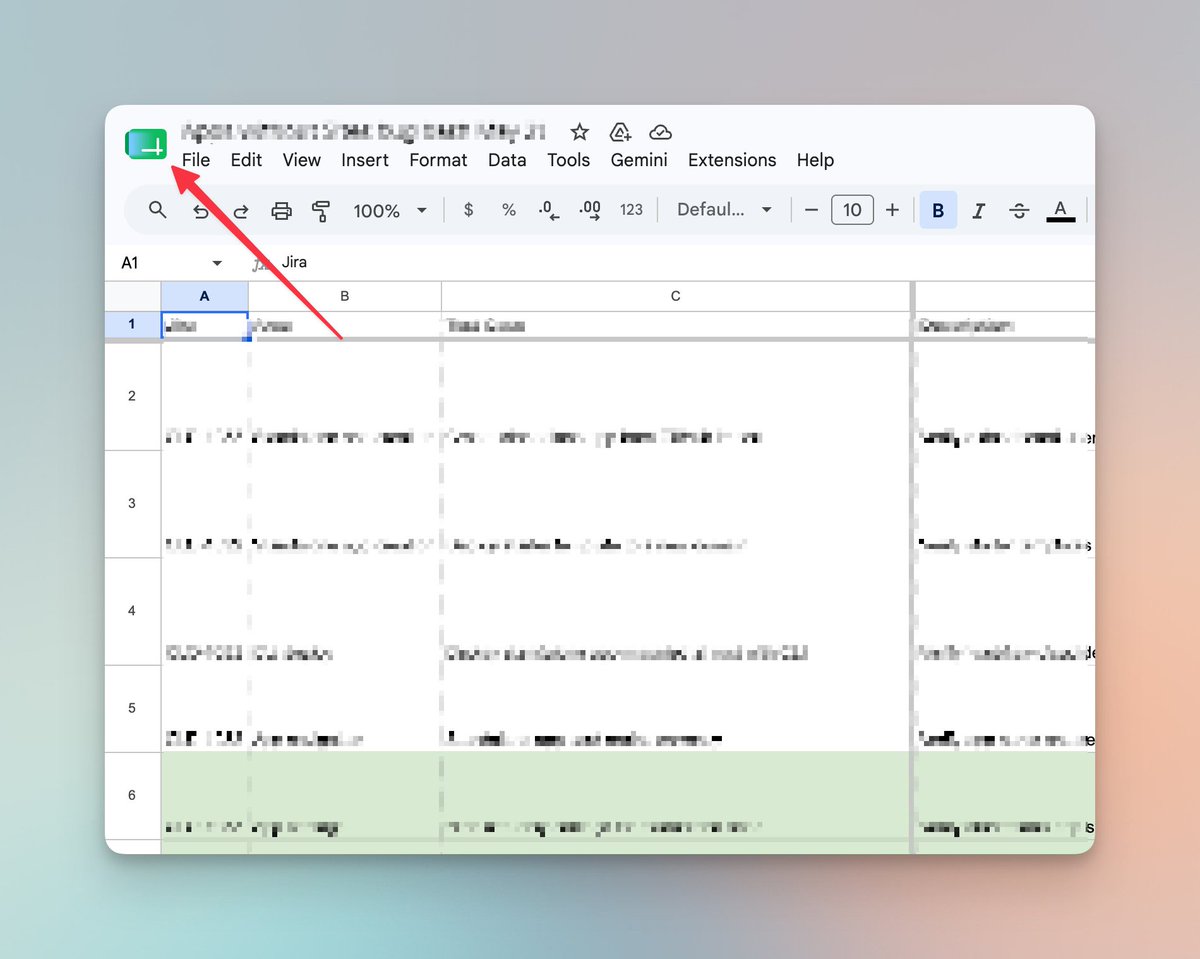
digging through Slack to see which accounts are deactivated is becoming a tech norm that I hate.
2
32
3,154
May 21
I don’t understand when high earning remote employees don’t invest in a decent webcam/mic set up.
13
22
3,706
May 12
I’m a big fan of Claude Code. I’ve been using it exclusively for a couple months... I spun up Cursor last week and it felt like going from an old computer to a new one.
The output wasn't as tight but I was able to iterate so much faster.
Anyone else experience this?
4
6
1,006
May 7
she thought I forgot her birthday, but then I played an AI generated song.
316
May 4
We updated our loading screen to for Star Wars day. The best part, this wasn’t done by an engineer. @adrocknaphobia made it in a product org builder day!
1
2
370

Build anything you can describe with AI code components, now available to all Webflow customers.
Need a pricing calculator? A job board? An interactive quiz? Tell the AI Assistant what you want, and it generates a working code component directly on your page.
It's automatically styled to match your site — fonts, colors, spacing — so it looks right from the start. Then refine it with AI or open the code editor for full control.
And with shared libraries, you can drop AI code components into any site. No rebuilding from scratch.
To celebrate the launch, we’re kicking off a two-week Builder Challenge in our Community Homebase.
The prompt: Generate an AI code component natively in Webflow and share what you built.
That’s it! Every participant is automatically entered into a raffle to win:
- 1 Webflow Conf ‘26 Ticket
- 3, $100 gift cards
- Plus, an opportunity to be featured as a use-case on webflow.com
This is a new way to build for the web — faster, more flexible, and built around your ideas.
→ See what you can build with AI code components: wfl.io/42C7E9o
→ Enter the Builder Challenge: wfl.io/4dfqiKm
8
14
96
8,774