
848 Photos and videos










Pinned Tweet

9 Feb 2024
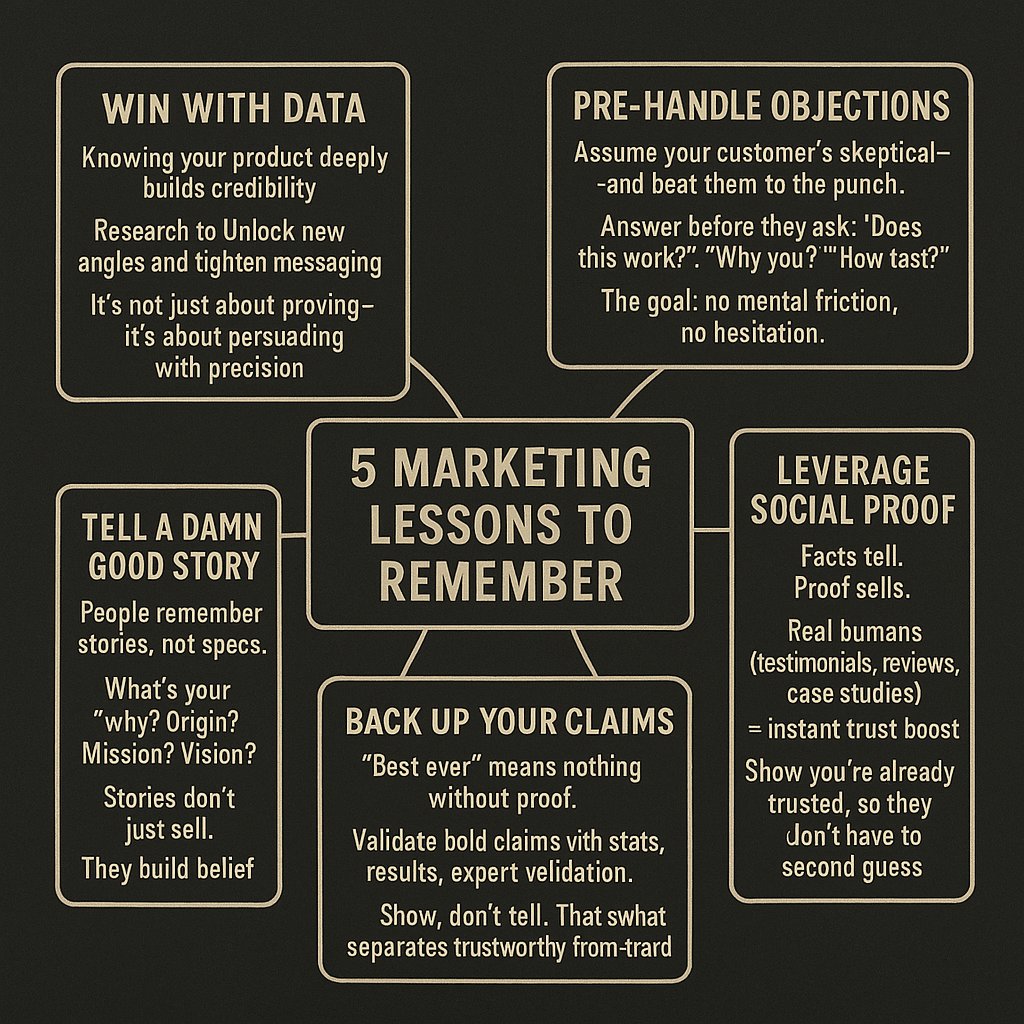
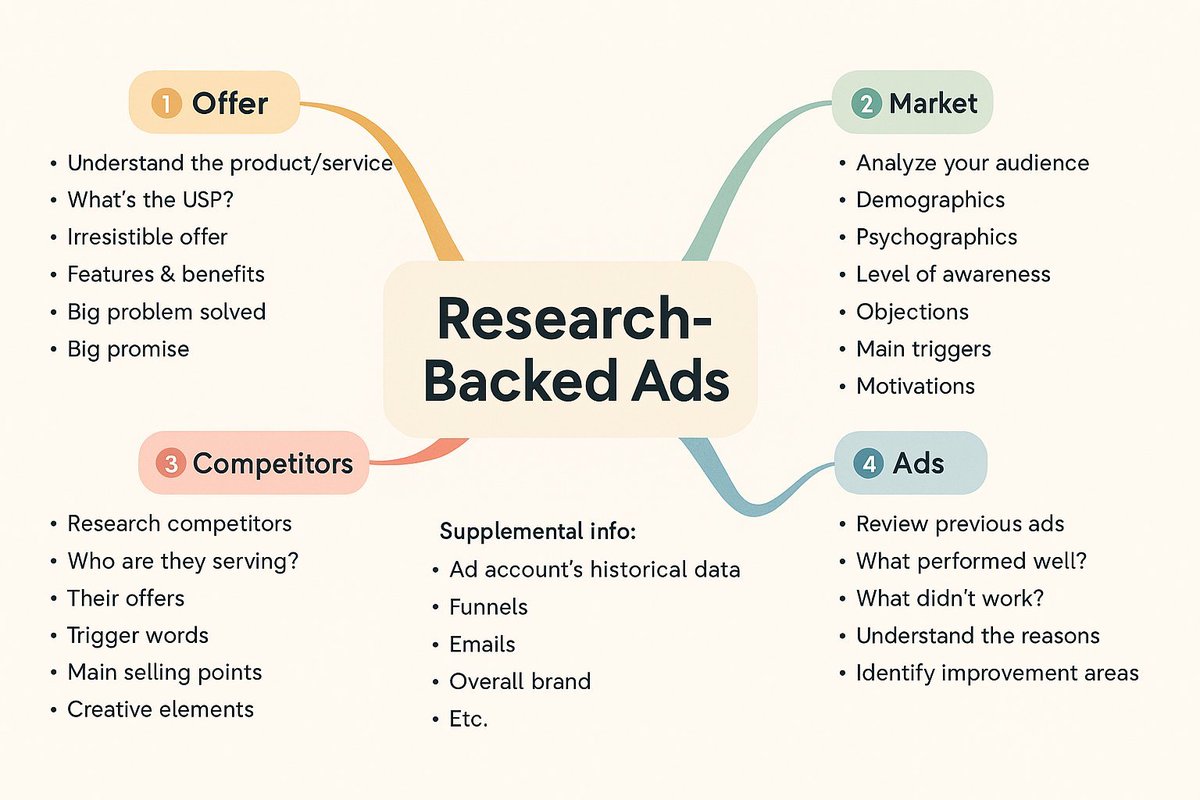
// If you want to scale your ads, then read these quick lessons on advertising //
-> Ads are just one part of the puzzle. Everything else (e.g. your offer, funnel, strategy, etc.) will affect the performance of your ads so optimize them too.
1
2
15
4,075
Growth solves some problems and exposes others.
And the ones it exposes are usually the ones you ignored on the way up.
The ops that worked when you were doing 100 orders a day breaking at 1,000.
The team that managed fine at one size falling apart at the next.
The product that converted well at low volume struggling to maintain consistency in performance at scale.
See the common story?
Growth doesn't fix a broken foundation. It cracks it faster.
This is why you see brands plateau (or worse, regress)
They keep doing the thing that worked for them at $1M, expecting it to work at $10M…
When the reality is different stages need different strategies.
If what got you at $1M was speed, scrappiness, and doing everything yourself…
To get to that $10M level, what you beed is clarity, infrastructure, and knowing which bets actually move the needle.
The strategy has to evolve first before anything else.
3
9
15
415
Jun 15
Packaging either builds trust or saves you a few cents. Most brands choose the cents.
They treat it as somewhere to cut.
The cheaper the box, the more you keep.
That logic holds right up until fakes show up and your customers can't tell what's real anymore.
Counterfeits of your product start appearing.
Customers get burned.
And your brand takes the hit for something you didn't even make.
And the fix isn't really just legal threats or platform takedowns. Those chase the problem after it's already done the damage.
The fix is to give people a way to check it's real the moment it's in their hands.
And this is the part most brands miss. Do that, and you don't just stop the fakes - you change how people buy from you.
They stop second-guessing. They stop hunting for a cheaper listing and hoping it's real. They come straight to you, because you're the one who made "real" easy to prove.
Because the constraint here isn't margin. It's trust.
And trust is the actual unit of value in a brand. When trust is high, you can't be copied. And a brand that's hard to copy reads as one worth paying for.
3
1
14
550
Jun 12
The most dangerous number in ecom is the one that looks good but measures the wrong thing.
A bad number, you fix. Because you can clearly see it's broken.
A number that looks good but doesn't tell the whole story?
You celebrate it.
You scale it.
You pour more budget into it.
The danger was never the metric - it's the confidence it hands you to run harder in the wrong direction.
- High open rates on emails nobody buys from.
- Strong CTR on ads that pull in the customer who buys once and disappears.
- Low return rates on a product people didn't love - they just couldn't be bothered to send it back.
Same number, two opposite stories.
The one you believe is usually the one that feels good.
Because every one of those is a proxy.
Open rate stands in for interest. CTR for fit. Return rate for satisfaction. They start out tied to the real thing - then they drift. And you keep reporting them, because they're easy to pull and they've been going up.
So before you celebrate any number, trace it.
Does it turn into money, or a customer who comes back, or hit your targets? If you can't draw that line, you're not measuring progress. You're measuring noise that happens to be trending up.
Stop optimizing for the numbers that flatter you. Start optimizing for the ones that mean something to your business.
1
1
2
200
Jun 11
Every ecom brand is about to have access to the same AI.
Same capabilities.
Same automations.
Same efficiencies.
Within 12 months, it's table stakes.
It'll write everyone's copy. Build everyone's briefs. Analyze everyone's data.
So the advantage won't be who uses it.
It'll be who's best at what AI can't do.
- Read the room when your customer is about to churn.
- Know when to push your team and when to back off.
- Make the call when the data points in two directions.
- Build the kind of trust that makes someone buy again without being retargeted.
Moats are still built on trust. Not technology.
The future of ecom isn't less human.
It's more intentionally human - in exactly the places AI can't go.
1
10
16
678
Jun 10
Most times, people in your market aren't choosing between you and another brand. They're choosing between buying and doing nothing.
That's a different problem. And it needs a different solution.
Doubt doesn't go away because your product is better. It goes away when the perceived risk of trying drops below the perceived cost of staying stuck... or when people stop thinking "this probably won't work for me."
Two things move that needle.
First, of course, is proof. Real before/afters. Specific testimonials. A guarantee that actually removes the downside. Stack enough of it and "probably won't work" becomes "worth a shot."
Second, is the framing of inertia. Most copy treats waiting as neutral. It isn't. If your customer doesn't fix their skin now, they pay more for treatments later. If they don't sort their workflow now, they lose another quarter to the same bottleneck.
Waiting has a price. Your messaging should name it.
The offer that wins doesn't just make buying feel safe. It makes not buying feel costly.
3
11
18
543
Mark William retweeted

Jun 6
We're accepting a new group of founders into our personal branding coaching program for X and LinkedIn.
This is for you if you're an agency owner, SaaS founder, coach/consultant, or info-product owner who wants to build a personal brand but you're struggling with things like:
- Posting consistently and getting no views, no engagement, and no leads
- Watching less qualified people in your space get all the inbound while you stay invisible
- Using AI to create content that ends up sounding like everyone else
- Not knowing which formats are actually working right now
- Having real expertise but no idea how to turn it into authority online
If any of that sounds familiar, keep reading.
We've helped hundreds of founders go from posting into the void to becoming a recognized name in their space. Inside the program we give you:
- A guided journey through every system we use across our agency
- Every SOP, framework, and content strategy we've built
- A full control panel to run your entire personal brand
- Feedback from me and my team
- Weekly calls with me, my COO, and our strategist
- A private community for accountability and support
And on top of all of that, you also get free access to our AI suite that runs your content engine for you:
- Already trained on over 100,000 content pieces
- Prompts you, builds your topics, and writes your content in your voice
- Connected to agents finding the viral content styles winning right now
- Picks the exact format to plug your ideas into
- Never generic, never hallucinating, all based on real data
If you want to see if you're a fit, book a call below.
pbhq.mogulmedia.ca/
13
3
38
3,450
Jun 9
The best thing you can do for your team isn't to motivate them.
It's to remove the things slowing them down.
The unclear process...
The approval bottleneck that runs through you...
The tools that waste two hours a day...
Your job as a leader isn't to push people harder.
It's to build an environment where good people can do their best work without constantly running into walls.
3
9
20
809
Jun 8
Every time you solve the same problem more than once, you're paying a tax.
Your time.
Your team's time.
The mental overhead of making decisions (especially on things you already had decisions on)
The fix is in how you solve problems.
Make sure you’re solving real problems, not just their symptoms.
What’s the root cause?
Then solve that. Document it. Systemize it.
This ensures the answer already exists the next time the problem shows up again (IF it will show up again).
This is how you keep scaling fast.
2
2
16
654
Jun 6
Nobody talks about the cost of keeping the wrong things.
The product line that’s draining ops.
The channel that barely breaks even.
The team member you’ve been managing around for eight months.
Cutting feels like losing.
But everything you hold onto that isn’t working is taking resources - time, money, focus - away from the things that are.
The best move you make this year might not be adding something.
It might be finally letting something (or someone) go.
1
1
15
992
Jun 5
I was the type of guy that rushed into action when something needed me/my attention. I always wanted to have control over the execution.
But honestly, that just burnt me out.
I always lacked sleep (some days I slept for just 3 hours). I was constantly irritable. And my health started cracking in ways I couldn't ignore.
I knew I had to figure something out.
The problem was: I had dozens of people working under me, but I was still so deep in the trenches. I knew this was wrong.
So I made the shift I should've done years ago. In how I run the business. In how I run my teams.
I started handing results off to them. At first, it wasn't because I wanted to. But because I had no other option.
Surprisingly, people just figured it out.
Not my way. But the result was there.
KPIs hit. Customers happy. Business is thriving.
And that's ultimately what matters.
I'd spent years believing the constraint was everyone else's inability to do it "right." But the real constraint was me refusing to let the result be enough.
I was the bottleneck.
There's only so much one person can do. We're not that special.
You can't think clearly about where the business is going while you're buried in how it gets done.
Those are two different levels.
I can only be great at one.
And the one that needs me was never in the trenches.
The transition from building and doing everything yourself to trusting the result - that's one of the hardest parts of growing a business.
Nobody warns you about that one.
1
2
17
924
Jun 4
10 years ago, I had a broken laptop, bad internet, and zero capital.
My first 2 years "trying" to be an entrepreneur looked nothing like what people post about.
I was still in college. I had 1 full time job and 2 part time jobs. And I did freelancing on the side after quitting the part time jobs.
My laptop would freeze a few times an hour. I'd restart and keep going.
I had lost my social life. My health deteriorated. Because I was spending all my time and money on books and courses instead.
All that wasn't hard tbh.
What was hard was the part that I didn't know if it was all going to work out.
Most people in that position wait. They want better conditions before they commit. A little more savings. A little more certainty. A cleaner entry point.
But the reality is, the "perfect" condition never comes.
At that moment of my life, the tradeoff was simple: short-term isolation for a shot at not spending 40 years working for jobs I didn't want.
That math wasn't close.
The constraint wasn't capital. It wasn't the laptop. It wasn't even time.
It was the decision.
The actual, irreversible, no-longer-pretending-I-might-not-do-this decision.
So if you're still waiting for the right conditions, what would have to be true for you to stop waiting?
4
2
16
928
Jun 3
You can't fake what a year of compounding looks like in person.
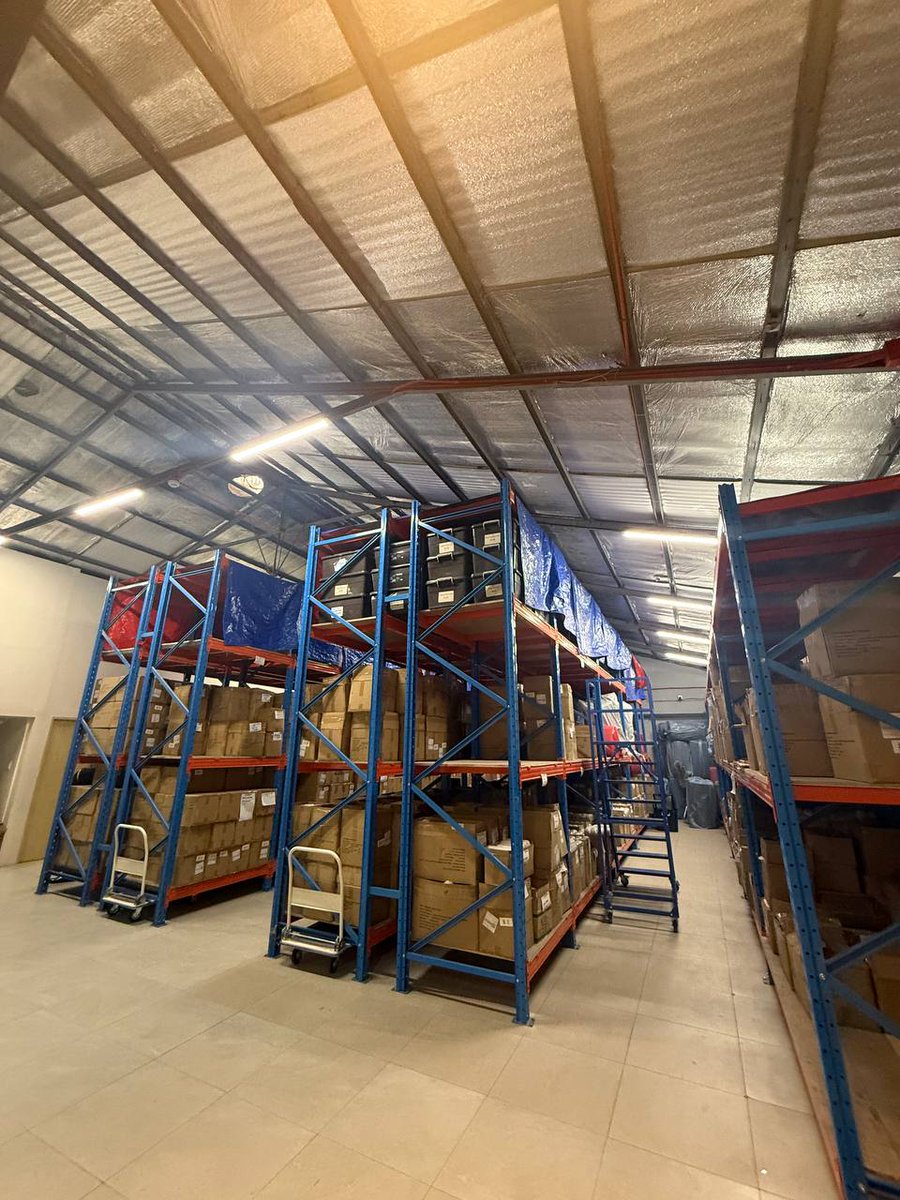
Walked into the warehouse last week.
Racks stacked with bulk product from floor to ceiling.
Office buildout happening in the back corner.
A team running fulfillment without anyone directing traffic.
A year ago that same space was empty concrete and echo.
No product. No team. No process.
Just a direction we decided to lock in and not second-guess.
That's the part nobody sees when they look at a brand that's working.
Not the ads. Not the offer. Not the creative.
The constraint wasn't the budget or the product - it was clarity.
Who owns what. What we're building toward. What we're not doing.
When those three things stop shifting, the work starts compounding.
Quietly. Without announcement.
Until one day you walk into a room and it's real.
The brands that make it aren't the ones with the best ads.
They're the ones where the direction never moved.
Also, here are some pics July 2025 vs. May 2026 :)
5
5
25
2,405
Jun 2
A thought on ownership:
Imagine an ad that went live with the wrong promo. The copywriter didn't own it. The creatives strategist didn't own it. The media buyer didn't own it.
The promo was wrong by $20.
Not a catastrophic number. But it ran for three days before anyone flagged it.
When the complaints came in, you went to the copywriter.
"I wrote what the brief said."
Fair.
Then you went to the creative.
"I pulled the copy straight from the doc. That's my job."
Also fair.
Then you went to the media buyer.
"I check targeting and budget. Copy isn't my lane."
And honestly, he's right too.
Nobody was lying.
Nobody was being defensive for the sake of it.
They were all describing their jobs accurately.
The problem was that their jobs, as they understood them, had gaps in them.
The copywriter's job ended at the doc.
The creative's job started at the doc.
The media buyer's job started at the campaign strategy.
Nobody owned the space between those handoffs.
And in that space, a wrong promo lived for 72 hours.
This is the pattern I keep seeing in ecom operations that look functional on the surface.
The roles exist. The people are competent. The work gets done.
But the edges of each role are fuzzy. And fuzzy edges mean the mistakes belong to no one.
And when a mistake belongs to no one, it happens again.
But the fix is simple: checklists and guidelines.
Specifically, a role-specific checklist for each person at each handoff point.
In the example above:
The copywriter's checklist: does the promo match the approved offer doc?
The creative's checklist: does the copy in the asset match the copy in the doc, word for word?
The media buyer's checklist: does the offer in the ad match the offer currently live on the site?
Three checkpoints. Three owners. Zero ambiguity about who catches what.
The cheap version of this is a Google Doc that takes 45 minutes to build.
The expensive version is finding out the hard way that your team's accountability only goes as far as their job description does.
The ad ran for 72 hours because nobody's job included catching it.
That's a role design problem. And role design is the one thing you can actually fix before it costs you.
2
1
18
831
Jun 1
The reason you're always "in the trenches" isn't because you're understaffed.
It's that one person is generally doing three or more fundamentally different jobs.
And most operators don't catch it until the business is already stuck.
The first is the general operations. Someone builds the tracking, manages the workflows, keeps everything running.
The second is the analysis. Someone pulls the weekly numbers, finds the real signal, separates what matters from what's just noise.
The third is the strategy. Looking at what the data is saying and deciding where the business goes next.
Those aren't the same job.
Different thinking, different time horizons, different skill sets.
That last one requires you. The first two don't (eventually).
Early on, you carry all three. That's fine. The business is small enough that you can.
But there's a point where the speed of the business outgrows one person holding all the layers.
And most operators miss it.
They keep grinding through all three and wonder why decisions are slow and nothing compounds. Because the layers were never separated to begin with.
The question isn't whether you need help. It's whether the business you're running right now has outgrown the structure you're currently running it with.
1
2
15
600
May 30
You have an open role - and your default move is to look internally...
Someone trusted.
Someone who's been around.
Someone who wants to grow.
But that's already the wrong sequence.
You're starting with the person, when you should be starting with the role.
Before you look at who you have, define exactly what the role requires.
The specific outputs.
The day-to-day decisions.
The skillset it actually demands.
Every role (even the similar ones) has a different set of demands.
Just like how a video editor and a strategist are wired differently. Or how a project manager and an ops manager are not the same job with a different title.
And tenure doesn't change that. Neither does loyalty.
So when you're hiring for a role, find someone whose existing skills actually fit what the role demands. And if that person isn't already on your team, then go find them.
2
7
18
1,393
Mark William retweeted
May 30
Had a teacher once tell me, “the goal isn’t to get every problem right immediately, it’s to reduce the time you stay confused.”
Getting stuck while learning is normal. What matters is how quickly you recognize what you don’t understand and adjust your thinking.
In the beginning, one concept can take hours or even days to click. With the right feedback loop, that gap shrinks to minutes.
Learning faster doesn’t mean never struggling. It means you’ve trained yourself to notice confusion early, correct it in real time, and move forward without getting stuck.
That’s the real advantage. Not avoiding mistakes, but shortening the time they control your learning.

AI is making kids dumber.
It should be making them geniuses.
Introducing Koji, the first AI tutor that gets kids to actually think. 👇
3
12
51
6,835
Mark William retweeted

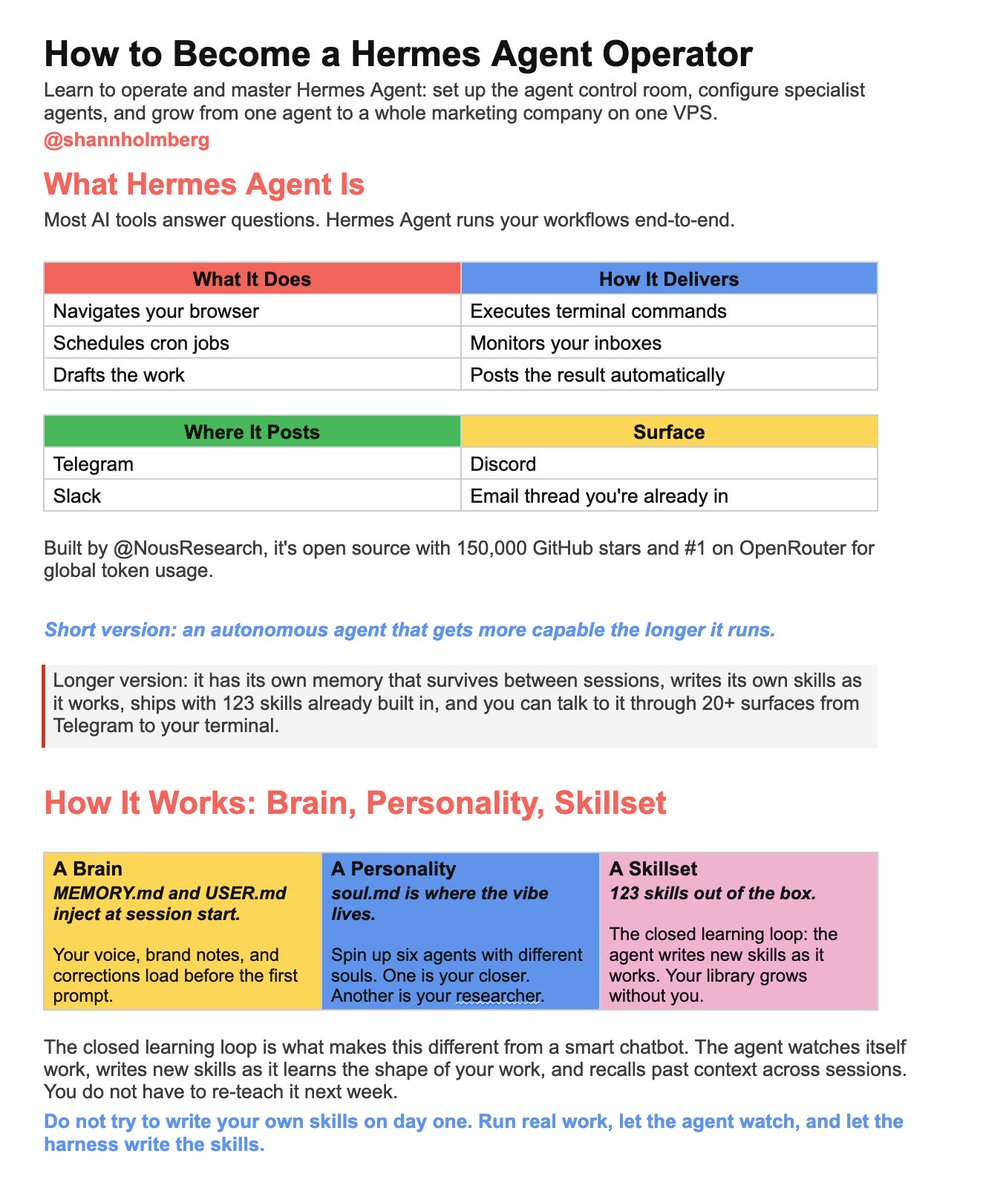
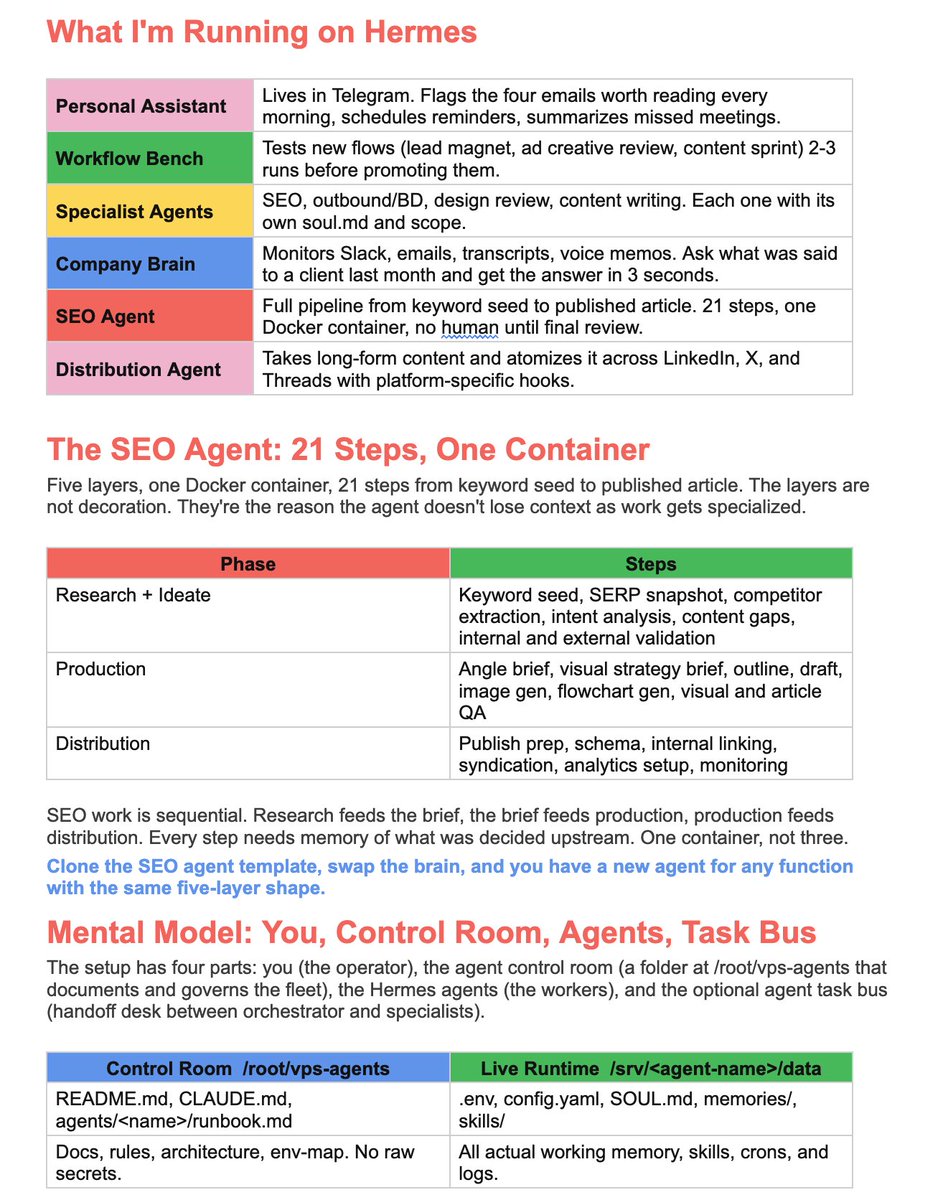
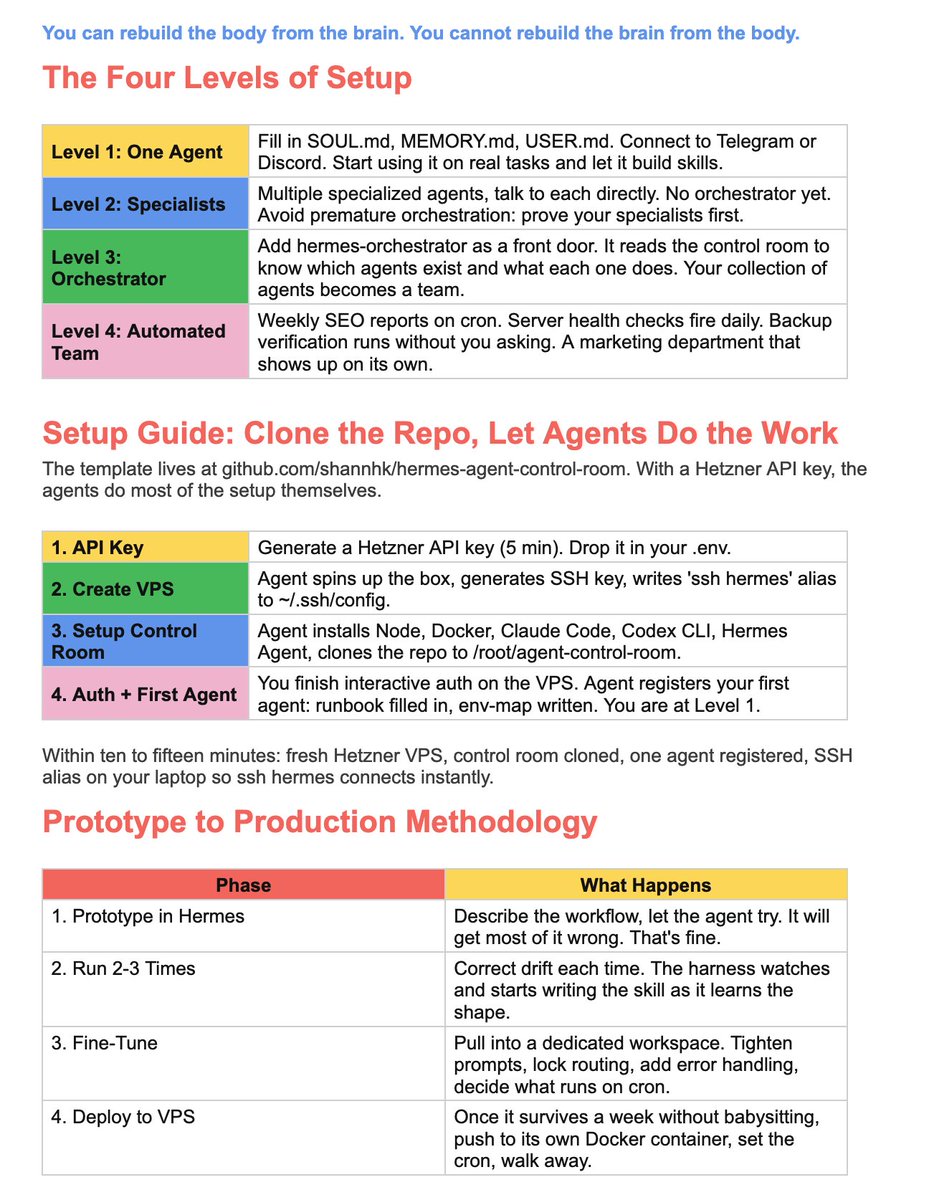
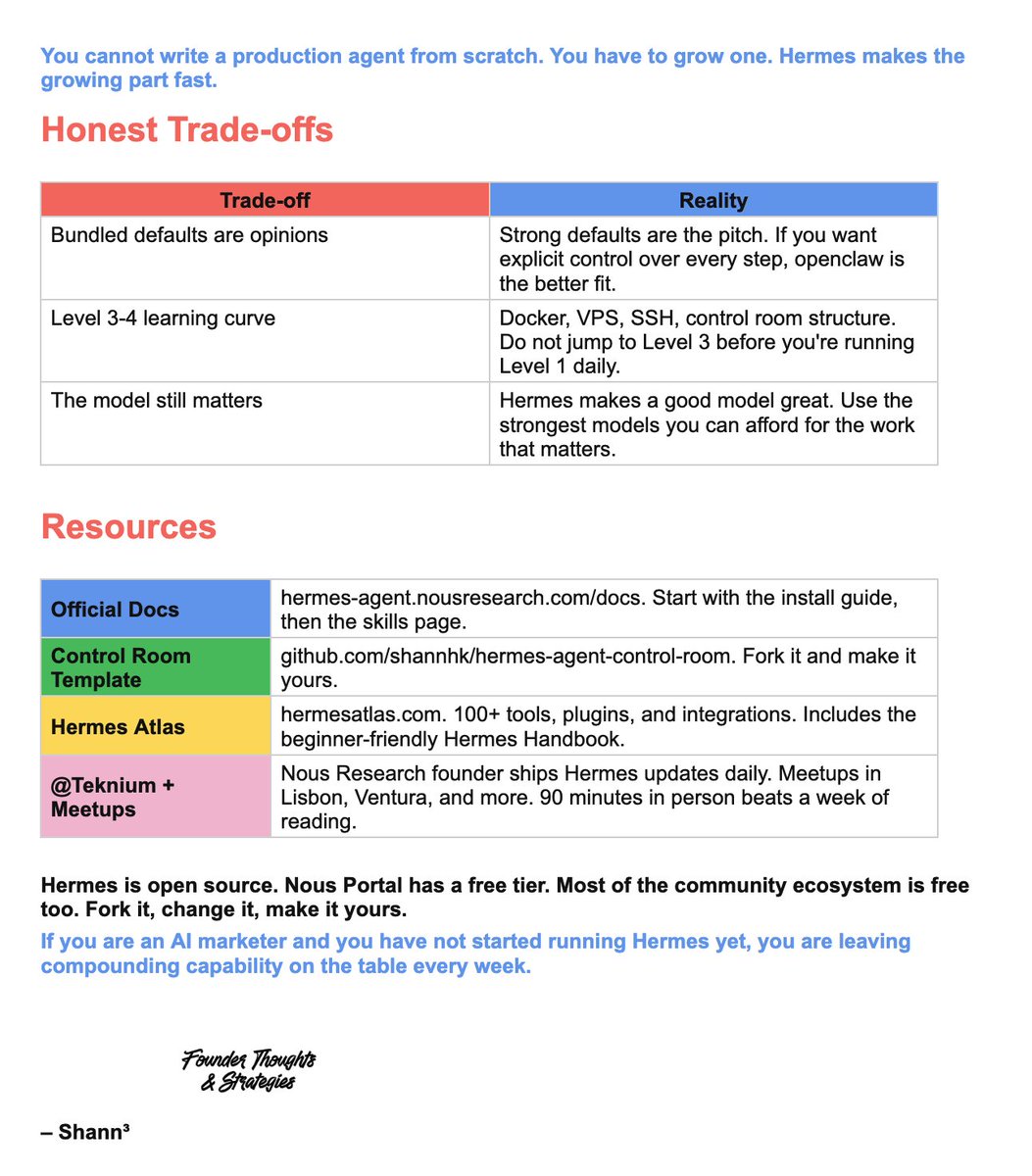
The operator's guide to Hermes Agent (the open-source AI system that runs your entire marketing department end-to-end):

6
13
52
7,012
May 29
"Which option is better?" is the wrong question.
It's also hard to answer accurately.
Without data, it becomes a debate about opinions. And opinions don't solve the real problem - they just get louder until someone gives up and agrees.
So stop comparing options and start comparing the "beliefs" each option requires.
For Option A to be right, what would have to be true? About your market. Your customer. Your current capabilities.
And do the same for Option B too.
Now you're not arguing about which option "feels" better or right. You're arguing about which assumptions are more defensible. And assumptions can be tested.
For example example, say you're deciding between launching bundle-first or single-product-first.
Bundle-first assumes your customer already understands the problem and is ready to buy a complete solution. It assumes your AOV math works at current conversion rates. It assumes your creative can carry a more complex offer. etc.
Single-product-first assumes the opposite on most of those.
Now, If you look at data before naming your assumptions, you'll unconsciously cherrypick the numbers that support what you already believed. The assumptions need to come first so the data has something to test against - not something to justify (because the data doesn't lie - but you'll ask it leading questions)
The hard part isn't choosing. It's having the discipline to name what would have to be true - and committing in advance to what would change your mind.
2
9
14
659
May 28
Nobody clicks an ad because it was "well-targeted."
They click because something in it made them feel understood.
The platform gets your ad in front of the right person.
That’s its job.
Your job is to say something worth stopping for.
Yet most brands are outsourcing the hard part to the algorithm and wondering why it’s not enough.
3
1
8
155
May 28
Most people think they're testing. They're just running things and hoping something works.
Real testing has a structure.
Research first. You're looking for the signal before you spend anything. What does your customer actually say about the problem? What language do they use? What do they believe is causing it?
That's your input. Not your gut. Not what worked for someone else's brand.
Then you build a hypothesis. Specifically: if this belief is true about my customer, then this creative angle should outperform. Now you have something falsifiable.
You run the test against that hypothesis. Not 12 variables at once. One thing at a time, isolated enough that the data tells you something clean.
When it works, you validate before you scale. One good week isn't a signal. Consistent performance across enough spend and time - that's a signal.
Then you scale. And you keep the system running because what works now won't work forever.
The pattern I keep seeing is operators who skip straight from "run it" to "scale it" with nothing in between. No hypothesis. No validation threshold. No documented learning.
So when it stops working, they have no idea why. And they start the whole random process over again.
The constraint isn't budget or creative. It's the absence of a repeatable process that compounds learning over time.
8
13
432