
The Initiative for CryptoCurrencies and Contracts | Stay Ahead of Blockchain Research📍Cornell Tech, NYC
Joined June 2016
- Tweets 2,782
- Following 281
- Followers 11,960
- Likes 2,249
595 Photos and videos
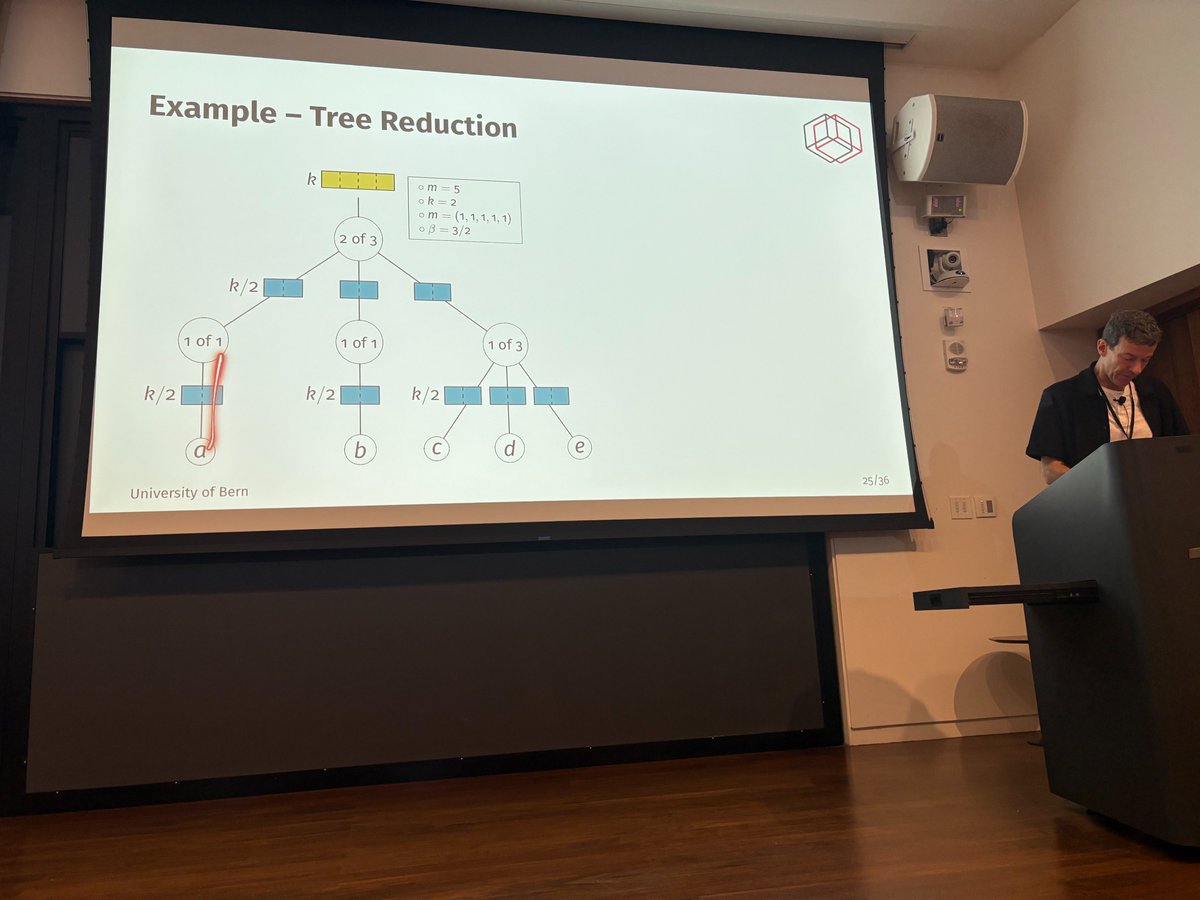
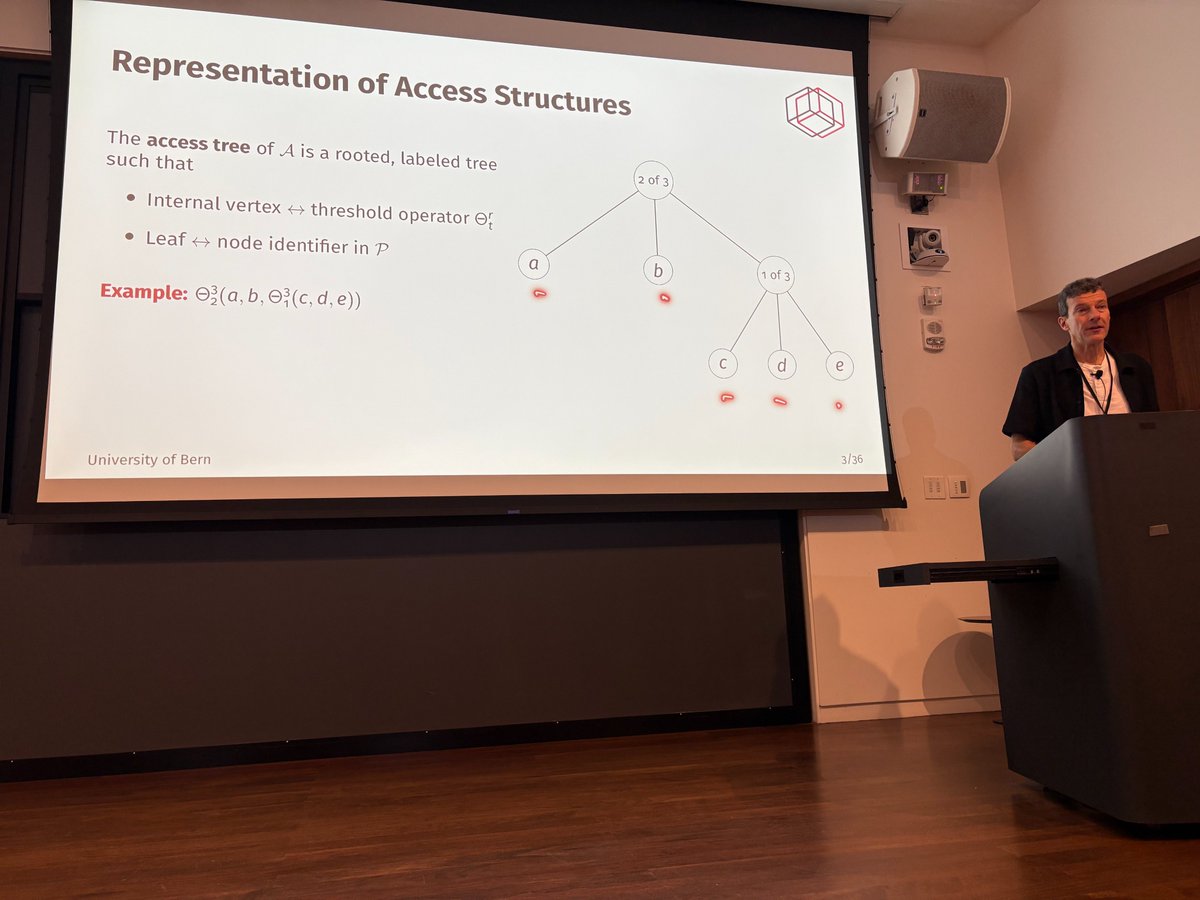
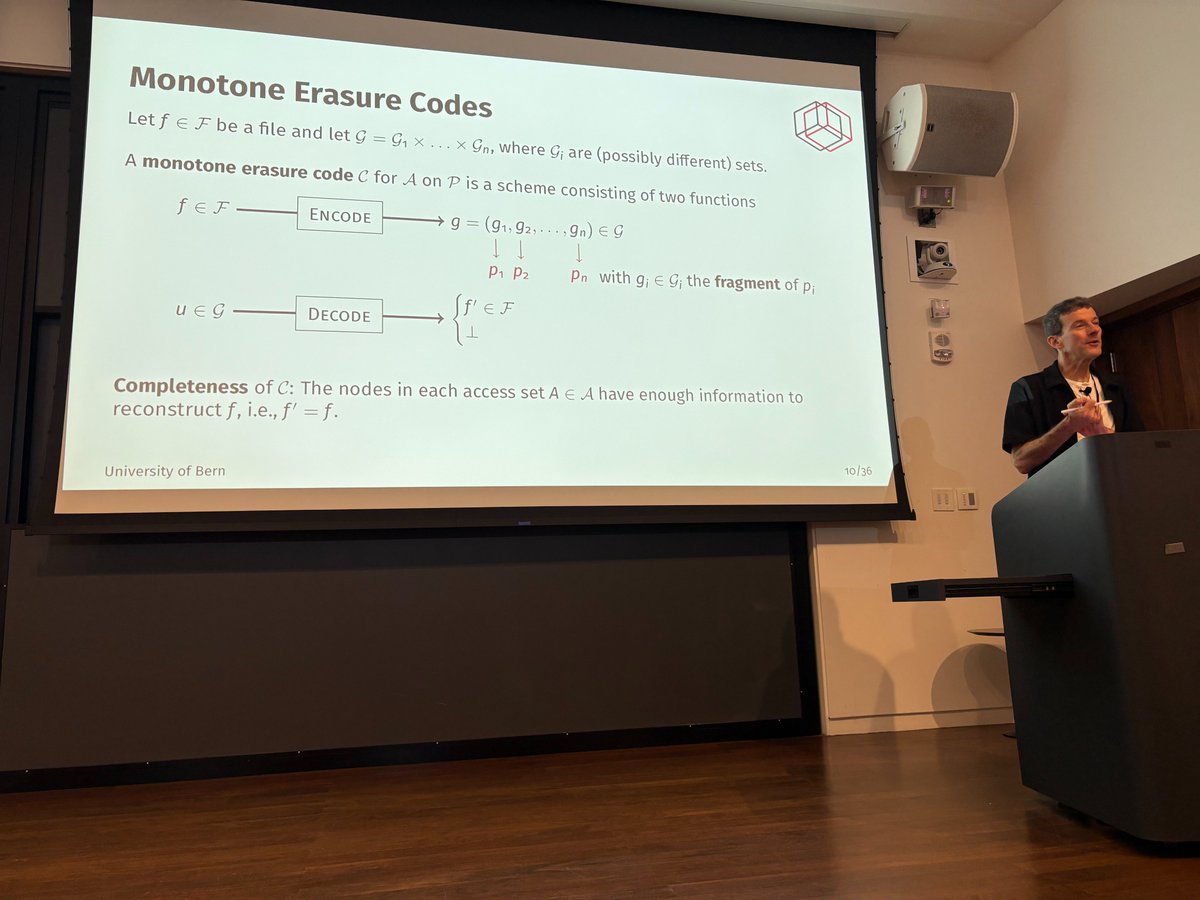
IC3 retweeted

Jun 13
🥉 3rd Place at the IC3 Blockchain Camp Hackathon!!!
Our project focused on rethinking DAO governance from a UI/UX and governance perspective, combining insights from shareholder voting systems with cryptographic tools to create a healthier decision-making process.
We often assume that more transparency leads to better governance. But when every vote, wallet, and discussion is public forever, incentives change. People may follow whales, vote defensively, or stay silent altogether.
That led us to a simple question: Can DAOs learn from shareholder governance without sacrificing the openness that makes them valuable?
Our solution combined a privacy-preserving and publicly verifiable voting system (DRE-ip) with a governance-aware discussion forum, designed to improve both voter privacy and communication.
Personally, while I'm still learning cryptography, what fascinated me most was the human side of governance: incentives, communication, coordination, and the stories that shape collective decisions.
Huge thanks to my incredible teammates and @initc3org for an unforgettable week of building, learning, and debating the future of decentralized governance.
Jun 11

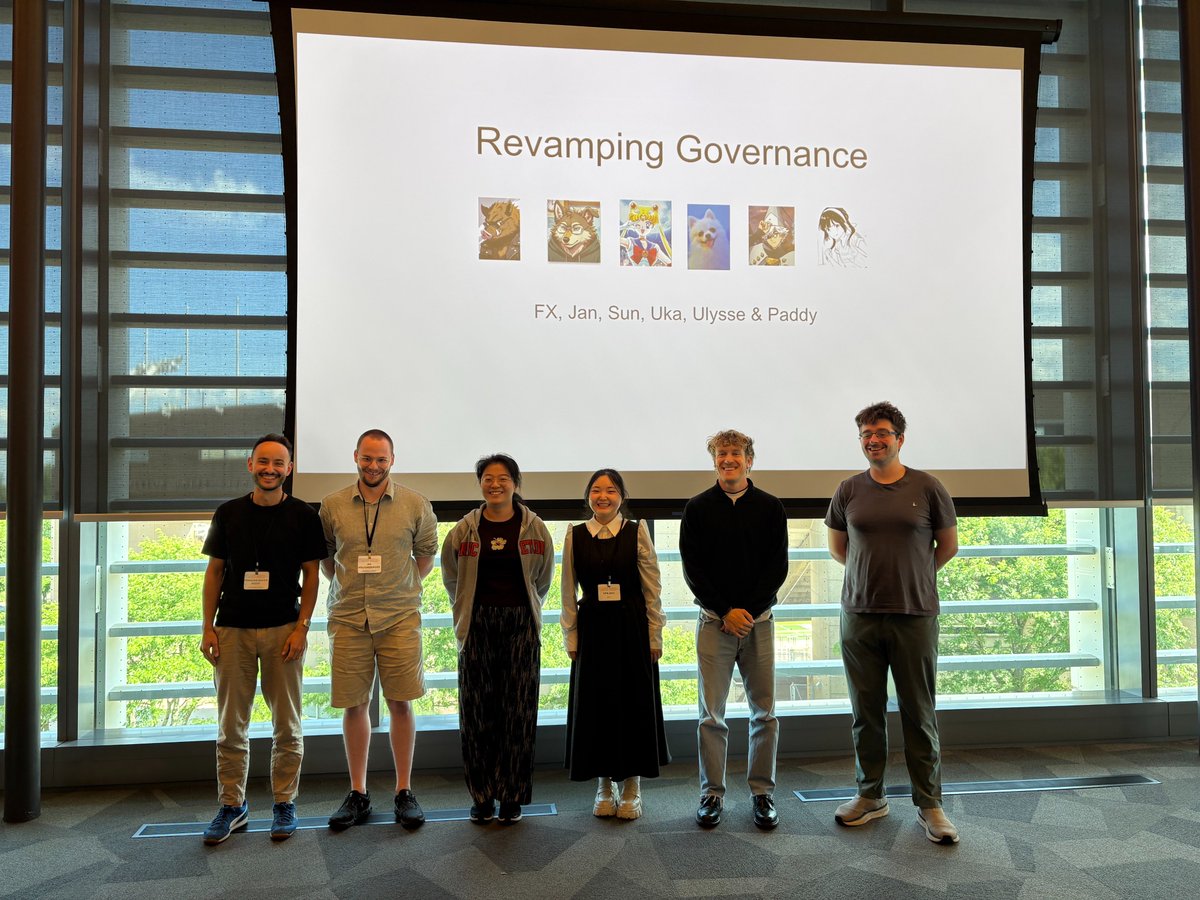
3rd Place: Revamping Governance
The Revamping Governance team set out to rethink how DAOs and decentralized governance operate. Their first step was a deep dive into real-world corporate governance and shareholder voting.
Surprisingly, they discovered that traditional shareholder voting is more private than DAOs, thanks to how brokers aggregate votes. Furthermore, nearly all top US companies fail to facilitate shareholder-to-shareholder communication (i.e., they have no online forums).
With this in mind, the team sought to bring private voting to DAOs without sacrificing their inherent openness.
They implemented a variant of DRE-ip for weighted voting, enabling broker-like vote aggregation while allowing anyone to verify the count by summing the ballots. For communication, they built a Reddit-style forum that leverages governance token weights to signal which prominent members are worth listening to.
1
4
304
IC3 retweeted

Jun 12
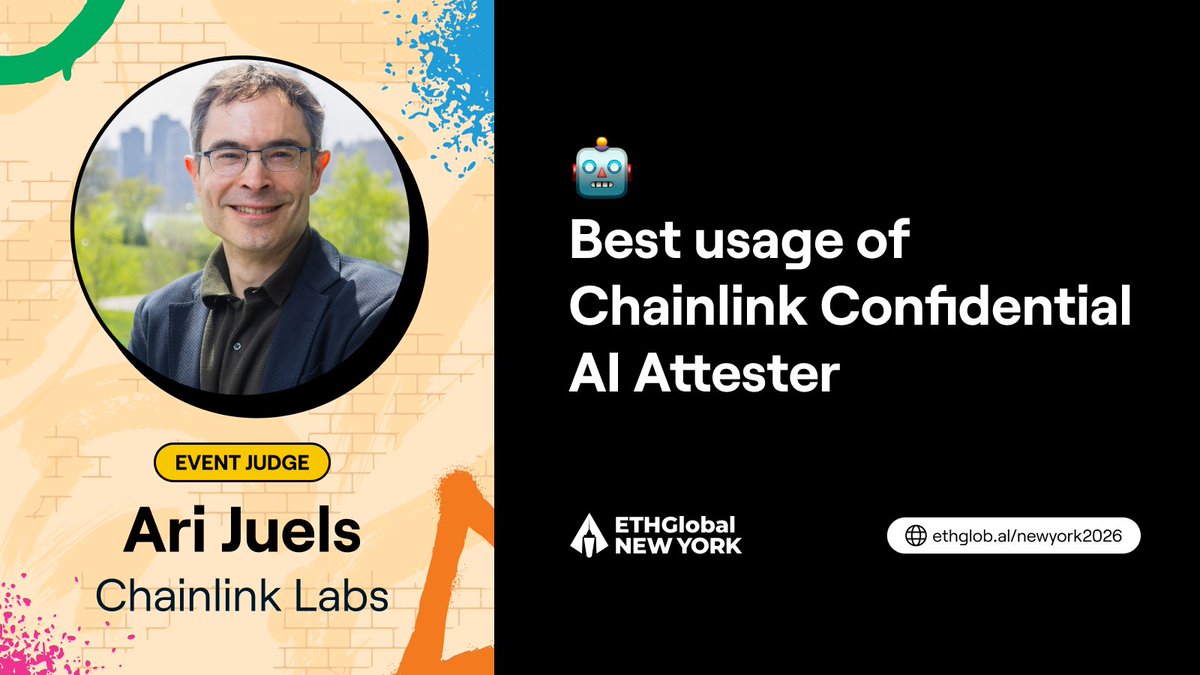
NEW: Chainlink Labs' @AriJuels is judging this year’s @ETHGlobal NYC hackathon.
Submit your project for a chance to win: ethglobal.com/events/newyork…
5
23
153
20,891
IC3 retweeted
Jun 12
One of the most rewarding weeks I've had this year was at the IC3 Blockchain Camp at Princeton University.
A week full of learning, building, presenting, and making new friends. Grateful for every conversation, every challenge, and every late-night brainstorming session.
I had the opportunity to learn from world-class researchers, present my research on Bitcoin halving cycles, build alongside an incredible team, and somehow come home with a 🥉 hackathon finish.
Most importantly, thank you, @initc3org and all the organizers, for creating such a special experience. Hope to see everyone again soon!!!
Jun 11
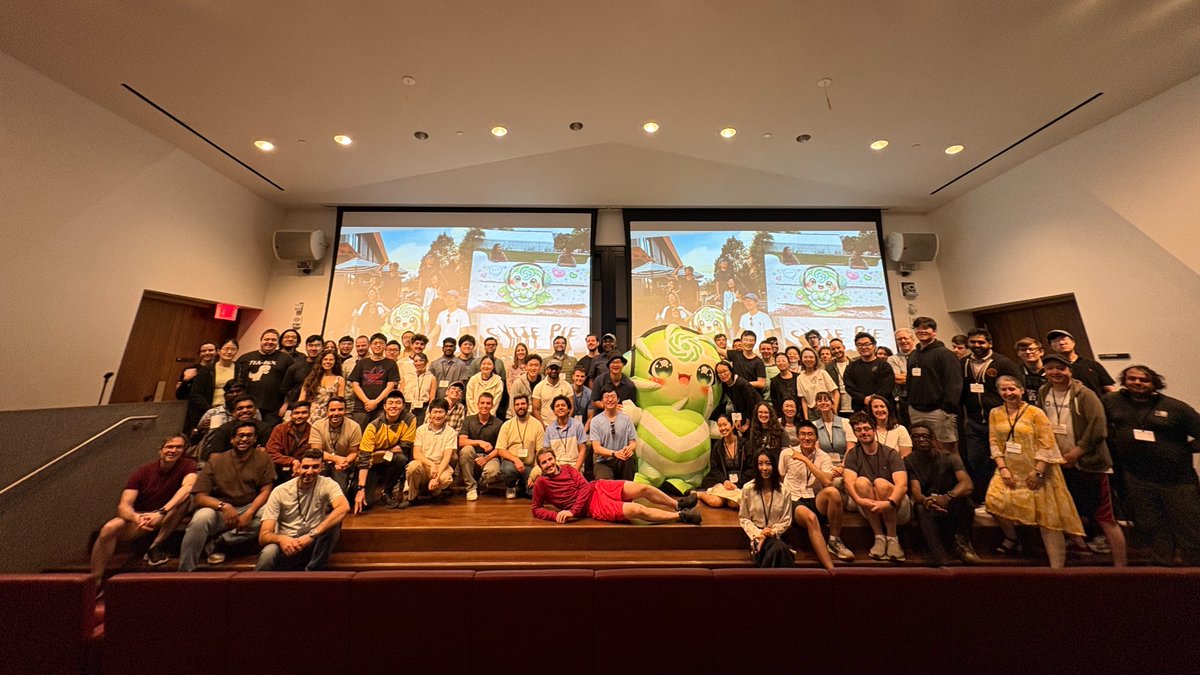
That’s a wrap!
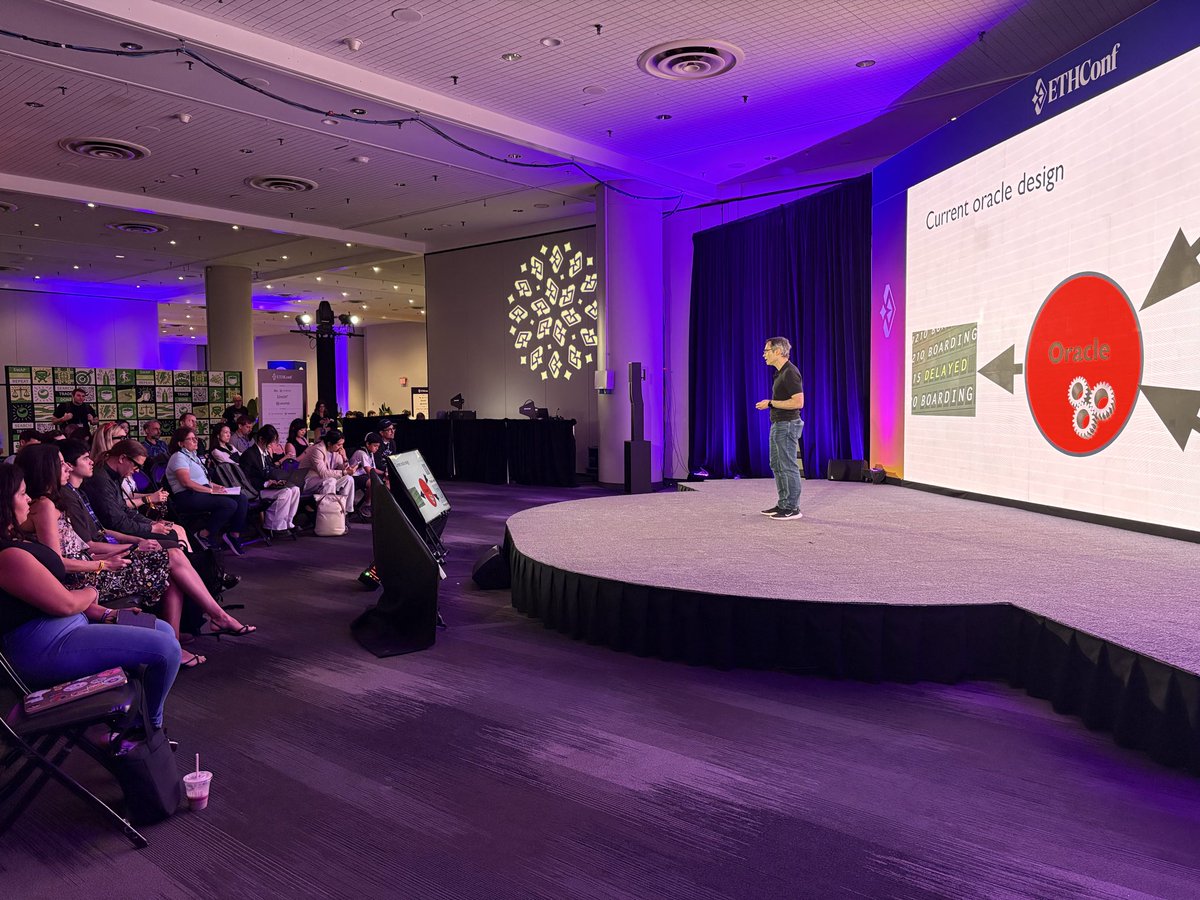
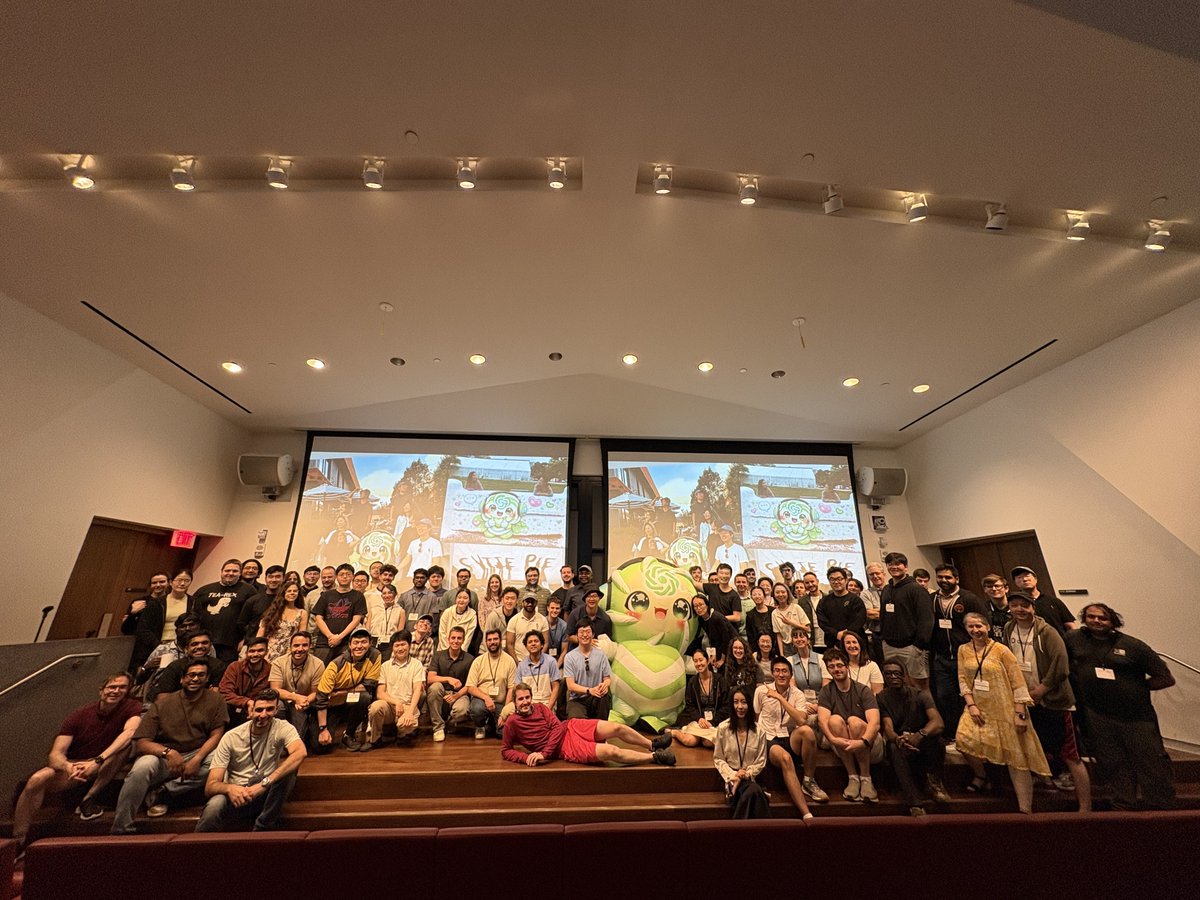
Over 100 computer scientists, researchers, and students attended the 2026 IC3 Blockchain Camp for a full week of learning and hacking.
Congrats to the winning hackathon teams:
1
2
8
434
IC3 retweeted
Jun 12
Why did Bitcoin's 4th halving feel so different?
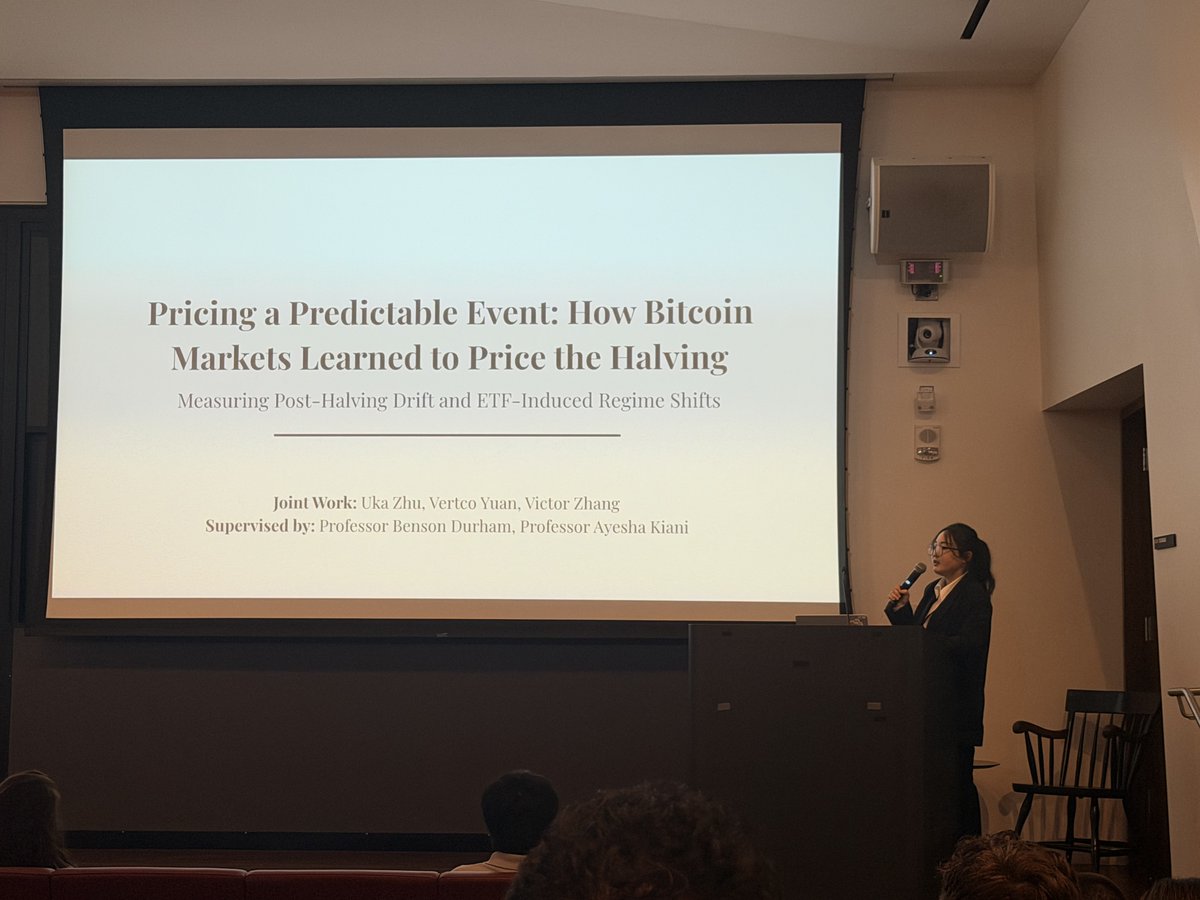
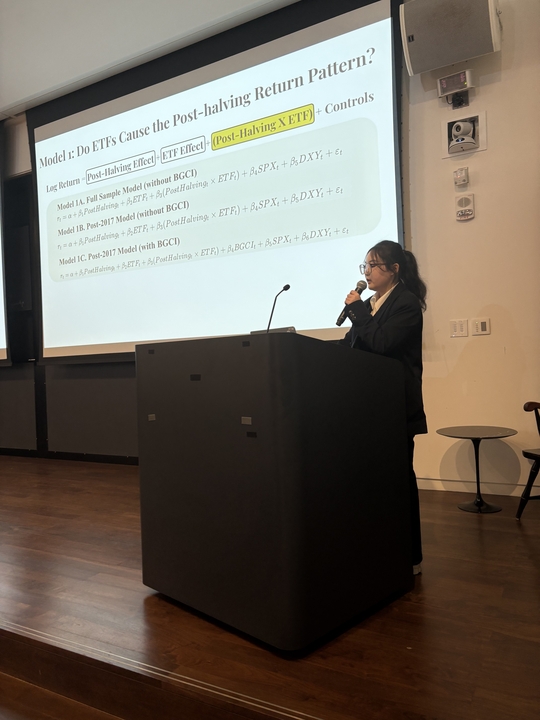
Last week, I had the opportunity to present our Bitcoin market structure research at Princeton through @initc3org, a moment I'll carry with me for a long time.
Many point to spot Bitcoin ETFs as the explanation. Our findings suggest the story may be bigger.
Across four halving cycles, we found evidence that Bitcoin's market response has evolved from a delayed reaction to anticipation and correction and increasingly toward pre-event absorption.
A few findings stood out:
→ Structural breaks move progressively closer to halving events over time. The 4th halving is the first cycle where the structural break appears before the halving itself.
→ Post-Halving Event Drift (PHED) appears clearly only in the first cycle.
→ Liquidity regime shifts observed in earlier cycles largely disappear by 2024.
Taken together, these patterns suggest that Bitcoin may be transitioning from an event-driven market to an expectation-driven market.
The 4th halving may not simply be an ETF-era anomaly. It may be the visible outcome of a decade-long market-learning process.
As markets mature, information gets absorbed earlier, narratives get priced in faster, and historical patterns become harder to repeat. The challenge is no longer just anticipating the event itself but understanding how market participants will anticipate and price in that event.
Grateful to @initc3org and all organizers for an unforgettable week of learning, discussion, and new ideas.
1
3
276
IC3 retweeted

Jun 12
Honored to have spent the last week at @initc3org It's one of the most humbling rooms I've been in: the researchers who helped invent this field, founders building at the edge, and even a sitting regulator, all thinking out loud in the same place.
A few things I'm still sitting with:
The conversation has quietly moved from "crypto vs. AI" to "crypto AI." As AI agents start acting on their own, the real question stops being how capable they are and becomes how do you trust them. How do you know an agent, a model, or a provider actually did what it claimed? That turns out to be exactly the problem crypto has spent a decade learning to solve.
Institutions are getting serious about bringing real assets and real yield on-chain. Less hype, more plumbing. And the hardest part isn't the technology. It's bridging the rules of traditional finance with the openness of crypto.
One of my favorite moments was hearing about an open, still-running experiment where a swarm of people and AI agents pushed past a major research result in a matter of days. It changed how I think about how fast good work can move when the tools and the incentives line up.
The biggest reminder for me: inventing something new is hard, but turning research into something people actually use is harder, and far more interesting. I left more clear-headed about where my own work fits into all of this, and grateful to everyone who shared so openly.
Thanks again to all the organizers at @initc3org for pulling this together. None of it happens without them.
PS: we also slipped off to Grounds For Sculpture nearby. The lotus there was too beautiful not to share.

1
7
276

Jun 11
3rd Place: Revamping Governance
The Revamping Governance team set out to rethink how DAOs and decentralized governance operate. Their first step was a deep dive into real-world corporate governance and shareholder voting.
Surprisingly, they discovered that traditional shareholder voting is more private than DAOs, thanks to how brokers aggregate votes. Furthermore, nearly all top US companies fail to facilitate shareholder-to-shareholder communication (i.e., they have no online forums).
With this in mind, the team sought to bring private voting to DAOs without sacrificing their inherent openness.
They implemented a variant of DRE-ip for weighted voting, enabling broker-like vote aggregation while allowing anyone to verify the count by summing the ballots. For communication, they built a Reddit-style forum that leverages governance token weights to signal which prominent members are worth listening to.
1
1
5
454
Jun 11
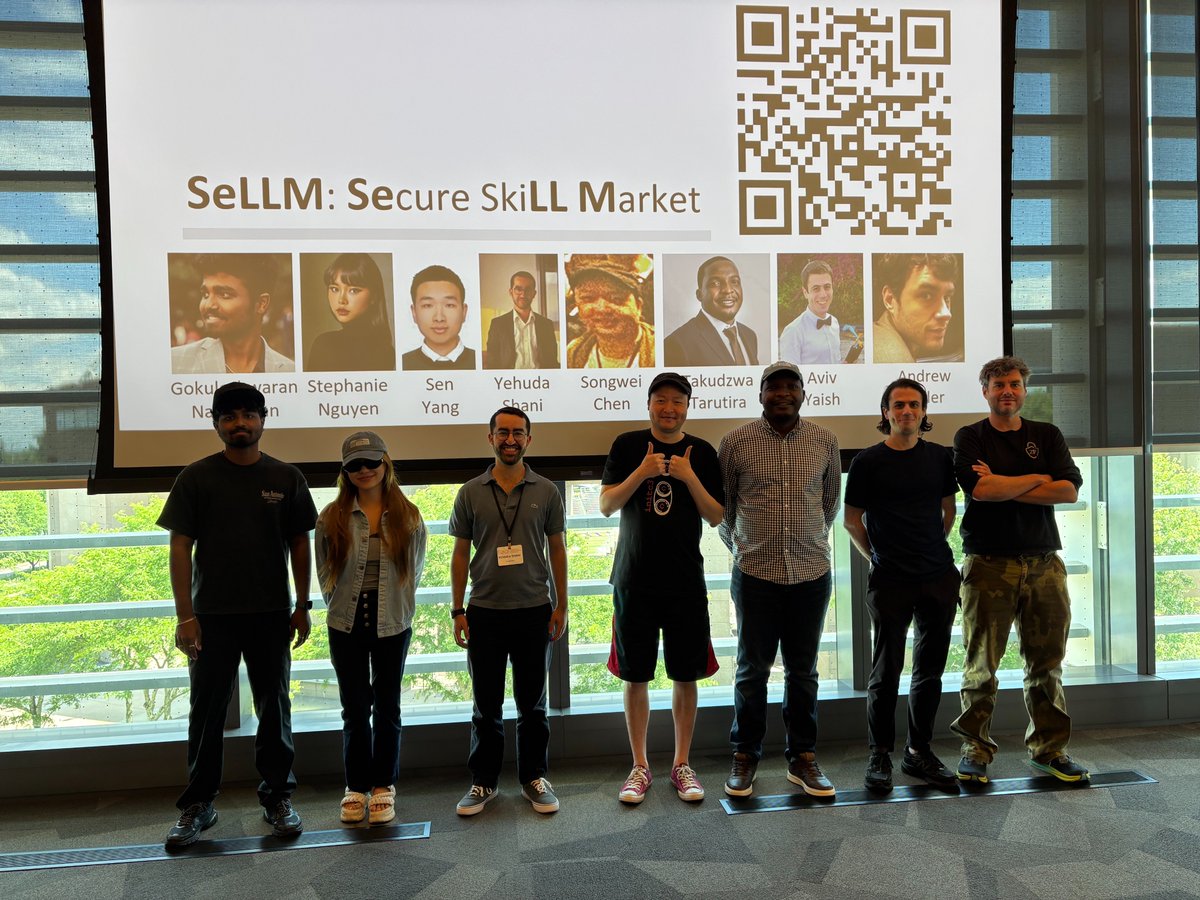
Bonus Award (Given to the funniest presentation): SeLLM
The team built a TEE-based market for AI agent skills, lovingly nicknamed SeLLM (short for Secure SkiLL Marketplace).
Their solution lets sellers offer skills without revealing the underlying code (skills are sent directly to buyers' TEEs).
Meanwhile, buyers can test these skills on their private data inside a TEE and pay only if the performance is satisfactory—a true try-before-you-buy system that leaks neither seller IP nor buyer data.
1
4
100
Jun 11
That’s a wrap!
Over 100 computer scientists, researchers, and students attended the 2026 IC3 Blockchain Camp for a full week of learning and hacking.
Congrats to the winning hackathon teams:
1
6
41
1,682
Jun 11
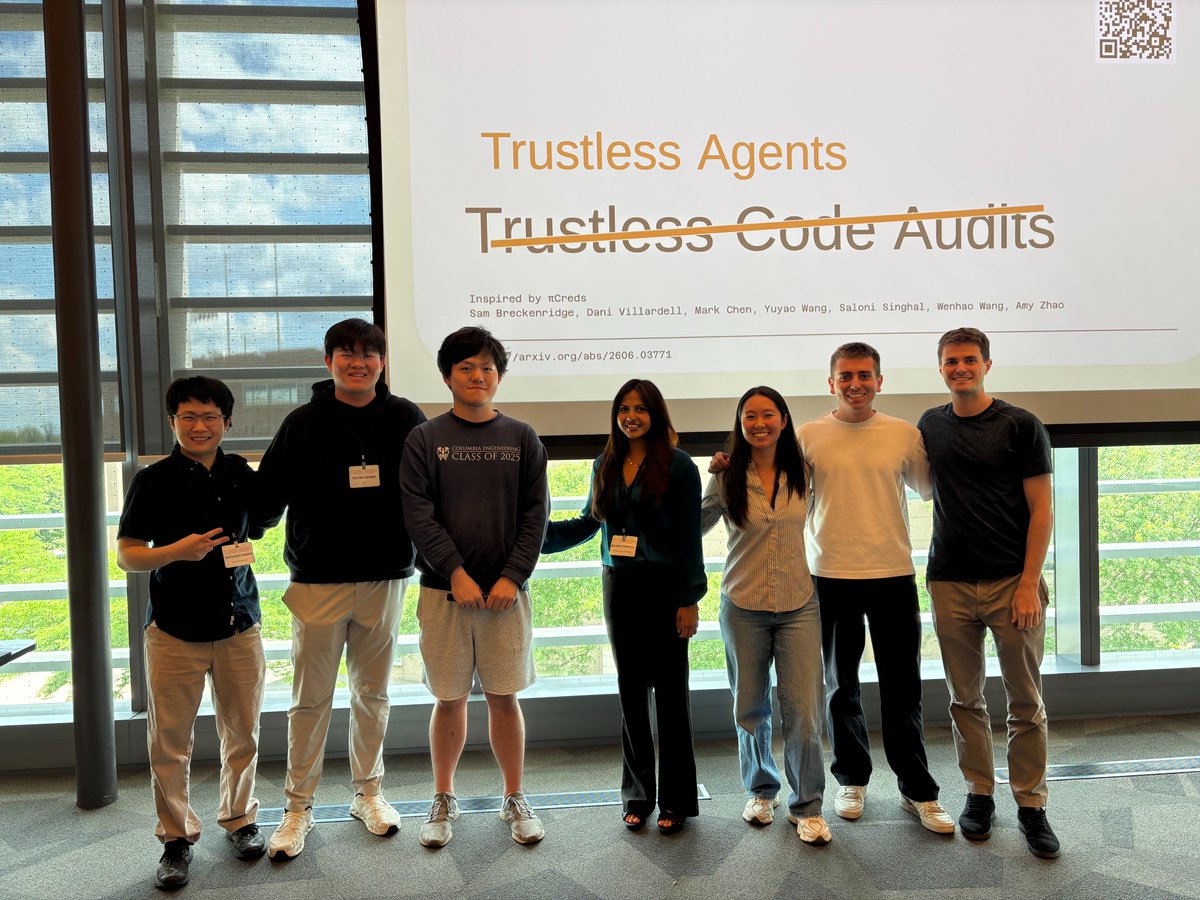
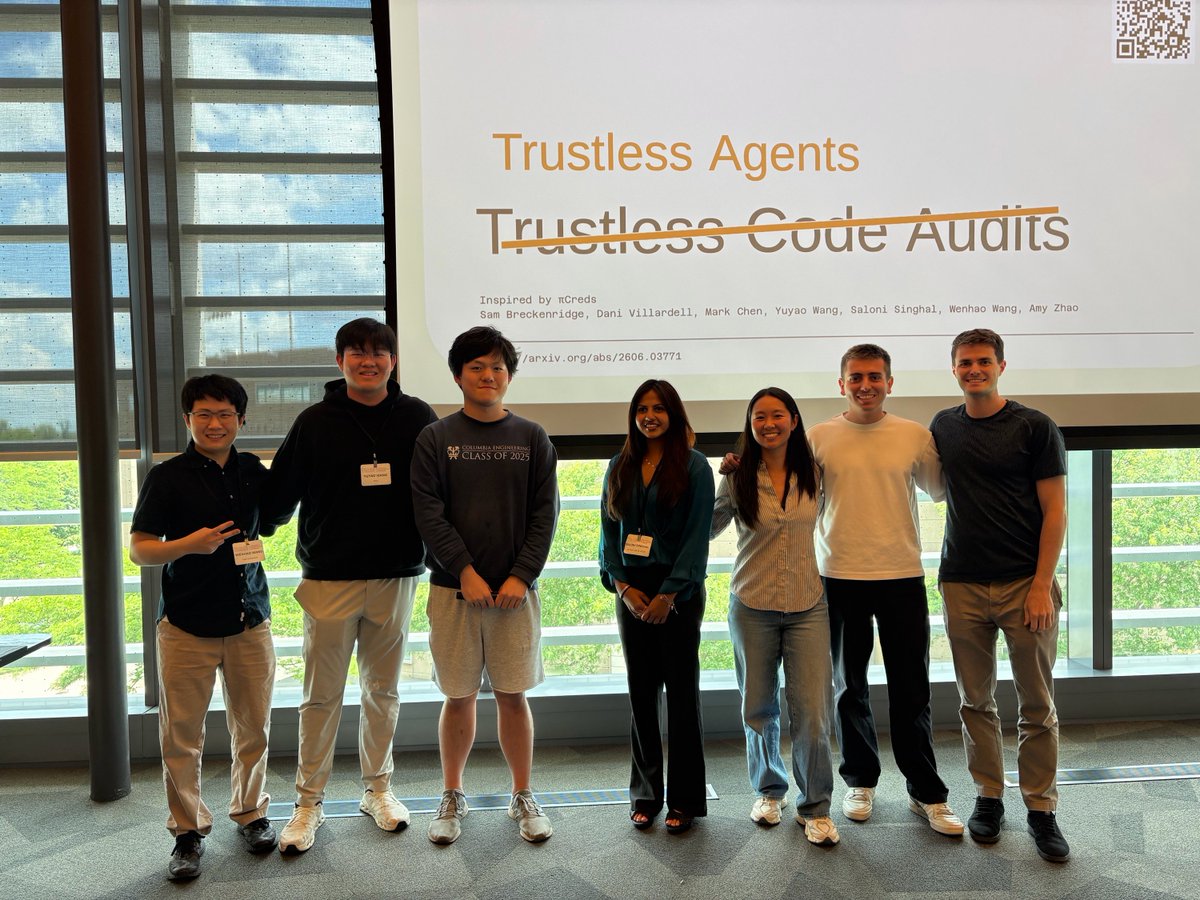
2nd Place: Trustless Agents
ERC-8004 proposes a decentralized framework for autonomous agents built on three on-chain registries: identity, reputation, and validation. The goal is to shift trust from an agent’s deployer to its actual behavior.
Today, only identity and reputation are active (with 200k agents registered), leaving the validation layer entirely missing. This fails to deliver on the promise of a trustless agentic ecosystem, as identity and reputation registries are easily gameable.
Trustless Agents supplies the missing puzzle piece using πCreds, new research from IC3. An LLM auditor runs inside a hardware enclave (Google Confidential Space) to check an agent’s code against its advertised identity entry while scanning for security vulnerabilities.
Crucially, the audit itself is trustless: it executes in an attested TEE, binds to the exact image the agent is running, and emits a signed credential. This Google-backed attestation is verified on-chain before being anchored in the validation registry.
The result is a cryptographically grounded, independently verifiable proof of an agent's behavior, replacing reliance on gameable reputation systems with evidence rooted directly in the code itself.
1
9
454
Jun 11
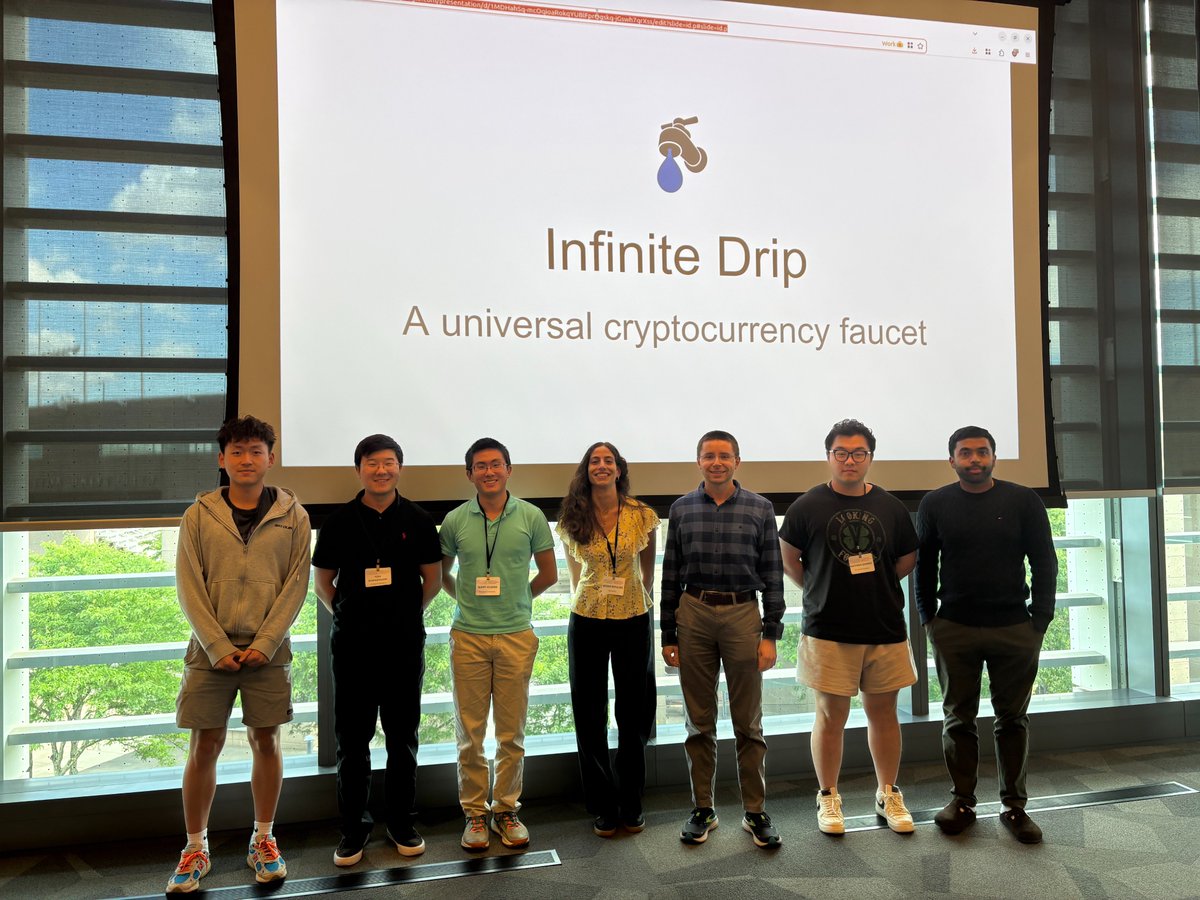
1st Place: Infinite Drip
Infinite Drip is a CPU-friendly proof-of-work faucet that anyone (even AI agents) can use to obtain cryptocurrency, with a specific focus on testnet tokens.
Traditional faucets use burdensome anti-Sybil protections—like CAPTCHAs, mainnet balance checks, or social media logins—to rate-limit the distribution of their funds. This is because users provide no value back to the faucet, causing it to eventually run dry.
With Infinite Drip, users participate in proof-of-work to create real value, which is then exchanged for the coins they want, while market forces ensure the supply stays topped up.
Unlike traditional faucets, where an influx of users drains resources or slashes payouts, Infinite Drip scales dynamically. Assuming liquid markets, having more participants actually amortizes the cost of running the faucet, leading to greater efficiency for everyone.
Running autonomously within a TEE, Infinite Drip is entirely self-funding even with a modest number of active users. It automatically exchanges a portion of the user-created value to cover its own cloud computation costs and stay online.
Thanks to an integration with Crossroads (an IC3 research project), anyone can add new blockchains to the faucet in an entirely permissionless manner, without needing approval from a developer or swap platform.
1
12
683
IC3 retweeted
Jun 11
As AI agents start doing real things, how do you actually trust one?
The project, "Trustless Agent," ended up taking 2nd place at @initc3org .
The idea: let people verify that a closed source AI agent's code does what it promises, while the code itself stays private. Verification without giving up the secret sauce.
Built on @sjbreck and @danivilardell77 paper "πCreds" arxiv.org/abs/2606.03771v1 , alongside teammates @salonixsx , @0xWenhaoWang , @theamyzhao , and Mark Chen .
1
3
9
354
IC3 retweeted

Jun 11
Cornell Tech researchers, alongside collaborators from Princeton, Yale, and beyond, have released an @initc3org survey examining the intersection of crypto and AI — cutting through hype to map risks, opportunities, and what comes next: bit.ly/4vBznno
2
6
395
Jun 11
Despite the hype, new IC3 research reveals that a large number of AI agent platforms aren't actually conducting autonomous trades.
Thanks to @TheStreet for the coverage. H/T to the authors @0xfishylosopher, @theamyzhao, and @sui414
thestreet.com/crypto/trading…
4
5
28
13,307
Jun 9
The crypto x AI industry faces many myths and misconceptions, something our new survey addresses.
Thanks to @TheBlockCo's @RT_Watson for covering:
theblock.co/post/404021/cryp…
5
20
852
Jun 9
2026 IC3 Blockchain Camp Recap:
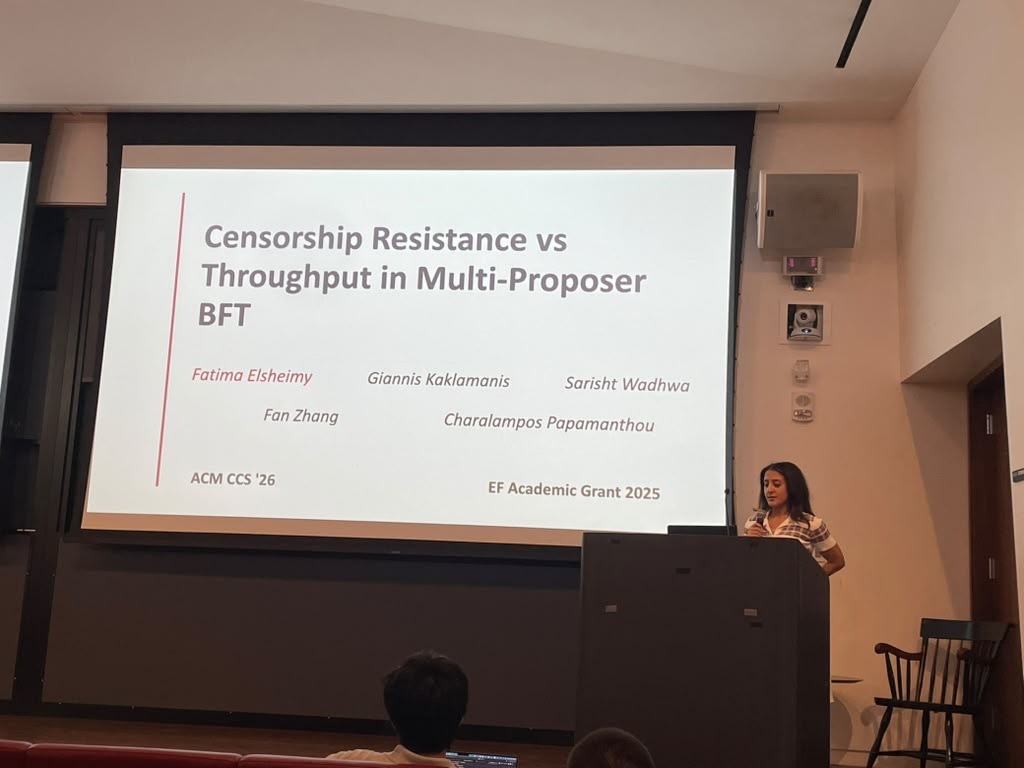
Fatima Elsheimy, @Yale PhD student, presents IC3 research on Censorship Resistance vs Throughput in Multi-Proposer BFT Protocols.
Transaction censorship is a growing concern. Recent data shows 34.98% of Ethereum builders engage in some form of censorship.
Multi-proposer BFT architectures were designed to help, but introduce a fundamental tension:
2
3
25
1,434
Jun 9
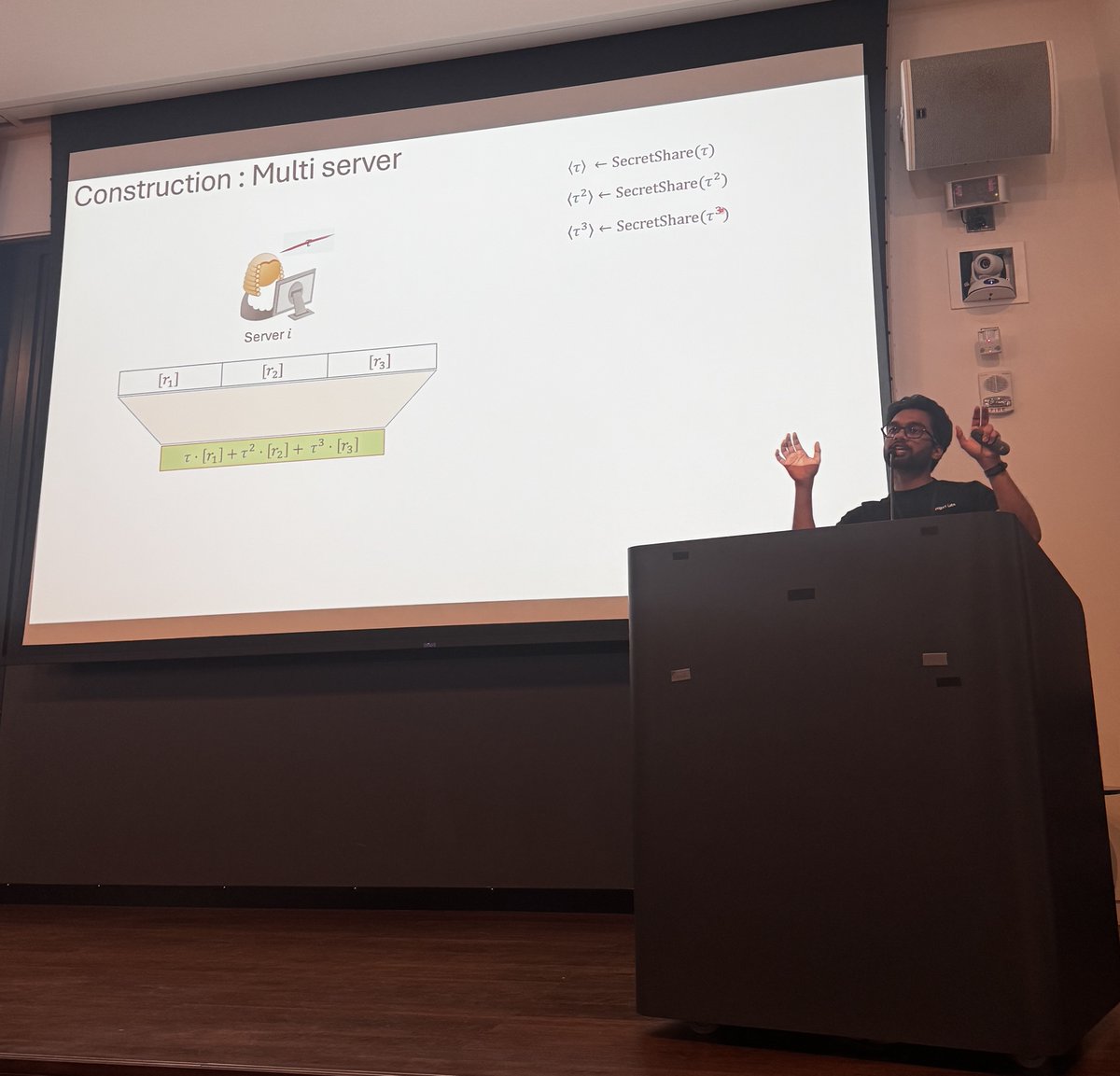
On the positive side, the authors propose transaction-reactive protocols that adapt duplication dynamically — a transaction that keeps getting censored gets assigned to exponentially more proposers.
Their best deterministic protocol achieves O(log f) censorship delay at only 2× the optimal throughput cost.
Randomized protocols break the deterministic bounds entirely, achieving O(log f) delay with near-optimal throughput.
1
2
410
Jun 9
This work has been accepted to CCS '26 and was supported by an Ethereum Foundation Academic Grant (2025).
Read more at eprint.iacr.org/2026/126
165
Jun 9
4 weeks into the Shape Rotator Accelerator and our teams are locked in.
Next stop: @ETHGlobal NYC. Here are some highlights of what the cohort has been working on so far:
An agentic operating system to build, orchestrate, and collaborate with AI agents
A context engine for long-running AI agents
Private evaluation infrastructure for AI agents
A decentralized, user-owned data storage platform with delegatable capabilities
AI-powered market making infrastructure for prediction markets
A chain abstracted wallet framework
Private AI services on Signal, powered by TEEs
Voice-to-video visuals to amplify live storytelling
We'll continue to track their progress and share updates!
4
5
35
3,112

Proud to see our Researcher @pranaytej contribute to IC3's latest survey on Crypto and AI alongside leading academic researchers.
Our team continues to contribute to the broader research community while building the technologies that power the programmable economy.
1
2
39
4,796