
Joined June 2018
- Tweets 2,323
- Following 7,034
- Followers 8,463
- Likes 1,552
1,505 Photos and videos








Jun 13
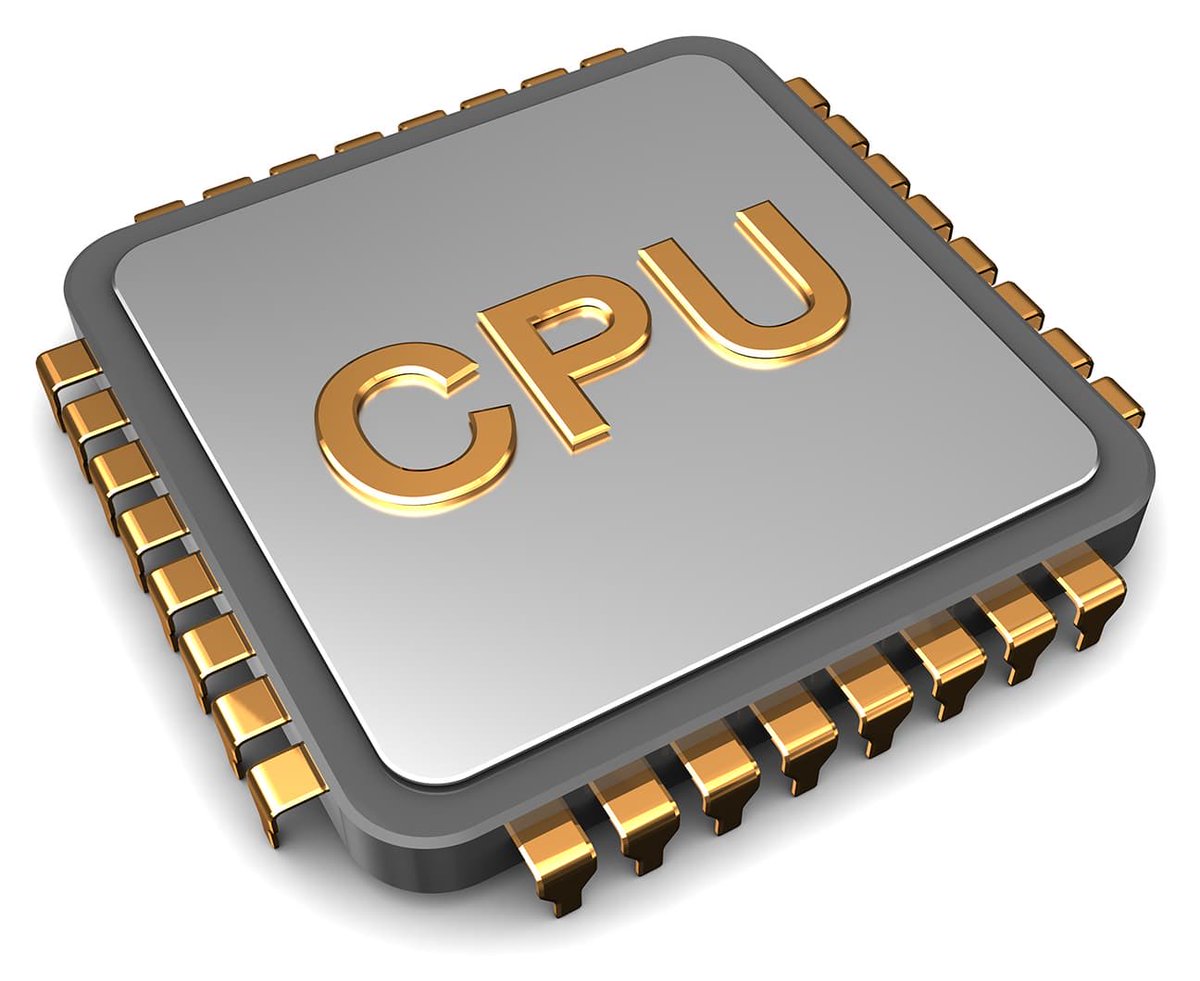
Inside every CPU:
Billions of transistors.
Inside every transistor:
Just two states.
ON or OFF.
Everything else—
Videos.
Games.
Websites.
Artificial Intelligence.
Comes from those two states.
0 and 1.
#Technology #Computers #CPU
1
1
7
260

If you want to buy or sell your embedded system, FPGA, Hardware, and Electronic Components, please go to our Inside Computing Marketplace FB Group.
A community for buying, selling, and discussing FPGA boards, embedded systems, RISC-V platforms, Linux hardware, development tools, servers, networking equipment, and computer technology.
Whether you're a hobbyist, student, engineer, researcher, or business owner, this group is a place to connect with others who build and explore modern computing systems.
facebook.com/groups/insideco…
2
6
140
How Memory Works ?From Bits to RAM ; The Memory Hierarchy : Registers, Cache, RAM, SSD, Hard Drive
youtube.com/watch?v=qRYWz6oV…
What happens when you open a browser?
Launch a game?
Watch a YouTube video?
Where does all of that information live while your computer is running?
The answer is memory.
In this video, we explore how computer memory works, starting from simple bits and bytes all the way to modern RAM and memory hierarchies.
Topics covered:
• What is Memory?
• Bits and Bytes
• Memory Cells
• Transistors and RAM
• Random Access Memory (RAM)
• Memory Addresses
• Reading Data from Memory
• Writing Data to Memory
• Volatile vs Non-Volatile Memory
• Why More RAM Improves Performance
• Memory Hierarchy
• CPU Registers
• How the CPU Really Uses Memory
By the end of this video, you will understand how modern computers store and process information, and why memory is one of the most important components in any computer system.
#Memory
#RAM
#CPU
#ComputerArchitecture
#ComputerScience
#HowMemoryWorks
#OperatingSystems
#Linux
#Registers
#Computers
1
3
8
272
Jun 13
RAM is not storage.
Storage is not memory.
Memory is not cache.
Cache is not registers.
And registers are where the CPU actually works.
Understanding this hierarchy changes how you see computers forever.
#Memory #CPU #ComputerArchitecture
2
2
6
192
Jun 13
Most people use computers every day.
Very few know what happens after they click an icon.
Inside Computing breaks down the hidden layers:
⚡ Electricity
⚙️ Transistors
🧮 Logic Gates
🖥️ CPUs
💾 Memory
🐧 Linux
🌐 Operating Systems
One layer at a time.
#Computers #Linux #CPU #Programming #Technology
3
137
Jun 13
"Avoid copying data to maximize performance."
This is standard advice. But in modern high-performance systems, premature optimization against copying can actually destroy your throughput.
Why? Because we often replace copies with Shared State Locks. And locks are the silent killer of modern CPUs. 🧵👇
When you use a Lock (Mutex), you aren't just waiting. You are triggering:
1. Cache line bouncing (CPU cores fighting for the lock variable)
2. Context switches (TLB flushes, saving registers)
3. Pipeline stalls
A memory copy (memcpy) is sequentially optimized by hardware and blazing fast. A lock causes complete chaos inside the CPU.
This is why modern architectures (like Rust's ownership model or Go's channels) prefer "sharing by communicating" over "communicating by sharing."
Stop fearing memcpy.
Start fearing .lock().
What’s your biggest "performance optimization" that backfired? Let's talk below.
4
198

Jun 12
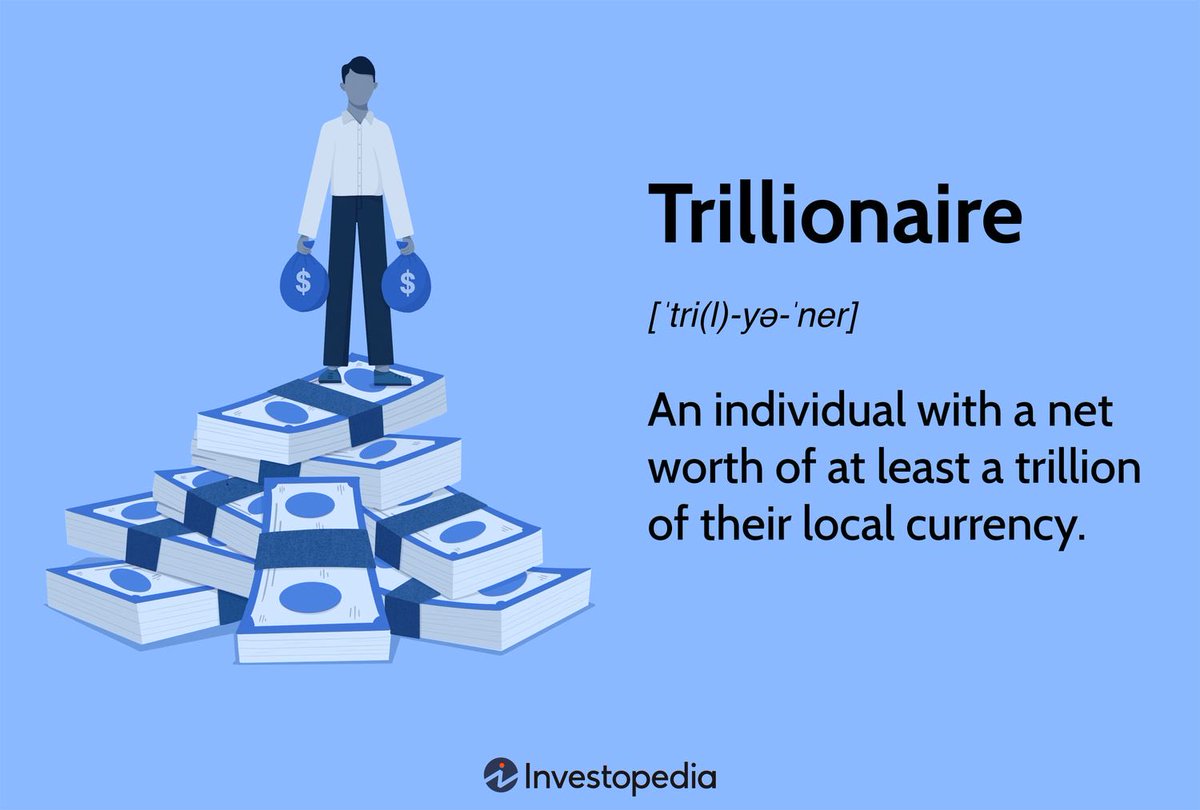
Elon Musk's rocket company opened on the Nasdaq at $150 per share
making him the world's first trillionaire.
1
5
124
Jun 12
The scaling race at xAI is no longer a silicon war—it is a thermal and grid-level engineering war.
Upgrading the Colossus cluster means drawing power equivalent to a small city. We are approaching the absolute physical limit of localized datacenters.
The next bottleneck isn't the architectural design of the chip, it's the transformer and the copper wire wire leading into the fab.
$NVDA $TSLA
3
138
Jun 12
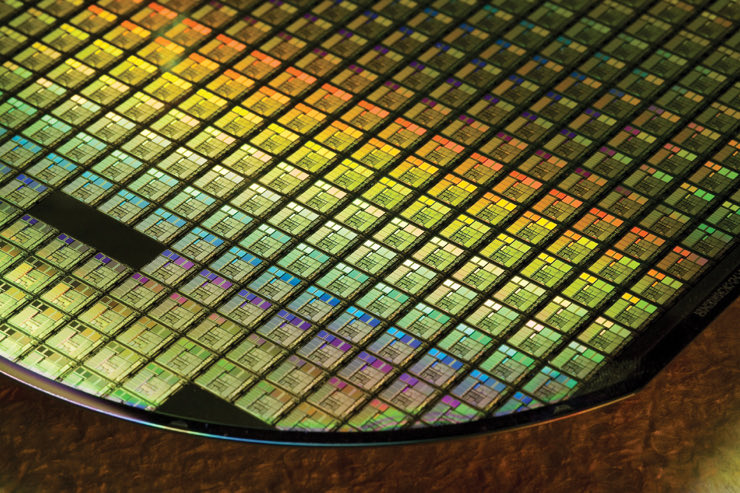
🚨 BREAKING inside the fabs: TSMC has reportedly set its early 2nm wafer pricing at a staggering $30,000.
That is a 50% jump from 3nm ($20k) and nearly double 5nm ($18k).
But the headline price isn't the real nightmare. The real crisis is the hidden "Yield Math" that is about to crush the tech industry.
Here is what’s happening behind the silicon curtain. 🧵👇
$TSM $NVDA $AAPL $AMD
4
2
11
566
Jun 12
We are entering an era where "brute force silicon scaling" is becoming economically unsustainable. 2nm isn't just a node transition; it's a financial filter that will separate the mega-cap tech giants from the rest.
Will the AI hype cycle justify $30,000 wafers, or are we approaching the economic limit of Moore's Law?
Hit follow for more deep-dives into the silicon supply chain. What’s your take? Drop a comment below! 👇
6
166
Jun 12
Who survives the 2nm tax?
🍏 Apple (A20 chip): Low risk. Vertical integration lets them absorb the hit or pass it to premium iPhone buyers.
🟢 Nvidia (Rubin architecture): High pricing power. Hyperscalers will pay whatever it takes for maximum AI compute.
🔴 AMD & Qualcomm: Danger zone. They face fierce price competition and margin pressure from OEMs.
4
141
Jun 12
Let's do the "Yield Math" semi desks are whispering about:
Early 2nm risk production yield is estimated at 65% - 70%.
A mature 3nm wafer sits at 90% .
Combine a 50% premium wafer price with a ~25% drop in usable good dies per wafer, and the actual cost-per-die is up roughly 80%.
Someone has to eat this cost.
1
78
Jun 12
Why $30k? Two massive architectural shifts:
GAA (Gate-All-Around) Nanosheet: Replacing FinFET means entirely new fab tooling and brutal process controls.
EUV Layer Explosion: The lithography step count is doubling to pattern critical layers.
More complexity = lower early-stage yields.
2
131
Jun 10
People often ask:
“Why is my CPU so fast?”
The answer is:
• Registers
• Cache
• Pipelines
• Multiple Cores
Modern CPUs are engineering miracles built from billions of tiny switches.
#CPU #Engineering
1
10
330
Jun 10
I spent months explaining:
• Linux
• Kernels
• System Calls
• File Systems
Then I realized something.
To truly understand Linux, you must understand the CPU first.
Because every process, every syscall, and every instruction eventually runs here.
New video:
How CPUs Work.
#Linux #ComputerArchitecture
youtu.be/gXao1fVNdvQ?si=0Cvh…
1
8
201
🚀 Every modern computer is built on a surprisingly simple idea.
Transistors become logic gates.
Logic gates become circuits.
Circuits become CPUs.
CPUs execute instructions.
Everything from Linux and Windows to AI and web browsers depends on this process.
I just published a visual guide explaining how CPUs actually work.
From transistors to modern processors.
#CPU #ComputerArchitecture #Computers
2
5
241