
Joined October 2018
- Tweets 1,237
- Following 1
- Followers 50,269
- Likes 2,277
228 Photos and videos








Pinned Tweet

22 Feb 2024
1/ Today, we are thrilled to unveil Fluid ( @0xFluid )
An ever-evolving DeFi protocol, base for future financial system.
Enabling highest capital efficiency and unbeatable rates.
fluid.instadapp.io

70
105
402
219,849
24 Mar 2025
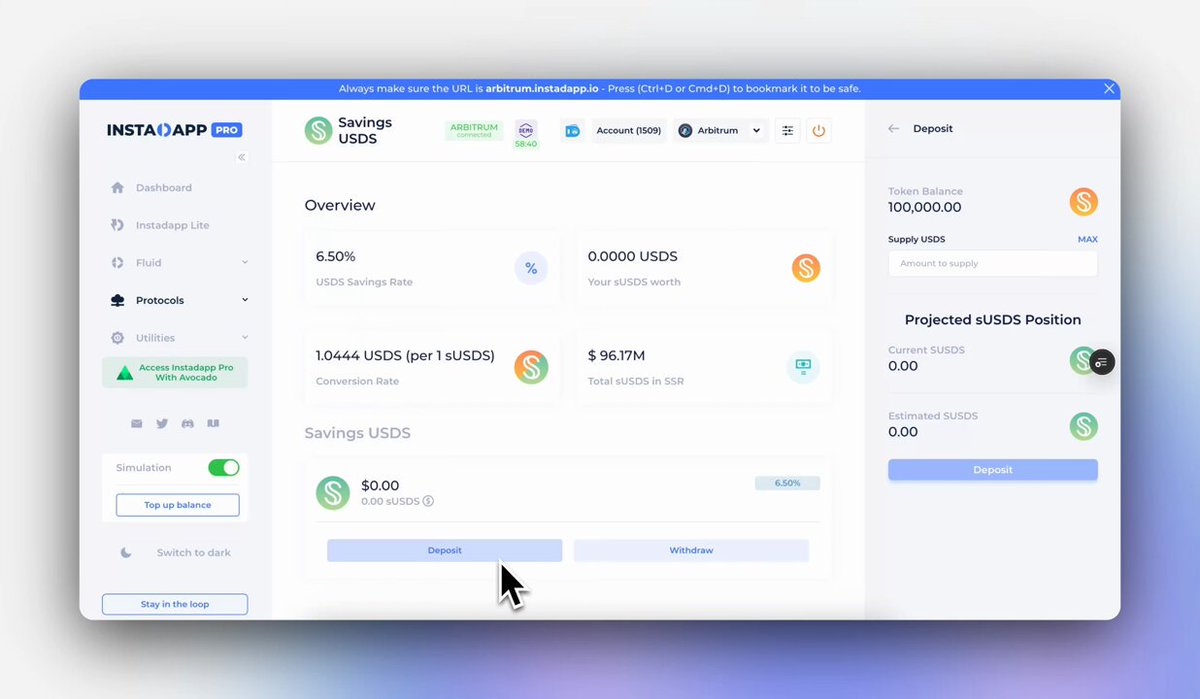
Start saving USDS on @arbitrum with Instadapp Pro today
Deposit @SkyEcosystem USDS into sUSDS and earn a 4.5% Sky Savings Rate
12
15
109
24,399
Instadapp retweeted

3 Feb 2025
How did @0xfluid do today?
- No bad debt
- Highest trading day at $380M in volume and 10.8% market share on Ethereum
- Liquidations were processed smoothly
- Day with highest fee & revenue
Due to the very severe & sudden market crash some users had 100% of liquidation of their position.
Only negative thing, withdrawal limits on Liquidity Layer was hitting due to massive liquidations & user's withdrawals. We will be releasing a proposal for this to relax the withdrawal limits (from current 25% to new 50%) for protocols which are live for more than 6 months.
Good stress test! Everything worked as expected!
🌊🌊🌊🌊🌊
28
29
245
35,992

new essay: on fluid
there is endless talk about all the foundations n vcs that "represent" ethereum, but far too little focus on the actual builders that actually push ethereum forward.
let's change that.
in this essay, i write about the concepts behind @0xfluid, the groundbreaking protocol built by my good friends and long term collaborators @smykjain, @sowmay_jain and @thrilok_kumar, who have been grinding away endlessly improving ethereum for years w little attention.
i was heavily involved in ethereum from 18-20, including being part of key ideas like smart accounts and wbtc, and it kinda tough to see the current identity crisis engulfing the ecosystem.
it is my strong belief that focusing on the builders who are actually pushing the technical limits of ethereum forward is the only way for the community to emerge stronger than before.
link: meow.bio/on-fluid.html
46
60
432
88,650
9 Jan 2025
Happy to have @0xCoinshift's USDL integration on Instadapp Pro 🐅
Enjoy this new integration with our DeFi Smart Accounts, bringing a new level of control and asset management to your portfolio.
9 Jan 2025

We are excited to announce that Coinshift has partnered with @Instadapp!
Buy csUSDL on Instadapp Pro directly from your DeFi Smart Account (DSA) and earn real yield, powered by:
• T-bill yields.
• DeFi lending markets.
• SHIFT & MORPHO rewards.
27
6
52
9,996
Instadapp retweeted
11 Dec 2024
Just launched ETH-USDC pool with $20M cap on @0xfluid with $INST rewards. Here's how we plan to become the deepest ETH-USDC pool in DeFi, make the LT on ETH-USDC borrowing vault to 95% & LP to 0.1% 🌊🌊
Fluid DEX has now been live for little over a month. Community saw how money market can super power DEX and make it 10x more efficient but they haven't yet seen how DEX can make money market 10x more efficient.
This will be released over next 2 months as our volatile DEX grows. With this new update you can expect liquidation threshold on ETH-USDC to be 95% & liquidation penalty to be as low as 0.1%. Here's how it'll happen
In next 2 months, we will grow our ETH-USDC DEX to $100M in tradable liquidity with incentives. ETH-USDC DEX will be attached to ETH-USDC vault to allow liquidations to have higher priority than trades. During scenarios of flash crash, the DEX liquidity will first be reserved for ETH-USDC liquidation before allowing external trades to go through (this will all happen within 15-30sec).
Note: Check for liquidation will take about 5-10k gas. Due to super optimize Fluid's liquidation engine which allows to get all this data on-chain at a very cheap gas cost.
The wave is coming 🌊🌊🌊
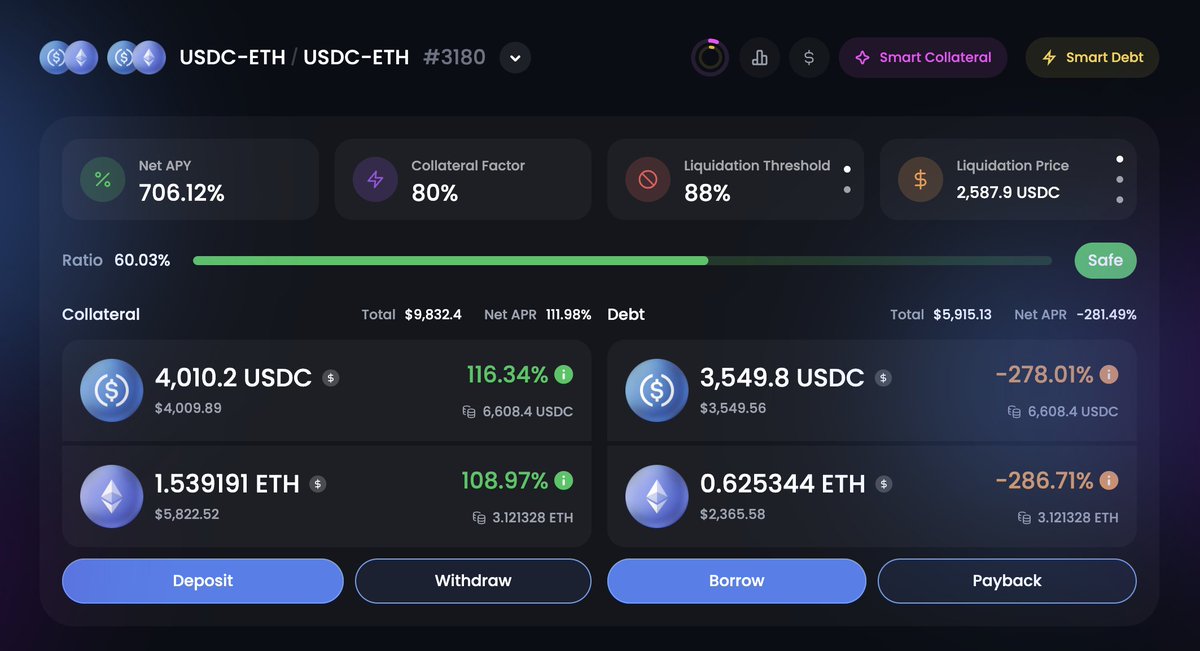

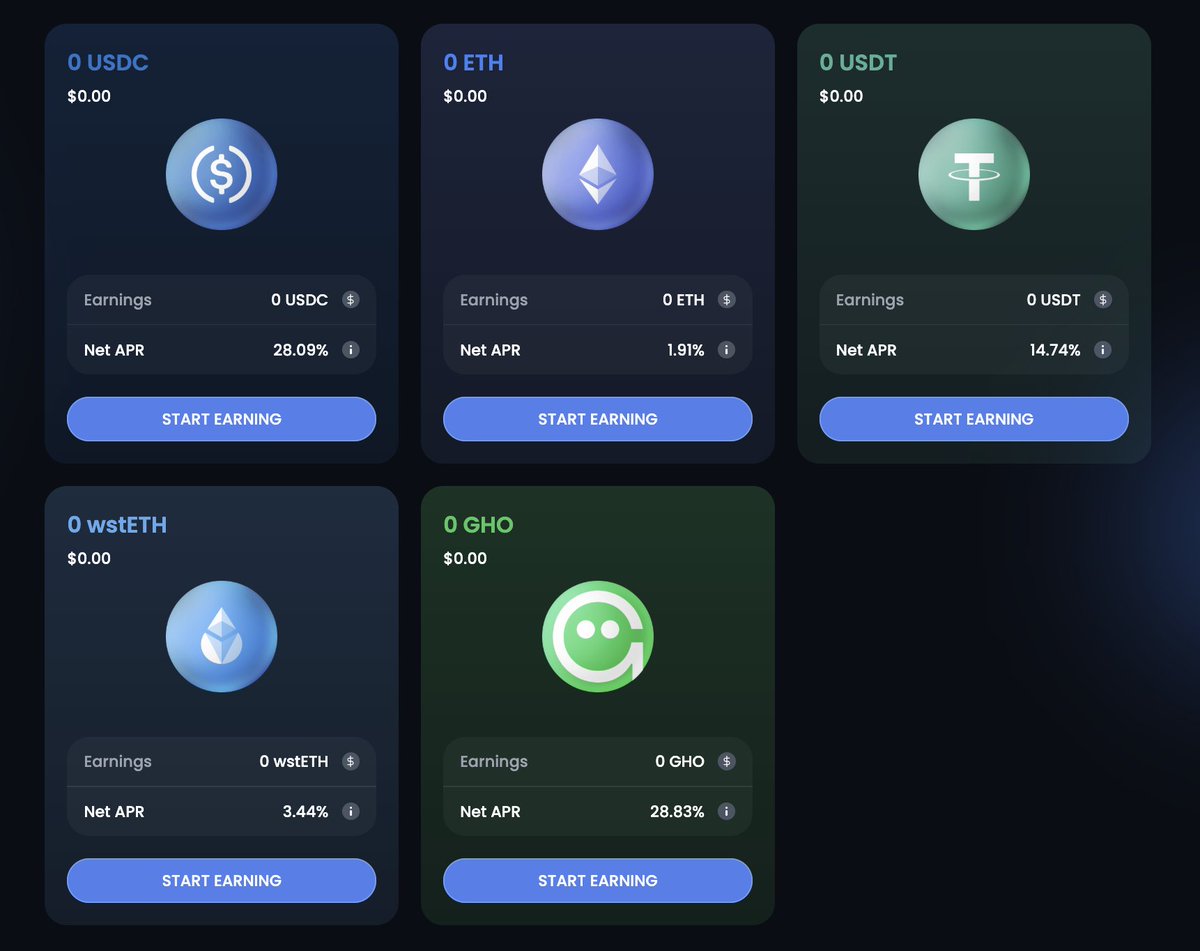
ETH-USDC DEX pool is live with 15k $INST / $FLUID rewards 🌊
This will allow users to have a supercharged LP, utilizing Smart Collateral and Smart Debt for more efficient LPing.
With trading APR on both collateral and debt, you earn more than regular LPs!
12
20
120
23,075



Instadapp retweeted

3 Dec 2024
We launched Fluid with the dream to make it the major DeFi protocol
9 months later, we are completely sure that Fluid will become the biggest protocol in DeFi
The goals for 2025 are to become the biggest DEX by volume and reach a $10b market size
10
18
164
19,841
Instadapp retweeted

3 Dec 2024
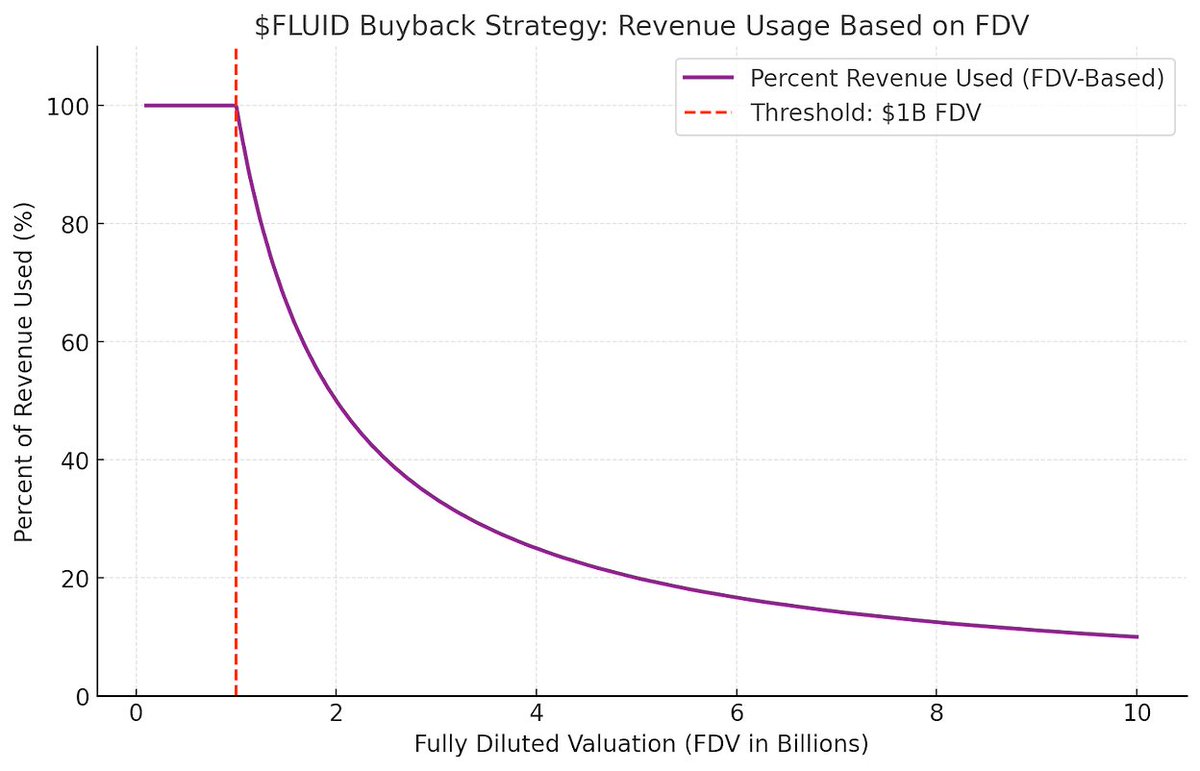
TLDR:
• $INST to $FLUID rebrand with 1:1 migration and no dilution.
• $1B market size; Fluid DEX is the 3rd largest on Ethereum with some of the deepest pools.
• Introduction of algorithmic buybacks (an exciting approach) and growth incentives to drive adoption.
• Targeting a $10B market size and becoming Ethereum’s top DEX by 2025.
• Emphasis on governance, community rewards, and protocol expansion.
14
23
137
19,331
Instadapp retweeted
3 Dec 2024
We are on right trajectory to grow Fluid. From now on, we will be going super hard on Fluid's growth & tokenomics! 🌊
I would be disappointed if we didn't achieve these goals end of next year:
- $10B in market size
- $50M in yearly revenue
- Atleast 40% of DEX volume on Ethereum
17
18
150
11,318
Instadapp retweeted

25 Nov 2024
Instadapp / Fluid is the breakout DeFi dapp of this cycle imo.
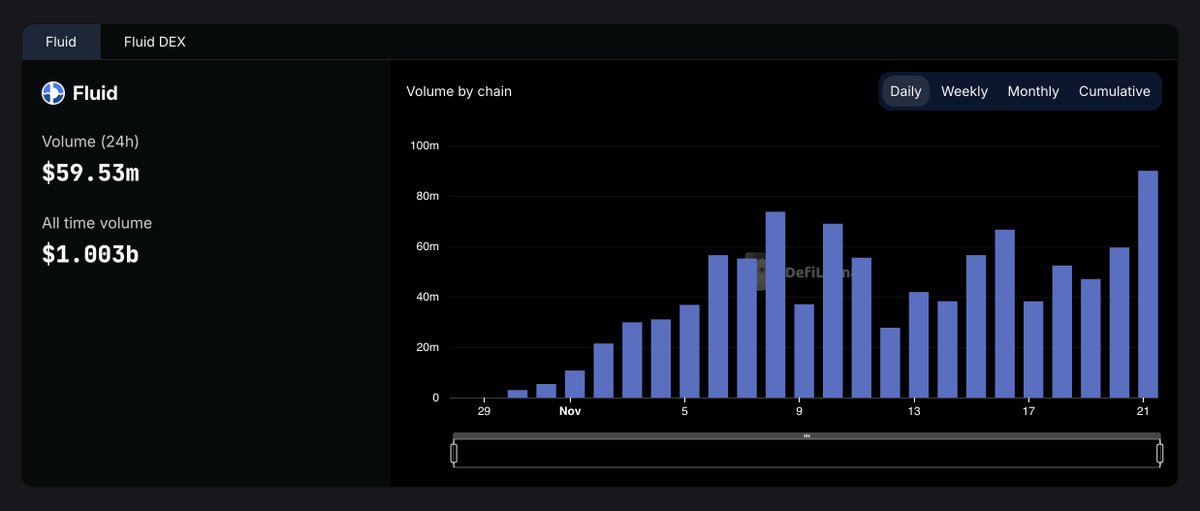
They reached $1B in TVL without incentives or points - just a superior product.
Catalysts:
• Aave DAO proposing to buy $4m worth of $INST
• New tokenomics on the way
• Much more
24 Nov 2024

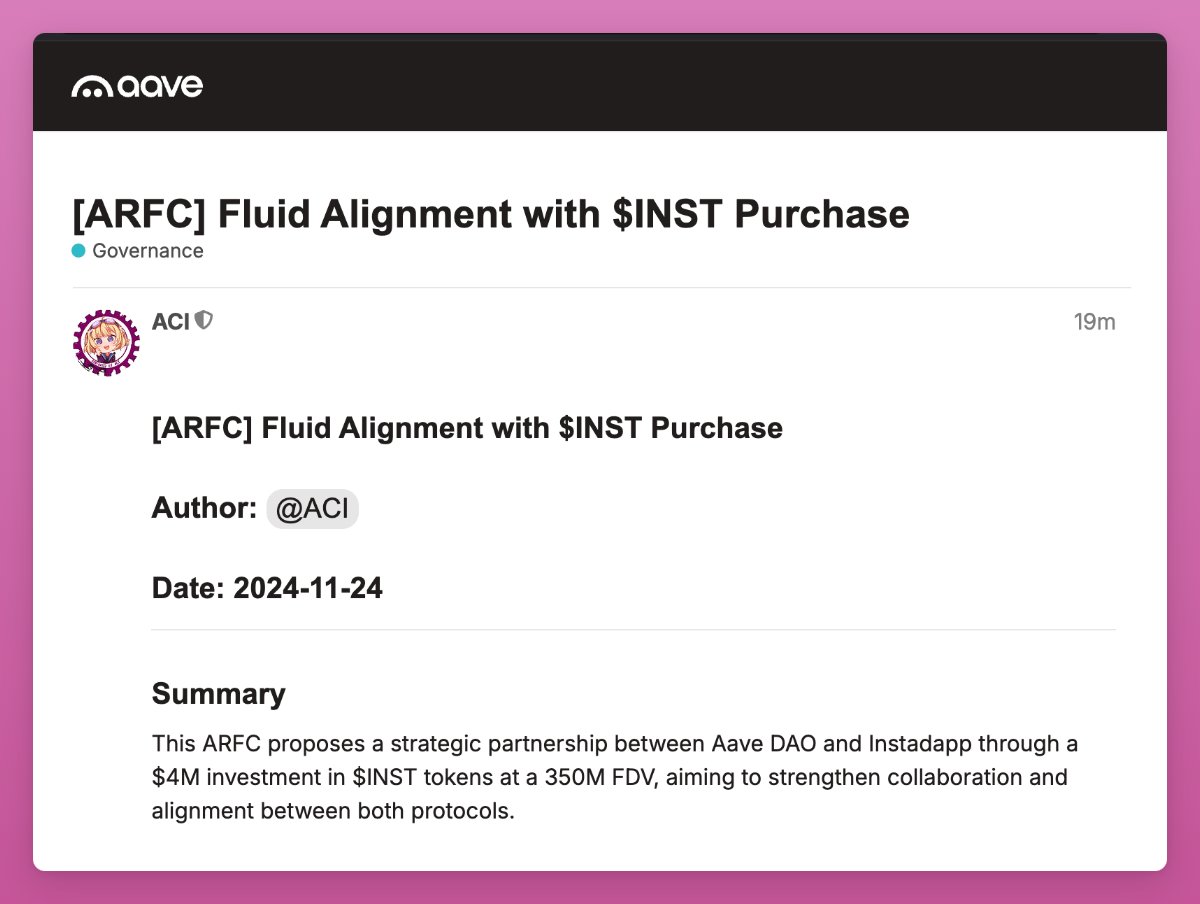
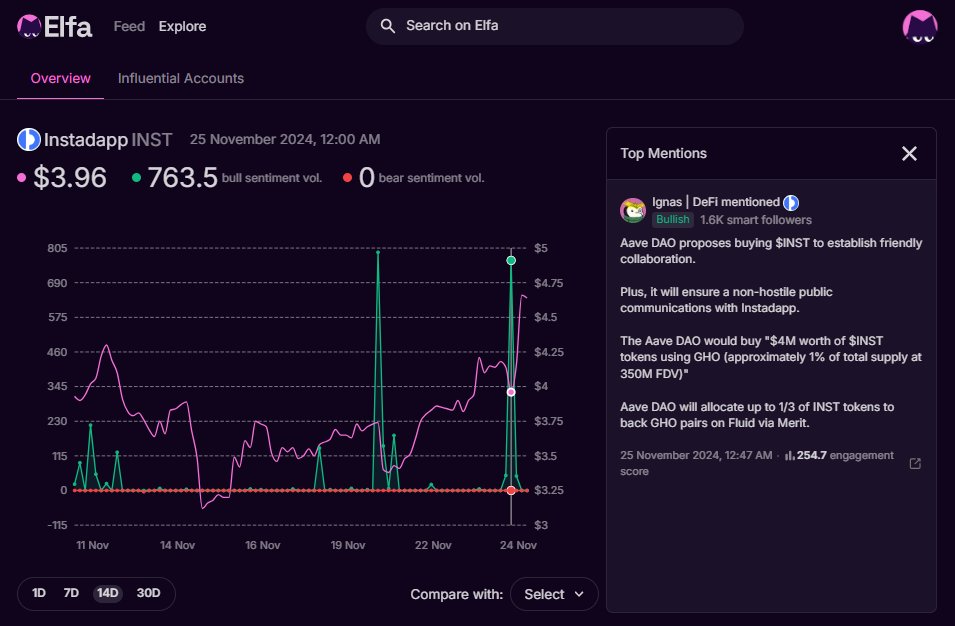
Aave DAO proposes buying $INST to establish friendly collaboration.
Plus, it will ensure a non-hostile public communications with Instadapp.
The Aave DAO would buy "$4M worth of $INST tokens using GHO (approximately 1% of total supply at 350M FDV)"
Aave DAO will allocate up to 1/3 of INST tokens to back GHO pairs on Fluid via Merit.
9
16
154
32,779
Instadapp retweeted
25 Nov 2024
People thought about Fluid as a lending market. Then they thought about it as a DEX. Both are wrong.
Fluid is an ever-evolving Liquidity Protocol and any financial market that requires on-chain liquidity can be (and will be) built on top of Fluid.
24 Nov 2024

Capital Efficiency as Protocol Value
Most people think of @0xfluid DEX as a lending protocol that added trading features.
This is wrong.
Fluid is actually a breakthrough in capital efficiency that happens to manifest as a hybrid DEX.
The market consistently underestimates how much capital efficiency matters. In traditional finance, the most valuable institutions aren't those with the most assets, but those that use their assets most efficiently.
The same will eventually be true in #DeFi.
What makes Fluid different is that it isn't just iterating on existing models. By reimagining how swaps work through debt positions, they've created something qualitatively different.
This is one of those rare 0 to 1 moments in DeFi.
When you look at why DEXs command higher valuations than lending protocols, it's because they're better at extracting value from capital movement. Fluid amplifies this by making every dollar of TVL work multiple times. The market will eventually price this correctly.
The early signs are compelling: achieving significant traction with minimal pools and no artificial sweeteners. In $DeFi, organic adoption is the hardest thing to fake.
The reason Fluid might end up being compared to $UNI from a valuation standpoint isn't just about features—it's about potential impact. Both protocols fundamentally changed how we think about capital deployment in DeFi. And markets tend to reward paradigm shifts more than incremental improvements.
The really interesting question isn't whether Fluid will be valued like a DEX or a lending protocol.
It's whether it will create an entirely new category for protocols that truly solve the capital efficiency problem in DeFi.
5
12
65
10,659
Instadapp retweeted
23 Nov 2024
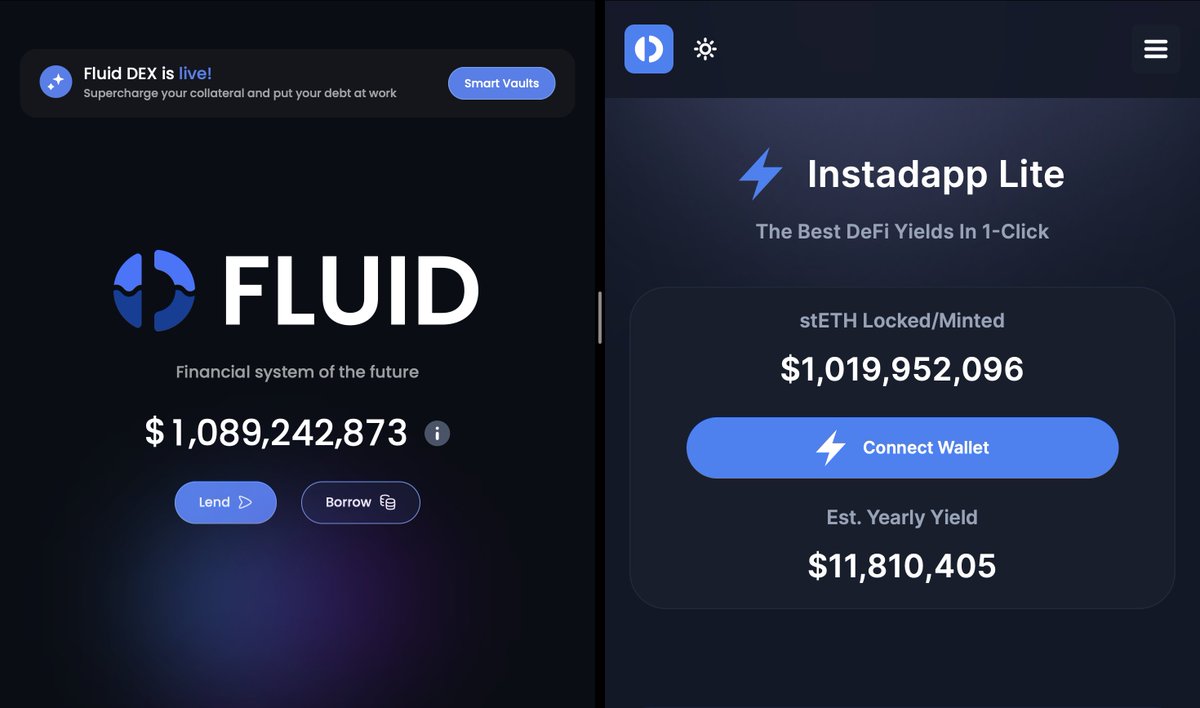
Two products, each reaching a billion-dollar market size, spun out of the @Instadapp ecosystem.
Lite and @0xFluid are now cornerstones in DeFi.
Another zero is missing. Back to work!
4
13
72
6,068

Instadapp retweeted
24 Nov 2024
Super excited for this!
Aave & Instadapp has long history dating back to 2018. The team I admired the most in DeFi is Aave. I have witnessed Aave rebranding from Lend to Aave to becoming the leader of the industry with constant innovation.
We have grown with Aave on L2s. Currently, Aave is the most used protocol on Instadapp Pro. Initial support of Stani & Marc on Instadapp Lite helped it grow to 100Ms within 1-2 months of launch.
Aave really values innovation and they believe Fluid has something special to provide to DeFi. I’m very excited to grow GHO equally if not more than USDC & USDT on Fluid.
Let’s fucking GHOoooo 👻🌊
24 Nov 2024
Aave DAO proposes buying $INST to establish friendly collaboration.
Plus, it will ensure a non-hostile public communications with Instadapp.
The Aave DAO would buy "$4M worth of $INST tokens using GHO (approximately 1% of total supply at 350M FDV)"
Aave DAO will allocate up to 1/3 of INST tokens to back GHO pairs on Fluid via Merit.
8
17
105
16,431
Instadapp retweeted
20 Nov 2024
8
17
89
31,979
Instadapp retweeted
21 Nov 2024
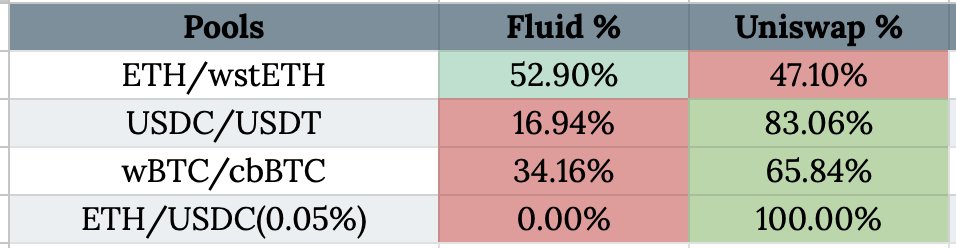
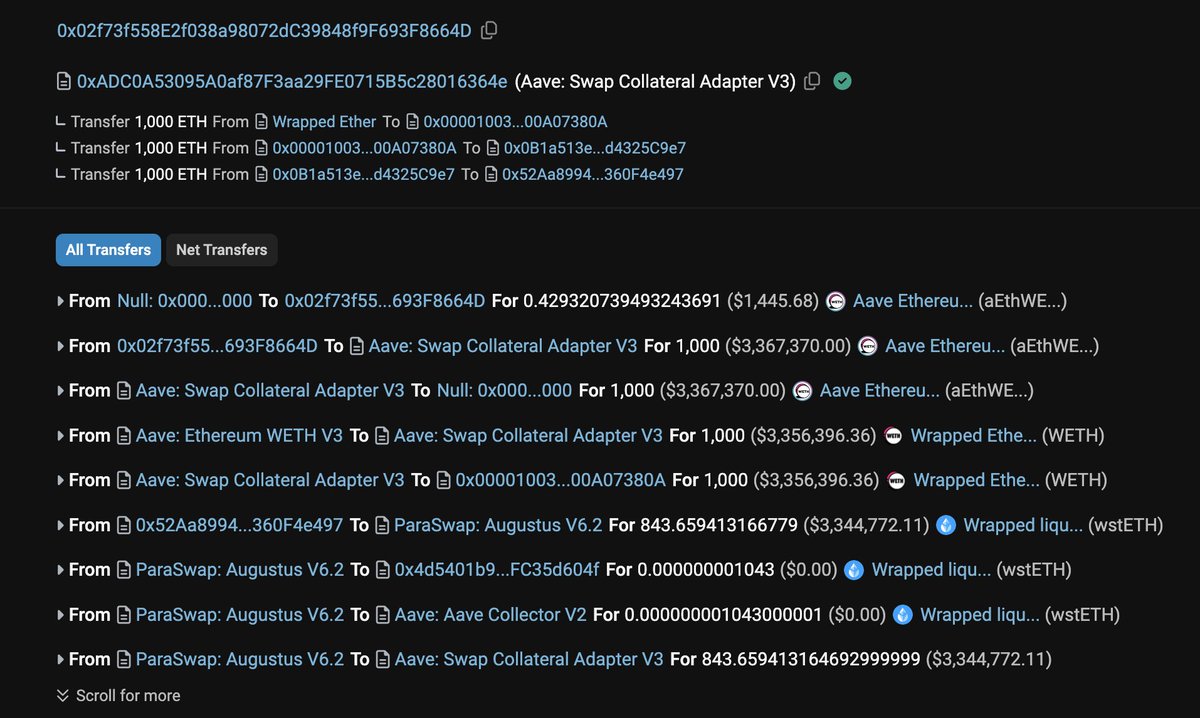
My favorite kind of swaps on @0xfluid is someone doing collateral swap on Aave.
Here user collateral swapped 1000 ETH into wstETH.
By "just using Aave" user "just used Fluid" 🌊
4
5
92
7,408