Proud dad to a Little Princess, Positive Preparation Prevents poor performance. #UFCGLASGOW 2015 & 2017🏴 cagewarriors25 Glasgow's Green And White!
Joined April 2013
- Tweets 8,624
- Following 1,390
- Followers 258
- Likes 29,934
217 Photos and videos


John retweeted

Apr 17
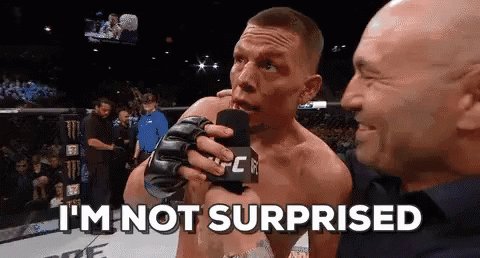
My new theme song at work 😎😎
18
345
2,776
408,164
John retweeted

Meanwhile...
... In Scotland 🏴
5
60
13,041
John retweeted

Mar 23
👀 Khamzat Chimaev vs. Sean Strickland eşleşmesi için hayranlar tarafından hazırlanan korku filmi temalı bir tanıtım filmi.
46
127
1,827
122,130
John retweeted

Mar 18
Katie Price asks Harvey Price, "What do we say when the dogs bark?"
His response is hilarious, classic Harvey 😂😂
78
180
2,305
495,314
John retweeted

Celtic are the 5th biggest club in the UK. The only Scottish club in the top 10 🍀

159
81
785
922,930
John retweeted

Vanilla Ice says he used to be friends with Pablo Escobar but didn’t know what type of business he was in .. they used to race cars etc ..

189
1,627
14,148
404,629
John retweeted

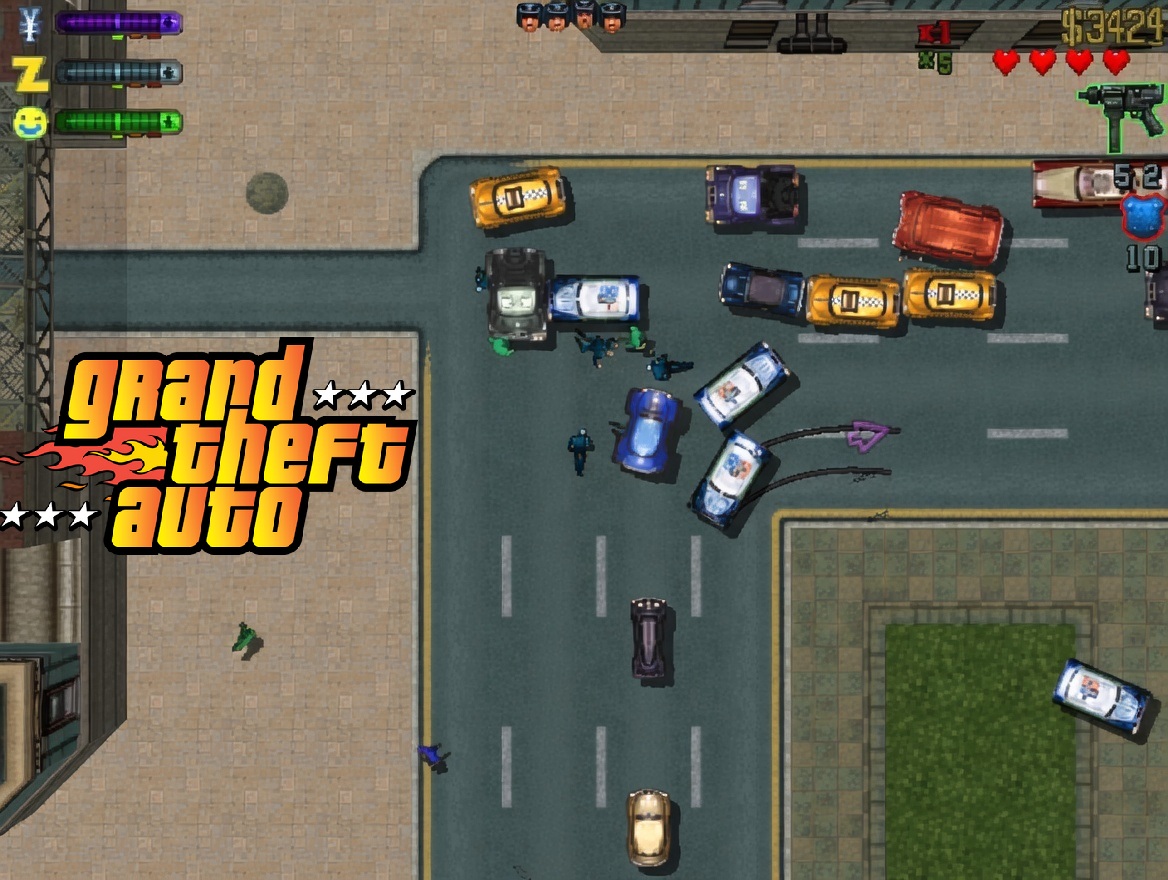
Grand Theft Auto (1997)
25
102
1,668
40,142
John retweeted

Absolute carnage 🫠
155
1,510
24,147
4,962,202
John retweeted

🏴🏴🏴
Kriss Donald: “I’m only 15, what have I done?”
“Kriss was snatched while walking with a friend, forced into a stolen silver Mercedes despite desperate resistance—he reportedly cried out, ‘I’m only 15, what have I done?’”
The UK’s most shocking racially motivated killing. A Pakistani gang targeted him because he was white.
He was taken to a flat where he endured hours of prolonged torture and brutality. The perpetrators stabbed him repeatedly (13 times, including a severe throat wound), beat him, and eventually doused him in petrol and set him alight while still alive.
Forgotten...
The anniversary of #KrissDonald’s death is tomorrow, 15 March, 2004.
1,307
15,258
43,131
1,790,412
John retweeted

Mar 14
Gotta love Cage warriors
My lord
16
108
2,513
194,296
John retweeted

Mar 11
The moment they touched that puppy, their fate was sealed.
6
17
159
13,223

John retweeted

Mar 12
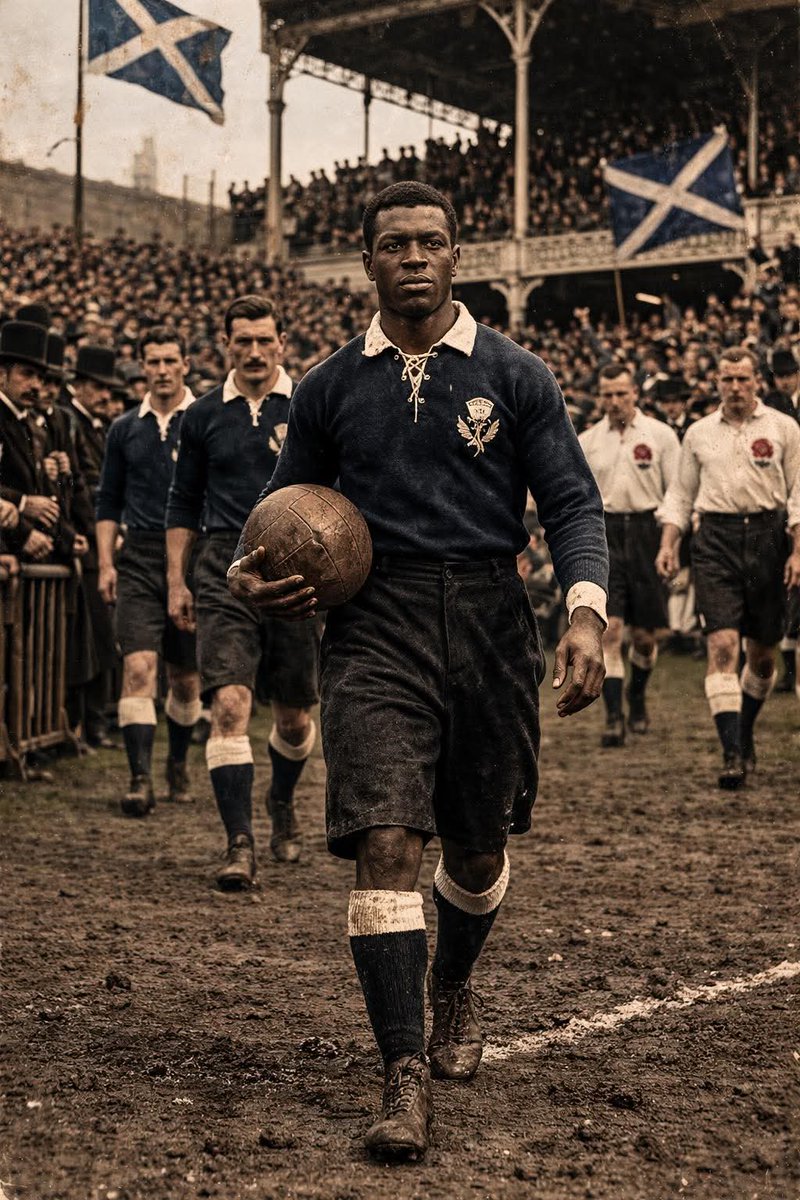
In March 1881, Scotland travelled to London, put on one of the greatest performances in the history of international football, and the man wearing the captain’s armband made history that the world would then forget for over a century.
His name was Andrew Watson.
He was born in British Guiana to a wealthy Scottish father from Orkney and a local woman named Hannah Rose. Brought to Britain for his education, he fell in love with football and turned out to be so gifted that Queen’s Park, the most influential club in Scotland, made him one of their leading players and later a club official.
Then Scotland made him their captain.
And on 12th March 1881, in front of a packed crowd at the Kennington Oval in London, Andrew Watson led his country onto the pitch and into the history books.
He became the world’s first Black international footballer and the first Black man to captain his country in association football.
Scotland went out and destroyed England 6-1.
It remains England’s worst ever home defeat in the history of football to this day.
Watson won only three caps for Scotland, but never lost a single one. The scorelines in his three internationals were 6–1, 5–1 and 5–1. Scotland scored 16 goals with him in the side and conceded only 3. He also went on to become the first Black player to win a major competition and later the first Black player in the FA Cup after moving south.
Then history forgot him entirely.
For decades, his name barely featured in the story of the sport he had helped shape. It took dedicated researchers, old records and rediscovered photographs to restore him to his rightful place. Today, Andrew Watson is recognised not just as a pioneer, but as one of football’s most important early figures.
A pioneer.
A captain.
A man who walked out in front of a hostile crowd in London, led his country to one of the most famous victories in Scottish football history.
Remembered now. As he always should have been.
© Scottish Banter
#archaeohistories
128
740
2,886
200,796
John retweeted

This interview of James Brown, clearly high as a kite, will never not be funny
158
1,311
6,304
539,919
John retweeted

Someone found the easiest method to beat the train mission in GTA San Andreas.
337
2,084
38,073
3,099,851
