mother, volcano researcher, structural geologist, field fox, modeller, traveller, teacher
Joined October 2013
- Tweets 716
- Following 84
- Followers 778
- Likes 2,263
57 Photos and videos
Steffi Burchardt retweeted

21 Jul 2022
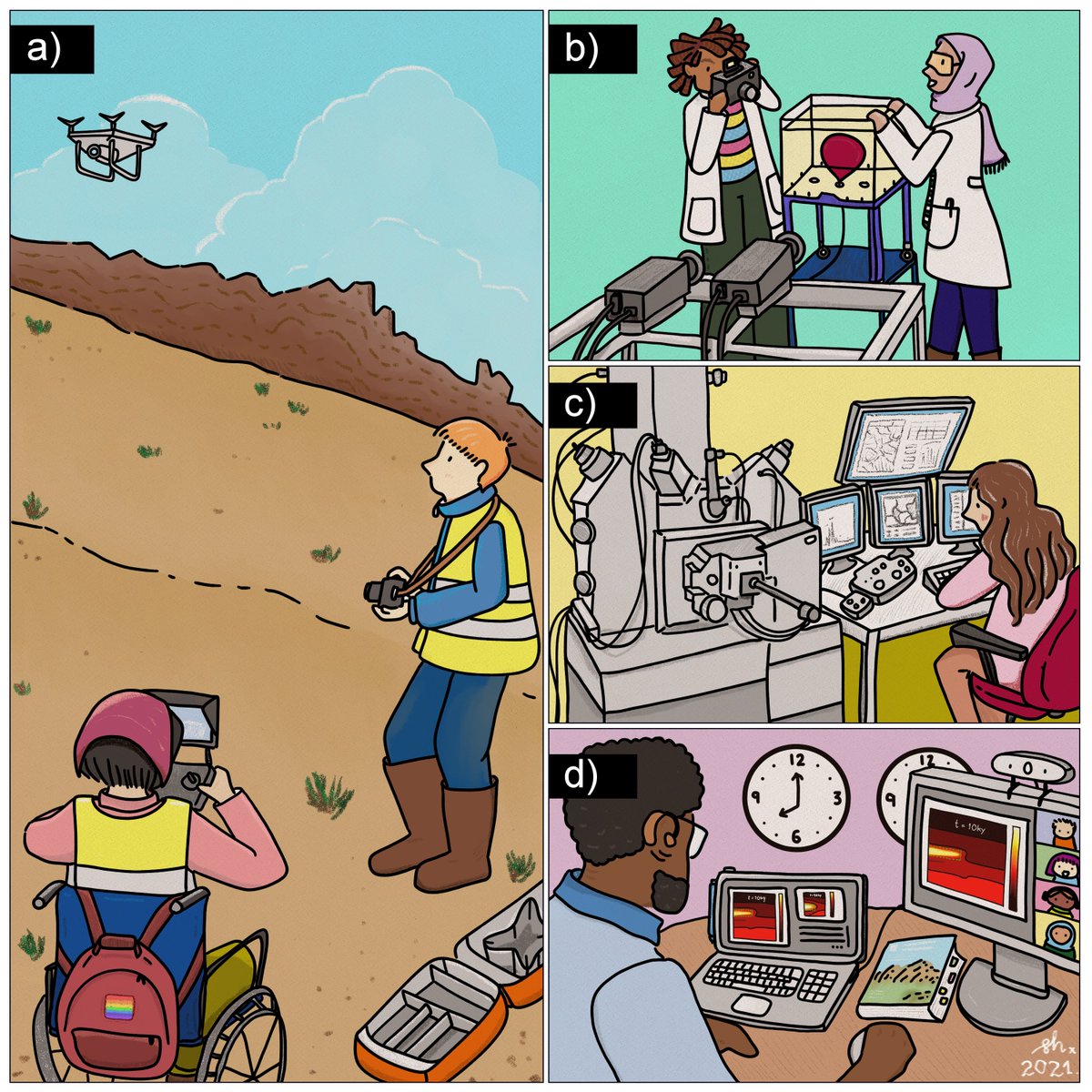
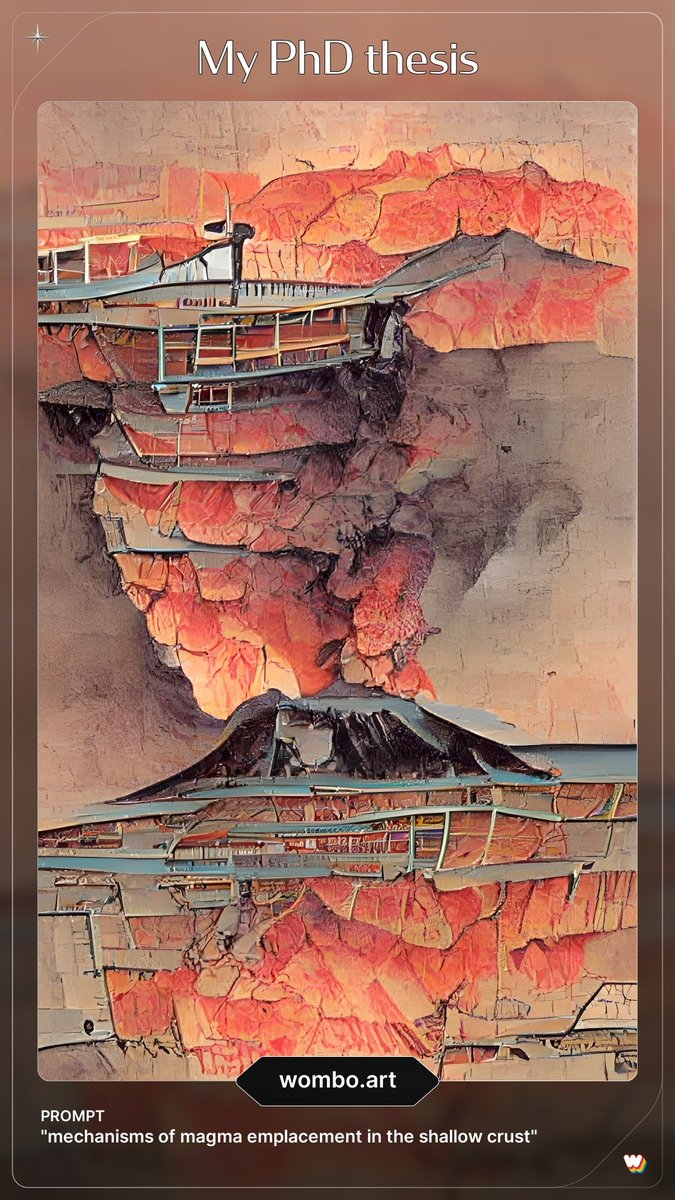
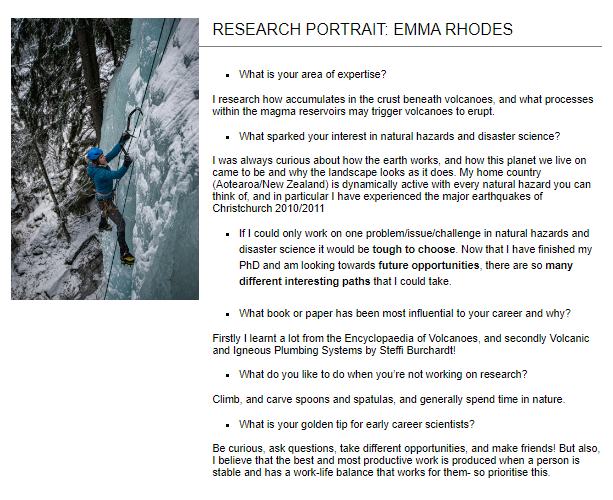
Our most recent Doctor's research portrait is out now. Read and learn more about Emma Rhodes (@volcanodetectiv). Other research portraits can be found on our website: cnds.se/research/research-po…
Thank you, Emma for taking the time to answer to our questions.
3
12
Steffi Burchardt retweeted
9 Jun 2022
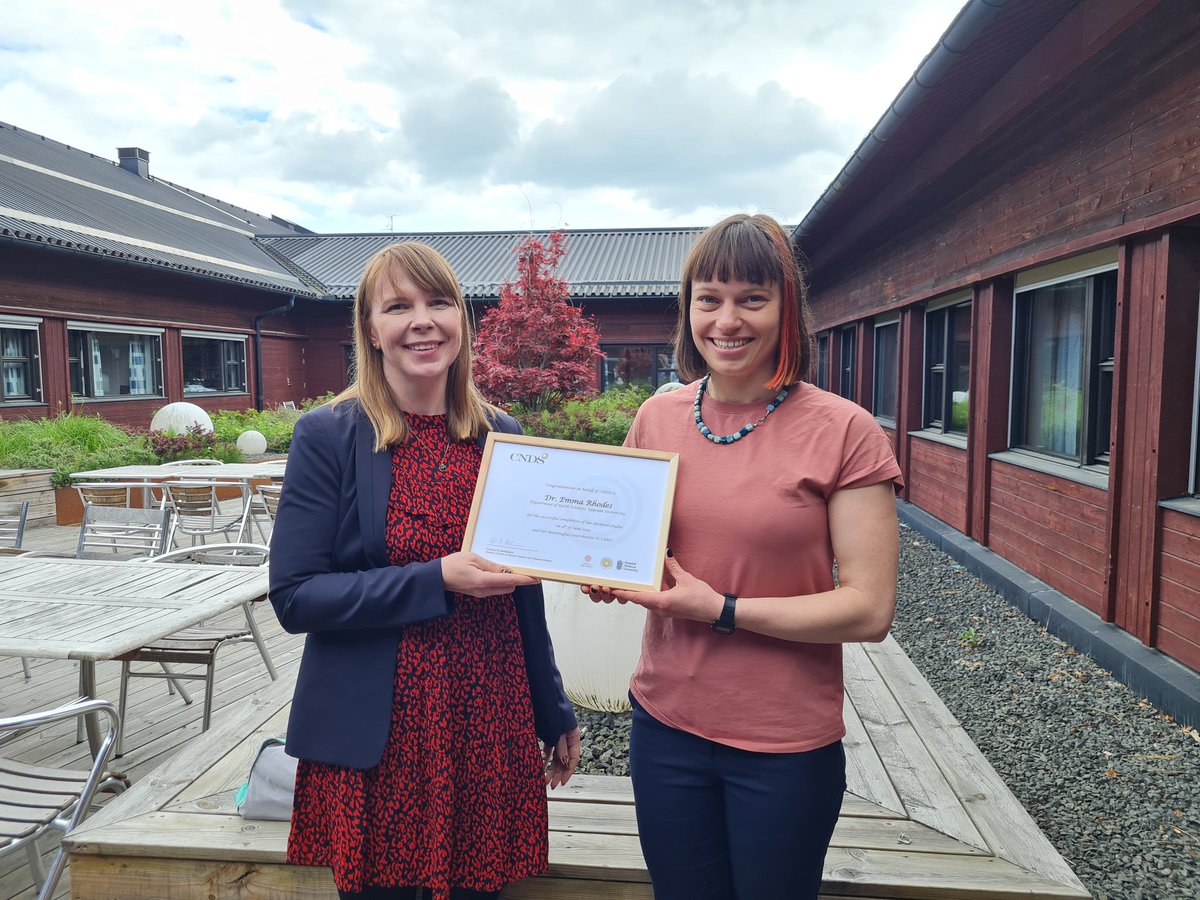
From now on, Dr. Emma Rhodes (@volcanodetectiv), together with her main supervisor, @inthevolcano. Congrats, Emma!
2
20
Steffi Burchardt retweeted
24 May 2022
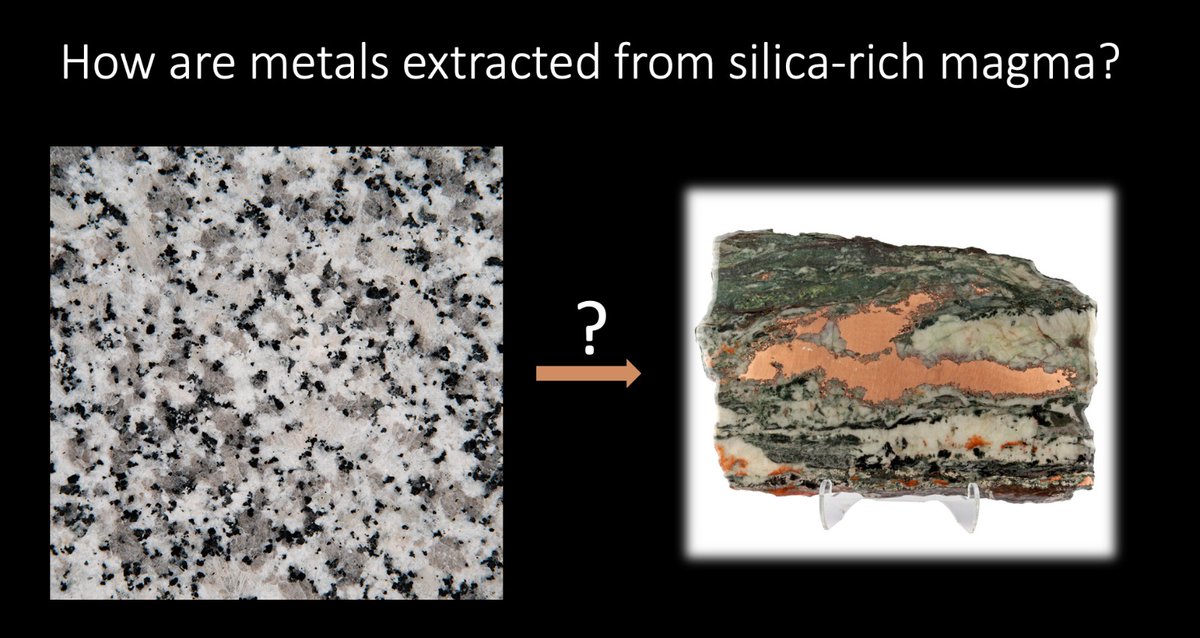
One more online presentation by Taylor Witcher (@MotherOfMagmas) on "Enrichment of immobile elements in synmagmatic fractures" in @EGU_GMPV at #egu22.
1
2
Steffi Burchardt retweeted
25 May 2022
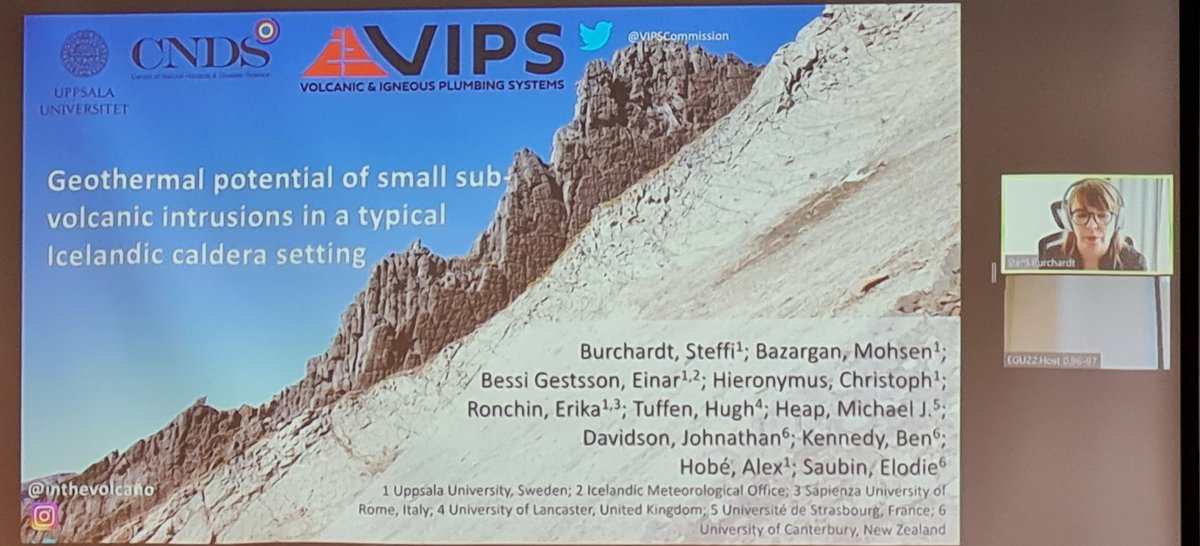
Full room for Steffi Burchardt's (@inthevolcano) presentation today on #geothermal potential of #volcanicintrusions during @EGU_GMPV session.
#volcanology #iceland #geothermic #caldera
2
8
Steffi Burchardt retweeted
19 May 2022
She nailed it! CNDS Fellow, Emma Rhodes (@volcanodetectiv) nailing the PhD thesis. The public defence will be on the 9th of June. More info on our website: cnds.se/
#volcano #volcanology #magma
1
5
Steffi Burchardt retweeted
23 May 2022
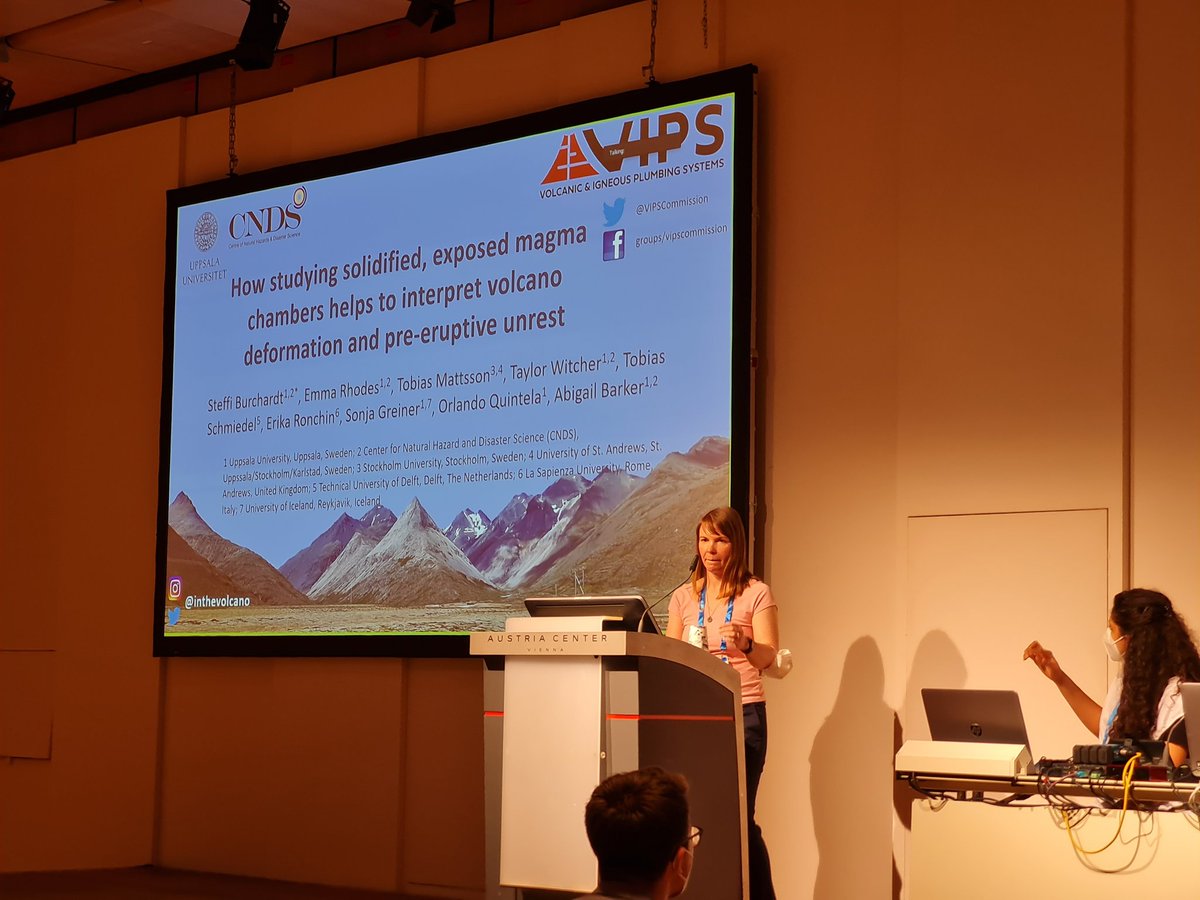
Different room, another extremely relevant topic - magma chambers and volcano deformation, presentation by Steffi Burchardt (@inthevolcano) in @EGU_GMPV #egu22.
1
9
Steffi Burchardt retweeted

6 May 2022
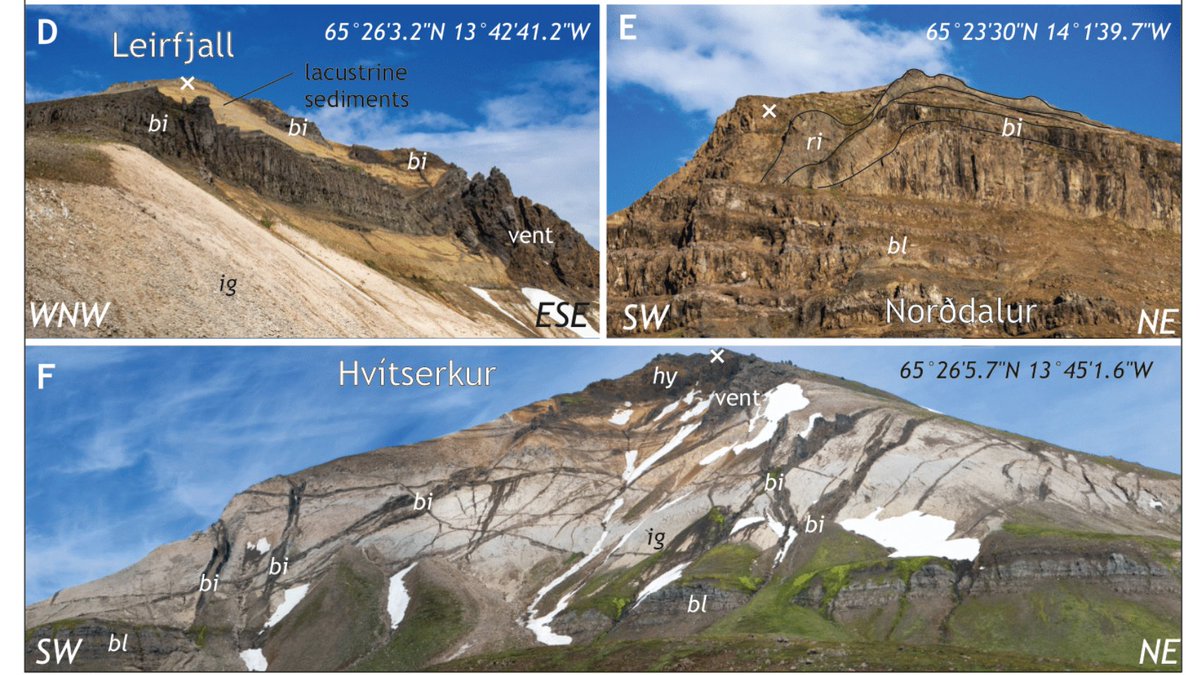
New paper! Burchardt et al. present the geology of a Neogene caldera cluster in the Borgarfjörður eystri–Loðmundarfjörður area, Eastern Iceland. This includes the first comprehensive geological map of the area based on more than 40 years of fieldwork.
doi.org/10.30909/vol.05.01.1…
12
33

19 May 2022
Our perspectives paper on the development of volcanic plumbing systems studies is out. We look at what has happened in the last 20 years and make some educated guesses about the future rdcu.be/cNRyx
@surayahazim @janinekavanagh and Catherine Annen
2
6
28
Steffi Burchardt retweeted

6 Apr 2022
okay, i need to know: who is planning to attend #EGU22 in person? @EuroGeosciences
46%
let's get physical
54%
online just fine
13 votes • Final results
1
1
1
1 Apr 2022
dear #volcanotwitter I need examples of eruptions that inspired/triggered the formation multi-disciplinary consortia/projects, e.g. Eyjafjallajökull 2010 inspiring FutureVolc
1
Steffi Burchardt retweeted

17 Jan 2022
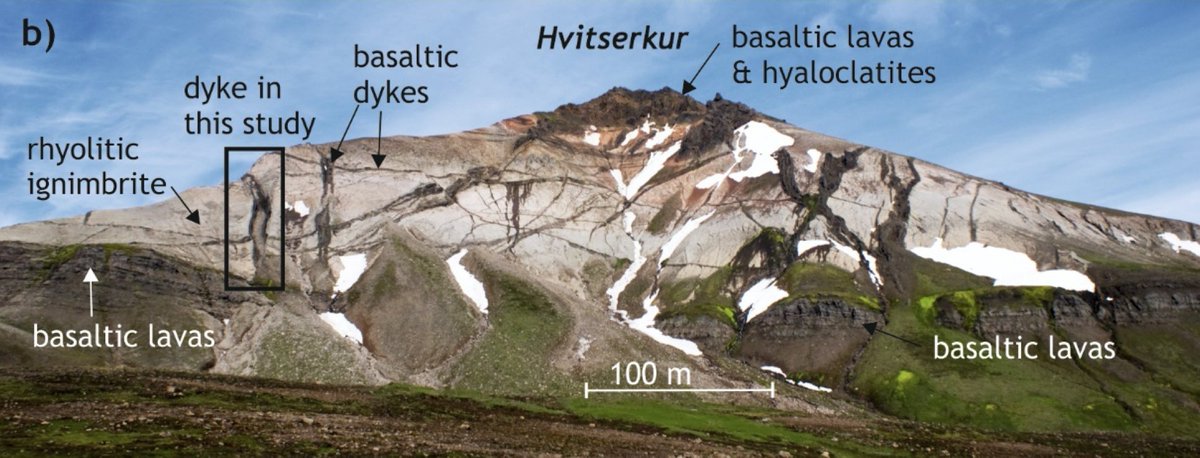
Paper, led by Ben Kennedy, just accepted in @WeAreVolcanica! The paper, about the thermal impact of dykes on regional fluid-flow, focuses on a fantastic field location in the East Fjords of Iceland. Just look at that! 🌋😍 More soon!
@inthevolcano @MCVRockMech @HTuffen @ElSaubin
13
42
11 Jan 2022
What an amazing talk by @hollyeunwin @HTuffen and @WadsworthFabian on Mule Creek! Just wow! #vVMSG2022
2
1
11
Steffi Burchardt retweeted
1 Jan 2022
Give it some thought, as there’s someone on the end of your decision, but it's also important be fair to help the editor make the best possible decision 8/8
1
1
Steffi Burchardt retweeted
1 Jan 2022
One strategy I often use is to give authors the benefit of the doubt and the chance to reply: maybe the “big mistake” you think they made in their calculations is an assumption that they just forgot to explain? 7/n
1
1
1
Steffi Burchardt retweeted
1 Jan 2022
These could be flagging typos, asking for small clarifications, etc. Then you decide, based on the severity of your main comments, on your recommendation to the editor: reject, reject resubmit, major, minor, or accept as is 6/n
1
1
1
Steffi Burchardt retweeted
1 Jan 2022
These could be issues you may have with the way things are measured, potential problems with the analysis or modelling, or important aspects that you consider missing. These should be comments that you consider important for the paper to be eventually published 4/n
1
1
1
Steffi Burchardt retweeted
1 Jan 2022
Remembering that, as a reviewer, your main job is to make sure the science is sound and to not try to have the authors write the paper you would have written. Any remaining comments, “minor comments”, can then be appended below 5/n
1
1
2
Steffi Burchardt retweeted
1 Jan 2022
I think it’s a good idea for those new to reviewing to read the paper once through first, before making any comments. Then mark up the manuscript on the second read. Use these comments to formulate a set of “main comments” 3/n
1
1
1
Steffi Burchardt retweeted
1 Jan 2022
The key piece of advice is, if you’ve published before, to review as you would want to be reviewed: be constructive, be helpful. I don’t necessarily think there’s a need to be “nice”, I think it’s OK to get to the point, but there’s definitely no room for being “nasty” 2/n
1
1
2
Steffi Burchardt retweeted
1 Jan 2022
The time spent varies quite a lot, from a few hours to a day or so. If the paper is very much within my experience/expertise, then it often doesn't take me long. As with most things, I think you get better (and quicker) at assessing work/reviewing papers the more of it you do 1/n
2
2
3