Scientific society dedicated to the advancement of the field of cell & developmental biology. Differentiation, the official journal of the ISD.
- Tweets 51
- Following 1
- Followers 162
- Likes 0














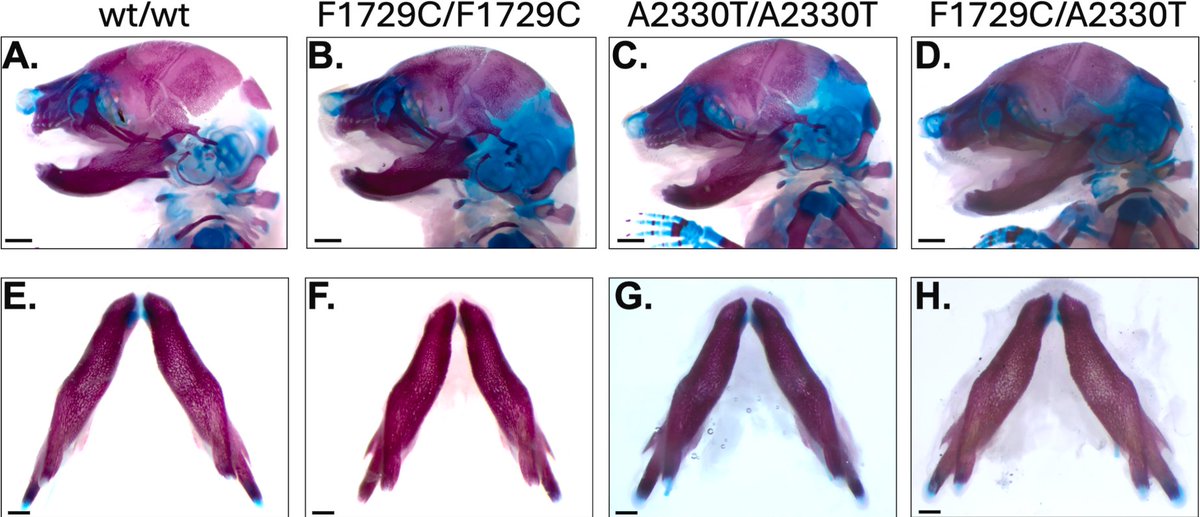
ALT Fig. 5. Dmxl1 embryos show no signs of craniofacial dysmorphism or micrognathia. (A–H) Skeletal preparations to highlight craniofacial structures (A–D) and dissociated mandibles at E18.5 (E–H).
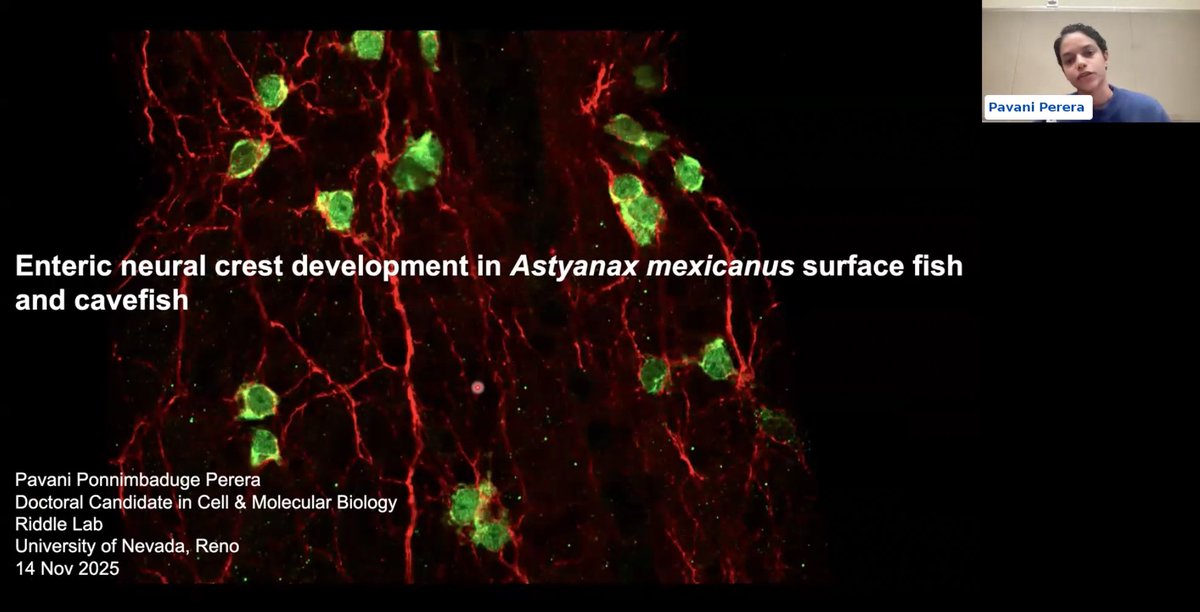
ALT Screenshot of presentation titled "Enteric neural crest development in Astyanax mexicanus surface fish and cavefish"
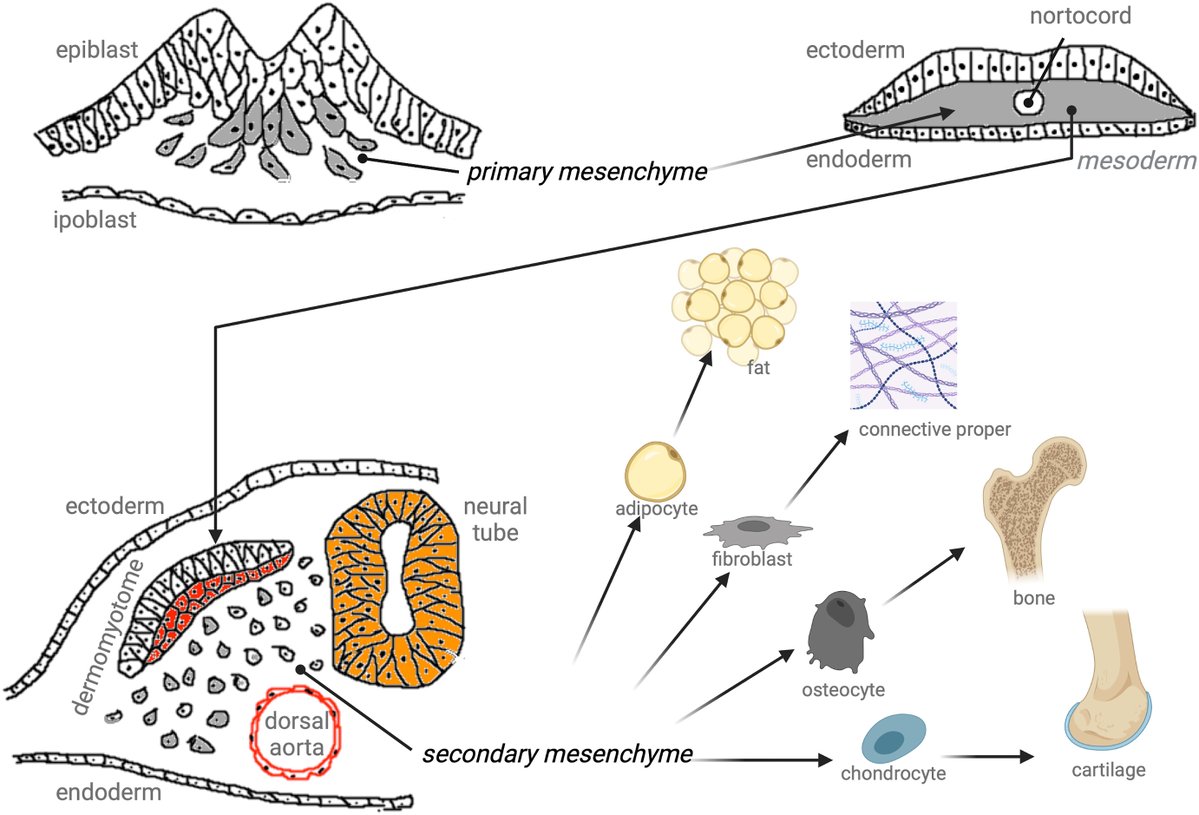
ALT Fig. 2. According to the traditional concept of mesenchyme, during embryonic development, mesenchymal-like tissues form through EMT from epithelial-shaped tissues in two major steps at the early stages of gastrulation. Specifically, the primary mesenchyme originates from the epiblast to form mesoderm and primitive endoderm; this process is regarded as the prototype of EMT. Subsequently, the mesoderm reverts to an epithelial morphology to generate transient embryonic structures, including somites, which then undergo a further round of EMT to generate secondary mesenchyme. Secondary mesenchyme is considered the embryonic connective tissue and provides the precursors of the connective tissues of the adult body.

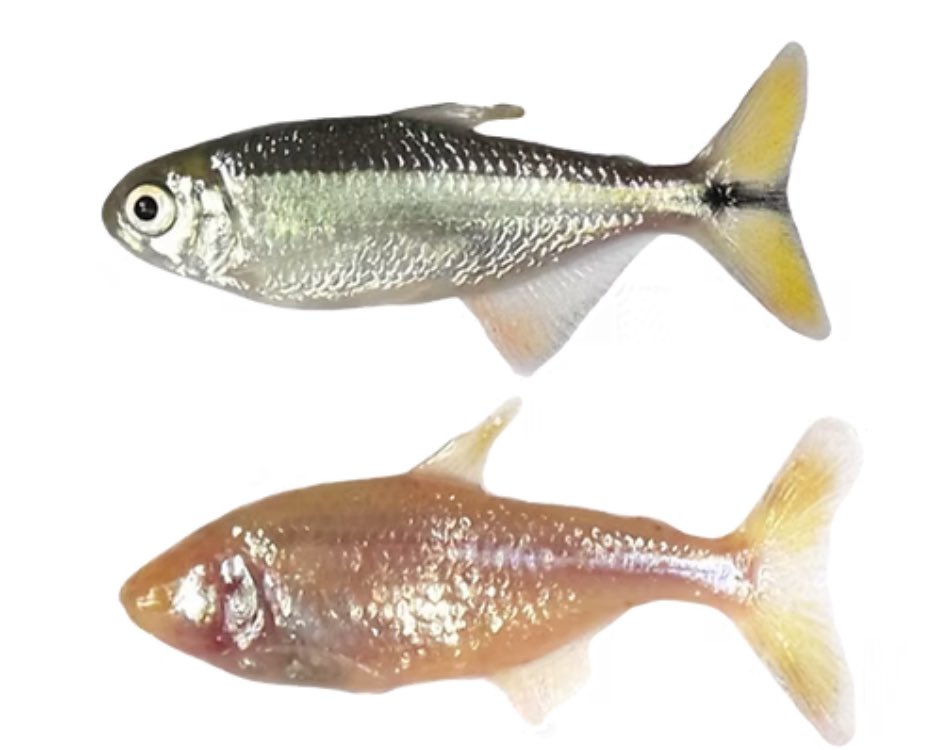
ALT Cave fish

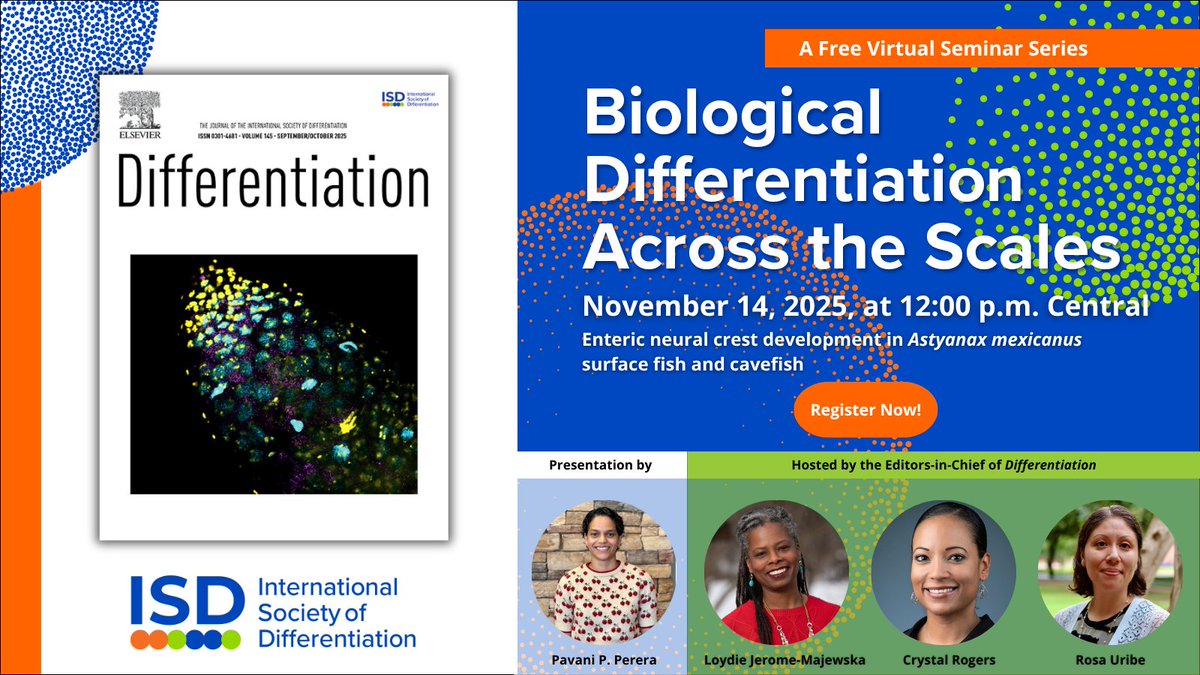
ALT Biological Differentiation Across the Scales • November 14, 2025, at 12:00 p.m. Central • Register Now
ALT Biological Differentiation Across the Scales • November 14, 2025, at 12:00 p.m. Central • Register Now
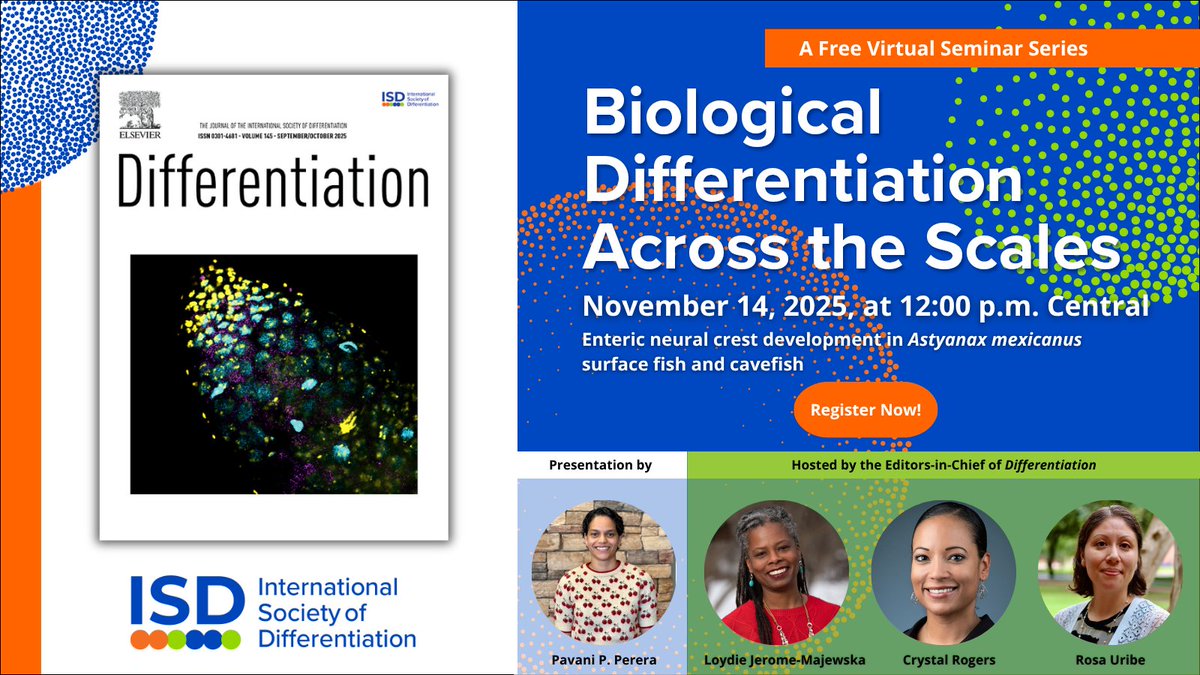
ALT Biological Differentiation Across the Scales • November 14, 2025, at 12:00 p.m. Central • Register Now