
Joined August 2010
- Tweets 46,138
- Following 3,956
- Followers 9,155
- Likes 66,860
2,776 Photos and videos



Feb 20
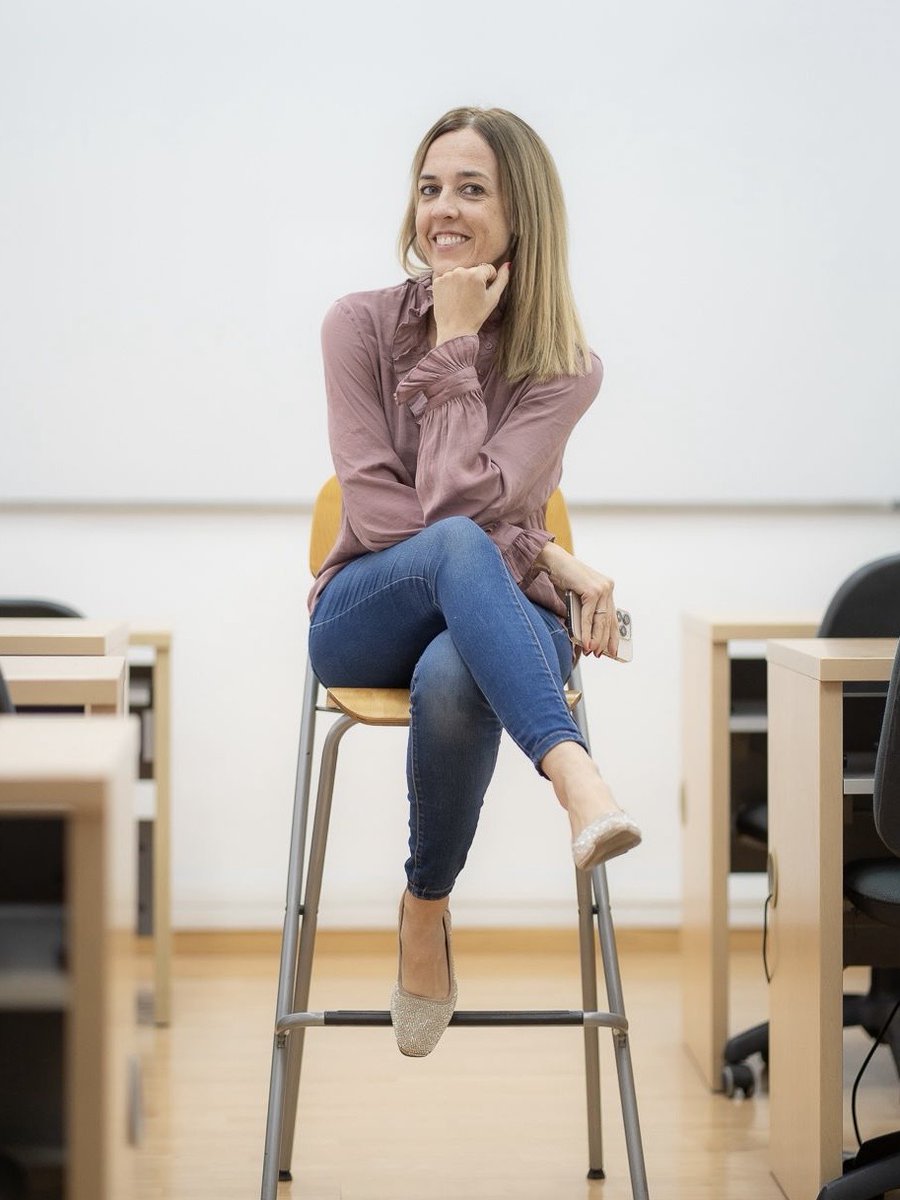
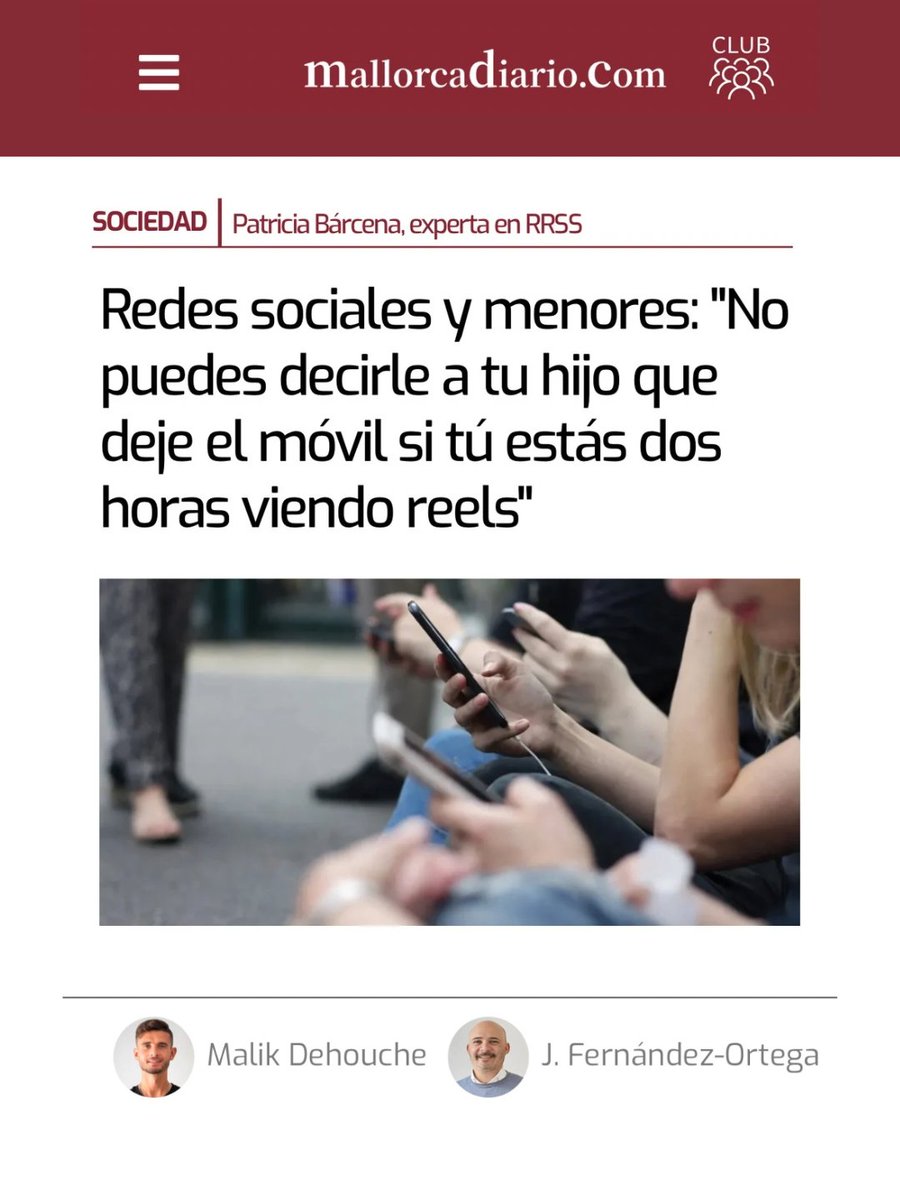
Cuando te vienen a ver los amigos de @mallorcadiario para hacerte una entrevista… 😊
📲 Hemos hablado de #bienestardigital y del contexto actual en torno a la anunciada prohibición de las redes para menores de 16 años en España.
¡Os la comparto! 📰
mallorcadiario.com/entrevist…
80
Feb 20
No dan las horas para probar todo lo que se puede hacer con la tecnología! 🙆♀️
Feb 19

En 2 horas, hice una extensión de Chrome que revisa en tiempo real si lo que están diciendo en un video es cierto.
Toma el contexto del video, funciona en varios idiomas, usa la app de Google Gemini con la función de búsqueda en internet y te da las fuentes que revisó.
Para eso, lo único que hice fue pedirle a Claude Cowork que la generara y sugerir algunas mejoras, como la posibilidad de exportar la transcripción final, revisar la veracidad de un video completo si no está en vivo y elegir idiomas.
No solo en ningún momento tuve que programar, sino que ni siquiera vi el código jamás.
¡Esta es la mejor época para crear cosas, animate!
Les dejo el link a continuación:
183
Patricia Barcena retweeted

Resumen de esta charla de @elonmusk sobre el Tsunami que viene:
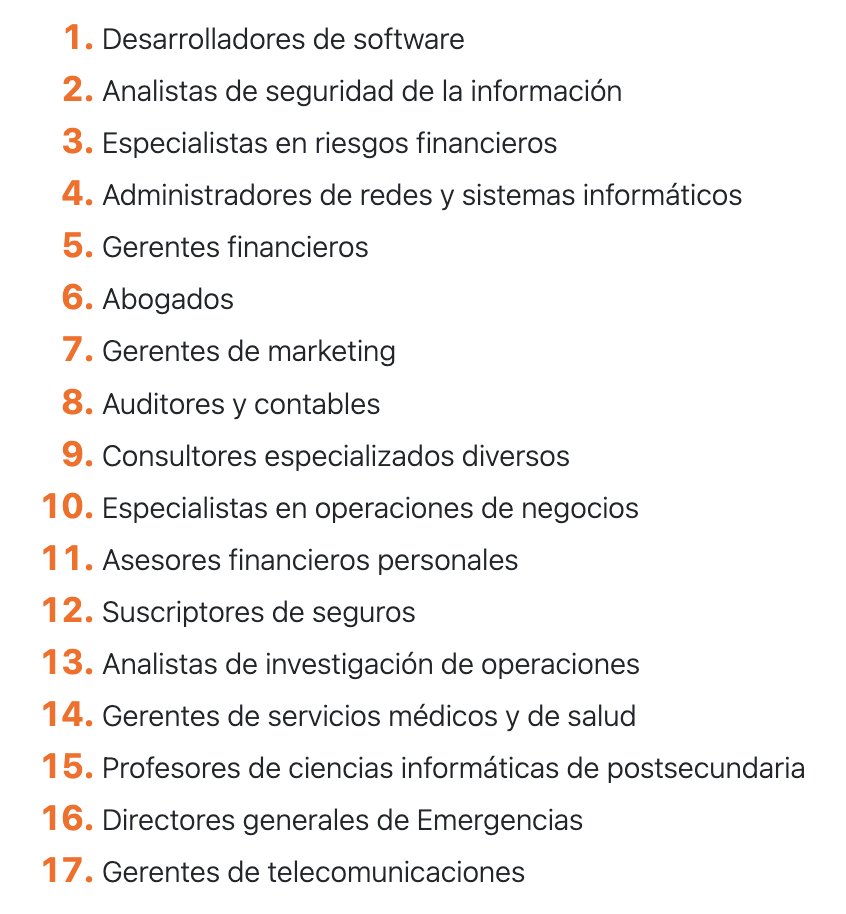
. Los primeros trabajos que van a caer por la IA no son los de fábrica… son los de oficina.
. Según él, todo lo que sea estar delante de un ordenador generando archivos, informes, análisis o código es terreno natural para la IA. Porque la IA es digital solo que trabaja más rápido, no se cansa y escala casi gratis.
. En cambio, los trabajos físicos, es decir, los que “mueven átomos”, como él dice, van a durar mucho más. Soldadores, electricistas, fontaneros, construcción, peluqueras, agricultura, ecommerce (paquetes), etc...
Todo lo que implique manos, herramientas, entornos imprevisibles y mundo real tiene una barrera natural para la IA.
La idea es muy simple:
Si tu trabajo depende de bits → es más vulnerable. Si tu trabajo termina en algo físico → está más protegido.
Lo más irónico es esto: durante años nos dijeron que el futuro estaba en la universidad, el despacho y la pantalla. Y en cambio los oficios eran “de segunda”.
Y ahora resulta que los trabajos manuales pueden ser mucho más resistentes a la automatización que muchos empleos de oficina supuestamente “seguros”.
En resumen: la seguridad laboral se está redefiniendo. Y quizá no en la dirección que pensábamos.

Elon Musk just identified which jobs go first, and it destroys every assumption about who’s safe.
Musk: “AI is going to take over those jobs like lightning. Anything that is digital, which is like just someone at a computer doing something.”
Not factory workers. Office workers. The people who spent decades assuming education and desk jobs meant security are actually first.
Musk: “Anything that’s physically moving atoms… those jobs will exist for a much longer time.”
Output is a file? Vulnerable. Output is physical? Protected. That’s the entire framework.
Musk: “AI is really still digital.”
AI doesn’t need a body. Doesn’t need an office. Just needs access to the same software you use. Executes faster. Never tires. Costs nothing to scale.
But it can’t weld. Can’t wire a building. Can’t fix pipes or work soil.
Musk: “Literally welding, electrical work, plumbing. Those jobs will exist for a much longer time.”
Trades aren’t the vulnerable jobs. They’re the durable ones. Physical presence, real-world adaptation, manual dexterity provide protection no digital credential offers.
Analyst, accountant, paralegal, programmer, anyone producing files and documents, automates first because digital work is exactly what AI does natively.
Person moving atoms has natural defense. Physics, unpredictable environments, material resistance create friction AI can’t scale past.
Person moving bits has nothing. No friction. No physical barrier. Just software AI already operates better than most humans.
The assumption that desk work and degrees represent safety just inverted completely. College graduate producing documents faces faster displacement than the electrician producing installations.
Society spent generations telling people trades were beneath them. Pushed everyone toward offices and screens. Turns out the people who didn’t listen built the most automation-resistant careers.
Most ironic outcome of the AI revolution. The work society treated as inferior turned out to be the work society couldn’t replace. And the work society valued most turned out to be the easiest to eliminate.
190
889
2,610
372,625
Patricia Barcena retweeted

Feb 5
No ha sido un buen día para los que le tienen miedo a la inteligencia artificial:
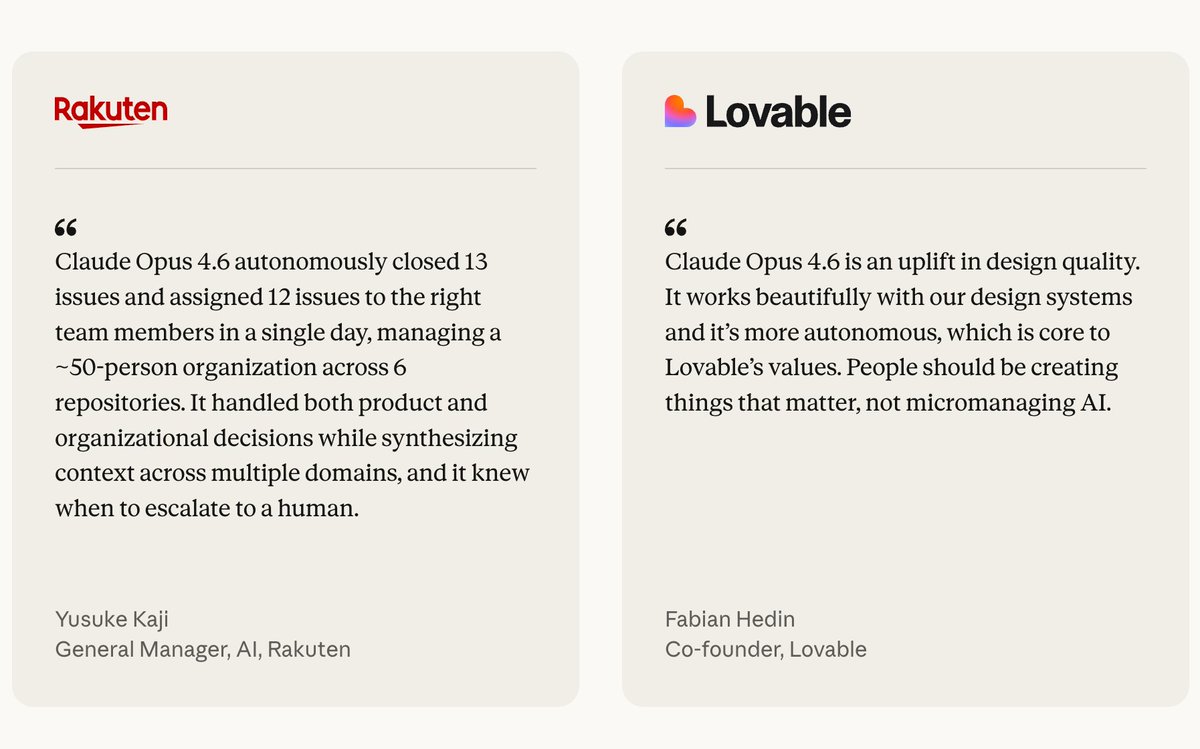
“Claude Opus 4.6 cerró de forma autónoma 13 incidencias y asignó 12 incidencias a las personas adecuadas del equipo en un solo día, gestionando una organización de unas 50 personas en 6 repositorios. Se encargó tanto de decisiones de producto como organizativas, mientras sintetizaba contexto en múltiples dominios, y supo cuándo escalar a una persona.”
Yusuke Kaji
Director General de IA, Rakuten
anthropic.com/news/claude-op…
29
107
1,031
116,271
Patricia Barcena retweeted
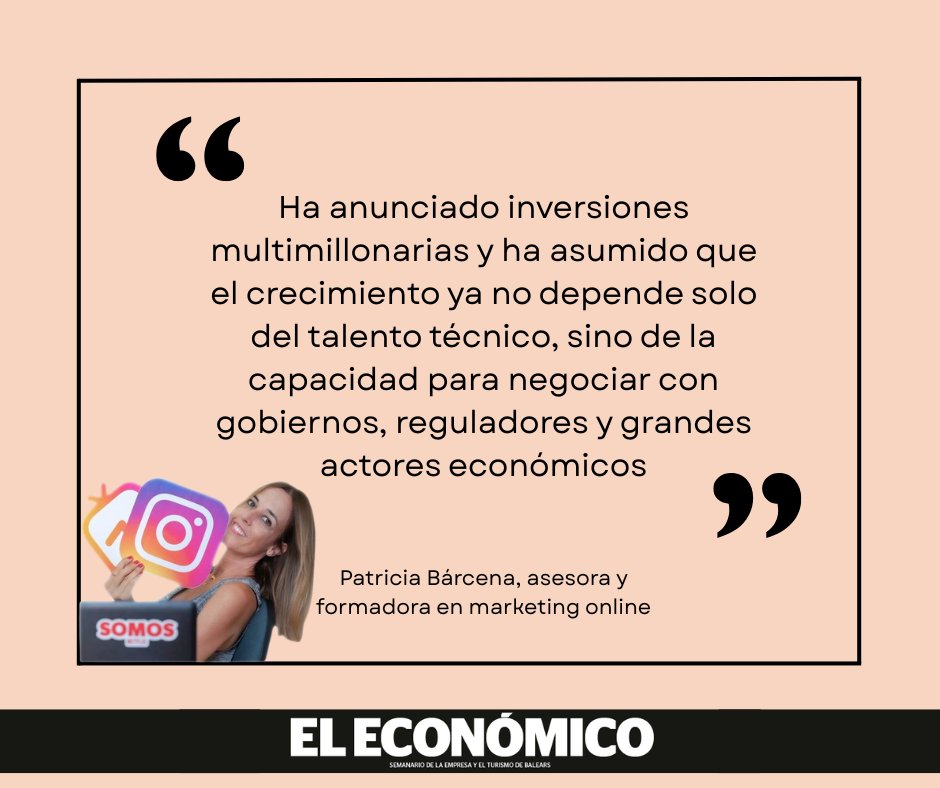
Puedes leer el artículo "Meta ficha a Dina Powell para liderar la era de la IA" de Patricia Bárcena @ipatri en El Económico
ultimahora.es/noticias/econo…
1
1
60
Patricia Barcena retweeted

Jan 13
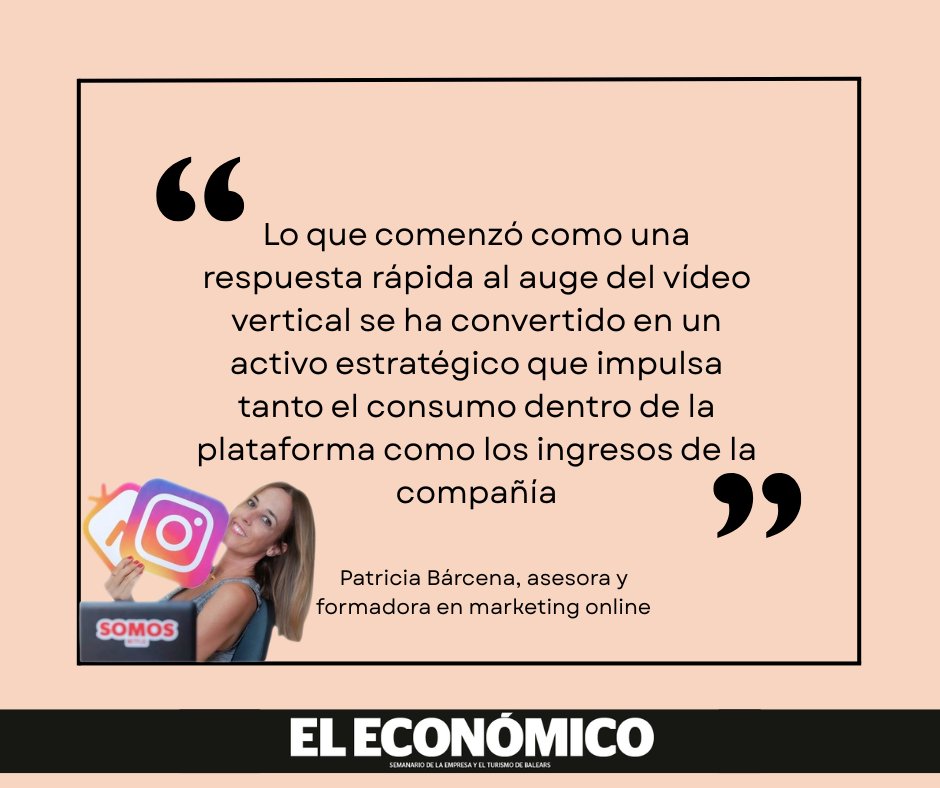
Patricia Bárcena @ipatri esta semana habla sobre 'Meta convierte Reels en uno de sus mayores motores de ingresos publicitarios'
Puedes leerlo en ultimahora.es/noticias/econo…
2
2
128
Patricia Barcena retweeted
Jan 8
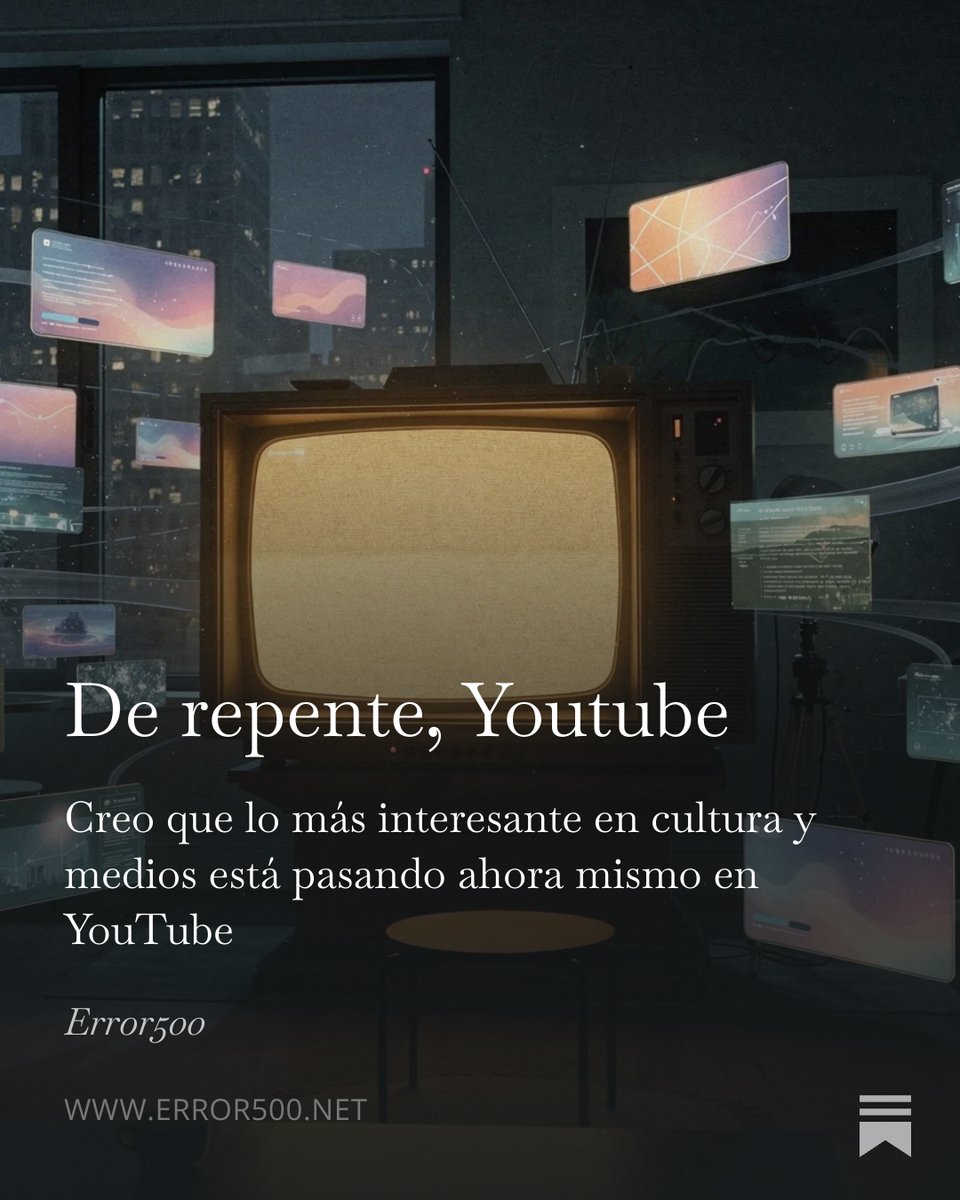
Matías Prats contra @ZonaGemelos, saltos como el de @DavidJimenezTW o lo difícil que resulta retener talendo a medios como @elconfidencial ayudan a valorar el momento actual de YouTube: se ha convertido en la plataforma audiovisual de la década
Cada vez más influyente, rentable y culturalmente valiosa, superando a la televisión tradicional en entretenimiento, audiencia y valor social.
En el blog hoy sobre cómo YT fomenta el talento emergente "de abajo hacia arriba" gracias a su modelo de ingresos proporcionales para creadores, permitiendo una larga cola de contenidos desde vídeos marginales hasta ensayos profundos de ciencia e historia.
También sobre lo difícil de un modelo para el medio tradicional y como los traspasos de figuras del periodismo a la economía de los creadores en España está sucediendo con YouTube.
error500.net/p/de-repente-yo…
1
23
86
20,862
Jan 6
Así empieza la transición hacia la próxima interfaz, la que no se toca pero te acompaña. 👓✨ theverge.com/news/856422/met…
1
58
Jan 6
🎬 Reels ya no es solo el “formato TikTok” de Meta. Actualmente genera unos 50M de dólares al año en ingresos publicitarios, según @WSJ. Meta ha logrado convertir el vídeo corto en uno de sus motores clave de negocio, superando en ingresos a marcas globales como Coca-Cola o Nike.
1
107
Jan 6
📊 Una muestra clara de cómo el contenido breve, impulsado por algoritmos, se traduce en atención… y en inversión. wsj.com/tech/meta-reels-reve…
42
Jan 6
🎧 Meta quiere que los pódcast se escuchen… y se comenten en Threads. Con su nueva función #PodcastPreviews, los creadores podrán compartir fragmentos de audio que se reproducen directamente en el feed, sin salir de la app y sin necesidad de vídeo.
1
57
Jan 6
No es como en Instagram, donde los clips son en formato vídeo. Aquí hablamos de audio nativo, integrado en la conversación. Escuchar un trozo, opinar, compartir. Todo en el mismo sitio. bloomberg.com/news/articles/…
46
Jan 2
El #vino de España @InterVinoEs incorpora a #influencers y redes sociales en su Código de Comunicación . revistacampo.es/vinedo/el-vi…
1
1
85
Jan 2
Ley pionera: #redessociales deberán mostrar etiquetas de ‘adicción’ a menores en Nueva York. as.com/us/actualidad/ley-pio…
52
Jan 1
Francia planea prohibir las #redessociales a menores de 15 años. elmundo.es/internacional/202…
1
165
Jan 1
#Instagram limita los #hashtags a 5 por publicación o reel. Buscan relevancia real y menos usos poco estratégicos para ganar alcance. Mejor pocos, pero bien elegidos. socialmediatoday.com/news/in…
99
Patricia Barcena retweeted

11 Dec 2025
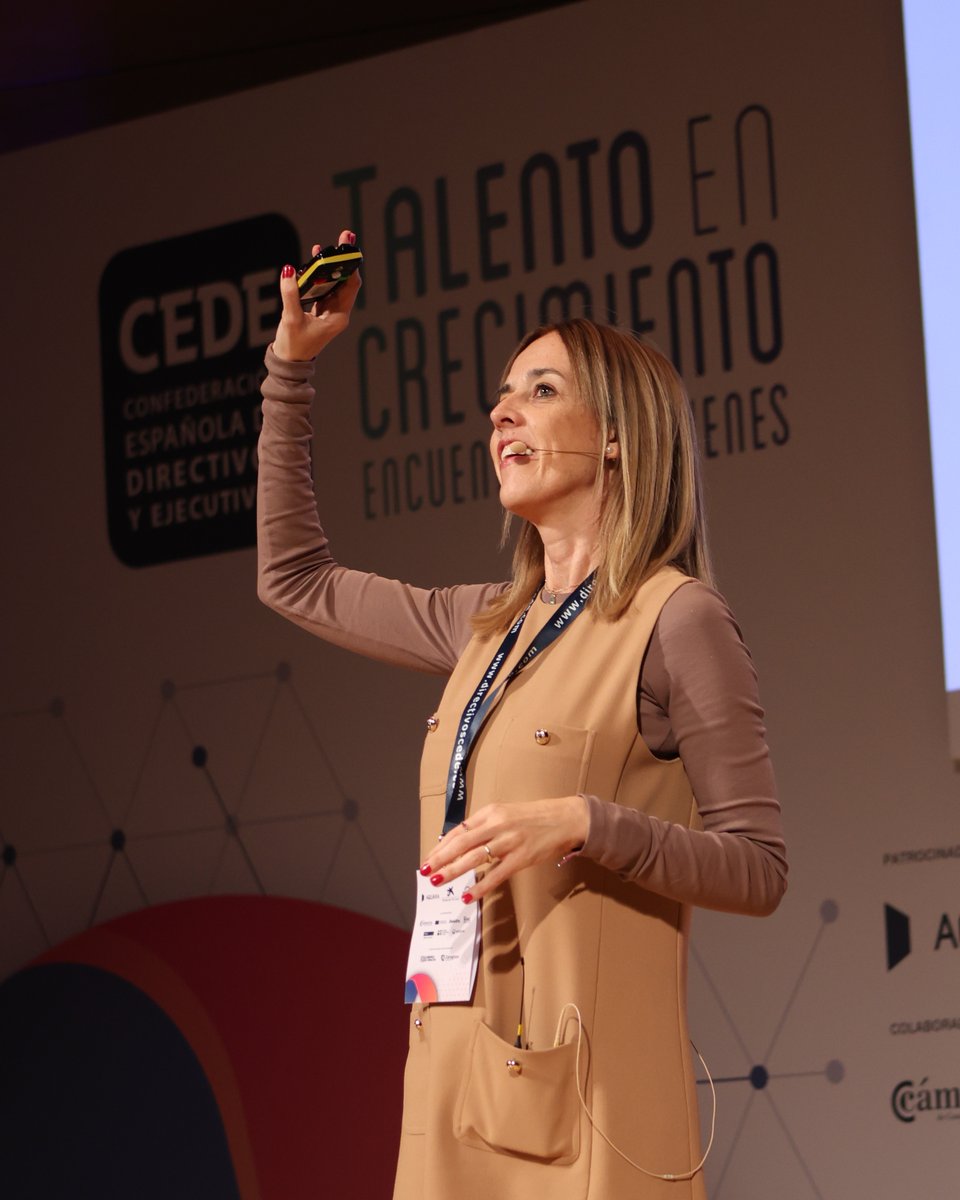
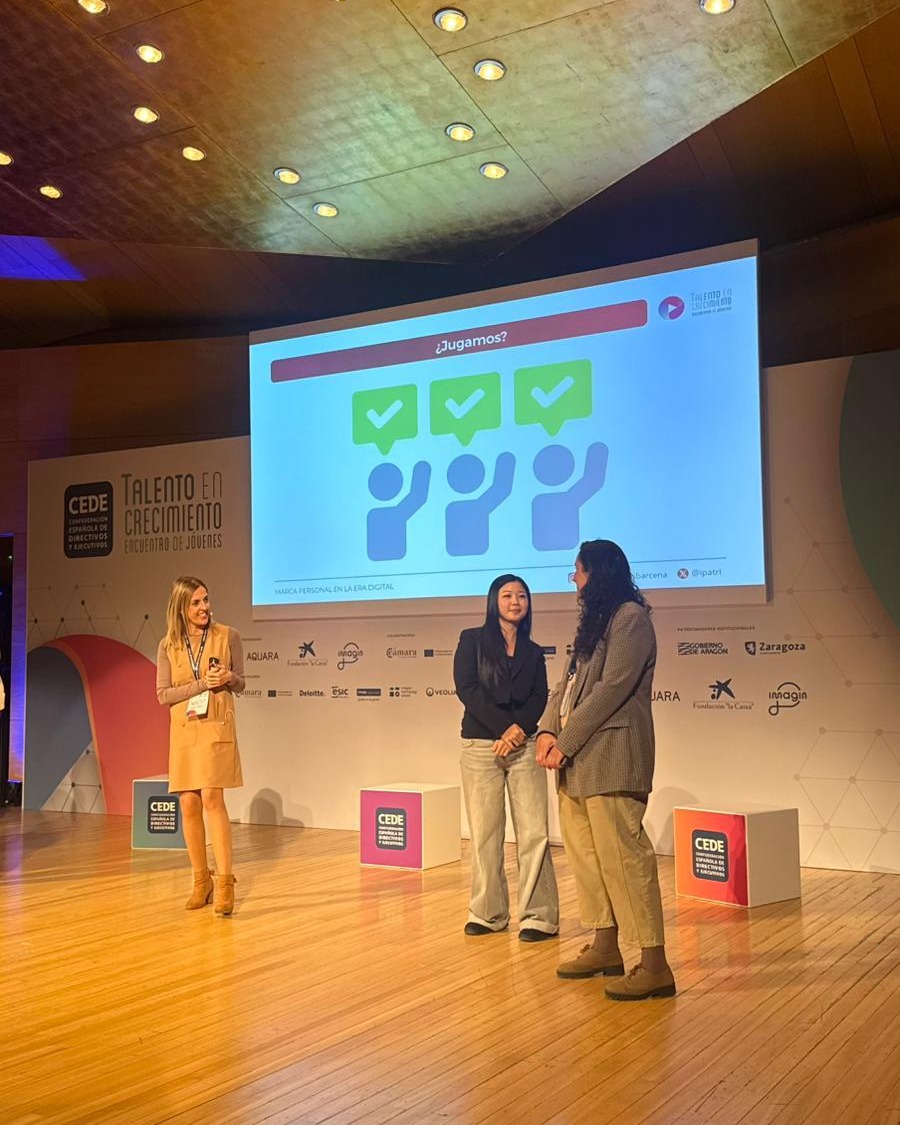
La jornada continuó con una sesión imprescindible en el entorno profesional: “Marca personal en la era digital: cómo destacar en un mundo hiperconectado”. @ipatri habló sobre la importancia de tomar el control de nuestra huella digital y construir una marca personal auténtica.
1
1
2
54
Patricia Barcena retweeted
26 Nov 2025
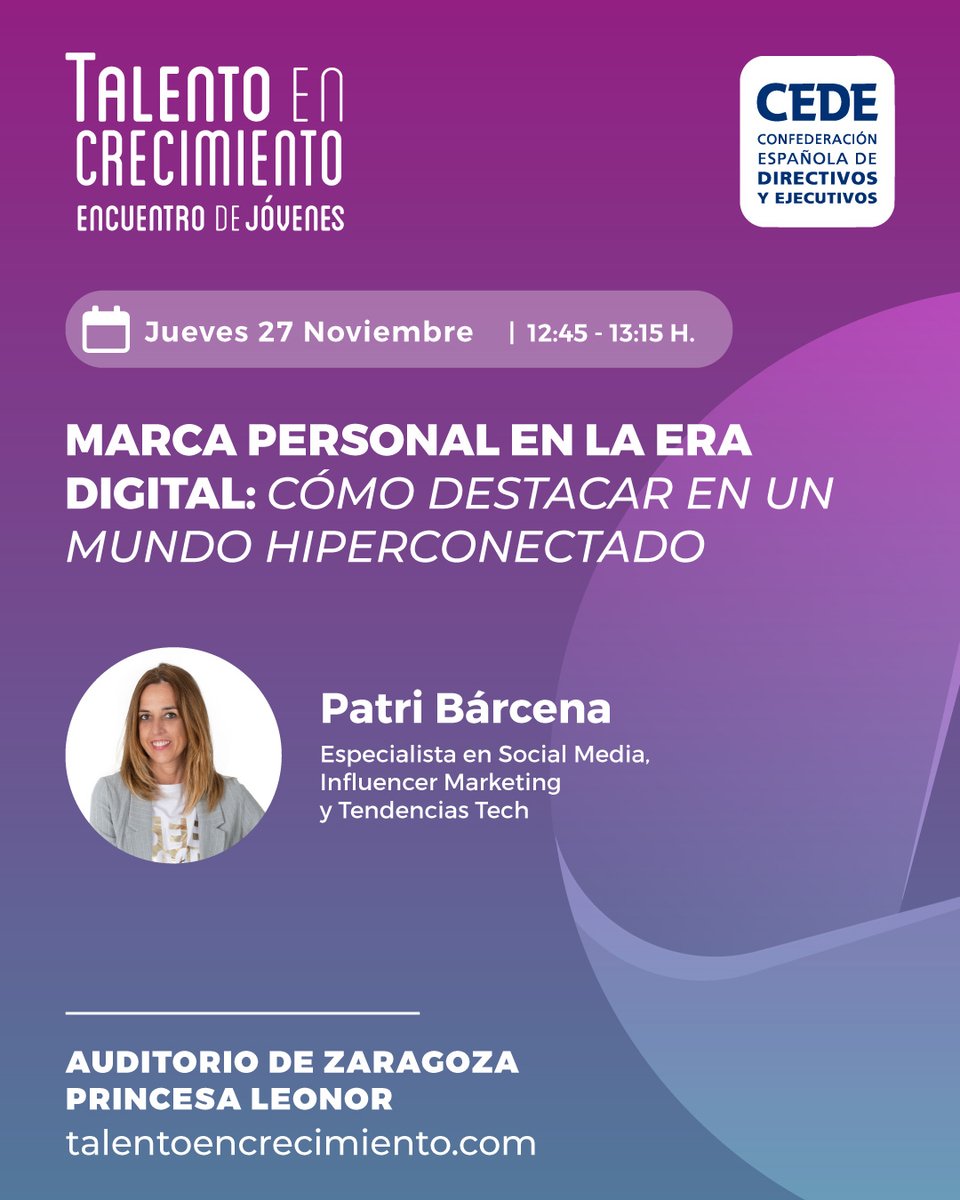
Una de las ponencias de la jornada Talento En Crecimiento en Zaragoza correrá a cargo de @ipatri ,especialista en Social Media, Influencer Marketing y Tendencias Tech, y que además, también presentará el evento. ✨🎤
1
1
1
51
Patricia Barcena retweeted
7 Nov 2025
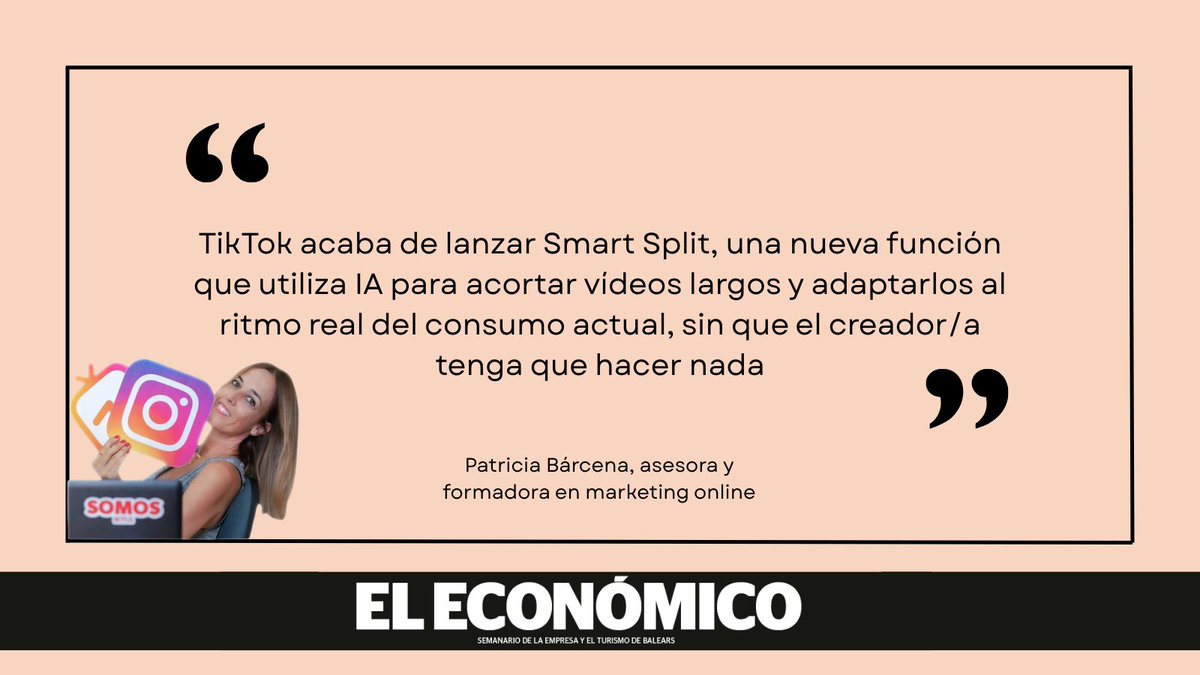
La asesora y formadora en marketing online, Patricia Bárcena @ipatri habla sobre Tik Tok y la era del ‘smart editing’ en su artículo en El Económico
ultimahora.es/noticias/econo…
1
2
77