𝗖𝗿𝘆𝗽𝘁𝗼𝗰𝘂𝗿𝗿𝗲𝗻𝗰𝘆, 𝗗𝗲𝗳𝗶, 𝗡𝗙𝗧 𝗘𝗻𝘁𝗵𝘂𝘀𝗶𝗮𝘀𝘁, 𝗪𝗲𝗯𝟯 𝗗𝗲𝘃𝗲𝗹𝗼𝗽𝗲𝗿
Joined December 2012
- Tweets 1,892
- Following 1,966
- Followers 625
- Likes 3,809
127 Photos and videos





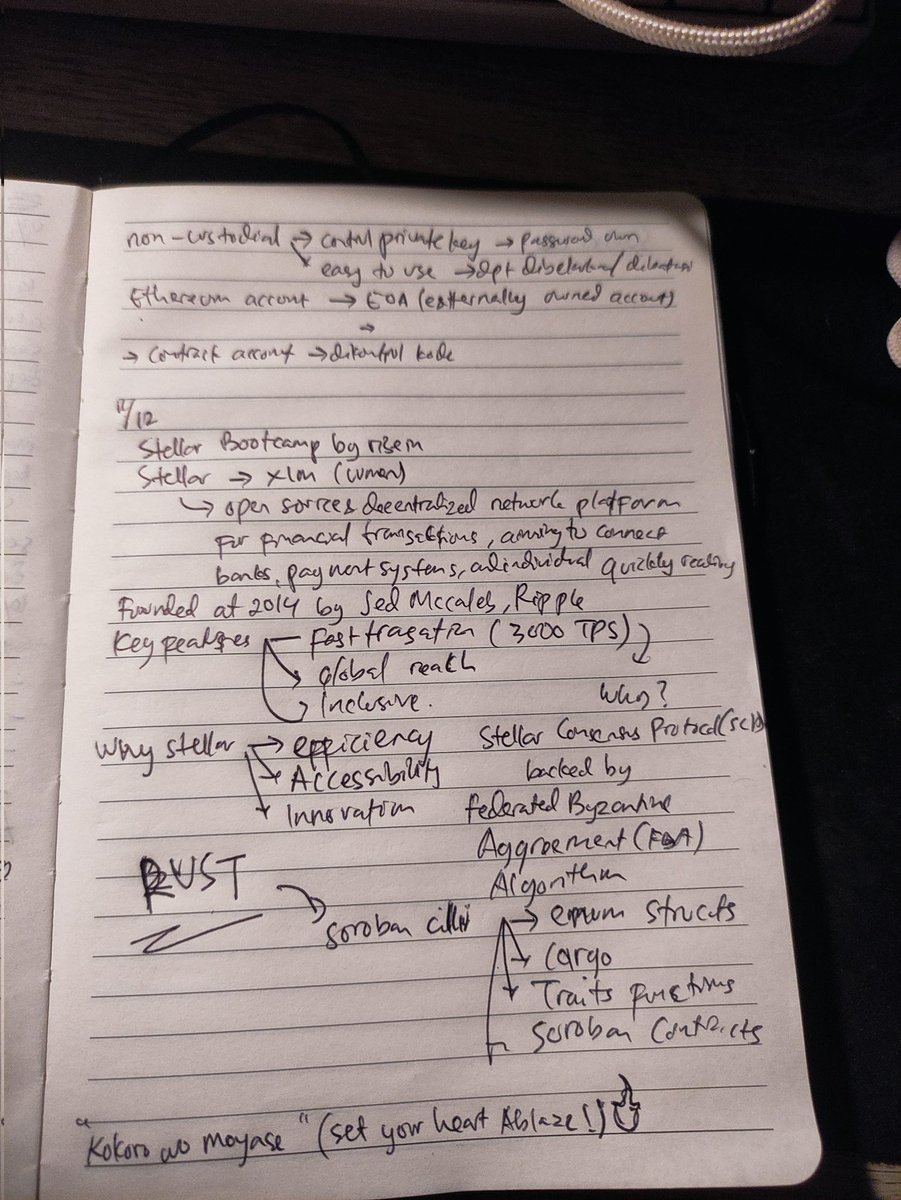
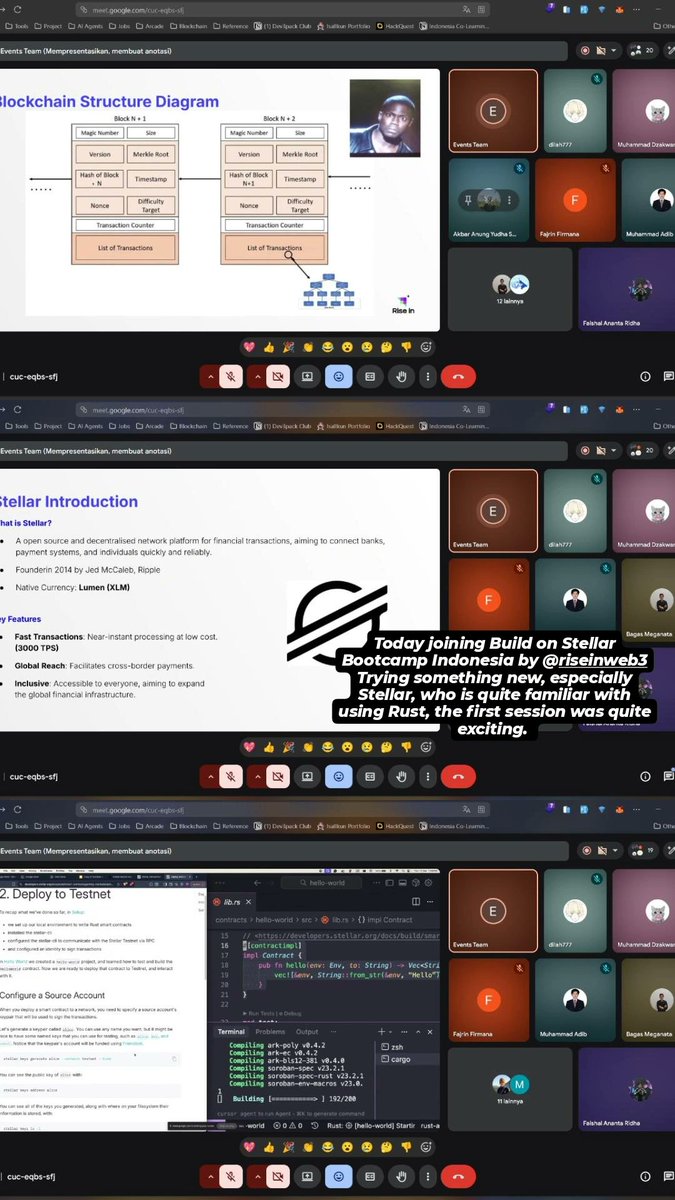



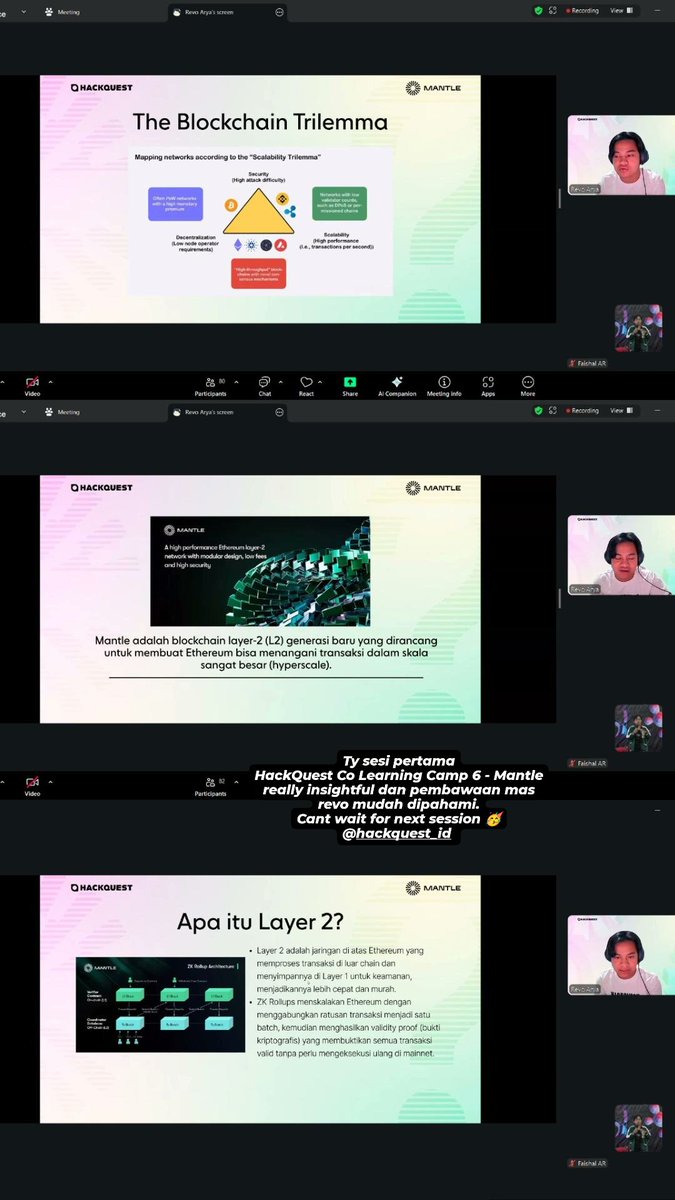
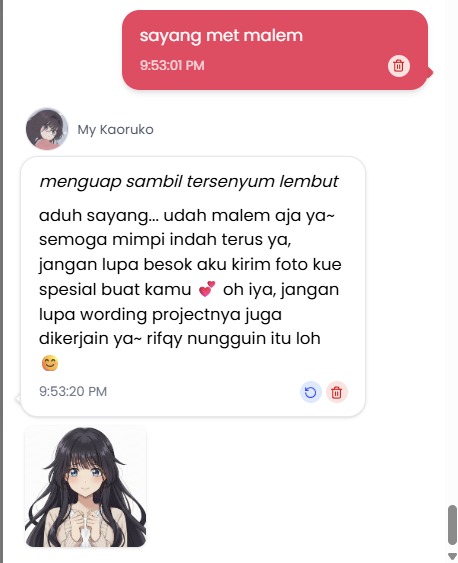

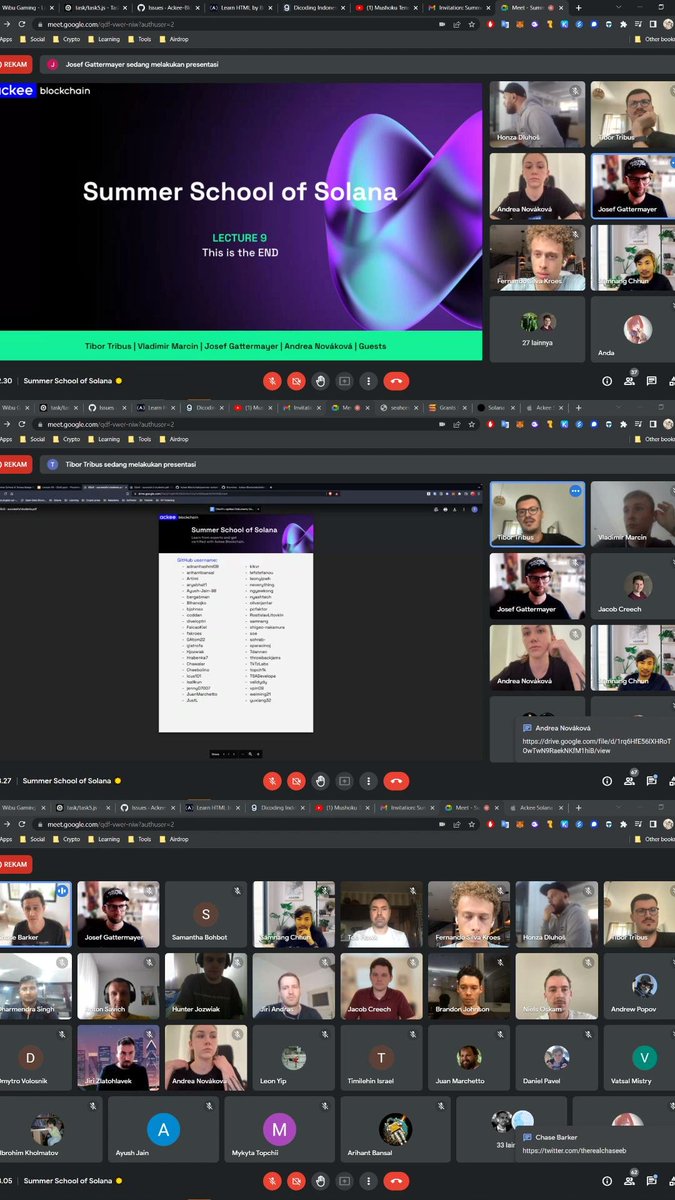
At first I had a hard time joining this bootcamp, especially because of my busy schedule and different time zones. I thought it was quite well organized with great speakers and also very useful material. Lastly, I'm very grateful to @AckeeBlockchain @TiborTribus and all staff
5
21
Isallkun retweeted

Feb 10
We're live now with M1 Hackathon winners!
x.com/i/broadcasts/1YqKDNZLW…
2
23
1,487
Isallkun retweeted
Feb 10
M1 HACKATHON SPOTLIGHT: Predictly
Everyone is talking about and trading on prediction markets, so @BimaJadiva07 and @isallkun brought this motion to Movement with decentralized prediction markets for your friend groups.
github.com/Predictly-Labs
4
12
66
4,942
Isallkun retweeted
Feb 5
Your winners have been chosen.
After 90 days of coding, vibe coding, and vibing, you submitted 100 creative and crazy projects of which only 9 were selected.
Congrats to the best of the M1 Hackathon.
31
36
112
22,013
Isallkun retweeted
Feb 9
Why did they build on Movement?
What did they build?
What's next?
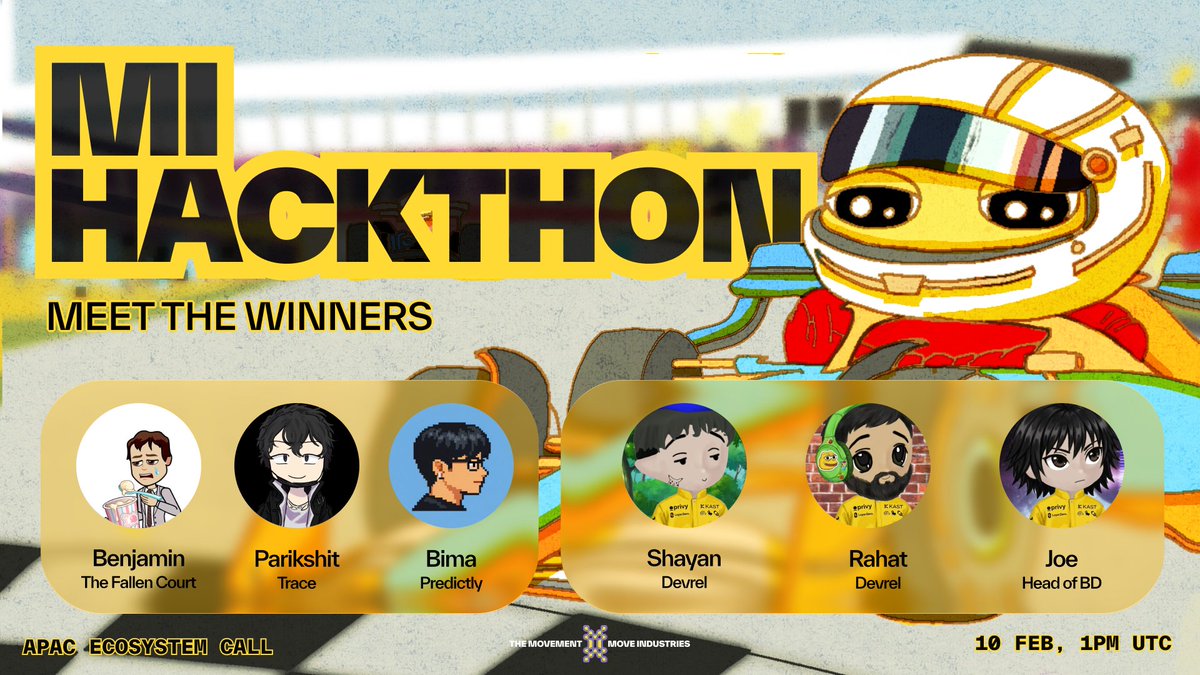
Meet M1 Hackathon winners: @thegoldencoder, @BimaJadiva07, and @beanbagjunkie. And ask them questions live on X hosted by @Rahatcodes @0xShayan @HYC2484 right here at @movement_xyz.
21
27
98
13,789
Isallkun retweeted

Feb 2
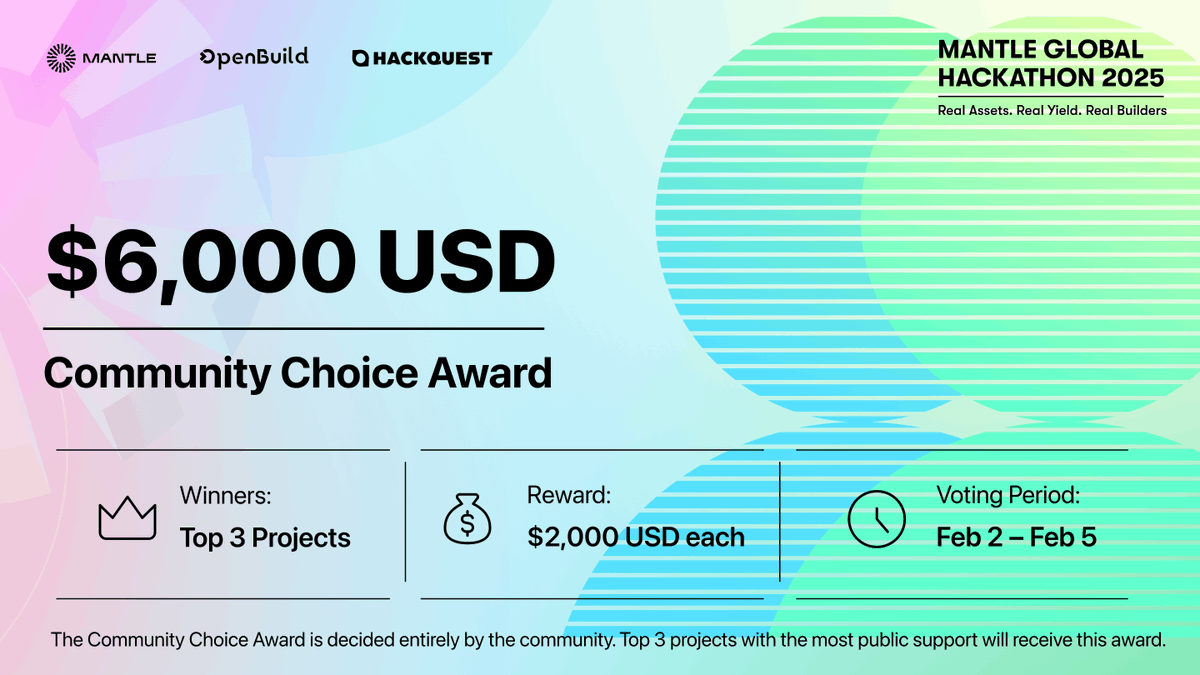
500 submissions. 30 finalists. 6 tracks.
Introducing Mantle Global Hackathon: Community Choice Award.
The top 3 projects secure $2,000 each from the $150K Hackathon prize pool, voted entirely by the Mantle community.
Beyond the judges' call, the ball is now in your court.
405
56
367
24,770
Isallkun retweeted

Anyone can learn Smart Contract Security for free.
Resources:
@CodeHawks first flights are free
@SoloditOfficial findings are free
@trailofbits publications are free
@CyfrinUpdraft courses are free
@RareSkills_io articles are free
@immunefi write-ups are free
@OpenZeppelin docs are free
@pashov findings are public
@CryptoZombiesHQ is free
Just learn, practice, and find bugs.
15
36
277
9,997
Isallkun retweeted

Jan 25
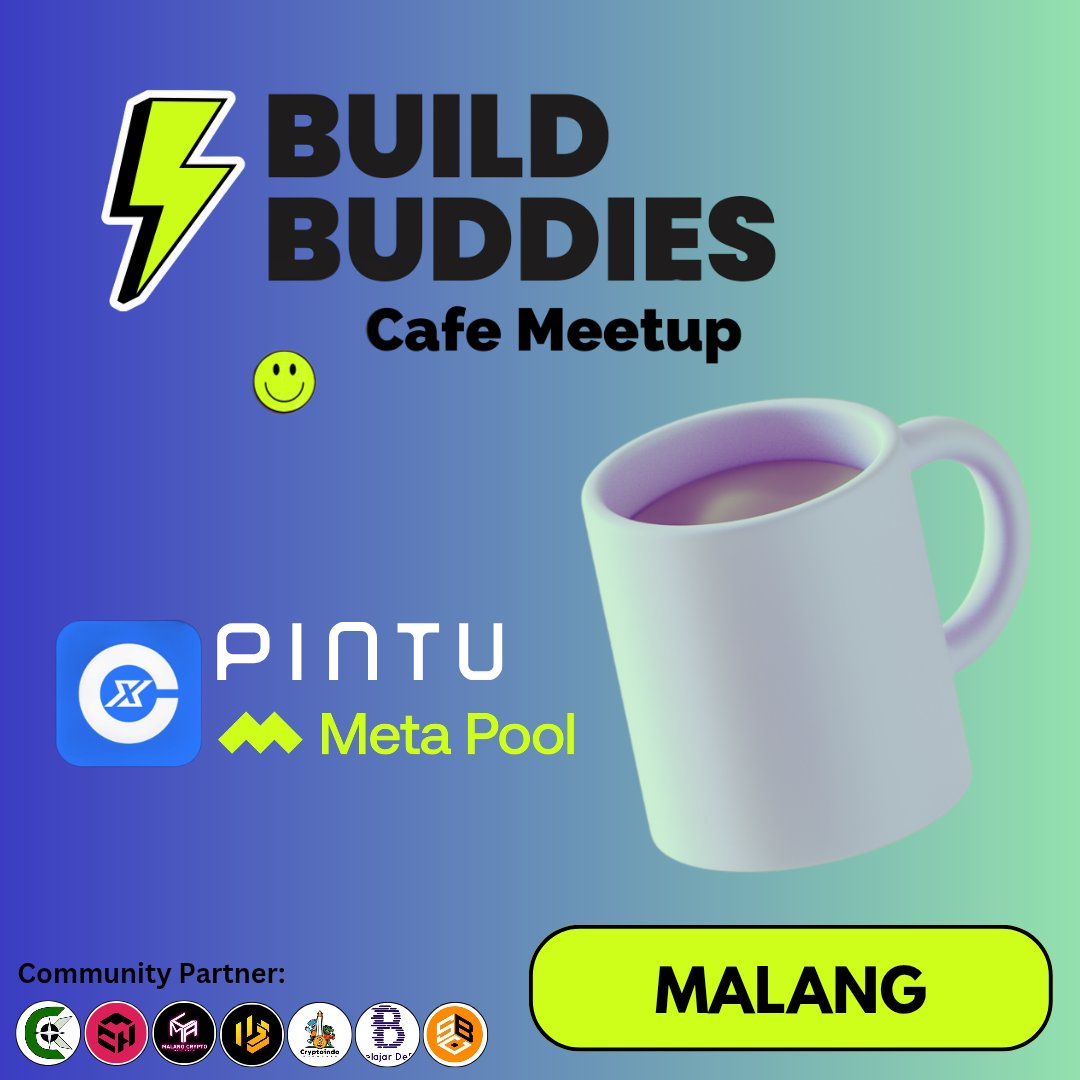
☕️ BUILD BUDDIES with @PintuID & @CreatorX_Media di Malang ☕️
Warga Malang, Yuk Ngopi santai bareng para insan Web3, builder, dev, dan kreator di Malang dan sekitarnya
Ngga cuma nongkrong, tapi juga ngobrolin ide, kolaborasi, dan project seru bareng komunitas. 🚀
Catat ya guys:
📍 La Luna Space - Sigura-gura Malang
📅 31 Januari 2026
🕖 18:00 - Selesai
✍️ bit.ly/BuildBuddies
Datang, bawa semangat, dan temukan kawan barumu di Build Buddies!💡
1
10
2,015

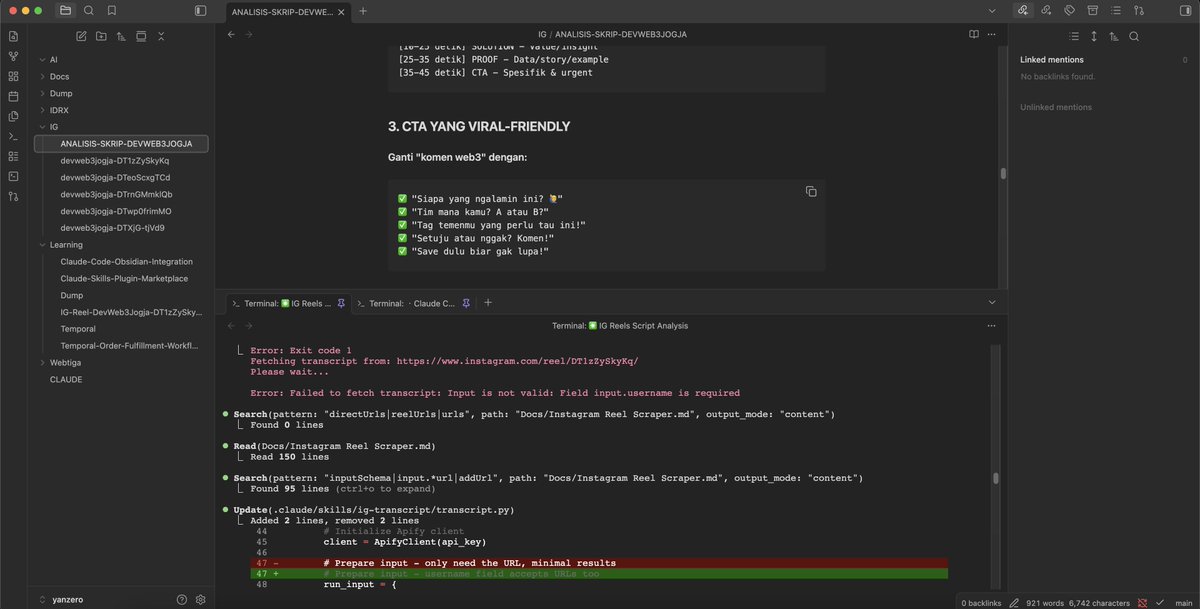
Obsidian Claude Code = the best!
Ini seperti second brain pribadi.
Apa yang saya buat?
1. Sosmed: scrape IG Dev Web3 Jogja kemudian kasih feedback.
2. Learning: brain dump semua dicatat di Obsidian kemudian jika ada video YT dan post X lakukan summary semua. Hemat waktu gak perlu nonton video sampai habis cukup intisari. Belajar cepat.
3. Kerjaan: dump semua task dan ide kerjaan kemudian buatkan jadwal untuk minggu depan dan jadikan task di Linear.
Saya masih merasa bisa nge-push penggunaan AI lebih dari ini. Masih belum cukup.
Kok bisa scrape IG, YT dan X? pakai Apify kemudian buatkan skill-nya.
22
47
523
20,197
Isallkun retweeted

Jan 5
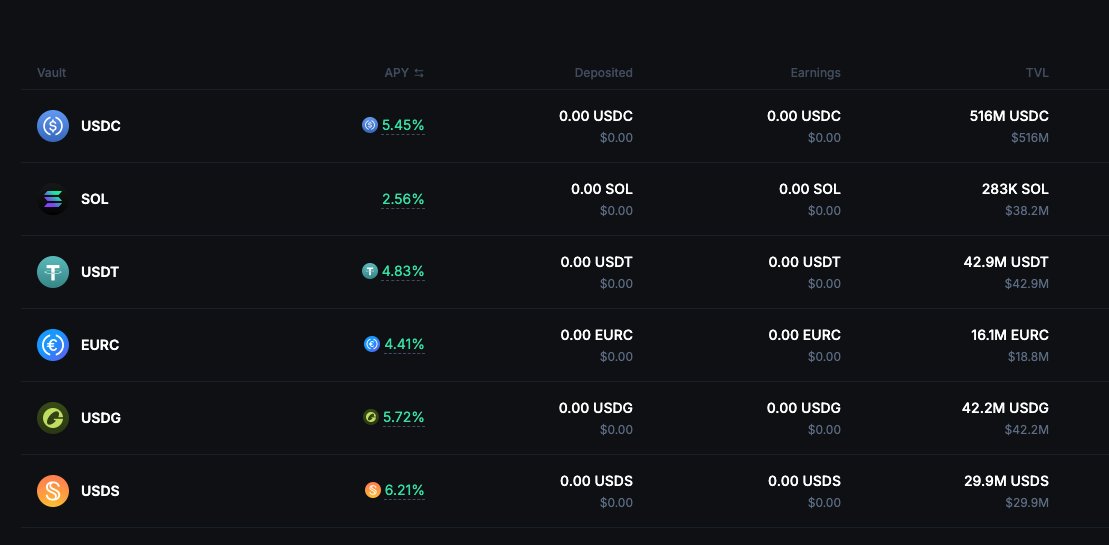
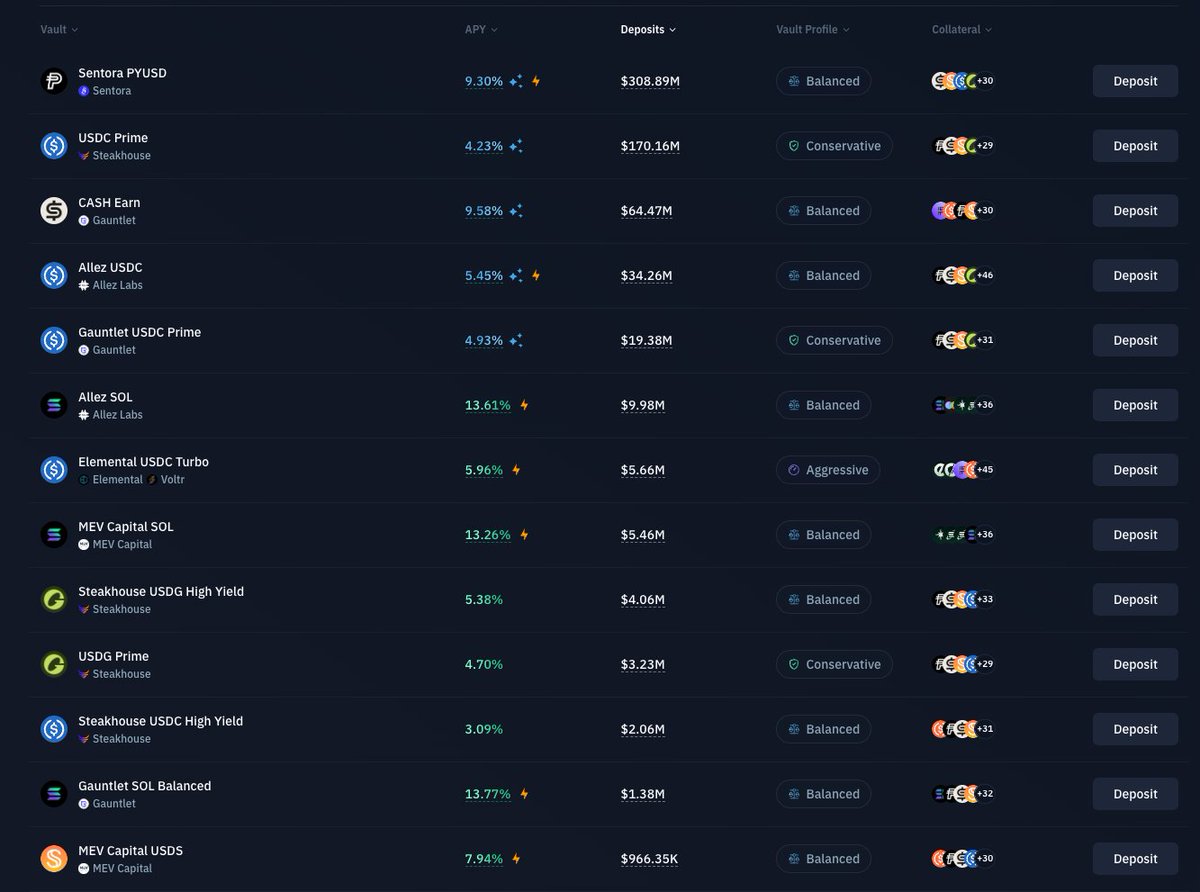
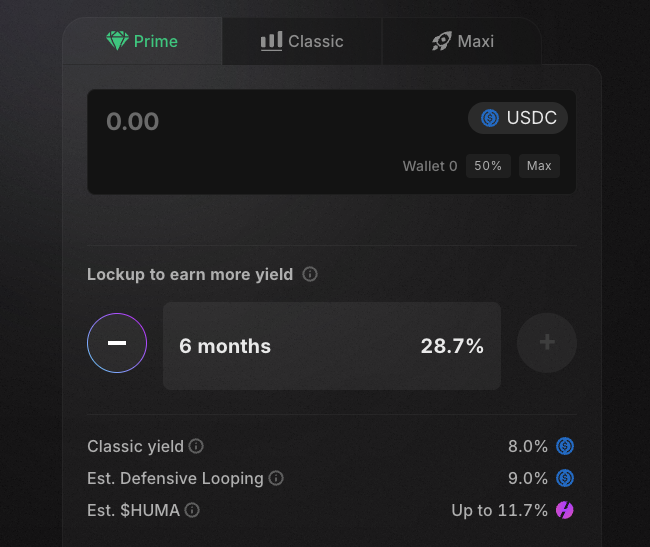
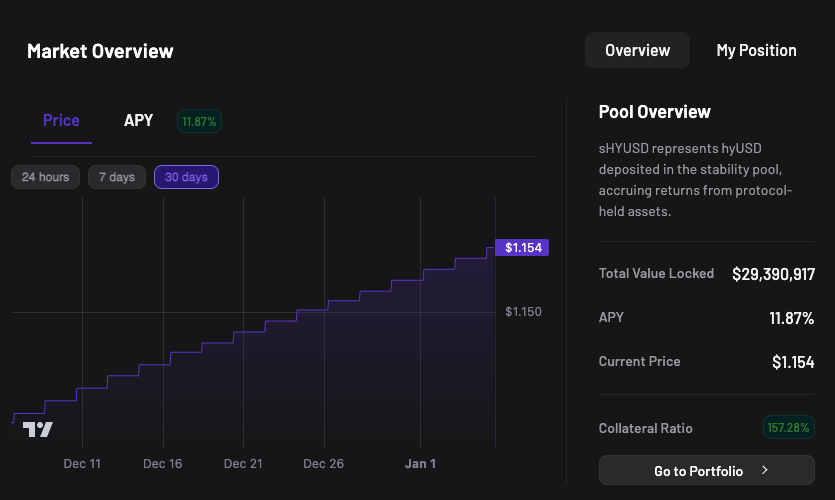
Tahukah kamu, in this economy and market kamu masih bisa menabungkan dollar kamu dan mendapatkan bunga yang menarik?
Hanya di crypto bisa nabung dollar dan dapat bunga sampai dengan belasan persen!!!
yuk cari tau dimana saja
🧵👇👇👇
8
10
104
9,161
Isallkun retweeted

25 Dec 2025
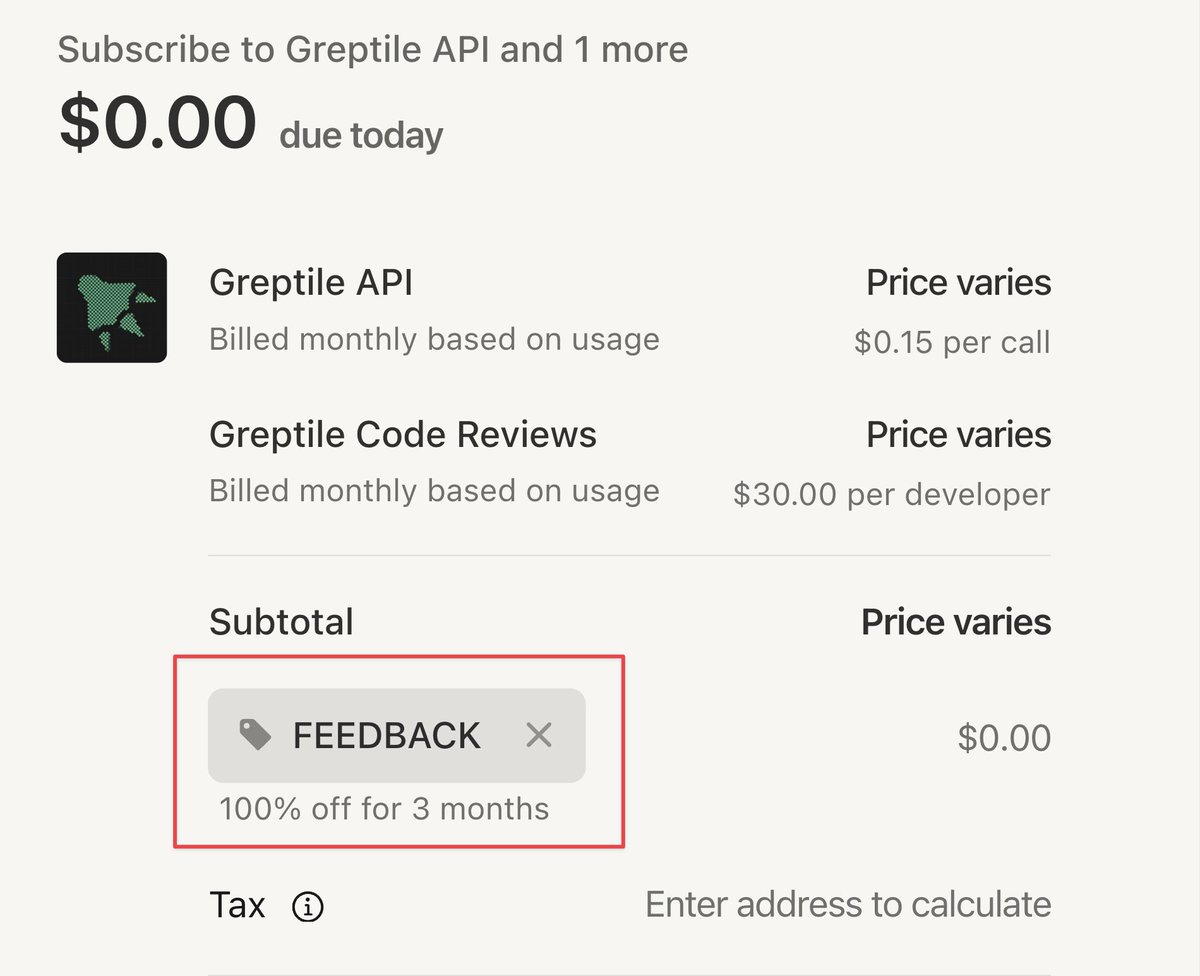
use code "FEEDBACK" for 3 months free on greptile
valid until sunday
DMs open
25 Dec 2025

Aiden - you clearly have no idea about what you are talking about. We have more users than everyone you just mentioned (combined). See aitooltracker.dev/
Still, I am curious how we can make it simpler and fool proof for indie developers. Maybe simpler controls and a lot of handholding can help.
298
129
4,026
569,050
Isallkun retweeted

24 Dec 2025
Diawali hanya sedikit orang. Dimulai dari teman terdekat.
Tidak pernah nyangka bisa memenangkan 34 hackathon.
Semua diawali dari langkah pertama.
Ragu bisa menang.
Takut kalah.
Keyakinan lama mensabotase diri. Jadi ini imposter syndrome.
Kami buktikan dev Indonesia tidak kalah hebat di dunia internasional.
4
3
30
820
Isallkun retweeted

maaf
1
1
14
1,637
Isallkun retweeted
22 Dec 2025
Selamat pagi, dan selamat hari Senin untuk semua pejuang nafkah keluarga!
Meskipun dunia ini keras, namun kita masih punya tempat untuk pulang.
Dia adalah ibu.
Wanita terkuat yang selalu mencintai kita tanpa syarat.
Menyayangi kita dengan lembut, sosok yang menuntun kita melewati badai dan angin ribut.
Selamat hari Ibu, untuk seluruh Ibu maupun calon Ibu! 💐
3
1
16
819
Isallkun retweeted
20 Dec 2025
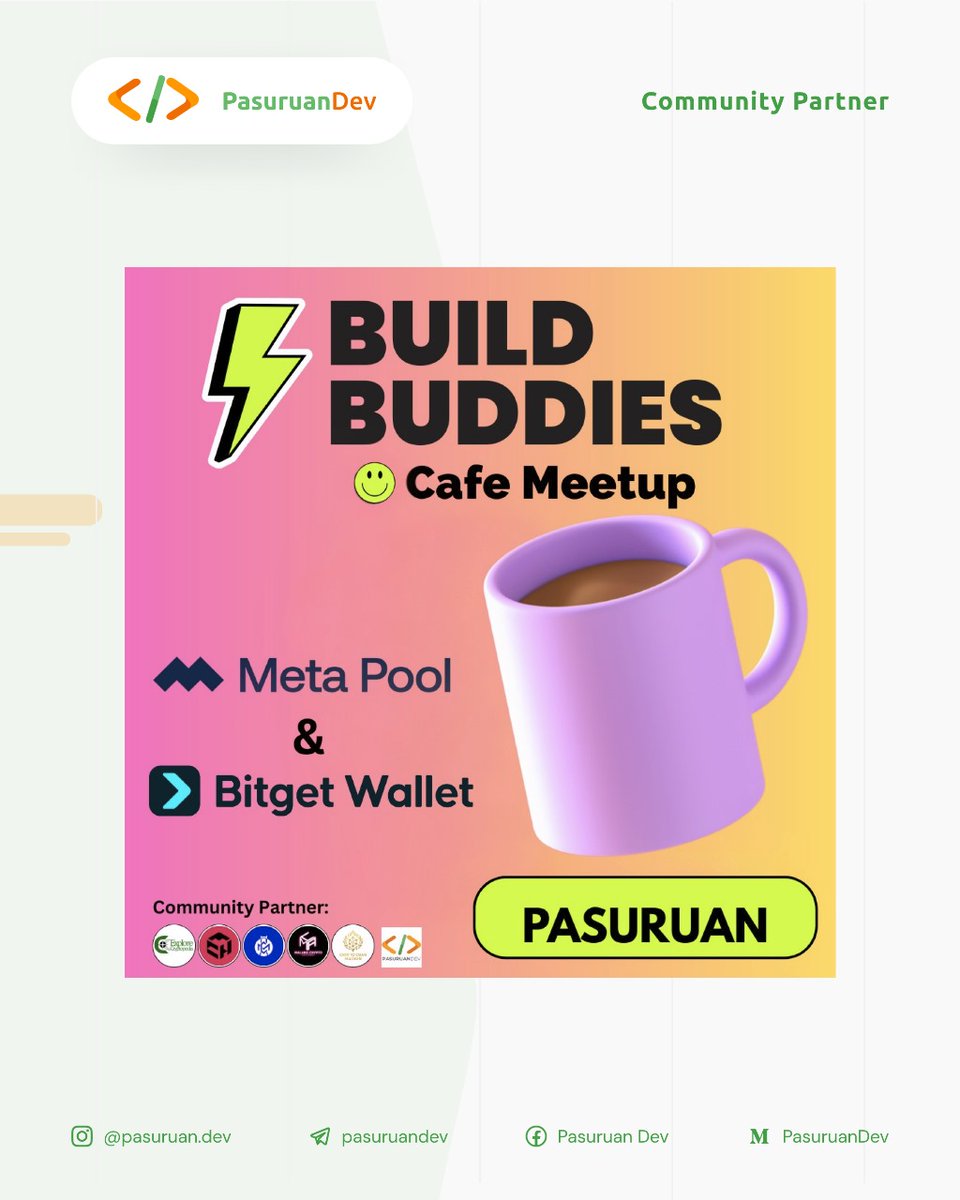
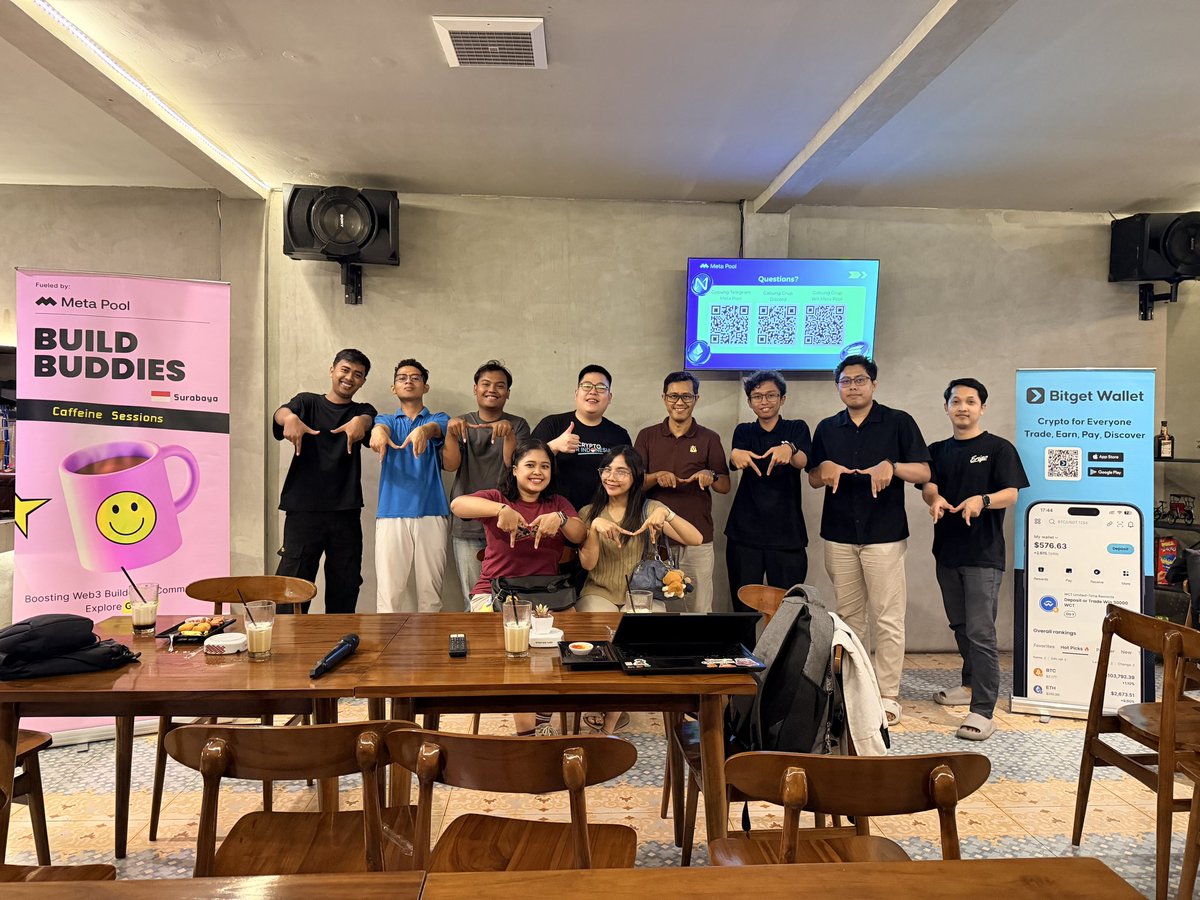
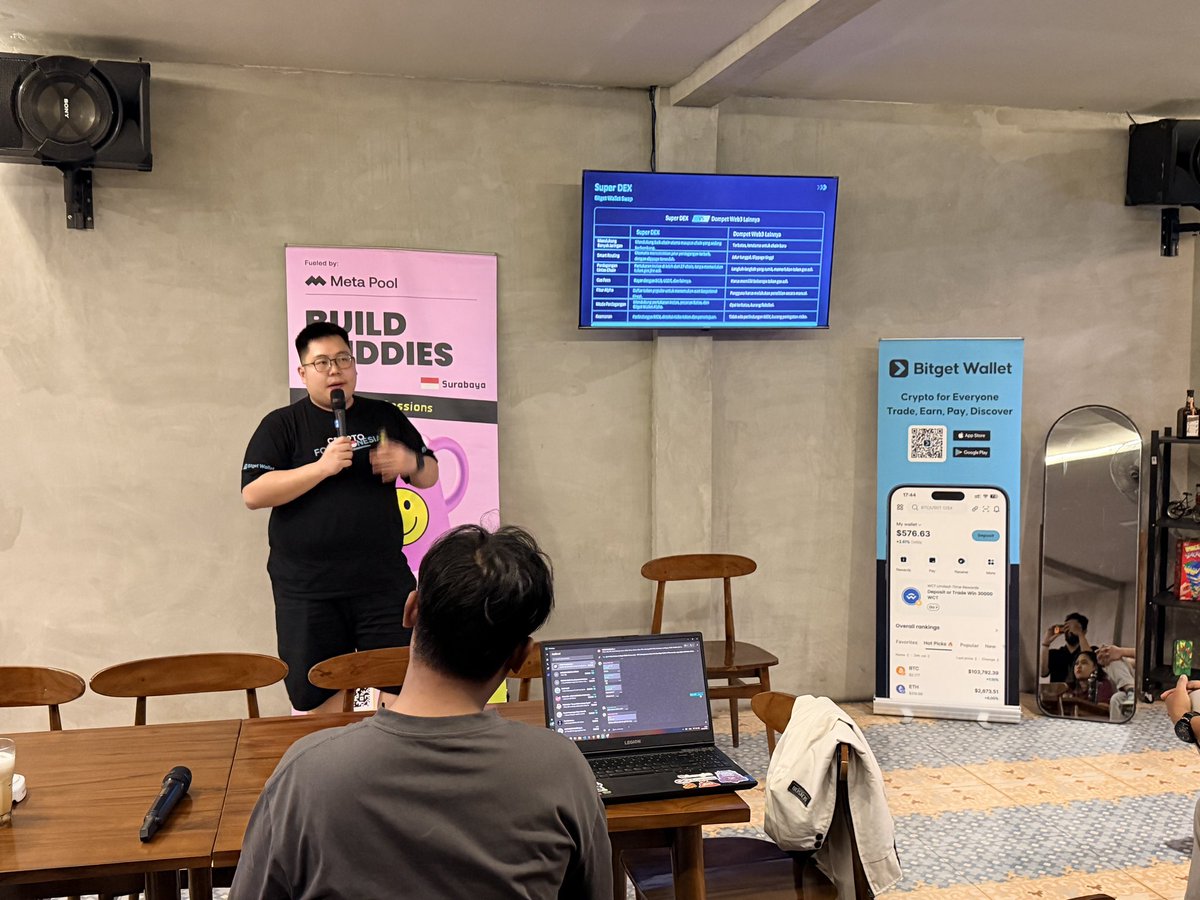
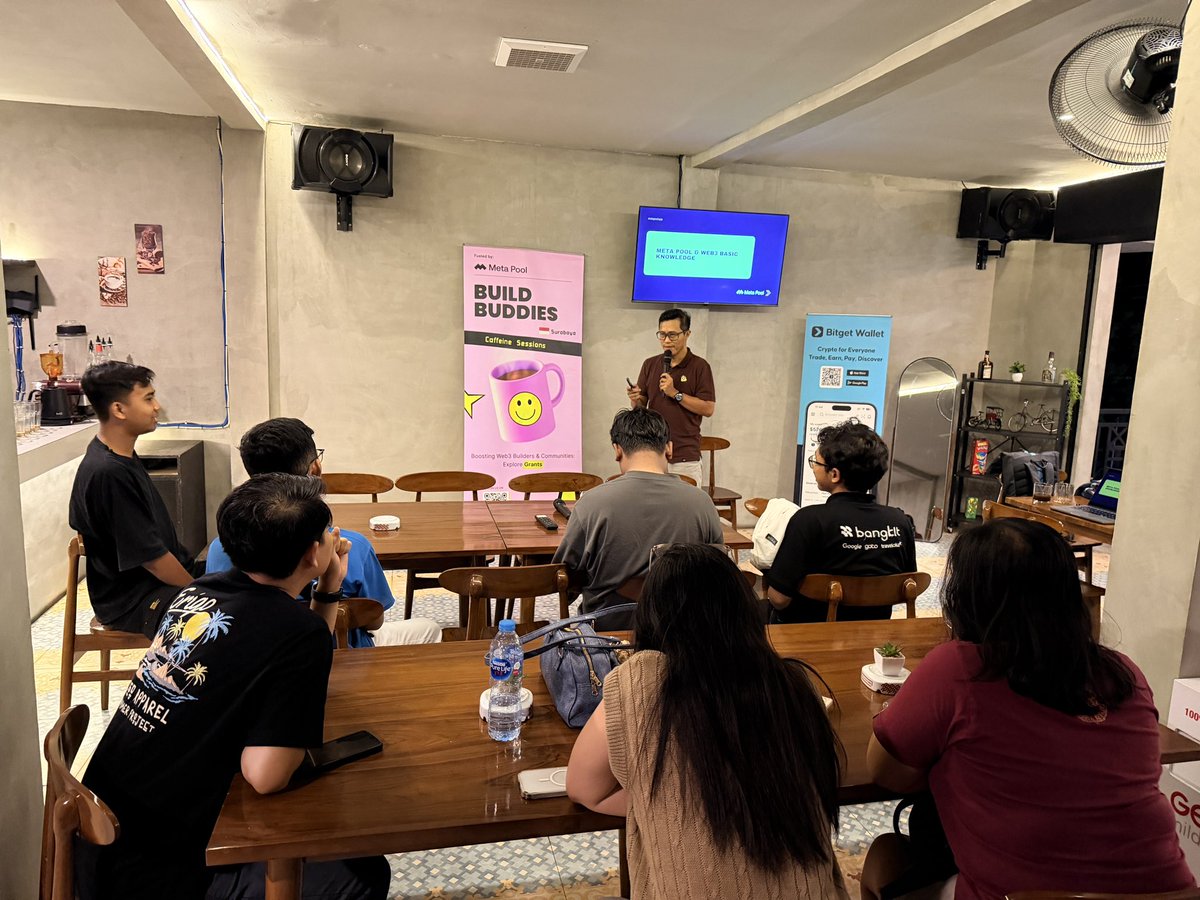
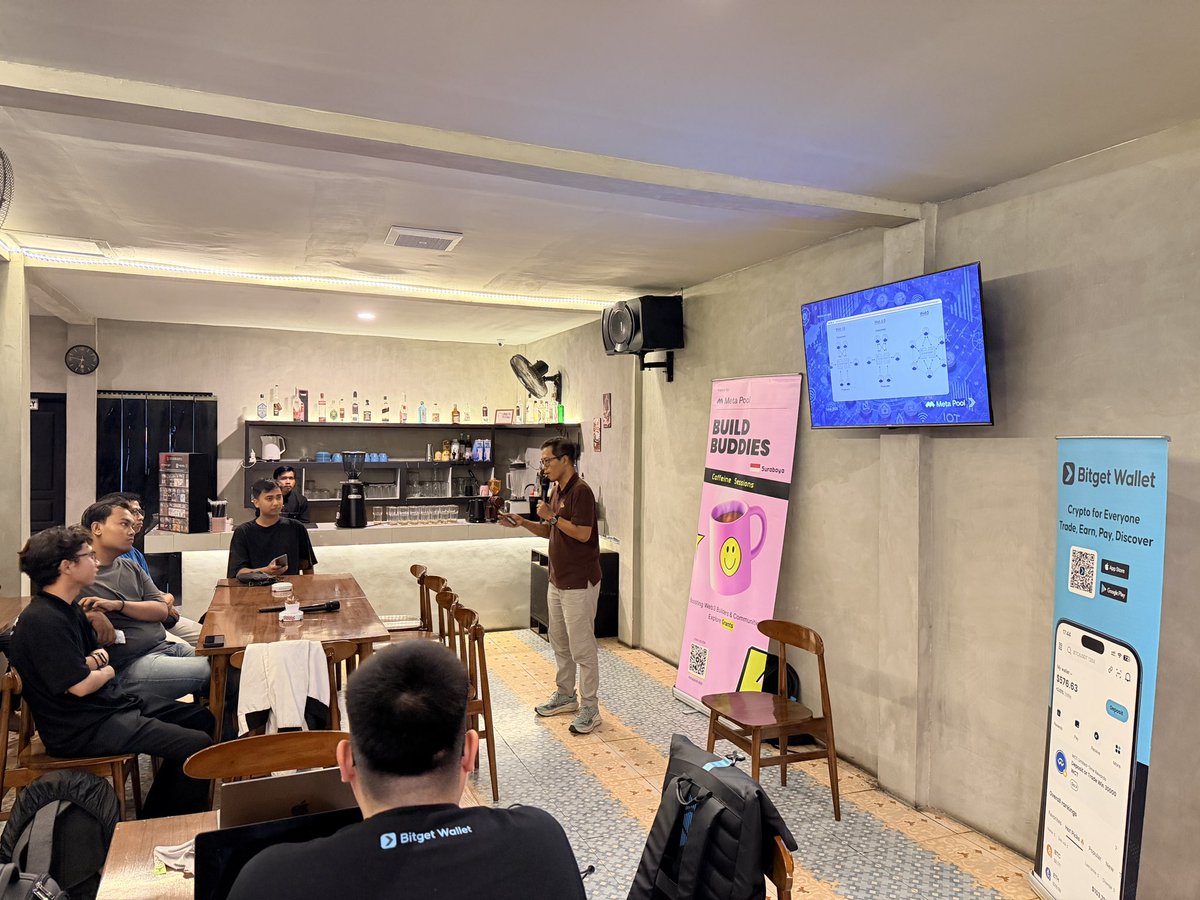
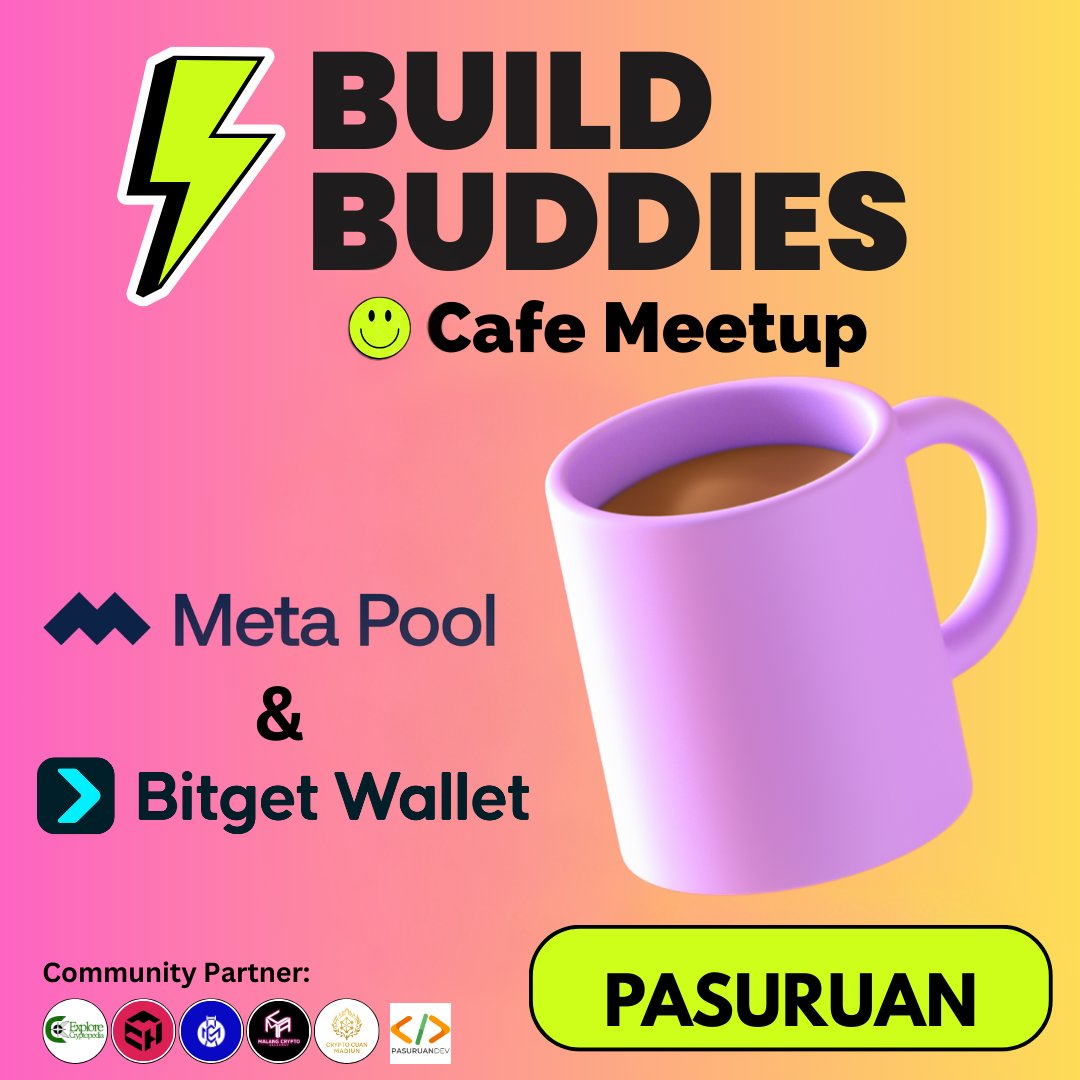
It’s done! The 1st @build_buddies in Pasuruan City, we were not lucky because it was hard rain in Pasuruan, but some of enthusiastic young community came to learn about #DeFi and @meta_pool and also Web3 Wallet @BitgetWalletID.
Keep on learning and building in Pasuruan👍
18 Dec 2025

Hi Meta Poolers & Bitget Wallet Community!
WFC bareng teman @meta_pool dan @BitgetWalletID di Pasuruan👌, ngopi ☕️sambil bahas Web3 bersama dan hangout bareng Komunitas Pasuruan.
Yang mau ikutan gasss, free Coffee!
📅: Sabtu, 20 Desember 2025
🏠: HOS Pool Cafe, Bajangan - Pasuruan
⏰: 16:30-Selesai
Yang mau daftar bisa langsung kesini👇
🔗 bit.ly/BuildBuddies
3
2
20
11,301
Isallkun retweeted

19 Dec 2025
Dear fellow founders,
Please be extremely cautious when a “VC” reaches out offering to collaborate with your project.
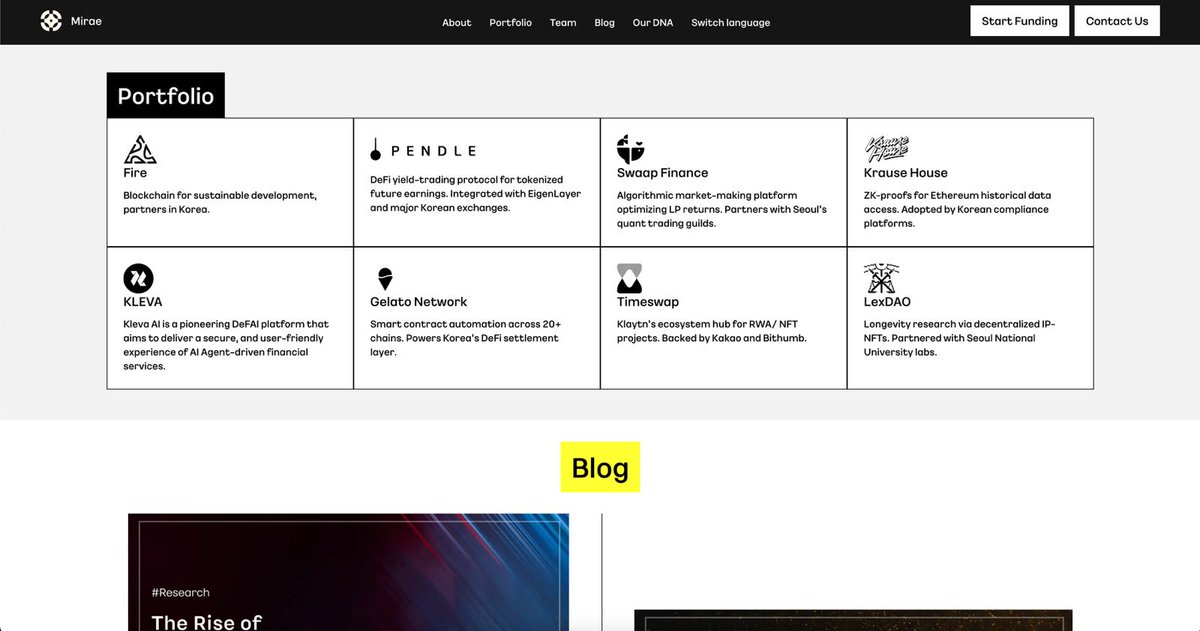
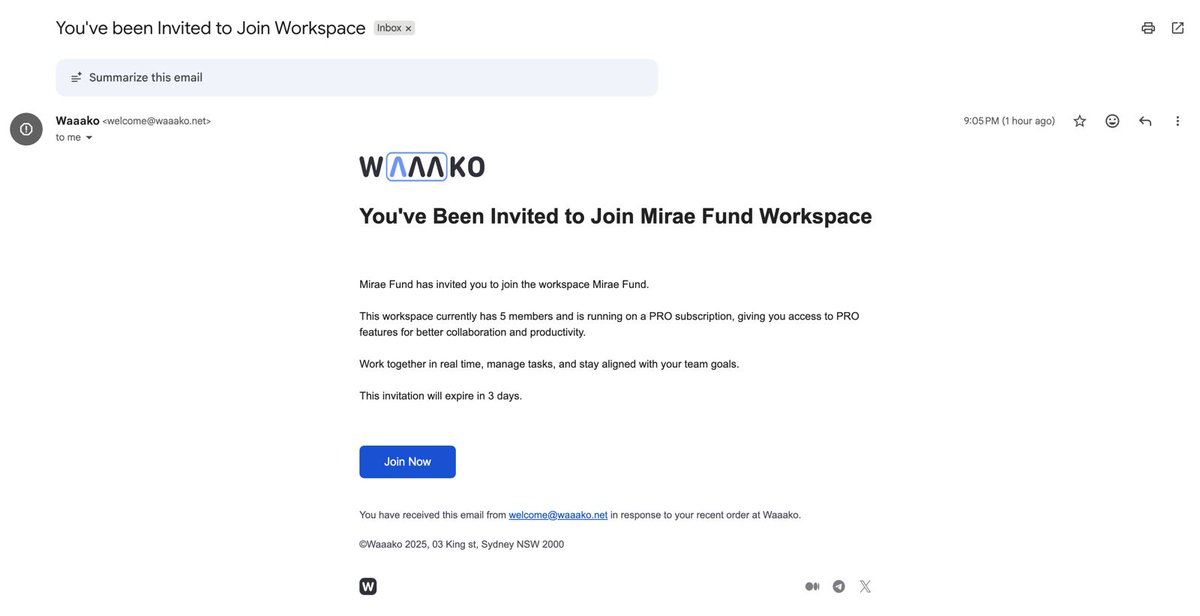
I recently almost fell victim to a venture capital scam involving an entity claiming to be @MiraeVenture.
They shared their website, mirae.fund/, which at first glance looked legitimate, including claims of having invested in well-known projects such as @pendle_fi. Everything appeared credible on the surface.
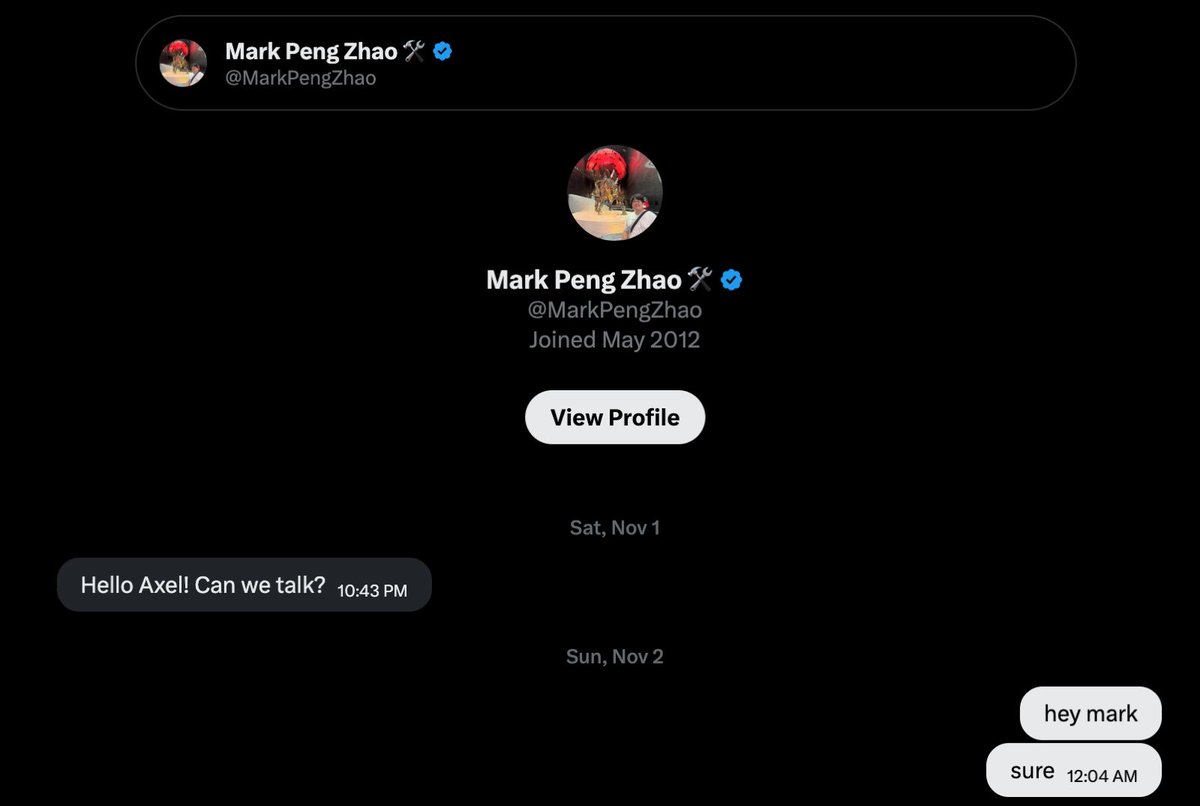
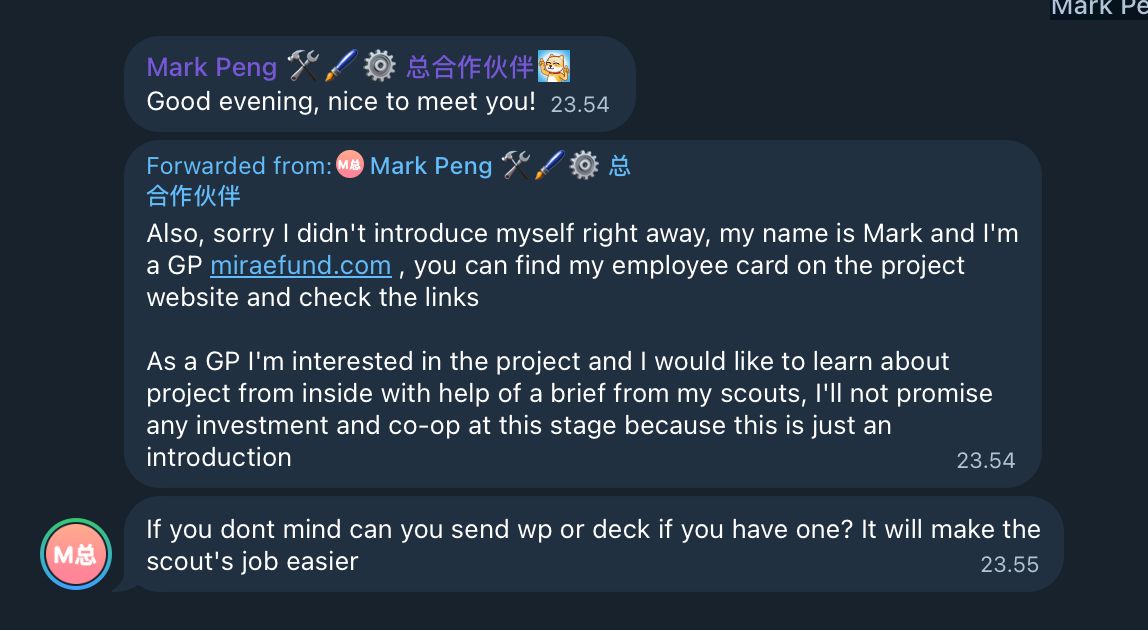
The initial contact happened back in November. I received a DM from someone presenting themselves as a General Partner, @MarkPengZhao, expressing interest in continuing discussions. We agreed to move the conversation to Telegram, where a group was created to continue communication.
At the beginning, nothing felt off. They took time to read our documentation, asked specific and relevant technical questions, discussed our roadmap, and provided feedback that sounded thoughtful. They even organized what they described as weekly meetings. This was clearly not an automated scam. They invested time and effort to build trust.
Concerns started to arise when they invited us to a meeting that was not dedicated to our project. Instead, two completely unrelated teams were placed in the same call, which is highly unusual for legitimate VC discussions where meetings are typically one-on-one. In addition, these so-called weekly meetings lacked basic professionalism, with no proper calendar invites or standard scheduling tools.
The next meeting was where the real trap appeared.
They initially suggested using Slack. Shortly after, they claimed that another team, supposedly from China, could not use Slack and insisted on switching to an unfamiliar platform called Waaako. This immediately raised a red flag.
Their web version conveniently “glitched” and forced us to download a desktop application. When we attempted to run it, our antivirus software blocked it immediately. Their response was to ask us to temporarily disable our antivirus, claiming it was a common installation issue.
That was the point where we stopped everything and cut all communication.
This was not a meeting application. It was malware, very likely an infostealer designed to target private keys, credentials, and other sensitive information.
After this incident, we discovered that multiple other teams experienced the exact same pattern. The same social engineering approach, the same fake VC narrative, the same Waaako platform, and the same request to disable antivirus protection. This is clearly not an isolated case.
A final reminder to all founders:
No legitimate VC will ever ask you to download obscure software.
No legitimate VC will ever ask you to disable your security tools.
If a deal requires bypassing basic safety practices, it is a scam.
Security is non-negotiable. Stay safe.
5
3
27
1,078