Joined February 2023
- Tweets 9,155
- Following 1,722
- Followers 1,651
- Likes 11,410
2,090 Photos and videos






Pinned Tweet

27 Nov 2023
Mobilise the Old Guard. They're sending in their historians now.
1
5
39
17,135
Jun 12
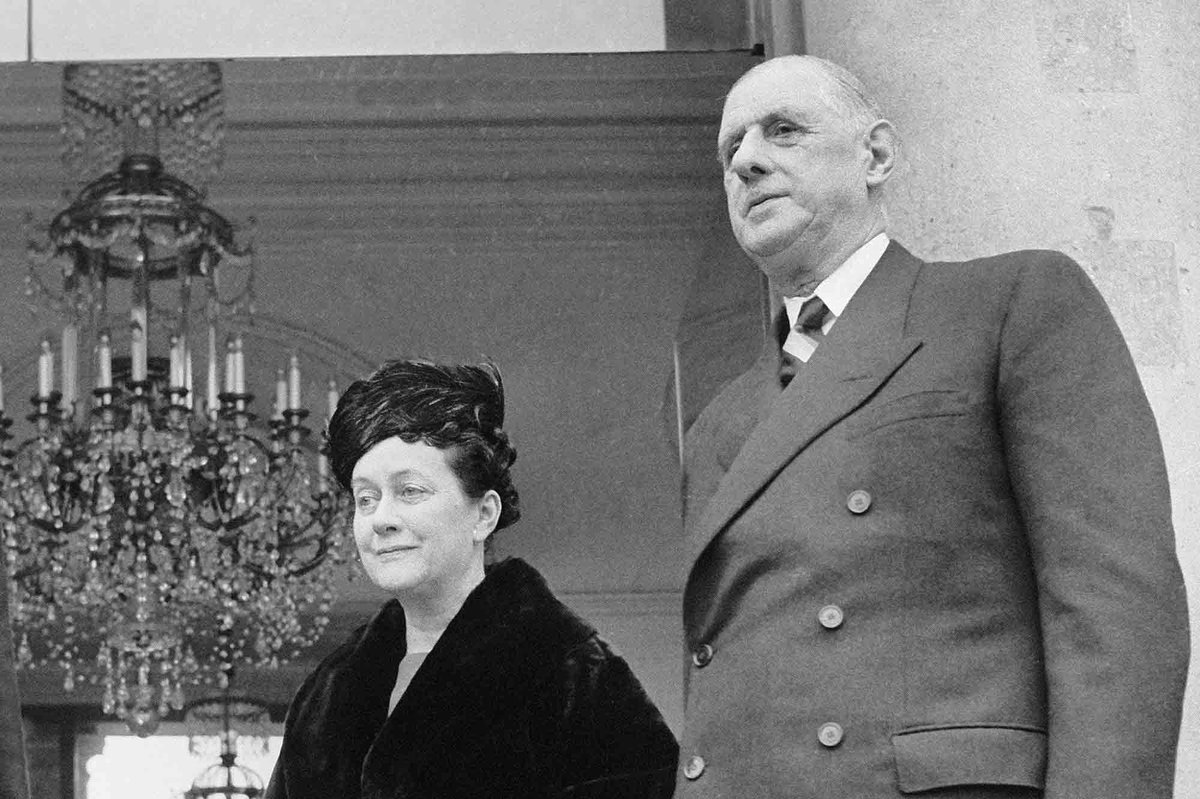
This story has been circulating for decades and is probably apocryphal, but I heard it again recently:
During an official dinner (often told with English or American guests), someone asked Madame Yvonne de Gaulle what she looked forward to most now that her husband was retiring.
With her strong French accent, she replied enthusiastically: "A penis!"
A deathly silence fell over the table.
De Gaulle leaned toward her and whispered softly: "My dear, I believe in English it's pronounced 'happiness.'"
13
29
247
49,151
Jun 12
It's Superman Day
What made Richard Donner's film timeless was its unembarrassed commitment to the material - no postmodern winks, no ironic nudges to the audience, just the pure, exhilarating blend of humour, spectacle, and heart that let the myth breathe. No wonder on his office wall he had a poster with the words 'verisimilitude' written on it to remind himself to play it for real.
Christopher Reeve was the miracle at its centre: tall, square-jawed, and impossibly decent, he played Clark Kent as a gentle, bumbling disguise rather than a cowardly front, then straightened his spine and became Superman with such effortless authority that the transformation felt less like acting than revelation. You never caught him acting the part. He inhabited both identities so completely that the disguise itself became part of the joke, and the heroism part of the truth.
Around him, the supporting cast was a masterclass in heavyweight enjoyment. Gene Hackman, chewing scenery with theatrical relish, turned Lex Luthor into a droll, operatic villain who seemed to be having the time of his life. He was less a criminal genius than a man who had decided world domination was the only hobby worthy of his wardrobe. With Margot Kidder's feisty Lois Lane, Glenn Ford's stoic Pa Kent, and even Marlon Brando lending gravitas from the Fortress of Solitude, the film felt grounded in real human (and Kryptonian) warmth.
It was grand but above all it was sincere. In the decades since we've deconstructed our heroes to death so that straightforward sincerity is precisely why Superman still soars today.
1
84
Jun 12
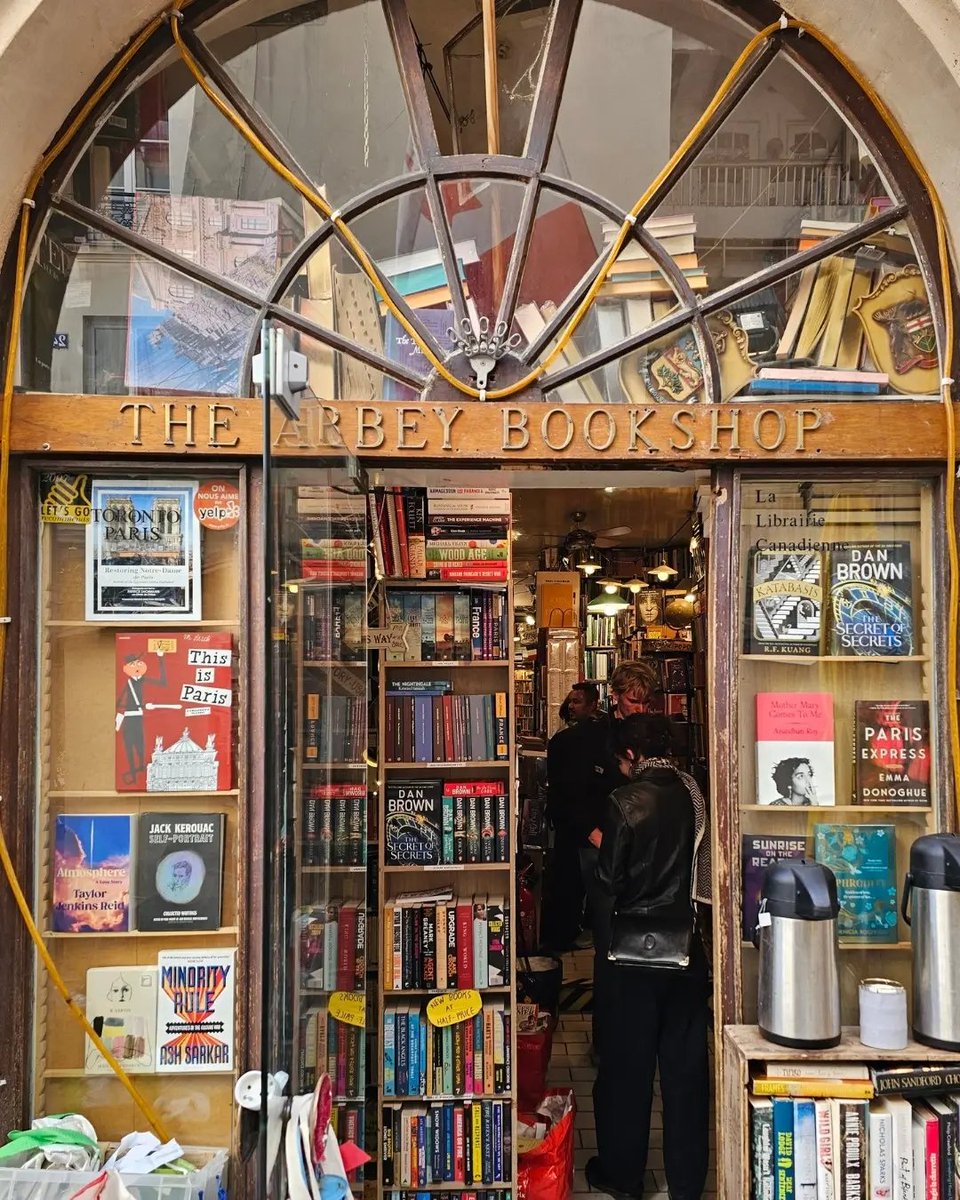
The fact that the Abbey Bookshop receives far less attention is something of a blessing. Most visitors head straight to Shakespeare & Company for selfies, suffocating crowds in the stacks, and overpriced coffee. In contrast, the Abbey offers genuinely good secondhand finds, and its wall-to-wall books make it a pleasure to browse at leisure.

Shakespeare & Company may get most of the attention, but it's not the only great English-language bookstore in Paris.
Just a short walk away in the Latin Quarter, the Abbey Bookshop has been attracting readers since 1989. Founded by Toronto native Brian Spence, the shop is packed floor to ceiling with more than 40,000 English-language titles, ranging from Canadian literature and academic works to popular fiction. The rows are narrow, everything is very "cozy", and the basement almost feels like a cave, which is all part of why it's such a fun place to browse.
The location has a literary history of its own. Rue de la Parcheminerie was once home to the scribes and parchment makers of medieval Paris, placing the bookshop in what was once the heart of the city's book trade. Today, it occupies the 18th-century Hôtel Dubuisson, a protected historic building with an elegant façade and doorway.
1
87
Jun 12
« Essayé de lire Gide, dont je devais devenir l'ami. N'ai pas pu. Ne le lui ai jamais dit. »
- Georges Simenon, Quand j'étais vieux (When I Was Old), 5 December 1960
"Tried to read Gide, of whom I was to become the friend. I couldn't. Never told him."
The friendship between Georges Simenon and André Gide was always warm yet asymmetrical - Gide was fascinated by Simenon's prodigious output and the "mystery" of a popular novelist who was also profoundly serious. Simenon for his part respected Gide's intellectual stature even though he struggled with his more cerebral style.
Indeed Simenon addressed André Gide as "Master" in later years and openly credited Gide with providing the crucial self-confidence he had always lacked: Gide made him feel that his work had real literary value. Gide was a passionate champion of Simenon's "romans durs," even declaring that he preferred La Veuve Couderc to Camus' L'Étranger. When asked which Simenon novel a beginner should read first, he famously replied: "All of them."
Jun 12

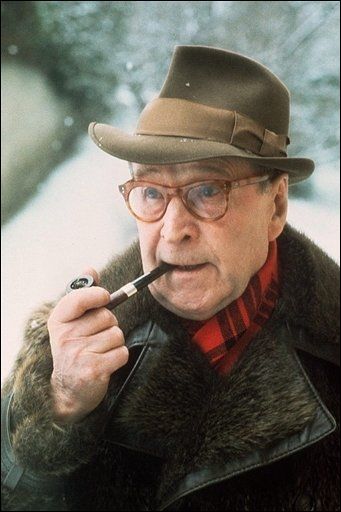
Georges Simenon, creator of Maigret. He published around 400 novels and 21 volumes of memoirs. André Gide wrote, “I consider Simenon a great novelist, perhaps the greatest, and the most genuine novelist that we have had in contemporary French literature.”
1
3
13
802
Jun 12
The name's Bond. Meta Bond.
Jun 11

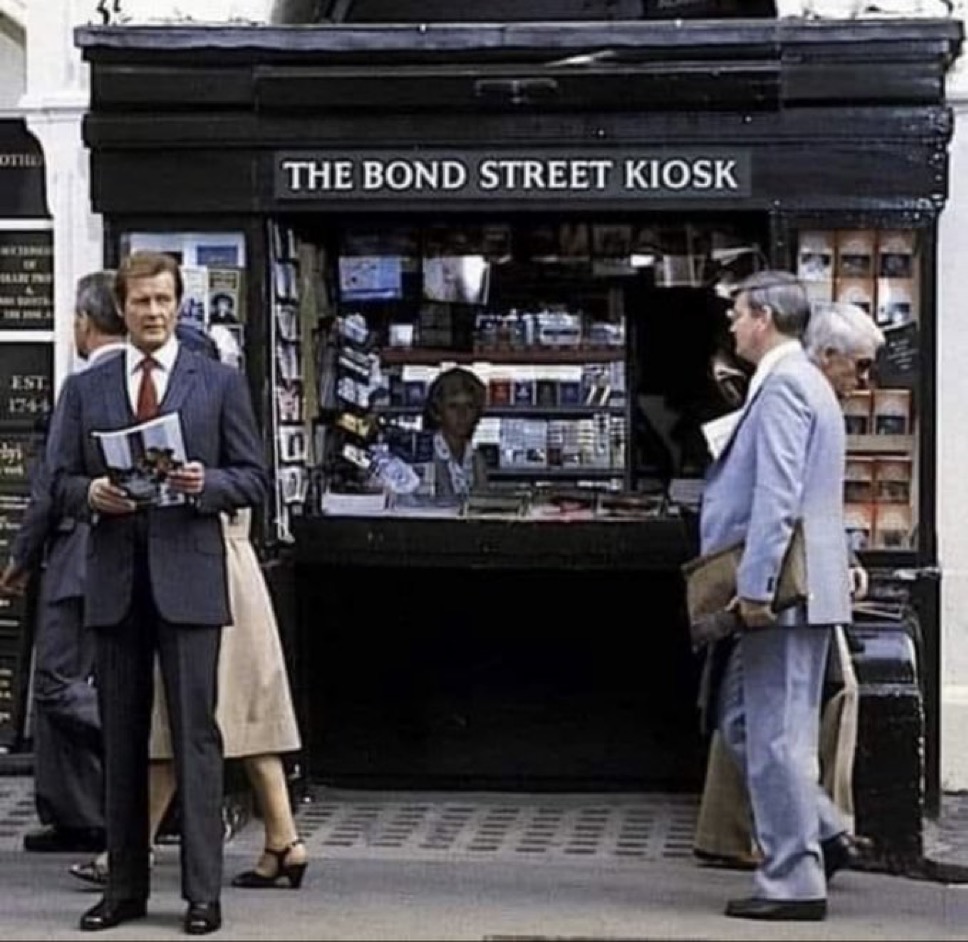
Toute la classe britannique de Roger Moore, sur Bond Street, Londres, pendant le tournage d'Octopussy (John Glen, 1983).
4
264
Jun 12
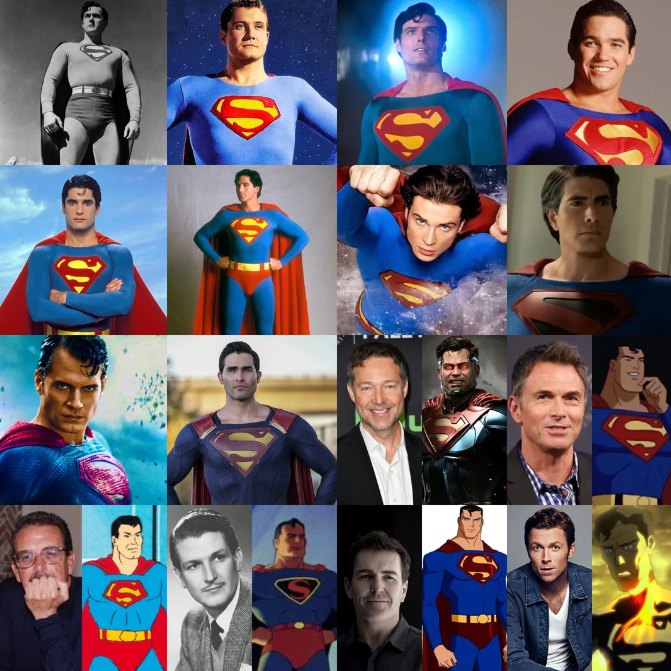
Christopher Reeve remains the only screen Superman who made the dual identity feel like a genuine division rather than a wardrobe swap. His Clark Kent was not merely bespectacled and mild, he carried himself with a deliberate slackness of shoulder and a voice pitched toward hesitation, as if being ordinary took quiet, daily work.
That restraint is what gave Superman's arrival its genuine power: when the spine straightened and the voice deepened, it wasn't a unveiling of hidden strength, but the deliberate end of an act he had chosen to keep up.
Later Supermen often play Clark as secretly confident or charming underneath the glasses, which flattens everything and robs the transformation of its weight. Reeve took the tougher route - he first convinced us that this man would genuinely rather stay small.
Moreover, what makes Reeve the definitive Superman was the movie itself. Richard Donner's Superman (1978) is the definitive superhero movie which deftly blends gravitas, humour, and nostalgia while being faithful to the source material. So many other film makers have struggled where Donner pitched it perfectly. It became the most influential superhero movie ever that paved the road for what came after with Marvel and DCU.

2
109
Jun 12
The first encounter between Welles and Hemingway occurred in a New York projection room during production of the pro-Republican Spanish Civil War documentary The Spanish Earth (directed by Joris Ivens, with Hemingway heavily involved in the narration/script). Welles, then about 22 and known for his Mercury Theatre work, was hired to narrate Hemingway's text.
The Parkinson clip captures Welles at his anecdotal best - articulate, humorous, and reflective. It's one of the best surviving windows into their shared connection as artists and on-off friendship.
There's this 2025 book called A Duel of Bulls: Hemingway and Welles in Love and War by Pete Carvill that digs deeper into their whole sparring dynamic - it's presented as a mostly true story.
Jun 11

This is Orson Welles talking about his friendship with Ernest Hemingway. Imagine if people were still this articulate.
1
7
498
Jun 12
I have always believed that art should be a deep pleasure. I think there is a contradiction in an art of total despair, because the very fact that the art is made seems to contradict despair.
- David Hockney
David Hockney was one of the most brilliant and influential artists of the modern era. He was a true master of radiant colour and technical virtuosity. Unlike many modern artists, he actually could draw. I fell in love with his Yorkshire landscapes as it reminded me of my childhood. He breathed joyful vitality into contemporary art and profoundly changed the way we see and celebrate the world.
RIP David Hockney (1937-2026)
Jun 12

Shocked to hear David Hockney has died. His huge achievement was to make serious painting look effortless. He carried forward one of the most sustained investigations into vision, space and representation by any post-war artist. British art has lost a giant.

4
13
773
Jun 12
Honoré de Balzac would have recognised the (fictional) Bernard and Chantal instantly if he wrote in the 21st century. In La Comédie Humaine, Balzac dissected Parisian society with forensic glee: the grasping landlords, the cash-strapped tenants, the bourgeois who measured a man's worth by the size of his furniture, and the eternal comedy of people judging each other's spending habits while clutching their own property deeds. Bernard is basically Balzac's boomer bourgeois observer reincarnated for the social media era. It's hilarious and I can't get enough of it.
Jun 10

Petit passage à l'improviste au studio du 11ème, on était dans le quartier.
Notre locataire n'a pas apprécié qu'on entre avec notre clé, mais c'est quand même chez nous !
Bernard a remarqué que sa télé est plus grande que la nôtre.
C'est le même qui demandait un délai pour le loyer en mars.
On ne juge pas, on observe...

1
104
Jun 12
History truly does rhyme.
Jun 12

1/2
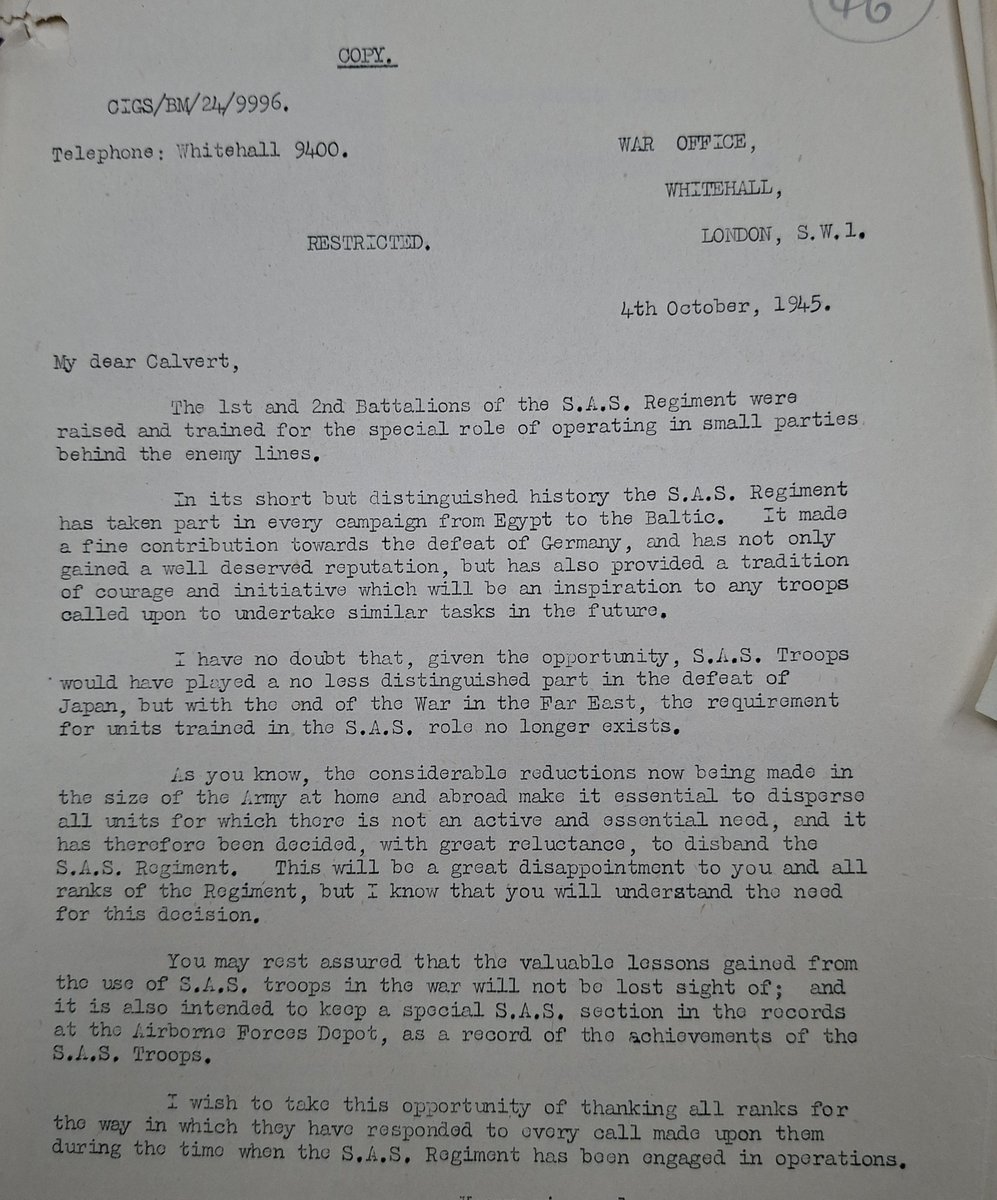
Brainless bean-counters have been a blight on the British military for years.
I unearthed this letter last week, from Field Marshal Alan Brooke, explaining why the Labour Government in October 1945 had decided to disband the SAS.
He tells SAS Brigadier Mike Calvert...
72
Jun 12
One of my favourite book store to visit in London.

AbeBooks turns 30 this year, and we're celebrating the booksellers who made it possible. Meet Pom Harrington of Peter Harrington, London's renowned rare bookshop specializing in first editions, signed copies, and literary treasures for over 50 years.
81
Jun 12
With the 2026 World Cup finally kicking off, nothing captures football's true spirit like Monty Python's philosophers' match. The sight of these philosophical titans furiously debating the offside rule of existence while the ball sits there like an unexamined life is hilarious. Easily one of my favourite Python sketches. It's not even debatable. It’s axiomatic.

Nietzsche contre Socrate. Marx contre Archimède. Hegel contre Aristote.
À l'occasion de la Coupe du Monde 2026, difficile de ne pas repenser au match de football opposant les plus grands philosophes de l'Histoire des Monty Python.
#WORLDCUP #FIFAWorldCup
2
132
Jun 11
Yes, this makes sense. I'm thinking of Marina Warner, in works such her brilliant From the Beast to the Blonde and Once Upon a Time: A Short History of Fairy Tale, who showed how deeply fairy tales are woven into realities of power, class, and hierarchy. Kings, queens, and royal courts aren't just decoration; they're the natural stage where ordinary folk navigate survival, ambition, and transformation. Think rags to riches, or the humble confronting tyrants. As Angela Carter wryly put it, a fairy tale is often "one king going to another to borrow a cup of sugar," blending grandeur with everyday life in ways that both reflect and quietly subvert the social order.
C.S. Lewis, a lifelong medievalist, loved this structured world for exactly the same reason. He saw fairy tales thriving on clear archetypes - giants, talking beasts, noble quests, and ordered realms - because they deliver moral weight and imaginative scale without needing modern psychology. Narnia itself is of course a hierarchical cosmos echoing the medieval "great chain of being," where everything from mice to Aslan has its place, creating that sense of wonder and greatness fantasy does best.
In short, both Warner and Lewis (and Tolkien beside him) understood that medieval-style settings aren't accidental - they give fantasy its ready-made architecture of nobility, order, and awe.
Jun 11

Fantasy does not have to have a medieval aesthetic, but it makes sense that this is the norm.
Fantasy requires hierarchy. There needs to be a sense of “greatness,” and medievalism makes this readily available.
5
228
Jun 11
Not quite The Great Escape, that masterpiece of stiff-upper-lip British boffin ingenuity and Steve McQueen heroically leaping motorcycles over barbed wire, but then, what is? John Huston's 1981 film is more like a Sunday league kickabout that has somehow strayed into a Stalag.
The climax was that kick. Pelé's bicycle kick - athletic poetry in motion, defying every law of gravity and cinematic probability - makes you forgive the preceding hour and a half of cheerfully ropey plotting.
Escape to Victory is no towering work of art, but it remains splendid fun in that daft, irresistible way a B-movie can achieve when it stops pretending to be high art and simply lets the absurdity entertain. The film has just enough genuine sporting grace to elevate the whole caper. It's the perfect film to watch during the World Cup.
Jun 11

Escape to Victory (1981) is a gloriously weird, star-studded blend of Hollywood and football royalty.
Sir Michael Caine said he took the part mainly to work with Pelé, whom he saw as a legend. Pelé agreed to do the famous bicycle kick just once, and once was enough.
1
127
Jun 11
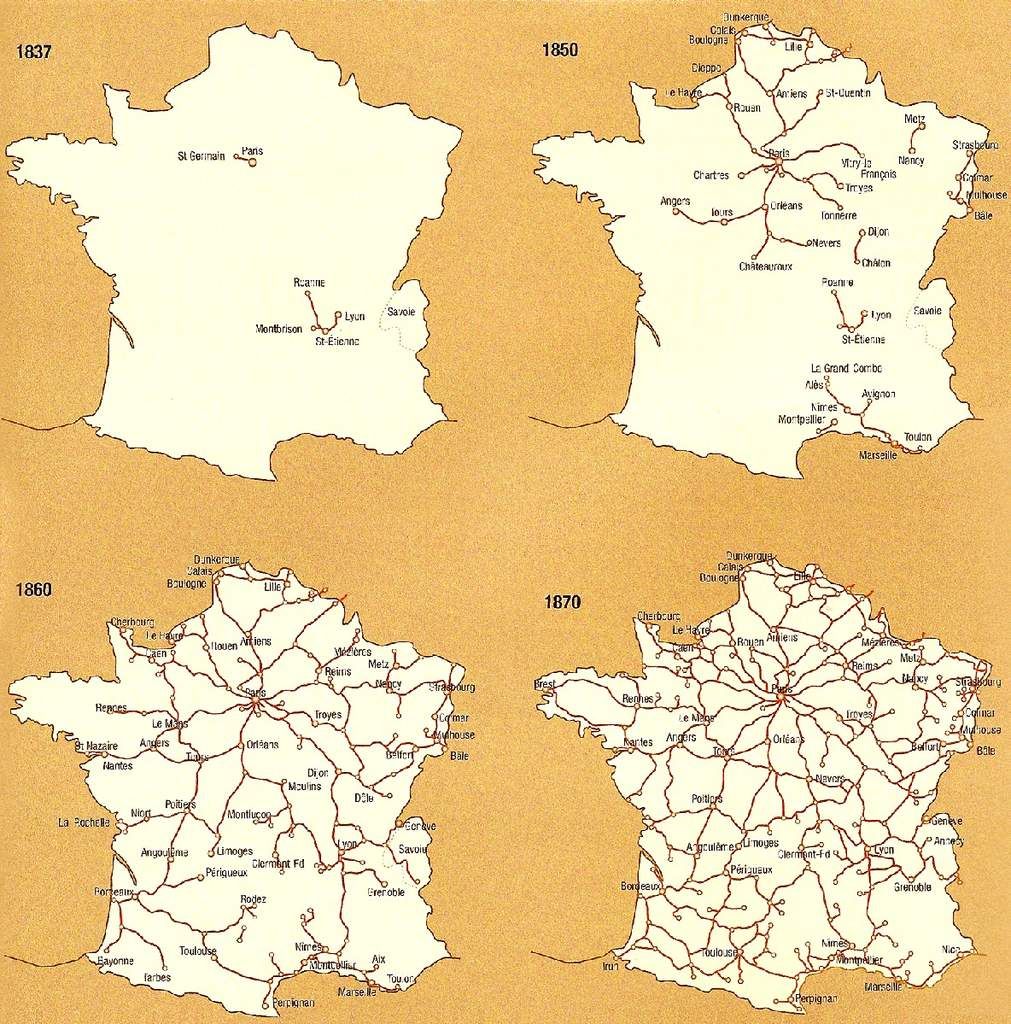
Legrand's star, enshrined in the 1842 railway law, remains one of the most durable creations of 19th century French centralism. Designed as a series of separate radial lines converging on Paris, it deliberately prevented any single company from dominating the network while ensuring that every major province was bound directly to the capital. Transverse routes were foreseen but always secondary; construction and capital followed the political logic of the star.
The result is a system whose geometry still governs French travel in the 21st century. Even today, the most practical journey from Bordeaux to Strasbourg passes through the Paris basin, using the interconnecting high-speed infrastructure that links the old south-western and eastern arms. Paris has never ceased to be the indispensable hub: what was true in the age of steam remains true in the age of the TGV.
A political decision taken in the 1840s continues to shape distances, journey times, and the very sense of French geography more than 180 years later.

Bordeaux-Strasbourg ? Passez par Paris. Lille-Lyon ? Paris. Ce n'est pas un caprice de la SNCF. C'est une loi, signée il y a 184 ans jour pour jour.
À l'époque, le rail français est à la traîne : 319 kilomètres de voies en service, quand l'Angleterre en a déjà concédé 2 500. Les capitaux manquent, l'État hésite, personne ne sait qui doit payer.
François Guizot, ministre de Louis-Philippe, tranche le 11 juin 1842. L'État financera les infrastructures, des compagnies privées exploiteront les lignes. Et un ingénieur des Ponts et Chaussées, Alexis Legrand, dessine le plan : sept grandes lignes partant toutes de Paris, vers la Manche, l'Atlantique, les Pyrénées, la Méditerranée et le Rhin.
On l'appellera l'étoile de Legrand.
Cette étoile a tout déterminé : le tracé des voies, la place des gares, la fortune des villes desservies et le déclin de celles qu'elle ignorait.
Aujourd'hui encore, regardez une carte des lignes TGV : l'étoile est toujours là. Pour aller de Bordeaux à Strasbourg, le plus simple reste souvent de passer par Paris. Une décision de 1842 commande encore vos trajets.
Vous l'aviez remarquée, cette étoile ?
104
Jun 11
Churchill's initial hostility towards The Life and Death of Colonel Blimp was based solely on a detailed synopsis, not the finished film. It is well documented in official papers and biographies such as Paul Addison's Churchill on the Home Front. Historians often describe it as a "bee in his bonnet"; a mix of wartime concern for army morale and his preference for unifying propaganda over anything that mocked British military tradition or "Blimpery."
By May 1943, officials from the War Office and Ministry of Information had viewed a rough cut and saw no reason to suppress it. The War Cabinet agreed. The film premiered in London on 9-11 June 1943. Contemporary reports in The Times and Daily Telegraph noted that Churchill attended the premiere and "appeared to be in excellent humour." Film historian James Chapman records that he also attended a special screening the night before with Grigg and Bracken. Powell was not present. Historian Richard Toye has observed that Churchill “could be magnanimous” in such moments.
After release, Churchill made a brief attempt to delay the film's export abroad (July 1943 memos to Bracken), but dropped the effort by August/September once the tide of war had clearly turned in the Allies' favour.
To me, it's a film I can never tire of re-watching. It's a great film because it is a profoundly humane, visually ravishing epic that follows one man’s life across four decades, gently challenging British notions of military tradition, honour, and fair play while celebrating friendship, love, and resilience in the face of a changing world.
Jun 10

A summary of the script of "The Life and Death of Colonel Blimp" (1943) found its way to Prime Minister Winston Churchill before the movie began production. He wrote to Minister of Information Brenden Bracken, "Pray propose to me the measures necessary to stop this foolish production before it gets any further."
Bracken was uncomfortable with Churchill's request, and responded that he had "no power to supress the film", stating that "in order to stop it the government would need to assume powers of a very far-reaching kind".
Michael Powell & Emeric Pressburger wanted Laurence Olivier to play the lead role of Clive Candy in the movie. But Olivier was prevented from being furloughed from the Navy by Prime Minister Winston Churchill. Churchill didn't want to bolster the production with an actor and star of Olivier's caliber, as he felt the movie was critical of a type of British patriot. Olivier was allowed to take a leave from the Navy to make a film about William Shakespeare's patriotic King Henry V in Henry V (1944). Roger Livesey was cast instead.
After the proposal to release Laurence Olivier was turned down by the War Office, Michael Powell asked the Minister Jack Beddington "Do you forbid us to make the film?"
He replied, "Oh, my dear fellow, after all, we are a democracy, aren't we? You know we can't forbid you to do anything, but don't make it, because everyone will be really cross, and the Old Man [Winston Churchill] will be very cross and you'll never get a knighthood."
Filming was made difficult by the wartime shortages and by Winston Churchill's objections leading to a ban on the production crew having access to any military personnel or equipment. But they still managed to "find" quite a few Army vehicles and plenty of uniforms.
In his autobiography, Michael Powell wrote,
"I have often been asked how we managed to obtain military vehicles, military uniforms, weapons and all the fixings after being refused help by the War Office and the Ministry of Information. The answer is quite simple: we stole them."
("The Life and Death of Colonel Blimp: The war film that Churchill tried to ban", Mark Allison, BBC, 2023, "A Life in Movies", Michael Powell, 1986 & IMDb)
P.S: On this day, 83 years ago, Michael Powell & Emeric Pressburger's "The Life and Death of Colonel Blimp" (1943) premiered in London, UK.
2
147
ithaca rising 🇫🇷 🇬🇧 retweeted

Jun 11
While soft power is important, when the crunch comes only hard power matters.
Equally, once you lose hard power over time your soft power starts to dissipate as well.
This is a reality we - stupid country that we are - is forced to relearn, at great cost in blood and treasure, when the metal begins to fly. Every. Single. Time.
spectator.com/article/securi…
8
22
132
8,531
Jun 10
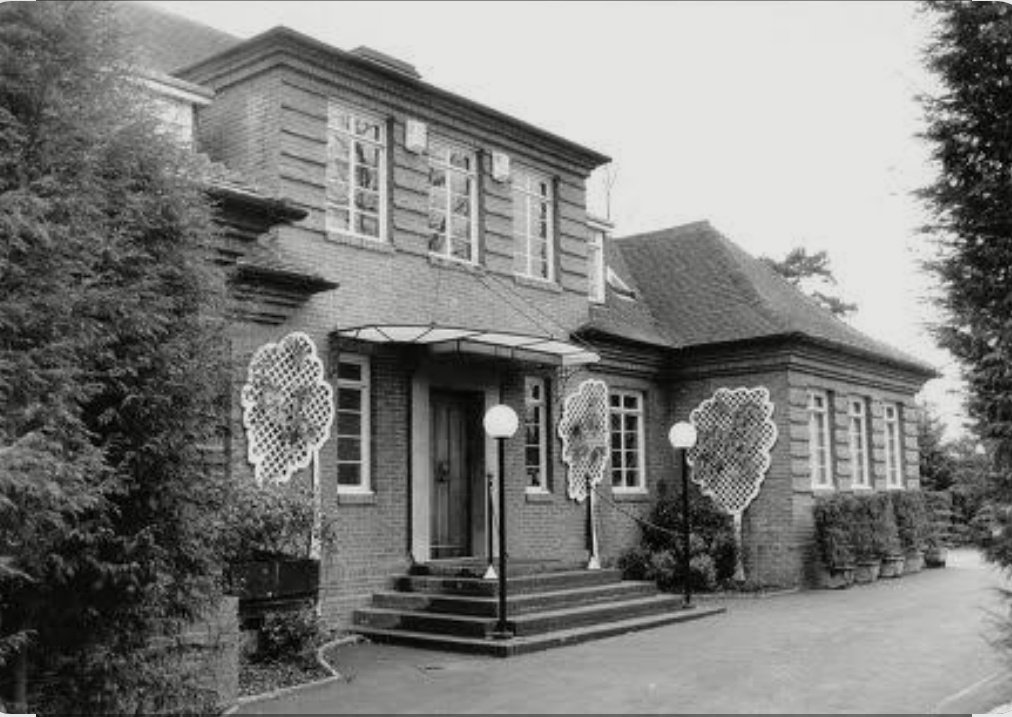
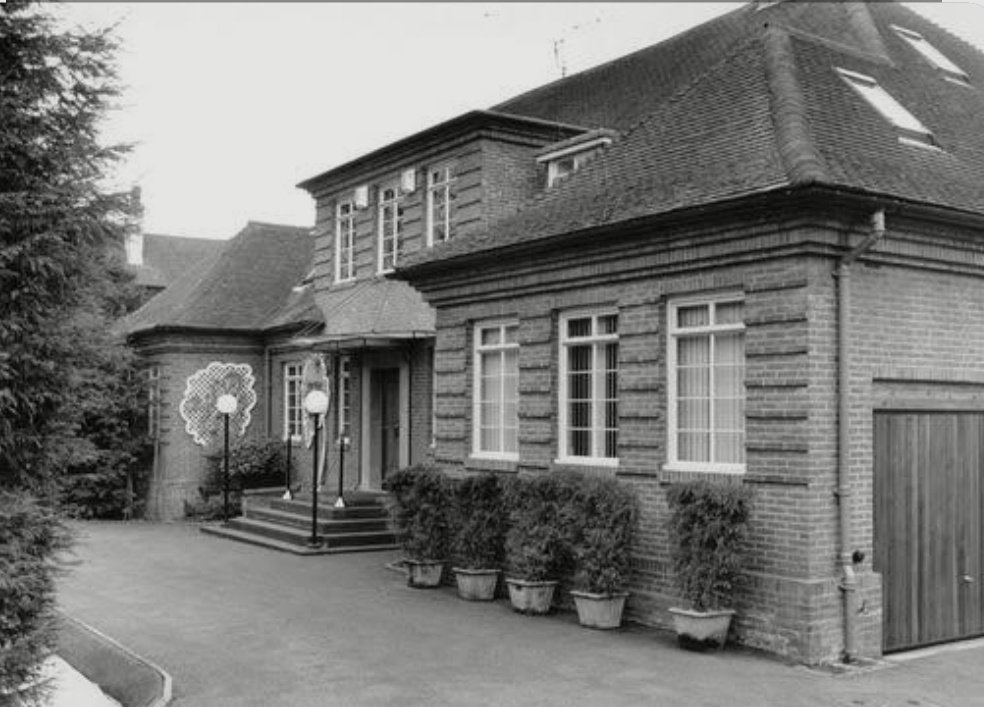
The house last sold in December 2022 for £2.36 million. Unsurprisingly, English Heritage has shown no enthusiasm for erecting a blue plaque commemorating its former infamous resident, Joachim von Ribbentrop.

A house in Pinner NW London built in 1936 for Joachim von Ribbentrop. At the time he was the ambassador to Britain and wanted a weekend retreat from the embassy in Carlton House Terrace. The architect and materials were German. Named 'Sans Souci' after the Potsdam palace.
1
2
119