
Director of Communications @JINSAdc | past @BPC_Bipartisan | California conservative in exile | views vantage-dependent.
Joined August 2009
- Tweets 4,392
- Following 1,843
- Followers 492
- Likes 1,632
341 Photos and videos







Jun 13
Jun 12

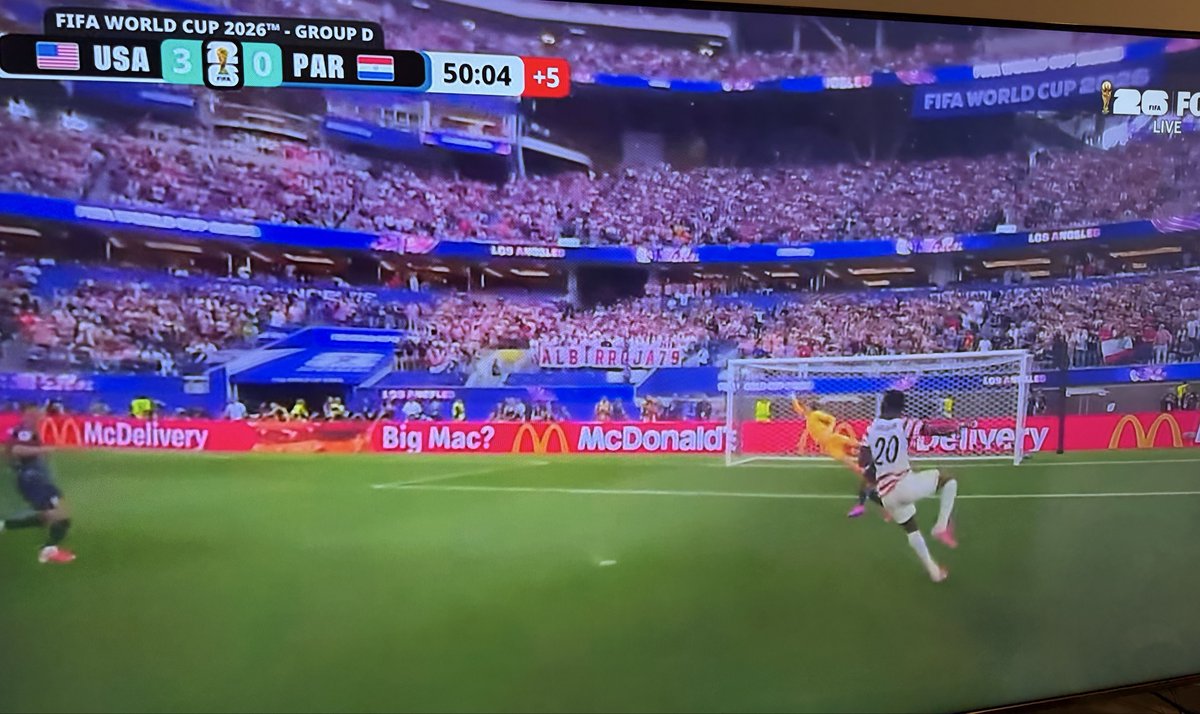
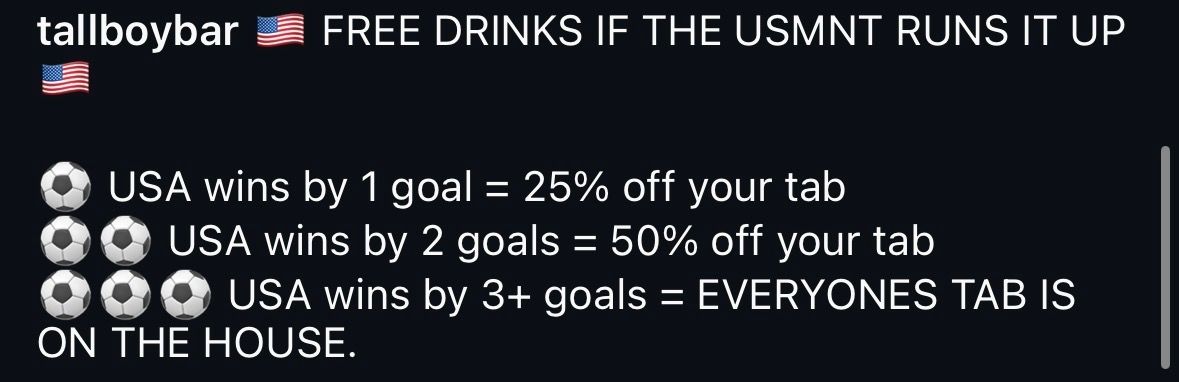
Tallboy will reward those who watch US match tonight with them if US wins. 25% off tab if win by a goal, 50% off if win by 2 goals, free tab if 3 or more.
40

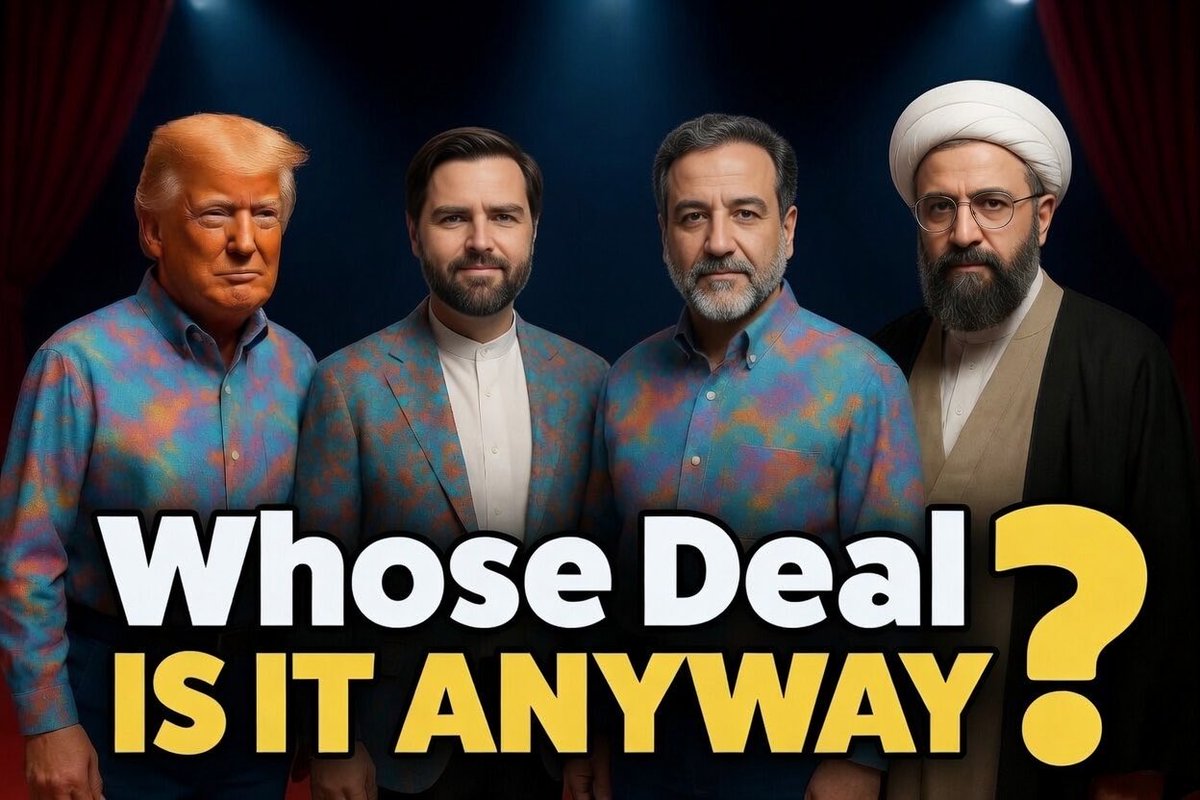
Whose Deal Is It Anyway🇺🇸🇮🇷?
Where terms are made up and the outcome doesn’t matter!
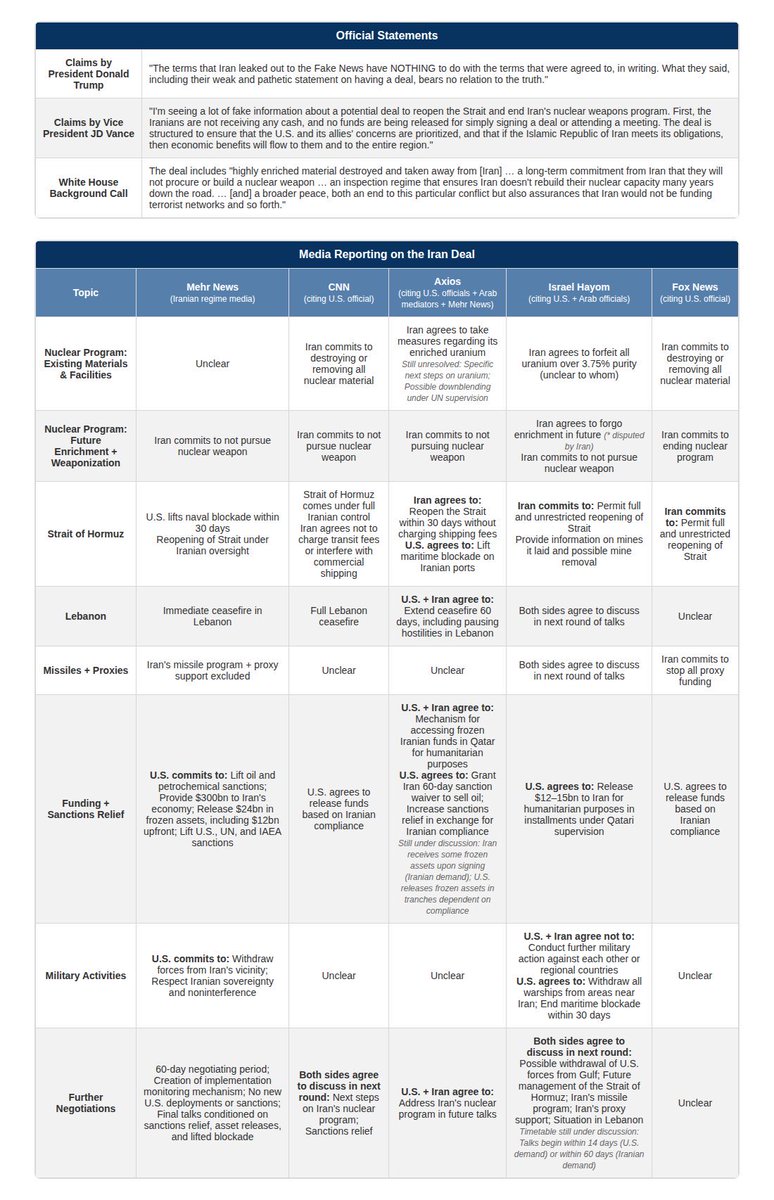
News outlets, speaking to unnamed officials, negotiators, & the White House have produced wildly conflicting frameworks.
👀It's so confusing, we created an infographic just to keep track.
1
5
10
687
The details of a deal between Iran and the United States is unclear.
What is clear, is that Iran has violated EVERY nuclear agreement they've signed on to.
@BlaiseMisztal explains to @MarkieMartin @NewsNation
3
3
229
Blake Johnson retweeted

Jun 11
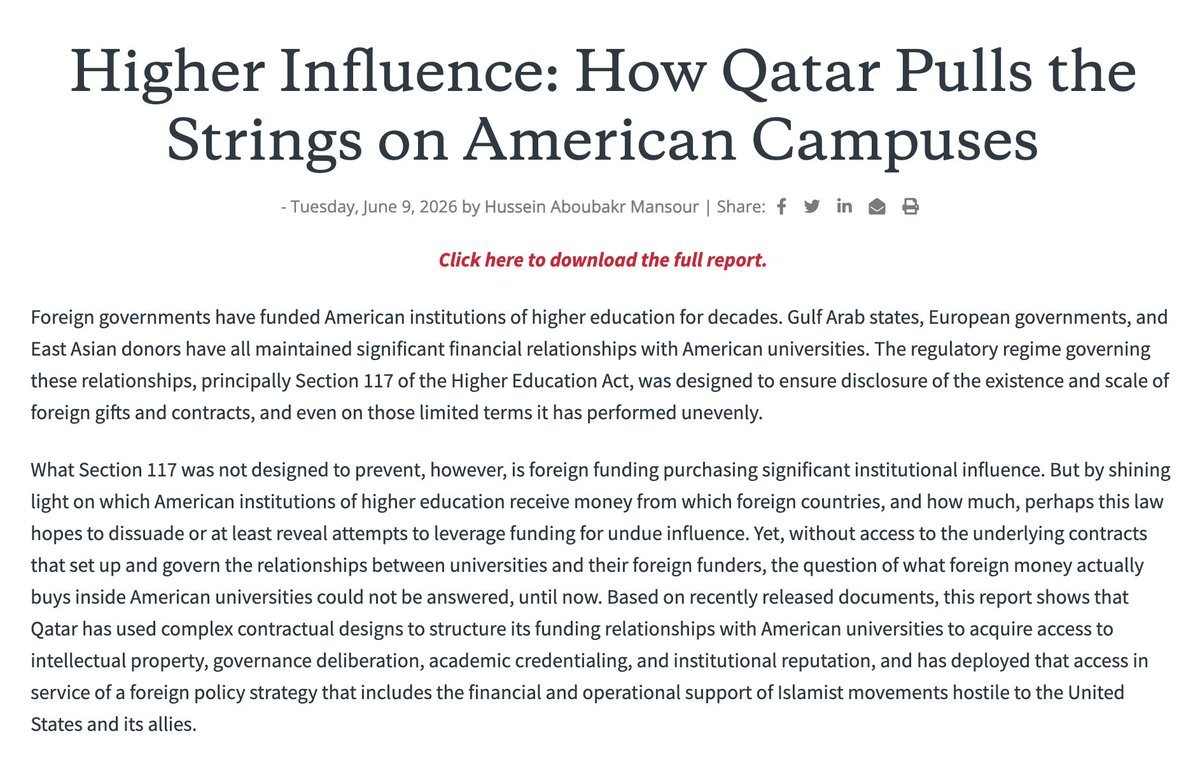
A new report from @jinsadc highlights that Qatar’s billion-dollar ties with U.S. universities go beyond philanthropy, citing access to research, governance, and programming at elite schools.
Foreign influence should not have access to America's higher education.
8
60
150
7,442
Jun 11
Tartan Army finding out the hard way that JD Vance is no Supporter of the Scottish Enlightenment.
73
Blake Johnson retweeted

From late 2024, as Corsair broke cover: axios.com/2024/10/30/saronic…
"What we're watching: Will the company's mass-production plans match Pentagon dollars? And how will Corsair, fresh off the factory floor, perform under fire?"

🌊 Corsair, unveiled in October 2024, is 24 feet long. It can travel 1,000 nautical miles, carry 1,000 pounds and hit speeds greater than 35 knots.
Saronic CEO Dino Mavrookas started his career in the Navy and spent years with SEAL Team Six.
@axios axios.com/2026/06/09/drone-b…
1
6
3,118
Blake Johnson retweeted
☢️ Oak Ridge and Y-12 are home to deep U.S. expertise in uranium processing and centrifuge technology.
In the past, nuclear materials and equipment — including from Kazakhstan and Libya — have been routed through Tennessee.
@axios, with @BarakRavid axios.com/2026/06/05/iran-oa…
2
6
12
2,873
Blake Johnson retweeted

Jun 1
NEW @jewishinsider via @emilyfjacobs: "JINSA CEO Michael Makovsky: ‘U.S. has lost the plot on Iran’"
jewishinsider.com/2026/06/mi…
4
10
29
4,934
In response to media reports on the details of a near-final 60-day U.S.-Iran MOU, JINSA President and CEO @MichaelMakovsky encourages President Trump to reject it and issued the following statement:
If the reported details of a proposed U.S.-Iran MOU are broadly accurate, it would represent a loss of American nerve and damaging strategic reversal in recent American policy, abandoning many of President Trump’s prior redlines, undercutting many of the tremendous achievements of the military campaign, and undermining U.S. credibility.
I hope President Trump recognizes the enormous dangers posed by this reported MOU and rejects this disastrous arrangement. He should reverse course and restore American credibility by resuming military action that further weakens Iran’s conventional military and nuclear capabilities, ensuring the freedom of commerce through the Strait of Hormuz, maintains economic pressure on the Tehran regime, and supporting Iranians seeking to bring about the regime’s collapse, which is the ultimate strategic prize for the United States.
The U.S.-Israeli military campaign made major advances in curbing Iran’s ability to project power and weakening the regime, for which both countries’ militaries and political leaders are to be commended. However, rather than degrading Iran further, this deal would strengthen and enrich it, thereby prolonging its survival.
Comparisons to President Barack Obama’s 2015 JCPOA would be immediate and deserved. The United States would again be financially rewarding the Tehran regime to negotiate on its nuclear program while not addressing Iran’s missile capabilities or its aggressive regional activities.
In some respects, this agreement is worse than the JCPOA, since the United States would be relinquishing leverage accumulated through 38 days of direct military confrontation, strategic isolation, maritime pressure, and visible deterioration of Iran’s internal and regional position.
If Iran would not agree to acceptable American terms on its nuclear program during a ceasefire — while facing a blockade, economic strangulation, internal instability, and the credible prospect of renewed severe U.S.-Israeli military operations — there is no serious reason to believe lifting that pressure will produce a better outcome.
Without the complete, permanent, and verifiable dismantlement of Iran’s entire nuclear program, the regime’s pathway back to nuclear weapons capability is preserved and will restart, no later than after President Trump leaves office.
The Iranian regime and its supporters will rightly see this agreement as a victory over the United States, emerging not only intact but with new life thanks to the unfreezing of assets, the resumption of significant oil sales (mostly to China), and effective control over the Strait of Hormuz. President Trump would also be abandoning the Iranian population, with whom he has repeatedly expressed solidarity and support, by rescuing this brutal and corrupt regime from collapse.
It betrays Israel, our full-fledged partner in the war, which reportedly opposes this deal and was given little say in it. Israel will undoubtedly need to conduct another military action against Iran at some point to undo the damage from this deal. Israel also cannot be expected to adhere to any Iranian veto over Lebanon, and will be compelled to maintain its military action against Iran’s terrorist proxy Hezbollah that continues to threaten Israel’s northern towns.
The MOU also leaves exposed our Gulf Arab allies to an emboldened Iran as America retreats from the region.
The lesson for the rest of the world will be that America can be coerced through brinkmanship, defiance, and threats to maritime commerce and energy markets. China will take note and is a clear winner, and Taiwan a loser.
There should be no memorandum of understanding, interim deal, or partial arrangement with the Tehran regime, as it will not be worth the paper it is written on.
(1/2)
8
56
137
19,644
Blake Johnson retweeted

May 24
🚨🇺🇸🇮🇷Exclusive: What's inside the Iran deal Trump is close to signing. All the details in my story on @axios
axios.com/2026/05/24/iran-de…
103
140
399
914,022
May 22
Bursting the internet bubble 👇 from the past 24 hours.
May 22

Exclusive sit-down with Admiral Bob Harward after the @FoxNews mask controversy - thanks for being a great sport Bob! Turns out Bob is a Frogman - NOT a Lizard Person. 😂😂😂 @shieldaitech
1
1
65
JINSA's VADM "Fozzie" Miller, USN (ret) asked by @HARRISFAULKNER about 🇺🇸strategy on renewed military ops:
"What I would expect though is immediate pressure on their leadership..." decapitation strikes; target command & control; hit Iran's 🇮🇷 assets along the Strait of Hormuz.
1
6
4
523
JINSA's Gen Chuck Wald, USAF (ret) tells @johnrobertsFox, “We should go back in” and end the Iranian threat.
3⃣ things the U.S. needs to address:
⚔️Iran’s military capacity to threaten GCC countries & Israel
🚢Opening the Strait of Hormuz
☢️ 🇮🇷 nuclear program
2
10
11
1,633
Today’s update on Operations Epic Fury and Roaring Lion.
Trump will convene his national security team to discuss military options on Iran—as Tehran resumes attacks across the Gulf and moves to tighten control over Hormuz.
Key developments 🧵
jinsa.org/jinsa_report/opera…
1
5
3
240
May 15
Respect the @chargers for taking a shot at the @Ravens over that dirty trade shenanigans with Mad Maxx in their NFL schedule release.
#raidernation
91
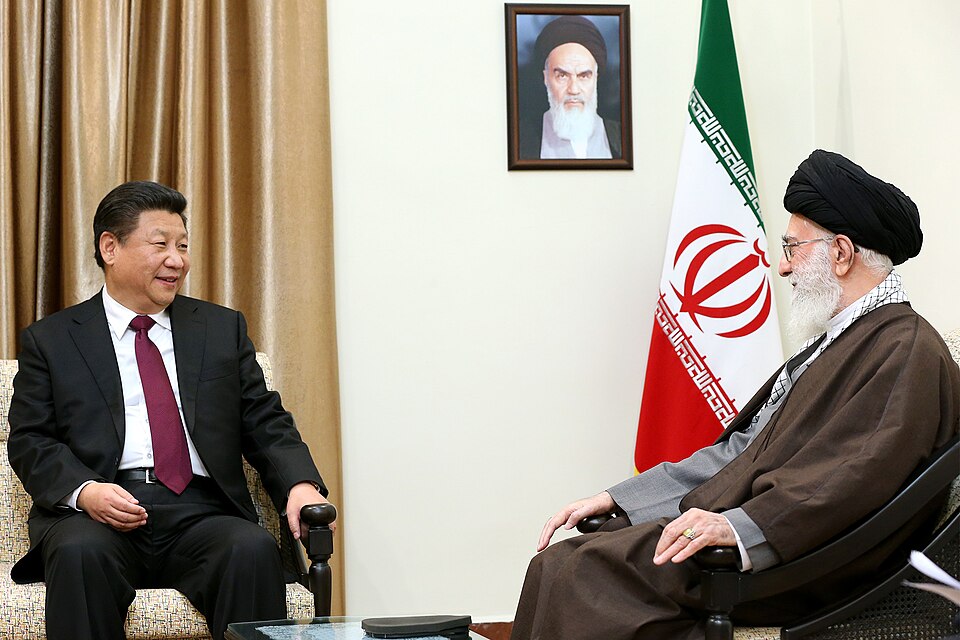
The White House says Xi told Trump that 🇨🇳 supports keeping the Strait of Hormuz open, opposes Iranian coercion in the Gulf, and agrees Iran can never have a nuclear weapon.
Now Beijing must prove it.
@RenaGabber & @Jonah_Brody show how China sustains Iran’s war machine 🧵
1
4
2
260

There was no genocide. There was no famine. And there are no rape dogs. But on October 7, 2023 Hamas and other Palestinian raiders launched a war with mass rape and murder. Many filmed their atrocities. Here is a conclusive report documenting that horror. cc4e0711-9401-400e-ae14-65ae…
413
913
3,600
68,103
Blake Johnson retweeted

May 14
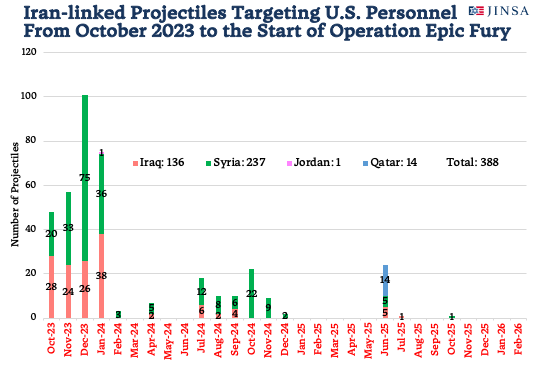
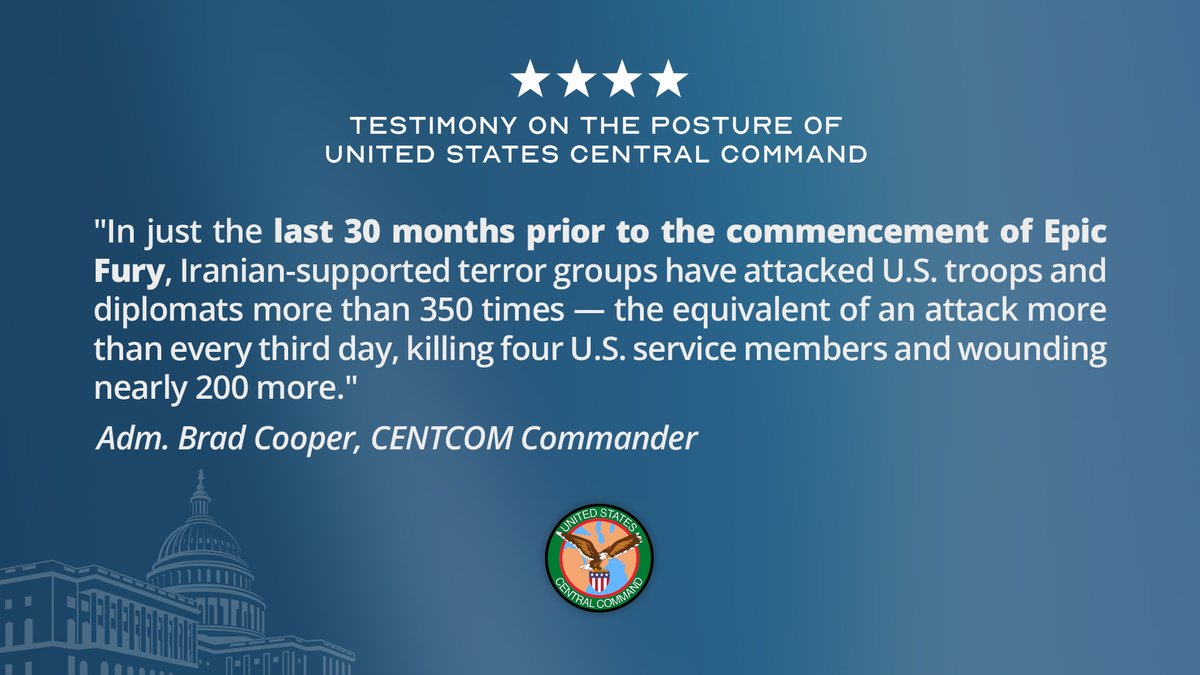
Between October 2023 and the start of Operation Epic Fury, @jinsadc data tracked 388 rockets, missiles, and drones that Iran or its proxies launched at U.S. personnel located at bases in the Middle East.
May 14

4
294
May 13
That is some pretty disgusting behavior.
May 13

New: Sen. Rand Paul’s son drunkenly accosted and hurled anti-Semitic insults at Rep. Mike Lawler at a Capitol Hill bar on Tuesday night.
His son told Lawler that if Rep Thomas Massie loses, it’s going to be because of “your people.”
“My people?” Lawler asked Paul.
“Yeah, you Jews,” Paul responded.
“Do you think I’m Jewish?” Lawler asked. “I’m not.”
“Oh wow, I’m so sorry for calling you a Jew,” Paul said.
He then said that Jews were “anti-American” and how Lawler and his “Jewish supporters” served Israel more than America.
notus.org/congress/william-p…
40
The Abraham Accords 🇦🇪🤝🇮🇱 yielded tangible benefits for the UAE, when Israel sent its prized air defense system, Iron Dome, to the Emirates.
Read @AriCicurel's analysis of their growing relationship
🔗jinsa.org/jinsa_report/iron-…
May 13

NEWS via @CBSNews: Israel's Benjamin Netanyahu made a secret visit to the United Arab Emirates recently, where he met with Mohammed bin Zayed, the country's president, per sources.
Netanyahu's office later acknowledged the trip, saying in a statement that it "resulted in a historic breakthrough in relations between Israel and the United Arab Emirates."
Spokespeople for the UAE did not immediately comment.
5
2
350