
ivWatch, LLC - a medical device and biosensor company focused on improving patient safety through early detection of IV infiltrations and extravasations.
Joined April 2015
- Tweets 1,612
- Following 1,013
- Followers 701
- Likes 760
1,043 Photos and videos
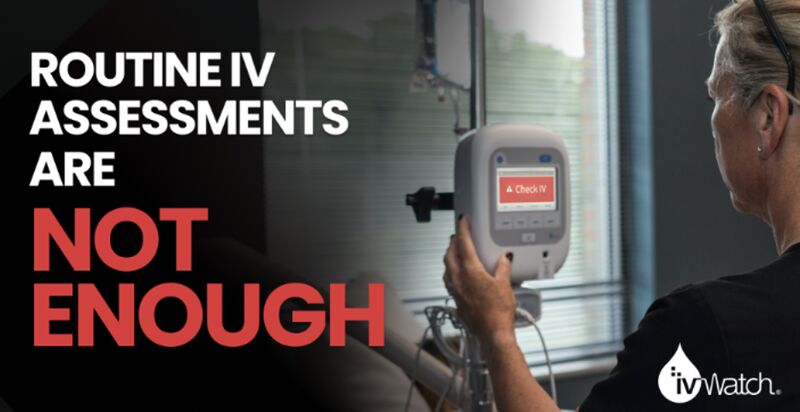

ivWatch is redefining IV therapy safety. The world’s only continuous IV monitoring system is clinically proven to detect infiltration and extravasation events before visible signs appear, ivWatch helps prevent severe IV harm before it happens.
Backed by decades of research and clinical validation, ivWatch continuously monitors IV site integrity in high-risk care settings. IV therapy is one of the most common procedures in healthcare, yet studies show up to 50% of IVs fail before treatment is complete, resulting in pain, tissue injury, prolonged hospital stays, and higher costs.
Using a non-invasive sensor technology and a predictive algorithm, ivWatch empowers clinical teams to intervene early, improve patient outcomes, reduce liability, and drive cost savings—setting a new standard of care for IV therapy.
Our mission is bold: STOP IV HARM.
Watch the video and schedule a demo to see ivWatch in action: ivwatch.com/request-a-demo/
#IVSafety #PatientSafety #HealthcareInnovation #MedTech #NursingTechnology #InfiltrationDetection #ContinuousMonitoring
#ClinicalExcellence #HospitalSafety #VascularAccess
#InfusionTherapy #AvoidableHarm
1
2
38
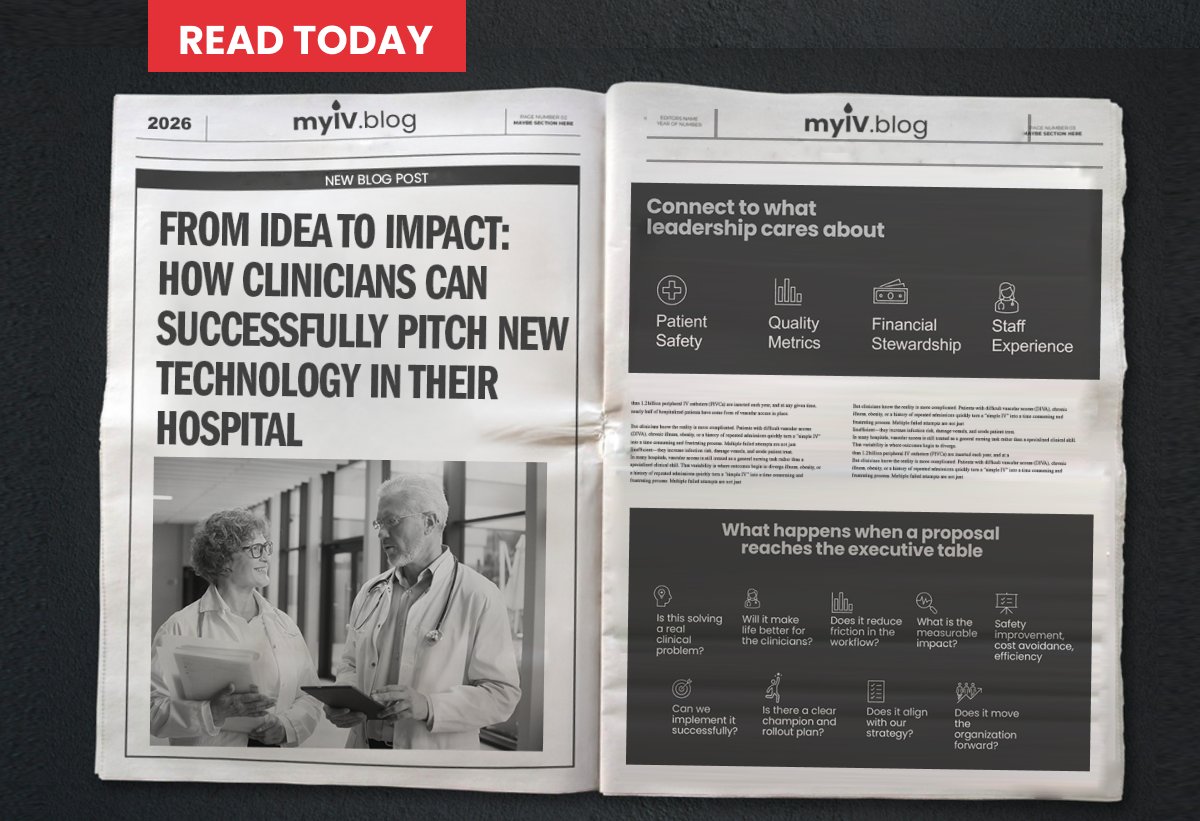
Clinicians spot problems early. You see workflow gaps, patient safety risks, delays, burnout triggers, and inefficiencies long before they show up in a dashboard.
But many strong ideas never move forward because they’re presented as:
· “This is frustrating”
· “We should fix this”
· “Patients don’t like it”
Executives usually need something different:
· Measurable impact
· Operational alignment
· Financial relevance
· Strategic fit
· A clear implementation path
Here’s a framework clinicians can use to turn frontline observations into executive-ready pitches. ivwatch.com/2026/06/02/from-…
#NursingLeadership #PatientSafety #HealthcareInnovation #ClinicalLeadership #HospitalLeadership
4
Iron deficiency anemia affects up to 1 in 3 pregnant women globally—yet one of its most preventable complications is often overlooked.¹
While IV iron therapy is helping clinicians act faster, it also introduces a serious risk: extravasation injuries that can cause permanent skin damage and lasting psychological impact.
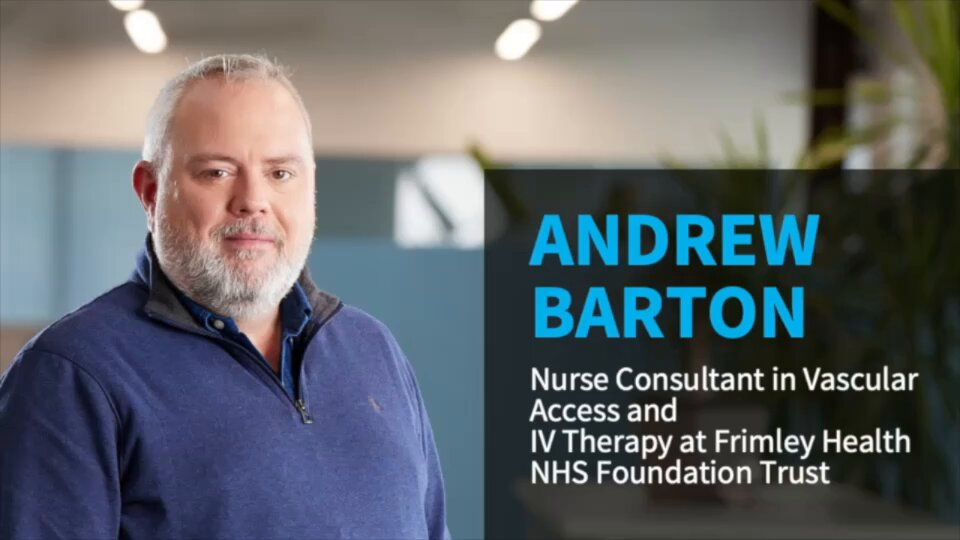
At Frimley Health NHS Foundation Trust, Andrew Barton and team took a different approach—combining awareness, protocol, and continuous monitoring technology.
The result?
- Zero iron extravasation injuries after implementation
- Earlier detection and improved patient safety
Andrew Barton is helping pave the way forward with the NIVAS IV safety toolkit—where ivWatch is part of the solution.
Read more about Iron extravasations here: ivwatch.com/2025/07/28/iron-…
1. lnkd.in/e4Ziknvz
#PatientSafety #MaternalHealth #VascularAccess #IronDeficiency #ClinicalInnovation #MedTech
4
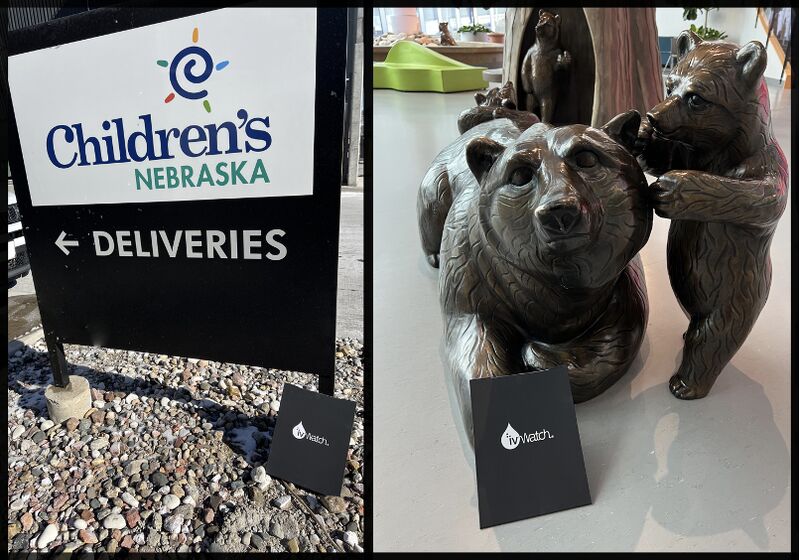
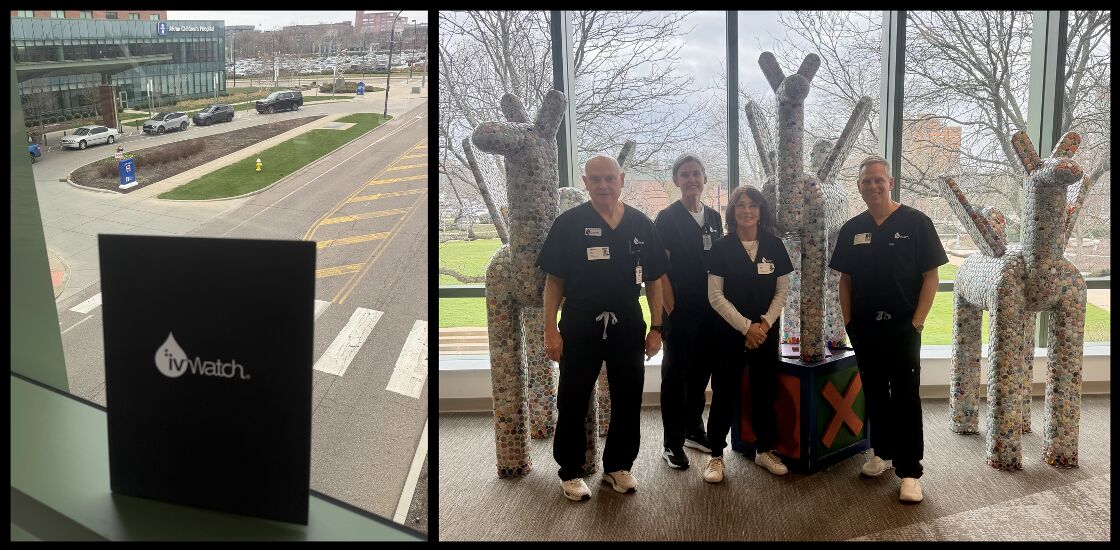
Peripheral IV infiltration and extravasation injuries remains a significant patient safety challenge across the U.S. healthcare system—particularly in pediatric settings, where patients are most vulnerable and early signs are often harder to detect.
Addressing this risk requires more than awareness. It requires proactive, system‑level approaches that strengthen IV therapy practices and reduce preventable harm.
ivWatch is proud to partner with leading pediatric hospitals that recognize the urgency of this issue and are taking meaningful steps to improve safety for their youngest patients.
#PatientSafety #Pediatrics #ChildrensHospitals #IVTherapy #IVSafety
3
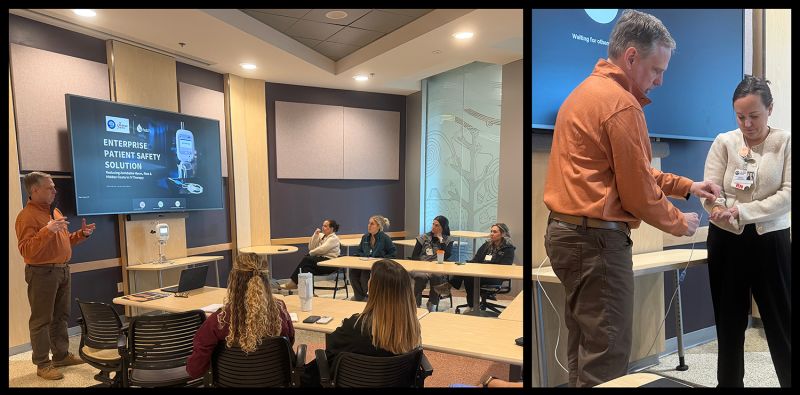
Improving IV safety takes more than new technology—it requires a shift in how teams approach infusion care. Real progress happens when innovation is paired with clinician education, collaboration, and a shared commitment to patient safety.
By working alongside clinical teams, we’re helping address preventable IV infiltration and extravasation events through a proven, proactive approach that supports earlier intervention, greater clinician confidence, and better outcomes.
This is about building safer systems, empowering nurses, and raising the standard of IV therapy—together.
#ivWatch #PatientSafety #IVTherapy #InfusionCare #NurseDriven #ClinicalSupport #HealthcareExcellence
3
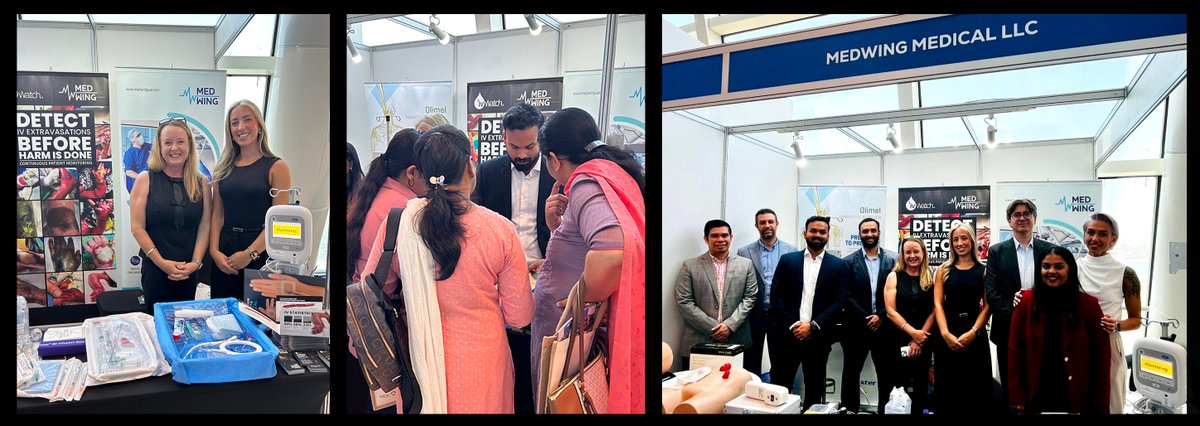
Fresh energy out of the Emirates Critical Care Conference in Dubai, where IV safety and innovation took center stage.
It's energizing to see critical care teams leaning into proactive strategies to reduce extravasation risk and advance safer peripheral vasopressor practices.
The focus on earlier detection and continuous monitoring is gaining real traction—and driving meaningful progress in patient safety.
More to come as this momentum builds.
18
Join our movement to end avoidable IV harm.
ivWatch is advancing IV therapy safety worldwide by partnering with hospitals and healthcare leaders that are evangelists for change. We’re bridging clinical practice with smarter technology to advance patient safety priorities.
Each interaction, each visit, and each implementation of our product moves us closer to a shared goal: empowering clinicians, improving outcomes, and raising the bar for infusion care no matter where in the world IV therapy is needed.
#IVExtravasation #IVTherapy #PatientSafety #InfusionSafety #HealthcareTechnology
7
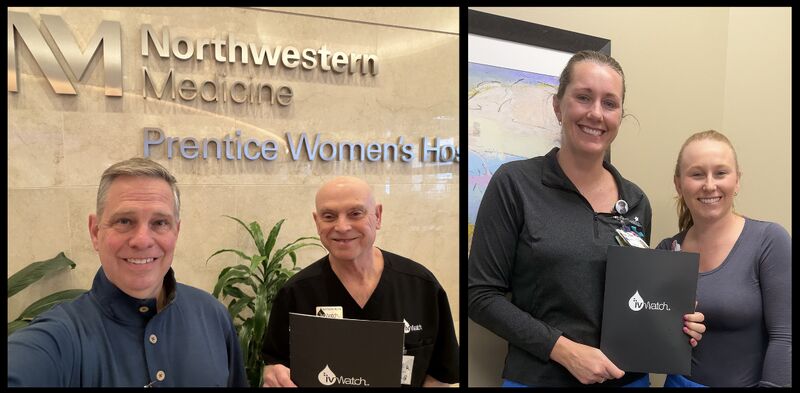
We’re proud to work alongside healthcare teams who are redefining what’s possible in IV therapy. Through early detection technology and real-time data, clinicians are empowered to identify risks sooner, take action and deliver safer care.
#IVInnovation #PatientSafety #ClinicalExcellence #IVTherapy #ivWatchOnTheRoad
4
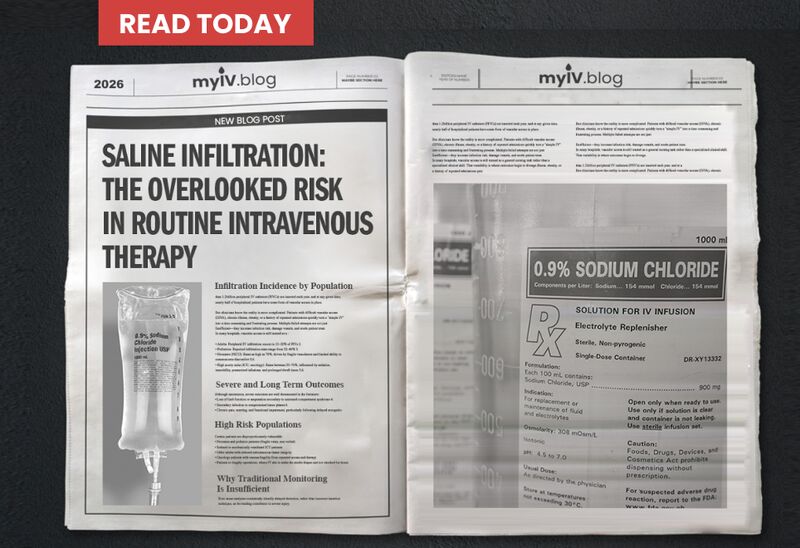
Normal saline may be classified as low risk — but a missed infiltration can still lead to devastating patient harm.
Complications can escalate quickly—compartment syndrome requiring an emergency fasciotomy, nerve ischemia and compression leading to sensory or motor deficits, and even skin necrosis requiring surgical debridement.
Our latest article explores:
• Why saline infiltration remains underrecognized
• The mechanism behind serious tissue injury
• Which patient populations are most vulnerable
• Why delayed detection is the real systems problem
• Evidence-based prevention and monitoring strategies
Early detection matters — even for “low-risk” fluids.
Read more: ivwatch.com/2026/05/26/salin…
#PatientSafety #IVTherapy #VascularAccess #Salineinfiltration
#SodiumchlorideIV #InfusionNursing #HealthcareInnovation
27
It has never been more evident that the current standard of care in IV therapy is falling short. As IV infiltration rates continue to rise, relying on visible injury before taking action remains an outdated practice.
In today’s clinical environment, technology must evolve to meet the urgency of patient safety. That’s why we developed ivWatch—a clinically validated, continuous monitoring solution that evaluates IV sites five times per second, identifying risk at the earliest onset of an IV injury, before visible signs appear.
Learn how ivWatch technology is transforming IV care and helping clinicians detect infiltration sooner: ivwatch.com/
#IVTherapy #IVSafety #ExtravasationAwareness #VascularAccess #PatientSafety
1
5
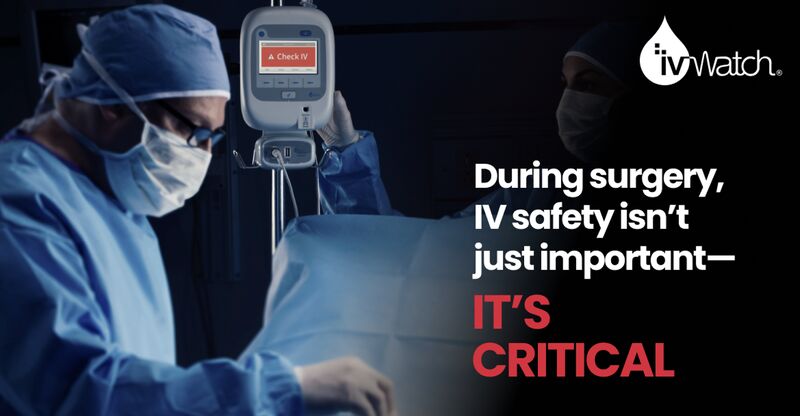
In the operating room, IVs go unchecked for hours. This is when patients are their most vulnerable.
In these moments, early detection is critical. Relying solely on intermittent checks can leave teams without visibility and create harm over hours before identified. That’s scary for physicians, clinicians and patients alike. This harm is avoidable.
Continuous IV site monitoring gives surgical and anesthesia teams greater awareness—helping identify issues sooner and safeguard patients throughout the procedure.
Early detection plays an important role in protecting patients during surgery—particularly when IV complications are difficult to see in real time. Learn more about how continuous IV monitoring supports patient safety: ivwatch.com/evidence/
#PatientSafety #SurgerySafety #Anesthesia #IVSafety #ClinicalReliability
4
The time for change is now.
We must evolve beyond the age-old practice of 'trust the flush'. It is no longer sufficient to rely on saline flushes and blood return to verify proper IV placement, as they can miss early signs of infiltration, exposing patients to the dangers of extravasations.
It’s important to understand why “trusting the flush” could set you up for failure.
Discover other factors that contribute to IV infiltration and extravasation by reading our full article: ivwatch.com/2025/01/16/ivs-f…
#patientharm #ivtherapy #ivextravasation #ivwatch
31
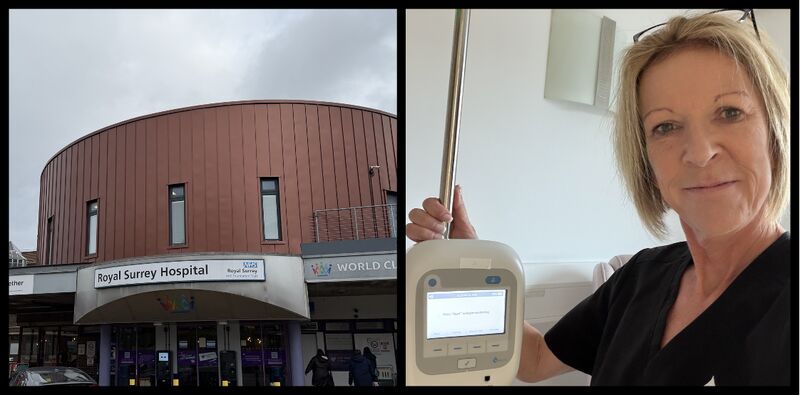
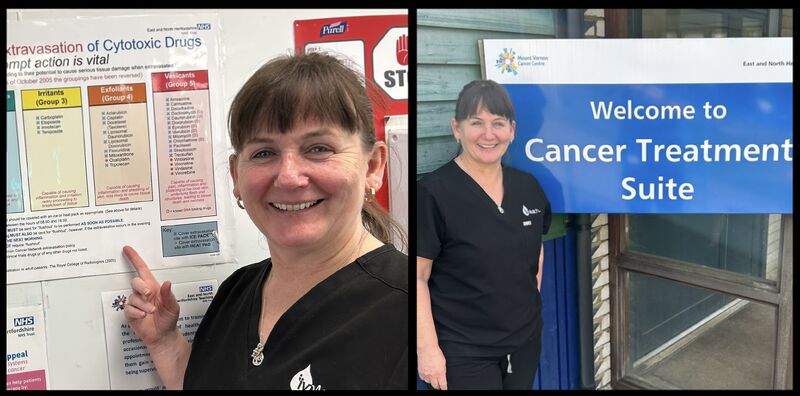
Working alongside NHS care teams means focusing on what matters most: shared learning, practical support, and safer care at the bedside.
Through collaboration and hands‑on education, ivWatch supports a more proactive approach to IV therapy—helping teams recognize risk earlier and protect patients from avoidable harm.
Proud to partner with teams committed to raising standards in IV safety.
#ivWatch #PatientSafety #IVTherapy #NHS #InfusionCare
10
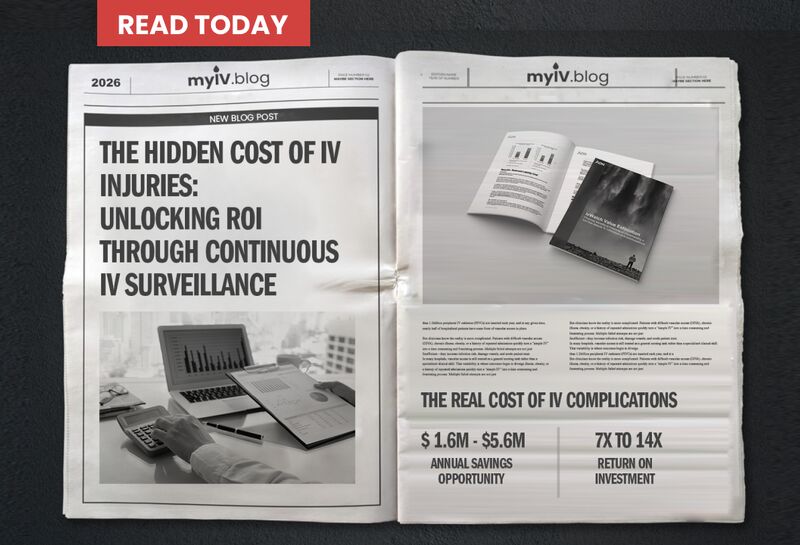
IV injuries aren’t just clinical events—they’re multi‑million dollar liabilities hiding in plain sight.
Up to 50% of peripheral IVs fail, yet the real cost of infiltration injuries is rarely measured. New data shows hospitals could unlock $5M–$13M in annual margin impact—simply by enhancing periodic manual checks with continuous monitoring technology.
This isn’t incremental. It’s a 93% reduction in injury severity and a 7x–14x ROI.
Read how leading hospitals are turning unseen risk into measurable value: ivwatch.com/2026/05/11/prote…
#PatientSafety #HealthcareLeadership #HospitalFinance #NursingLeadership #ROI
11
If you do not think IV extravasations are an issue in your hospital, you are wrong. Make a choice every day to be a part of the solution to help solve the global IV epidemic.
It is time to enhance your clinical IV assessments with continuous patient monitoring.
#IVTherapy #PatientSafety #IVMonitoring
#IVExtravasation #IVInfiltration
7
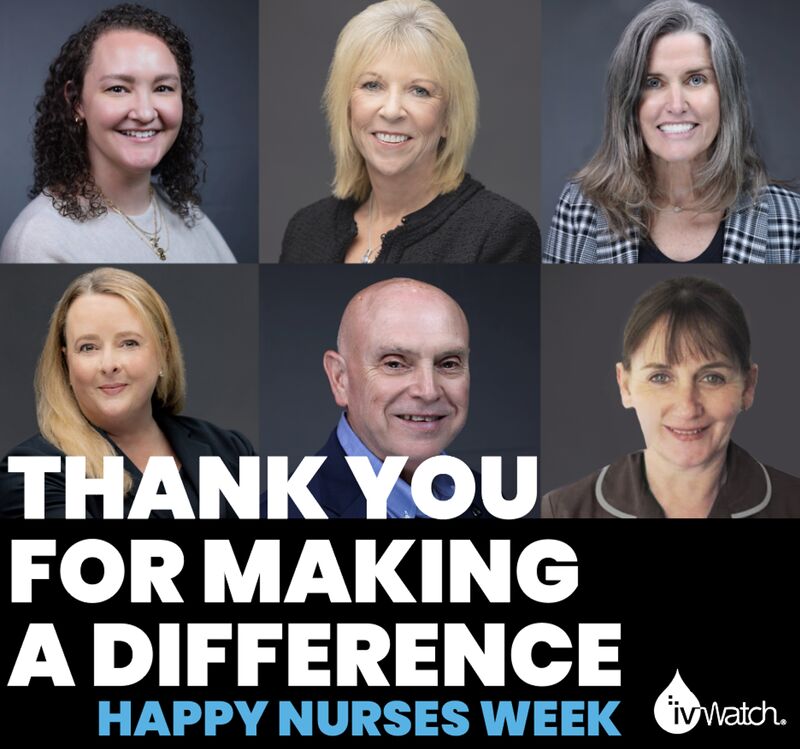
This week, we proudly celebrate the nurses —who show up every day with skill, compassion, and unwavering dedication.
You are the frontline of patient safety.
You are advocates, problem-solvers, and trusted partners in care. You are the difference.
Thank you for the impact you make, the vigilance you bring, and the lives you protect—every shift, every patient, every day.
We see you. We value you. We celebrate you.
#NationalNursesWeek #ThankYouNurses #NurseLife #PatientSafety #ivWatch #NursesMakeTheDifference
8
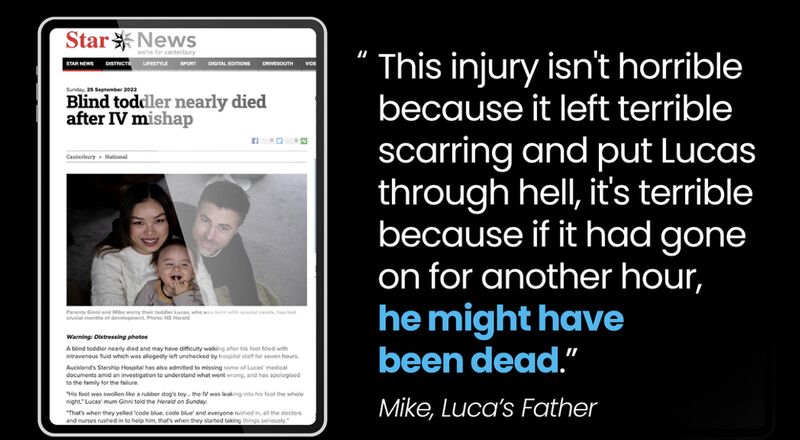
But these are not reasons to turn a blind eye. IV sites are frequently draped during procedures, overlooked during shift changes, or deprioritized when workloads increase.
When routine checks are delayed or missed for hours, even “just saline” can escalate into serious complications—such as compartment syndrome, requiring invasive intervention like fasciotomy.
Every medication. Every infusion. Every patient.
All IVs carry risk and demand continuous site assessment.
Learn how ivWatch technology provides continuous IV site monitoring to help clinicians detect infiltration earlier—before visible injury occurs: ivwatch.com
Read more about Lucas' story: nzherald.co.nz/nz/blind-todd…
#IVInfiltration #IVSafety #PatientSafety #IVComplications
24
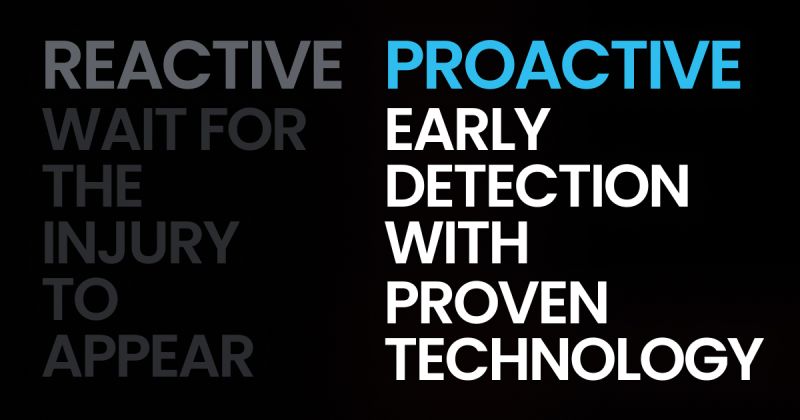
Reactive IV care is no longer enough.
Despite best intentions, IV extravasation continues to result in avoidable patient harm—revealing critical gaps in early detection, infusion protocols, and clinical preparedness.
It’s time to rethink infusion therapy safety by:
• Adopting proactive technology that identifies IV risk earlier
• Aligning IV protocols with today’s patient complexity
• Equipping clinicians with education that meets modern standards of care
Preventing IV extravasation requires more than awareness. It demands leadership, real‑time insight, and action.
The future of IV safety needs to start now to prevent avoidable patient harm.
#IVExtravasation #IVTherapy #PatientSafety #InfusionSafety #HealthcareTechnology
16
Increased vein porosity is usually a result of inflammation in the vein and can be seen with certain medications infusing such as vasopressors.
The increased space between the cells in the vein wall can allow fluid to leak out and pool in the surrounding tissue.
The Challenge:
· Fluid leakage is partial and will develop more slowly, so physical signs may not appear until later stages of the infiltration process.
· Because the catheter is still secured inside of the vein, flushing with normal saline, or drawing for blood return will likely still look normal.
#IVInfiltration #VeinPorosity #VascularAccess #Vasopressors #IVComplications #ExtravasationAwareness #ClinicalEducation
32