
Joined April 2023
- Tweets 5,581
- Following 608
- Followers 5,264
- Likes 5,542
1,969 Photos and videos



WarnTracker 2.0 retweeted

14 Oct 2025
14 Oct 2025

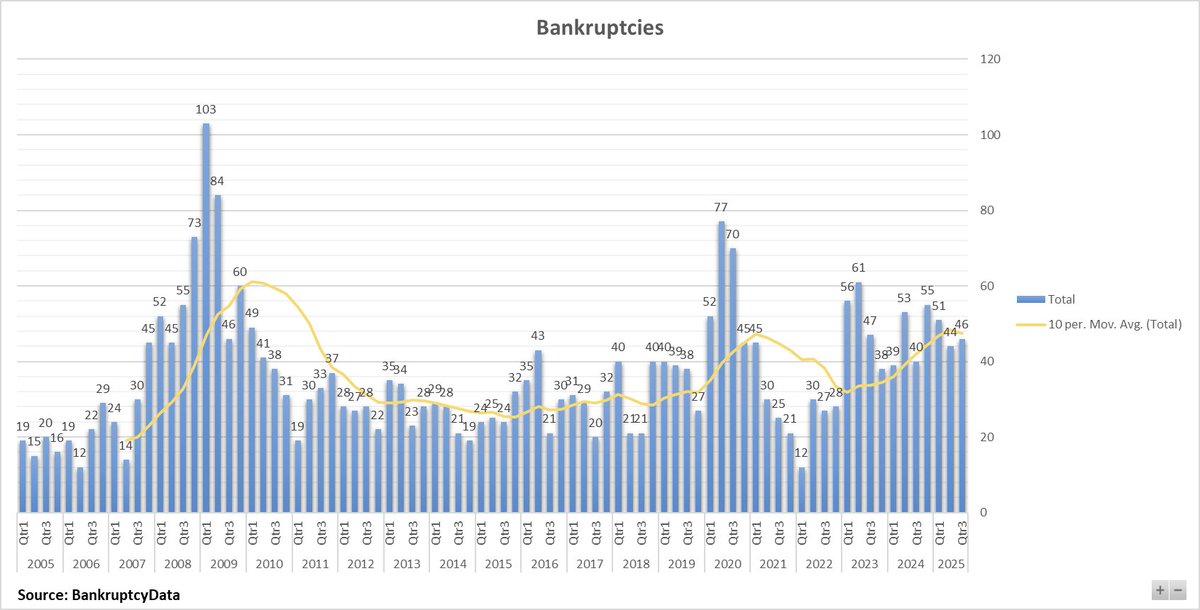
Q3 2025 corporate bankruptcies: 46 (Q3 2024: 39, 18%). Biggest Q3 cases: First Brands Group auto parts ($10 to $50BN liabilities), Tricolor Holdings subprime auto lender, Ch.7 ($1 to $10BN), Omnicare CVS subsidiary, Ch.11 ($1 to $10BN). #Bankruptcy #Chapter11 #Chapter7 #FinTwit
1
4
1,554

14 Oct 2025
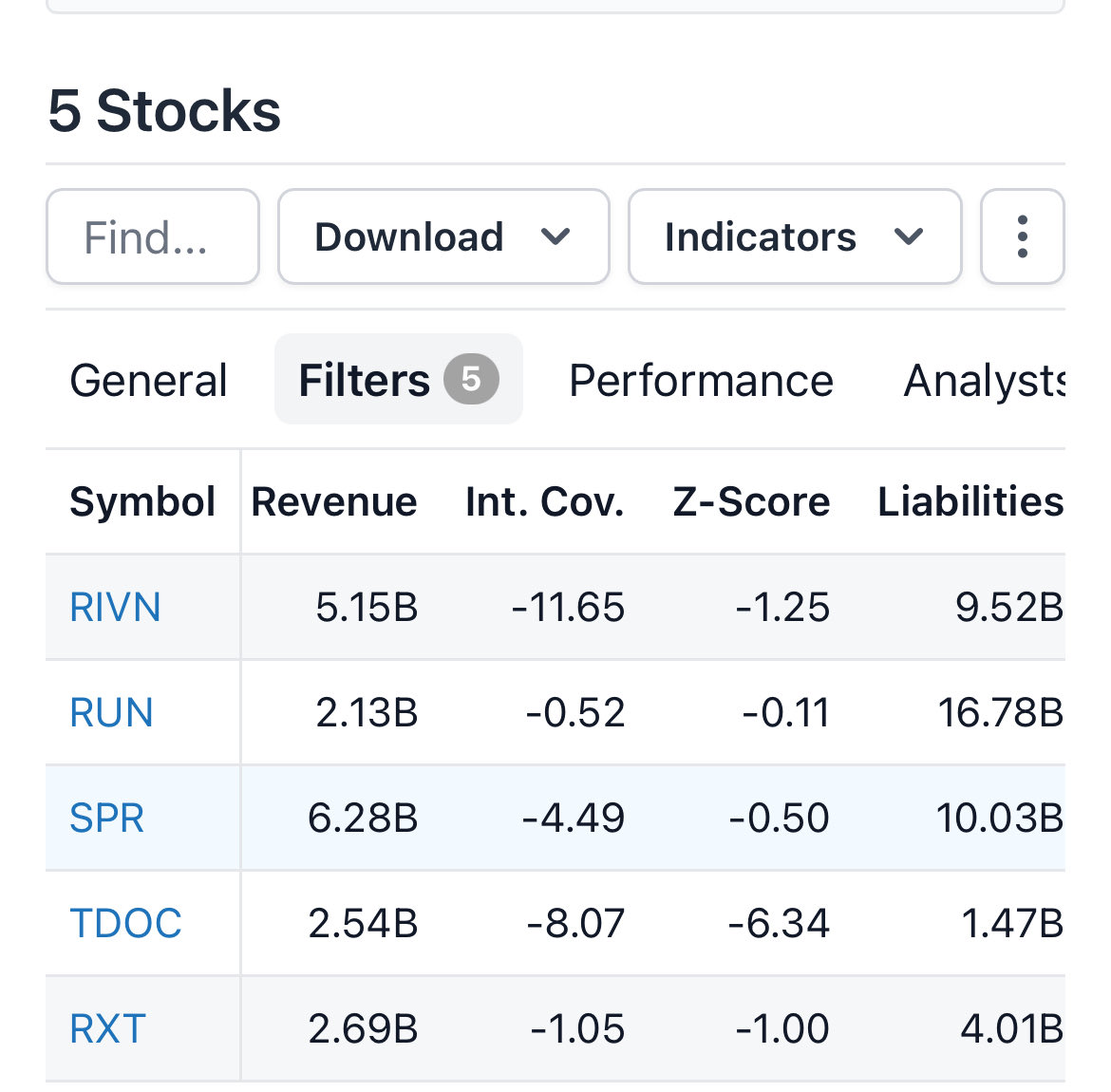
My final prediction is Rackspace (RXT), but I am rusty. And these posts are for entertainment purposes only. And if you want to learn something watch this. This is where I learned about “Billion-Dollar Babies” and Big Bankruptcies.
youtu.be/iV6yaDMPMKM?si=yc6Q…
14 Oct 2025

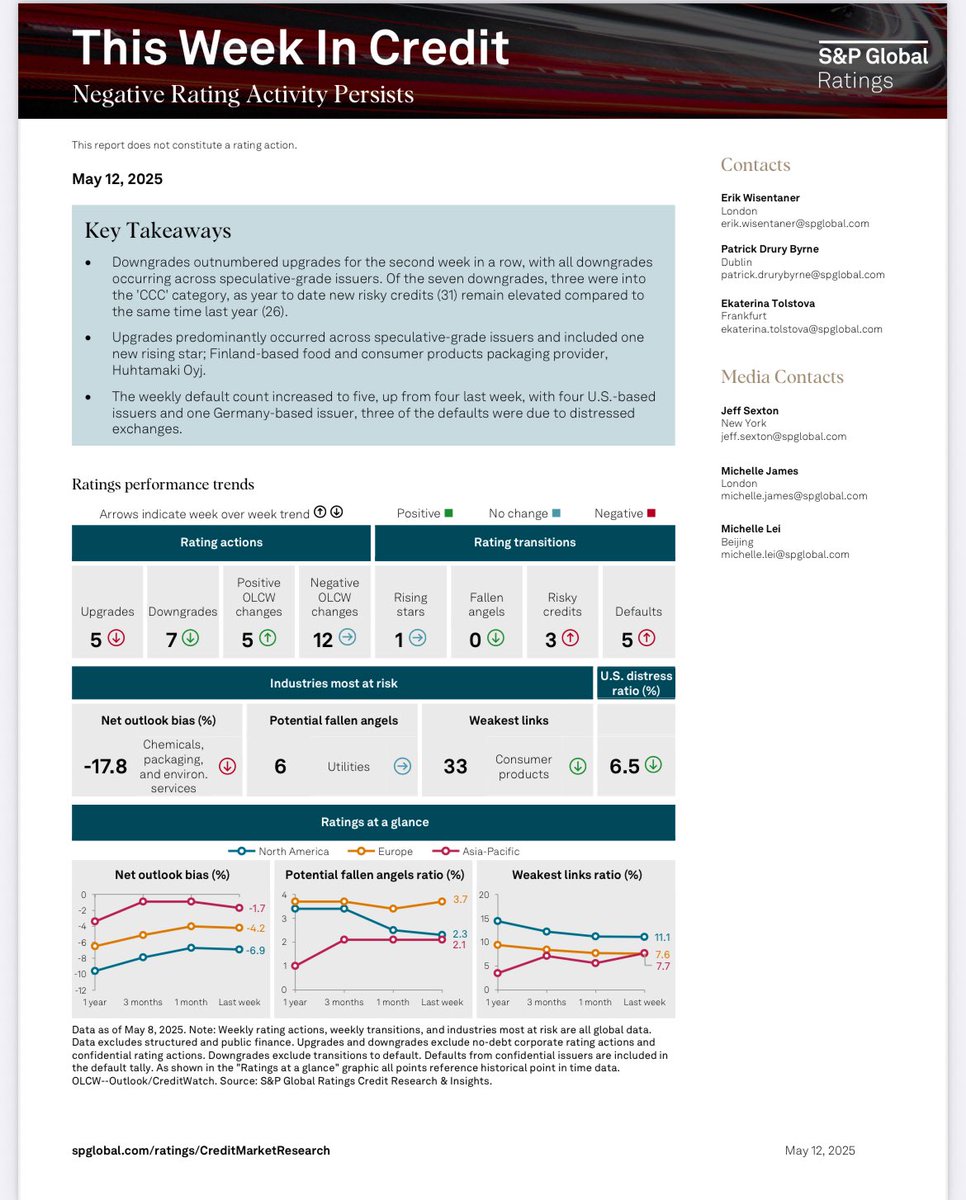
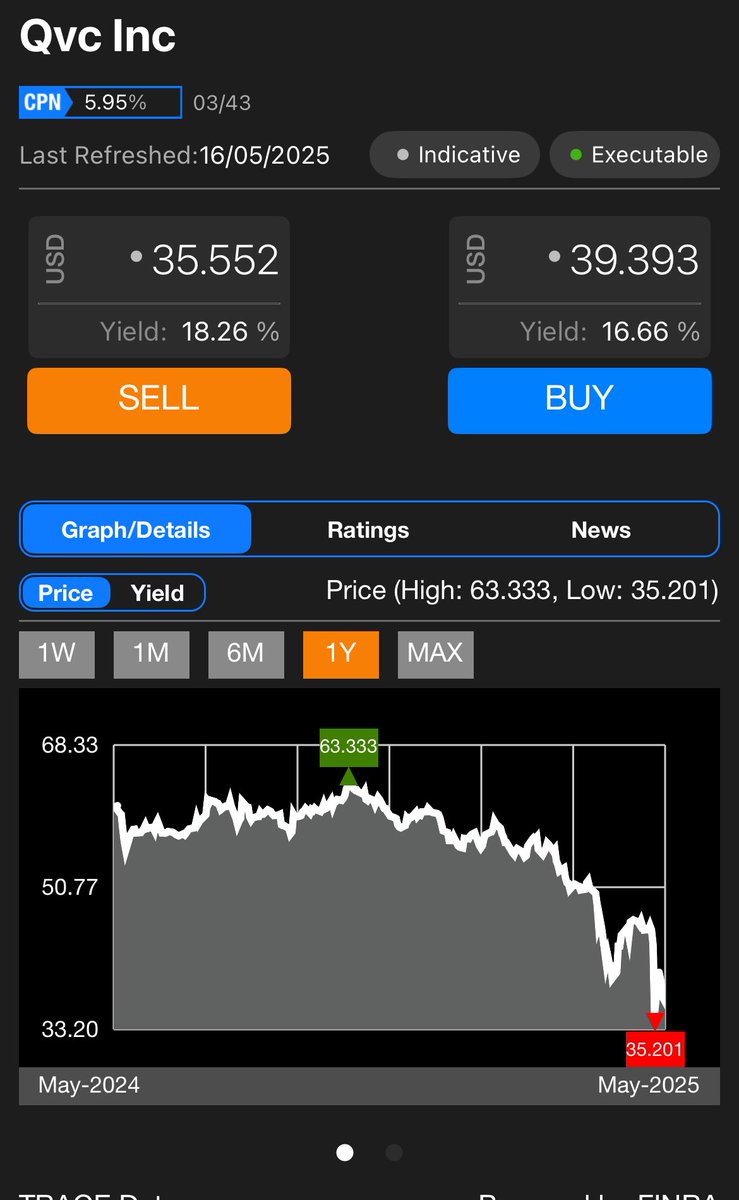
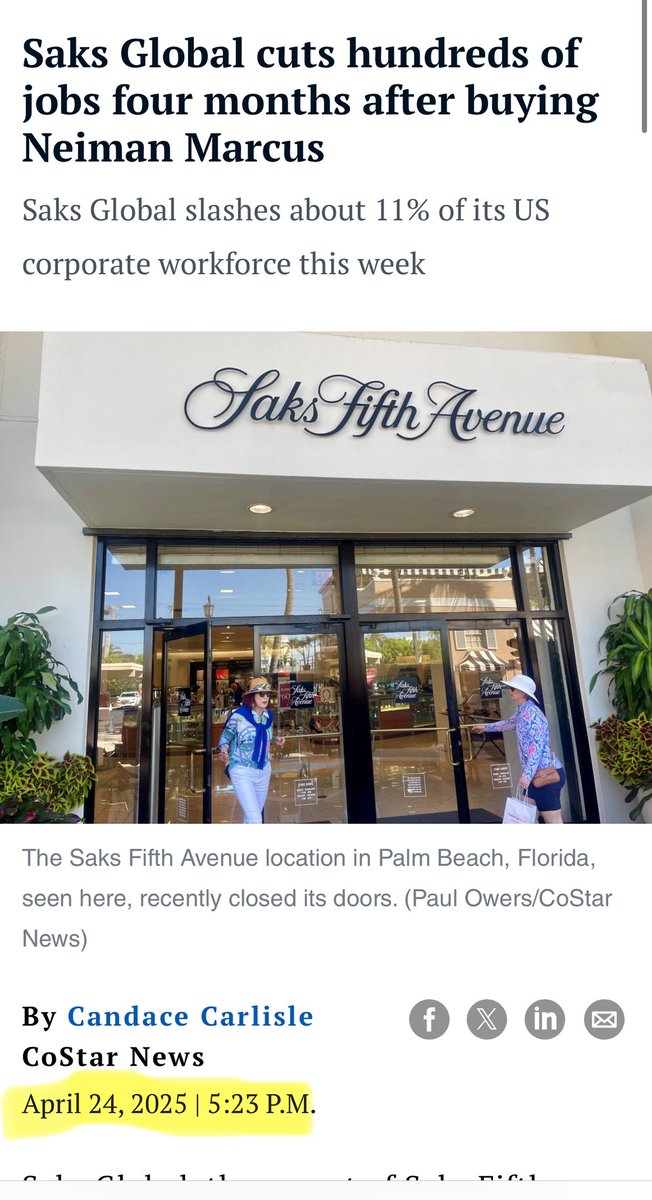
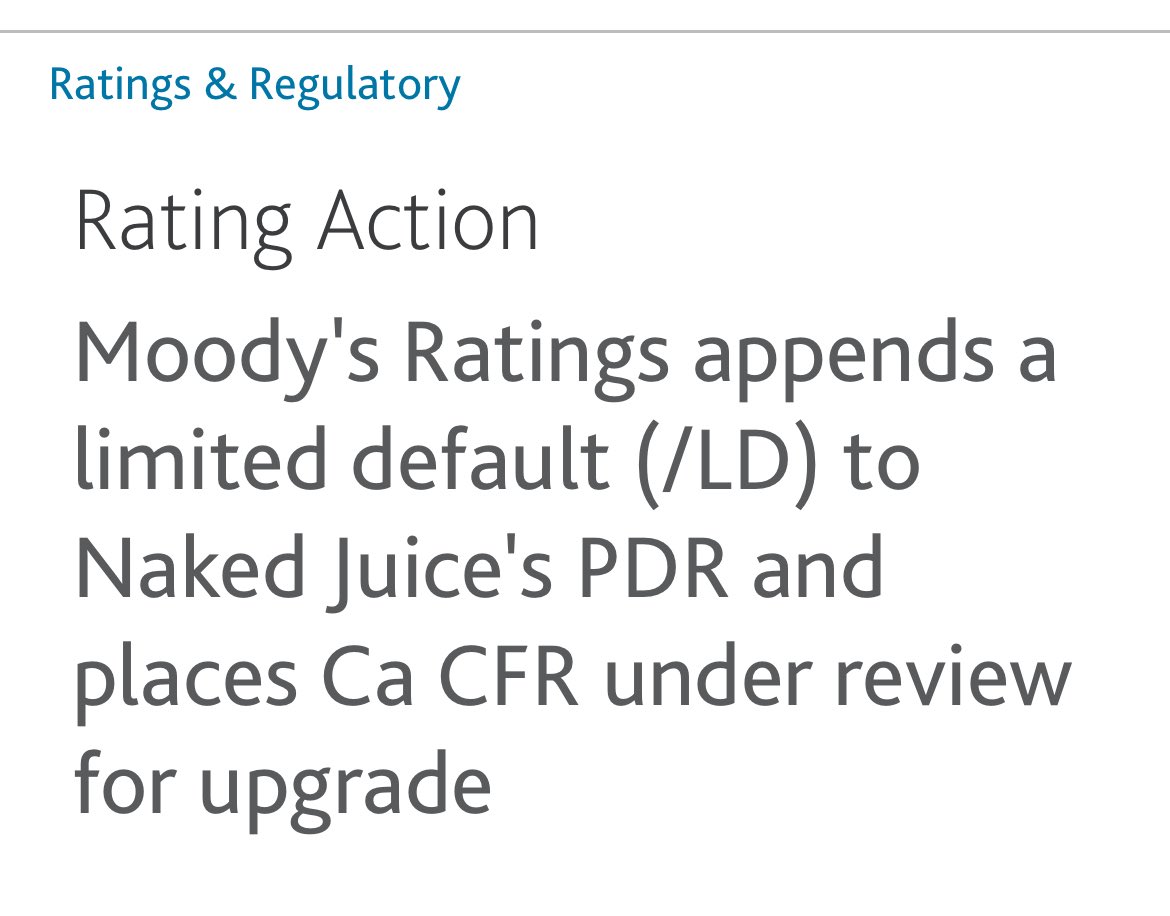
Let’s see if I still got it, and if I can predict the next Billion-Dollar Bankruptcy. I’m a bit rusty, but here are my top choices for the next Billion-Dollar Bankruptcy
2
2,274
14 Oct 2025
Let’s see if I still got it, and if I can predict the next Billion-Dollar Bankruptcy. I’m a bit rusty, but here are my top choices for the next Billion-Dollar Bankruptcy
14 Oct 2025
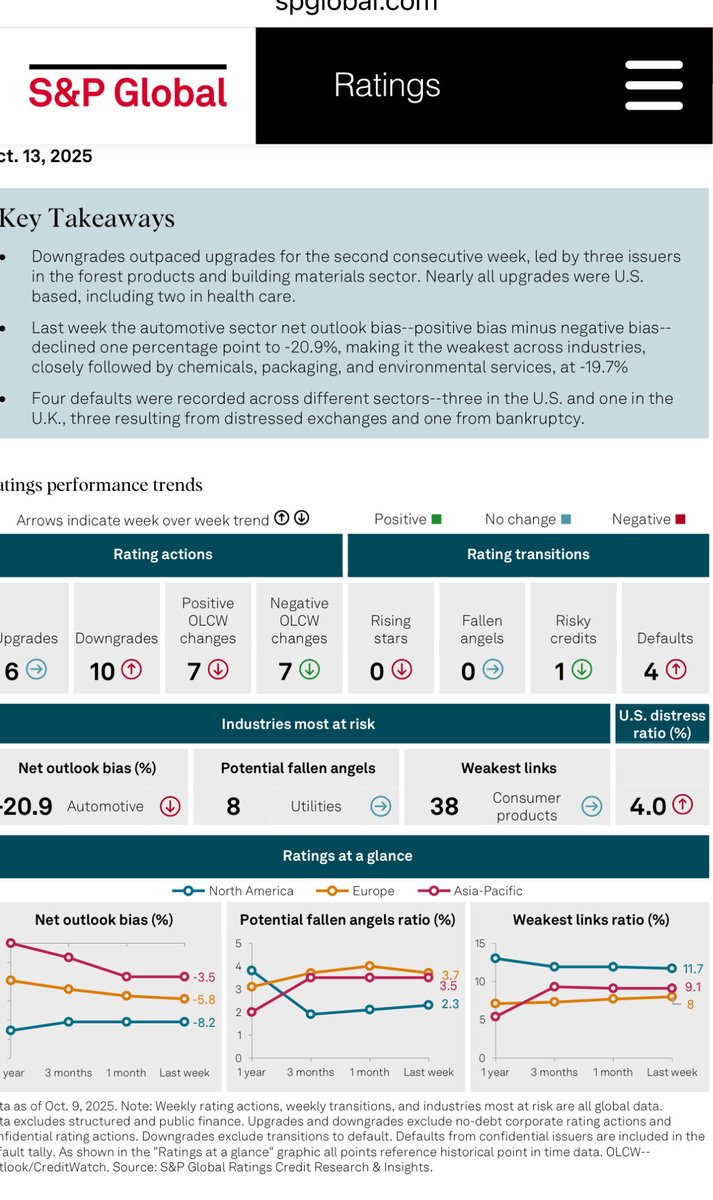
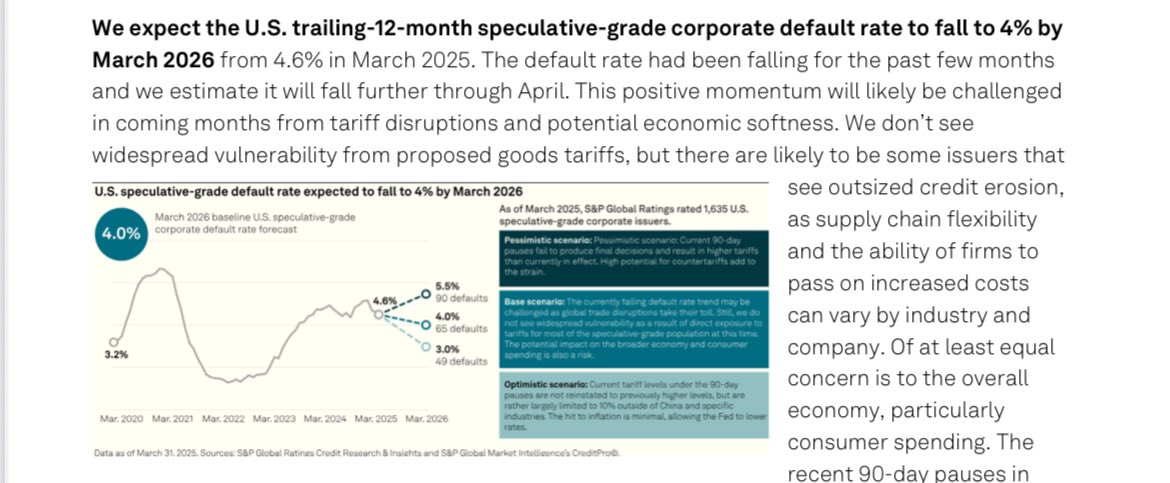
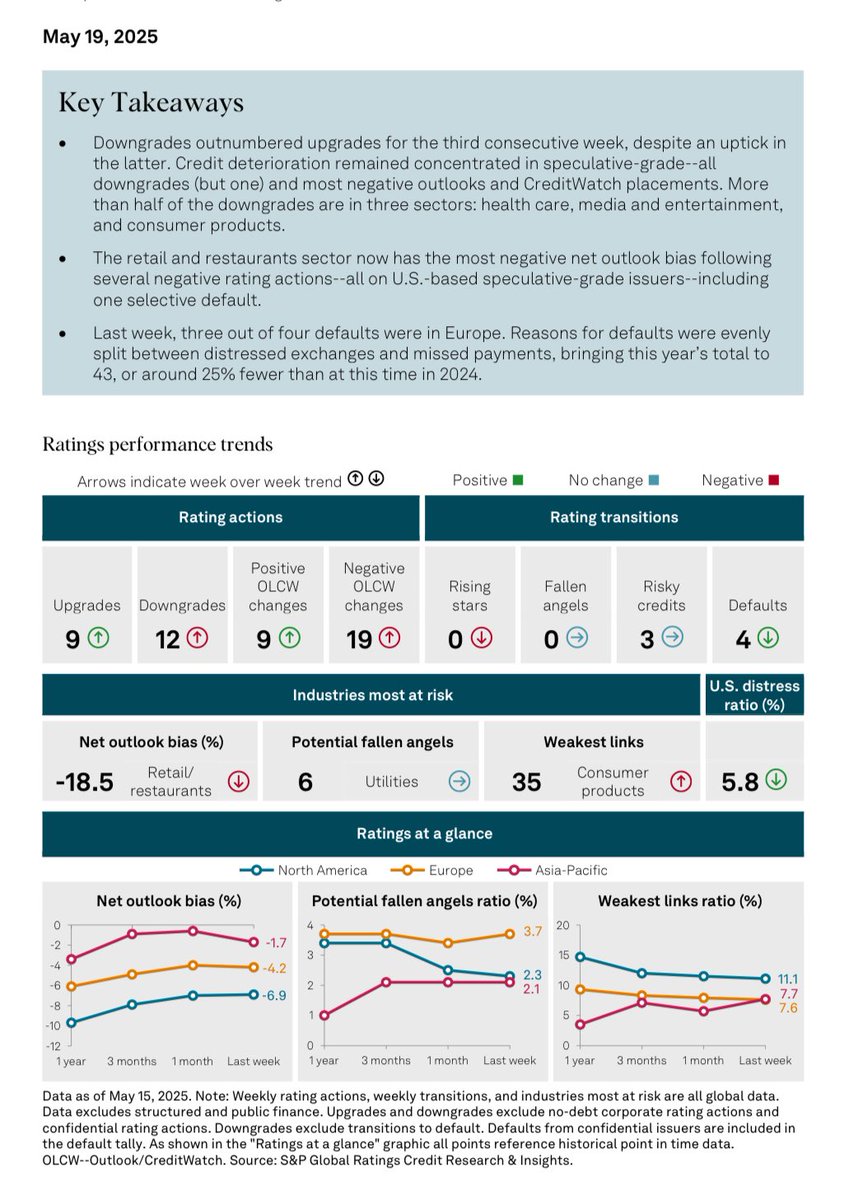
It’s been a bit since I looked at one of these, but looks like things have not improved for the Zombie companies, and corporate bankruptcies remain high…
1
3
12
3,949
14 Oct 2025
It’s been a bit since I looked at one of these, but looks like things have not improved for the Zombie companies, and corporate bankruptcies remain high…
2
1
9
3,256
12 Aug 2025
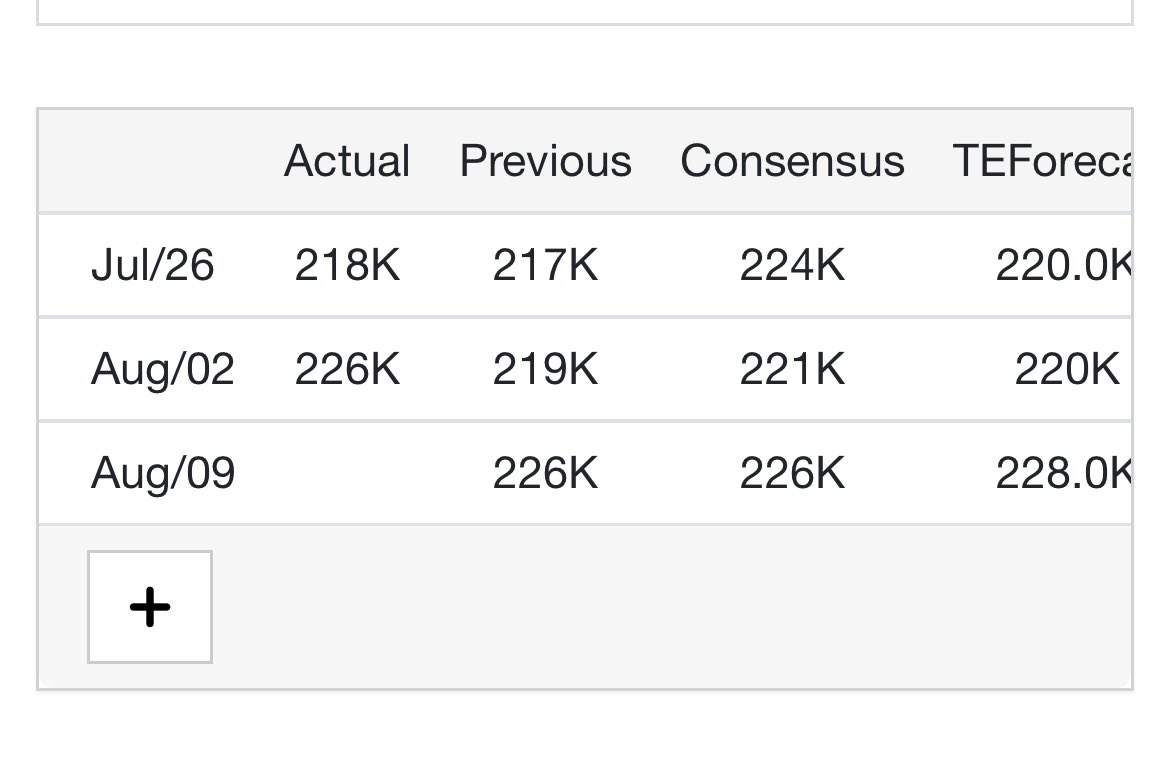
The formula for challenger is taking the monthly average layoffs, which is 68,000 and divide by the recipiency rate (.27) which is 27% and then divide by 4, which is about 4,590 people that apply for initial claims more than last year, but I also use the BLS number for layoffs
1
2
502
12 Aug 2025
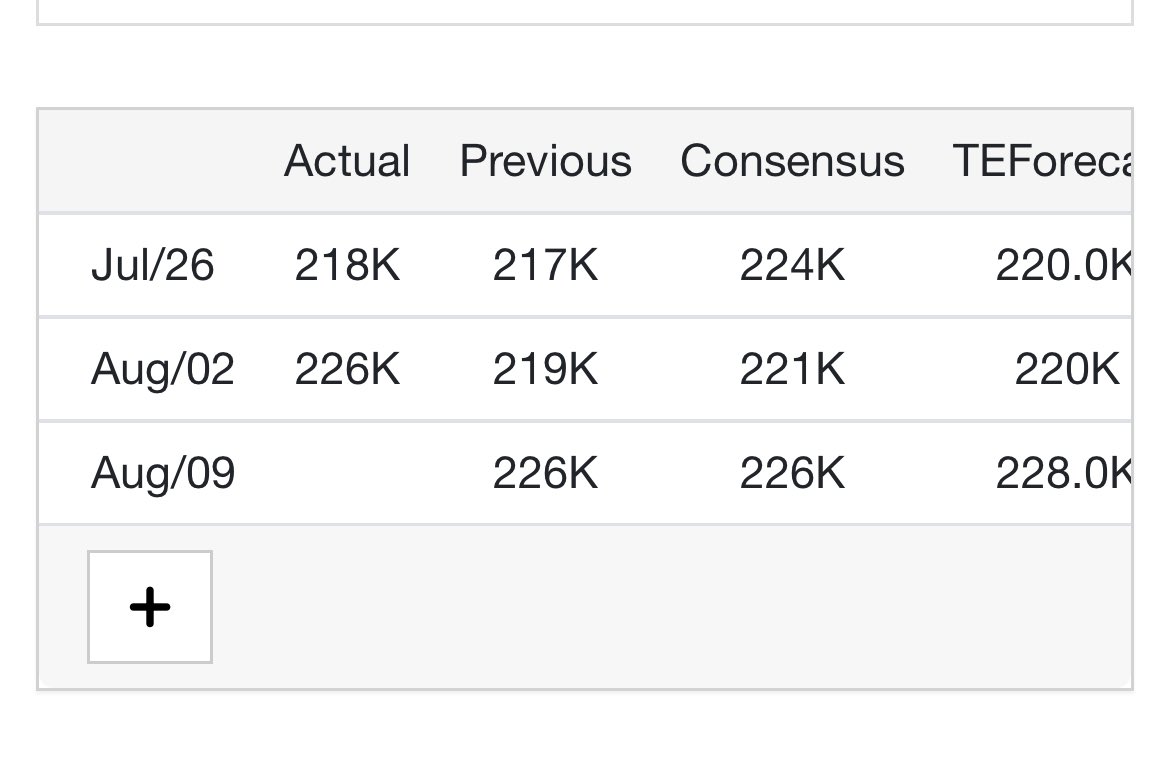
Official formula Challenger job cuts 3 month average 68,000 (for May, June, July), BLS Layoffs change y/y over 3 months ( 62,000), BLS seasonal adjustment, and the average of unadjusted initial claims (221,000)
221,000*.891=196,911 4500=201,411/.891=226,050.505 or 226k
3
466
12 Aug 2025
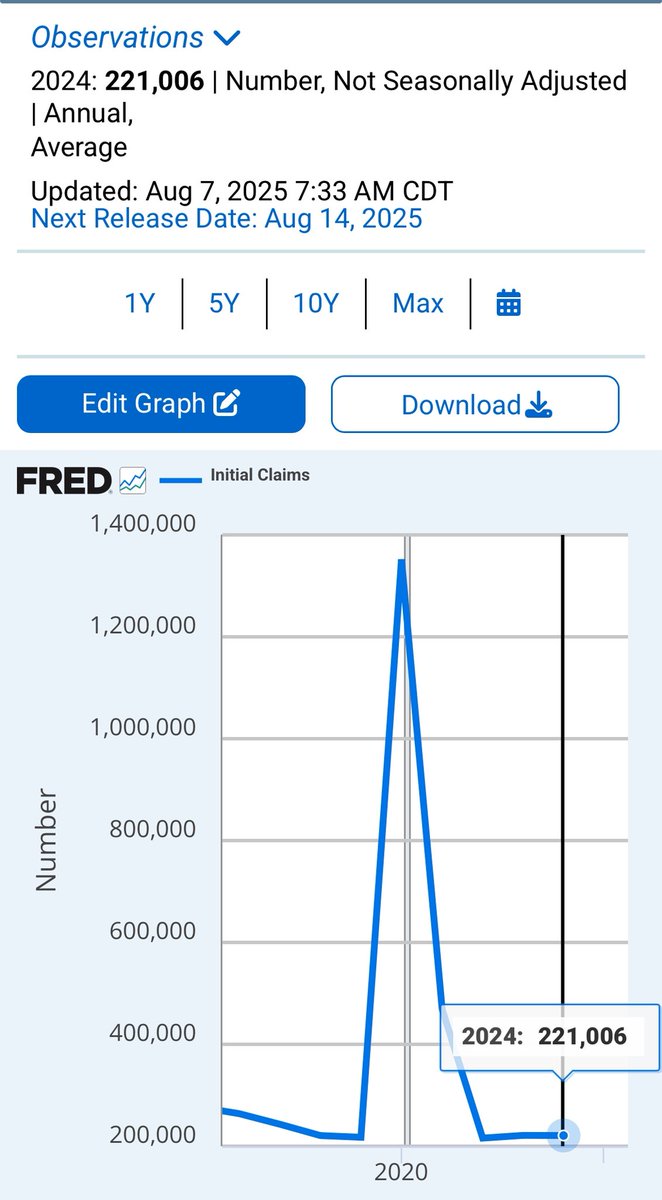
Initial Claims non-seasonally adjusted averaged about 221,000 last year. The recipiency rates are also incredibly low at 27%, but Challenger job cuts high, and claims are low. I’ll show you how to bridge them.
1
97
12 Aug 2025
Take the average between Challenger and the BLS layoffs and discharges number and divide by 2 and then divide by 4 (68,000 62,000=130,000/2=65,000*.27=17,550/4=4,387.5). This is the number to add to made initial claims.
94
9 Aug 2025
I am a bit surprised that continuing claims are this high. I can speak from experience that it is not easy to find a job right now. I would have thought many people would have exhausted their benefits by now, but more claims keep showing up, and the layoffs keep coming…
28 Jun 2025
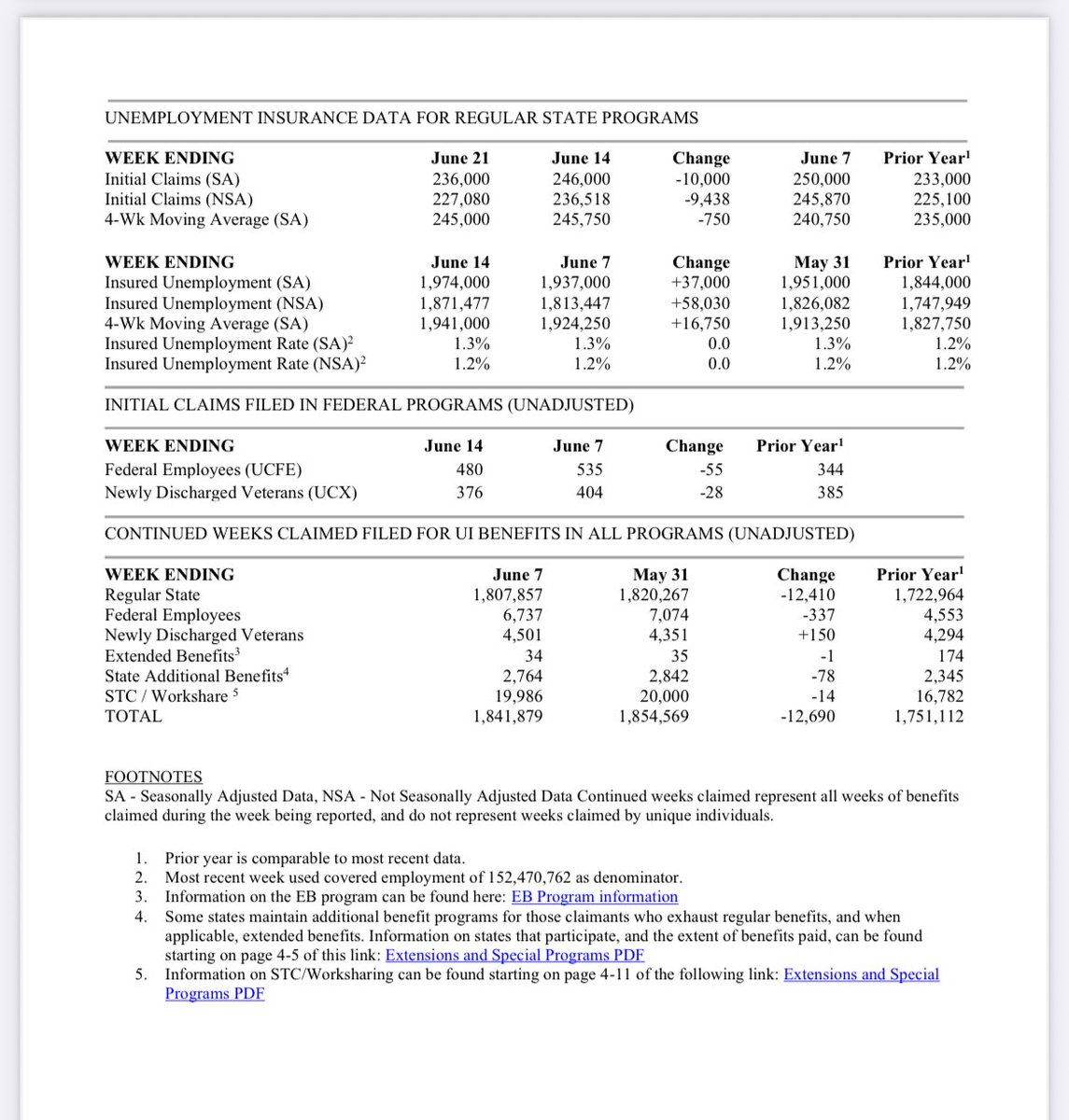
Last week, seasonally adjusted continuing claims reached 1,974,000. Will continuing claims be higher or lower in the coming weeks? I think they will be lower, and if I had to bet on Polymarket what seasonally-adjusted continuing claims will be in 3 weeks I would say 1,888,000.
Last year, several factors impacted jobless claims around this time: Hurricane Beryl, healthcare cyberattacks, and a high number of auto retooling layoffs.
This year, there are different challenges, including tariffs, auto production shutdowns due to a shortage of rare earth minerals, and a number of job cuts according to Challenger. Also, states like Michigan have expanded their unemployment benefits. I think these factors all affect jobless claims.
Last week, the seasonal adjustment factor for continuing claims was 0.948, indicating that non-seasonally adjusted claims were expected to be around 95% of the average. This upcoming week, the seasonal adjustment factor will be 0.972, or 97% of the average. If we calculate the difference—0.972 - 0.948 = 0.024—then multiply by 100, we get a 2.4% expected increase in non-seasonally adjusted continuing claims for next week. The week of July 5th the seasonal adjustment factor is 1.031 for continuing claims.
I predict that seasonally adjusted continuing claims might rise more over the next two weeks, approaching 2 million before starting to decline. If non-seasonally adjusted continuing claims reach 1,945,000 (about 74,000 more than the current level) for the week of July 5, similar to last year's impact from Hurricane Beryl (which is 3 weeks away), this would translate to seasonally adjusted continuing claims of around 1,887,000 (1,945,000 divided by 1.031 equals approximately 1,886,517) in three weeks. This number would be higher than last year's but would be a big drop from the current seasonally adjusted level of 1,974,000. Even if non-seasonally adjusted continuing claims hit 2,000,000 the week of July 5th that will still only put the seasonally-adjusted claims at 1,940,000.
2
1
16
1,807
9 Aug 2025
So claims keep rising. I also like to look at the number of unemployed who are out of work for 27 weeks and over. It is increasing. That is never a good sign, as hiring is decreasing. I also like to look at same-store restaurant sales, because if you have a good job…
2
199
28 Jun 2025
Last week, seasonally adjusted continuing claims reached 1,974,000. Will continuing claims be higher or lower in the coming weeks? I think they will be lower, and if I had to bet on Polymarket what seasonally-adjusted continuing claims will be in 3 weeks I would say 1,888,000.
Last year, several factors impacted jobless claims around this time: Hurricane Beryl, healthcare cyberattacks, and a high number of auto retooling layoffs.
This year, there are different challenges, including tariffs, auto production shutdowns due to a shortage of rare earth minerals, and a number of job cuts according to Challenger. Also, states like Michigan have expanded their unemployment benefits. I think these factors all affect jobless claims.
Last week, the seasonal adjustment factor for continuing claims was 0.948, indicating that non-seasonally adjusted claims were expected to be around 95% of the average. This upcoming week, the seasonal adjustment factor will be 0.972, or 97% of the average. If we calculate the difference—0.972 - 0.948 = 0.024—then multiply by 100, we get a 2.4% expected increase in non-seasonally adjusted continuing claims for next week. The week of July 5th the seasonal adjustment factor is 1.031 for continuing claims.
I predict that seasonally adjusted continuing claims might rise more over the next two weeks, approaching 2 million before starting to decline. If non-seasonally adjusted continuing claims reach 1,945,000 (about 74,000 more than the current level) for the week of July 5, similar to last year's impact from Hurricane Beryl (which is 3 weeks away), this would translate to seasonally adjusted continuing claims of around 1,887,000 (1,945,000 divided by 1.031 equals approximately 1,886,517) in three weeks. This number would be higher than last year's but would be a big drop from the current seasonally adjusted level of 1,974,000. Even if non-seasonally adjusted continuing claims hit 2,000,000 the week of July 5th that will still only put the seasonally-adjusted claims at 1,940,000.
7
2,878